
REVIEW · SWAYAMBHUNATH TOURS
Kathmandu: Guided Walking Tour with Monkey Temple
Kathmandu reveals itself best on foot, and this tour links several very different parts of the city in one outing. You begin at the calm Garden of Dreams, pass through local streets and markets, visit Kathmandu Durbar Square, then reach the hilltop Monkey Temple by walking through Newari neighborhoods and ritual sites.
I like the local focus and the chance to see people carrying out daily religious practices, not just famous monuments. I also like the guide-led context, especially with guides such as Shiva, who has been praised for answering questions about culture and religion and for showing visitors places they might miss alone.
The trade-off is physical: this is a serious walking tour, not a gentle sightseeing stroll. You walk for about 45 minutes to the conical hill and later descend 365 steps, so hot weather, uneven streets, and tired legs can change the experience.
Key points at a glance
- A city walk with real variety: Move from the quiet Garden of Dreams to markets, royal courtyards, local temples, and residential streets.
- Monkey Temple on foot: Reach the 77-meter hill by walking, then return down 365 steps rather than by vehicle.
- Strong guide element: English-speaking guides explain Kathmandu’s culture, religion, buildings, and local customs.
- Newari neighborhood stop: See a residential area, a local temple, and a cremation place outside the usual sightseeing route.
- Good value at $15: The price covers a professional guide, making it useful for a first look at Kathmandu.
- Plan for exertion: Comfortable shoes, water, sunscreen, and modest clothing are important.
Starting quietly at the Garden of Dreams
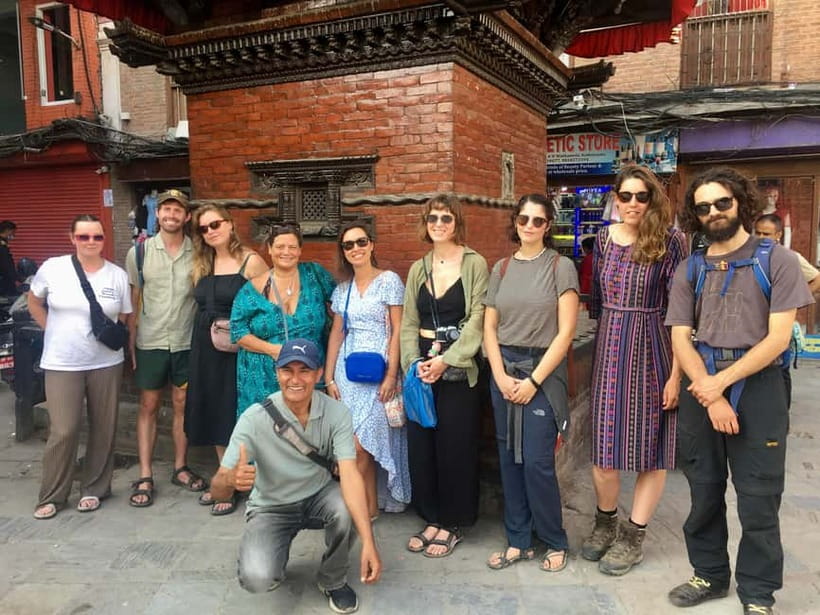
Your meeting point is the front gate of the Garden of Dreams. Look for a guide holding a placard marked Himkala Adventure. This clear meeting arrangement matters in Kathmandu, where busy streets and unfamiliar lanes can make a first rendezvous harder than expected.
The Garden of Dreams gives the walk a calm opening. Instead of starting amid traffic and vendors, you begin in a green city oasis before heading into local streets. The contrast helps you notice how quickly Kathmandu shifts from quiet retreat to crowded urban activity.
This first stop is not presented as a long garden tour. Think of it as a useful starting point and a gentle introduction to the city. From there, the route moves toward older local areas, where the guide points out age-old stupas, temples, and people performing ritual activities.
That is one of the tour’s best qualities. You are not only collecting landmark photographs. You are also watching how religious practice fits into ordinary city life. The guide can explain what you are seeing and answer questions, which gives the smaller shrines more meaning than they would have on their own.
More Walking Tours in Kathmandu
- Kathmandu Food and Drink Walking Tour
★ 5.0 · 266 reviews - Kathmandu: Food and Drink Walking Tour
★ 4.9 · 119 reviews - Walking Street Food Tour in Kathmandu
★ 5.0 · 111 reviews
Through markets and everyday Kathmandu
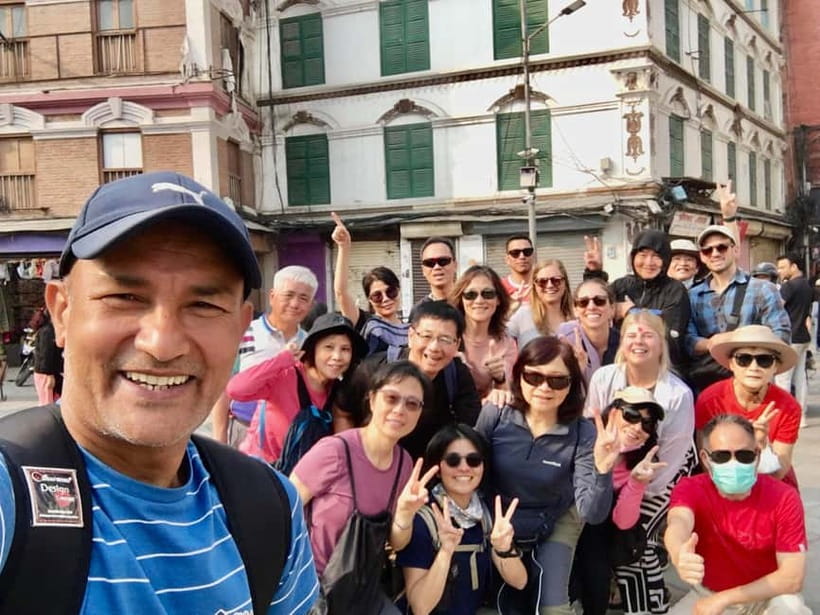
The route continues into Kathmandu’s market area. The supplied details do not specify a particular market name, so you should expect a general local market setting rather than one single attraction with a fixed display. The point is the movement through the city: shops, pedestrians, religious sites, and daily business all appear along the way.
A guide is especially useful here. On your own, you may notice the noise and activity but miss the purpose of a shrine, the meaning of a ritual, or the difference between a place of worship and an ordinary neighborhood structure. An English-speaking guide helps connect those details without forcing you to stop at every point.
The market section also gives you a more grounded view of Kathmandu. Major monuments can make a city feel like an open-air museum. Walking through working streets reminds you that people live, shop, worship, and commute among the old buildings.
Keep your belongings secure and stay aware of the group as you walk. The route passes through active public areas, and the tour is about observing rather than shopping or eating. Meals and drinks are not included, so carry water and plan for your own refreshments.
Kathmandu Durbar Square and the royal center
Kathmandu Durbar Square is the tour’s major historic stop. Here, the guide can place the buildings and courtyards within the story of Kathmandu and its people. You will see temples and traditional structures, but the real value comes from understanding how this square connects with the city around it.
The tour does not simply deliver you to the square and leave you to wander. It brings you there after the Garden of Dreams, local shrines, and the market, so you can compare formal heritage sites with everyday religious and residential spaces.
Allow yourself time to look up and around. The square rewards attention to small details, including temple forms, carved elements, and the way people use the space. Ritual activity remains part of the experience, so approach respectfully and avoid treating worship as a performance staged for visitors.
One practical point is that the tour price does not list meals, drinks, entrance fees, or personal expenses as included. The only stated inclusion is a professional guide. If an admission charge applies at a particular site, confirm whether it is covered before booking, since the supplied information does not specify this.
A closer look at Newari residential life
After Kathmandu Durbar Square, the walk follows a Newari residential area. This change of setting is important. Monument squares show the city’s public and royal face, while residential lanes show how traditional urban life continues beyond the main sights.
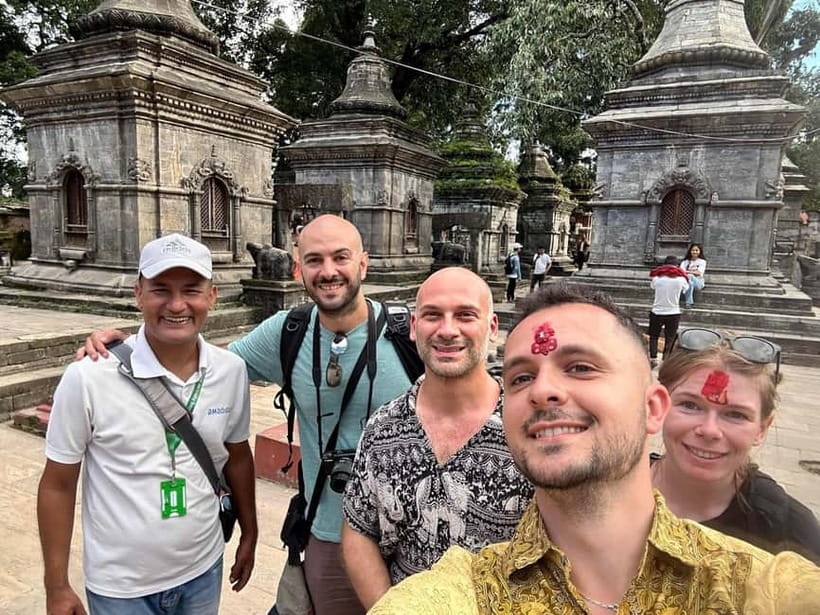
You will also observe a local temple and a cremation place. These are sensitive places, and your behavior matters. Dress modestly, follow the guide’s instructions, and keep photography thoughtful. The tour specifically asks you to respect local customs at religious sites, so this is not the time for loud conversation or casual posing.
The cremation place may be a difficult stop for some people. It gives the walk a more serious edge and shows that religious spaces in Kathmandu are tied to major parts of life, not separated into neat tourist zones. If you prefer a tour made only of bright viewpoints and grand monuments, this section may feel more intense.
For me, this is the kind of stop that makes a walking tour worthwhile. You are given a chance to see the city as a lived place. The guide’s role becomes important here, since the meaning and customs may not be obvious from the street.
More Swayambhunath visits:
- Kathmandu: Chandragiri Cable Car and Monkey Temple Tour
★ 4.8 · 139 reviews - Monkey Temple – Swayambhunath Tour – Private/Small Group
★ 5.0 · 50 reviews - Chandragiri Cable Car & Monkey Temple Tour- Private/Group
★ 5.0 · 32 reviews - Private Chandragiri Cable Car and The Monkey Temple Tour
★ 5.0 · 30 reviews
The 45-minute approach to Monkey Temple
From the Newari area, you walk for about 45 minutes toward the conical hill known as the Monkey Temple. The hill rises 77 meters from Kathmandu’s ground level. This is not a short transfer between sights. The walk is a central part of the experience.
The route gives you time to notice the changing character of Kathmandu, but it also demands stamina. Comfortable shoes are essential, and water is not optional in warm weather. Bring a hat and sunscreen as well, since the tour information specifically recommends them and weather conditions can vary.
The Monkey Temple is a UNESCO World Heritage Site and one of Kathmandu’s best-known religious landmarks. The visit includes the stupa and the surrounding area, not only a quick look at the main structure. You can expect the guide to discuss the site, local religious practice, and the city’s cultural background.
The name comes from the monkeys found around the site, but the attraction is not just the animals. The hilltop setting, stupa, temples, and religious activity make this a fitting final destination after the long walk through local neighborhoods.
The physical challenge changes how you experience the stop. You arrive after seeing parts of Kathmandu that many short sightseeing routes skip, so the Monkey Temple becomes both a cultural visit and the payoff for the walk. Take your time here, but remember that the route is not finished until you descend.
The 365-step return to Thamel
After visiting the stupa and its surroundings, you return toward Thamel by descending 365 steps. This number is useful to know before you book. Downhill stairs can be harder on knees than expected, especially after the 45-minute approach and a full day on your feet.
The tour ends back at the original meeting point, so you do not need to arrange a separate ride from the Monkey Temple. Hotel pickup and drop-off are not included, however. You are responsible for reaching the Garden of Dreams at the start and for managing any transport you need before or after the activity.
The return route also means the tour is not suitable for wheelchair users or people with mobility impairments. Children under five are not considered suitable for this activity. Families with older children should judge the walking and stairs based on the child’s stamina, since no easier alternative route is provided in the information available.
Smoking is not allowed. That rule is especially sensible around religious sites and crowded public areas, but it is worth noting if you are planning a long walk and usually take smoking breaks.
What the $15 price buys you
At $15 per person, this is an inexpensive way to get a structured introduction to Kathmandu. You are paying for a professional guide rather than transport, meals, or a private vehicle. The value depends on how much you want interpretation and company while walking.
For a first visit, I think the price makes sense. The route covers the Garden of Dreams, markets, Kathmandu Durbar Square, local temples, a Newari residential area, a cremation place, and Monkey Temple. Doing all of that alone would be possible, but understanding the cultural links between the stops would be harder.
The strongest part of the value is the guide. Shiva has received especially warm praise for being patient, kind, and willing to answer questions about culture and religion. He has also been described as taking visitors to places they might not find alone. That makes this more than a route between famous landmarks.
Still, keep your expectations accurate. This is a walking experience, not a full transport-supported city tour. You pay your own food, drinks, personal expenses, and hotel transport. The information does not state the tour’s group size or total duration, so ask for those details if they matter to your plans.
You can reserve now and pay later, which helps if your Kathmandu schedule is still changing. Cancellation is allowed up to 24 hours in advance for a full refund.
How the guide shapes the experience
The guide can make or break a walking tour, and the feedback about Shiva is unusually consistent. He is described as punctual, friendly, calm, and willing to spend time on questions. Those qualities matter more here than a fast delivery of facts.
Kathmandu has plenty of visual detail, but not all of it explains itself. A stupa, a small temple, a ritual action, or a cremation place can be easy to misunderstand. A guide who can explain local culture and religion helps you look with greater care.
The walk also benefits from flexibility in conversation. If you want to understand Newari life, ask. If you are curious about a ritual, ask. The experience is best for people who enjoy learning as they walk, rather than simply moving from one photo stop to the next.
The tour is offered in English. If you want detailed cultural explanation, confirm your comfort with English before booking. No other tour language is listed.
What to bring and how to prepare
Wear shoes that you trust on long walks and stairs. The route includes city streets, an uphill approach, and 365 steps on the descent, so sandals with poor support are a bad choice.
Bring:
- Water
- A hat
- Sunscreen
- A camera
- Modest clothing for religious sites
Weather can vary, so a light layer or rain protection may also be sensible, though the tour information does not specify a required clothing list beyond comfortable shoes and modest dress. Carry only what you need, since a heavy bag becomes more annoying with every step.
Do not plan the walk around a large meal unless you have time before meeting the guide. Food and drinks are not included, and the route is active. You may prefer to eat before or after the tour and keep water with you throughout.
Most important, arrive at the front gate of the Garden of Dreams. The guide will have a Himkala Adventure placard. Since the activity returns to this same meeting point, note where you started before setting off.
Who should book this Kathmandu walk?
I would choose this tour if you want a first introduction to Kathmandu that mixes famous sites with ordinary neighborhoods. It suits curious adults, independent visitors who want local explanation, and anyone who prefers walking to sitting in a vehicle.
It is also a good match if Monkey Temple is on your list but you want more than a direct visit. The route gives you context before you reach the hill, and the guide can help explain the religious sites along the way.
I would hesitate if you have limited stamina, knee trouble, a mobility impairment, or dislike stairs. The 45-minute walk to the hill and 365-step descent are not minor details. You should also reconsider if you want hotel pickup, included food, or a carefully timed transport itinerary.
Should you book it?
Book this $15 walk if you want value, local context, and a real look at Kathmandu beyond its headline monuments. The strongest reasons are the varied route and guides such as Shiva, who bring patience and cultural explanation to the walk.
Skip it if physical exertion is a concern or if you need wheelchair access, hotel transfers, or a fully supported sightseeing day. For the right person, this is a practical way to connect Kathmandu’s gardens, markets, royal square, residential lanes, religious customs, and Monkey Temple in one thoughtful outing.
FAQ
Where does the Kathmandu walking tour start?
The tour starts at the front gate of the Garden of Dreams. Your guide will hold a placard marked Himkala Adventure.
Where does the tour end?
The activity ends back at the original meeting point at the Garden of Dreams.
Is hotel pickup included?
No. Hotel pickup and drop-off are not included, so you need to reach the Garden of Dreams yourself.
How much walking is involved?
The tour involves significant walking. The approach to Monkey Temple takes about 45 minutes, followed by a descent of 365 steps.
Is the tour suitable for people with mobility impairments?
No. The activity is not suitable for people with mobility impairments or wheelchair users.
What language is the tour offered in?
The tour is offered in English.
Can I cancel the booking?
Yes. You can cancel up to 24 hours in advance for a full refund. You can also reserve and pay later.
Recently added around Kathmandu
- Kathmandu Airport Pickup and Drop-off Services★ 5.0 · 3 reviews
- Kathmandu Paragliding★ 5.0 · 3 reviews
- Kathmandu Chandragiri Cable Car and Swayambhunath Private Tour★ 5.0 · 3 reviews
- Explore The Beauty Of Langtang Valley In 8-Days Trek★ 5.0 · 3 reviews
- Kathmandu: Nightlife and Pub Crawl Tour★ 5.0 · 3 reviews
- Mountain Flight Experience in Nepal★ 4.5 · 3 reviews
- Kathmandu: Momo Making Class with a Local Chef★ 5.0 · 3 reviews
- Everest Base Camp Trek★ 5.0 · 3 reviews
Other Swayambhunath Tours worth a look
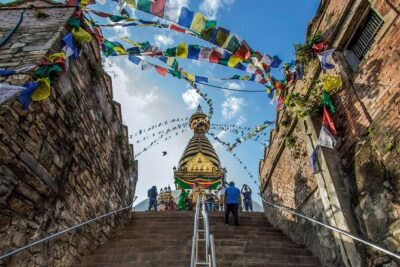
Monkey Temple – Swayambhunath Tour – Private/Small Group
Read our review →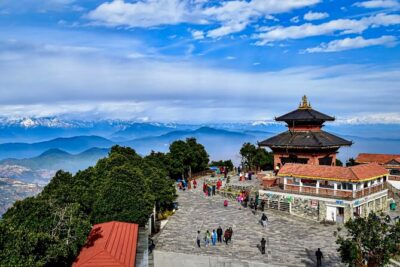
Chandragiri Cable Car & Monkey Temple Tour- Private/Group
Read our review →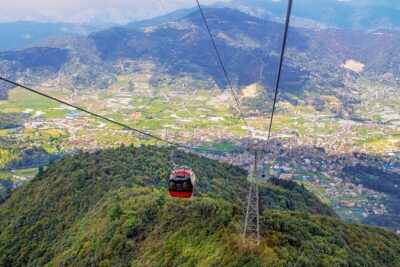
Private Chandragiri Cable Car and The Monkey Temple Tour
Read our review →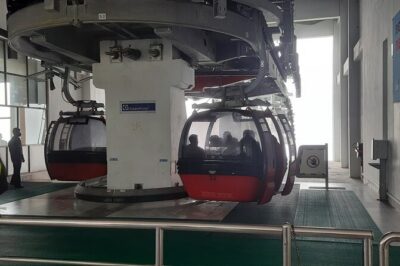
Kathmandu Chandrigiri Hill Cable Car & Monkey Temple UNESCO Tour
Read our review →
Chandragiri Cable Car Ride & Monkey Temple Tour – Private/Group
Read our review →
Private Half-Day Tour of Kathmandu Durbar Square and Swayambhunath Temple
Read our review →
Kirtipur & Swayambhu Trip from Kathmandu: Local Eats and Drinks
Read our review →This tour also appears in