
REVIEW · BHAKTAPUR TOURS
Kathmandu: Private Bhaktapur and Patan Sightseeing Tour
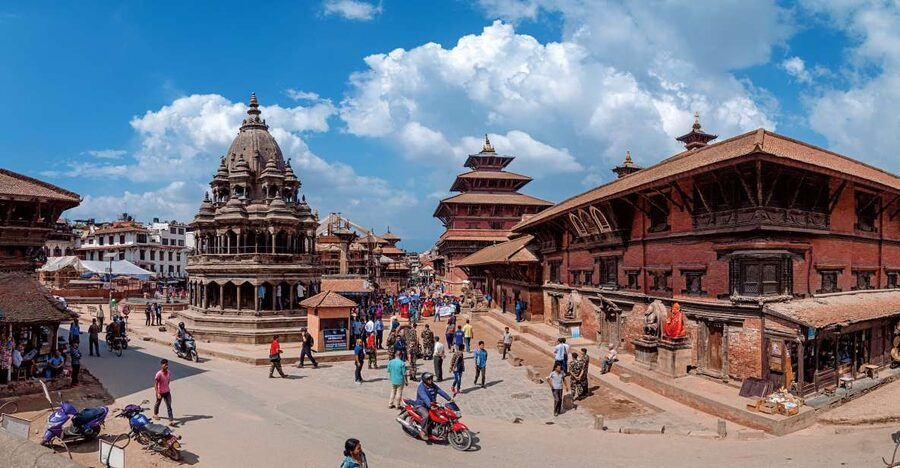
Patan and Bhaktapur give you two very different looks at the old Kathmandu Valley. Patan’s stone Krishna Mandir feels measured and refined, while Bhaktapur opens into grand palace courts, towering temples, carved windows, and a working Pottery Square. I like the private car and guide, and I like that the day brings both major UNESCO sites into one manageable outing.
The main drawback is time. Six hours is enough for the highlights, but not for a slow look at every shrine, museum, and courtyard. You should also carry cash for entrance fees, and confirm the return time, since the schedule lists both 3:00 and 4:00 PM.
Key points at a glance
- Two former kingdoms in one day: Compare Patan and Bhaktapur, each with its own palace square and architectural style.
- A private English-speaking guide: Guides including Nilakantha and Sharmila have led past departures, with strong focus on Nepalese history, Hinduism, and local traditions.
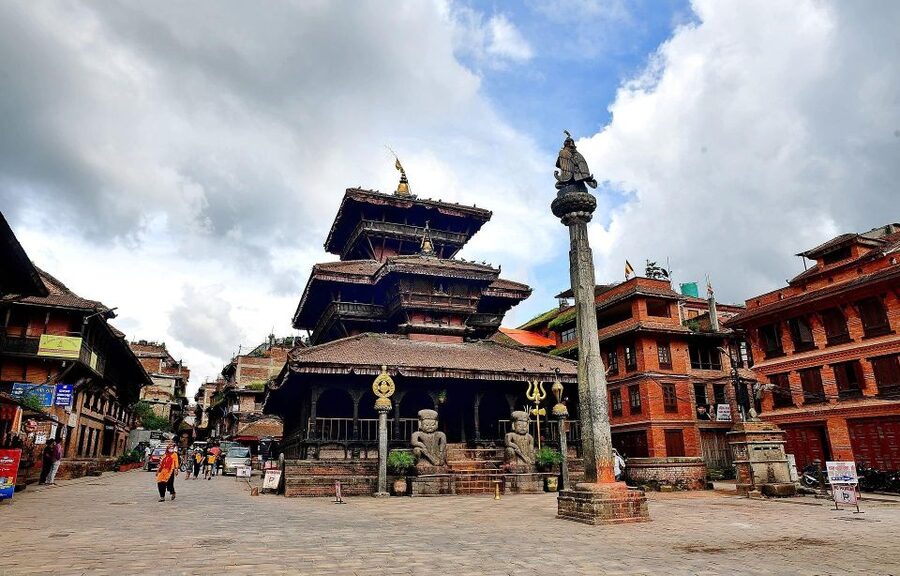
- The best of Bhaktapur: See the Golden Gate, 55 Window Palace, Nyatapola Temple, and Pottery Square.
- Comfortable valley transport: Hotel pickup, drop-off, bottled water, and a private air-conditioned car or van are included.
- Allow extra cash for entry: Monument fees are not included, and cash is specifically required.
- Good value for a focused day: At $45 per person, the package is especially appealing if you want private transport and a guide without arranging two separate city visits.
Why Patan and Bhaktapur belong on the same day
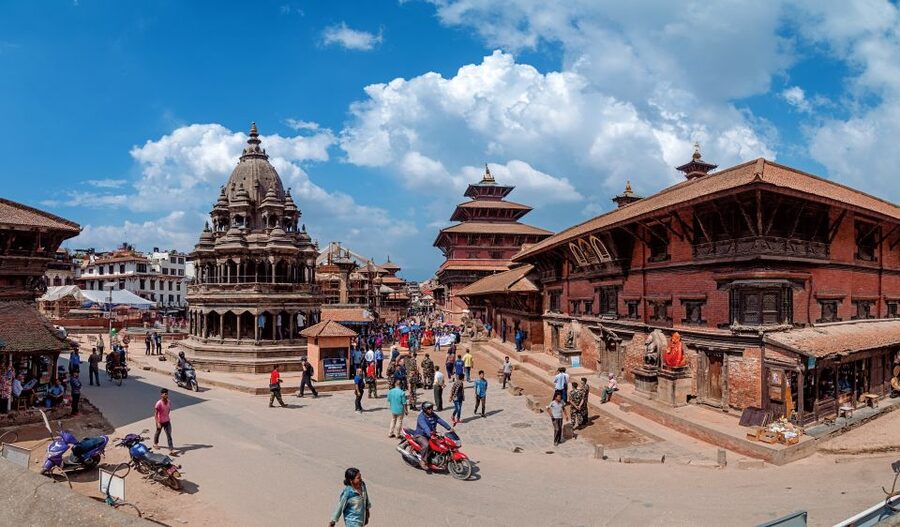
Kathmandu Valley once held several independent Newar kingdoms. Patan, also called Lalitpur, and Bhaktapur developed their own royal courts, temples, shrines, workshops, and ceremonial spaces. Today, their central squares are protected UNESCO World Heritage Sites, but they do not feel like identical museum pieces.
Patan is more compact and visually controlled. Its red brick paving, stone temples, metalwork, and palace courtyards reward close looking. Bhaktapur feels larger and more theatrical, with broad squares, monumental temples, carved timber, and streets tied to traditional crafts.
I like this pairing because you can compare the two cities while the details are still fresh in your mind. Patan gives you a strong introduction to Newar design. Bhaktapur then supplies the grander scale and several of the valley’s most recognizable monuments.
You will not see every corner of either old city in six hours. That is the tradeoff. This is a highlights tour, not a slow architectural study, and the private format gives you a better chance to ask questions or adjust the pace than a large coach outing.
More of Bhaktapur:
- Private Bhaktapur and Nagarkot Day Tour From Kathmandu
★ 5.0 · 305 reviews - Day Trip to Bhaktapur and Panauti from Kathmandu
★ 5.0 · 184 reviews - Bhaktapur & Patan Durbar Square Day Tours
★ 5.0 · 122 reviews
Starting from Kathmandu at 10:00 AM
The guide collects you at your Kathmandu hotel at 10:00 AM. The drive to Patan is listed at about 30 minutes, although Kathmandu Valley traffic can affect the actual timing. Since pickup and drop-off are included, you avoid arranging taxis and negotiating separate fares for two historic centers.
Transport is by private air-conditioned car or van. That matters on a six-hour outing, particularly when you are moving between cities and want a cool place to rest between walks. Bottled drinking water is also included.
The tour is designed for a private group, so you have the guide’s attention rather than sharing explanations with a large crowd. Guides who have led this experience include Nilakantha and Sharmila. Both have been specifically praised for explaining Nepalese culture, religion, Hinduism, and the story behind the monuments in clear English.
Wear comfortable shoes. The old squares involve walking, and the most useful part of the day is often not a single temple visit but the movement between courtyards, shrines, palace buildings, and side streets.
Patan Durbar Square and the stone Krishna Mandir
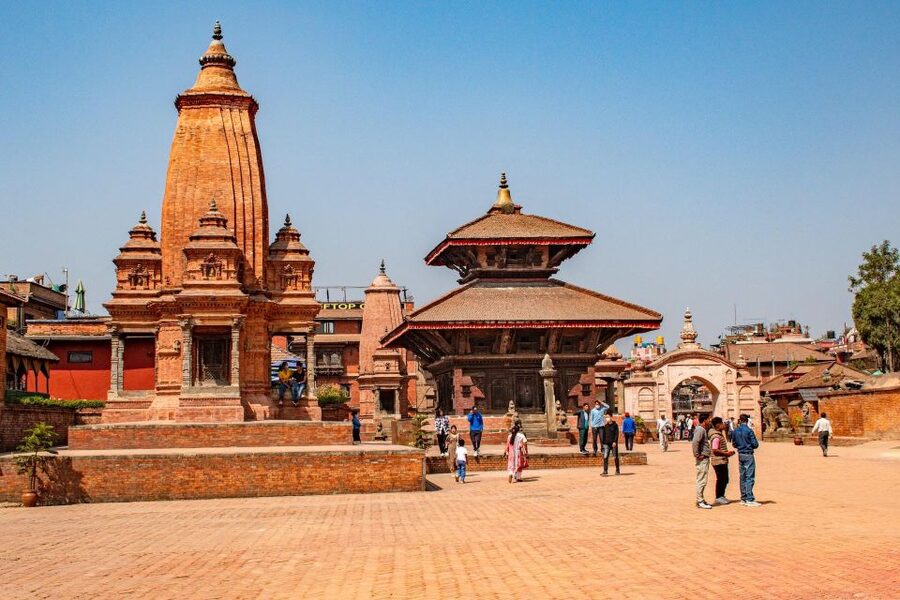
The first major stop is Patan Durbar Square in Lalitpur, with about an hour and a half set aside for a guided visit. This was the royal center of the Malla Kings of Patan, and its buildings show the careful brick, stone, metal, and timber work associated with Newar architecture.
The square is paved with red brick and filled with temples and statues. Your guide can help separate the palace buildings from the shrines and explain how the court once functioned. Without that context, it is easy to see a cluster of attractive structures without understanding why they were placed together.
The central highlight is Krishna Mandir, a stone temple with a different character from the many brick and timber buildings around it. Its form and carved details make it one of Patan’s most recognizable monuments. Give yourself time to look upward and around the base instead of treating it as a quick photo stop.
Patan also has courtyards and museums with distinctive objects and architectural details. The exact museum access included during your visit is not specified, so ask the guide what is open and what fits the schedule. The square itself is the certain focus.
This stop works well early in the day because it gives you a clear introduction to the valley’s royal architecture. The limitation is that 90 minutes can pass quickly. If you stop for photographs at every temple, you may have less time for the palace area or for questions.
The drive from Patan to Bhaktapur
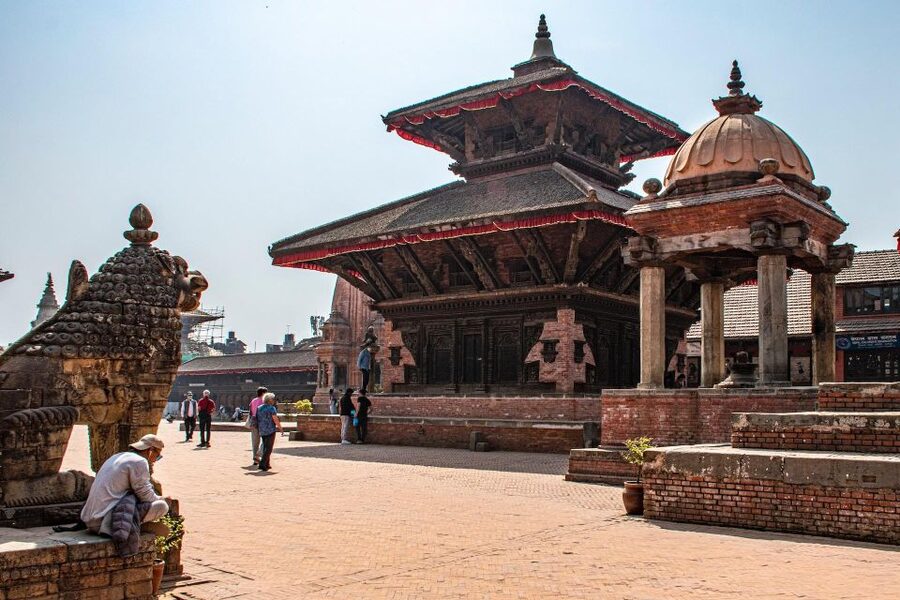
The scheduled drive to Bhaktapur takes about 40 minutes. Traffic is the great variable, so the transfer may feel longer on a crowded day. Still, having a private vehicle means you can travel directly rather than finding a second ride after finishing in Patan.
The route also creates a useful break between the two walking sections. You can refill your attention, drink the supplied water, and ask the guide to explain what will be different in Bhaktapur.
Bhaktapur is the longer stop, with about two hours and 15 minutes planned for the guided visit. That extra time makes sense. The central area contains several connected squares and a denser collection of major monuments.
More of Patan:
- Kathmandu: Private Patan and Bhaktapur Sightseeing Tour
★ 4.7 · 64 reviews - Patan and Bhaktapur City Full Day Tour
★ 5.0 · 24 reviews - City tour of Bhaktapur and Patan Durbar Square
★ 4.5 · 20 reviews - Patan Heritage Tour – Private/Small Group
★ 5.0 · 14 reviews
Bhaktapur Durbar Square and the Golden Gate
Bhaktapur was the seat of Malla rulers from the 14th through the 18th century, until the kingdom was conquered in 1769. Its old palace complex includes temples, courtyards, palaces, and traditional buildings, though some former palace spaces are now used for government offices, schools, and private homes.
The Golden Gate leads toward the palace area and the 55 Window Palace, also known as 55 Jhyale Durbar. The carved wooden windows are among the finest surviving examples of Malla-period woodwork in the city. Your guide is particularly useful here because the details are easy to miss from ground level.
The palace is not simply an isolated monument. It sits within a group of courtyards and religious buildings, so the visit is about seeing how royal and sacred spaces fit together. Move slowly enough to notice the repeated patterns in the brickwork and timber.
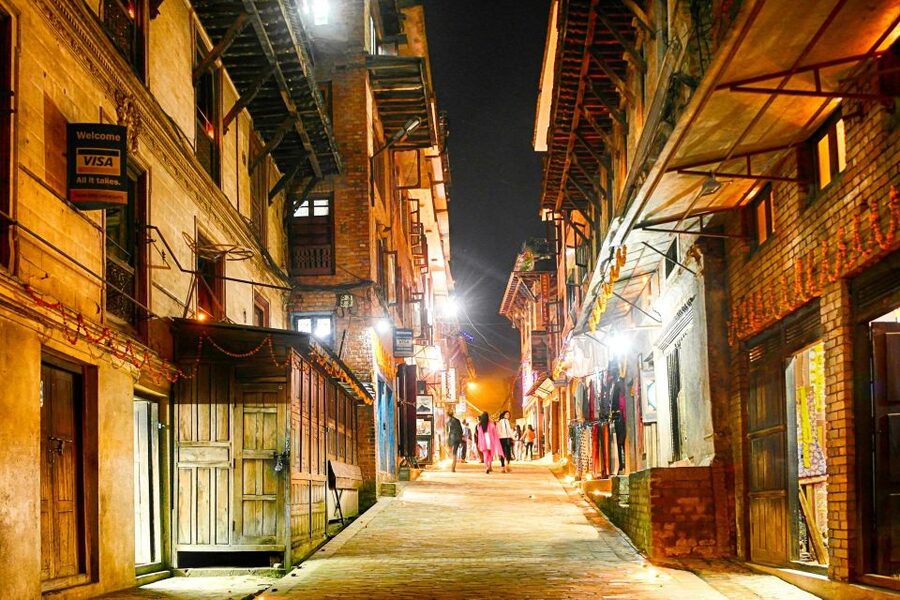
Bhaktapur’s old center has a stronger sense of scale than Patan’s square. The buildings are imposing, but the surrounding streets and courts keep the area connected to everyday life. The former royal grounds are not frozen in the past, and that mixture is part of what makes the visit worthwhile.
Nyatapola Temple at Taumadhi Square
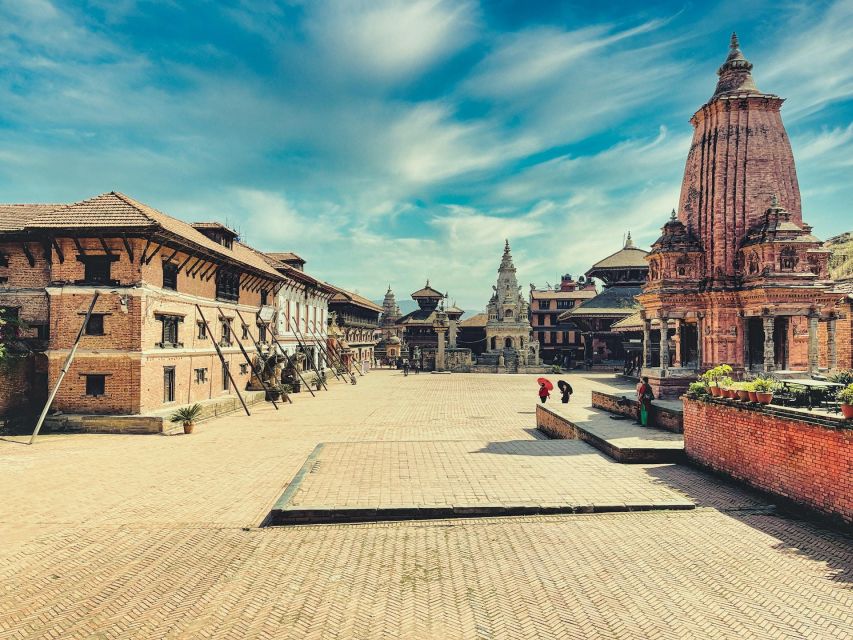
Nyatapola is the tallest temple in Nepal and rises five tiers above Taumadhi Square. King Bhupatindra Malla commissioned it, and construction was completed in 1702.
The five-level form is easy to recognize, but the stairway figures are just as important. Look carefully at the guardians lining the approach. They create a sense of increasing strength as you climb toward the temple.
The square is one of Bhaktapur’s most memorable spaces, but the steps and walking surface may make comfortable footwear especially useful. The tour schedule gives you enough time for a guided look, photographs, and an explanation of the temple’s role, though not an extended study of every carving.
This is one of the places where an informed guide adds real value. A quick photograph tells you that the temple is tall. A good explanation helps you understand why its design and placement mattered to the city.
Pottery Square and Newar craft traditions
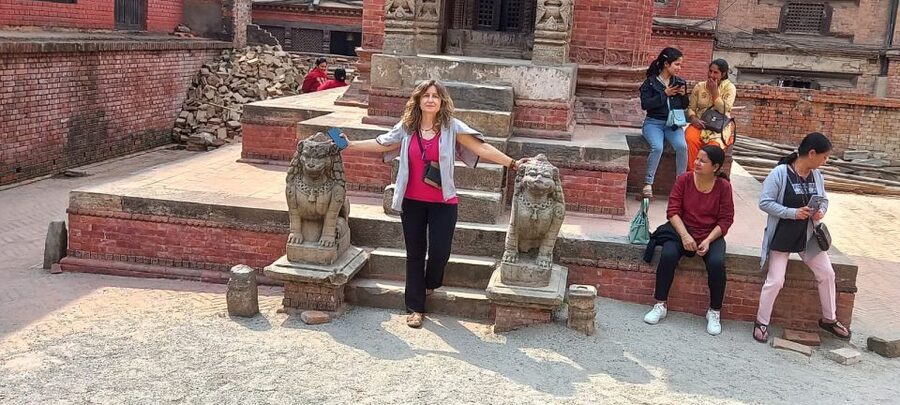
Pottery Square offers a more hands-on view of Bhaktapur. As its name suggests, it is a center for pottery work and Nepalese handicrafts. It is smaller than Durbar Square, but it adds a useful craft dimension to a day otherwise focused on palaces and temples.
You may find pottery and other handmade goods available for purchase. Carry cash if you plan to shop, and remember that the tour price does not include meals or personal purchases.
I like this stop because it keeps the experience from becoming a procession of monuments. Newar culture is expressed through working skills as well as carved facades. Pottery Square gives you a chance to see that connection more directly.
Shopping time depends on traffic, walking pace, and how long you spend at the main monuments. If buying crafts is important to you, tell the guide early rather than waiting until the final minutes.
What the guide adds to the day
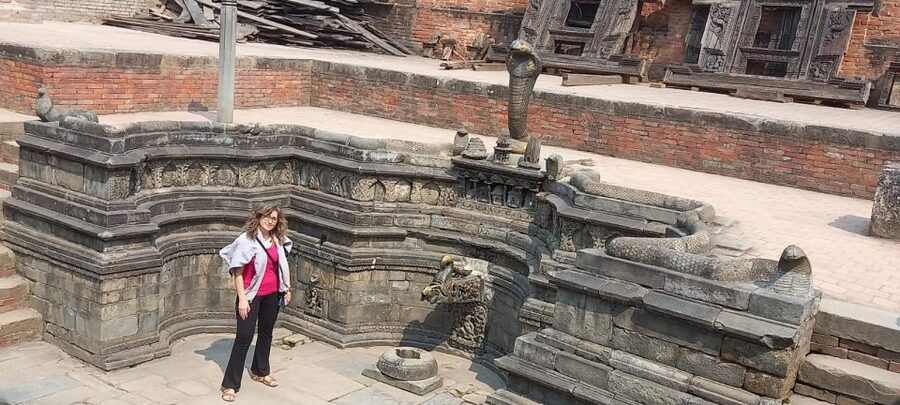
The strongest part of this tour is the guide-led interpretation. Patan and Bhaktapur can be visited independently, but the sheer number of temples, palace buildings, and courtyards makes it hard to know what deserves your attention first.
Nilakantha has been singled out for an especially strong command of Nepalese and Hindu history and for fluent English. Sharmila has also guided this experience, with an emphasis on history and religion. You should not assume a particular guide is guaranteed, but these names indicate the level of subject knowledge associated with the tour.
Ask direct questions. You might ask how Malla-era palace squares worked, how Hindu and Buddhist traditions appear together in the valley, or why one temple uses stone while another relies on brick and carved wood. A private group makes those questions easier to fit into the visit.
The guide can also help with practical matters, such as where to enter, what a particular courtyard was used for, and how much time remains before the vehicle transfer. That is valuable when you have only one afternoon to cover two large historic areas.
Price, entrance fees, and overall value
The tour costs $45 per person. For that price, you receive hotel pickup and drop-off, a private air-conditioned vehicle, an English-speaking guide, and bottled water for a six-hour visit.
The value is strongest if you are staying in Kathmandu and want a simple way to reach both Patan and Bhaktapur. Hiring separate transport, finding a guide in each city, and keeping track of timing could cost more in both money and effort. The private format also gives you a quieter, more flexible day than a large group tour.
The price does not include meals or monument entrance fees. Bring cash for the entry charges. One recent account placed Bhaktapur entry at 1,000 NPR per person, but fees can change, so confirm the current amount before you go and keep enough Nepalese currency available.
If you already have private transport and enjoy researching historic sites on your own, the value is less clear. In that case, you are paying mainly for the guide’s explanations and the convenience of a planned route.
Timing, comfort, and practical limits
The published plan begins at 10:00 AM and returns you to your hotel around 4:00 PM. Another schedule note gives 3:00 PM as the return time, so confirm the expected drop-off when you book. The difference may come from traffic or a shortened visit, but it is worth clarifying if you have evening plans.
A six-hour tour sounds generous, but the driving time takes roughly 70 minutes before traffic delays. That leaves about four and a half hours for the two historic centers, which explains the focus on major sights.
Bring:
- Comfortable walking shoes
- Sunglasses
- A camera
- Cash for monument fees and shopping
Oversize luggage is not allowed. Keep your belongings compact enough for the private car or van and easy to carry through the old squares.
Free cancellation is available up to 24 hours before the tour for a full refund. You can also reserve now and pay later, which helps if your Kathmandu schedule is still changing.
Who should book this Patan and Bhaktapur tour?
I would choose this outing if you have one free day in Kathmandu and want cultural sites rather than a long mountain excursion. It suits first-time visitors who want a guide to explain religious symbols, royal buildings, and Newar traditions without arranging transport themselves.
It is also a good fit for couples, families, and small private groups that prefer their own vehicle and a steady, personal pace. The air-conditioned transport is useful for anyone who wants a break between the two walking tours.
You may prefer a longer or more specialized visit if you are an architecture enthusiast, photographer, or museum fan. Six hours cannot cover every courtyard and collection in depth. For a first look, though, the route is well chosen.
Should you book it?
Book this tour if you want two major heritage centers in one organized day, with private transport and a guide who can explain the religious and royal background. Patan supplies elegant stone and brick monuments, while Bhaktapur brings the Golden Gate, 55 Window Palace, Nyatapola Temple, and Pottery Square.
Skip it if you already have transport, prefer exploring slowly alone, or want to spend a full day in just one city. Otherwise, $45 per person is a fair price for the convenience, especially when you value clear English explanations and a private vehicle. Bring cash, wear good shoes, and confirm the return time before setting out.
FAQ
How long does the Patan and Bhaktapur tour last?
The experience is scheduled for six hours. Pickup begins at 10:00 AM, and the planned return is around 4:00 PM, although another schedule note lists 3:00 PM. Confirm the drop-off time when booking.
What transportation is included?
Hotel pickup and drop-off from Kathmandu are included. You travel between the sites in a private air-conditioned car or van.
Is the tour private?
Yes. The experience is arranged for a private group rather than a shared group.
What language does the guide speak?
The live guide speaks English. Guides who have led the experience include Nilakantha and Sharmila.
Are entrance fees included?
No. Monument entrance fees are not included. Bring cash to pay them, and keep in mind that the amount can change.
Are meals included?
No. Meals are not included in the $45 price. Bottled drinking water is provided.
Recently added around Kathmandu
- Kathmandu Airport Pickup and Drop-off Services★ 5.0 · 3 reviews
- Kathmandu Paragliding★ 5.0 · 3 reviews
- Explore The Beauty Of Langtang Valley In 8-Days Trek★ 5.0 · 3 reviews
- Kathmandu Chandragiri Cable Car and Swayambhunath Private Tour★ 5.0 · 3 reviews
- Kathmandu: Nightlife and Pub Crawl Tour★ 5.0 · 3 reviews
- Kathmandu: Momo Making Class with a Local Chef★ 5.0 · 3 reviews
- Mountain Flight Experience in Nepal★ 4.5 · 3 reviews
- Everest Base Camp Trek★ 5.0 · 3 reviews
Other Bhaktapur Tours worth a look
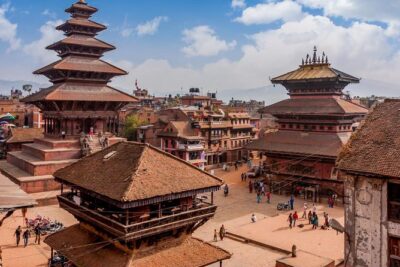
Private Bhaktapur and Nagarkot Day Tour From Kathmandu
Read our review →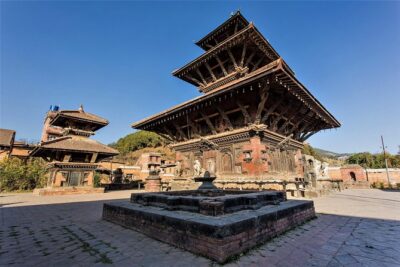
Day Trip to Bhaktapur and Panauti from Kathmandu
Read our review →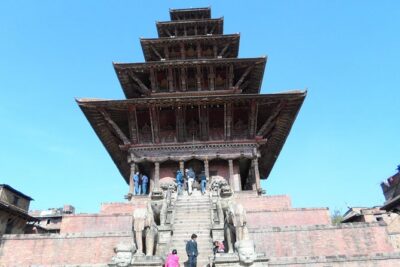
Nagarkot Sunrise & Bhaktapur UNESCO Heritage Private Tour
Read our review →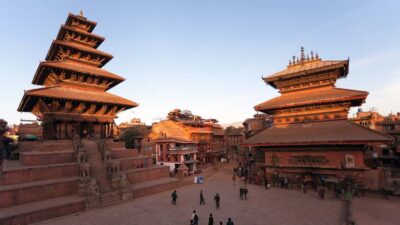
Bhaktapur & Nagarkot Day Tour with Lunch – Private/Group
Read our review →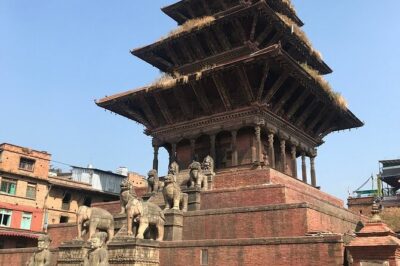
Nagarkot Sunrise & Bhaktapur Heritage Tour -Private Full Day Trip
Read our review →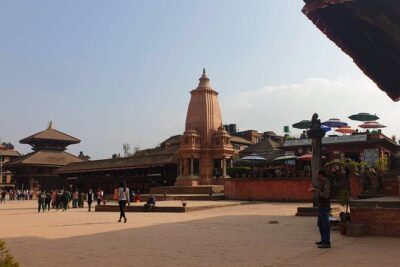
This tour also appears in