
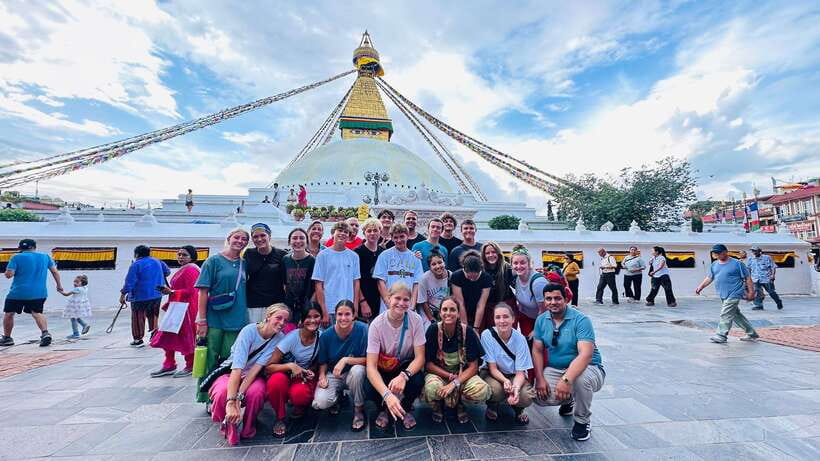
REVIEW · KATHMANDU VALLEY TOURS
Kathmandu City Tour: TOP Highlights of the Kathmandu Valley
Kathmandu Valley packs Buddhist devotion, Hindu ritual, and medieval Newari design into one busy day. This private tour links Boudhanath Stupa, Pashupatinath Temple, and Bhaktapur Durbar Square, giving you three very different views of Nepal without having to arrange separate transport.
I like the private vehicle and hotel pickup, since Kathmandu traffic can make even short journeys tiring. I also like the relaxed pace promised by the tour, with guides such as Neeraj willing to adjust the visit and answer questions. The main drawback is cost: the $39 price does not include the 3,400 Nepali rupee monument fee, meals, drinks, or a guide tip.
Key points to know before booking
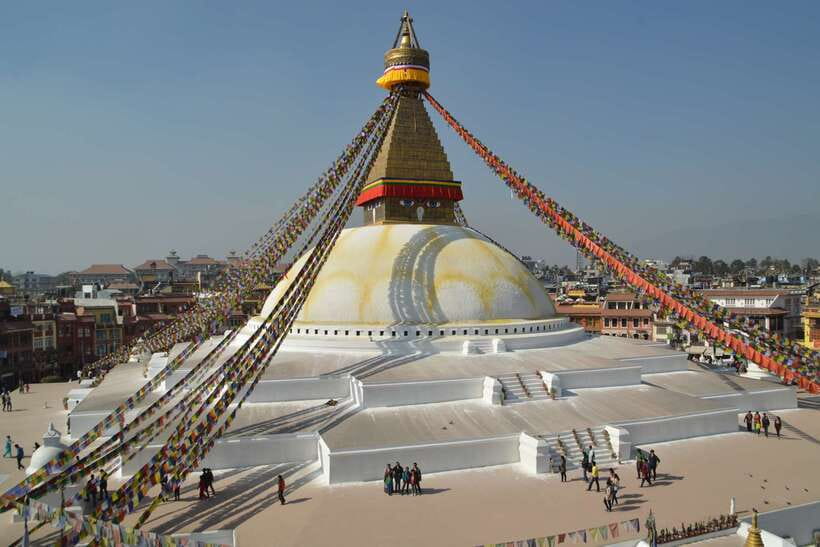
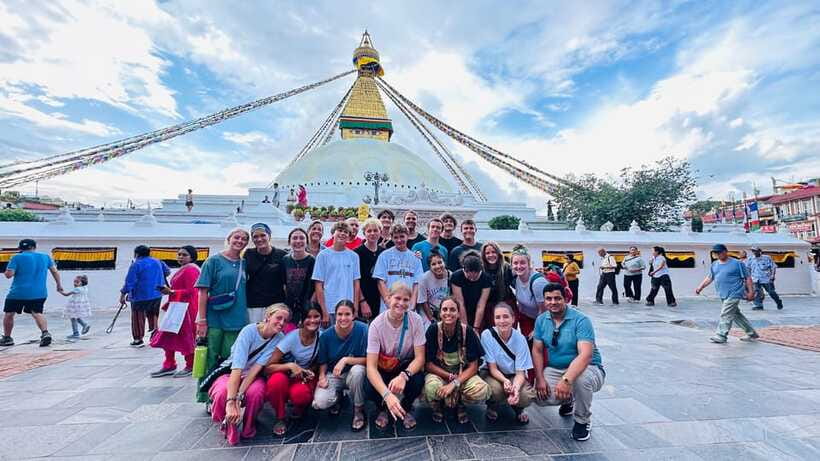
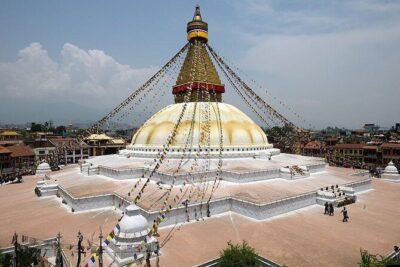
- Boudhanath begins the day with prayer wheels, monasteries, and a huge white stupa.
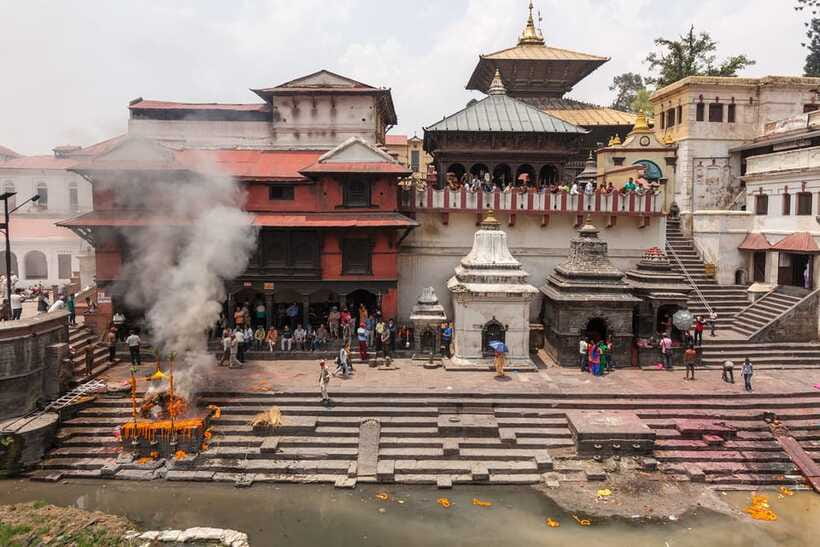
- Pashupatinath offers a close look at Hindu worship and cremation rites beside the Bagmati River.
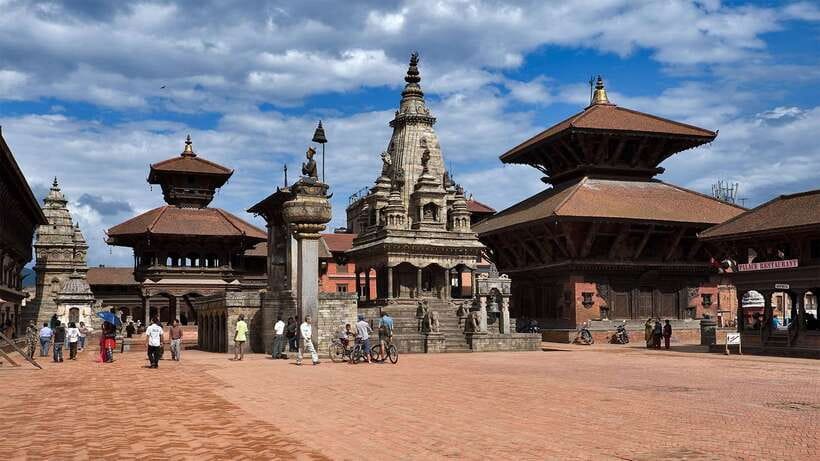
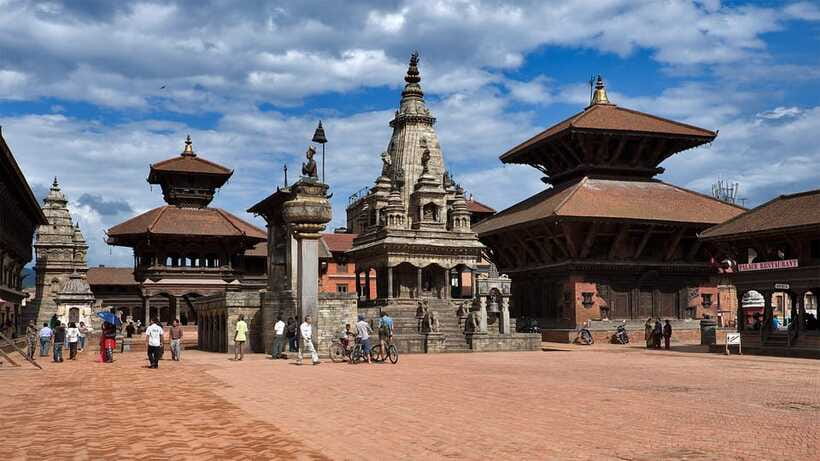
- Bhaktapur brings you into a preserved Newari city with the 55-Window Palace and Nyatapola Temple.
- A private car, van, jeep, Hiace, or bus is used according to your group size.
- The six-hour plan can stretch to five to seven hours because of Kathmandu traffic.
- The entrance fee is paid separately and adds a meaningful extra cost to the advertised price.
Three major sights in one Kathmandu day
This tour works because each stop has a clear identity. Boudhanath is centered on Buddhist practice, Pashupatinath on Hindu worship and death rituals, and Bhaktapur on architecture, craft, and old-city life.
You are not simply checking off monuments. You are moving through three living parts of the Kathmandu Valley, where religious buildings still serve their original purpose. That makes the day more rewarding than a route focused only on photo stops.
The tour lasts about six hours, though the practical range is five to seven hours. Kathmandu traffic is the reason for the flexibility. Your guide picks you up at your hotel within the Ring Road area, then drives your private group between the sites.
More City Tours in Kathmandu
- Kathmandu: Private City Guided Tour
★ 4.9 · 174 reviews - Kathmandu Valley City Day Tour
★ 5.0 · 40 reviews - Full Day Kathmandu City Sightseeing Tour of UNESCO Heritage Sites
★ 5.0 · 36 reviews
Boudhanath Stupa and the rhythm of the prayer route
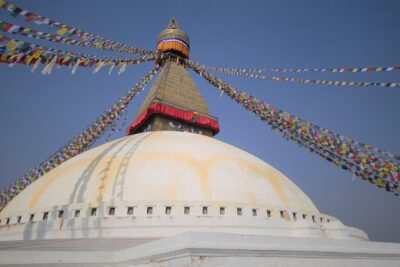
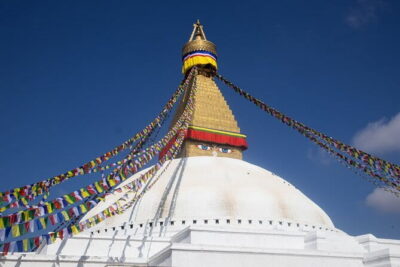
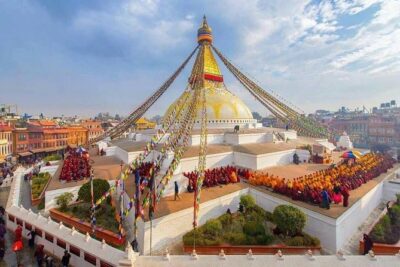
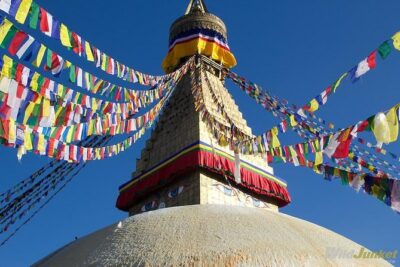
Boudhanath is a strong opening stop. The enormous white dome and golden spire are easy to recognize, but the real pleasure comes from walking around the stupa and watching the steady religious routine around it.
You can turn prayer wheels, observe pilgrims, and see monasteries around the main monument. The setting has a calm quality despite the city outside, and it gives you a useful introduction to Tibetan Buddhist practice in Nepal.
Your guide can explain the meaning of the stupa and the customs taking place around it. That help matters here, because the details are easy to miss if you only walk in, take a picture, and leave. Pay attention to the direction of the walking route and follow the example of worshippers around you.
Boudhanath is also one of the easier places on this tour for photography, although you should still ask before photographing people or religious activity. Bring your camera, but keep it secondary to observing what is happening.
I would allow comfortable walking time here rather than rushing straight back to the vehicle. The tour is not built around a long hike, but you will be on your feet at every stop. Comfortable shoes will make the day better.
Pashupatinath Temple beside the Bagmati River
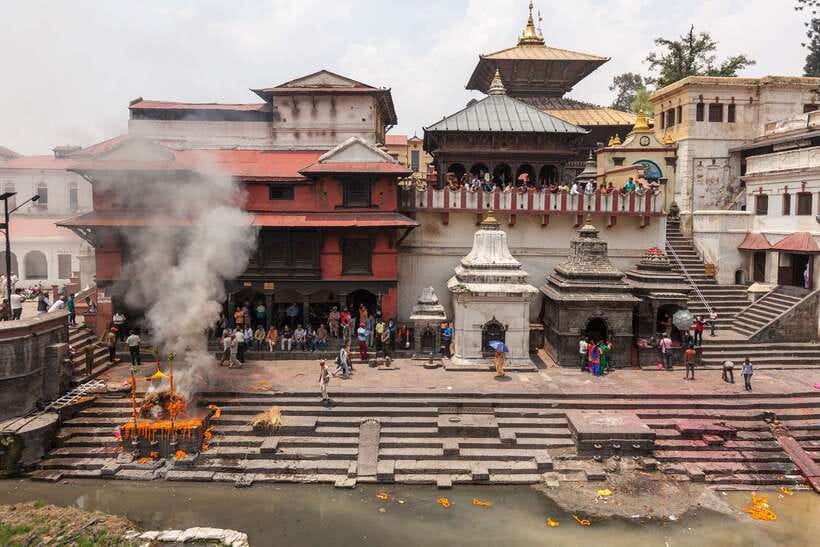
Pashupatinath changes the mood completely. This is Nepal’s most sacred Hindu temple dedicated to Lord Shiva, located beside the Bagmati River. Its pagoda-style buildings, golden roofs, and carved woodwork show a different side of Nepalese religious art from what you see at Boudhanath.
The most powerful part of the visit is the connection between worship and death. Hindu cremation ceremonies take place along the riverbanks, and you may see spiritual rituals in progress. This is not staged for visitors, so your guide’s advice about respectful behavior is important.
You should not treat the riverfront as a casual photo backdrop. Ask before taking pictures, especially during ceremonies. Stay quiet, avoid blocking family members or worshippers, and let your guide explain what you are seeing.
Pashupatinath can be emotionally demanding. Some people find the cremation rites a profound way to understand Hindu ideas about life and death. Others may prefer to observe from a respectful distance. The tour gives you a chance to see an important part of Nepalese religious life, but it is not a light sightseeing stop.
Dress carefully for this portion of the day. Cover your shoulders and knees, and choose clothing suitable for a sacred Hindu site. Modest dress is also practical because it avoids the worry of being improperly dressed when entering or approaching religious areas.
Bhaktapur Durbar Square and Newari craftsmanship
Bhaktapur is the longest-feeling stop, even if the exact time depends on traffic and the pace of your group. The old city is known as the City of Devotees, and its brick streets, carved buildings, temples, and courtyards create a strong sense of time layered over the present.
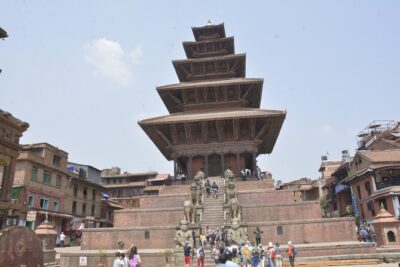
The main square includes the 55-Window Palace, Vatsala Temple, and Nyatapola Temple. Nyatapola is Nepal’s tallest pagoda and one of the day’s most memorable buildings. Its height and carefully arranged Newari design show the skill of the builders who shaped Bhaktapur’s public spaces.
The square is not just a collection of old façades. Local artisans and traditional markets form part of the setting, so you may see daily work taking place around the monuments. That is one reason a guide adds value. You can ask about the buildings, the Newari style, and how the city functions now.
Bhaktapur also requires the most walking on uneven streets and stairs. One of the strongest practical tips from the tour experience is to wear running shoes or another sturdy pair. Sandals may look appealing in warm weather, but they are less useful when the route includes cobblestones and steps.
Give yourself time to look up. The best details are often above eye level: carved windows, roof supports, temple figures, and the layered roofs of the pagodas. A quick circuit around the square will show you the headline monuments, but a slower walk lets you notice the workmanship.
More of the Kathmandu Valley:
- 1 Day Kathmandu Valley Sightseeing Tour
★ 5.0 · 37 reviews - Temples and Stupas Tour in Kathmandu Valley
★ 5.0 · 36 reviews - Kathmandu Valley Rim Hike
★ 5.0 · 21 reviews - Kathmandu Valley Trek
★ 5.0 · 21 reviews
Why a private vehicle matters in Kathmandu
The private format is one of the tour’s better features. You are picked up at your hotel and travel by car, van, jeep, Hiace, or bus based on group size. You do not need to locate a city meeting point or negotiate transport between distant sites.
That convenience has real value in Kathmandu. The tour covers three major places, and traffic can affect the schedule. A private group gives your guide more room to adjust the pace, answer questions, or spend a little longer at a site that interests you.
The exact vehicle depends on how many people are booked. A smaller group may use a car, while a larger party may travel in a van, Hiace, or bus. The tour is private, but that does not mean every road journey will be quick. Build some flexibility into your day.
Pickup is included for hotels within Kathmandu’s Ring Road. If your accommodation is outside that area, an extra pickup and drop-off fee may apply. Tell the provider your location after booking if it does not appear during the reservation process.
A guide can turn monuments into places
This route contains plenty to see, but it also contains plenty that needs explanation. A guide can connect the statue, ritual, building style, and local custom in a way a short visit on your own may not.
The tour is conducted in English. Guides in other languages may be available for an added charge. A guide named Neeraj received especially strong praise for allowing a relaxed pace and answering questions fully, but guide assignment can vary, so do not assume he will lead every departure.
The best approach is to ask questions as you go. At Boudhanath, ask about the prayer wheels and surrounding monasteries. At Pashupatinath, ask about the ceremonies and the temple’s importance to Shiva worship. At Bhaktapur, ask about Newari architecture and the purpose of the buildings around the square.
The private format also helps if your interests are uneven. You may care more about architecture than ritual, or more about religious practice than photography. A good guide can adjust the emphasis without forcing the entire group to follow a fixed script.
The real price: $39 plus the entrance fee
At $39 per person, the tour is reasonably priced for a private six-hour service that includes hotel pickup, transport, an English-speaking guide, taxes, and service charges. You are paying for convenience and coordination as much as for sightseeing.
The important catch is the separate monument fee of 3,400 Nepali rupees per person. Add that before comparing this tour with other Kathmandu options. Meals, drinks, and tips are also extra.
The value is strongest if you want a simple first look at the valley and do not want to arrange a car, driver, and guide yourself. It is less attractive if you already have transport or plan to spend a full day at only one site.
A private tour also makes sense for couples, families, and small groups with limited time. You can avoid the uncertainty of public transport and use the guide’s local knowledge to keep the day moving.
Timing, weather, and what to carry
Plan for five to seven hours from hotel pickup to return. The advertised duration is six hours, but traffic can change the order and length of the day. Keep later plans flexible, especially if you have a flight, a long-distance bus, or a fixed dinner reservation.
The tour operates in all weather conditions unless extreme weather causes a change. Kathmandu weather can shift, so pack an umbrella or rain gear. Sunscreen, a hat, and water are also sensible, along with a camera.
Wear comfortable walking shoes. Bhaktapur includes stairs and uneven streets, and all three sites involve time on your feet. Pregnant women are specifically advised not to book this activity.
Photography rules vary by site and circumstance. Photos may be restricted inside temples, and ceremonies at Pashupatinath deserve particular care. Ask your guide first rather than relying on what another person is doing.
Who will get the most from this tour
I would choose this tour if you have one open day in Kathmandu and want the valley’s major cultural sights in a single outing. It is especially useful on a first visit, when you want context before deciding which place deserves a longer return visit.
It suits people interested in religious practice, architecture, history, and local customs. It also works well if you value a flexible private pace. The experience is not designed for someone seeking a slow, solitary day at one temple, nor for anyone uncomfortable seeing cremation ceremonies.
Families can benefit from hotel pickup and a private vehicle, though parents should consider the walking and stairs at Bhaktapur. People with limited mobility should ask the provider for more details before booking, since the supplied information does not describe accessibility arrangements.
Should you book the Kathmandu City Tour?
Book it if you want an efficient introduction to Kathmandu Valley and value having transport and an English-speaking guide organized for you. The three stops are genuinely different, and together they show Buddhist devotion, Hindu ritual, and Newari design in a single day.
Before paying, budget for the 3,400 Nepali rupee entrance fee and confirm that your hotel is within the Ring Road. Wear modest clothes, bring rain protection, and leave your schedule open for traffic.
I would skip it only if you prefer exploring at a very slow pace, already have private transport, or do not want to visit a site where cremation ceremonies may be visible. For most first-time visitors with limited time, the route offers a practical and worthwhile introduction to the cultural heart of Nepal.
FAQ
How long does the Kathmandu City Tour last?
The tour is advertised as six hours, but the full outing can take five to seven hours from hotel pickup. Traffic may affect the timing.
What sites are included?
The tour visits Boudhanath Stupa, Pashupatinath Temple, and Bhaktapur Durbar Square.
Is hotel pickup included?
Yes. Pickup and drop-off are included for hotels within the Ring Road area of Kathmandu. An additional fee may apply for locations outside that area.
Are entrance fees included in the price?
No. Monument entrance fees cost 3,400 Nepali rupees per person and are paid separately. Meals, drinks, and guide tips are also not included.
What language is the tour conducted in?
The tour includes an English-speaking guide. Guides in other languages may be available for an additional cost.
What should I wear and bring?
Wear modest clothing that covers your shoulders and knees, especially for Pashupatinath Temple. Bring comfortable walking shoes, water, sunscreen, a hat, an umbrella or rain gear, and a camera.
Recently added around Kathmandu
- Kathmandu Paragliding★ 5.0 · 3 reviews
- Kathmandu Airport Pickup and Drop-off Services★ 5.0 · 3 reviews
- Kathmandu Chandragiri Cable Car and Swayambhunath Private Tour★ 5.0 · 3 reviews
- Explore The Beauty Of Langtang Valley In 8-Days Trek★ 5.0 · 3 reviews
- Kathmandu: Nightlife and Pub Crawl Tour★ 5.0 · 3 reviews
- Mountain Flight Experience in Nepal★ 4.5 · 3 reviews
- Kathmandu: Momo Making Class with a Local Chef★ 5.0 · 3 reviews
- Everest Base Camp Trek★ 5.0 · 3 reviews
Other Kathmandu Valley Tours worth a look
Private Kathmandu Valley Sightseeing Tour Including Lunch
Read our review →This tour also appears in