
REVIEW · KATHMANDU TOURS
Kathmandu: Private City Guided Tour
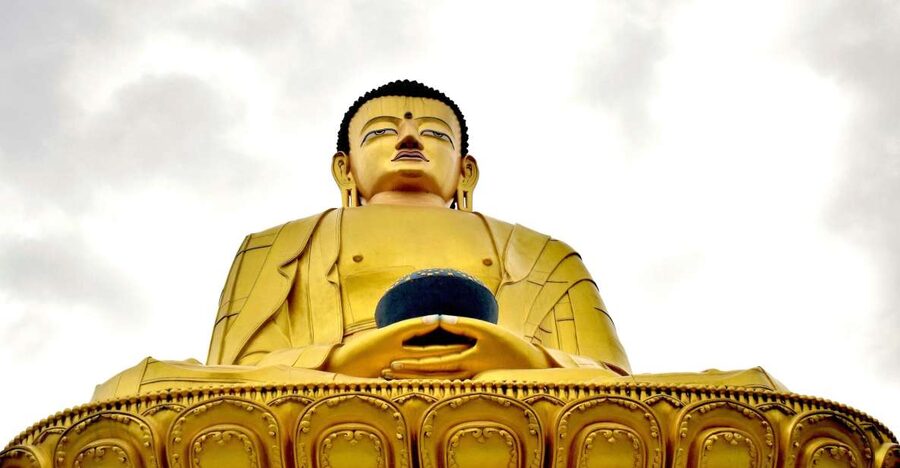
Kathmandu’s best introduction comes through its sacred places, and this private tour takes you to four of the valley’s major sights in one long, well-filled day. You’ll move from hilltop Buddhist prayer wheels to the Bagmati River cremation ghats, then into the carved courtyards of Patan.
I like the private car and flexible pace, especially if you have only one day or a long stop between flights. I also like the chance to ask direct questions about Hinduism, Buddhism, architecture, and daily life from guides such as Kapil, Saru, Bhim, and Shanti.
The main drawback is time. Six hours is enough for a strong first look, but not enough for a leisurely visit to all four sites. Kathmandu traffic can also turn a short drive into a half-hour crawl, so this is an efficient overview, not a slow cultural walk.
Key points to know before booking
- Four major cultural sites in six hours: Visit Swayambhunath, Boudhanath, Pashupatinath, and Patan Durbar Square in one private outing.
- A guide who can adjust the day: Guides including Kapil, Saru, Bhim, and Shanti have adapted visits around interests, mobility needs, extra time, and flight schedules.
- A useful first-day tour: The route gives you a working introduction to Kathmandu’s Buddhist, Hindu, artistic, and royal traditions.
- Expect extra costs: The tour price is $40 per person, but monument tickets cost about NPR 2,700, or roughly $22, per person, and food is separate.
- Traffic affects the schedule: Google Maps estimates may be too optimistic. Build in patience between Patan, the eastern temples, and the central city.
- A powerful cultural stop at Pashupatinath: You may see Hindu cremation rites beside the Bagmati River, an important but emotionally intense part of the visit.
Why this private Kathmandu tour works well
This outing is designed for people who want to see a lot without spending their first day figuring out taxis, routes, ticket counters, and city geography. Your guide and driver collect you at a hotel in Kathmandu, Thamel, Lazimpat, Naya Bazaar, Boudhha, Lalitpur, or Ekantakuna, then return you to one of those areas.
The private format matters. You are not tied to a large group’s walking speed or fixed interests. If you want more time at a stupa, fewer stairs, a different drop-off point, or a short shopping stop, you can ask. Several guides have adjusted the order and pace, and one tour even worked for a passenger with only about five hours in Kathmandu.
I would book this near the start of a Nepal trip. It helps you understand the city before you return to its lanes on your own. It also gives you a chance to ask practical questions about local customs, food, religion, and places to visit later.
The vehicle depends on your group. You can choose a sedan, SUV, or minivan. The tour includes an English-speaking guide, though English, Hindi, and Nepali are available. A driver handles the traffic while the guide handles the sites, tickets, explanations, and occasional photo help.
More City Tours in Kathmandu
- Kathmandu Valley City Day Tour
★ 5.0 · 40 reviews - 4 UNESCO City Sightseeing in Kathmandu
★ 5.0 · 36 reviews - Full Day Kathmandu City Sightseeing Tour of UNESCO Heritage Sites
★ 5.0 · 36 reviews
Swayambhunath, the hilltop Monkey Temple
Swayambhunath is usually the first major stop, and its hilltop setting gives you an immediate sense of Kathmandu. The stupa sits about 77 meters above the surrounding ground, with views across the valley when the air is clear.
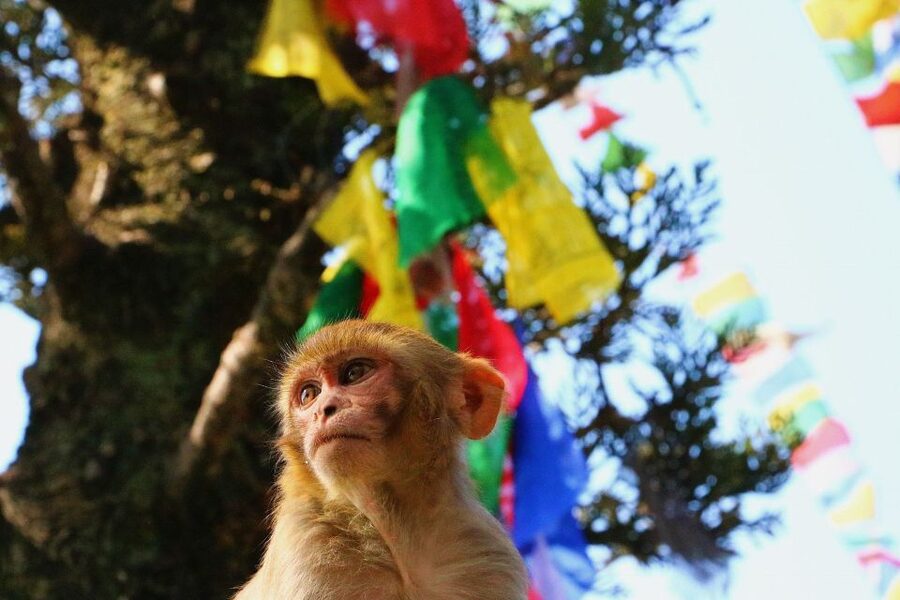
The site is also called the Monkey Temple because monkeys live around the complex. Keep your belongings close and give the animals space. The name may sound playful, but Swayambhunath is a working Buddhist shrine, so you should move respectfully and watch how people walk around the stupa.
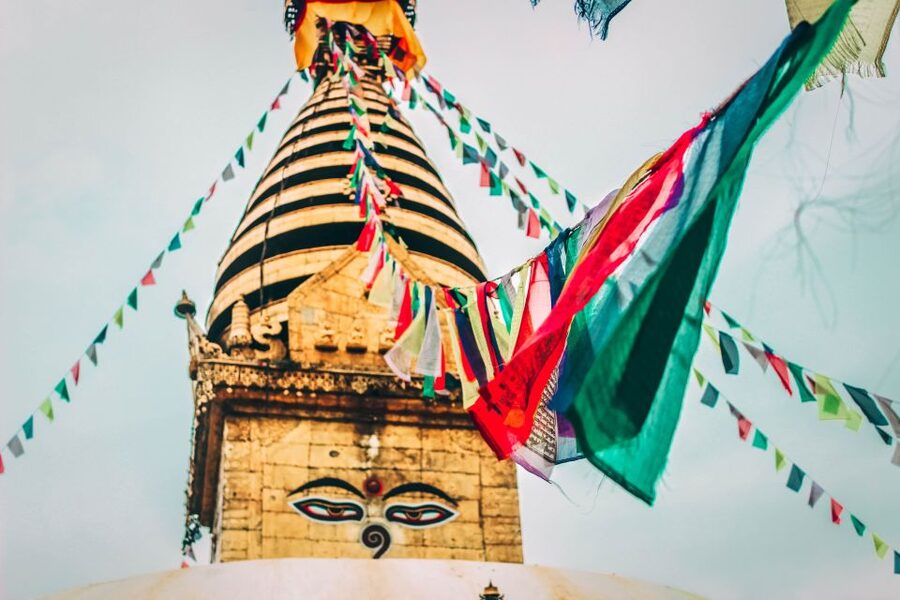
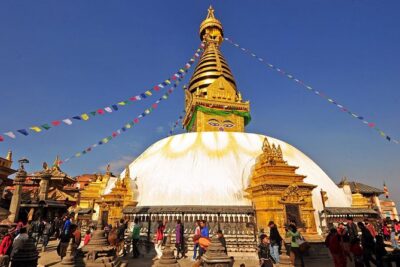
The central dome is topped by a square structure painted with Buddha’s eyes on all four sides. These watchful eyes are one of Kathmandu’s familiar symbols, but seeing them in their religious setting gives them more meaning. Your guide can explain the symbols and the relationship between the stupa, monasteries, and surrounding shrines.
The complex includes two Buddhist monasteries and a temple dedicated to Haratima, worshipped by both Buddhists and Hindus. The temple of Manjushree and Anandakuti Bihar are within a short walk of the main site, though your available time may determine how much you see.
You should wear comfortable shoes. The hill and temple grounds involve uneven surfaces and stairs, and this tour is not suitable for wheelchair users. If you have mobility concerns, tell the guide at the start. The private setup makes it easier to slow down or adjust the visit.
Boudhanath and the rhythm of the prayer circle
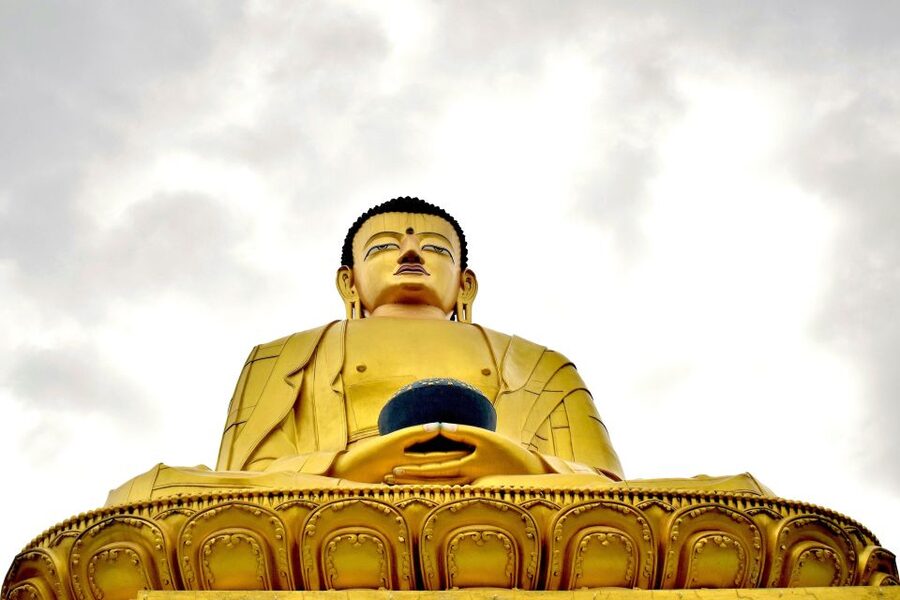
Boudhanath, also spelled Bouddhanath or Boudha, is about six kilometers east of central Kathmandu. It is one of the world’s largest Buddhist stupas and a major center for Tibetan Buddhist practice.
The large white dome and watchful eyes are surrounded by monasteries, shops, prayer wheels, and places to eat. Here, I would slow down if the schedule allows. Walk around the stupa in the customary direction, watch the turning prayer wheels, and notice the steady movement of people making their visits.
Your guide can help explain how Boudhanath differs from Swayambhunath. Swayambhunath rises above the city on a hill and combines several shrines in a wooded complex. Boudhanath is more open and urban, with the stupa forming the center of a dense religious neighborhood.
A strong part of the visit can be lunch nearby. Food is not included, but several tours have included a rooftop restaurant with a view of the stupa. You can use this stop to try local dishes, including savory snacks and sweet foods, while keeping the main monument in view.
Ask your guide about food before ordering if you have dietary concerns. The tour description promises a chance to taste local cuisine, but the meal itself is an extra expense and the exact restaurant is not fixed.
Pashupatinath and the Bagmati River
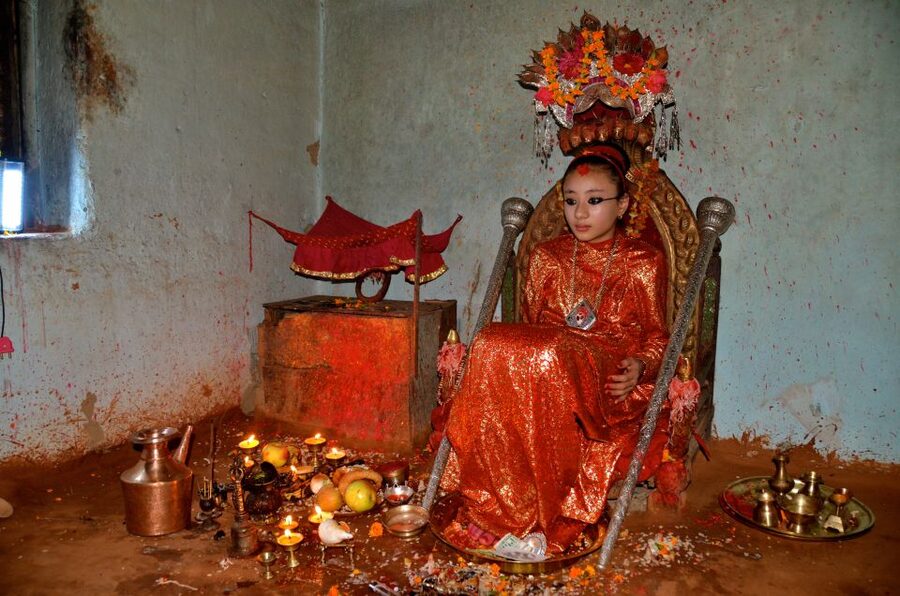
Pashupatinath is five kilometers east of Kathmandu on the banks of the Bagmati River. It is dedicated to Lord Shiva and is one of Nepal’s most important Hindu pilgrimage sites.
The main temple is known for its two golden roofs and four silver doors. Non-Hindu visitors may face restrictions on entering certain parts of the complex, but you can still see much of the architecture and observe the religious activity from permitted areas. Ask your guide before crossing any threshold.
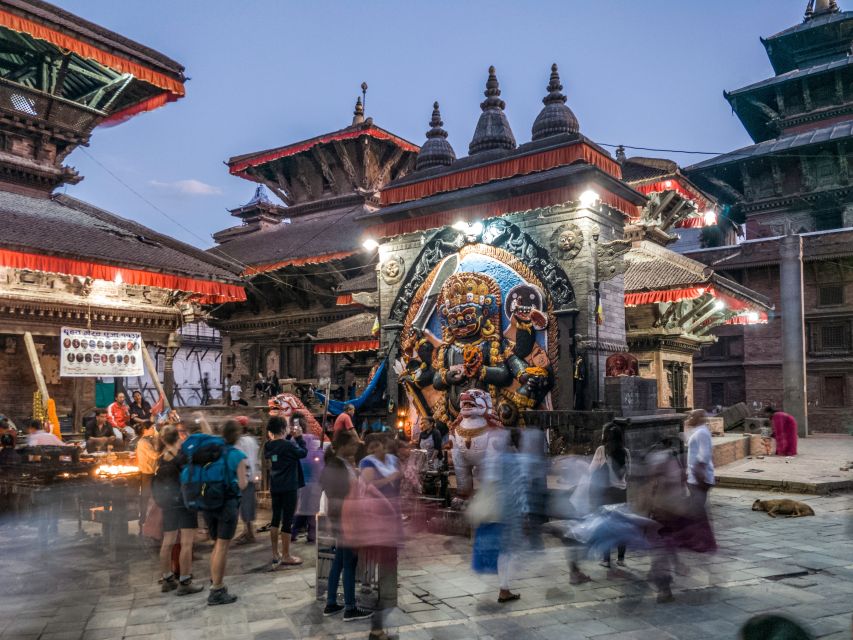
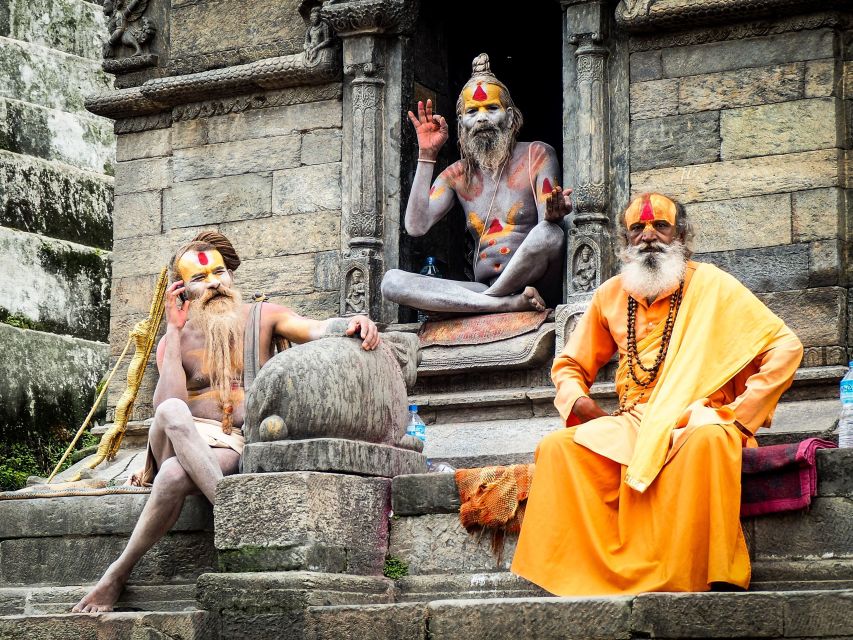
The Bagmati riverbanks are also used for Hindu cremations. This can be one of the most memorable parts of the day, but it is not light sightseeing. The ceremony is public and deeply important to the families involved, so put away the camera when appropriate and follow your guide’s instructions.
The smoke and smell can be strong. One guide provided face masks and explained the cremation setting in advance, which is exactly the sort of preparation you want. If this aspect feels too intense, tell your guide. The private format allows a more considerate conversation than a hurried group stop.
Pashupatinath is also where the tour’s religious balance becomes clearest. Boudhanath and Swayambhunath introduce Buddhist traditions, while Pashupatinath shows the living Hindu practices that shape Kathmandu. You are not just looking at old buildings. You are seeing places still used for prayer, pilgrimage, worship, and farewell ceremonies.
A few more Kathmandu days to weigh up
- Everest Base Camp Trek – 14 Days
★ 5.0 · 1,499 reviews - Private Kathmandu Sightseeing Tour | UNESCO World Heritage sites
★ 5.0 · 756 reviews - Everest Base Camp Helicopter Tour landing at Everest View Hotel
★ 5.0 · 668 reviews - Half day cooking class in Thamel kathmandu
★ 5.0 · 607 reviews
Patan Durbar Square and Newari design
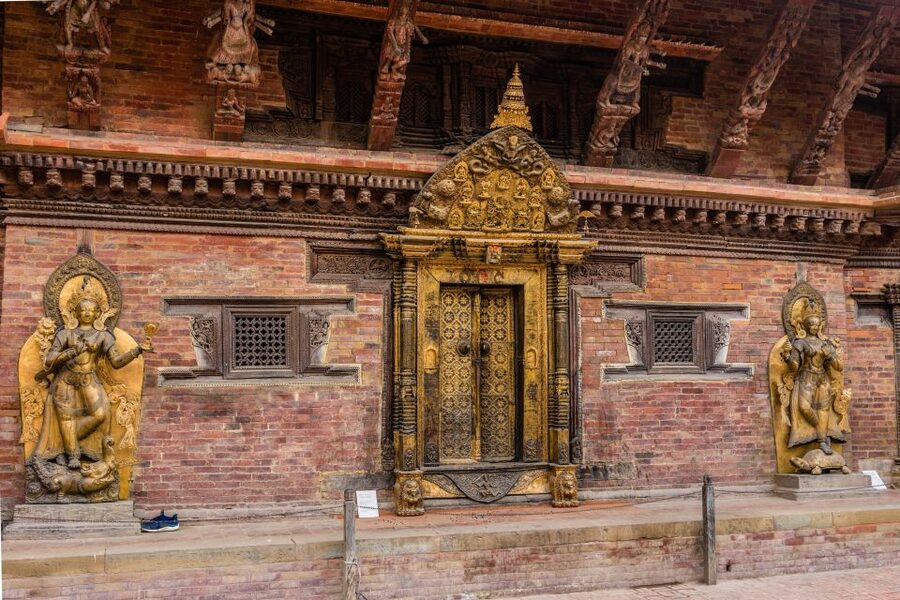
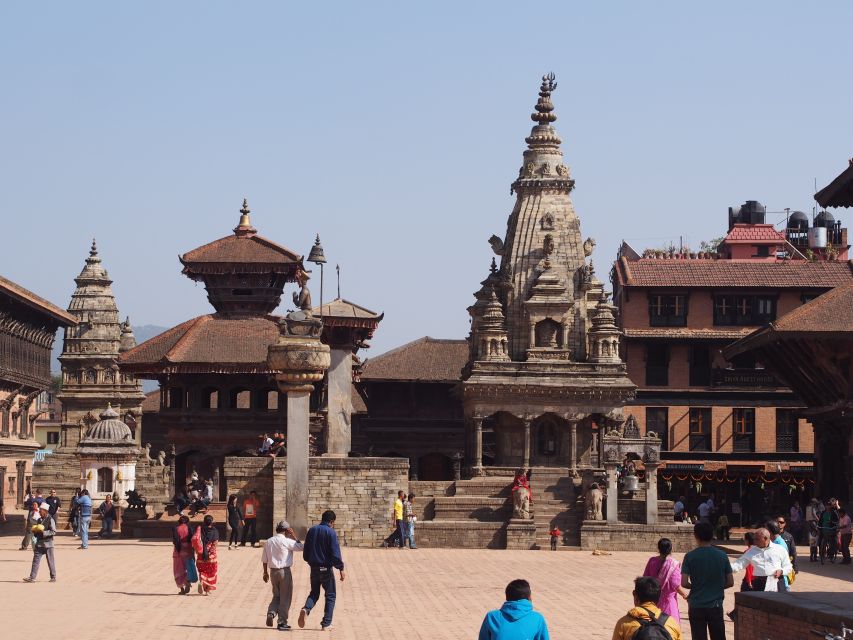
Patan Durbar Square is in Lalitpur, south of central Kathmandu. It was the royal center of the former Patan kingdom and is the strongest stop for traditional Newari architecture.
The square’s temples and courtyards are closely packed, so a guide adds real value here. You can ask about carved wood, metalwork, temple forms, royal spaces, and the overlap between Hindu and Buddhist traditions.
The Krishna Temple is one of the main sights. It has 21 golden pinnacles and a distinctive stone design. Rudra Varna Mahavihar, a Buddhist monastery, contains local religious treasures, while Mul Chowk gives you a look at the royal courtyard layout.
Patan can easily take half a day on its own. That is the tradeoff. On this tour, you will see the main features and hear the story behind them, but you may leave wishing for more time in the courtyards and smaller lanes.
One useful feature is that the itinerary can change. If you have already visited Patan, prefer a slower visit elsewhere, or are dealing with limited time, your guide may help reshape the route. One five-hour outing skipped Patan and still filled nearly the full period.
Timing, traffic, and the real six-hour pace
The advertised duration is six hours, including driving, sightseeing, free time, and possible shopping. That sounds generous until you consider the distances and Kathmandu traffic.
Road time can vary sharply. A route that looks like 10 to 15 minutes on a map may take 30 minutes or more. Traffic is the biggest reason you should not plan a tight airport connection immediately afterward unless you have a very large buffer.
The tour can feel relaxed at the monuments but still move quickly overall. Guides such as Kapil have been praised for managing time without making the day feel hurried, while other guides have allowed extra time at a temple or adjusted the route around personal interests.
I recommend choosing an early start if you have a choice, then telling the guide your priorities before leaving the hotel. If Patan matters most, say so. If you care more about Buddhist sites, food, photography, or the river ceremonies, say that too.
The tour has been used by people on short layovers, families, solo visitors, and groups with teenagers. It can also work for older passengers if you discuss stairs and walking pace at the beginning.
Price, tickets, and what you really pay
The listed cost is $40 per person. That covers the private car, guide, hotel pickup, and hotel drop-off. For a solo visitor or a couple, this is a reasonable way to buy time and reduce the hassle of arranging four separate stops.
The headline price does not cover monument entrance fees. Budget about NPR 2,700, or approximately $22, per person, for the sites. Entry prices can differ for citizens of South Asian Association for Regional Cooperation countries and for Chinese nationals, so check the current amount at each counter before paying.
Meals and drinks are also extra. Carry water and cash, especially if you want lunch, snacks, souvenirs, or a small purchase during free time.
The value comes from the combination of transport and interpretation. You can visit these sites independently, particularly if you have two full days and enjoy working through traffic and ticket counters yourself. With only one day, the private vehicle and flexible guide can save a great deal of effort.
Guide quality and the personal touch
The strongest part of this experience is the guide service. Kapil is frequently assigned and has been praised for clear explanations, good time control, flexibility, and an ability to make history and religion feel connected to the places in front of you.
Saru has also led many memorable outings, with a warm, conversational style and strong explanations of Nepalese culture. Bhim, Shanti, Kumar, Raj, Deepak, and Sarida are among the other guides named in the feedback, and the recurring theme is adaptability rather than a rigid script.
That does not mean every guide will suit every person. Some explanations may feel formal or textbook-like, while others are more conversational. Tell your guide what you want from the day. Ask for more detail if you enjoy history, or keep the explanations shorter if you want more quiet time at the monuments.
Drivers are also important in Kathmandu. The tour pairs you with a private driver, and past outings have included drivers such as Ram, Kumar, Krishna, Vikram, Suba, and Bishal. The benefit is simple: you can focus on the sights while someone else deals with the roads.
One unusual highlight in the description mentions a helicopter stop at Everest View Hotel for a closer view of Mount Everest. That does not match the six-hour Kathmandu city itinerary or the included services, which list only a private car, guide, and hotel transfers. If the Everest helicopter element interests you, confirm it separately before booking rather than assuming it forms part of this city tour.
What to bring and how to behave
Wear comfortable shoes and bring water, cash, a passport or other identification, and sun protection. A face mask or protective covering can be useful at Pashupatinath, where smoke may be present.
Dress respectfully at religious sites. A head scarf is not listed as required, but one person found it useful. Follow posted rules and your guide’s advice, especially around temple entrances, prayer areas, and cremation ceremonies.
Pets are not allowed. Wheelchair users should choose another experience, since the route includes stairs, uneven ground, and temple compounds that are not designed for wheelchair access.
Cancellation is flexible up to 24 hours before departure for a full refund, and you can reserve now and pay later. Starting times vary, so check availability for your date.
Should you book this Kathmandu tour?
Book it if you have one day in Kathmandu, want a private guide, or would rather spend your time looking at temples than negotiating city transport. It is particularly useful as a first-day orientation, a short-stop excursion, or a family outing where the pace needs to remain flexible.
Skip it if you have several days and prefer to explore slowly on foot. You may want half a day at Patan, another long stop at Boudhanath, and time in smaller neighborhoods that this route cannot cover.
For most first-time visitors with limited time, I would book it and set clear priorities before pickup. Expect four major sights, a lot of cultural context, extra entrance fees, and some traffic. You will not know every corner of Kathmandu after six hours, but you will understand its religious heart and royal past far better than you would from a quick taxi circuit.
FAQ
How long does the Kathmandu private city tour last?
The tour lasts six hours, including transportation, guided sightseeing, free time, and possible shopping.
Which sites are included?
The planned sights are Swayambhunath, Boudhanath Stupa, Pashupatinath Temple, and Patan Durbar Square.
Is hotel pickup included?
Yes. Pickup and drop-off are included from listed areas including Kathmandu, Thamel, Lazimpat, Naya Bazaar, Boudhha, Lalitpur, and Ekantakuna.
Is the tour private?
Yes. It is operated as a private group experience.
Which languages can the guide speak?
Guides are available in English, Hindi, and Nepali.
Are monument entrance fees included?
No. Entrance fees are paid on the spot and cost about NPR 2,700, or approximately $22, per person. Prices may differ for South Asian Association for Regional Cooperation nationals and Chinese nationals.
Are meals included?
No. Meals and drinks are separate. You can use free time for local food, and some outings have included lunch at a rooftop restaurant overlooking Boudhanath Stupa.
What vehicle choices are available?
You can choose a sedan, SUV, or minivan based on your group size.
Is the tour suitable for wheelchair users?
No. The tour is listed as unsuitable for wheelchair users because of stairs, uneven surfaces, and access conditions at the religious sites.
Recently added around Kathmandu
- Kathmandu Airport Pickup and Drop-off Services★ 5.0 · 3 reviews
- Kathmandu Paragliding★ 5.0 · 3 reviews
- Kathmandu Chandragiri Cable Car and Swayambhunath Private Tour★ 5.0 · 3 reviews
- Explore The Beauty Of Langtang Valley In 8-Days Trek★ 5.0 · 3 reviews
- Kathmandu: Nightlife and Pub Crawl Tour★ 5.0 · 3 reviews
- Kathmandu: Momo Making Class with a Local Chef★ 5.0 · 3 reviews
- Mountain Flight Experience in Nepal★ 4.5 · 3 reviews
- Thangka Painting Workshop★ 5.0 · 3 reviews
Other Kathmandu Tours worth a look
Private Kathmandu Sightseeing Tour | UNESCO World Heritage sites
Read our review →
Everest Base Camp Helicopter Tour landing at Everest View Hotel
Read our review →
Nagarkot Sunrise View and Day Hiking from Kathmandu
Read our review →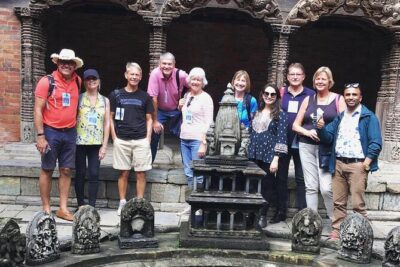
Full Day 7 UNESCO Tour with Lunch – Private/Group
Read our review →
This tour also appears in