
REVIEW · KATHMANDU TOURS
Half day cooking class in Thamel kathmandu
The best part of this Thamel cooking class is that you do not simply watch a chef prepare Nepali food. You make the dough, season the filling, shape the momos, and cook four dishes from start to finish. Momos appear on every menu, so you are guaranteed a lesson in Nepal’s beloved dumplings.
I especially like the choice of three menus and the friendly, hands-on teaching. You can adjust chili and spices to suit your taste, and the small group limit of eight gives you a fair chance to work at the counter. The short market or spice-shop visit can also add useful context before you start cooking.
The main thing to consider is the timing. The afternoon session is listed as 1:30 to 4:00 pm, while the morning and evening shifts may run longer. Some participants also find the market visit less useful than extra cooking time, and the kitchen requires climbing four flights of stairs.
Key points at a glance
- Momos on every menu: Learn the dough, filling, folding, and cooking process instead of merely eating dumplings at a restaurant.
- Three four-dish menus: Pick the food that suits your appetite, interests, and dietary needs.
- Local market context: A short visit can introduce you to Nepali spices and produce before the lesson begins.
- Small groups: The maximum group size is eight, with occasional one-person sessions.
- Flexible seasoning: Add more or less chili, depending on how you like to eat.
- A meal you cook yourself: Food, tea or coffee, snacks, and the selected meal are included.
Why a cooking class makes sense in Kathmandu
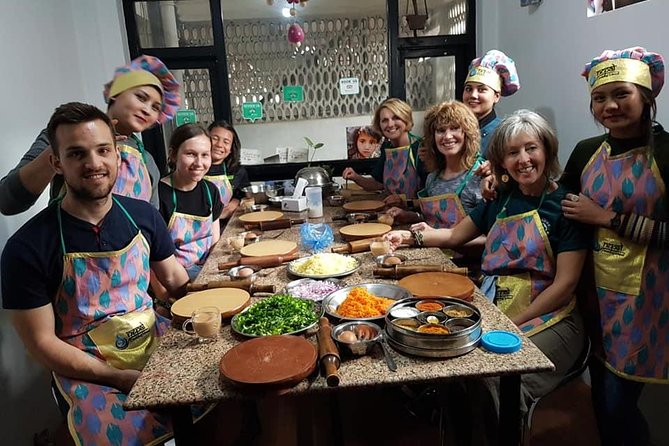
Kathmandu has no shortage of restaurants serving dal, curry, chatamari, and momos. A restaurant gives you a quick taste. This class shows you how those foods are built.
That difference matters. You learn which spices go into the dish, how the ingredients are prepared, and how the cooking stages fit together. You also get a better feel for the everyday role of food in Nepal, rather than treating local cuisine as a list of unfamiliar items on a menu.
I like this kind of activity early in a Kathmandu visit. It gives you names and flavors to recognize later. After making a lentil dish, you may pay closer attention to the dal on your next restaurant plate. After folding momos yourself, you will understand why some are neat little parcels and others look as if they were made in a hurry.
The class is aimed at curious cooks, not trained chefs. You do not need previous experience. Clear instructions and step-by-step help make it workable for beginners, while the chance to handle dough, fillings, and spices gives more confident cooks something to do.
More Cooking Classes in Kathmandu
- Kathmandu: Local Women-Led Nepali Cooking & Momo Class
★ 4.9 · 360 reviews - Kathmandu: Local Lead Nepali Cooking & Momo-Making Class
★ 5.0 · 212 reviews - Local Women Lead Nepali Cooking Class
★ 5.0 · 125 reviews
Meeting in Thamel and getting settled
The class begins at Divine Kathmandu Hotel on Paknajol Marg, Amrit Marg, in Thamel. Thamel is a practical meeting point because it is central, well served by local transport, and easy to reach from many parts of Kathmandu.
Private transportation is not included, so you make your own way to the hotel. Pickup is offered in the tour details, but the exact arrangement should be confirmed when you book. The activity ends back at the same meeting point.
Allow a little extra time to find the hotel in Thamel. Streets in this part of Kathmandu can be confusing, and traffic may slow the last part of your journey. Having the hotel name and address ready on your phone is sensible.
The stated duration is about two and a half hours, but the listed shifts do not all match that length. The afternoon class runs from 1:30 to 4:00 pm. The morning shift is listed as 9:00 am to 12:30 pm, and the evening shift as 4:30 to 8:00 pm. Confirm the exact start and finish time before arranging another activity.
The market and spice stop in Thamel
Several class accounts describe a short walk through local market streets or a visit to a spice shop before cooking. This is not a sightseeing tour, but it can be a useful introduction to the ingredients you are about to use.
The point is not simply to buy supplies. You get to see spices and produce in the setting where local cooks shop, and instructors explain what certain ingredients are used for. One participant found the visit informative and bought spices to take home. Another felt it took time away from cooking and would have preferred an extra recipe.
That is a fair trade-off to consider. If you enjoy food markets and want help identifying Nepali spices, the stop adds something. If your main goal is to make as many dishes as possible, you may find the walk less important.
The market portion is also a reminder that Nepali cooking does not begin with a printed recipe. Choosing ingredients, judging freshness, and knowing how much spice to use are part of the skill. Even a brief introduction can make the later lesson easier to understand.
Choosing among the three menus
You choose from three menus, and each contains four traditional Nepali dishes. The exact menu names are not provided in the booking information, so check the available choices before the class if you have a strong preference.
Momos are included on all three menus. That is a smart arrangement, since making these dumplings is the skill many people most want to take home. You should expect to work with dough and filling, then learn how to fold the wrappers before cooking and eating them.
Other dishes described by participants include dal, chicken curry, chapati egg rolls, chatamari, and chocolate momos. These examples show the range of the menus, but they do not guarantee the exact dishes offered on your date. Ask which menu contains the food you most want to learn.
Vegetarians have been accommodated successfully, and one menu was modified for a gluten-free diet. Still, you should state your needs when booking rather than waiting until the class begins. The supplied details do not promise that every allergy or dietary restriction can be handled.
A different kind of day from the same base:
- Everest Base Camp Trek – 14 Days
★ 5.0 · 1,499 reviews - Private Kathmandu Sightseeing Tour | UNESCO World Heritage sites
★ 5.0 · 756 reviews - Everest Base Camp Helicopter Tour landing at Everest View Hotel
★ 5.0 · 668 reviews - Everest Base Camp Trekking
★ 5.0 · 485 reviews
Cooking four dishes from scratch
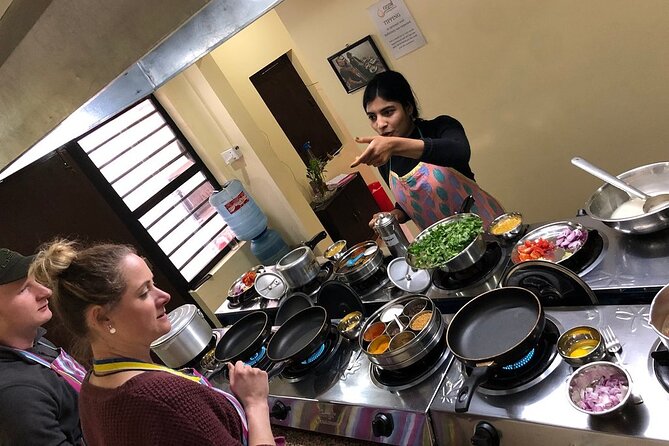
The chef takes you through the process step by step. You cook one course, then eat it fresh and hot before moving on. This keeps the food from sitting around, and it lets you judge the result while the technique is still fresh in your mind.
You also control some of the seasoning. If you enjoy chili, you can add more. If spicy food is not for you, use less or leave it out. That flexibility is useful in a group class, where everyone can have a different tolerance for heat.
The hands-on format is the real value here. You are not standing at the back of a demonstration kitchen trying to see over someone’s shoulder. You take part in preparing the dishes and can ask questions as you go. In smaller sessions, including at least one reported solo class, the instructor can give you especially close attention.
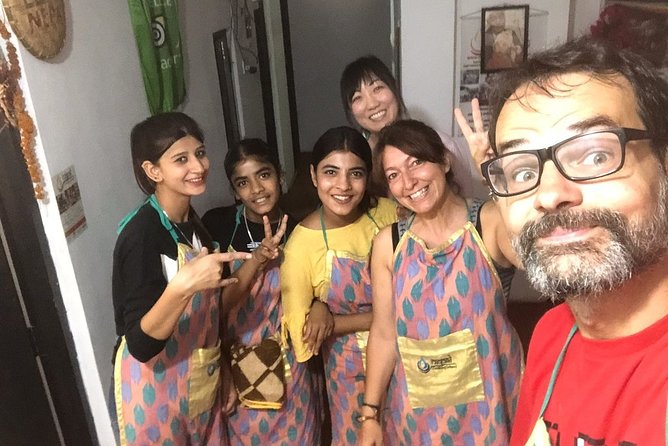
The teaching team is described as warm, patient, and clear in English. Names appearing in the class accounts include Nilam and Anshu, although the instructor on your particular shift may be someone else. The social side is part of the appeal. The teachers use humor, keep the mood relaxed, and on one evening added a short dance lesson.
The food itself is the final test. Several dishes have been singled out as delicious, with dal and momos receiving particular praise. Chocolate momos are another memorable option if they are included in your menu. The cooking is not just practice for a future meal. You eat the results as part of the class.
What you can learn to repeat at home
A good cooking class should send you home with more than a full stomach. This one provides recipes and techniques that are realistic for a home kitchen.
Momos are the obvious souvenir in edible form. You learn how to make the wrappers and handle the filling, then shape the dumplings yourself. The first few may not look perfect. That is normal, and the instructor can help you improve the fold.
Dal is another practical takeaway. It uses familiar ingredients and is easier to repeat than a complicated restaurant dish. The class also gives you a better sense of how spice levels can be adjusted without losing the character of the food.
Chatamari and chapati egg rolls offer different lessons in dough and assembly. A participant particularly enjoyed learning chatamari for future brunches, while another kept using the dal recipe at home. These are useful signs that the class can produce recipes you will actually cook again.
Take notes if you want precise measurements. The supplied information confirms that recipes are provided or taught, but it does not state whether every ingredient is measured in a printed handout. A quick photo of the recipe board, where permitted, can save you from trying to remember everything later.
Food, drinks, and how much you receive
At $28 per person, the class offers solid value if you want both a meal and an activity. You receive four dishes from the chosen menu, plus beverages and snacks. The inclusions list also mentions breakfast, lunch, and dinner, but those labels appear to describe the available meal period rather than three separate full meals.
Come hungry. The class is designed to feed you as you work through the menu, and the food is served fresh as each course is completed. You are not paying for a short demonstration followed by one small sample.
Tea and coffee are included. Alcoholic drinks are not, so do not expect beer or wine with the meal. The lack of alcohol is hardly a concern for a morning or afternoon class, and it keeps the focus on food and instruction.
The price also covers access to a local teaching experience that you cannot get by ordering the same dishes in a restaurant. If your priority is the cheapest possible meal, a local eatery will cost less. If you want instruction, participation, and recipes to use later, $28 is a reasonable price.
Group size, comfort, and practical limits
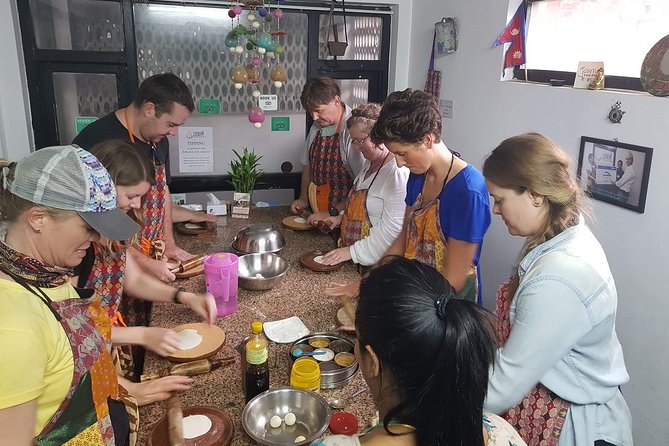
The maximum group size is eight. That is small enough to keep the lesson personal, though your exact experience will depend on how many people book your shift.
A group of eight can be lively and social. It may also mean waiting briefly while someone else finishes a step. Solo sessions or very small groups offer more direct attention, but you should not book expecting a private class unless that is confirmed.
The kitchen has been described as clean and hygienic. There is, however, a practical physical issue: you may need to climb four flights of stairs to reach the cooking area. This is worth knowing in advance, especially if stairs are difficult for you or you are carrying a heavy daypack.
The class is family-friendly and suitable for enthusiastic beginners. Children may enjoy shaping momos and adjusting ingredients, though the supplied information does not specify a minimum age. Ask the provider about age limits if you are booking for young children.
The activity is near public transportation, and mobile tickets are accepted. Wear something comfortable for cooking, and avoid bringing anything you would worry about around flour, oil, or colorful spices.
Which shift fits your Kathmandu plans?
The morning session, listed from 9:00 am to 12:30 pm, works well if you want to cook before a day of sightseeing. Since breakfast is included in the information provided, it may serve as your main morning meal, but confirm exactly what your selected shift includes.
The afternoon session runs from 1:30 to 4:00 pm and is the clearest match for the advertised two-and-a-half-hour duration. It leaves the evening free for Thamel restaurants, live music, or a quiet night after a busy day.
The evening shift is listed from 4:30 to 8:00 pm. This can replace dinner and gives the experience a relaxed social feel. It may be the most enjoyable choice if you want to finish the day with a meal you prepared yourself.
Do not schedule a tight connection, airport transfer, or timed attraction immediately afterward. The class includes several cooking stages, and the published shift lengths suggest that the finish time can vary.
Who should book this class?
I would recommend it to you if you want an activity that combines food, local context, and practical skills. It suits first-time visitors who want an introduction to Nepali cuisine, as well as people who already know they love momos and want to learn the proper method.
It is a good choice for families, couples, solo participants, and small groups of friends. The teachers’ warm style helps solo bookings feel less awkward, while the shared meal gives a group something to enjoy together.
Vegetarians should feel comfortable asking for an appropriate menu. Gluten-free participants may also be accommodated, but you need to raise the issue ahead of time. The class is not the right choice if you need a guaranteed fully private kitchen or cannot manage four flights of stairs.
You may also prefer a restaurant tour if you want to sample many dishes without cooking. This class gives you fewer dishes than a full food crawl, but you leave with techniques you can repeat at home.
Is the $28 Thamel cooking class worth booking?
Yes, for most food-focused visitors to Kathmandu. The strongest reasons are the small group cap, four dishes, momos on every menu, flexible seasoning, and the chance to eat what you prepare. The friendly teaching style and useful recipes make the class more than a quick tourist demonstration.
Book it if you want to learn by doing and have enough time for a session that may run longer than the headline duration. Choose the afternoon shift for the most predictable two-and-a-half-hour schedule, or pick morning or evening if you want the class to fit around your meals.
Before paying, confirm the exact menu, dietary arrangements, pickup details, and whether the market stop is part of your session. If you dislike stairs or would rather spend every minute cooking, keep those drawbacks in mind. Otherwise, this is an easy way to bring a practical piece of Nepali food culture home with you.
FAQ
Where does the cooking class begin?
The class begins at Divine Kathmandu Hotel on Paknajol Marg, Amrit Marg, in Thamel, Kathmandu.
Where does the activity finish?
The activity ends back at the meeting point at Divine Kathmandu Hotel.
How long does the cooking class last?
The advertised duration is approximately two hours and 30 minutes. The listed shifts vary: morning is 9:00 am to 12:30 pm, afternoon is 1:30 pm to 4:00 pm, and evening is 4:30 pm to 8:00 pm. Confirm the exact timing when booking.
What menus are available?
You can choose from three menus. Each menu contains four traditional Nepali dishes, and momos are included on every menu.
Is food included?
Yes. The selected cooking meal is included, along with beverages and snacks. Tea and coffee are listed as included. Alcoholic drinks are not included.
How many people can join the class?
The maximum group size is eight participants.
Can I cancel for a full refund?
Yes. You can cancel at least 24 hours before the local start time for a full refund. Cancellations or changes made less than 24 hours before the start time are not accepted for a refund.
More hands-on workshops in Kathmandu
- Knife (Khukuri) Making Workshop- Forge of the Gurkhas
★ 5.0 · 143 reviews - The best Private Nepali Cooking Class in Kathmandu
★ 5.0 · 83 reviews - Kathmandu: Traditional Momo Making Class & Pickup
★ 4.8 · 60 reviews - Traditional Nepali Momo Making Classes
★ 5.0 · 53 reviews
Recently added around Kathmandu
- Kathmandu Paragliding★ 5.0 · 3 reviews
- Kathmandu Airport Pickup and Drop-off Services★ 5.0 · 3 reviews
- Explore The Beauty Of Langtang Valley In 8-Days Trek★ 5.0 · 3 reviews
- Kathmandu Chandragiri Cable Car and Swayambhunath Private Tour★ 5.0 · 3 reviews
- Kathmandu: Nightlife and Pub Crawl Tour★ 5.0 · 3 reviews
- Mountain Flight Experience in Nepal★ 4.5 · 3 reviews
- Kathmandu: Momo Making Class with a Local Chef★ 5.0 · 3 reviews
- Everest Base Camp Trek★ 5.0 · 3 reviews
Other Kathmandu Tours worth a look

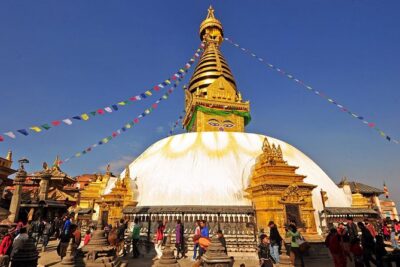
Private Kathmandu Sightseeing Tour | UNESCO World Heritage sites
Read our review →
Everest Base Camp Helicopter Tour landing at Everest View Hotel
Read our review →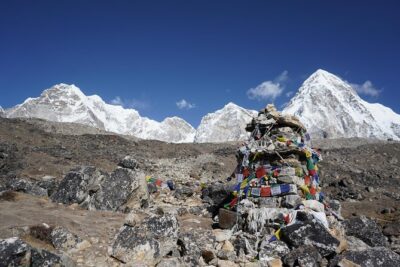

Nagarkot Sunrise View and Day Hiking from Kathmandu
Read our review →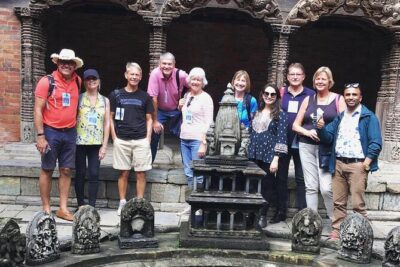
Full Day 7 UNESCO Tour with Lunch – Private/Group
Read our review →

This tour also appears in