
REVIEW · KATHMANDU TOURS
Kathmandu: Local Lead Nepali Cooking & Momo-Making Class
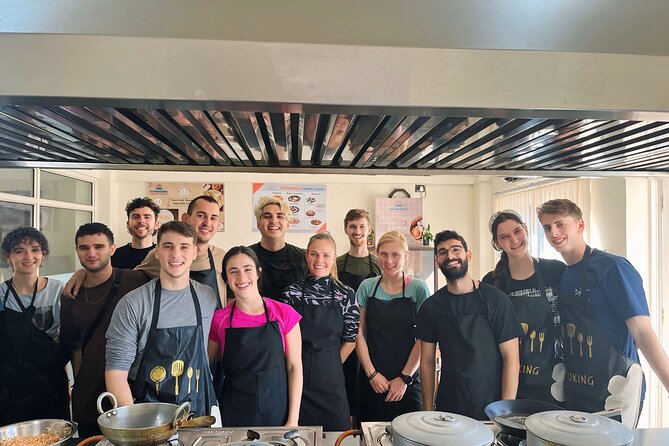
Kathmandu’s best food lesson may begin with a simple dumpling. At this hands-on class, you shop for ingredients, learn to fold momos, prepare traditional Nepali dishes, and sit down to eat your work. The small group of up to 12 keeps the lesson personal, while the market visit adds a useful look at everyday cooking.
I like two things here: the food is not reduced to a quick demonstration, and the chef explains the customs and methods behind it. I also like the practical follow-up, with recipes sent as a PDF so you can try the dishes again at home.
The main consideration is timing. Three and a half hours is a fair stretch of the day, and the class includes shopping, preparation, cooking, and eating. If you want a fast snack lesson, this will feel long. If you want a proper cultural activity, that extra time is the point.
Key points before you book
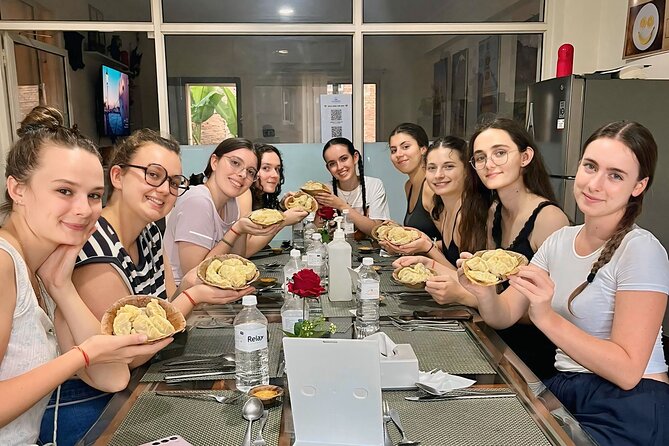
- Momos are made by hand: Choose chicken or vegetarian filling and learn the folding process step by step.
- The class starts with shopping: A short market or shop visit helps you see the ingredients before they reach the cooking bench.
- Three Nepali dishes are included: The menu covers an entrée, a main course, and a dessert, with dishes selected from traditional options.
- You eat what you prepare: The final tasting session turns the lesson into a full meal rather than a cooking demonstration.
- The setting is convenient: Kathmandu Cooking Academy is about a 10-minute walk from Thamel, according to the practical directions provided.
- The listed price is unusually low: At $5 per person, the experience offers striking value, though you should confirm the final price and any selected pickup option when booking.
Why momo-making is the heart of the class
Momos are Nepal’s famous dumplings, and shaping them gives this class its most memorable task. You do not simply watch a chef pinch dough into neat folds. You handle the filling, work with the dough, and try to copy the technique.
That sounds easy until the first dumpling refuses to close properly. This is part of the fun. The instructors demonstrate the shape, then let you try, correcting your hands as needed. The atmosphere is meant to be relaxed and playful, not like a formal culinary exam.
You can make vegetarian or chicken momos. That choice matters if you have different tastes in your group, though the available option may depend on the day’s menu. If you have a food allergy or dietary restriction, ask before booking rather than assuming every substitution is possible.
The value of making momos yourself goes beyond the meal. You learn a technique tied to a familiar Nepali food, and the skill is easy to remember once you return home. A cookbook or PDF recipe adds another practical benefit, since folding and filling become much easier after you have seen the process in person.
More Cooking Classes in Kathmandu
- Half day cooking class in Thamel kathmandu
★ 5.0 · 607 reviews - Kathmandu: Local Women-Led Nepali Cooking & Momo Class
★ 4.9 · 360 reviews - Local Women Lead Nepali Cooking Class
★ 5.0 · 125 reviews
Starting with masala tea and a market stop
The class begins at Kathmandu Cooking Academy with a traditional Nepali masala tea. This is a sensible opening: you get a warm welcome, settle in, and begin with a drink that introduces the spice profile of the country’s cooking.
Next comes a short market or shop visit to collect important ingredients. This is not presented as a major sightseeing stop, so keep your expectations modest. Its purpose is to connect the dishes with the produce, spices, and pantry items used in local kitchens.
I like this part because it gives the cooking a clear starting point. Instead of walking into a kitchen with ingredients already measured, you see some of the shopping that supports the meal. It also helps you understand that Nepali food is built from ordinary, accessible ingredients rather than mysterious restaurant-only products.
The exact market route is not specified, and the visit may be to a shop rather than a large open market. That flexibility is useful, but it means you should not book this class mainly for a market tour. Book it for the cooking, with the shopping stop as a welcome addition.
Preparing three traditional Nepali dishes
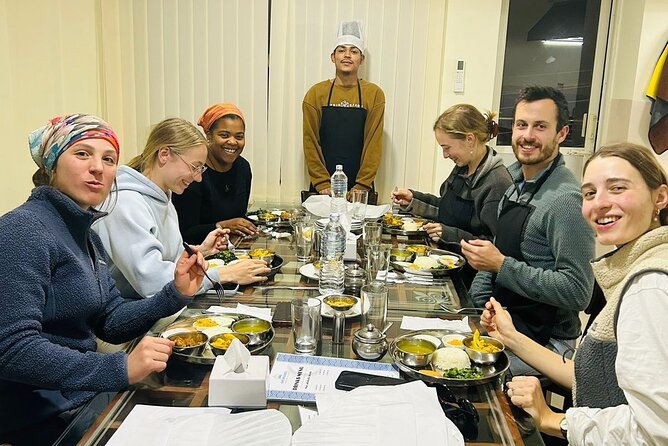
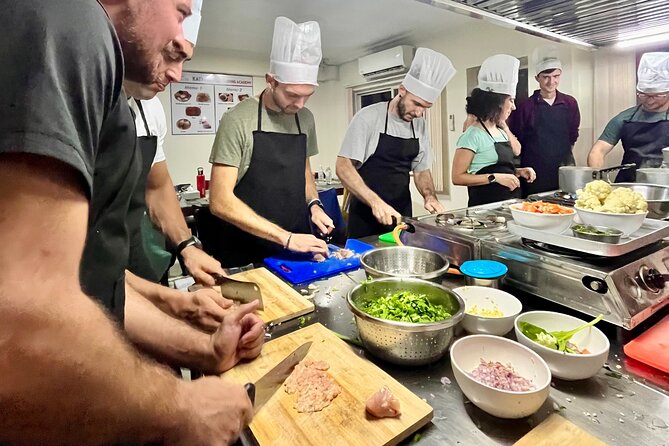
Back at the academy, the chef leads you through three dishes. The meal is structured around one entrée, one main course, and one dessert, selected from a broader traditional menu.
Dal bhat is the best-known example included in the cooking plan. This familiar Nepali combination of lentils and rice is more than a standard plate of food. It is a foundation of daily eating in Nepal, and preparing it gives you a better sense of how a simple meal becomes satisfying through seasoning, texture, and balance.
The class may also include bara, a savory lentil pancake. One participant’s meal included bara, momos, dal bhat, and three kinds of dessert, showing how generous the food portion can be. The exact selection can vary, so do not assume every booking will produce that same menu.
Dessert may include yomari, a traditional Newari sweet dumpling. It is an especially interesting choice because it links the kitchen lesson to the Kathmandu Valley’s local food traditions. Making a dessert with the same hands-on approach as the savory dishes gives the class more range than a lesson focused only on momos.
The chef explains each stage in clear, simple English. That matters when you are working with unfamiliar ingredients or techniques. You can ask questions while chopping, mixing, seasoning, or folding, rather than trying to remember instructions from a demonstration that has already moved on.
Traditional tools, clear instruction, and a clean kitchen
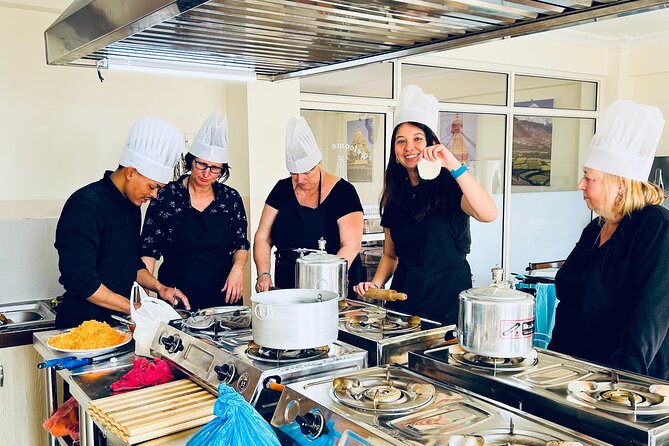
The academy supplies the cooking equipment and accessories, so you do not need to bring anything beyond an appetite and practical clothing. The use of traditional utensils adds a cultural touch, while the structured instruction keeps the experience manageable for a beginner.
The kitchen has been described as clean, which is important in a hands-on food activity. You are handling ingredients and eating the final dishes, so a tidy work area makes the class more comfortable.
The teaching style appears to be patient and straightforward. That is good news if you rarely cook. You can expect the chef to show the method, break it into stages, and give you time to practice.
Experienced home cooks will not be challenged by every basic step, but they can still get value from the local recipes, seasoning choices, and food context. The class works best when you treat it as a cultural lesson with cooking attached, not as advanced professional training.
English instruction is available, and the explanations are described as easy to follow. Specific chef names are not provided, so you should not book this expecting a particular instructor. The quality of the experience rests on the local chef assigned to your session.
A different kind of day from the same base:
- Everest Base Camp Trek – 14 Days
★ 5.0 · 1,499 reviews - Private Kathmandu Sightseeing Tour | UNESCO World Heritage sites
★ 5.0 · 756 reviews - Everest Base Camp Helicopter Tour landing at Everest View Hotel
★ 5.0 · 668 reviews - Everest Base Camp Trekking
★ 5.0 · 485 reviews
The meal at the end makes the time worthwhile
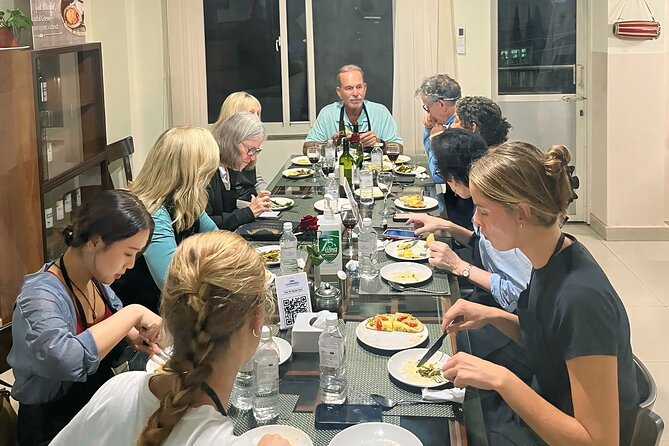
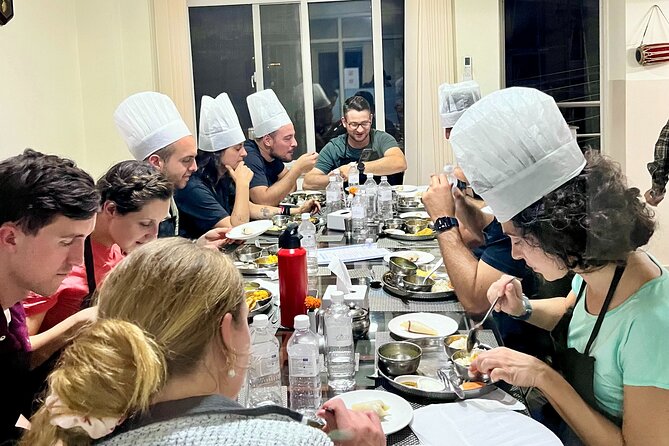
After the cooking, you sit down for a tasting session with the food you prepared. This is a small but important distinction. You are not merely sampling one finished dish while the staff handles the rest. The meal represents the work you have just completed.
A class can feel rushed if the final eating period is treated as an afterthought. Here, the tasting gives you time to enjoy the food and talk with the instructor and other people in the group. It also lets you compare your own dumpling folds and seasoning choices with the chef’s example.
Portions may be substantial. The food list from one session included bara, momos, dal bhat, and three desserts, followed by a detailed cookbook. The menu is not guaranteed to be identical, but you should plan this as a meal, not a small tasting plate.
Specialty drinks and alcohol are not included. The included Nepali masala tea covers the welcome drink, but any additional specialty or alcoholic beverage costs extra. If you want to keep the price close to the advertised amount, stick with what is included and ask about extras before ordering.
Location, pickup, and group size
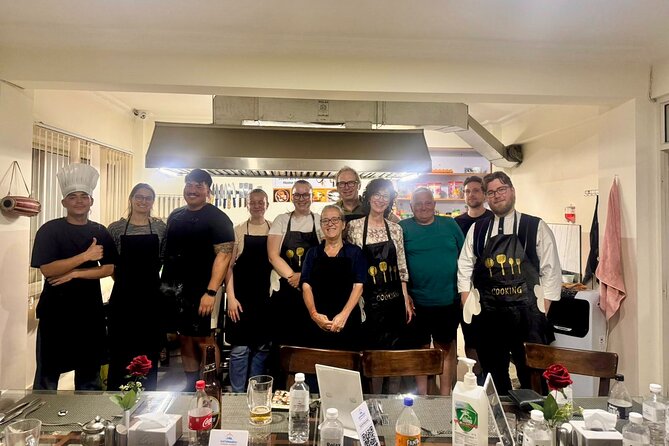
The meeting point is Kathmandu Cooking Academy on Yapikhya Marg, Kathmandu 44600. The academy is near public transportation and roughly a 10-minute walk from Thamel, making it convenient if you are staying in the central tourist area.
The activity ends back at the meeting point. Hotel pickup and drop-off are available only if you select that option, so do not assume transport is automatically included. Check your chosen booking option carefully, especially if your hotel is outside the central area.
The maximum group size is 12. That is small enough for the chef to watch your technique, but it is not a private lesson. You may be sharing the kitchen with people of different cooking abilities and dietary needs.
This group size also helps solo visitors. Cooking provides an easy reason to talk, and the shared meal naturally creates conversation. Couples, families, and friends can enjoy the activity together, while solo participants are not left with a sightseeing gap to fill.
Is $5 good value for three and a half hours?
At the stated price of $5 per person, this is excellent value if the advertised rate is available for your date. You receive a cooking lesson, ingredient shopping, use of equipment, masala tea, several prepared dishes, and a tasting session. Hotel transport may be included only with a selected pickup option, and drinks beyond the included tea are separate.
Price alone should not decide the booking. The real question is how you want to use three and a half hours in Kathmandu. A cooking class gives you a meal, a social activity, and a skill you can repeat at home. It may offer more lasting value than another quick restaurant visit.
The price is so low that I would confirm the final total before payment. Make sure you understand whether hotel pickup changes the cost and whether the displayed rate applies to your selected date and group size. The stated free cancellation policy allows a full refund when you cancel at least 24 hours before the start time. Cancellations inside that window are not refunded.
Who should book this Kathmandu cooking class?
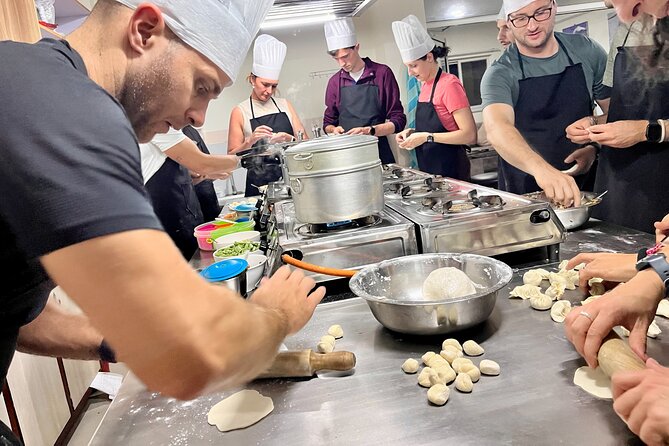
I would recommend it to anyone who wants a practical introduction to Nepali food without committing to a full food tour. It suits first-time cooks because the instructions are step by step and the chefs are described as patient.
It also works well for solo visitors. The group setting gives you a chance to meet people, and the shared cooking tasks make conversation easier than sitting alone at a restaurant.
Families can enjoy the momo-folding element, provided children can safely take part in kitchen work. Couples and friends may like the friendly competition over whose dumplings look best. The experience is also useful for people who have already eaten dal bhat or momos but want to understand how the dishes are made.
I would be less likely to recommend it to someone seeking a private, luxury culinary experience or a highly technical chef’s course. The strength here is local, social, hands-on cooking at a low price. The class is not designed as a polished fine-dining workshop.
Small details that will help you enjoy it
Wear clothes and shoes that are comfortable for several hours of standing and food preparation. The equipment is supplied, but you should still arrive ready to participate rather than simply observe.
Tell the academy about dietary restrictions before the class. Vegetarian momos are available, but the menu may contain ingredients that need to be discussed in advance. Do not wait until the food is already being prepared.
Allow the full three and a half hours in your schedule. The market or shop visit, cooking, and meal all form part of the experience. Booking this just before an important appointment could leave you watching the clock.
If you are staying in Thamel, walking may be easier than arranging transport. If you choose hotel pickup, confirm that it is part of your selected option. Bring a phone if you want to photograph your finished dishes, but keep your hands free during the cooking itself.
Should you book it?
Yes, if you want to turn a meal in Kathmandu into a practical cultural lesson. The strongest reasons are the hand-shaped momos, the chance to prepare dal bhat and other traditional dishes, the market stop, and the relaxed meal at the end.
The class is not the right choice if you only have an hour, dislike group activities, or want a guaranteed fixed menu and named instructor. For most people, though, the combination of low price, small group size, clear English instruction, and take-home recipes makes this a smart use of an afternoon in Kathmandu.
FAQ
How long does the cooking class last?
The experience lasts approximately 3 hours and 30 minutes.
Where does the class begin?
It begins at Kathmandu Cooking Academy on Yapikhya Marg, Kathmandu 44600, Nepal.
Where does the activity finish?
The activity ends back at the Kathmandu Cooking Academy meeting point.
Is hotel pickup included?
Hotel pickup and drop-off are included only if you select an option that offers them.
Is the academy near Thamel?
Yes. The academy is described as about a 10-minute walk from Thamel and is also near public transportation.
How many people can join the class?
The activity has a maximum of 12 participants.
Are momos included in the lesson?
Yes. You receive hands-on instruction in making momos, with vegetarian or chicken options available.
What other food will I prepare?
The class includes three traditional Nepali dishes: one entrée, one main course, and one dessert. Dal bhat and yomari are among the traditional dishes described, but the exact menu can vary.
Is food included after cooking?
Yes. You take part in a tasting session featuring the food you prepared.
Can I cancel for a full refund?
Yes, if you cancel at least 24 hours before the experience start time. Cancellations made less than 24 hours in advance are not refunded, and changes inside that period are not accepted.
More hands-on workshops in Kathmandu
- Knife (Khukuri) Making Workshop- Forge of the Gurkhas
★ 5.0 · 143 reviews - The best Private Nepali Cooking Class in Kathmandu
★ 5.0 · 83 reviews - Kathmandu: Traditional Momo Making Class & Pickup
★ 4.8 · 60 reviews - Traditional Nepali Momo Making Classes
★ 5.0 · 53 reviews
Recently added around Kathmandu
- Kathmandu Airport Pickup and Drop-off Services★ 5.0 · 3 reviews
- Kathmandu Paragliding★ 5.0 · 3 reviews
- Kathmandu Chandragiri Cable Car and Swayambhunath Private Tour★ 5.0 · 3 reviews
- Explore The Beauty Of Langtang Valley In 8-Days Trek★ 5.0 · 3 reviews
- Kathmandu: Nightlife and Pub Crawl Tour★ 5.0 · 3 reviews
- Mountain Flight Experience in Nepal★ 4.5 · 3 reviews
- Kathmandu: Momo Making Class with a Local Chef★ 5.0 · 3 reviews
- Everest Base Camp Trek★ 5.0 · 3 reviews
Other Kathmandu Tours worth a look

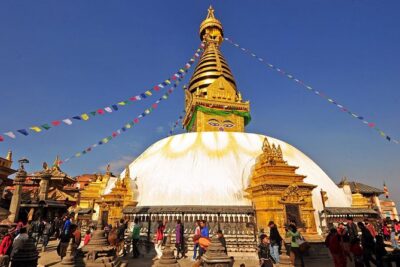
Private Kathmandu Sightseeing Tour | UNESCO World Heritage sites
Read our review →
Everest Base Camp Helicopter Tour landing at Everest View Hotel
Read our review →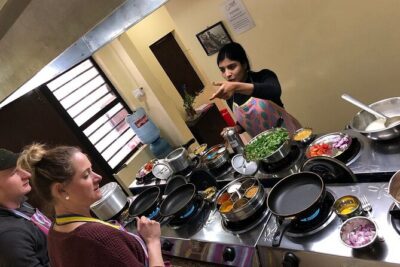
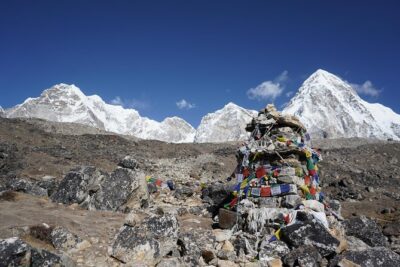
Nagarkot Sunrise View and Day Hiking from Kathmandu
Read our review →
Full Day 7 UNESCO Tour with Lunch – Private/Group
Read our review →
This tour also appears in