
REVIEW · KATHMANDU TOURS
Traditional Nepali Momo Making Classes
Kathmandu’s most useful cooking lesson may be the one that teaches you to make momos from scratch. At Namaste Cooking School in central Thamel, you prepare the dough and filling, learn several folding styles, cook your dumplings, and sit down to eat the results for lunch. The class also begins with masala chai, a small but fitting introduction to Nepali hospitality.
I like the women-led teaching and the school’s connection with local farmers, which gives the lesson a stronger sense of place than a generic cooking demonstration. I also like the short format: at about 90 minutes and $18 per person, it fits neatly into a Kathmandu day without taking over your sightseeing schedule.
The main consideration is that this is a compact introductory class, not a long culinary workshop. The group can reach 16 people, so the amount of individual attention may depend on the day. If you want a quiet private lesson, ask about that option when booking.
Key points to know before you book
- You make the meal yourself: Prepare the dough, filling, shapes, and finished momos rather than simply watching a demonstration.
- Masala chai starts the class: The welcome drink gives the session a distinctly Nepali beginning.
- The lesson takes place in Thamel: The Bhagwati Marg meeting point is convenient for anyone staying in or near Kathmandu’s main visitor district.
- Local ingredients matter: Namaste Cooking School works with local farmers and focuses on indigenous Nepali flavors.
- Lunch is included: You eat the momos you prepare, making the $18 fee especially easy to judge as good value.
- You leave with a recipe book: The class gives you a practical way to repeat the meal at home.
Why momo making belongs on your Kathmandu itinerary
Momos are now common across Nepal, but they are more than a quick snack between sightseeing stops. The dumplings reflect the Himalayan region’s broader food culture, and the work involved in making them helps you understand why a plate of well-shaped momos takes time.
This class gives you that practical connection. You do not just order a plate and move on. You handle the dough, work with the filling, and learn how the dumplings are formed before they are cooked. That makes the lunch more satisfying, even if your first few momos look less tidy than the teacher’s.
I find food classes most useful when they explain local ingredients as well as cooking technique. Here, the spice introduction gives you a short guide to the seasonings used in Nepali momo cuisine. You learn what creates the flavor before you start mixing and folding.
The school also places value on ingredients sourced from local farmers. That does not turn the class into a farm visit, but it does connect the food to Nepal’s everyday supply chain. For a short experience in a tourist district, that local link adds substance.
More hands-on workshops in Kathmandu:
- Half day cooking class in Thamel kathmandu
★ 5.0 · 607 reviews - Kathmandu: Local Women-Led Nepali Cooking & Momo Class
★ 4.9 · 360 reviews - Kathmandu: Local Lead Nepali Cooking & Momo-Making Class
★ 5.0 · 212 reviews
Arriving in the heart of Thamel
The class begins at Bhagwati Marg, Kathmandu 44600, with a scheduled start at 12:30 pm. The school is in Thamel, a central area with easy access to shops, restaurants, hotels, and public transportation.
That location is a real advantage. You can fit the class before an afternoon walk through Thamel, or use it as a planned lunch stop between other activities. Since the experience ends where it begins, you do not need to arrange a separate ride back to your hotel or another part of the city.
Allow yourself enough time to find the exact entrance. Thamel’s streets can be busy and confusing, and a few extra minutes will make the welcome feel more relaxed. Your mobile ticket is accepted, and confirmation is sent when you book.
Masala chai and a warm Nepali welcome
The first step is a traditional cup of masala chai. This is not simply a free drink while you wait. In Nepal, offering tea is part of welcoming people into a home or social setting, so it gives the class a gentle cultural opening.
The chai is also one of the small details that helps the experience feel like more than a standard lunch activity. If you do not drink masala chai, one participant was offered ginger and lemon tea instead. That suggests the instructors can respond to basic preferences, though you should still mention any needs when you arrive.
The teaching team is described as warm, patient, and good-humored. Sushila and Sabita are named as instructors in one account, with singing and dancing also part of their talents. You should not expect a formal stage show, but the atmosphere may be lively and personal rather than stiff.
For families, this easy start can help. One family found that even an eight-year-old who initially did not want to take part ended up enjoying the class. The hands-on work gives children a job to do, although younger children will need supervision around cooking equipment and ingredients.
Choosing your momo menu
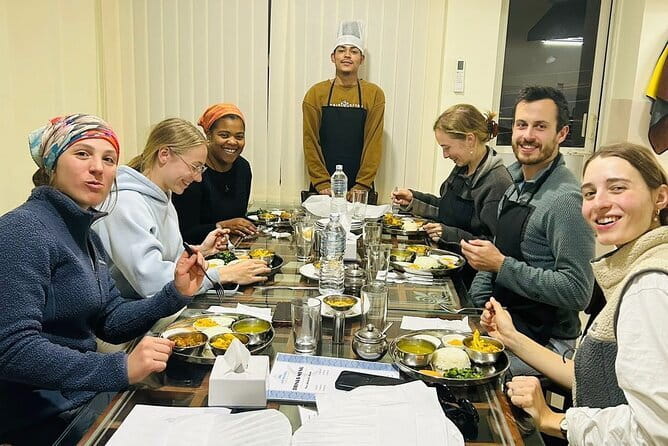
After the welcome, you choose from the available menus for the momo class. The staff also asks about dietary restrictions and allergies before you begin.
This menu choice matters because it lets the lesson work for different eaters. Vegetarian momos are clearly available, and one couple prepared a large batch of vegetable momos. The supplied information does not specify every filling or every substitute, so you should discuss your needs at the menu stage rather than assume a particular option is available.
You should also tell the instructors about allergies before handling the ingredients. The school makes an effort to provide a safe session, but the precise alternatives depend on the menu and the restriction.
The menu discussion is brief, yet it helps set expectations. You know what you will prepare, and the instructors can adjust their explanations to the dish in front of you. For a 90-minute activity, that early clarity keeps the class moving.
A few more Kathmandu days to weigh up
- Everest Base Camp Trek – 14 Days
★ 5.0 · 1,499 reviews - Private Kathmandu Sightseeing Tour | UNESCO World Heritage sites
★ 5.0 · 756 reviews - Everest Base Camp Helicopter Tour landing at Everest View Hotel
★ 5.0 · 668 reviews - Everest Base Camp Trekking
★ 5.0 · 485 reviews
Learning the spices behind the filling

Before the practical work begins, the instructors introduce the regional spices used in Nepali momo cooking. This is a short lesson, but it gives you a better way to understand the final taste.
Momos can look simple: dough, filling, steam, sauce. The flavor depends on the balance inside that small package. The spice introduction shows you that Nepali cooking is not just about heat. It is about the combination of herbs, aromatics, and regional seasonings that make the filling taste like Nepal rather than like an ordinary dumpling.
I especially value this part because you can use it later. A recipe book is useful, but knowing why an ingredient is present makes it easier to recreate the dish when you are back home and working with a different kitchen or local produce.
The lesson is conducted in English. That makes the class practical for English-speaking visitors, though the group setting means the pace may not be tailored perfectly to every person. If you have never cooked dumplings before, pay close attention during the early demonstration and ask questions as you work.
Rolling, filling, and folding your own momos
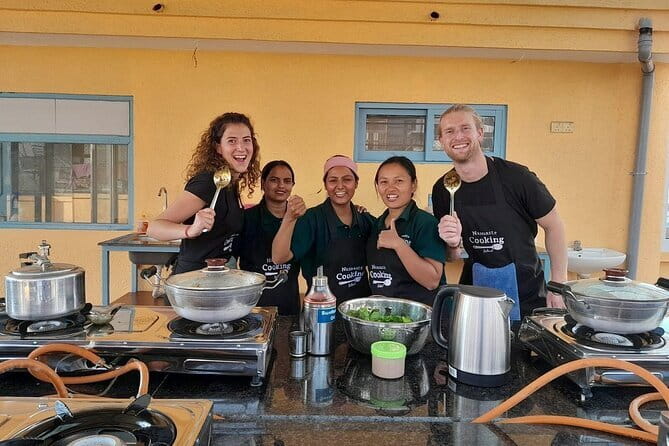
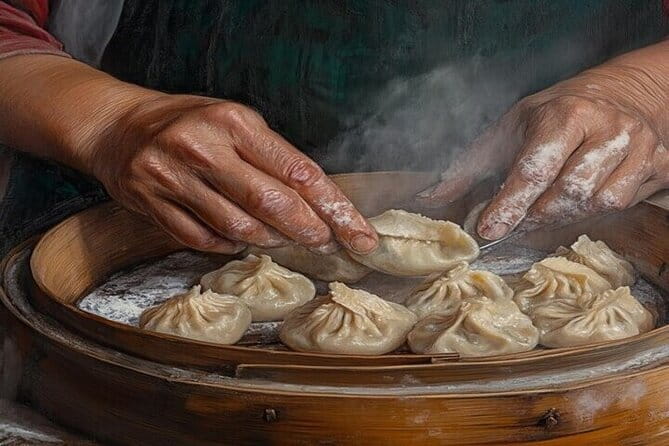
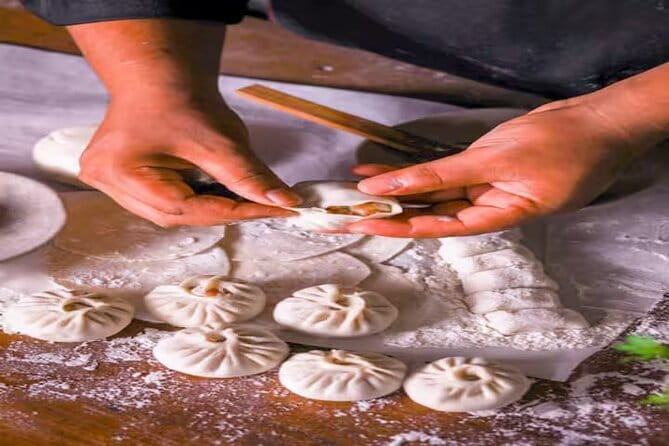
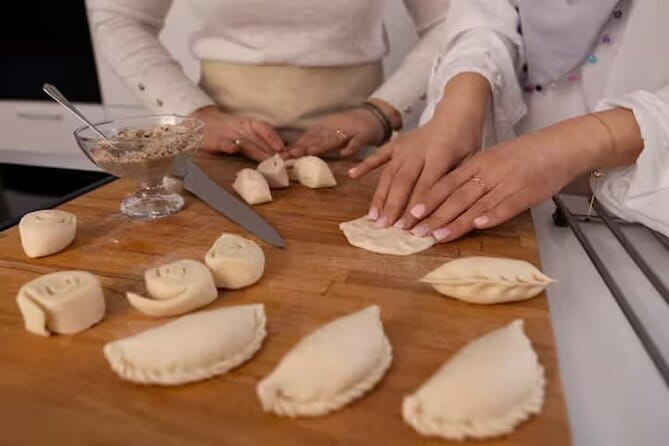
The heart of the experience is hands-on. With guidance, you prepare the dough and filling, then shape the momos yourself. You learn different ways to fold them, which adds a small creative element to the class.
This is where the activity earns its place in your itinerary. You are not watching someone perform a recipe at a distance. You are building lunch with your own hands, and the instructors can correct your technique as you go.
Do not worry if the first dumpling looks uneven. Folding is a skill, and the teachers are known for patient instruction. The point is not to produce a row of perfect restaurant dumplings. It is to understand the process well enough that you can try again later.
You may find that the class is more filling than expected. The prepared momos are served as lunch, and the amount is intended to make a full meal. That makes this a practical choice for a midday activity rather than something you need to squeeze between lunch stops.
One important distinction: the class focuses on momos, not on a broad survey of Nepali cooking. If you want to learn several unrelated dishes, this will feel narrow. If you want a clear, manageable lesson on Nepal’s best-known dumpling, the focus works well.
Eating the results instead of heading to a restaurant
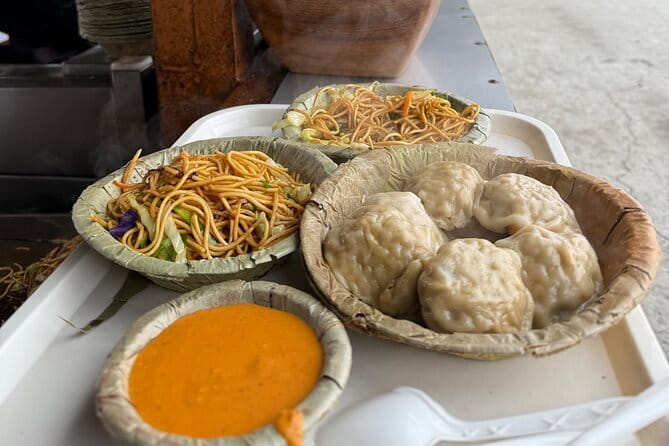
Once the cooking is finished, you eat what you have made. This simple reward is one of the strongest parts of the format.
A restaurant can serve you good momos, but it cannot give you the satisfaction of knowing how the dough was mixed, how the filling was seasoned, or why one folding method works better than another. Here, lunch becomes the final step of the lesson.
The food is described as fresh, plentiful, and delicious, though your result will naturally depend on your own technique. That is part of the fun. Your plate may include a few oddly shaped dumplings, but you will know exactly why they turned out that way.
Some sessions have been held in a rooftop setting with views across Kathmandu. This detail may depend on the particular class arrangement, so do not book solely for a guaranteed rooftop view. The reliable attraction is the cooking and meal itself.
What the $18 price really gets you
At $18 per person, the class is priced well for Kathmandu. The fee includes the cooking lesson, lunch, English instruction, the welcome drink, and a recipe book to take home.
The value is not only in the food. A restaurant lunch might cost less or more depending on where you eat, but it would not include instruction or a cultural exchange with the people preparing it. You are paying for a short activity, a meal, and a skill you can use again.
The 90-minute length also keeps the price sensible. You are not committing half a day to an activity that may not suit your interests. At the same time, do not expect an advanced professional course for this fee and duration. The class is best viewed as a friendly introduction with plenty of practical work.
The school can accept up to 16 people. A larger group may create a more social atmosphere, but it can also mean less time for one-to-one correction. Private classes are available in at least some bookings, so couples or families wanting more personal instruction should ask before confirming.
Who will enjoy this class most
I would recommend this experience to anyone who likes to understand a place through food. It works particularly well for:
- First-time visitors who want a simple introduction to Nepali cuisine
- Couples looking for an interactive lunch in Thamel
- Families with children who enjoy hands-on activities
- Vegetarians, provided dietary needs are discussed in advance
- Anyone who wants a recipe to use after returning home
- Visitors with only a short window in Kathmandu
It may be less suitable if you dislike group activities, have very strict dietary requirements that have not been discussed beforehand, or want an extensive cooking course. The maximum group size is 16, and the class lasts only about an hour and a half.
The class also suits people who prefer participation over sightseeing. You will spend your time working at the kitchen rather than visiting a monument or viewpoint. That is a good trade if you have already seen plenty of temples and want a more personal connection with daily life.
Timing, booking, and practical details
The activity starts at 12:30 pm and ends back at the Bhagwati Marg meeting point. Lunch is included, so plan to arrive ready to cook rather than after a large meal.
The experience is often reserved about eight days ahead. That is useful planning information if your Kathmandu schedule is tight. The group limit is 16, and popular dates may fill before your arrival.
You receive confirmation at booking, and the mobile ticket makes entry straightforward. The location is near public transportation, but the information does not include hotel pickup, so arrange your own way to Bhagwati Marg.
Free cancellation is available if you cancel at least 24 hours before the start time. Cancellations made later are not refunded, and late changes are not accepted. The activity also depends on good weather and a minimum number of participants. If the provider cancels for either reason, you can choose another date or experience, or receive a full refund.
Final call: book it for a useful, tasty hour and a half
You should book the Traditional Nepali Momo Making Class if you want an affordable, friendly activity that gives you both lunch and a practical cooking skill. The patient teaching, local ingredients, masala chai, and recipe book give the experience more weight than its short duration suggests.
I would be especially happy to recommend it for couples, families, and food-minded visitors staying in Thamel. Just keep your expectations in line: this is a focused momo lesson, not a full course in Nepali cuisine, and a group of up to 16 may limit personal attention.
For $18, the balance is strong. You eat well, learn how a beloved Nepali dish is made, meet women preserving local food traditions, and leave with a recipe you can try at home. That is a fine use of a Kathmandu lunch.
FAQ
Where does the momo cooking class take place?
The class takes place at Namaste Cooking School on Bhagwati Marg in Kathmandu, Nepal. The school is located in the heart of Thamel and is near public transportation.
What time does the class start?
The scheduled start time is 12:30 pm.
How long does the experience last?
The activity lasts approximately 1 hour and 30 minutes.
Is lunch included?
Yes. Lunch is included, and you eat the momos prepared during the class.
What language is the class offered in?
The class is offered in English.
Can I mention dietary restrictions or allergies?
Yes. The instructors ask about dietary restrictions and allergies when you choose your menu. You should explain your needs at that point so the staff can advise you about the available options.
What is the cancellation policy?
You can cancel at least 24 hours before the start time for a full refund. Cancellations or changes made less than 24 hours ahead are not accepted for a refund. If poor weather or an insufficient number of participants causes the provider to cancel, you can choose another date or experience, or receive a full refund.
Recently added around Kathmandu
- Kathmandu Airport Pickup and Drop-off Services★ 5.0 · 3 reviews
- Kathmandu Paragliding★ 5.0 · 3 reviews
- Explore The Beauty Of Langtang Valley In 8-Days Trek★ 5.0 · 3 reviews
- Kathmandu Chandragiri Cable Car and Swayambhunath Private Tour★ 5.0 · 3 reviews
- Kathmandu: Nightlife and Pub Crawl Tour★ 5.0 · 3 reviews
- Kathmandu: Momo Making Class with a Local Chef★ 5.0 · 3 reviews
- Mountain Flight Experience in Nepal★ 4.5 · 3 reviews
- Everest Base Camp Trek★ 5.0 · 3 reviews
Other Kathmandu Tours worth a look

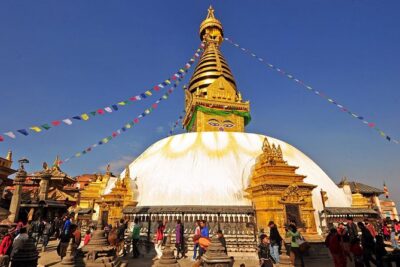
Private Kathmandu Sightseeing Tour | UNESCO World Heritage sites
Read our review →
Everest Base Camp Helicopter Tour landing at Everest View Hotel
Read our review →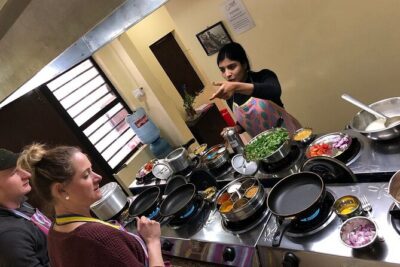
Nagarkot Sunrise View and Day Hiking from Kathmandu
Read our review →
Full Day 7 UNESCO Tour with Lunch – Private/Group
Read our review →
This tour also appears in