
REVIEW · KATHMANDU TOURS
Local Women Lead Nepali Cooking Class
Nepali food is best understood at the stove, not just at a restaurant table. At Namaste Cooking School in Thamel, local women guide you through a half-day meal built around regional spices and ingredients sourced from nearby farmers. You choose from three menus, cook the food yourself, then sit down to eat what you made.
I like the hands-on format, since you do the actual chopping and preparation rather than watching a demonstration. I also like the warm, social welcome: masala chai begins the session, and instructors such as Sabita and Sushila bring humor, conversation, singing, and even dancing into the class. The main consideration is time. Four hours is a fair part of a Kathmandu day, and the airport meeting-point information is worth confirming carefully if you plan to use the offered pickup.
Key points to know before booking
- Women-led cooking in Thamel: Namaste Cooking School is run by local women with a focus on Nepali culinary traditions and indigenous ingredients.
- Three menus to choose from: You select your menu at the beginning, after discussing allergies and dietary restrictions.
- You cook the meal yourself: The class is practical, with guidance throughout and no cleanup required from you.
- Masala chai starts the visit: The welcome drink introduces the hospitality that shapes the rest of the session.
- Lunch and a recipe book included: You eat the food you prepare and receive a Namaste Cooking School cookbook to take home.
- Small enough to feel personal: The group limit is 16 people, with English instruction and mobile tickets.
Why a cooking class fits a Kathmandu day
Kathmandu can fill your schedule quickly with temples, courtyards, shrines, and traffic. A cooking class gives you a different way to understand the city. You are not simply passing through a market or taking a photograph of a plate. You learn how local ingredients are handled, how spices are used, and how a meal comes together.
This class takes place in Thamel, a convenient part of central Kathmandu with easy access to public transportation. That location matters if you are staying nearby or want a break from sightseeing without committing to a long ride across the city. It also makes the experience easy to pair with other plans, although the four-hour duration means you should not squeeze it between two tightly timed visits.
The class is led by women, and that shapes the tone. The instructors are there to teach, but the session also has the feel of a shared social gathering. You may cook, talk, practice a few Nepali words, sing, or dance. That combination is a major part of the appeal. If you want a silent, technical lesson, this may feel too lively. If you want food and conversation together, it is a strong match.
More Cooking Classes in Kathmandu
- Half day cooking class in Thamel kathmandu
★ 5.0 · 607 reviews - Kathmandu: Local Women-Led Nepali Cooking & Momo Class
★ 4.9 · 360 reviews - Kathmandu: Local Lead Nepali Cooking & Momo-Making Class
★ 5.0 · 212 reviews
Masala chai and the first welcome
Your visit begins with a cup of masala chai. In Nepal, offering tea is a familiar gesture of welcome, so this is more than a quick drink before the work starts. It sets a friendly tone and gives you a moment to settle in before choosing what to cook.
The welcome is especially useful if you are arriving alone. One solo participant described having a good time with the instructors, and the format gives you a natural way to meet the people in the room. You are not left to figure out the kitchen on your own, and the instructors keep the mood light while explaining what comes next.
The school is in the heart of Thamel, though the stated meeting information also identifies Tribhuvan Airport as the start point. Pickup is offered, but you should check the exact pickup arrangement and location when you book. Do not assume that the airport reference means you need to make your own way there or that transport is automatically included.
Choosing one of three Nepali menus
After the welcome, you choose from three menus. This is a useful feature because it gives you some control over the meal rather than locking every participant into one fixed set of dishes. You also discuss dietary restrictions and allergies at this stage.
The available information does not list the three menus or the individual dishes, so you should not book expecting a particular recipe unless the school confirms it. The benefit is choice. The limitation is that you cannot compare the menus in advance from the tour details alone.
For many people, this is the point where the class becomes personal. You can explain what you eat, what you avoid, and what you hope to learn. The instructors can then guide you toward a suitable option. If you have a serious allergy, raise it clearly before cooking begins and confirm that the school can accommodate it.
Learning the spices behind Nepali cooking
Before you start preparing food, the instructors introduce the regional spices used in Nepali cuisine. This step gives the class useful context. Instead of treating seasoning as a list of ingredients to copy, you get an idea of how flavor is built in the kitchen.
Nepali cooking draws on Himalayan and South Asian food traditions, but the point here is not a lecture on culinary history. It is practical. You handle or study the spices, learn what makes them important, and then use that knowledge while cooking. That link between explanation and action helps the lesson stay focused.
The school places special attention on indigenous ingredients and works with local farmers for its supplies. For you, that means the food is connected to local production rather than presented as a generic international cooking lesson. The precise ingredients depend on the menu you choose, so the class will not necessarily show every food found across Nepal.
A different kind of day from the same base:
- Everest Base Camp Trek – 14 Days
★ 5.0 · 1,499 reviews - Private Kathmandu Sightseeing Tour | UNESCO World Heritage sites
★ 5.0 · 756 reviews - Everest Base Camp Helicopter Tour landing at Everest View Hotel
★ 5.0 · 668 reviews - Everest Base Camp Trekking
★ 5.0 · 485 reviews
The hands-on part: you do the cooking
The strongest part of the experience is the practical kitchen work. With guidance from the instructors, you prepare the meal yourself. You are not simply standing behind a counter while someone else handles every important step.
That distinction matters. You learn by doing, and you can ask questions as you go. The instructors explain the process and help you along, but the finished food reflects your own work. This makes the later meal more satisfying and gives you a better chance of repeating the recipes at home.
The teaching style also sounds relaxed rather than formal. Sabita and Sushila are named as instructors, and their approach includes conversation, shared stories, and a good deal of humor. One couple even used the session to practice English with the instructors while learning some Nepali words in return. You should expect a social class, not a strict professional kitchen course.
A practical bonus is that you do not have to clean up afterward. The staff handles the washing and tidying, leaving you free to focus on cooking and eating. That is a small detail, but it improves the experience, especially after several hours in the kitchen.
Lunch made by your own hands
Lunch is included, and it is the natural payoff for the class. You sit down to eat the dishes you have prepared, rather than receiving a separate meal that has no connection to the lesson.
This is also where you can judge the class by more than the recipe book. Fresh ingredients, clear instruction, and enough time to prepare the food all matter. The available feedback repeatedly highlights the taste of the meal and the fact that portions are generous enough that you should not leave hungry.
The food is described as fresh and easy to make again at home. That makes the class more useful than an elaborate demonstration built around hard-to-find ingredients. Still, you should keep your expectations sensible. The menu details are not provided, so the class cannot promise a particular national dish or level of spice before you arrive.
Lunch also gives the group time to talk. The experience is designed around more than food preparation. Singing, dancing, and sharing stories have all been part of the atmosphere, which may make the meal feel closer to a gathering with local hosts than a standard cooking lesson.
The recipe book is a worthwhile takeaway
At the end of the half-day course, you receive a Namaste Cooking School recipe book. This is one of the most useful inclusions because it lets you continue the experience after Nepal.
A souvenir recipe book is only valuable if the dishes are practical. Here, the food is described as straightforward enough to prepare at home, so the book can serve as a genuine reminder rather than a decorative extra. You will also remember the class more clearly when you cook one of the meals later.
Do not expect the book to replace the lesson. The class gives you the feel of the ingredients, the order of preparation, and the chance to ask questions. The book helps you reconstruct the experience afterward. Take notes if there is a particular spice balance or technique you want to remember.
What $30 buys you in Kathmandu
The price is $30 per person. For roughly four hours, that includes the welcome chai, instruction in English, your cooking session, lunch, and the recipe book. At that rate, the experience offers solid value if you want both a meal and a cultural activity.
The value is strongest for people who would otherwise pay for lunch and a separate paid attraction. You get an activity with a clear result, food to eat, and something practical to take home. The school’s connection with local farmers and its focus on indigenous ingredients also give the price more substance than a generic cooking class using unfamiliar or mass-market products.
The cost may feel less attractive if your only goal is a cheap lunch. You are paying for the time, instruction, social setting, and chance to cook. It is also not the right choice if you prefer to spend four hours sightseeing outdoors.
The experience is often reserved about 17 days ahead on average. That is a useful planning signal, especially if your Kathmandu schedule is fixed. It does not mean every date sells out, but reserving early is sensible if you want a particular day.
Group size, language, and practical planning
The maximum group size is 16 people. That is not a private lesson, but it is limited enough to keep the session from becoming a large demonstration. Your experience will depend on the final group and how actively you take part.
Instruction is offered in English. The class can also become a simple language exchange, since you may pick up Nepali words while the instructors practice English. If you enjoy talking with the people teaching you, this is an added strength.
The school is near public transportation and located in Thamel. Pickup is offered, and the activity ends back at the meeting point. Because the details name Tribhuvan Airport as the start point while describing the school as being in Thamel, confirm the exact meeting and return arrangements before the day of the class.
You receive confirmation at booking, and a mobile ticket is available. The experience requires good weather and a minimum number of participants. If poor weather or low enrollment causes cancellation, you are offered another date or experience, or a full refund.
Free cancellation is available until 24 hours before the start time. Cancel at least a full day ahead for a refund. Changes or cancellations inside that 24-hour window are not accepted, so keep that deadline in mind when arranging airport transfers or other Kathmandu plans.
Who will enjoy this class most
I would recommend this experience to you if you like food, enjoy meeting local people, and want a break from the usual sightseeing circuit. It suits solo visitors particularly well because the instructors make conversation easy and the cooking gives everyone something to do together.
Couples and friends should also find the format appealing. You can work side by side, share the meal, and leave with recipes you can try at home. The class also suits people who want an activity with a clear cultural connection but do not want a long formal lecture.
It is less suitable if you have a very tight itinerary, dislike group activities, or need a specific menu that has not been confirmed. Serious dietary restrictions should be discussed before booking. You should also be comfortable with an upbeat atmosphere that may include singing and dancing.
Should you book the Namaste Cooking School class?
Book it if you want to spend part of your Kathmandu visit cooking with local women rather than only eating in restaurants. The combination of masala chai, spice instruction, hands-on preparation, lunch, and a take-home recipe book gives you a full four-hour experience for $30.
I especially like that the class gives you a role. You chop, prepare, cook, ask questions, and then eat the result. The friendly style, the names Sabita and Sushila, and the school’s ties to local farmers make the experience feel personal.
Before paying, confirm the exact menu, pickup point, and allergy arrangements. If those details suit your plans, this is an easy recommendation for food-minded visitors who want a useful and cheerful afternoon in Thamel.
FAQ
Where does the Nepali cooking class take place?
Namaste Cooking School is located in the heart of Thamel in Kathmandu, near public transportation.
How long does the cooking class last?
The experience lasts approximately four hours.
How much does the class cost?
The price is $30 per person.
Is lunch included?
Yes. Lunch is included, and you eat the food prepared during the class.
Can I choose what to cook?
Yes. You choose from three menus at the start of the experience.
Can I tell the school about allergies or dietary restrictions?
Yes. The school asks about dietary restrictions and allergies before you begin cooking.
What language is the class offered in?
The class is offered in English.
What is the cancellation policy?
You can cancel up to 24 hours before the start time for a full refund. Cancellations or changes made less than 24 hours before the start time are not accepted.
More hands-on workshops in Kathmandu
- Knife (Khukuri) Making Workshop- Forge of the Gurkhas
★ 5.0 · 143 reviews - The best Private Nepali Cooking Class in Kathmandu
★ 5.0 · 83 reviews - Kathmandu: Traditional Momo Making Class & Pickup
★ 4.8 · 60 reviews - Traditional Nepali Momo Making Classes
★ 5.0 · 53 reviews
Recently added around Kathmandu
- Kathmandu Airport Pickup and Drop-off Services★ 5.0 · 3 reviews
- Kathmandu Paragliding★ 5.0 · 3 reviews
- Kathmandu Chandragiri Cable Car and Swayambhunath Private Tour★ 5.0 · 3 reviews
- Explore The Beauty Of Langtang Valley In 8-Days Trek★ 5.0 · 3 reviews
- Kathmandu: Nightlife and Pub Crawl Tour★ 5.0 · 3 reviews
- Kathmandu: Momo Making Class with a Local Chef★ 5.0 · 3 reviews
- Mountain Flight Experience in Nepal★ 4.5 · 3 reviews
- Everest Base Camp Trek★ 5.0 · 3 reviews
Other Kathmandu Tours worth a look
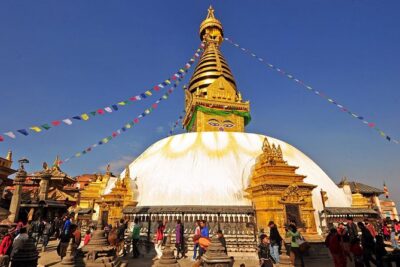
Private Kathmandu Sightseeing Tour | UNESCO World Heritage sites
Read our review →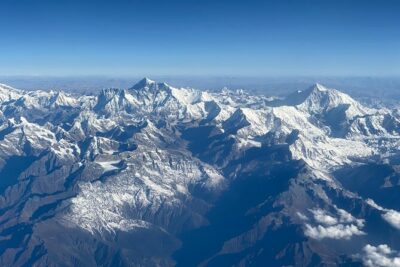
Everest Base Camp Helicopter Tour landing at Everest View Hotel
Read our review →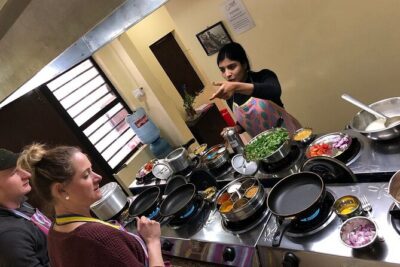
Nagarkot Sunrise View and Day Hiking from Kathmandu
Read our review →
Full Day 7 UNESCO Tour with Lunch – Private/Group
Read our review →
This tour also appears in