
REVIEW · KATHMANDU TOURS
Knife (Khukuri) Making Workshop- Forge of the Gurkhas
The best part of this Kathmandu experience is that your souvenir begins as a rough piece of steel, not a polished item pulled from a shop shelf. At Indra’s workshop, you help shape a small six-inch khukuri, Nepal’s famous curved utility knife, then leave with the finished blade.
I like two things here: the chance to work beside a blacksmith with more than 40 years of experience, and the personal connection of visiting his home and family rather than a showroom. The pickup, small group size, and helpful guides such as Swoyam and Namrata also make the half-day easy to manage.
The main consideration is that you will not perform every step yourself. Sparks, sharp tools, heat, and years of required skill mean Indra takes over some grinding and finishing work. If you expect a full blacksmithing course, this may feel limited, but if you want a safe introduction and a real knife, it hits the mark.
Key points at a glance
- A knife made from raw steel: Help turn a plain piece of metal, sometimes recycled steel such as truck suspension springs, into a finished khukuri.
- A master at work: Indra has more than 40 years of blacksmithing experience, and his hammer work is one of the main sights of the afternoon.
- Real hands-on work: You participate in hammering, selected grinding, buffing, and polishing, while the host controls the most hazardous steps.
- A small, personal setting: Groups are limited to five, with guides including Swoyam and Namrata helping with translation and conversation.
- A useful Nepalese keepsake: The standard workshop includes a six-inch blade, with a larger 10-inch option available for an added fee.
- A half-day outside central Kathmandu: Hotel pickup and drop-off are offered, and the workshop usually takes about four to five hours.
Why making a khukuri tells you more than buying one
The khukuri is far more than a souvenir knife. It is linked with the Gurkha warrior and is traditional among Nepal’s hill communities. Its curved, tempered-steel blade works as a practical tool for tasks such as shaping timber and chopping meat or vegetables.
The design carries its own symbolism. A small notch near the handle is said to keep blood from running onto the grip, and it also represents the Hindu Trinity of Brahma, Vishnu, and Shiva. Handles are commonly made from wood or buffalo horn, and the blade traditionally sits inside a wood-and-leather scabbard.
You will make the smaller workshop model, about six inches long. That size is easier to manage during a short session, and it gives you a substantial souvenir without turning the activity into a full day of heavy forging. One useful detail is that the finished blade can be personalized, depending on what you arrange with the host.
Buying a khukuri from a Kathmandu shop takes only a few minutes. Making one gives you a better sense of the labor behind it. You watch the metal change shape slowly, and each hammer blow makes the polished result feel less like a purchase and more like something you helped bring into being.
More hands-on workshops in Kathmandu:
- Half day cooking class in Thamel kathmandu
★ 5.0 · 607 reviews - Kathmandu: Local Women-Led Nepali Cooking & Momo Class
★ 4.9 · 360 reviews - Kathmandu: Local Lead Nepali Cooking & Momo-Making Class
★ 5.0 · 212 reviews
Meeting the guide and reaching Indra’s workshop
Pickup is offered from your hotel, and the experience is designed for a maximum of five people. That small number matters. You are not standing behind a crowd waiting for a brief demonstration. You have room to work, ask questions, and take breaks while the blacksmith and guide keep an eye on the process.
Guides named in the experience include Swoyam and Namrata. Their role is more than transport. They help explain Nepalese customs, translate between you and Indra, and keep the conversation moving during the quieter parts of the work. One guide used the drive to point out local places and suggest other things to do in Nepal, which is a useful bonus when you are still getting your bearings in Kathmandu.
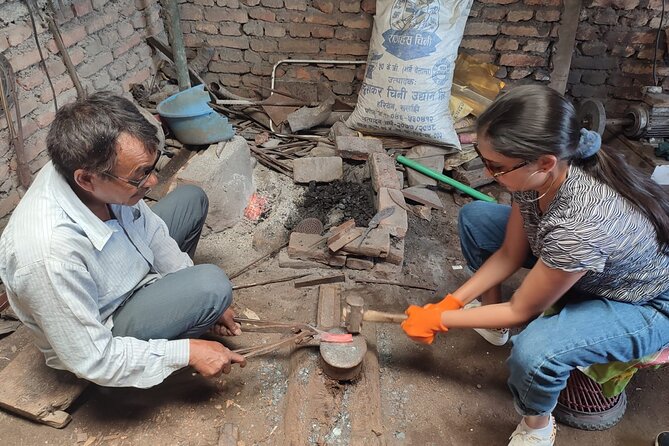
The workshop is in a more remote and rustic part of the Kathmandu area, at or near the blacksmith’s home. That setting is part of the appeal. You see a working family space rather than a polished attraction built only for visitors. The surroundings may feel basic, and you should not expect a modern industrial forge with elaborate equipment.
That rough setting is not a drawback for everyone. If you want a clean, staged demonstration, it might feel too primitive. If you want to see how a skilled craftsperson works with limited tools, it adds credibility to the experience. Indra’s forge, coal, hammer, grinding equipment, and recycled materials give the afternoon a practical feel.
From scrap steel to a curved blade
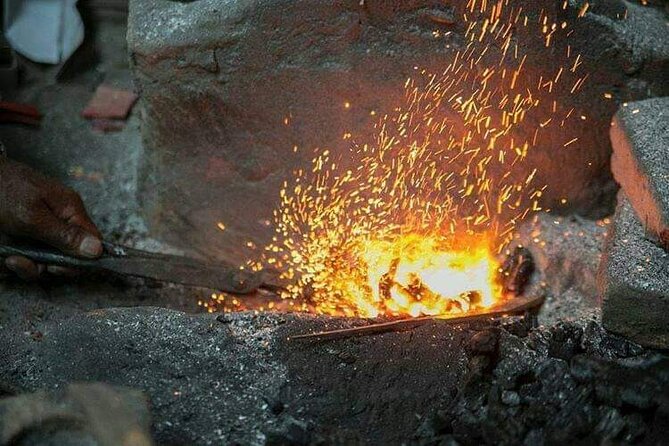
The process begins with a raw piece of iron or steel. Some accounts describe the material as recycled metal, including old truck suspension springs. This is one of the more interesting parts of the workshop because you see how a useful tool can come from something that would otherwise be discarded.
Indra heats and works the metal, showing you how the shape develops. You take part in hammering the iron. The work requires force and rhythm, but you are not left to guess what to do. Indra or an assistant guides your movements, and the apprentice can help if your arms need a break.
The blacksmith’s skill becomes clear at this point. A piece of metal that looks plain in your hand gradually takes on the familiar broad, curved form of the khukuri. You also gain a better sense of why the craft takes years to learn. Making a blade is not simply a matter of hitting hot steel until it looks right.
The workshop is suitable for most people, but hammering is physical work. You can take breaks, and you can do more or less depending on your comfort. Families have brought children as young as four and six, but younger children may lose interest during a four-hour session. If you bring children, pack something to occupy them during the slower stages.
Grinding, sparks, and how much you really do
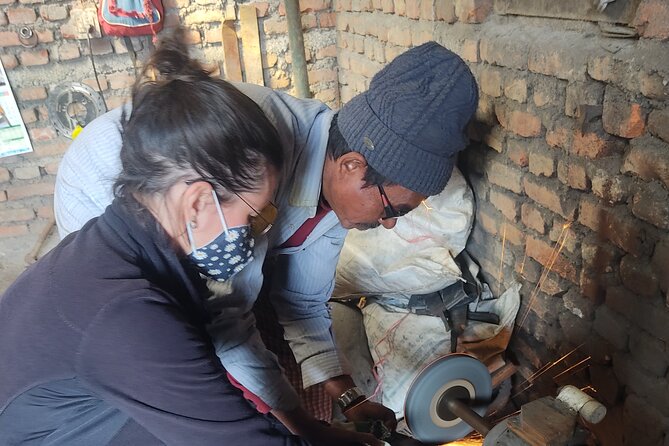
The hands-on promise needs a little explanation. You will participate in selected grinding and finishing steps, but safety controls who operates the equipment and when. The most dangerous blade grinding, especially work that sends sparks flying, is handled by the host. You should stay clear of the sparks and follow every instruction around the wheel.
Some people have been able to help with an early grinding stage or use the equipment under close supervision. Others have had more of the work completed by Indra. The exact balance can depend on the knife, the condition of the steel, and the host’s judgment on the day.
This is the one area where expectations can differ. You are making your knife, but you are not independently running a forge from start to finish. That is sensible. The blade must be sharp, properly shaped, and safe to handle, while the grinding wheel can injure you quickly if used carelessly.
I see this as a demonstration with meaningful participation rather than a formal blacksmithing class. You get to hammer the metal and take part in polishing, but you also get to watch a master do the work that demands the most control. The balance protects the quality of the final knife.
A few more Kathmandu days to weigh up
- Everest Base Camp Trek – 14 Days
★ 5.0 · 1,499 reviews - Private Kathmandu Sightseeing Tour | UNESCO World Heritage sites
★ 5.0 · 756 reviews - Everest Base Camp Helicopter Tour landing at Everest View Hotel
★ 5.0 · 668 reviews - Everest Base Camp Trekking
★ 5.0 · 485 reviews
Buffing, polishing, and the satisfying final reveal
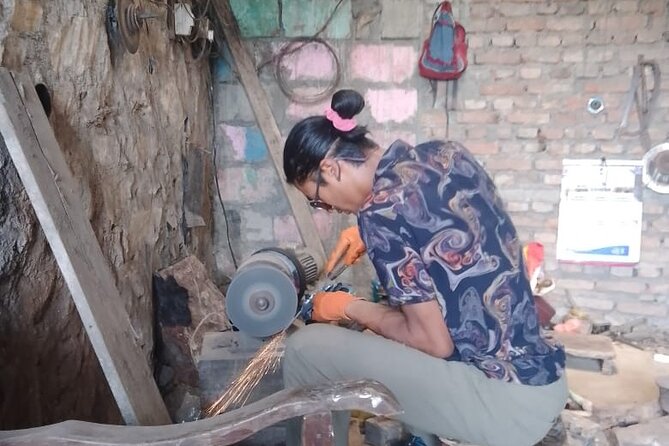
Once the main shape is set, the knife moves toward its finished appearance. You may help with buffing and polishing, which are less dramatic than the forge but important to the final result. A rough, dark blade becomes smooth and bright, and the curved profile is easier to appreciate.
This stage can take patience. The transformation is gradual, and the activity lasts about four hours, sometimes closer to four and a half or five. The time is worthwhile if you enjoy watching a traditional skill unfold, but it may feel long if you want a quick souvenir-making stop.
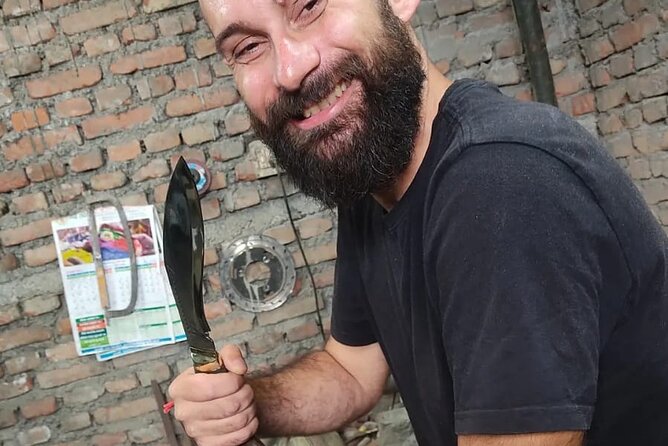
The final knife is reported to be very sharp, so handle it carefully. You should also expect the blacksmith to make the final decisions about the edge and finish. The point is not to produce a perfect blade by yourself. It is to take part in the process and leave with a usable, individually made khukuri.
A few people have experienced cracks appearing in the metal during the work. This is a possible risk when shaping recycled or raw steel. The provider has said that a replacement knife can usually be made and delivered in such cases, so raise the issue promptly if you notice a problem before leaving.
The human side of the workshop
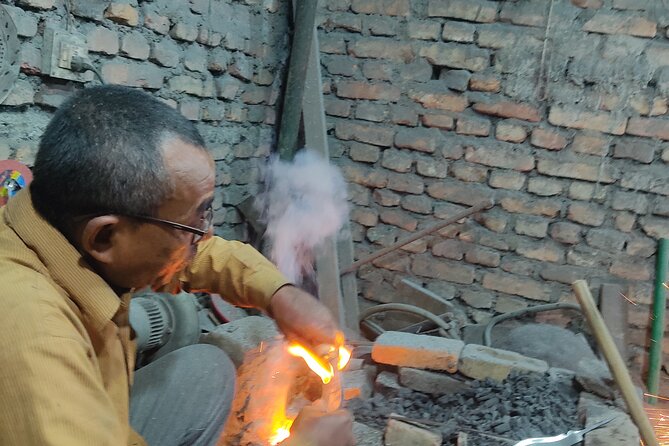
The knife is only half of the experience. You are also spending time with Indra, his assistants, and his family. The friendly, informal atmosphere is a strong reason to choose this over a standard shopping stop.
Indra is described as patient and proud of his craft. His two apprentice nephews may help with the work, and an assistant can step in if you need to rest. The guide acts as a bridge when language becomes a problem, though the mood appears to be relaxed enough for plenty of conversation even between the active steps.
You may be offered tea, and some sessions have included lunch with the family. Treat this as possible hospitality rather than a guaranteed part of the published inclusions. If a meal matters to you, confirm it when booking.
This contact gives the afternoon a personal feel. You are not just watching a cultural display. You are entering someone’s working environment, learning about a craft that is becoming less common, and seeing the pride that goes into a traditional tool. Be respectful, listen to instructions, and remember that the workshop is also a home.
Is $68 a fair price?
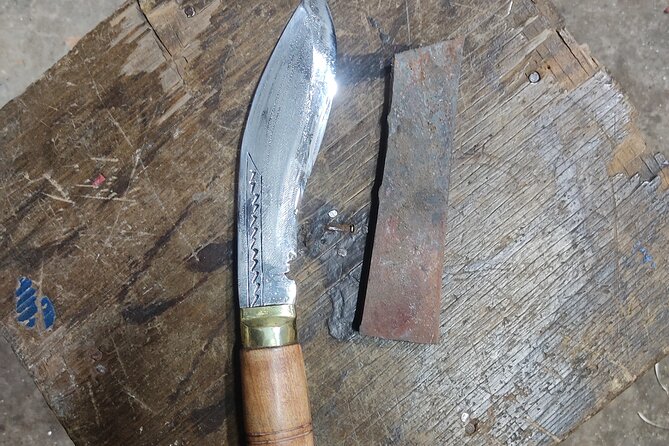
At $68 per person, the experience is not the cheapest way to obtain a khukuri. A shop-bought knife will cost less in time and may cost less in money. The comparison changes once you include the hotel pickup and drop-off, a four-hour guided activity, translation, access to the blacksmith, and the six-inch knife you take home.
You are paying for time as much as steel. Indra works on the blade for hours, and the guide stays with you through the transportation and workshop. The small group limit of five also gives the session more value than a large demonstration where your role is mostly watching.
The standard price covers a six-inch knife. A 10-inch version has been available for an additional fee, which may suit you if you want a larger display or working blade. Ask about the price before the forging begins so there is no confusion.
I would call the price reasonable for a hands-on cultural activity with a physical souvenir, especially if you value local contact over polished presentation. It is less compelling if your only aim is to buy a knife cheaply or if you have little interest in how tools are made.
Who will enjoy this, and who may not
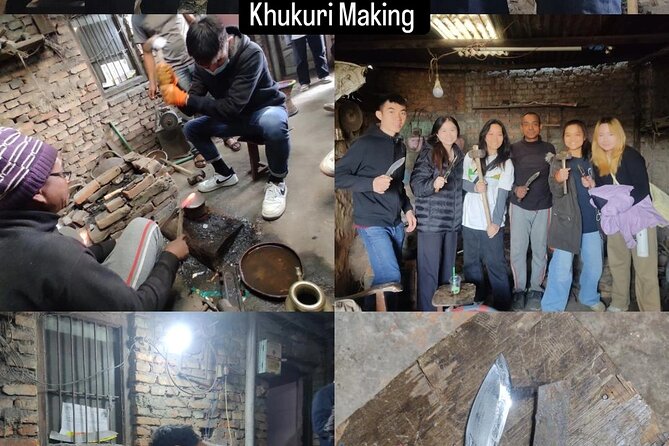
This suits you best if you like practical crafts, traditional tools, small-group activities, and souvenirs with a story attached. It is also a good choice if you have already seen Kathmandu’s major temples and want an afternoon that takes you into a less familiar part of local life.
It works well for solo visitors, couples, and small families. Most people can participate, and the work can be adjusted so you do not have to hammer continuously. A guide can help with translation, which makes it easier to understand both the instructions and the cultural background.
You may want to skip it if you dislike heat, sparks, noise, or manual work. The setting is rustic, the activity is not especially quick, and you will not control every stage. Very young children may need distractions, and anyone expecting a fully independent knife-making class should choose a longer specialist course instead.
The finished knife is also a practical concern. The information provided does not explain transport or customs rules for carrying a sharp blade home, so check the rules that apply to your next destination before booking. That is especially important if you are flying onward with only hand luggage.
Booking details worth knowing before you go
The activity lasts about four hours, though several sessions have run closer to four and a half or five. Allow extra time around pickup and drop-off rather than scheduling a tight appointment immediately afterward.
Mobile tickets are accepted, and confirmation is received when you book. Free cancellation is available if you cancel at least 24 hours before the local start time. Cancellations or changes made inside that window are not refunded or accepted, so check your plans before committing.
Pickup is offered, but give the provider your exact location early. A last-minute booking with an unclear pickup point can cause trouble, particularly if you are staying far outside Kathmandu. The provider has also offered rescheduling in some difficult cases, but you should not count on a same-day refund.
Wear clothes and shoes you do not mind exposing to dust or workshop grime. The supplied information does not specify a dress code, but a forge is not the place for delicate clothing. Follow the safety directions, keep away from sparks, and ask before touching any tool or blade.
My verdict: book it if the process matters to you
I would book this if you want a Nepal souvenir with a real connection to its maker. The strongest parts are Indra’s long experience, the chance to hammer the steel yourself, the friendly guidance from people such as Swoyam and Namrata, and the visit to a working home workshop.
Go in with the right expectation. You are not making every part of the knife alone, and the host will take over the riskiest grinding and final edge work. That is a fair trade for safety and for receiving a sharp, finished blade rather than an unfinished project.
For $68, the combination of transport, personal instruction, cultural context, and a six-inch khukuri offers good value. Book it if you prefer a four-hour story over a five-minute purchase. Skip it if you want a quick shopping stop, a polished studio, or complete control of the forge.
FAQ
How long does the khukuri workshop take?
The activity lasts approximately four hours. Some sessions have taken about four and a half to five hours, so leave some flexibility in your schedule.
What size knife is included?
The workshop includes a small khukuri with a blade of about six inches. A 10-inch khukuri may be available for an additional fee.
Can I take part in making the knife?
Yes. You participate in hammering the iron and selected grinding, buffing, and polishing steps. For safety, the host handles the most hazardous blade-grinding work and advises you to stay clear of sparks.
Who leads the workshop?
The blacksmith is Indra, who has more than 40 years of experience. Guides including Swoyam and Namrata may accompany you, assist with translation, and coordinate the visit.
Is hotel pickup available?
Yes. Pickup and drop-off from your hotel are offered. You should provide your pickup location clearly and in good time, especially if you are staying outside central Kathmandu.
How many people can join?
The maximum group size is five people. Most people can participate, and an assistant may help if you need a break from the physical work.
What is the cancellation policy?
You can receive a full refund if you cancel at least 24 hours before the experience begins. Cancellations or changes made less than 24 hours before the local start time are not accepted for a refund.
Recently added around Kathmandu
- Kathmandu Paragliding★ 5.0 · 3 reviews
- Kathmandu Airport Pickup and Drop-off Services★ 5.0 · 3 reviews
- Explore The Beauty Of Langtang Valley In 8-Days Trek★ 5.0 · 3 reviews
- Kathmandu Chandragiri Cable Car and Swayambhunath Private Tour★ 5.0 · 3 reviews
- Kathmandu: Nightlife and Pub Crawl Tour★ 5.0 · 3 reviews
- Mountain Flight Experience in Nepal★ 4.5 · 3 reviews
- Kathmandu: Momo Making Class with a Local Chef★ 5.0 · 3 reviews
- Everest Base Camp Trek★ 5.0 · 3 reviews
Other Kathmandu Tours worth a look
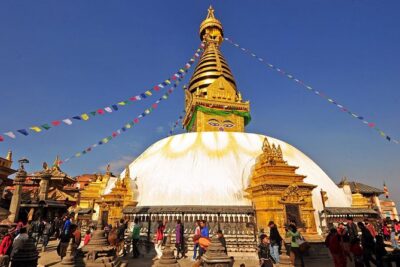
Private Kathmandu Sightseeing Tour | UNESCO World Heritage sites
Read our review →
Everest Base Camp Helicopter Tour landing at Everest View Hotel
Read our review →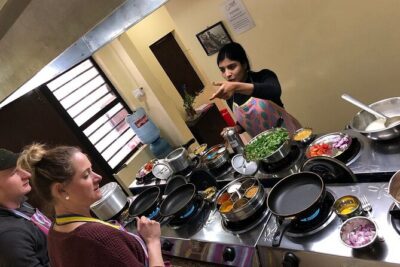
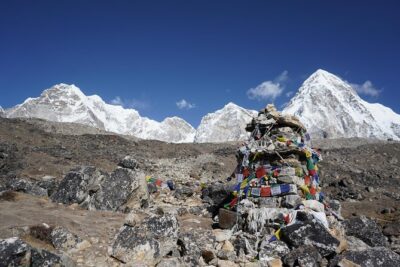
Nagarkot Sunrise View and Day Hiking from Kathmandu
Read our review →
Full Day 7 UNESCO Tour with Lunch – Private/Group
Read our review →
This tour also appears in