
REVIEW · EVEREST BASE CAMP TREKS
Everest Base Camp Trekking – 13 Day
The big draw here is simple: you reach Everest Base Camp without spending weeks arranging flights, permits, lodges, meals, porters, and mountain transport yourself. The route also gives you time to adjust to altitude, including rest days in Namche Bazaar and Dingboche.
I like the included Kathmandu to Lukla flight, which removes a major planning headache, and I like the practical support of a guide who explains the next day, sets a realistic walking time, and helps when plans change. The main drawback is that 13 days is a tight schedule for a high-altitude trek, and bad weather can disrupt the Lukla flights.
Key things to know before booking
- Everest Base Camp in 13 days: The route reaches Base Camp on Day 9, then uses Kala Patthar and lower-altitude villages on the return.
- Two acclimatization days: Namche Bazaar and Dingboche provide needed pauses, though you still need to walk on those days.
- Flights are included: The package covers Kathmandu to Lukla and the return flight, including airport departure tax.
- Lodges and meals are covered: Trailside accommodation, 12 breakfasts, 11 lunches, and 12 dinners are included. Meals in Kathmandu are not.
- Guide quality matters: Guides including Milan, Dibash, Ratna, and Achyut Mishra have been praised for pacing, daily briefings, care, and handling logistics.
- The price needs checking: The advertised $1,399 price is per person, but a $150 single surcharge can apply if you trek alone rather than join an existing group.
What the $1,399 price really buys you
At $1,399 per person, this trek offers useful value for a Himalayan trip. The package includes the domestic flights, national park entrance fee, TIMS card, government and local taxes, lodges, most meals, airport pickup, and guide support. Those are the pieces that can be difficult to coordinate from home.
The included Lukla flight matters. You could arrange the trek yourself, but flight timing, mountain weather, lodge availability, permits, and porter support create a long chain of details. Here, the operator handles the main framework while you concentrate on walking and staying healthy.
The price is less all-inclusive than the headline might suggest. You still pay for your Nepal visa, personal insurance, helicopter evacuation insurance, drinks, phone calls, battery charging, bar bills, personal purchases, and food in Kathmandu. Alcohol is available to buy, but it is not included.
You also need to clarify the accommodation arrangement before departure. The price can depend on the departure date, group size, and shared accommodation. If you want a completely solo departure, a $150 single surcharge applies on arrival in Nepal. Ask exactly how your booking will be handled before you commit.
More Hiking Tours in Kathmandu
- Everest Base Camp Trek – 14 Days
★ 5.0 · 1,499 reviews - Everest Base Camp Trekking
★ 5.0 · 485 reviews - Nagarkot Sunrise View and Day Hiking from Kathmandu
★ 5.0 · 471 reviews
Day 1: Kathmandu arrival and a soft landing
You are met at Tribhuwan International Airport and taken to your hotel after customs formalities. That airport pickup is a small but welcome service after an international flight, especially if Nepal is new to you.
The first day is not a sightseeing day. Treat it as a buffer for arrival, jet lag, and organizing equipment. Your guide or operator will help you prepare for the trek, and you should use this time to check your day pack, arrange your duffel, and confirm your early flight to Lukla.
Meals in Kathmandu are not included, so budget separately. You should also use the city portion of the trip to buy anything you forgot, although the practical approach is to arrive with the required gear already sorted.
Day 2: The Lukla flight and the first mountain steps
The day starts early with the scenic flight from Kathmandu to Lukla, the main gateway to the Everest region. The flight is included in the package, along with the airport departure tax.
Lukla is where the trip changes from a city holiday into a walking expedition. From here, your guide leads you on foot, with baggage support arranged through the trekking team. One complimentary Trekking Planner duffel bag is provided and must be returned after the trek, so keep your personal items in the correct bags.
The early departure is practical, not glamorous. Mountain flights are sensitive to weather, and the schedule can shift. Dress for a long day and keep important items in your day pack. Your passport, insurance details, medicines, water, warm layer, rain protection, and valuables should not go into checked or carried trekking luggage.
Day 3: Following the Dudh Koshi to Namche Bazaar
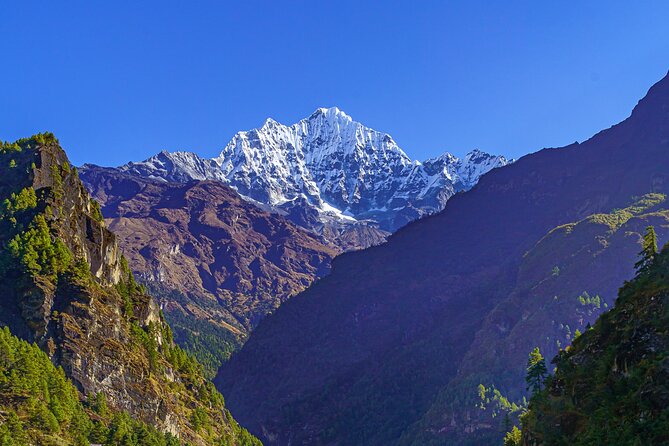
The route follows the Dudh Koshi River toward Namche Bazaar, with suspension bridges and an early view of Kongde Ri Peak. This is one of the first days when the scale of the Khumbu becomes clear.
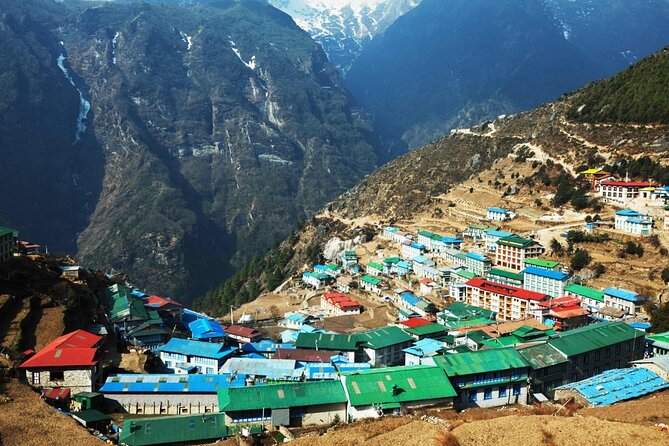
Namche is an old trading center and the main service hub on the route. It has shops, places to eat, and a lively Saturday market. That makes it more than an overnight stop. It is your first useful place to check supplies, charge a device if needed, and prepare for thinner air.
The approach is not a gentle stroll. The path climbs toward Namche, and the altitude begins to matter. Go slowly, drink regularly, and avoid trying to prove anything on the first serious uphill day. A guide who adjusts the pace to your ability is particularly useful here.
More Everest Base Camp Treks in Kathmandu:
- Everest Base Camp Helicopter Tour landing at Everest View Hotel
★ 5.0 · 668 reviews - Everest Base Camp Trek -14 Days
★ 5.0 · 321 reviews - Everest Base Camp Helicopter Tour landing at Hotel Everest View
★ 5.0 · 218 reviews - Everest Base Camp Trekking – 2025/2026
★ 5.0 · 199 reviews
Day 4: Namche acclimatization without wasting a day
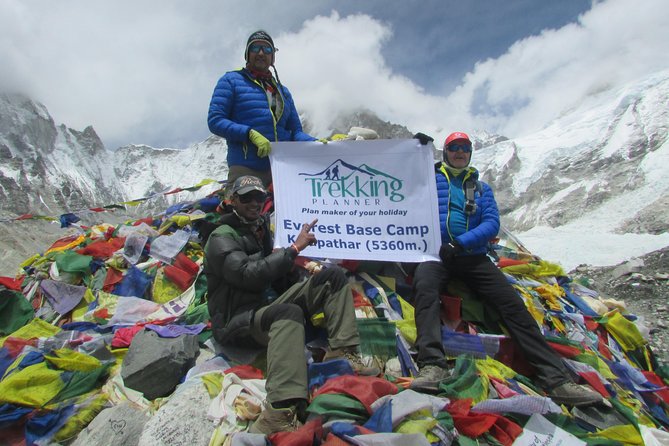
The rest day in Namche is designed to help your body adjust before you go higher. It does not mean lying in bed all day. Short walks to higher points and time in town help you adapt while keeping the day manageable.
Namche gives you a welcome change of pace. You can look through the shops, see the Saturday market if your schedule matches, and enjoy the colorful town before the route becomes more remote. The practical value of this pause is greater than its sightseeing value.
The most important rule is to follow the guide’s advice and not rush. Acute mountain sickness can affect fit people as well as less experienced hikers. Headaches, nausea, unusual tiredness, and breathing trouble should be taken seriously. A 13-day schedule leaves less spare time than a longer trek, so honest communication is essential.
Day 5: Forest paths, Sanasa, and the route toward Tengboche
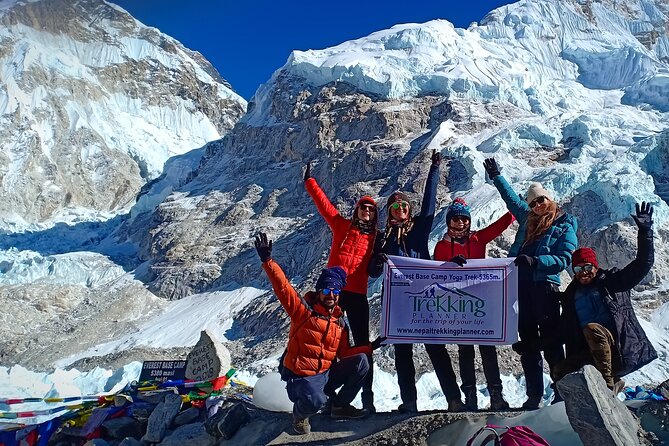
You climb out of Namche on a short, steep section, then continue along a more level trail toward Kenjoma and Sanasa. The path passes through dense forest, with mountain views appearing between the trees.
This section is appealing because the day is not one long exposed climb. You get a mix of woodland, suspension bridges, settlements, and broad mountain views. The change in scenery keeps the walking interesting, but the initial climb out of Namche can feel sharp after the rest day.
The destination is Tengboche, known for its monastery and its high mountain setting. The monastery adds a cultural stop to what could otherwise be a march from lodge to lodge. Be respectful around religious sites, and remember that a mountain trek is also a passage through communities with their own customs, not just a route to a famous photo.
Day 6: Tengboche to Dingboche through Deboche
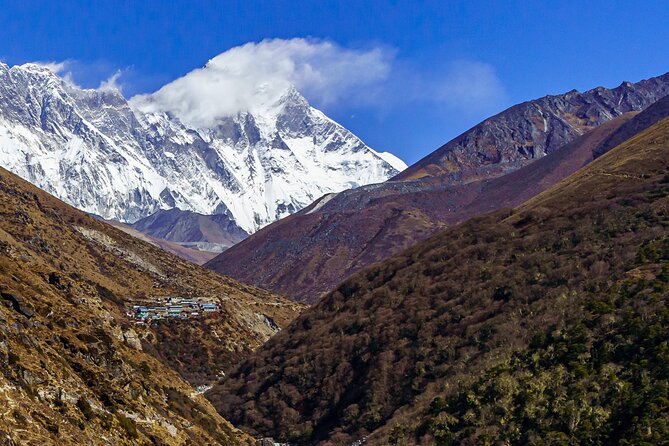
This day takes you from Tengboche toward Dingboche, passing through Deboche and forested sections with mountain views. The route description includes a descent from Tengboche toward Deboche before the trail continues higher, so expect the day to include both downhill and uphill work.
Tengboche is especially memorable around sunrise and sunset, when the monastery and surrounding peaks take on changing light. If your walking schedule allows, ask your guide about the best time to be outside without compromising rest.
Dingboche is an important altitude stop. The air is thinner here, and the village marks a clear change from the lower route. Even if the day’s distance looks reasonable on paper, the altitude can make every climb feel slower. This is a good place to stop chasing speed.
Day 7: Dingboche acclimatization and short higher walks
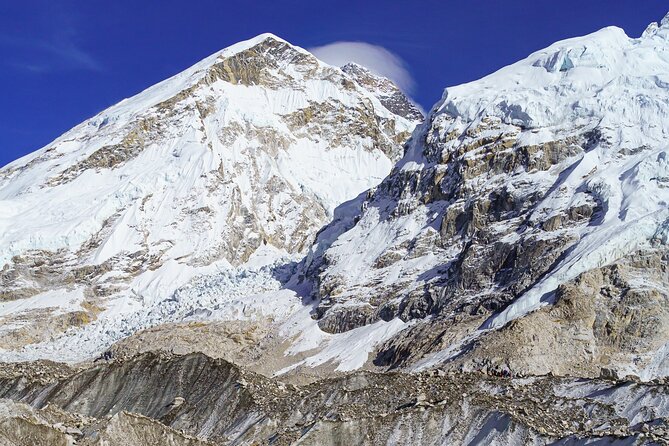
The second acclimatization day takes place in Dingboche. The plan is to make short hikes to higher elevations, then return to sleep at the village. That pattern helps you adjust without pushing directly into the highest part of the route.
This is also a useful day to judge how your body is responding. You should eat, drink, rest, and tell your guide if anything feels wrong. Guides such as Milan have been praised for explaining the next day’s plan and estimating walking times according to individual ability. That kind of communication is not decoration at altitude. It helps you make sensible choices.
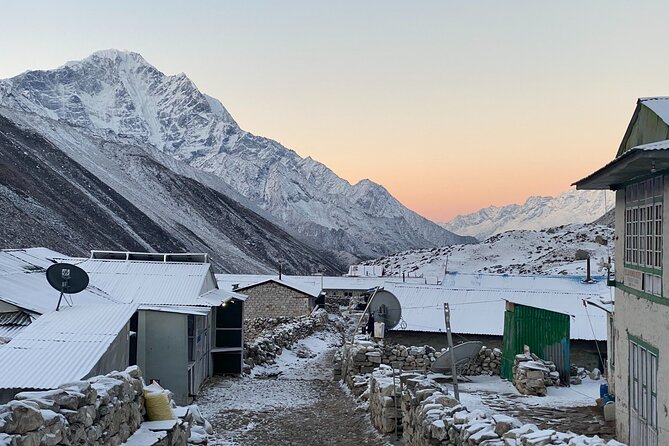
Dingboche is not a luxury base. Lodges are trailside and practical, and personal comfort becomes more basic as you climb. Bring a warm fleece or puffy jacket, a waterproof layer, gloves, a woolen cap, and a sleeping system suitable for cold conditions.
Day 8: From Dingboche toward Lobuche
The trail climbs gradually from Dingboche through grazing areas, past chortens and Mani walls, with high peaks in view. The route feels increasingly stark and open as you approach Lobuche.
This is a steady preparation day for Base Camp. You are not yet at the main goal, but you are now walking at an altitude where careful pacing matters more than athletic pride. Keep your day pack light, carry water, and use the clothing layers you packed rather than waiting until you are cold.
The cultural details along the trail are easy to miss when you are watching your feet. Chortens and Mani walls are part of the spiritual character of the Khumbu. Walk around them in the appropriate direction and avoid treating religious objects as props.
Day 9: Lobuche to Everest Base Camp
This is the goal day. You leave Lobuche early and walk toward Everest Base Camp, with altitude and uneven ground making the route demanding.
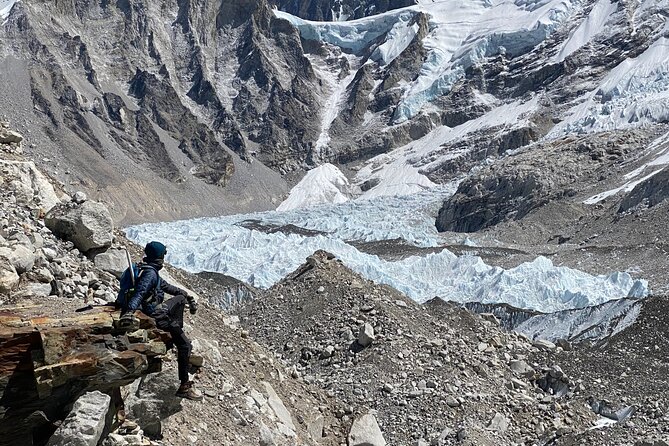
The Base Camp area is famous, but do not expect a permanent city of tents or a polished attraction. The appeal is the setting and the meaning of reaching this point after days of walking from Lukla. You are close to the Everest climbing route, surrounded by enormous peaks and glacial terrain.
This is also the day when altitude sickness deserves your full attention. The advice to trek carefully is practical. If you feel unwell, tell your guide immediately. A caring guide such as Achyut Mishra or Dibash can help assess the situation, slow the pace, and look for the safest solution, but you still need to report symptoms honestly.
The schedule aims to reach Base Camp on Day 9, then return to a lower sleeping altitude. That is efficient, but it can feel long. Save energy early in the day and do not spend all your strength racing toward the final destination.
Day 10: Kala Patthar and the return to lower ground
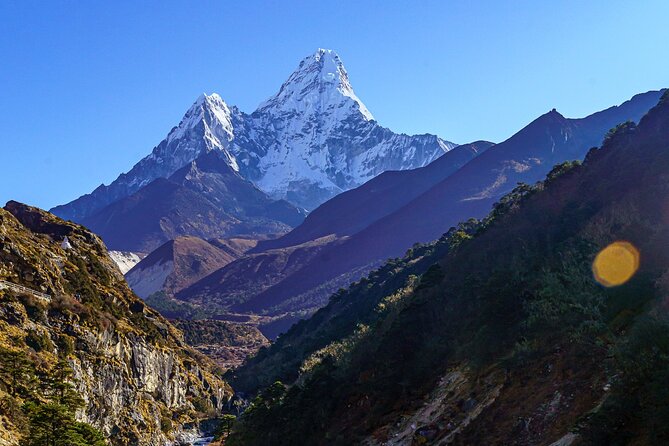
You rise before daylight for the walk to Kala Patthar. The purpose is the sunrise view, and this is often the visual high point of the trek because the viewpoint gives a broad mountain panorama.
The pre-dawn start means cold, darkness, and a demanding climb at high altitude. Pack your warmest layers, gloves, cap, and headlamp or torch. The reward comes from reaching the viewpoint as the light changes over the peaks, then descending to lower ground.
This day is a good example of why the schedule includes a return rather than ending at Base Camp. After the climb to Kala Patthar, you make progress toward lower altitudes. The downhill sections may feel easier on your lungs, but they can be hard on tired knees. Trekking poles are not listed as required equipment, but many people find them useful on steep descents.
Days 11 and 12: Retracing the route through Periche, Namche, and Lukla
The return begins from the vicinity of Everest, with the route passing through Periche and back toward Namche Bazaar. Much of the walking is downhill, and the Dudh Koshi River becomes a familiar companion again.
Do not assume the return is easy. Descending on tired legs can be rough, and the trail still includes climbs, bridges, and uneven ground. The advantage is that you now know the route’s rhythm, and the lower altitude should help your breathing.
Day 12 is the final trekking day, with a steep descent out of Namche toward the river confluence and onward to Lukla. It is a satisfying close to the walking portion, but it is also a day when fatigue catches up with you. Keep your footwear secure, use your rain layer if needed, and leave enough time for the final section rather than treating it as a casual stroll.
Day 13: Returning to Kathmandu
The final day is the return flight from the Khumbu region to Kathmandu. The flight is scheduled early because weather can disturb mountain aviation later in the day.
That early timing is sensible, but it also means you should be prepared for delays or changes. The tour operates in all weather conditions, and Lukla flights are one of the parts of the trip least under your control. Keep a flexible attitude and avoid booking an important international connection too close to the scheduled domestic arrival unless you have a backup plan.
After returning to Kathmandu, the trek is complete. Meals in the capital remain your responsibility, and you may want time to rest before any further plans.
Guides, porters, and the human side of the trek
The strongest practical feature of this experience is the guide support. Specific guides associated with successful departures include Milan, Dibash, Ratna, and Achyut Mishra. Their praised strengths include clear daily briefings, accurate walking-time estimates, good time management, personal care, and problem-solving when conditions become difficult.
That matters because the trek is not simply a route on a map. Your guide helps you decide when to walk, when to stop, how to prepare for the next day, and how to respond to altitude symptoms. Dibash has also been credited with handling logistics well, while Ratna has been valued for explaining the natural surroundings along the route.
Porter support is part of the operating model. Ganesh, for example, has been praised for bringing luggage to the next lodge before the walking group arrived. You should still pack responsibly and keep your day pack within a manageable 25 to 40 liters.
What to pack for 13 days above the tree line
The supplied gear guidance is sensible. You need trekking shoes, sports shoes or sandals, a sun hat, warm woolen cap, fleece or puffy jacket, waterproof outer layer, warm sweater, raincoat, gloves, trekking trousers, shirts, non-cotton underwear, socks, two one-liter water bottles, a torch, camera and batteries, toiletries, a small towel, and toilet paper.
A large towel is specifically discouraged because it is bulky and heavy. That advice captures the general rule: pack for warmth and function, not fashion.
You should also carry personal travel and health insurance, including cover for helicopter evacuation. That insurance is not included, and the tour price does not protect you from every mountain-related expense.
Who should choose this trek?
This trek suits you if you have moderate physical fitness, can walk repeatedly for many days, and accept basic lodge accommodation. It is a good match if you want a famous Himalayan route but do not want to manage every permit, flight, meal, and lodge booking yourself.
It also works well for private groups, families, honeymooners, and people who want to discuss itinerary changes. Discounts are available for several group types, and private departures allow more personalization.
I would be cautious if you need a relaxed pace, dislike early starts, or have no flexibility around flight delays. A 13-day Everest Base Camp schedule is achievable for people who prepare, but it is not a soft adventure holiday.
Should you book it?
Book this trek if you value logistics, guide support, included flights, and a direct route to Everest Base Camp. The $1,399 cost can be fair once you count permits, domestic flights, accommodation, meals, airport transfers, and guide services.
Before paying, confirm the exact group setup, the single surcharge, accommodation arrangements, meal coverage, and the plan for weather delays. If you are fit, properly insured, and ready for cold, steep, high-altitude walking, this is a strong way to take on the Khumbu without carrying the whole planning burden yourself.
FAQ
How long is the Everest Base Camp trek?
The experience lasts approximately 13 days, including arrival and departure in Kathmandu, the Lukla flights, trekking days, acclimatization days, and the return to Kathmandu.
Is airport pickup included?
Yes. You are met at Tribhuwan International Airport in Kathmandu and escorted to the hotel.
Are the Kathmandu to Lukla flights included?
Yes. The package includes the Kathmandu to Lukla and Lukla to Kathmandu flights, along with airport departure tax.
Are meals included?
Breakfast, lunch, and dinner are included during the trek, listed as 12 breakfasts, 11 lunches, and 12 dinners. Meals in Kathmandu are not included.
Is accommodation included?
Yes. Nightly accommodation in trailside lodges is included during the trekking portion.
Are permits and park fees included?
Yes. The national park entrance fee, TIMS card, applicable government taxes, and local taxes are included.
Is this a private trek?
Yes. The activity is described as a private tour, with only your group participating. However, the price can depend on whether you join an existing group or request a solo departure.
Is there a single supplement?
A $150 single surcharge applies if you want a solo departure rather than joining an existing group. The advertised price is for one person, but the final arrangement can also depend on group size, date, and shared accommodation.
What level of fitness do I need?
You should have a moderate physical fitness level. The trek includes steep climbs, long walking days, high altitude, early starts, and descents on uneven trails.
What happens if I need to cancel?
You can cancel at least 24 hours before the experience start time for a full refund. Cancellations or changes made less than 24 hours before the start time are not accepted for a refund.
Recently added around Kathmandu
- Kathmandu Paragliding★ 5.0 · 3 reviews
- Kathmandu Airport Pickup and Drop-off Services★ 5.0 · 3 reviews
- Kathmandu Chandragiri Cable Car and Swayambhunath Private Tour★ 5.0 · 3 reviews
- Explore The Beauty Of Langtang Valley In 8-Days Trek★ 5.0 · 3 reviews
- Kathmandu: Nightlife and Pub Crawl Tour★ 5.0 · 3 reviews
- Mountain Flight Experience in Nepal★ 4.5 · 3 reviews
- Kathmandu: Momo Making Class with a Local Chef★ 5.0 · 3 reviews
- Everest Base Camp Trek★ 5.0 · 3 reviews
Other Everest Base Camp Treks worth a look
Everest Base Camp Helicopter Tour landing at Everest View Hotel
Read our review →
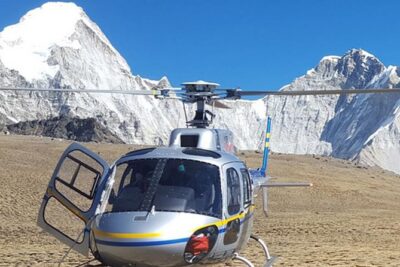
Everest Base Camp Helicopter Tour landing at Hotel Everest View
Read our review →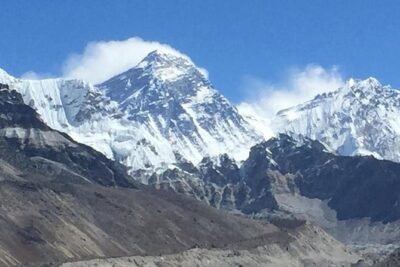
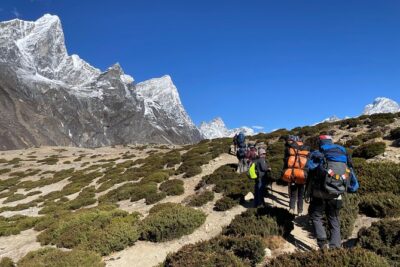
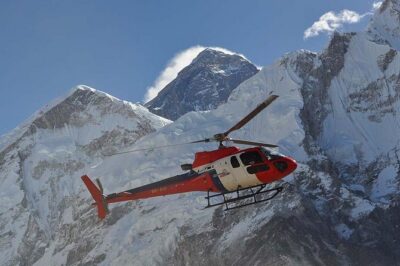
Everest Base Camp Trek with Helicopter Return from Gorakshep to Lukla
Read our review →This tour also appears in