
REVIEW · EVEREST BASE CAMP TREKS
Everest Base Camp Trekking – 2025/2026
The great appeal here is simple: you walk into the Everest region rather than merely looking at it from a viewpoint. The route leads from Lukla through Sherpa villages and Buddhist monasteries to Gorak Shep and Everest Base Camp, with a private guide keeping you on the right path.
I like that flights, permits, lodge accommodation, and full-board meals are bundled into the $1,339.20 price. I also like the private format, since you can set a sensible walking pace instead of trying to match a large group. The catch is the altitude and rough ground. This is called moderate, but several days involve 3 to 5 hours of walking at high elevation, and the schedule shown has a few day-number inconsistencies worth clearing up before booking.
Key points to know before you go
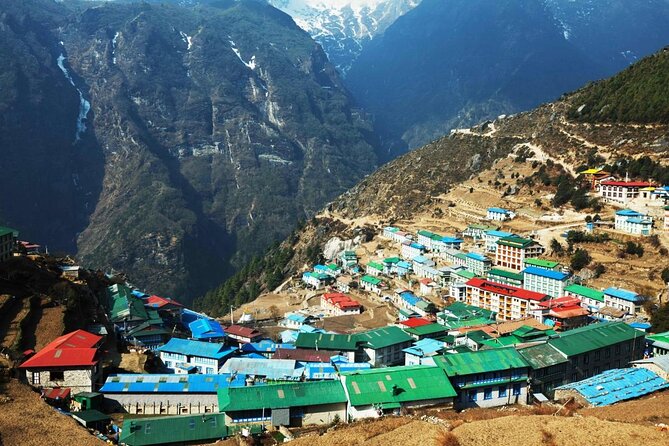
- Lukla flights are included: Domestic flights from Kathmandu or Manthali to Lukla, and back, are part of the package.
- The highest section is serious: The route reaches Everest Base Camp by way of Lobuche and Gorak Shep, with high-altitude walking and cold nights.
- A private guide sets the rhythm: An English-speaking, government-licensed local guide leads the group, with porter support available.
- Basic lodges are part of the deal: Expect clean, simple trekking rooms, warm blankets, shared bathrooms in some high places, and extra charges for comforts such as showers and Wi-Fi.
- Food is more varied than you might expect: Dal bhat, soups, noodles, pasta, pizza, eggs, potatoes, bread, and tea are available along the route.
- The itinerary needs a quick check: The published schedule skips Day 8 and labels two stops as Day 9, so ask for the final day-by-day plan.
What the $1,339.20 price really covers
At first glance, $1,339.20 is a strong price for a two-week Everest Base Camp trek. The value comes from the items that can otherwise add up quickly: domestic flights, national park fees, the TIMS trekking card, a licensed guide, porter support, mountain lodges, and three meals a day during the trek.
Private transportation is included for the airport transfer and related transport in Kathmandu. The description also says that private vehicles can be arranged for Kathmandu Valley sightseeing, though you should confirm exactly what sightseeing is included in your chosen booking.
The package uses twin-sharing rooms. A single supplement applies if you trek alone and want your own room. Kathmandu accommodation is included in the basic arrangement, but the information is not fully clear about how many nights or which hotel standard is supplied. Four- or five-star hotels can be arranged for an added cost.
I would budget extra money for visa fees, international flights, insurance, drinks, snacks, hot showers, Wi-Fi, bottled water, laundry, and personal purchases. Hot and cold drinks, alcohol, snacks, hot water, and showers are not included. That is normal on this route, but the small costs pile up in the mountains.
The price is best for someone who wants the main logistics handled without paying for luxury. It is not a luxury trek. The real bargain is having the flights and permits arranged, while still getting a private walking plan.
More Hiking Tours in Kathmandu
- Everest Base Camp Trek – 14 Days
★ 5.0 · 1,499 reviews - Everest Base Camp Trekking
★ 5.0 · 485 reviews - Nagarkot Sunrise View and Day Hiking from Kathmandu
★ 5.0 · 471 reviews
Kathmandu begins the trip at an easy pace
On arrival in Kathmandu, an airport representative meets you and transfers you to your hotel. The evening is used for an introduction to the tour and preparation for the trek.
The stated meeting time is 7:15 am. Confirm whether that applies to the first airport transfer, the Lukla flight day, or a particular hotel pickup. Domestic flight plans in the Everest region can shift, so a clear meeting point matters.
Kathmandu is also the place to check your equipment. The operator says warm down jackets and sleeping bags can be provided on rent if you do not have your own. You should still bring proper trekking boots, layered clothing, gloves, a warm hat, sunscreen, sunglasses, a headlamp, a rain layer, and a day pack of at least 30 liters.
A valid passport with at least six months of remaining validity is required. Nepal entry visas can be obtained before departure through a Nepalese immigration office or consulate, or on arrival at Kathmandu Airport. Visa fees are not included.
Lukla to Phakding: the first short walk
The flight to Lukla is included, followed by a trek to Phakding at about 2,652 meters. The walking time is listed as roughly three hours, though the overall stop is shown as four hours.
This is a useful opening day because the walk is relatively short. You can get used to the trail, your boots, your pack, and the rhythm of walking in the Khumbu area without starting with the hardest climb.
Phakding is a lodge stop rather than a major sightseeing center. The value is in beginning the route on foot, passing mountain settlements, and getting comfortable with the daily routine. Lodge rooms are basic but described as clean, with blankets, pillows, and mattresses. Do not expect the same level of plumbing or heating you would find in Kathmandu.
Namche Bazaar brings the first big altitude test
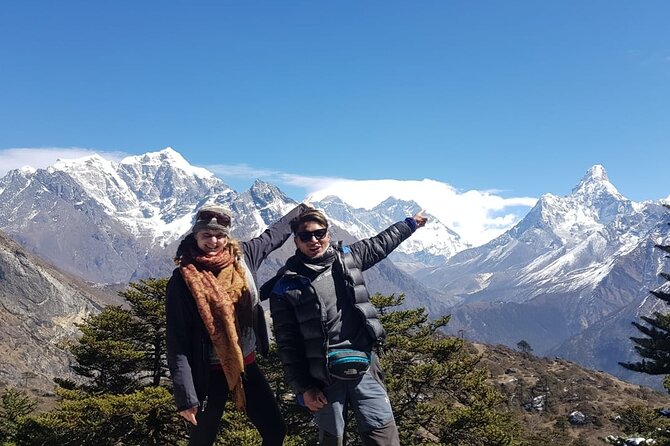
The walk from Phakding to Namche Bazaar covers about 10 to 12 kilometers and takes around five hours. Namche sits at approximately 3,440 meters, although the supplied itinerary gives the elevation as 11,283 feet.
This is one of the key days of the trek. You gain altitude and reach the main Sherpa trading town in the region. The town is an important place to rest, eat, check supplies, and get used to the thinner air.
The route is rugged rather than technical. You do not need ropes, crampons, oxygen cylinders, or climbing skills for the normal trek. You do need stamina, careful footing, and patience on uphill sections.
The private format helps here. A guide can keep the pace slow enough for good breathing and regular breaks. The daily routine calls for walking 45 minutes to an hour, then taking a short rest of three or four minutes. That may sound fussy at first, but steady pacing is far more useful than racing ahead and struggling later.
More Everest Base Camp Treks in Kathmandu:
- Everest Base Camp Helicopter Tour landing at Everest View Hotel
★ 5.0 · 668 reviews - Everest Base Camp Trekking – 13 Day
★ 5.0 · 365 reviews - Everest Base Camp Trek -14 Days
★ 5.0 · 321 reviews - Everest Base Camp Helicopter Tour landing at Hotel Everest View
★ 5.0 · 218 reviews
Pangboche adds Sherpa culture to the mountain views
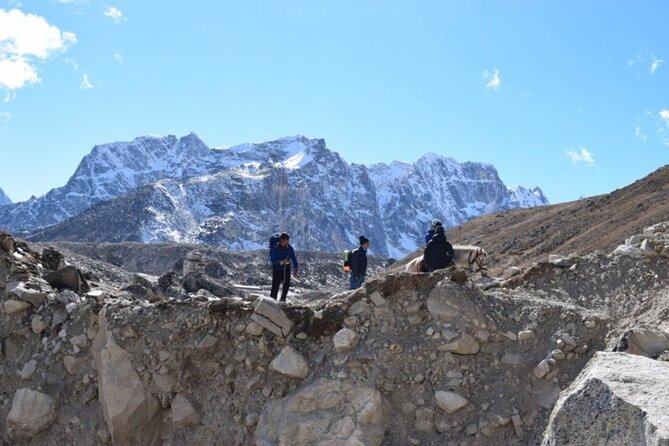
The next listed section runs from Namche to Pangboche and takes about five hours. Pangboche is a high mountain settlement, and the route gives you more time around Sherpa homes, local life, and Buddhist traditions.
The operator encourages visits to Sherpa settlements in the late afternoon. This is one of the better parts of the trip for anyone who wants more than a mountain photograph. Ask your guide about local customs before entering community spaces or photographing people, and follow local laws and beliefs.
The scenery grows more dramatic as the route continues, but the physical demands grow too. At this point, you may notice that a five-hour walking day feels much longer than the same distance at home. Cold, uneven ground, altitude, and repeated climbs all matter.
Pangboche to Lobuche means thinner air and fewer comforts
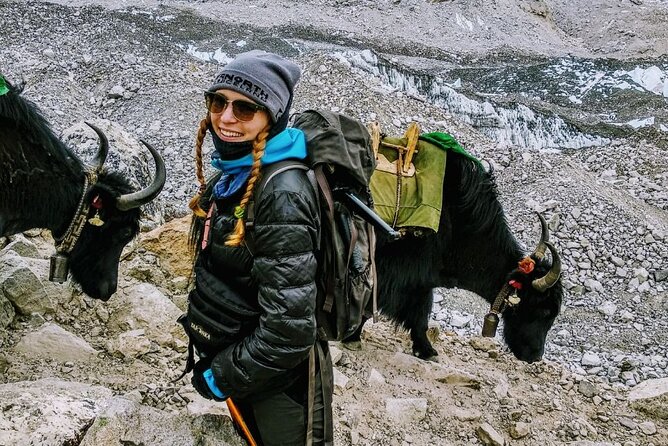
The schedule lists a five-hour trek from Pangboche to Lobuche, spelled Labuche in one place. Lobuche is a high-altitude stop before Gorak Shep and Base Camp.
This is where the lodge standard becomes especially important. Some rooms may have warm blankets and comfortable mattresses, but attached bathrooms are not guaranteed. At higher elevations, shared bathrooms may be the only option. Hot showers cost extra and may not be available everywhere.
Meals are served in the lodge where you stay for breakfast and dinner. Lunch is taken at a lodge along the route. The menu can include Sherpa stew, dal bhat, vegetable dishes, garlic or potato soup, noodles, pasta, pizza, eggs, potatoes, handmade bread, and apple pie.
I would favor simple, freshly prepared dishes such as dal bhat, vegetables, and soup. Meat is not recommended by the operator in the Everest region because storage and hygiene can be less reliable at altitude. Water is available along the way, but bottled water costs extra. You can use tap water with the supplied purification tablets, and a bottle suited to hot water is a smart addition.
Gorak Shep and Everest Base Camp are the main event
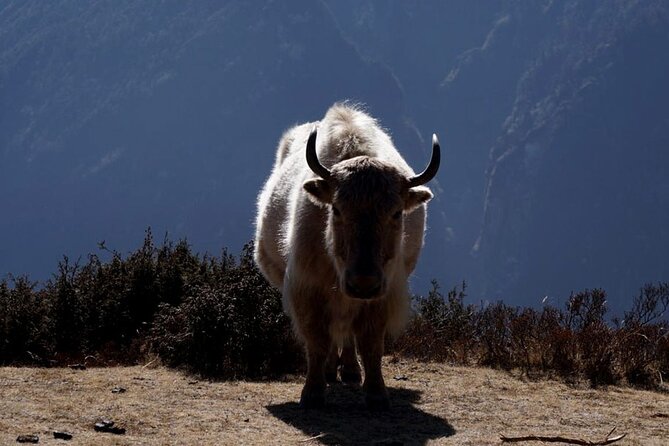
The itinerary combines the walk from Lobuche to Gorak Shep with a visit to Everest Base Camp, then a return to Gorak Shep. The total walking time is listed as about five hours.
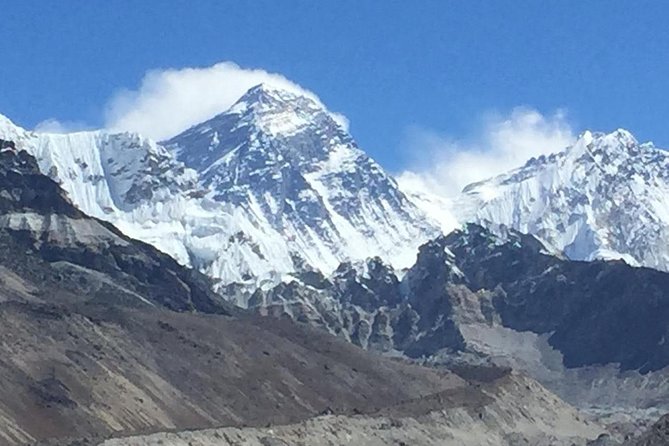
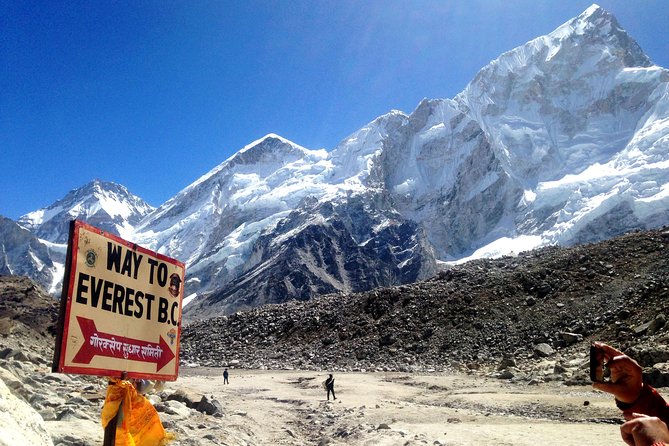
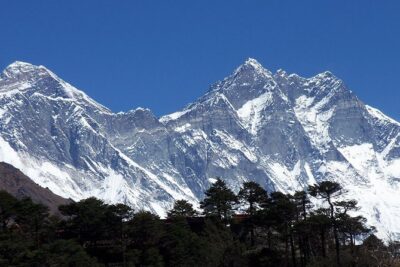
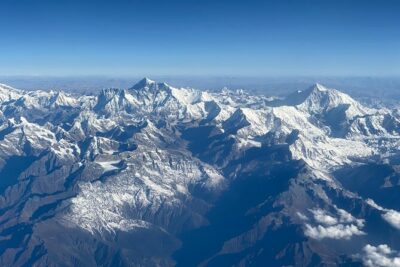
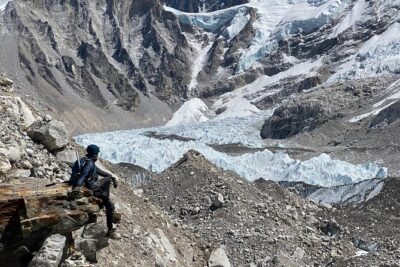
This is the high point of the route in every sense. Gorak Shep is a stark, cold settlement, and Everest Base Camp is reached over rugged moraine terrain. The base camp itself is famous, but it is not a polished attraction with signs and facilities. The appeal is standing in the working environment of expeditions and seeing the vast mountain setting around you.
Do not confuse reaching Everest Base Camp with climbing Everest. This is a non-technical trek, not a summit expedition. You need fitness and acclimatization, but not climbing training.
The route reaches high altitude, and the schedule must be followed with care. Drink regularly, walk slowly, and tell your guide if you feel unwell. The supplied equipment notes include Diamox among suggested personal medical items, but you should discuss altitude medication with a medical professional before the trip rather than treating it as a casual packing choice.
The return to Namche and Lukla
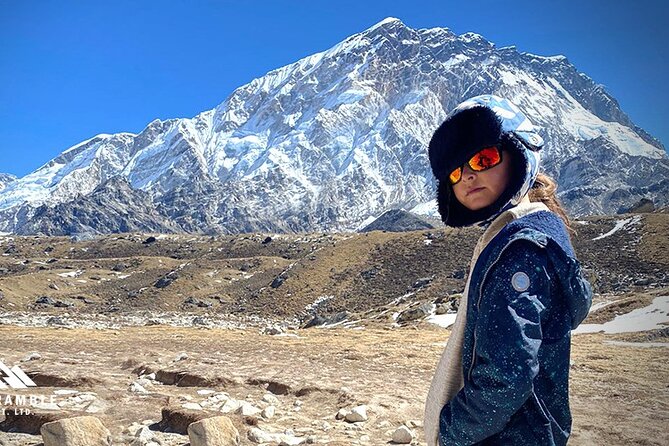
After Base Camp, the route returns to Pangboche and then Namche Bazaar. The listed return walk from Pangboche to Namche takes four hours, followed later by a five-hour trek from Namche to Lukla.
Going back is not simply a repeat. Descending gives your lungs some relief, but tired legs can make uneven trails harder. This is when good boots, walking poles if you use them, and a light pack are most useful.
One porter is generally assigned for every two trekkers, with a luggage limit of about 18 kilograms. The company says individual porters can be arranged if needed. Pack carefully and keep essential items, medication, documents, and a warm layer in your own day pack. You may not see your main luggage during the walking day.
The return to Lukla gives you a final night in the mountain region before flying back. The domestic flight to Kathmandu is listed as about 35 minutes. The package may use Kathmandu or Manthali for the flight connection, so confirm the departure airport for your dates.
The daily rhythm is practical, not rushed
A normal day starts with wake-up tea at about 6 am. You pack, eat breakfast around 7, stretch for five minutes, and begin walking.
The morning usually lasts two to three hours before lunch. Lunch takes about 40 minutes, and the afternoon walking period is another two to three hours. At the lodge, you can rest, order tea, shower if available, read, or visit nearby Sherpa settlements.
Dinner orders are usually placed before 5 pm, with dinner set at a time that suits the group. Afterward, the guide briefs you on the next day.
This rhythm is one of the strongest parts of the arrangement. You are not left to guess how much food, water, or walking time you need. The guide and porter team can help with the practical chores, while you focus on moving steadily and staying warm.
Guides, porters, and the private format
The trek includes an experienced, government-licensed, English-speaking local guide. Porters carry the main luggage, and the company says its mountain staff come from the region.
Several guide names appear in the supplied material, including Sujal, Samir, Krishna, and Hairy. The owner is identified as Dil, and Manish is mentioned as a Sherpa on one trek. You should not assume one of these people will lead your departure. Ask who your assigned guide will be and what level of English and medical training they have.
The strongest practical reason to choose the private option is control over pace. A group that moves too fast can make altitude miserable. A group that moves too slowly can be frustrating. Here, the guide can adjust breaks and walking speed to your condition, within the limits of the fixed route and lodge bookings.
The operator also emphasizes fair porter loads and respectful treatment of staff. You should still ask about the porter policy, tipping expectations, insurance, and what happens if a team member becomes ill.
Fitness, weather, and what can go wrong
The trek is described as suitable for people with moderate fitness who can walk about three to five hours a day. It is non-technical, but that does not make it easy. You should train with long walks, stairs, jogging, cycling, swimming, or gym work before arrival.
The preferred seasons are autumn, from mid-September into November, and spring, from March to May. These periods are described as offering clearer mountain views and manageable daytime conditions, though nights can fall below freezing.
Weather can affect the Lukla flights. If poor weather causes the experience to be canceled, a different date or a full refund is offered. Travel insurance is not included, and it should cover trekking at the altitude reached on this route, emergency evacuation, delays, and missed international connections.
The supplied schedule has a practical problem: it labels the return to Lukla as Day 9, then also lists the flight back to Kathmandu as Day 9, while the overall experience is advertised at about 14 days. This may simply reflect an abbreviated itinerary, but you should request the complete schedule before paying. Confirm acclimatization days, Kathmandu nights, flight departure points, and the exact number of trekking days.
Cancellation and booking details
Free cancellation is available if you cancel at least 24 hours before the local start time. Cancellations within 24 hours are not refunded, and last-minute changes are not accepted.
The experience can also be changed or refunded if poor weather causes cancellation or if the minimum number of participants is not met. Since this is described as a private activity, confirm how the minimum applies to your booking.
Who should book this trek?
I would recommend it to someone who wants the classic Everest Base Camp route with a guide, porter support, included meals, and the main permits and flights handled in advance.
It suits an active person who accepts basic lodges, shared bathrooms, cold nights, and a long period away from ordinary comforts. It is also a good fit if you prefer a private pace and want cultural context from a local guide.
I would hesitate if you want a fixed luxury standard, dislike early starts, have no experience with long uphill walks, or need a tightly guaranteed flight schedule. You should also be cautious if the 14-day length is essential, since the displayed day-by-day plan needs clarification.
FAQ
Are flights to Lukla included?
Yes. Domestic flights from Kathmandu or Manthali to Lukla and the return flight are included in the package.
How long does the Everest Base Camp trek take?
The experience is advertised as approximately 14 days. The supplied day-by-day outline shows fewer clearly numbered days and skips Day 8, so you should confirm the final schedule before booking.
Is accommodation included?
Yes. Trekking lodge accommodation is included, generally on a twin-sharing basis. Rooms are basic, with blankets, pillows, and mattresses. Shared bathrooms may be required at higher elevations.
Are meals included during the trek?
Yes. Breakfast, lunch, and dinner are included during the trekking portion, with the main course covered. Drinks, snacks, hot showers, bottled water, and Wi-Fi cost extra.
What level of fitness is required?
You should have moderate fitness and be able to walk about three to five hours a day over rugged, high-altitude terrain. The trek does not require climbing skills or technical equipment.
Is travel insurance included?
No. Personal travel insurance is not included. You are responsible for arranging suitable coverage, including protection relevant to high-altitude trekking.
Should you book it?
Book this trek if you want the classic Everest route without organizing every lodge, permit, flight, meal, and porter yourself. The price offers solid value, and the private guide format is a real advantage on steep, tiring days.
Before booking, get the corrected itinerary in writing. Ask about the assigned guide, Kathmandu hotel nights, Manthali transfers, acclimatization plans, single-room costs, and flight-delay arrangements. With those details clear, this is a practical way to reach Everest Base Camp while keeping the focus on Sherpa communities, mountain monasteries, and the slow work of walking toward the world’s highest peaks.
Recently added around Kathmandu
- Kathmandu Paragliding★ 5.0 · 3 reviews
- Kathmandu Airport Pickup and Drop-off Services★ 5.0 · 3 reviews
- Kathmandu Chandragiri Cable Car and Swayambhunath Private Tour★ 5.0 · 3 reviews
- Explore The Beauty Of Langtang Valley In 8-Days Trek★ 5.0 · 3 reviews
- Kathmandu: Nightlife and Pub Crawl Tour★ 5.0 · 3 reviews
- Mountain Flight Experience in Nepal★ 4.5 · 3 reviews
- Kathmandu: Momo Making Class with a Local Chef★ 5.0 · 3 reviews
- Everest Base Camp Trek★ 5.0 · 3 reviews
Other Everest Base Camp Treks worth a look
Everest Base Camp Helicopter Tour landing at Everest View Hotel
Read our review →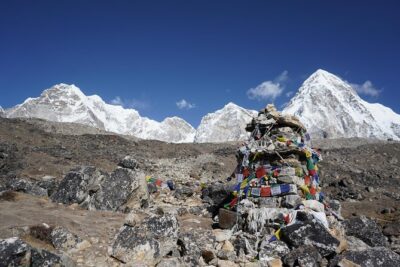
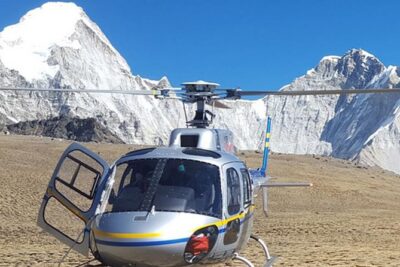
Everest Base Camp Helicopter Tour landing at Hotel Everest View
Read our review →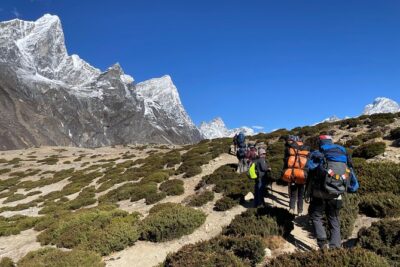
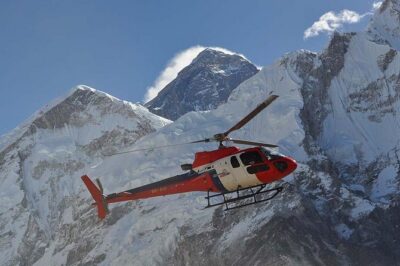
Everest Base Camp Trek with Helicopter Return from Gorakshep to Lukla
Read our review →This tour also appears in