
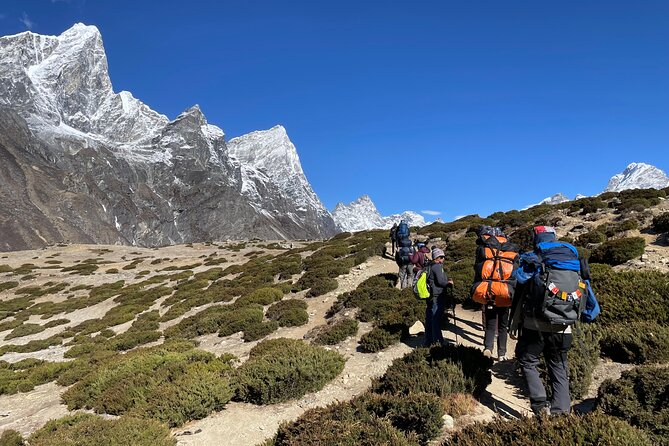
REVIEW · EVEREST BASE CAMP TREKS
Everest Base Camp Trek
The real thrill begins with the flight into Lukla, a short mountain-airport hop that sets the tone for the trek. From there, you walk through Sherpa villages, pine forests, glacier country, and high Himalayan passes before reaching Everest Base Camp and the famous viewpoint at Kalapatthar.
I like two things right away: the package takes care of the awkward pieces, including domestic flights, permits, porters, a sleeping bag, down jacket, and duffle bag; and the schedule includes two acclimatization days instead of rushing straight uphill. Guides such as Lok, Khila, Lal, Hari, and Ossman are praised for safety, patience, and adjusting the pace to the group.
The catch is simple: this is a serious high-altitude trek, not a long stroll with mountain scenery. Weather can cancel the Lukla flights, and the steep climbs, thin air, cold, basic mountain lodging, and glacier walking demand moderate physical fitness and good preparation.
Key points to know before you book
- Lukla is part of the adventure: The roughly 30-minute flight is scenic and weather-sensitive, with possible delays or cancellations.
- Two acclimatization days are built in: You hike around Namche and later near Nagarkhang Peak at about 5,000 meters.
- Porters carry your main gear: Your guide organizes the trek while porters handle the supplied duffle bags.
- The package covers major costs: Domestic flights, permits, meals, accommodation, guide services, porter costs, and basic cold-weather gear are included.
- Kalapatthar is the visual high point: The early morning climb offers the well-known Khumbu Valley mountain views.
- You get a private small group: Only your own party takes part, and groups larger than six receive an assistant guide.
What the 15-day Everest trek is really like
This route is designed for people who want the full Everest Base Camp experience without organizing every piece themselves. You still do the walking, and plenty of it, but the guide handles the route, local arrangements, and daily rhythm.
The trek begins and ends in Kathmandu. The walking portion runs through the Khumbu region, with the route passing through Phakding, Monjo, Namche-area villages, Tengboche, Pangboche, Pheriche, Dughla, Everest Base Camp, and the return trail to Lukla.
The schedule gives you roughly 12 days on the trail, with two rest and acclimatization days included. That matters at altitude. The goal is not merely to reach Base Camp, but to give your body some time to adjust before the harder sections.
The private format is useful if you care about pace and attention. You are not folded into a large public group, and the itinerary says the leader can offer different acclimatization hikes. That gives your guide room to match the day to your condition, though the exact choice will depend on the group and local conditions.
More Hiking Tours in Kathmandu
- Everest Base Camp Trek – 14 Days
★ 5.0 · 1,499 reviews - Everest Base Camp Trekking
★ 5.0 · 485 reviews - Nagarkot Sunrise View and Day Hiking from Kathmandu
★ 5.0 · 471 reviews
Days 1 and 2: Kathmandu to Phakding by way of Lukla
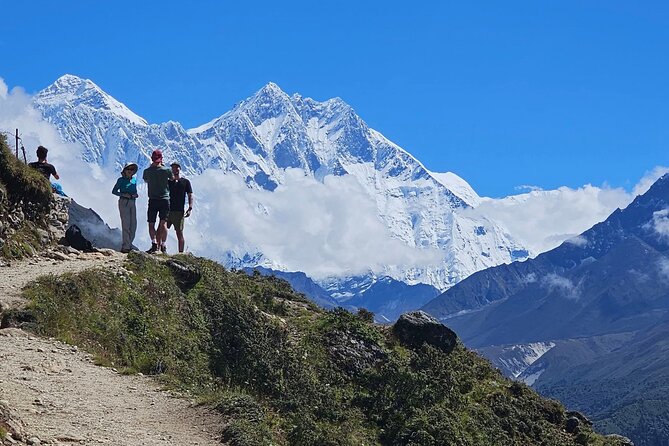
Your first day is mostly a soft landing in Kathmandu. An airport representative meets you with a name card, then transfers you to the hotel. The airport pickup and later drop-off are included in a private vehicle, which saves you from sorting out transport after a long international flight.
Kathmandu itself gets only a short formal introduction on this schedule. If you want temple visits, shopping, or a closer look at the city, the free day later in the trip gives you more room.
Day 2 brings the flight to Lukla, listed at about 30 minutes. The views can be striking, but this is also the part of the trip most exposed to weather. The spare day in Kathmandu at the end is not wasted time. It acts as a buffer if the Lukla flight is delayed or canceled.
After landing, you begin walking toward Phakding. The first day on foot lasts about four hours according to the schedule, making it a sensible introduction to the trail. You get your first Himalayan views without starting with the hardest climbs.
The flight is included for you and your guide. That is an important value point, since arranging the Lukla connection yourself would add another moving part to an already weather-sensitive trip.
Days 3 and 4: Monjo, Namche, and the first acclimatization day
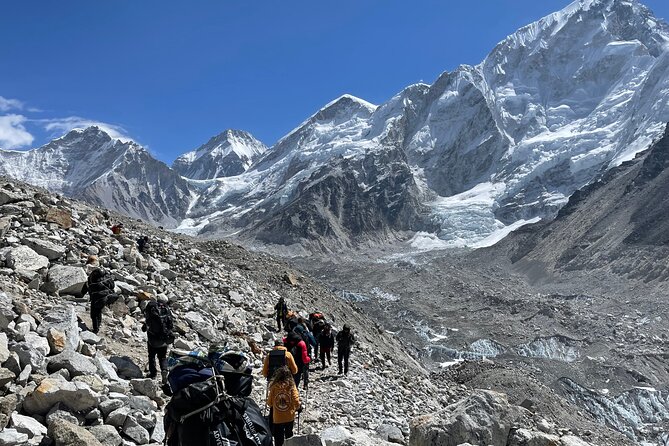
The trail from the Phakding area heads through pine forest toward Monjo, with lunch around Jorsalle before the route continues toward the Hillary Bridge. After crossing the bridge, the trail becomes steeper.
This is where the trek starts to feel physical. The path is not simply a flat approach to Everest. You gain height through forest and along river valleys, then face sharper uphill sections. A porter carrying your main duffle helps, but you still need to manage your daypack, water, clothing, and personal pace.
The fourth day is a rest and acclimatization day. It is not necessarily a day spent in bed. The guide may offer a hike toward Khumjung and Khunde, the Everest View Hotel, Thame, or Sagarmatha National Park headquarters.
I like this structure because you gain useful height without giving up movement. The schedule also lets your guide choose among several options rather than forcing every group into one fixed hike. At this altitude, that flexibility is worth more than a packed sightseeing list.
Namche-area villages are also an important cultural part of the walk. You are not only heading toward a famous mountain. You are moving through the Sherpa homeland, where villages, bridges, monasteries, lodges, and mountain work shape daily life.
Days 5 and 6: Kyanjuma, Tengboche, and Pangboche
After acclimatization, the route climbs toward the national park headquarters and continues along a gentler trail to Kyanjuma. A tea break may come before the descent to Phungi Thanga and lunch.
Then comes another climb after crossing the Dudh Koshi River. This pattern is common on the route: you may lose height only to regain it later. Do not judge the day by the distance alone. The repeated ups and downs can wear you down more than one steady climb.
The route continues through Tengboche and toward Pangboche. Tengboche is one of the best-known stops in the Khumbu, while Pangboche sits at about 3,930 meters and is described as home to many renowned Everest climbers.
The cultural side of this section is one of the trip’s strongest features. You pass through working Sherpa communities rather than simply arriving at a viewpoint by vehicle. The guide can add local context as you go, and the walking pace leaves room to notice prayer sites, mountain homes, and the changing vegetation.
Do not expect luxury. The included accommodation and meals make the trip easier to manage, but high-altitude lodging is practical rather than pampering. Hot showers, drinks, laundry, telephone use, and snacks cost extra, so keep some Nepalese rupees or another accepted payment method for personal spending.
More Everest Base Camp Treks in Kathmandu:
- Everest Base Camp Helicopter Tour landing at Everest View Hotel
★ 5.0 · 668 reviews - Everest Base Camp Trekking – 13 Day
★ 5.0 · 365 reviews - Everest Base Camp Trek -14 Days
★ 5.0 · 321 reviews - Everest Base Camp Helicopter Tour landing at Hotel Everest View
★ 5.0 · 218 reviews
Day 7: A second acclimatization hike near 5,000 meters
The second rest day includes a hike to Nagarkhang Peak at approximately 5,000 meters. From the high point, you can see a broad sweep of Himalayan peaks.
This is a demanding rest day, and that wording matters. You are resting from forward progress, not avoiding exertion. The climb gives your body a chance to spend time at greater altitude before the Base Camp section, but it may feel harder than an ordinary hiking day.
I would treat this day as a test of how you are responding. A good guide will watch your pace and condition rather than treating the summit as more important than your health. The available feedback places strong emphasis on guides taking care of safety, offering an individual approach, and keeping a suitable pace. That is exactly what you want here.
Days 8 and 9: Dughla Pass, Lobuche, and Everest Base Camp
The trail now follows the ridge above Pheriche toward Dughla. After lunch, you climb steeply toward Dughla Pass. This is a serious uphill section, and the combination of cold, height, and thin air can make a short climb feel long.
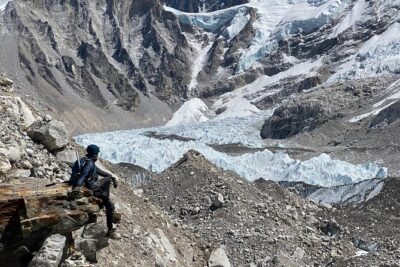
The next stage reaches Everest Base Camp. The first part of the walk is described as fairly easy, but the route becomes harder once you cross glacier terrain. Low oxygen adds another layer of difficulty.
This is not the kind of glacier experience where you should focus only on photographs. Your footing, clothing, hydration, and pace matter. The guide leads you across the difficult sections, while the porter system means you are not carrying your full load.
Reaching Base Camp is a major emotional marker, but the view from Base Camp itself may not be the classic panoramic image many people expect. The next morning’s climb to Kalapatthar is the viewpoint day, and it is often the strongest visual reward of the entire itinerary.
Day 10: The early climb to Kalapatthar
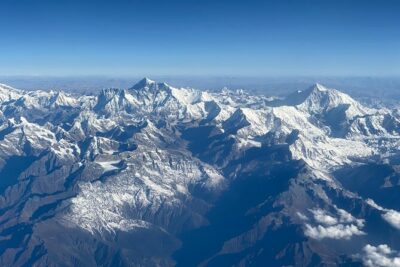
You start before sunrise for Kalapatthar. The climb is difficult, but the reward is the famous view over the Khumbu Valley and the surrounding Himalayan peaks.
The early start is not just a scheduling quirk. Morning light is the reason for leaving in the dark, and the timing gives you the best chance at clear mountain views before the day changes. Bring warm layers from the supplied down jacket, along with gloves, a hat, and a headlamp if your own packing list includes one.
Kalapatthar is a high point of the trip in more than one sense. It asks a lot from your legs after the Base Camp approach, but it also gives you the broad mountain setting that many people picture when they imagine Everest.
The itinerary then turns back toward lower villages. That return is welcome. At these heights, even a successful day can leave you tired, and the descent begins to feel easier as the air gradually thickens.
Days 11 and 12: Returning through Tengboche and Phakding
The return route passes through Debuche and Tengboche before a steep descent to Phungi Thanga. After lunch, you climb again toward Kyanjuma.
This is another reminder that the return is not all downhill. Your knees may appreciate the lower altitude, but the repeated climbs still demand steady effort. A guide who adjusts the pace is especially useful now, when fatigue can lead to careless footing.
The following day takes you down to Jorsalle and onward to Phakding, with the route continuing toward Lukla. The schedule describes the walk as the close of an 11-night, 12-day trek.
You finish the walking portion in Lukla, where the group prepares for the flight back to Kathmandu. Reaching Lukla is satisfying, but do not assume the trip is fully secure until you are back in the capital. Weather can affect the return flight just as easily as the outbound one.
Days 13 to 15: Flight buffer and departure
The morning flight from Lukla to Kathmandu is described as another scenic and adventurous part of the experience. A practical seating tip is included: the right side of the airplane may offer better views on the return flight.
Day 14 is a free day in Kathmandu. It is useful for shopping, resting, or seeing more of the city, but its main purpose is protection against flight trouble. If bad weather has delayed the return from Lukla, this spare day can keep your international departure from becoming a crisis.
On Day 15, the operator drives you to the airport about three hours before your flight. Breakfast is included that morning. Kathmandu airport has one terminal, according to the trip details, but you should still allow the stated time and keep your important documents easy to reach.
What the $1,408 price covers
At $1,408 per person, the price is not simply paying for a guide and a mountain walk. It bundles many of the costly and confusing parts of the trip:
- Private airport transfers before and after the trek
- Kathmandu to Lukla and return airline tickets, including the guide’s ticket
- Everest National Park entry permit
- TIMS registration
- An English-speaking, government-licensed trekking guide
- Porters, including their meals, lodging, salary, and insurance
- An assistant guide for groups larger than six
- A down jacket, four-season sleeping bag, and duffle bag
- First-aid equipment carried by the guide
- Government and local taxes, paperwork, and company charges
- 14 breakfasts, 11 lunches, and 12 dinners
That is a solid bundle for someone who does not already own expedition-style cold-weather gear. It also means you are not left to negotiate porter arrangements or figure out permits on your own.
The price does not include international airfare, a Nepal visa, travel insurance, medical insurance, emergency evacuation, hot showers, laundry, phone use, drinks, snacks, or other personal purchases. The insurance gap is the key issue. You should arrange suitable travel and medical coverage before going, including protection for emergency evacuation, because that cost is specifically excluded.
Guides, porters, and the small-group advantage
The guide stays with you throughout the trek, and porters carry your main gear. That arrangement lets you walk with a lighter daypack, but it does not remove the need to pack carefully or respect the porter system.
The guide team is one of the most praised parts of this operation. Names associated with the company include Lok, Khila, Lal, Hari, and Ossman. The qualities repeatedly emphasized are careful safety checks, a calm manner, route knowledge, motivation, and attention to each person’s pace.
I would ask for your guide’s name and the planned porter arrangement before departure. The stated policy adds an assistant guide when a group has more than six people, which is helpful on a private trip with several different fitness levels.
A private group also gives you more control than a large fixed departure. You can discuss the acclimatization hike, rest when needed, and avoid feeling pushed by strangers. The tradeoff is that your group’s fitness and health still shape the daily rhythm.
Who should book this trek?
I would recommend it to a reasonably fit adult who wants a guided route to Everest Base Camp and values having permits, flights, porters, meals, and cold-weather equipment arranged in advance.
It also suits a first Himalayan trekker who wants local support rather than a fully independent trip. The Sherpa villages, mountain passes, bridges, forests, glaciers, and viewpoints provide more than one big photo stop.
I would hesitate if you dislike basic accommodation, cold mornings, steep walking, or uncertain flight schedules. I would also hesitate if you want a relaxed sightseeing holiday. This is a physically demanding trek with real altitude concerns, and the cost of insurance and personal expenses comes on top of the advertised price.
Practical details before departure
Confirmation is received at booking, and the activity operates as a private tour. Pickup is offered, and group discounts are available.
The operator lists availability from November 16, 2019 through November 25, 2026, with operating hours shown for every day of the week. The itinerary requires moderate physical fitness, and the route’s high points make that requirement meaningful.
The cancellation terms are worth reading before you pay. You receive a full refund if you cancel at least six full days before the start time, 50 percent if you cancel two to six full days ahead, and no refund if you cancel less than two full days before departure. Weather cancellations may lead to a new date or a full refund.
FAQ
How long does the Everest Base Camp Trek last?
The trip lasts approximately 15 days, including arrival and departure days, the trekking section, flights between Kathmandu and Lukla, and a free buffer day in Kathmandu.
Is the Lukla flight included?
Yes. The Kathmandu to Lukla and Lukla to Kathmandu domestic airline tickets are included for you and your guide.
What happens if the Lukla flight is canceled because of weather?
The itinerary includes a free day in Kathmandu to help absorb possible delays or cancellations. If the experience itself is canceled because of poor weather, you can be offered another date or a full refund.
Are porters included?
Yes. Experienced Sherpa helpers carry your gear, and their meals, accommodation, salary, and insurance are included.
What equipment is provided?
The package provides a down jacket, a four-season sleeping bag, and a duffle bag. The duffle bag and other supplied equipment must be returned after the trek.
Are meals included?
Breakfast is included on 14 days, lunch on 11 days, and dinner on 12 days. Drinks, snacks, bars, and other personal food purchases are not included.
Do I need travel insurance?
Yes, you should arrange your own travel and medical insurance. Emergency evacuation and insurance costs are not included in the tour price.
Is this a private tour?
Yes. Only your own group participates. An assistant trekking guide is included for groups larger than six people.
Should you book the Everest Base Camp Trek?
I would book this trek if you want a well-supported first attempt at Everest Base Camp and value practical help more than absolute independence. The inclusion of Lukla flights, permits, porters, meals, lodging, a sleeping bag, down jacket, and duffle bag gives the $1,408 price real value.
Before booking, confirm the guide assignment, ask how the group will handle different walking speeds, and buy strong travel and medical insurance with evacuation protection. If you can accept basic conditions, uncertain mountain flights, and hard days above 4,000 meters, this itinerary gives you a sensible route through Sherpa country with enough acclimatization time to make the goal more realistic.
Recently added around Kathmandu
- Kathmandu Airport Pickup and Drop-off Services★ 5.0 · 3 reviews
- Kathmandu Paragliding★ 5.0 · 3 reviews
- Kathmandu Chandragiri Cable Car and Swayambhunath Private Tour★ 5.0 · 3 reviews
- Explore The Beauty Of Langtang Valley In 8-Days Trek★ 5.0 · 3 reviews
- Kathmandu: Nightlife and Pub Crawl Tour★ 5.0 · 3 reviews
- Mountain Flight Experience in Nepal★ 4.5 · 3 reviews
- Kathmandu: Momo Making Class with a Local Chef★ 5.0 · 3 reviews
- Everest Base Camp Trek★ 5.0 · 3 reviews
Other Everest Base Camp Treks worth a look
Everest Base Camp Helicopter Tour landing at Everest View Hotel
Read our review →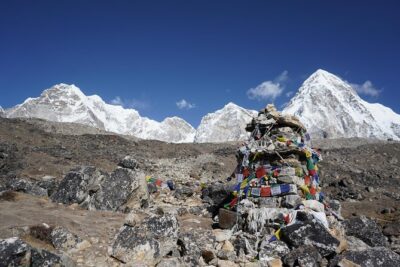
Everest Base Camp Helicopter Tour landing at Hotel Everest View
Read our review →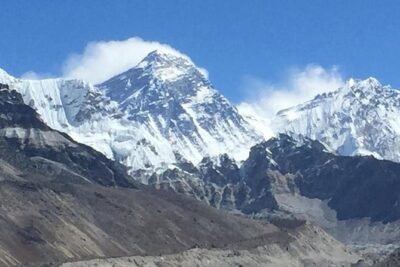
Everest Base Camp Trek with Helicopter Return from Gorakshep to Lukla
Read our review →This tour also appears in