
REVIEW · EVEREST BASE CAMP TREKS
Everest Base Camp Trek -14 Days
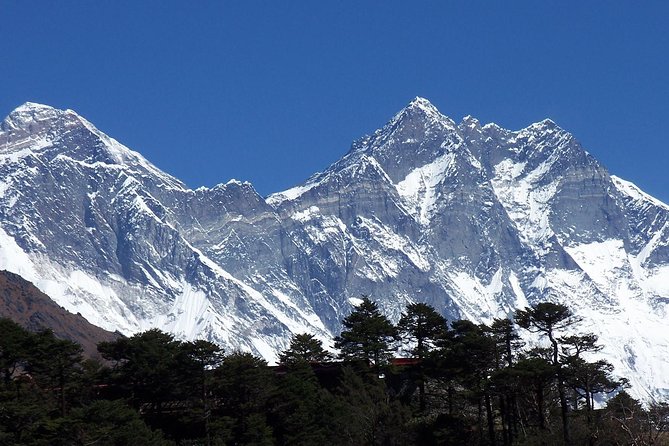
Everest Base Camp is the headline, but Kala Patthar at sunrise may be the trip’s finest reward. From this high viewpoint, you look across Everest, Nuptse, Lhotse, Pumori, Ama Dablam, and the Khumbu Glacier in one grand sweep. The trek also brings you into Sherpa villages, Buddhist monasteries, suspension bridges, and mountain lodges where a hot meal matters more than fine dining.
I like two things here: the essentials are bundled, including Lukla flights, permits, meals, lodges, and a licensed guide; and the small group, capped at 12, gives you company without turning the walk into a parade. Guides such as Saugat, Laxman, Ram, and Subash have been praised for being attentive and supportive, especially with younger hikers and first-time high-altitude trekkers.
The main catch is the pace. You reach 17,598 feet at Base Camp, and the itinerary allows little room for delay. Lukla flights can affect the schedule, and you still pay extra for water, drinks, Wi-Fi, hot showers, snacks, porter service, tips, and personal costs.
Key things to know before walking toward Everest
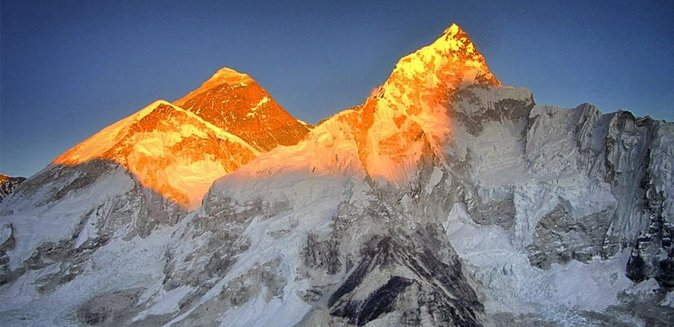
- Kala Patthar is the mountain-view prize: The early climb brings a 360-degree panorama of Everest, Nuptse, Lhotse, Pumori, and Ama Dablam.
- The package is genuinely practical: Return Kathmandu to Lukla flights, trekking permits, full-board meals, lodge accommodation, and a licensed guide are included.
- Acclimatization is built in: Rest days at Namche Bazaar and Dingboche help you adjust before the highest walking days.
- The group stays small: A maximum of 12 people makes it easier to stay together and get direct help from the guide.
- The route is strenuous but classic: Expect forest paths, steep stone climbs, glacier-side trails, suspension bridges, and thin air above Dingboche.
- Budget for extras: Drinks, water, Wi-Fi, showers, snacks, porters, tips, Nepal’s entry visa, and insurance are outside the main price.
What $1,420 covers on the Everest route
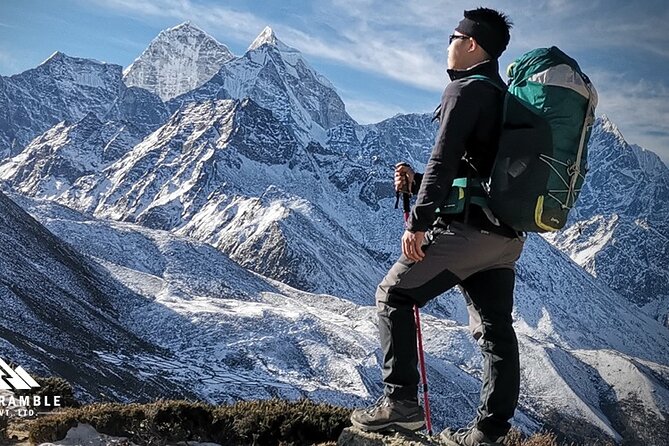
At $1,420 per person, this is a fair package for a guided Everest Base Camp trek because the costly and complicated pieces are already arranged. Your fee includes the domestic flights between Kathmandu and Lukla, departure taxes, Everest National Park paperwork, the TIMS card, government and local taxes, accommodation during the trek, and three daily meals for most of the walking days.
You also receive a government-licensed guide, a first-aid kit, and emergency rescue arrangements funded through your travel insurance. That last point matters: rescue costs are not simply free, and you need suitable insurance to protect yourself if altitude sickness or another emergency forces you off the route.
The food is basic but useful. Breakfast, lunch, and dinner are included during the trek, with authentic local meals served at the lodges. You should not expect a restaurant menu in the high villages, and one departure included a fairly repetitive menu across the 12 trekking days. Still, having meals arranged means you do not need to bargain for food after a long climb.
The price does not include accommodation or food before and after the trek. It also leaves out international flights, Nepal’s entry visa, water, hot and cold drinks, coffee, tea, snacks, Wi-Fi, hot showers, porters, and tips. A porter is optional, which gives you some control over the final cost, but you should decide before departure how much of your own gear you can carry comfortably.
More Hiking Tours in Kathmandu
- Everest Base Camp Trek – 14 Days
★ 5.0 · 1,499 reviews - Everest Base Camp Trekking
★ 5.0 · 485 reviews - Nagarkot Sunrise View and Day Hiking from Kathmandu
★ 5.0 · 471 reviews
Kathmandu arrival and the short flight to Lukla
Day 1 is deliberately easy. Staff meet you at Tribhuvan International Airport, take you to your Kathmandu hotel, and help you settle in before the mountain days begin. The meeting point is in Thamel, a convenient base for shops, restaurants, and transport.
On Day 2, the early morning flight to Lukla takes about 35 minutes. This is not just a transfer. The flight carries you from Kathmandu into the Khumbu region, where Sherpa communities shape daily life and the walking route begins almost at once.
At Lukla, you meet the trekking crew, including the people carrying luggage for the route. The first walk is used partly for acclimatization and follows the Dudh Koshi River toward Phakding. The timing is gentle compared with later days, though you should not mistake a short first walk for an easy holiday.
The flight is one of the schedule’s weak points. The package includes the route, but air connections to Lukla can affect the timing. Keep some flexibility around the trek, particularly if you have an international flight immediately after the return to Kathmandu.
Phakding to Namche Bazaar through pine forest
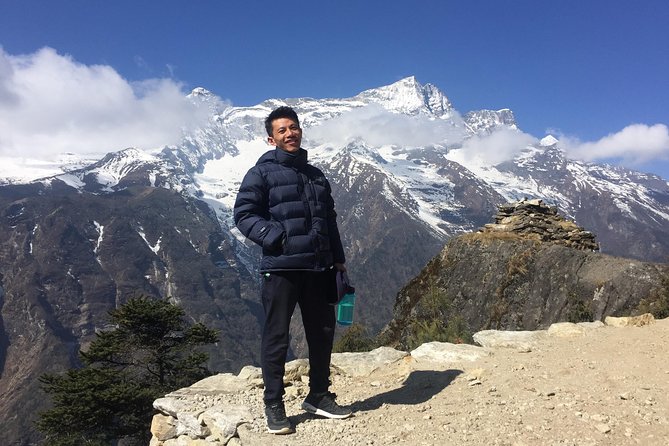
Day 3 brings the first proper walking day. You cross the Dudh Koshi River and move through pine forest, with early mountain views and a first glimpse of Everest among peaks such as Kusum Kanguru and Thamserku.
The route leads toward Namche Bazaar, the main Sherpa trading center on this section of the trek. You will cross suspension bridges and walk through small settlements before the trail rises more sharply toward town. This is where the route begins to feel like a serious Himalayan trek rather than a scenic countryside walk.
Namche is an important overnight stop because it offers the first planned acclimatization day. On Day 4, instead of pushing higher, you climb to a lookout for views of Everest, Lhotse, Cholatse, Thamserku, Kwangde, Kangtega, and Ama Dablam before returning to Namche.
That rest day is not wasted time. High-altitude trekking rewards a slower schedule, and the extra night gives your body a chance to adjust. I would use the day for the lookout walk, a relaxed meal, and careful attention to hydration rather than trying to squeeze in extra sightseeing.
Tengboche and the trail toward Dingboche
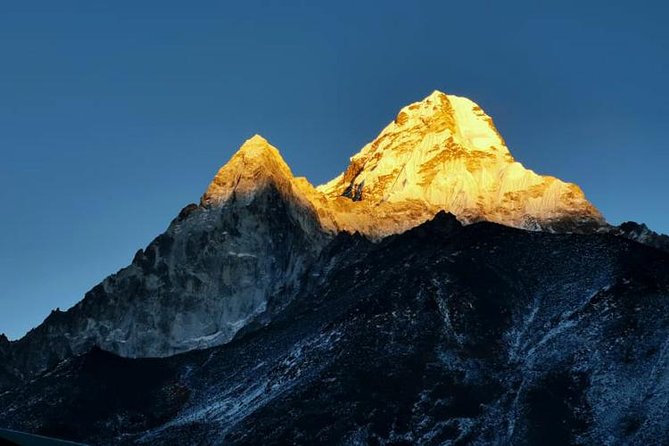
Day 5 follows what is described as the main Everest route, descending toward the Dudh Koshi River before climbing again through rhododendron country. The path can feel demanding because the route gives away height and then asks you to regain it.
The reward is Tengboche. On Day 6, the early light falls across the monastery and the surrounding peaks, creating one of the most memorable scenes on the route. After breakfast, the trail continues through forest and onward through mountain villages toward Dingboche.
Tengboche is special because the monastery gives the trek a cultural center, not just a series of mountain viewpoints. You are walking through a region where Buddhist practice, Sherpa life, farming, mountaineering, and tourism meet in the same narrow valley.
Dingboche is another important pause. Day 7 is a rest and acclimatization day in a village surrounded by stone-walled fields that protect barley and potatoes. At this elevation, even a modest walk can feel like work, so the spare day is central to the trip’s safety and comfort.
More Everest Base Camp Treks in Kathmandu:
- Everest Base Camp Helicopter Tour landing at Everest View Hotel
★ 5.0 · 668 reviews - Everest Base Camp Trekking – 13 Day
★ 5.0 · 365 reviews - Everest Base Camp Helicopter Tour landing at Hotel Everest View
★ 5.0 · 218 reviews - Everest Base Camp Trekking – 2025/2026
★ 5.0 · 199 reviews
Memorials, glacier paths, and Base Camp
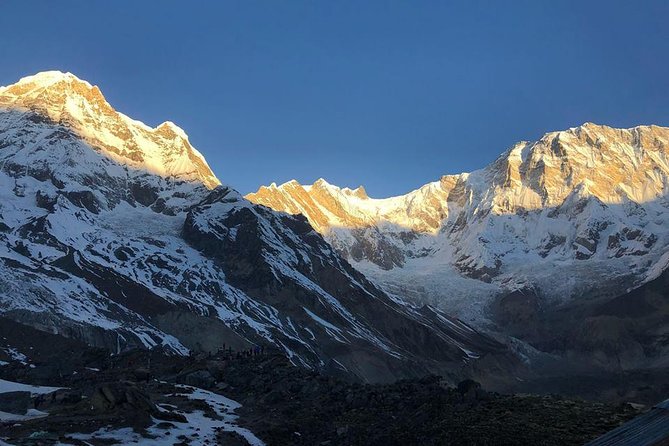
On Day 8, the route climbs gradually to Duglha and then steeply toward the ridge at Chukpo Lari. Here you pass memorials honoring climbers who died on Everest. This is a sobering section, and it gives the mountain a human dimension that photographs cannot provide.
The route then continues toward Lobuche, a high settlement used by people heading to Base Camp and other climbing areas. The surroundings become more austere, with less forest and more exposed rock, ice, and broad mountain slopes. You feel the altitude in your breathing and in the slower pace.
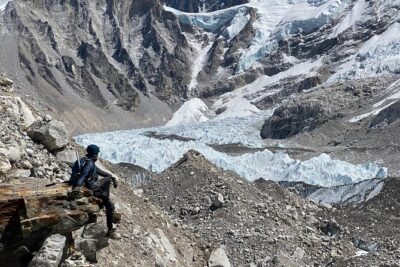
Day 9 is the long-awaited Base Camp day. From Lobuche, the path first crosses a relatively level meadow before following the Khumbu Glacier north. The trail climbs onto the glacier’s lateral moraine, where loose stones and uneven ground make sturdy boots especially useful.
Everest Base Camp sits at 17,598 feet, or 5,364 meters. Reaching it is a major physical milestone, but keep your expectations practical. The camp itself is a working mountaineering area, not a polished viewpoint, and the most dramatic Everest panorama comes from Kala Patthar the following morning.
Kala Patthar at sunrise
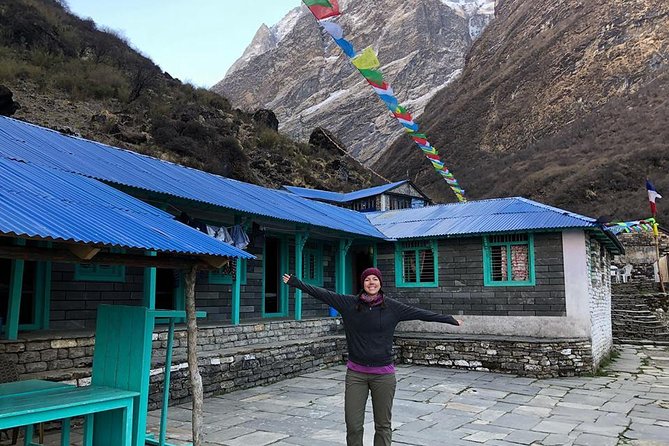
Day 10 begins early with about two hours of uphill walking to Kala Patthar, below Mount Pumori. This is one of the hardest starts of the trek because you are climbing at very high altitude, often after the long Base Camp day.
The payoff is exceptional. From Kala Patthar, you can see the Himalayas in a 360-degree sweep, with Everest, Nuptse, Lhotse, Pumori, and the surrounding peaks catching the first light. If you care most about clear mountain views, this is arguably the most valuable part of the entire schedule.
After Kala Patthar, the route begins its return. Do not assume the descent is effortless. Tired legs, uneven stone, and accumulated fatigue can make downhill walking surprisingly hard, even when the air feels easier at lower elevations.
The trek then moves back through the high villages, toward Dingboche and Tengboche. This return section gives you a different view of the same valleys, and you may notice details that passed too quickly on the way up.
Returning through Sherpa villages to Lukla
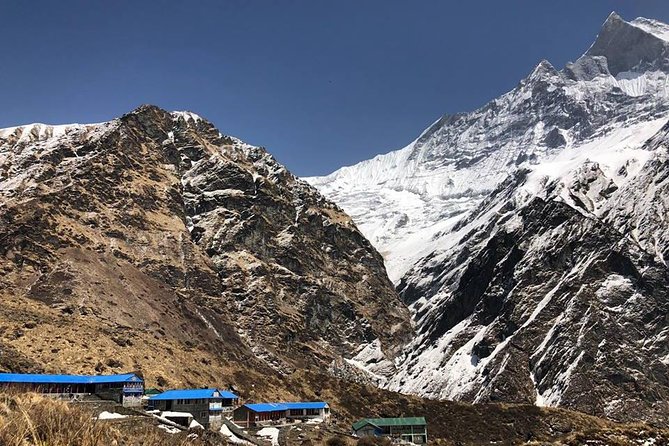
Day 11 continues downhill through Sherpa villages and back toward the Dudh Koshi River. After crossing the river, the path returns through forest toward Tengboche before descending farther.
Day 12 follows the route through Pangboche, Jorsalle, Manjo, Benkar, and Phakding, with more suspension bridges over the Dudh Koshi. The walking becomes warmer and greener as you lose altitude, but the long descent can still test your knees.
By the time you return to Lukla, you have completed the classic out-and-back route. Day 13 includes the flight back to Kathmandu and free time in the city. The package also includes a Kathmandu hotel night and dinner for celebrating the trek, though the exact hotel arrangements should be confirmed before booking because the information describes it as a top hotel rather than naming the property.
The stated duration is a little confusing. The product is called a 14-day trek, while the schedule lists Days 1 through 13 and describes the duration as approximately 13 days. Ask Alpine Ramble Treks to confirm whether the extra day is a final Kathmandu night, a flight buffer, or simply a naming difference.
Guides, group size, and the human side of the trek
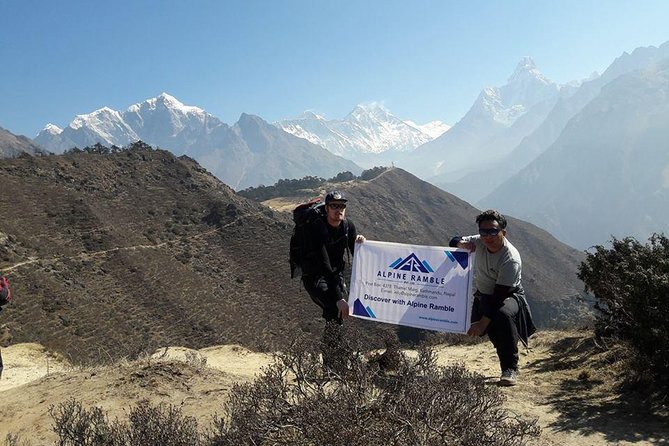
A licensed guide is included, and the group maximum is 12. That is a useful middle ground. You have company for long walking days, but the party is small enough for the guide to monitor individuals rather than simply lead from the front.
Guides named on recent departures include Saugat, Laxman, Ram, Subash, Nir, Sujal, Amer, and Dhower. Their reported strengths include patience, quick help with difficult sections, flexibility, and close attention to individual needs. Laxman was especially supportive with two teenagers, while Ram helped a solo hiker manage the physical demands without a porter.
Owner Dil is involved with Kathmandu arrangements and airport pickup. The welcome can include marigold garlands, and the airport transfer is part of the personal support that makes the first day less stressful. These details matter when you arrive tired, unfamiliar with Kathmandu, and facing an early mountain flight.
The porter is not included. That keeps the headline cost lower, but it means you need to choose between carrying your own pack and paying for local porter help. Ask about porter rates, weight limits, and arrangements before you go rather than leaving this decision to the last minute.
Comfort, food, altitude, and extra costs
The lodges are described as the best available trekking lodges, which is not the same as a luxury hotel. Conditions can be simple, especially in Lukla and the higher villages. You should expect the basic comforts of a trekking lodge rather than reliable hot water, strong Wi-Fi, or unlimited electricity.
Water and drinks cost extra, as do showers, snacks, tea, coffee, and Wi-Fi. Carrying some Nepalese currency is sensible for these purchases and for tips, though the exact payment options are not specified.
You need moderate physical fitness. The route includes steep ascents, long descents, suspension bridges, forest trails, moraine, and walking at more than 17,000 feet. The itinerary includes acclimatization days, but no schedule can remove the effects of altitude.
The included first-aid supplies and Diamox are useful provisions, but they do not replace medical advice or travel insurance. Emergency rescue is funded by insurance, so confirm that your policy covers high-altitude trekking and evacuation before departure.
Who should choose this Everest Base Camp trek?
I would recommend this trip to you if you want the classic Everest route but do not want to arrange domestic flights, permits, lodges, meals, and a guide yourself. It also suits solo hikers who want a built-in group, families with fit older teenagers, and people who value local support over independent route planning.
It is less suitable if you want private rooms, flexible daily distances, extensive free time, or a luxury lodge experience. The itinerary is fixed, the food may become repetitive, and the schedule is tight enough that a delayed Lukla flight could cause stress.
The cancellation policy is generous before the deadline: you can receive a full refund if you cancel at least 24 hours before the start time. Changes or cancellations within 24 hours are not refunded, so check the local cut-off time carefully.
Should you book it?
Book this trek if value and organization matter more to you than comfort. For $1,420, you receive the key route services and a guide, while the small group and airport support make the experience easier to manage than arranging every part independently.
Before paying, confirm the 13-day versus 14-day schedule, the hotel night in Kathmandu, the current Lukla flight plan, porter costs, and insurance requirements. If you can handle long mountain days, basic lodges, thin air, and a few extra expenses, this is a strong way to reach Base Camp and catch the sunrise from Kala Patthar without taking on the paperwork alone.
FAQ
How long does the Everest Base Camp trek take?
The experience is marketed as a 14-day trek, while the detailed schedule runs from Day 1 through Day 13 and describes the duration as approximately 13 days. Confirm the exact schedule with Alpine Ramble Treks before booking.
What is included in the $1,420 price?
The price includes full-board breakfast, lunch, and dinner during the trek, trekking lodge accommodation, a licensed guide, return Kathmandu to Lukla flights with departure taxes, trekking documents, Everest National Park and TIMS fees, a first-aid kit, government and local taxes, and official expenses.
Are international flights included?
No. International flights, Nepal’s entry visa, and accommodation and food before and after the trek are not included.
Is a porter included?
No. Local porter service is an extra cost if you decide you need it.
What expenses should I budget for during the trek?
You should budget for water, hot and cold drinks, coffee, tea, snacks, Wi-Fi, hot showers, tips, and personal expenses. The entry visa and international flights are also separate costs.
What is the maximum group size?
The group can include up to 12 people. The package includes a professional, experienced, government-licensed guide.
Where does the tour start and finish?
The meeting point is in Thamel, Kathmandu. The activity ends back at the meeting point after the return to Kathmandu.
Can I cancel for a full refund?
Yes. You can cancel at least 24 hours before the experience start time for a full refund. Cancellations or changes made less than 24 hours before the start time are not refunded.
Recently added around Kathmandu
- Kathmandu Airport Pickup and Drop-off Services★ 5.0 · 3 reviews
- Kathmandu Paragliding★ 5.0 · 3 reviews
- Kathmandu Chandragiri Cable Car and Swayambhunath Private Tour★ 5.0 · 3 reviews
- Explore The Beauty Of Langtang Valley In 8-Days Trek★ 5.0 · 3 reviews
- Kathmandu: Nightlife and Pub Crawl Tour★ 5.0 · 3 reviews
- Mountain Flight Experience in Nepal★ 4.5 · 3 reviews
- Kathmandu: Momo Making Class with a Local Chef★ 5.0 · 3 reviews
- Everest Base Camp Trek★ 5.0 · 3 reviews
Other Everest Base Camp Treks worth a look
Everest Base Camp Helicopter Tour landing at Everest View Hotel
Read our review →
Everest Base Camp Helicopter Tour landing at Hotel Everest View
Read our review →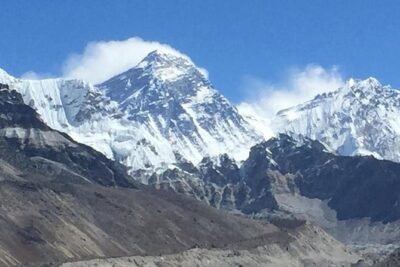
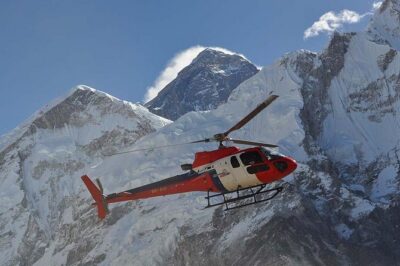
Everest Base Camp Trek with Helicopter Return from Gorakshep to Lukla
Read our review →This tour also appears in