
REVIEW · NAGARKOT SUNRISE TOURS
Nagarkot Sunrise With 7 UNESCO World Heritage Private Tour
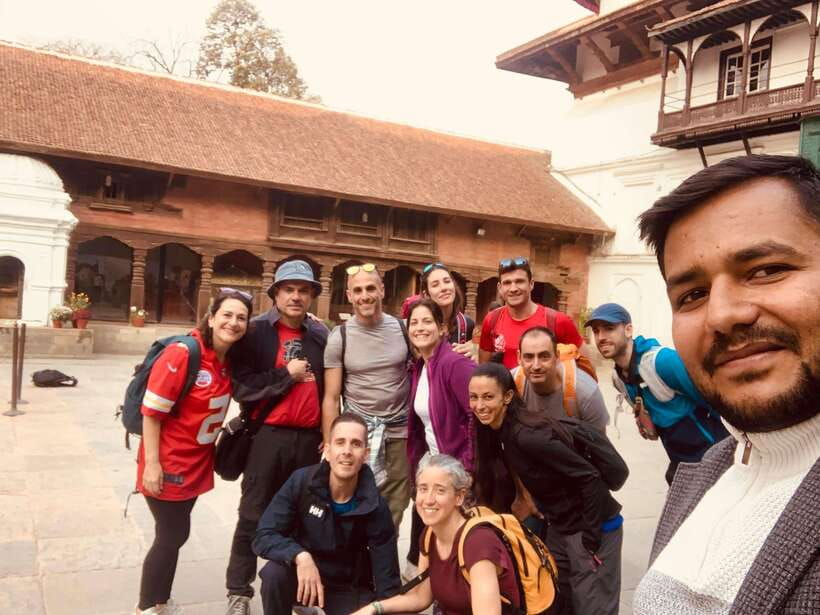
Nagarkot sunrise is the hook, but the real story is the long cultural sweep that follows. From a hilltop at 2,175 meters, you watch morning light reach the Himalayas, then spend the day among seven UNESCO World Heritage sites in Kathmandu Valley. On a clear day, Mount Everest may appear in the distance, though weather decides what you actually see.
I like the private car and guide, since this route covers a lot of ground and gives you room to ask questions about Hindu worship, Buddhism, festivals, food, and daily life. I also like the range of places included, from Tibetan Buddhist prayer wheels at Boudhanath to cremation rituals beside the Bagmati River at Pashupatinath.
The drawback is simple: this is a very full 12-hour day. You will see the valley’s major sights, but some visits are short, and entrance fees of about 6,000 Nepalese rupees are extra. If you prefer slow museum visits or long meals, this schedule may feel rushed.
Key points to know before booking
- Nagarkot at 2,175 meters: Leave before dawn for a chance to see the Himalayan range turn gold at sunrise.
- Seven UNESCO sites in one day: The route includes the valley’s three Durbar Squares, three major religious sites, and Changu Narayan.
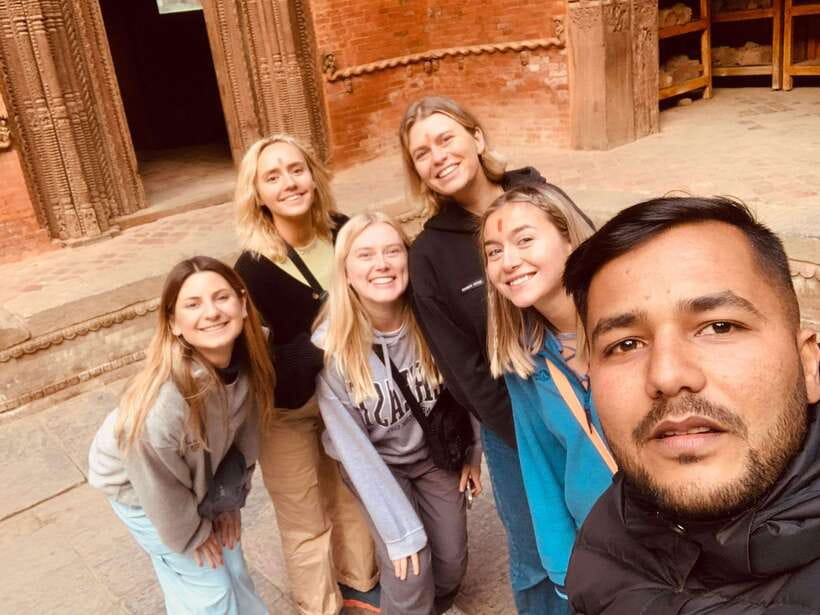
- A private English-speaking guide: Santosh is one guide named in the tour information, and guide quality matters greatly on a day built around history and religion.
- A serious look at living traditions: Pashupatinath may include views of funeral rites and cremation activity, not just architecture.
- Air-conditioned transport and hotel pickup: The private vehicle helps on a route with long drives between Kathmandu, Bhaktapur, Patan, and the hill station.
- Extra costs and a demanding pace: Food, drinks, and UNESCO entrance tickets are not included in the $172 price.
Why the sunrise is worth the early start
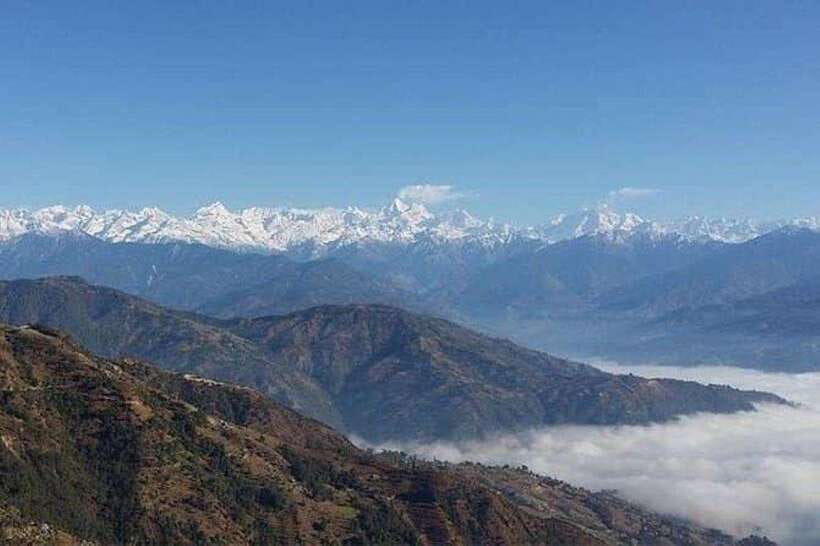
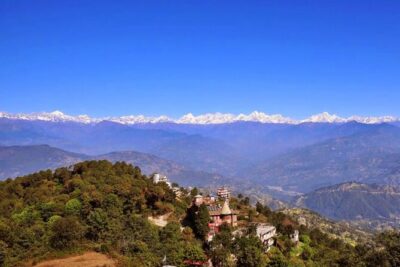
Nagarkot is a hill station outside the center of Kathmandu, known for views toward the Himalayas. The sunrise visit lasts about two hours, giving you time to wait for changing light rather than arriving for only a quick photograph.
The best possible morning brings a clear view of the Himalayan range, with Mount Everest visible on clear days. That possibility is exciting, but it is not guaranteed. Clouds, haze, and seasonal weather can hide the peaks, so you should book this part for the mountain setting and early light, not for a promised Everest sighting.
The early start also changes the feel of the day. You begin in quiet hill country, then move into the dense cultural center of the valley. I like that contrast. It gives the tour a natural rhythm before the series of temples, squares, and stupas begins.
Bring something warm for the first stop. The provided information confirms bottled mineral water, but not clothing or other personal supplies. Food is not included, so plan to buy meals separately during the day.
More Nagarkot sunrise runs:
- Nagarkot Sunrise View and Day Hiking from Kathmandu
★ 5.0 · 471 reviews - Private Bhaktapur and Nagarkot Day Tour From Kathmandu
★ 5.0 · 305 reviews - Kathmandu: Nagarkot Sunrise View & Morning Hike with Lunch
★ 4.9 · 188 reviews
Changu Narayan and the first temple setting
After Nagarkot, the route goes to Changu Narayan for about 30 minutes. This hilltop temple is dedicated to Lord Vishnu and is described as the oldest Hindu temple in Kathmandu Valley, with origins dating to the fourth century.
The short visit is useful because Changu Narayan gives you an early look at traditional Nepali temple design and carved details before the larger squares later in the day. Its hilltop setting also keeps the morning connected to the wider valley rather than placing you immediately in the city.
Thirty minutes is not long. You should expect an introduction and a focused look rather than a slow study of every carving. The guide’s explanation is especially important here. Without context, an old temple can become a quick photo stop. With a good explanation, the carvings and religious purpose make more sense.
Bhaktapur Durbar Square and Newari craftsmanship
The visit to Bhaktapur Durbar Square lasts about an hour and a half, making it one of the longer stops. That extra time is welcome. Bhaktapur is known for traditional art, architecture, and culture, with major sights including the 55-Window Palace, Vatsala Temple, and Nyatapola Temple.
This is where the tour begins to show the strength of visiting the valley with someone who can explain more than dates. The square reflects the work of Newari craftspeople and the power of the Malla period. You can look at the buildings, but the bigger lesson is how religious spaces, royal courtyards, and everyday city life fit together.
The schedule gives you enough time to take in the main setting, though it is still only one part of a long day. If Bhaktapur is your top priority, a separate visit would let you linger longer. On this tour, you get a solid introduction while preserving time for six other major sites.
Patan Durbar Square and the art of Lalitpur
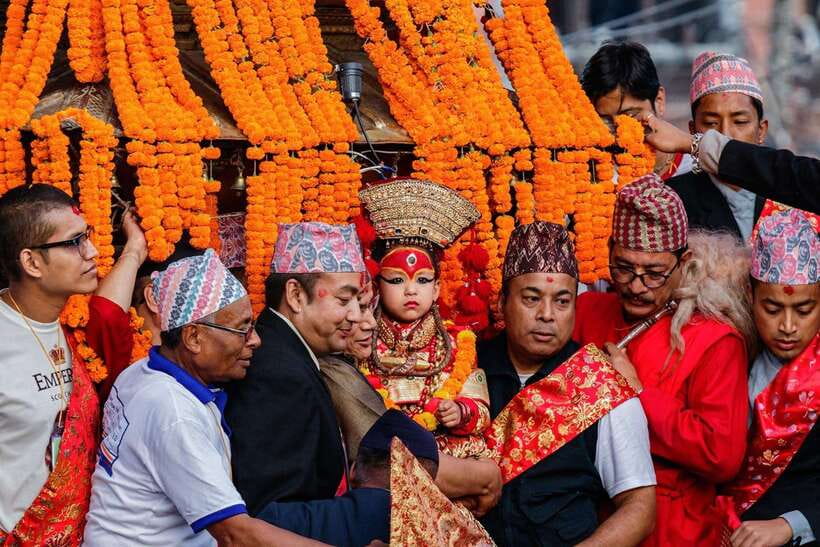
Patan Durbar Square comes next, with about an hour for sightseeing. Patan, also called Lalitpur, is known for Newari architecture, palaces, and temples, including Krishna Mandir.
I find Patan particularly useful after Bhaktapur because the two stops let you compare different royal centers in the valley. Your guide can help point out the details that distinguish one square from another, along with the religious meaning behind the temples. The tour description places emphasis on Hinduism, Buddhism, history, festivals, and local ways of life, so this is a good point to ask questions.
One hour is enough for a purposeful walk around the main area. It is not enough for every side street, courtyard, or museum. You will need to accept a highlights visit rather than a complete exploration.
More UNESCO Heritage Site Tours in Kathmandu:
- Private Kathmandu Sightseeing Tour | UNESCO World Heritage sites
★ 5.0 · 756 reviews - Kathmandu: Full Day 7 UNESCO Tour with Lunch – Private/Group
★ 5.0 · 415 reviews - Kathmandu: Full Day Top 4 UNESCO Tour with Lunch – Private/Group
★ 5.0 · 269 reviews - UNESCO Seven World Heritage Tour in Kathmandu
★ 5.0 · 253 reviews
Boudhanath, where Tibetan Buddhism shapes the neighborhood
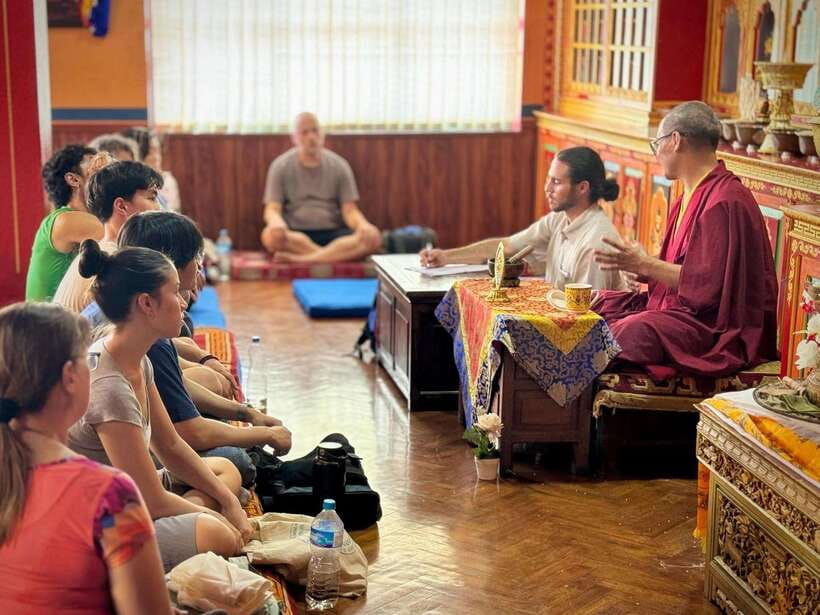
Boudhanath Stupa receives about an hour. It is one of Nepal’s largest stupas and a major center of Tibetan Buddhism. The great spherical structure is surrounded by monasteries and Tibetan cultural life.
This stop changes the visual language of the tour. The earlier Durbar Squares focus on palace courtyards and temples. At Boudhanath, the stupa’s circular form, prayer wheels, and Buddhist setting become the center of attention. Your guide can explain how the site fits into Nepal’s religious life and why it matters to Buddhist communities.
An hour allows you to see the main stupa and its surrounding setting, but the timetable keeps you moving. I would use this stop to watch the flow around the monument, listen carefully to the guide, and ask about the difference between Hindu and Buddhist practice. The tour is at its best when it connects the sites rather than treating them as unrelated monuments.
Pashupatinath and the difficult side of sacred travel
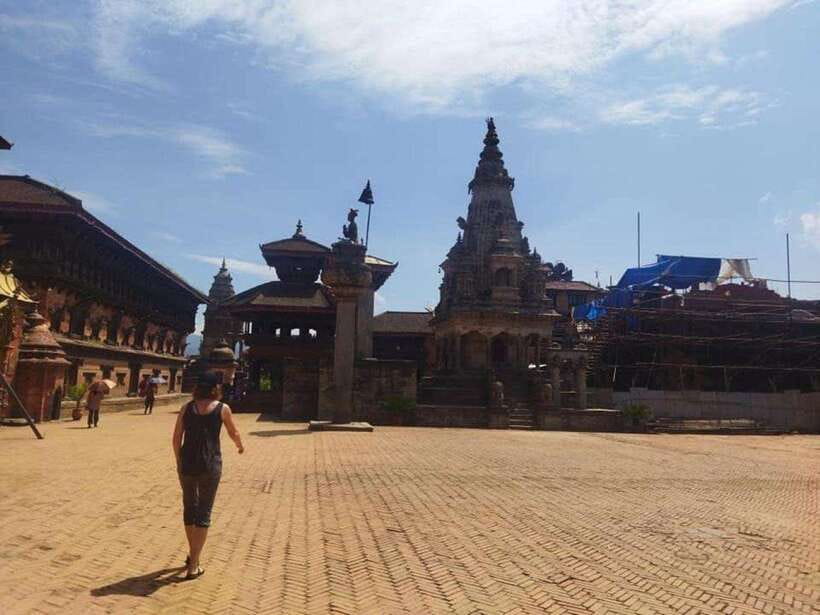
Pashupatinath Temple is dedicated to Lord Shiva and sits beside the Bagmati River. It is one of Nepal’s most important Hindu pilgrimage sites, known for its architecture, ceremonies, and traditional cremations along the riverbank.
This can be the most powerful stop of the day. The setting is not only historic or photogenic. It is an active religious place, and you may see funeral activity, including the movement of a deceased person toward cremation. That can be confronting. You should approach quietly and respectfully, with your camera use guided by local rules and your guide’s advice.
The itinerary gives Pashupatinath a short sightseeing visit, although the listed duration contains an obvious formatting error. The schedule describes a brief stop, not anything close to 40 hours. Because the total tour lasts 12 hours, you should expect limited time here.
I value this stop because it presents religion as part of ordinary life rather than as something sealed inside a monument. At the same time, some people may find the cremation area emotionally difficult. If you want only light sightseeing, tell your guide what level of detail feels comfortable.
Kathmandu Durbar Square in the historic center
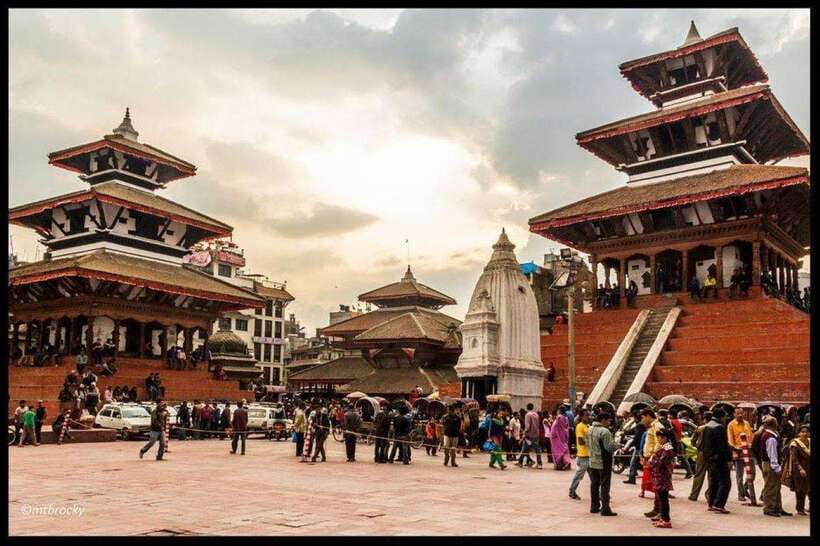
Kathmandu Durbar Square receives about an hour. This was once the royal palace area of the Malla kings and is filled with ancient palaces, courtyards, and temples. It also remains connected to important religious and cultural festivals.
By this stage, you will have seen Bhaktapur and Patan, so the guide’s comparisons become valuable. Kathmandu Durbar Square completes the trio of major royal squares in the valley. Looking at all three in one day gives you a clearer sense of the former city-states and the architectural skill shared across the region.
The stop is also a reminder that these are not simply old ruins. Festivals and religious activity still give the squares meaning. You will have one hour, so concentrate on the central palaces and temples rather than trying to inspect every corner.
Swayambhunath, the Monkey Temple on the hill
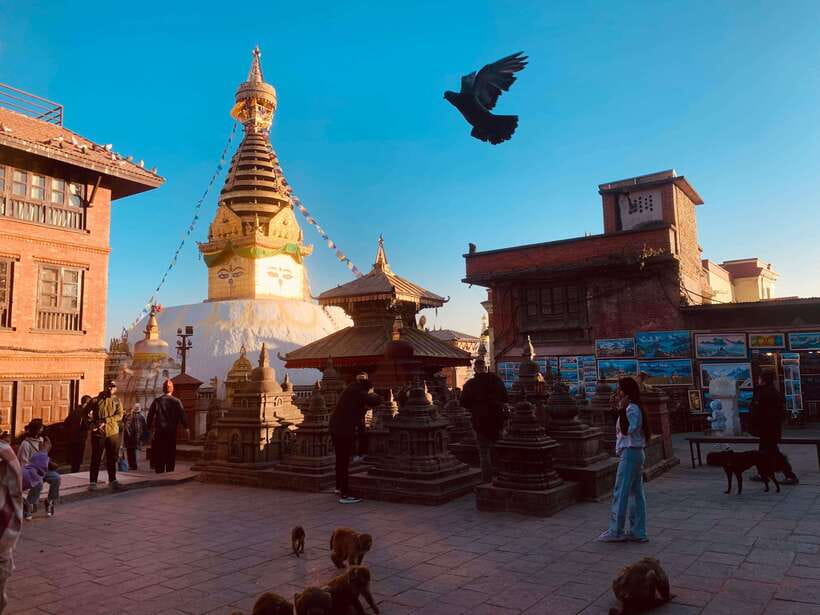
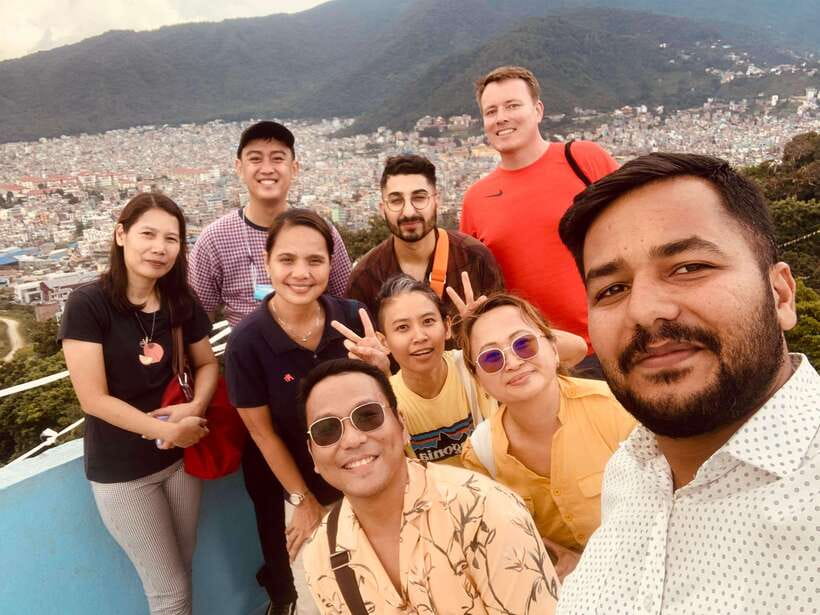
The last major stop is Swayambhunath, also called the Monkey Temple, with about 30 minutes scheduled for sightseeing. The ancient religious complex sits on a hill and is revered by both Buddhists and Hindus. It is known for its stupa, prayer wheels, monkeys, and broad views over Kathmandu.
The hilltop position makes Swayambhunath a fitting final stop. After a day of squares and courtyards, you get another high viewpoint and a final chance to connect religious practice with the geography of the valley.
Thirty minutes is a quick visit. You will not have much time to wander, so follow the guide’s route and save questions for the drive back if needed. The monkeys are part of the site’s character, but the main value is the combination of Buddhist and Hindu importance, hillside setting, and city views.
What the guide adds to the day
A private English-speaking guide is not a minor extra on this route. You are moving through Hindu temples, Buddhist sites, royal squares, festivals, and funeral customs in a single day. The right guide helps you understand what you are seeing and when to step back.
Santosh is one guide associated with the experience. His approach, as described in the supplied information, centers on explaining religion, rituals, and everyday life in conversation. That matters on a day when the most memorable details may not be the largest buildings. A prayer wheel, a festival custom, or a riverside ceremony can carry more meaning when someone explains its place in Nepalese culture.
The guide also gives you a person to ask about sensitive subjects. At Pashupatinath, for example, you may want context before watching funeral rites. At Boudhanath, you may want to understand the Buddhist symbols rather than simply circle the stupa.
The tour is listed as a private group experience, with an air-conditioned private vehicle. The exact group size is not provided, so do not assume it means a car for one person only. Still, private transport should give you more flexibility than a large coach, particularly when you need to cover the hill station and several cities in one day.
Does $172 offer good value?
The price is $172 per person. That is not a budget sightseeing day, but the comparison depends on how much you value private transport and a dedicated guide.
The price includes hotel pickup and drop-off inside Kathmandu Valley, an English-speaking guide, an air-conditioned vehicle, and bottled mineral water. It does not include food, drinks, or entrance fees. UNESCO entrance costs are estimated at about 6,000 Nepalese rupees, so you should add that amount to your planning, along with meals.
I see the strongest value for a first-time visitor with only one full day for the valley’s major sights. Organizing Nagarkot, Changu Narayan, Bhaktapur, Patan, Boudhanath, Pashupatinath, Kathmandu Durbar Square, and Swayambhunath independently would require careful transport planning and a willingness to manage a very long day.
The value is weaker if you already know Kathmandu well or want to spend half a day at one square. This tour is built for breadth. You pay to connect the main sites efficiently, not to linger at each one.
Who should book this 12-hour route?
I would recommend it to a first-time visitor who wants a strong overview of Kathmandu Valley and does not have many spare days. It also suits you if you want cultural explanation, prefer a private vehicle, and are comfortable starting early and staying out most of the day.
It is a good match for anyone curious about both Hindu and Buddhist traditions. The route includes active religious sites, not only monuments, and the guide can help explain local festivals, rituals, food, and daily life.
I would be cautious about booking it if you dislike early mornings, long drives, or tightly timed sightseeing. The itinerary is ambitious. You will see a great deal, but the experience can feel tiring, especially after the sunrise start.
You should also think about your response to Pashupatinath. The possibility of seeing cremation activity is part of the site’s reality, and it may be the moment you remember most. It is not a casual attraction, so approach it with care.
Practical details before you go
Pickup and drop-off are included for hotels inside Kathmandu Valley. The tour lasts 12 hours, but the exact starting time is not specified in the supplied information. Since Nagarkot sunrise comes first, expect an early departure and check the start time before booking.
Free cancellation is available up to 24 hours in advance, and you can reserve now and pay later. Those terms help if your Kathmandu plans may change, but they do not remove the need to budget for entrance tickets, food, and drinks.
Only English is listed as the guide language. The vehicle has air conditioning, which is useful after the cool sunrise and during the warmer, crowded parts of the day. Wear shoes suitable for temple areas and bring clothing that feels respectful at religious sites. The tour data does not specify a dress code, so ask the guide if you are unsure.
Should you book the Nagarkot sunrise UNESCO tour?
Book it if you want maximum coverage in one day, a private car, and a guide who can connect Nepal’s religious life with its architecture and history. The sunrise gives the day a memorable opening, while the seven UNESCO sites provide a serious introduction to Kathmandu Valley.
Do not book it expecting a relaxed pace or guaranteed Everest views. The $172 price becomes more reasonable when you value private transport and interpretation, but you must add roughly 6,000 Nepalese rupees for entrance fees and pay separately for food and drinks.
For a short Nepal visit, this is a practical and unusually broad first look. For a longer stay, I would consider using it as an orientation day, then return independently to the places that deserve more time, especially Bhaktapur, Patan, Boudhanath, or Pashupatinath.
FAQ
How long does the Nagarkot UNESCO tour last?
The tour lasts 12 hours, including the sunrise visit at Nagarkot and sightseeing at seven UNESCO World Heritage sites in Kathmandu Valley.
What time does the tour start?
The exact start time is not provided. Since the tour begins with sunrise at Nagarkot, you should check availability and confirm the departure time before booking.
Is hotel pickup included?
Yes. Pickup and drop-off are included for hotels inside Kathmandu Valley.
Is this a private tour?
Yes. The experience is listed as a private group tour with a private vehicle.
What language does the guide speak?
The live guide speaks English. Santosh is one guide named in the tour information, though the assigned guide may depend on availability.
Are entrance fees included in the price?
No. Entrance fees for the UNESCO sites are separate and cost around 6,000 Nepalese rupees in total, according to the provided information.
Are food and drinks included?
No. Food and drinks are not included. Bottled mineral water is provided.
More Morning in Kathmandu
- Kathmandu: Nagarkot Sunrise and Hike Tour to Changu Narayan
★ 4.7 · 151 reviews - Nagarkot Sunrise & Hike to Changu Narayan Day Tour from Kathmandu
★ 5.0 · 126 reviews - Kathmandu: Nagarkot Sunrise & Hike with Lunch -Private/Group
★ 4.9 · 122 reviews - Nagarkot Sunrise Trip & Day Hike with Lunch from Kathmandu
★ 4.5 · 83 reviews
More Historical Tours in Kathmandu
- Kathmandu Private Sightseeing Tour | UNESCO World Heritage Sites
★ 5.0 · 109 reviews - Kathmandu: Full Day Private Top 4 UNESCO Heritage Tour W/Lunch.
★ 5.0 · 86 reviews - Kathmandu World Heritage Tour
★ 5.0 · 74 reviews - Nagarkot Sunrise & Bhaktapur UNESCO Heritage Private Tour
★ 5.0 · 66 reviews
Recently added around Kathmandu
- Kathmandu Paragliding★ 5.0 · 3 reviews
- Kathmandu Airport Pickup and Drop-off Services★ 5.0 · 3 reviews
- Explore The Beauty Of Langtang Valley In 8-Days Trek★ 5.0 · 3 reviews
- Kathmandu Chandragiri Cable Car and Swayambhunath Private Tour★ 5.0 · 3 reviews
- Kathmandu: Nightlife and Pub Crawl Tour★ 5.0 · 3 reviews
- Mountain Flight Experience in Nepal★ 4.5 · 3 reviews
- Kathmandu: Momo Making Class with a Local Chef★ 5.0 · 3 reviews
- Everest Base Camp Trek★ 5.0 · 3 reviews
Other Nagarkot Sunrise Tours worth a look

Nagarkot Sunrise View and Day Hiking from Kathmandu
Read our review →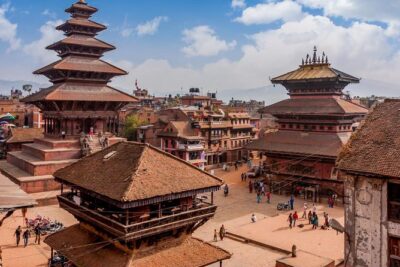
Private Bhaktapur and Nagarkot Day Tour From Kathmandu
Read our review →
Nagarkot Sunrise and Hike Tour to Changu Narayan
Read our review →
Nagarkot Sunrise & Hike to Changu Narayan Day Tour from Kathmandu
Read our review →
Nagarkot Sunrise & Hike with Lunch -Private/Group
Read our review →
Nagarkot Sunrise Trip & Day Hike with Lunch from Kathmandu
Read our review →
Nagarkot Sunrise View & Day Hiking with Lunch – Private/Group
Read our review →This tour also appears in