
REVIEW · POON HILL TREKS
Annapurna Poon Hill Trek Package in Nepal Himalayas
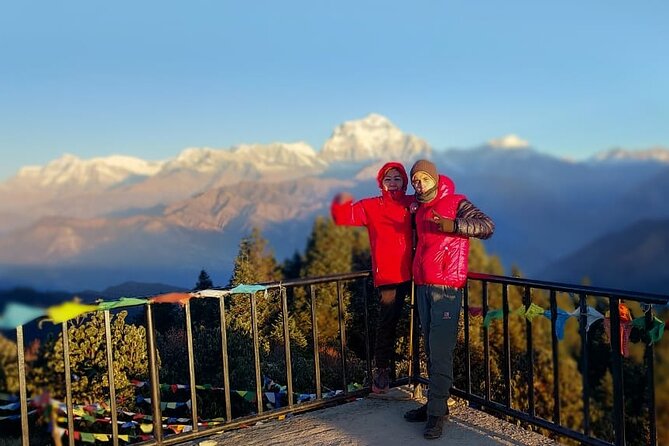
Poon Hill gives you one of Nepal’s finest mountain views without asking you to spend two weeks on the trail. The reward is a sunrise panorama of the Annapurna range, reached after walking through stone villages, rhododendron forest, and mountain foothills. A private licensed guide helps with route finding and safety, while pre-booked lodges keep the logistics simple.
I like the fact that meals, permits, trekking poles, and guide costs are included, since those small pieces quickly become a large planning chore. I also like the use of Pokhara as a comfortable base before and after the trek. The main drawback is the schedule: long road transfers and several demanding walking days leave little spare time, and the route reaches about 3,210 meters, where altitude and weather can affect anyone.
Key points to know before you book
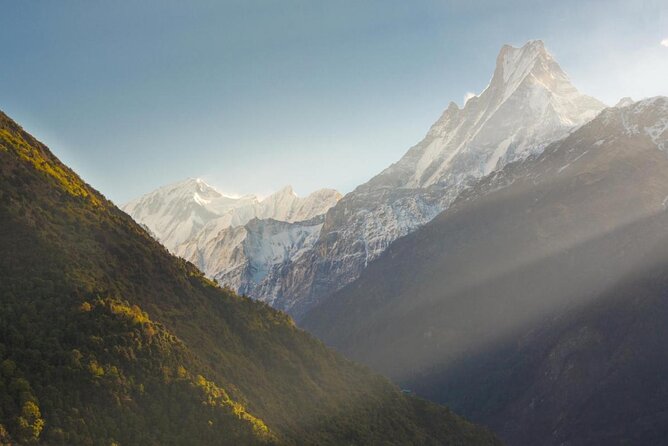
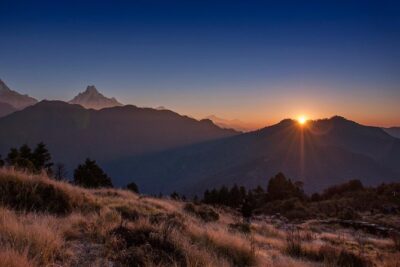
- Sunrise at Poon Hill: You leave early from Ghorepani for the high point, where the Annapurna range and Machapuchare can appear in the morning light.
- Six days door to door: The package combines Kathmandu, Pokhara, four trekking days, and the return journey.
- A private trekking setup: Only your group participates, with bookings capped at 12 people and group discounts available.
- Useful inclusions: A government-licensed guide, permits, TIMS card, first-aid kit, trekking pole, three trekking meals a day, and tea-house lodging are covered.
- A real physical test: The route reaches roughly 3,210 meters, includes steep ascents and descents, and requires you to carry your own main bag.
- Road time matters: The Kathmandu to Pokhara journey takes about six to seven hours by tourist bus, so this is not six full days of walking.
What the $599 price really covers
At $599 per person, this is not simply a guided hike. The price bundles the Kathmandu to Pokhara and Pokhara to Kathmandu journeys, private transfers, two nights in a three-star Pokhara hotel, three nights in tea houses, a licensed guide, food for the guide, permits, taxes, and the main trekking meals.
That package has solid value if you want a ready-made trip. You do not need to arrange a guide, purchase the Annapurna permit and TIMS card, book each lodge, or work out how to reach the trailhead. It also includes the guide’s food, accommodation, insurance, salary, equipment, transportation, and local tax, which is useful because those costs are often easy to overlook.
The price is less attractive if you already have a guide, trekking gear, and a way to arrange local transport. Lunch and dinner in Kathmandu and Pokhara are extra, as are drinks, laundry, personal purchases, tips, travel insurance, and personal trekking equipment. Budget for those costs before you decide that $599 is your full trip price.
The private format adds value for couples, families, and small groups who want their own pace. It does not mean a solo booking gets a private coach or a custom route without discussion. The stated maximum is 12 people per booking, and only your group takes part. A different language besides English costs an extra $100 per group.
More Hiking Tours in Kathmandu
- Everest Base Camp Trek – 14 Days
★ 5.0 · 1,499 reviews - Everest Base Camp Trekking
★ 5.0 · 485 reviews - Nagarkot Sunrise View and Day Hiking from Kathmandu
★ 5.0 · 471 reviews
Day 1: The long road from Kathmandu to Pokhara
Pickup is scheduled for about 7:00 in the morning at your Kathmandu accommodation. The journey to Pokhara takes six to seven hours by tourist bus along the Prithvi Highway, although the full day is described as lasting about 12 hours once local stops and activities are included.
This is a travel day, not a gentle introduction to trekking. You pass through rural areas and local villages, then reach Pokhara, Nepal’s best-known starting point for treks in the Annapurna area. The plan includes time around Phewa Tal, with Pokhara Lakeside and Begnas Lake also listed among the places connected to the day.
Phewa Tal gives you the classic Pokhara setting: water, foothills, and a more relaxed feel than Kathmandu. Lakeside is handy for a walk, a meal you pay for yourself, or last-minute supplies. Begnas Lake is quieter than the main lakeside area, but the exact timing of these stops should be confirmed before departure because a six to seven-hour road journey leaves limited daylight.
The accommodation in Pokhara is a three-star hotel for two nights. That matters. You get a proper bed and a chance to organize your pack before the trail, then return to a hotel after the trek rather than going straight from a mountain lodge into another long transfer.
Day 2: Ulleri and the first serious climb
The second day begins with about an hour of driving to Nayapul, the trail starting point. From there, the route reaches Birethanti after roughly 20 minutes, then continues toward Ulleri.
The opening walking section lets you shift from road travel to mountain walking. The route includes a climb toward Ulleri, and the supplied schedule also mentions a best viewpoint and the Peace Temple. Since the itinerary wording places several stops together, ask the operator to confirm whether the Peace Temple is part of your exact route or a nearby sightseeing stop connected with Pokhara.
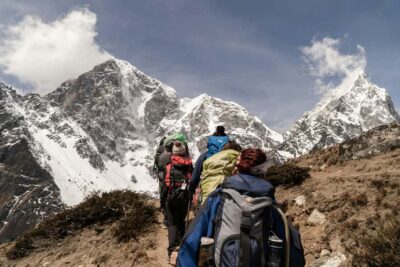
Ulleri is important because this is where the trek begins to feel like a proper mountain route. The day is not just a scenic stroll. Expect stairs, uphill sections, and a gradual change from lower foothills to higher villages. A trekking pole is included, and you should use it. It helps on stone steps and takes pressure off your knees during the return.
The private guide is particularly useful here. A guide can help keep the group together, point out rest opportunities, and explain how hard to push early in the trip. The package says the guides have basic first-aid training and know the closest medical facilities. That is reassuring, but it does not replace travel insurance or a sensible pace.
Day 3: Ghorepani, rhododendrons, and rising altitude
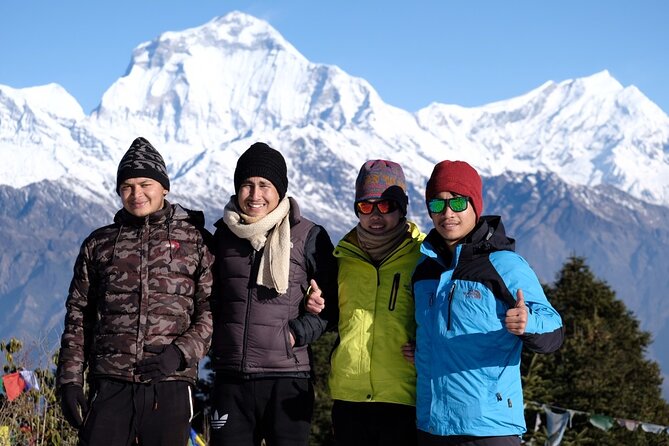
After breakfast at about 8:00 in the morning, you continue to Ghorepani. The route rises around 1,000 meters, with a stated walking time of about three hours from Ulleri to Nangethanti before continuing onward.
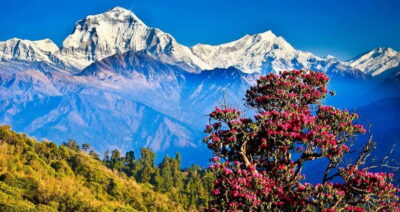
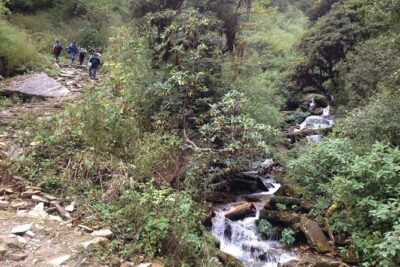
This is one of the days when the scenery begins to justify the effort. The trail passes through rhododendron forest, and the route leads toward the higher stone villages that give the Poon Hill trek its character. The Annapurna range comes into view, with Machapuchare listed as a separate viewpoint stop.
The mountain views are weather dependent. Clear morning air can give you sharp white peaks, while cloud can hide much of the range. That is normal in the Himalayas, not a failure of the tour. The early start to Poon Hill the next morning improves your odds of seeing the mountains before clouds build, but there is no guarantee.
Ghorepani is the key overnight stop because it puts you near the sunrise viewpoint. You should expect a simple tea-house stay rather than resort comfort. Tea houses are practical mountain lodges with basic rooms and shared facilities in many trekking areas, although the exact room setup is not specified here.
At this altitude, pay attention to how you feel. The highest point is about 3,210 meters, and altitude sickness can affect people regardless of age, gender, or fitness. Headache, nausea, unusual tiredness, or breathing trouble should not be brushed aside. Tell your guide quickly and follow medical advice.
More Poon Hill Treks in Kathmandu
- 4 Days Poon Hill Trek
★ 5.0 · 94 reviews - Ghorepani(Poonhill Trek)
★ 5.0 · 81 reviews - 4-day Poon Hill Trek
★ 5.0 · 74 reviews - Ghorepani Poon Hill Trek
★ 5.0 · 61 reviews
Day 4: Poon Hill before sunrise, then on to Ghandruk
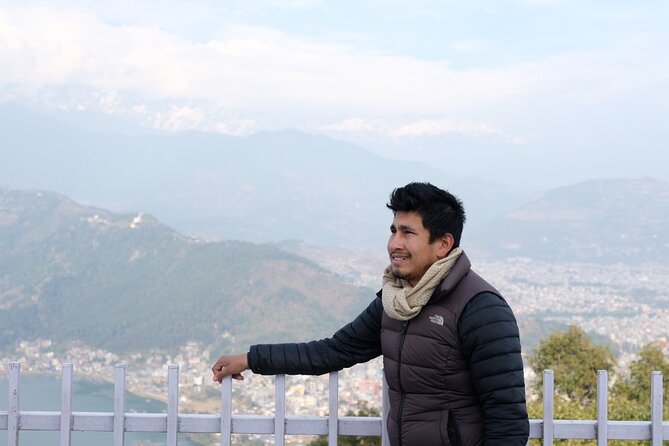
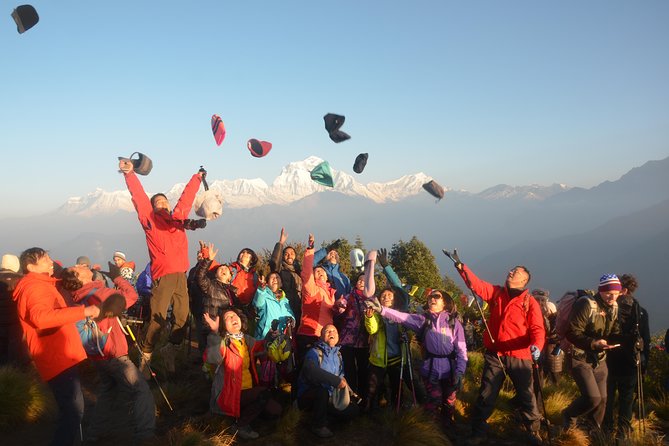
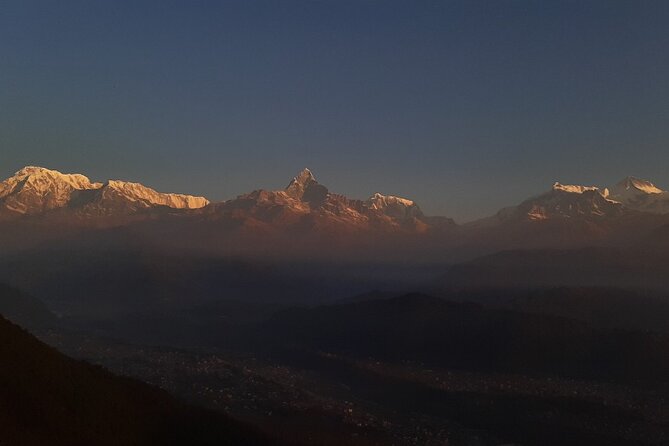
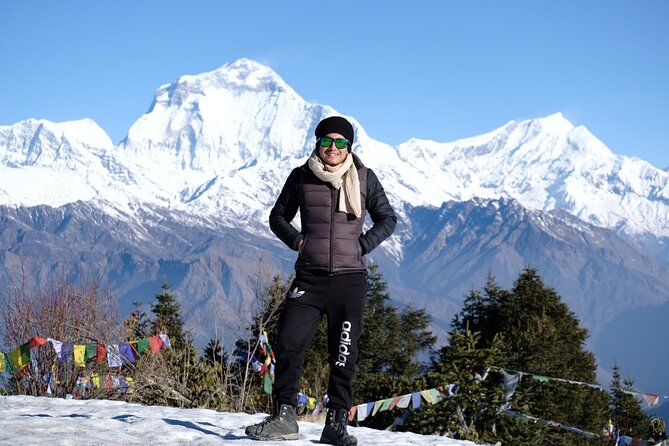
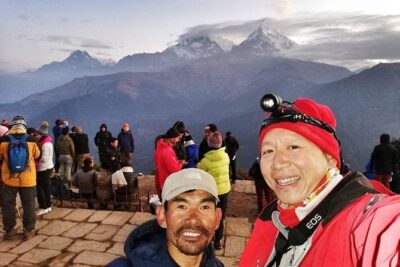
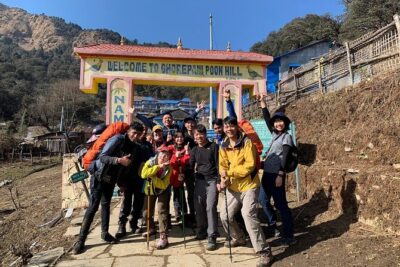
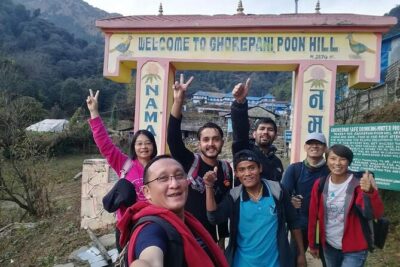
The early morning climb to Poon Hill is the central event of the trip. You leave before sunrise so you can reach the viewpoint in time for the first light over the Annapurna chain.
The walk takes about three hours in the schedule, and the viewpoint is the place for broad views of the white peaks. Annapurna is the headline, but Machapuchare is also singled out for its distinctive mountain profile. Bring warm layers, a headlamp, gloves, and a hat. These personal items are not listed as included, and the pre-dawn air at altitude can be cold even when the afternoon feels mild.
The sunrise stop is worth treating as a mountain experience, not a guaranteed photo session. Clouds, wind, and visibility control the result. You may get a clean view, a partial view, or a dramatic sky with only brief glimpses of the peaks. The guide’s job is to get you there safely and help with the route, not control the weather.
After Poon Hill, the route continues toward Ghandruk, described as the overnight village. Ghandruk is one of the most appealing stops on this route because it is a traditional mountain settlement with stone buildings and strong views around the Annapurna region. The day is listed as lasting about 12 hours, so do not treat the sunrise hike as the whole day. You need enough fitness and patience for a long mountain day after an early wake-up.
This is probably the most demanding day in the package. The morning climb is followed by more trail time, and tired legs can make descents feel harder than climbs. Keep your day pack light, drink regularly, and do not race the guide or other members of your group.
Day 5: Down to Nayapul, then back to Pokhara
After breakfast, you begin the descent to Nayapul. The walking section is described as about two hours straight downhill, followed by a vehicle transfer to Pokhara.
A downhill finish sounds easy, but steep steps and uneven trail can be tough on knees and ankles. Trekking poles are useful again. Good shoes matter more here than fancy clothing, and personal trekking equipment is not included, so you need to bring footwear and clothing suited to mountain conditions.
Returning to Pokhara gives you a welcome change of pace. You spend the night in a three-star hotel, allowing time to wash clothes, repack, and enjoy a meal that is not served in a tea house. Lunch and dinner in Pokhara are not included, so you can choose and pay for those yourself.
The transfer details deserve a quick check. The package includes private-car transfers as well as tourist-bus travel between Kathmandu and Pokhara. The described return from Nayapul uses a car, while the longer Pokhara to Kathmandu journey is by tourist bus. Confirm pickup points and departure times so you know when the comfortable hotel night ends.
Day 6: Returning to Kathmandu
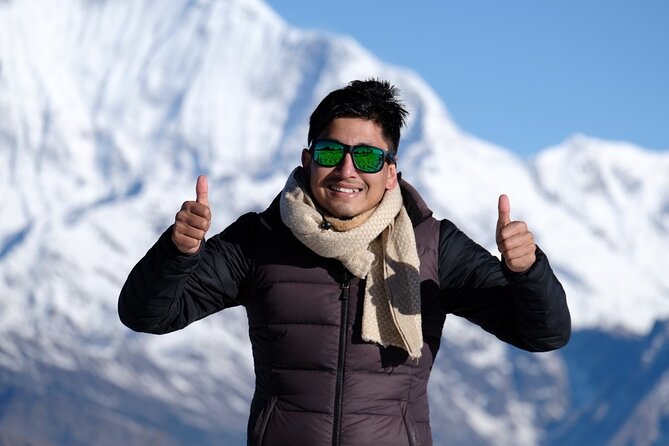
The final day takes you from Pokhara back to Kathmandu. The package describes the trip as ending with a transfer to your accommodation, followed by an evening dinner with a cultural show.
The return road journey can take much of the day. Build in patience, especially if you have an onward flight soon after the trek. The plan also lists a Buddhist site, an old royal place, and a quiet place in Kathmandu, but it does not provide enough detail to know how much time is allocated to each or whether they are fixed stops.
That lack of detail is one area where you should ask questions before booking. The core trek is clear, but the Kathmandu sightseeing portion is less specific than the mountain route. Treat it as an added evening program rather than the main reason to choose this package.
Lodges, food, and what you carry
Three nights are spent in tea houses during the trek, with two hotel nights in Pokhara. Breakfast, lunch, and dinner are included while trekking. The listed totals are five breakfasts, four lunches, and four dinners, which fit a trip with hotel and trekking nights, though meal timing can depend on the road and walking schedule.
You should expect practical food rather than fine dining. The important benefit is that meals are arranged along the trail, where choices can be limited and carrying your own food for every meal would be a nuisance. Drinks are not clearly included for you, so plan to pay for bottled water, hot drinks, or other beverages.
You are expected to carry your own luggage, with a recommended maximum of 22 pounds, or 10 kilograms. Pack lightly. Extra luggage can be left at your Kathmandu or Pokhara hotel and collected after the trek, which makes it easier to take only what you need on the trail.
Bring your own clothing, footwear, personal medication, and other trekking equipment. The operator supplies a first-aid kit and trekking pole, but personal gear remains your responsibility.
Safety, insurance, and the altitude question
The maximum altitude is about 3,210 meters, or 10,530 feet. That is high enough to require care, even though this is a shorter trek and not one of Nepal’s most extreme routes.
Medical and emergency repatriation cover is required, and you must be able to show proof of travel insurance to the tour leader on the first day. This is not an optional extra. Your policy should specifically cover trekking at the stated altitude and emergency evacuation if needed.
The package includes a government-licensed private guide, guide insurance, a first-aid kit, and trekking poles. The guides have basic first-aid training and know the nearest medical facilities. Those safeguards are useful, but you still need to tell the guide if you feel unwell and avoid treating a serious symptom as ordinary tiredness.
The stated minimum age is five, and most people can take part. That does not mean the route is easy for every five-year-old or every older adult. A demanding uphill walk, a pre-dawn start, a long day to Ghandruk, and steep descent all require a realistic fitness check.
Who will get the most from this trek
I would recommend this trip to you if you want a first Himalayan trek with the main planning handled for you. It suits people who value a private group, included meals, arranged accommodation, and a guide who can manage permits and trail logistics.
It is also a good fit if you have limited time. Six days is short for Nepal, but the route still gives you Pokhara, mountain villages, forest, high views, and the Poon Hill sunrise. The tradeoff is that road transfers take up a large share of the schedule.
Families can consider it because the minimum age is five and the private format allows more control than a large shared departure. Still, children need to be ready for long walking days and changing weather. The same caution applies to anyone with limited mountain experience.
I would hesitate if you want a slow schedule, private rooms with hotel-style facilities every night, or several spare days for weather delays. I would also hesitate if your medical or insurance arrangements do not cover high-altitude trekking.
Booking details worth checking
Confirmation is provided at booking, and free cancellation is available up to 24 hours before the experience starts. Within 24 hours, the payment is not refunded, and changes are not accepted. Cutoff times use local Nepal time.
Visa arrangements are your responsibility. A visa can be obtained from an embassy abroad or on arrival at Tribhuvan International Airport in Kathmandu. For a multi-entry visa on arrival, you should be prepared for lines, two passport photos, and the stated US dollar fees: $25 for 15 days, $40 for 30 days, or $100 for 90 days.
Service animals are allowed, and the activity is near public transportation. The tour is private for your group, with a maximum booking size of 12. Some sites on the wider sightseeing program may still show damage from the 2015 earthquakes, so ask which stops remain on the current route.
Should you book the Annapurna Poon Hill trek?
Book it if you want a short, organized introduction to the Annapurna region and like knowing that your guide, meals, lodging, permits, poles, and major transfers are already arranged. The strongest part is the combination of a sunrise at Poon Hill, the village stay in Ghandruk, and a private guide who can help you manage the trail.
Think twice if you dislike long bus rides, early starts, basic tea-house lodging, or steep walking. At $599, the package offers good convenience, but you still need money for personal gear, drinks, meals in Kathmandu and Pokhara, tips, insurance, and shopping. Ask for the exact daily walking times, hotel names, tea-house standards, and Kathmandu sightseeing plan before paying. If those details match your expectations, this is a practical way to reach Poon Hill without turning trip planning into a second job.
FAQ
How long is the Annapurna Poon Hill trek package?
The package lasts approximately six days. It includes travel from Kathmandu to Pokhara, four days connected with the trek, and the return journey to Kathmandu.
What is the highest altitude on the trek?
The route reaches approximately 3,210 meters, or 10,530 feet, above sea level.
Is transportation from Kathmandu included?
Yes. The package includes transport from Kathmandu to Pokhara and back by tourist bus, along with private-car transfers for the trail sections and other listed transfers.
Are meals included?
Breakfast, lunch, and dinner are included while you are trekking. Lunch and dinner in Kathmandu and Pokhara are not included.
Where do you sleep during the trip?
You receive two nights in a three-star hotel in Pokhara and three nights in tea houses during the trek.
Is a trekking guide included?
Yes. A government-licensed private trekking guide is included, along with the guide’s food, drinks, accommodation, insurance, salary, equipment, transportation, and local tax. One guide named in the available feedback is Santosh, but assignments can vary.
Are trekking permits included?
Yes. The Annapurna trekking permit and TIMS card are included, along with government taxes, VAT, and service charges.
Is travel insurance required?
Yes. Insurance covering medical expenses and emergency repatriation is required. You must show proof of insurance to the tour leader on the first day.
How much luggage can you bring?
You are expected to carry your own luggage, and the recommended maximum is 22 pounds, or 10 kilograms. Extra luggage can be left at a Kathmandu or Pokhara hotel and collected later.
Can children join the trek?
The stated minimum age is five years. The route still includes demanding altitude, uphill walking, a pre-dawn climb, and long trekking days, so you should judge whether the itinerary suits each child.
What happens if you cancel?
You can receive a full refund if you cancel at least 24 hours before the experience starts. Cancellations or changes made within 24 hours are not accepted for a refund.
More trekking packages from Kathmandu
- Poon Hill Trek package
★ 5.0 · 27 reviews - 4-Day Private Poon Hill Trekking Tour
★ 5.0 · 58 reviews - 2-Day Private Trekking Tour to Australian Camp & Dhampus
★ 5.0 · 42 reviews - 1-Day Private Dhampus Trekking Tour
★ 5.0 · 35 reviews
Recently added around Kathmandu
- Kathmandu Paragliding★ 5.0 · 3 reviews
- Kathmandu Airport Pickup and Drop-off Services★ 5.0 · 3 reviews
- Kathmandu Chandragiri Cable Car and Swayambhunath Private Tour★ 5.0 · 3 reviews
- Explore The Beauty Of Langtang Valley In 8-Days Trek★ 5.0 · 3 reviews
- Kathmandu: Nightlife and Pub Crawl Tour★ 5.0 · 3 reviews
- Mountain Flight Experience in Nepal★ 4.5 · 3 reviews
- Kathmandu: Momo Making Class with a Local Chef★ 5.0 · 3 reviews
- Everest Base Camp Trek★ 5.0 · 3 reviews
Other Poon Hill Treks worth a look
4-Day Ghorepani, Poonhill & Ghandruk Mountain Trek
Read our review →
This tour also appears in