REVIEW · POON HILL TREKS
Pokhara: 4-Day Ghorepani, Poonhill & Ghandruk Mountain Trek
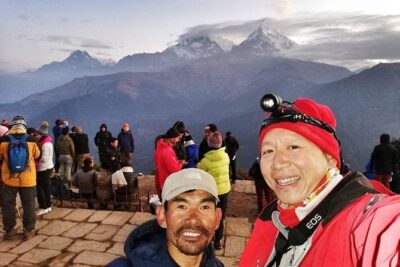
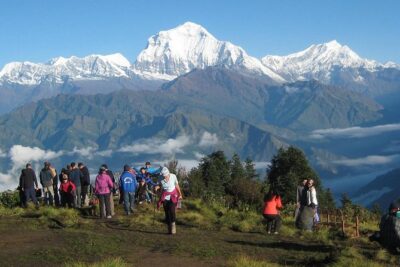
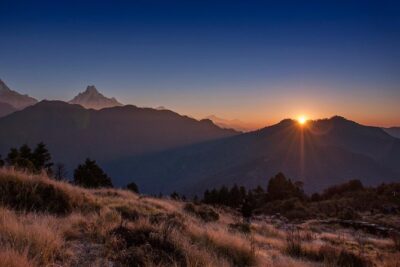
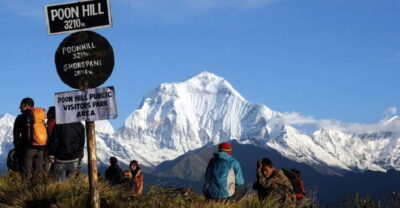
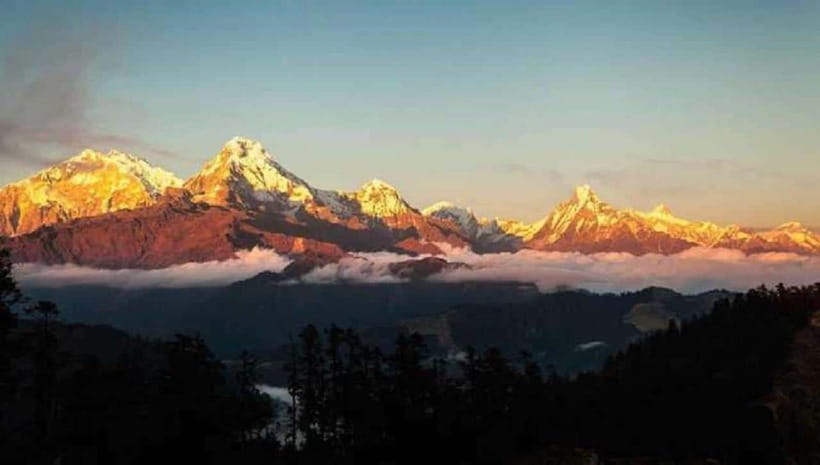
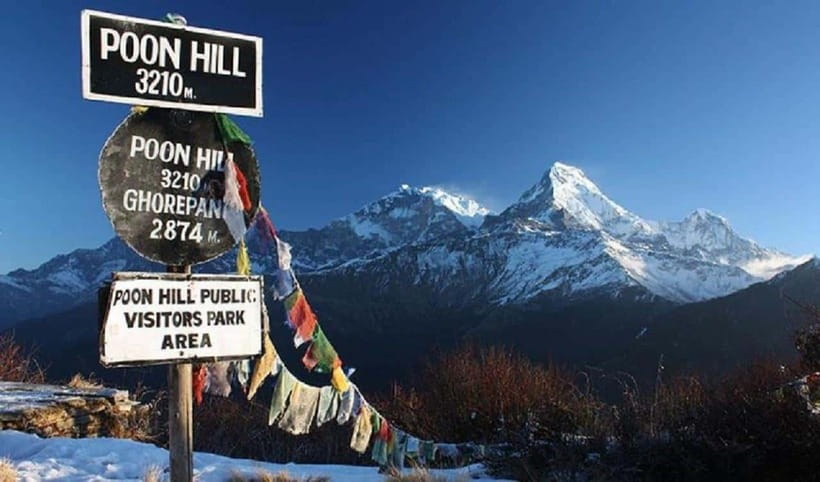
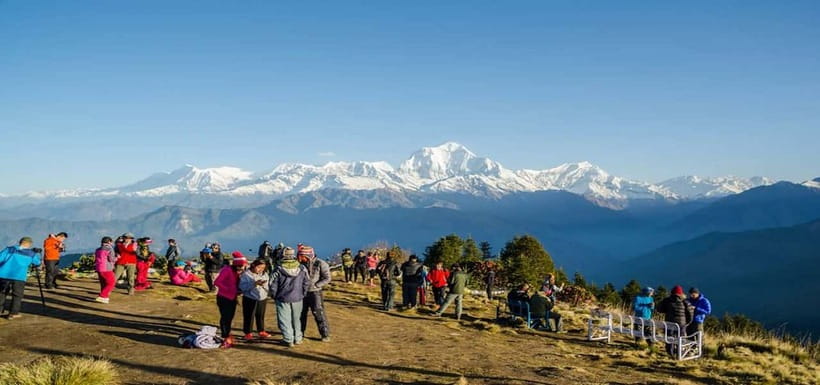
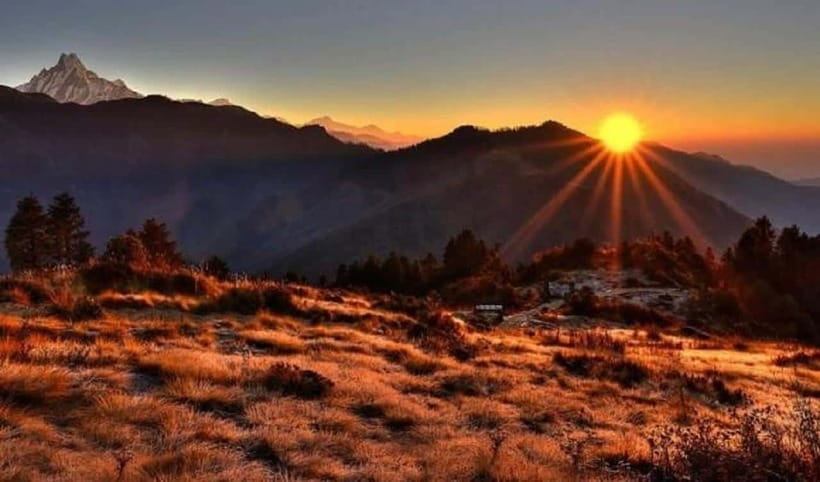
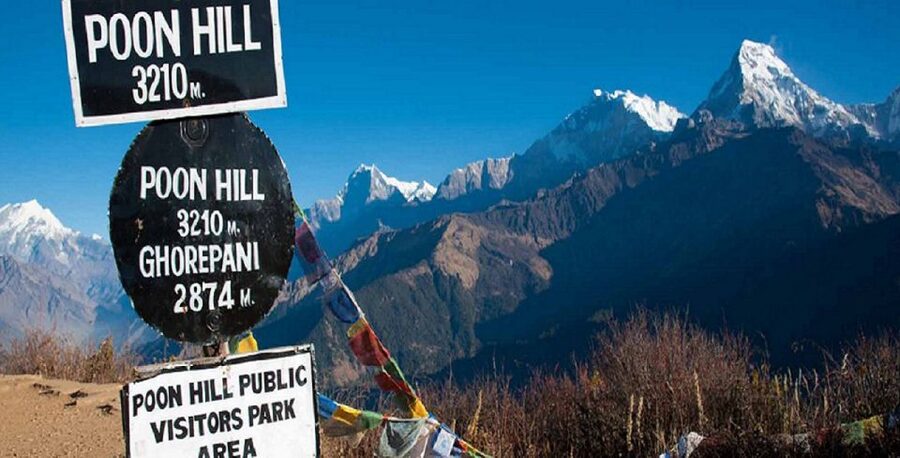
The best moment comes before breakfast on day three, when you climb to Poon Hill for sunrise. At roughly 3,210 meters, the lookout opens toward the Annapurna and Dhaulagiri ranges, and the first light turns the snowy peaks gold. It is a simple scene, but a memorable one.
I like two things here: the route gives you a real taste of Himalayan village life without requiring a long expedition, and your guide handles permits, lodging, meals, transport, and pacing. You also get time in Ghandruk, a Gurung village where the trek feels more connected to local life than a quick mountain viewpoint visit.
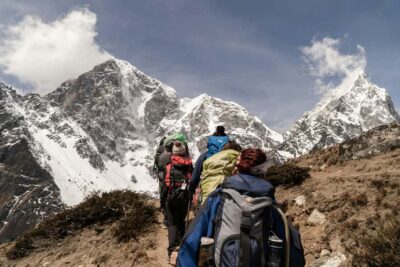
The trade-off is the effort. Four to seven hours of walking per day, steep stone steps, cold nights, and an early morning climb make this more than a gentle sightseeing trip. The tea houses are clean and comfortable but basic, and mountain views depend on weather.
Key points at a glance
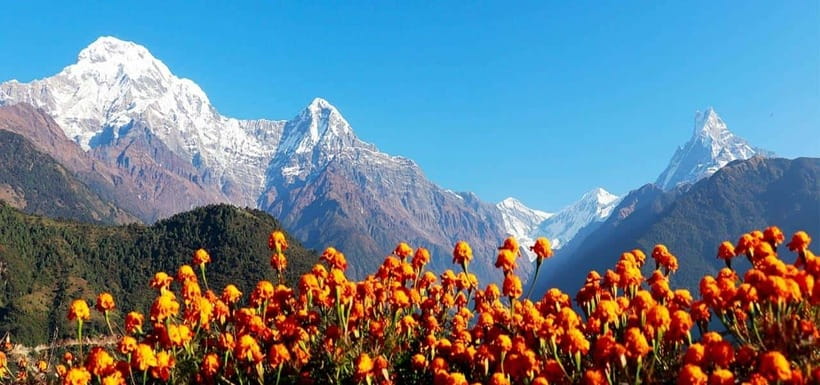
- Poon Hill sunrise: Leave early on day three for a one-hour climb to one of the Annapurna region’s finest sunrise viewpoints.
- A practical first Himalayan trek: The four-day route offers a manageable introduction for fit beginners without committing to a longer high-altitude journey.
- Gurung and Magar culture: Stay in Ulleri and Ghandruk, with time to see village life and learn about local customs from your guide.
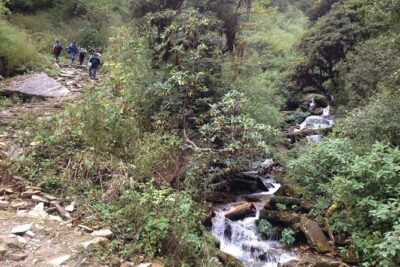
- Rhododendron forest trails: The path passes through forested sections, villages, waterfalls, valleys, and mountain viewpoints.
- Private, guided format: Pickup is available from Pokhara, Lakeside, Sarangkot, and Pokhara International Airport, with a guide assigned to your group.
- Good value at $181: The price covers transport, permits, guide costs, tea house accommodation, and meals when that option is selected.
What this four-day route really offers
The Ghorepani, Poon Hill, and Ghandruk circuit is one of the most approachable ways to experience the Annapurna region from Pokhara. You do not need a two-week schedule or a technical climbing background, but you do need to be ready for sustained uphill walking and long descents.
I see this as a mountain walk with three equal parts. First comes the physical challenge, especially the stone steps near Ulleri. Then comes the mountain scenery, with the best payoff at Poon Hill. Finally, there is the cultural side, found in the Magar and Gurung villages and in the evenings spent at simple lodges with hot food and, sometimes, a wood fire.
The tour is offered as a private group. That matters because your guide can adjust the pace for your party instead of forcing everyone to keep up with a large group. Several people on mixed-fitness trips found this especially useful, with guides slowing down, allowing rest, and helping participants who felt unwell.
The price is $181 per person. For a four-day trip, that is strong value if your chosen option includes meals. You are paying not only for a guide, but also for permits, transport to and from the trail, three nights of lodge accommodation, guide expenses, luggage storage in Pokhara, trekking poles and sleeping bags when needed, and a first aid kit. A porter costs an additional $20 per day if you do not want to carry your own bag.
More Hiking Tours in Pokhara
- Poon hill Trek 3 days
★ 5.0 · 176 reviews - Trekking in Annapurna/Langtang/Everest/Upper Mustang regions
★ 5.0 · 161 reviews - Ghorepani – Poon Hill Trek 3N-4D
★ 5.0 · 125 reviews
Day one: Pokhara to Nayapool and the climb to Ulleri
The day begins with breakfast at your Pokhara hotel and a drive of about one hour to Nayapool. Pickup is available from many Lakeside and Sarangkot hotels, selected resorts, and Pokhara International Airport. The company confirms the time after booking, and the guide and car are scheduled to arrive five minutes early with your name and booking details.
Nayapool is the practical starting point rather than a major sight. You have about ten minutes for a break, photographs, and final preparations before walking. This is a good place to check your shoelaces, water, rain layer, and daypack. Once you start climbing, you will not want to discover that something is packed at the bottom of your bag.
The hike to Ulleri takes about five to six hours. The route passes through rural scenery and local settlements, with the walking becoming more demanding as you gain height. Ulleri is associated with the Magar community, and staying there gives you a first taste of village hospitality rather than simply passing through by vehicle.
This is likely to be your toughest-feeling day at the start of the trip. You are still getting used to the altitude, the rhythm of walking, and the stone trail. The itinerary describes the hike as gentle in places, but do not mistake that for easy. A reasonable fitness level is important, and the guide can help set a sensible pace.
Your reward is an evening in the hills, often with wide views from the lodge area. Accommodation is in a simple tea house or lodge. Rooms are basic, and the cold can be noticeable after sunset, so warm clothing and a sleeping bag are worth taking even when daytime weather feels mild.
Day two: Rhododendron forests on the way to Ghorepani
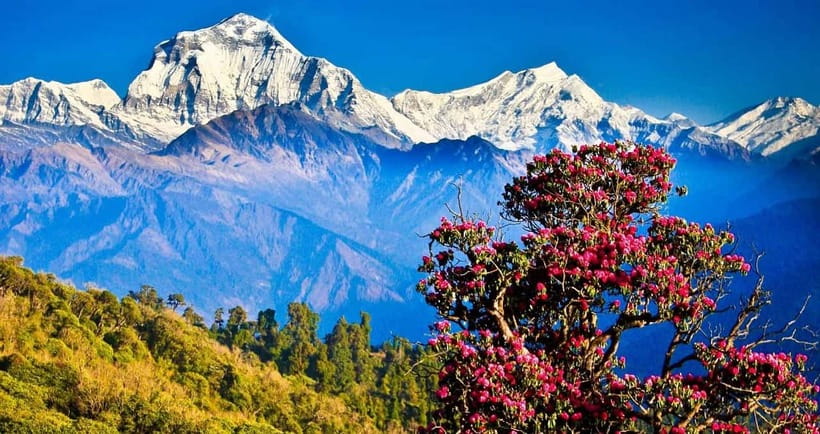
After breakfast, you walk for roughly four to five hours toward Ghorepani. The route passes through rhododendron forest and small villages, with mountain views appearing between the trees. In the right season, the flowers add color to the trail, but the forest is worthwhile even when it is not in bloom.
Lunch is planned at Nangethati. This kind of stop is one of the quiet pleasures of a tea house trek. You are not carrying several days of food, and you can settle into a warm meal before continuing uphill. Meals are covered only if you select the package that includes them, so check your booking choice carefully.
The walk may also bring sightings of Himalayan wildlife. Monkeys have been seen along the route, and one trekker reported seeing lemurs. Wildlife is never guaranteed, so treat any sighting as a bonus rather than a promised feature.
Ghorepani is the key overnight stop before Poon Hill. The village has a busy trekking role, and it can feel more active than Ulleri or Ghandruk. Your guide will arrange the lodge and help with food ordering. Several guides are praised for choosing rooms with good views, though room quality and views can vary between lodges and according to availability.
This is also the night to prepare for the next morning. Set out your warm layers, headlamp if you have one, camera, and water. The Poon Hill walk begins early, often around 4 a.m. according to the practical experiences shared by people on the route. You will be tired, but the early start is the price of seeing sunrise from the ridge.
Day three: Poon Hill sunrise and the long walk to Ghandruk
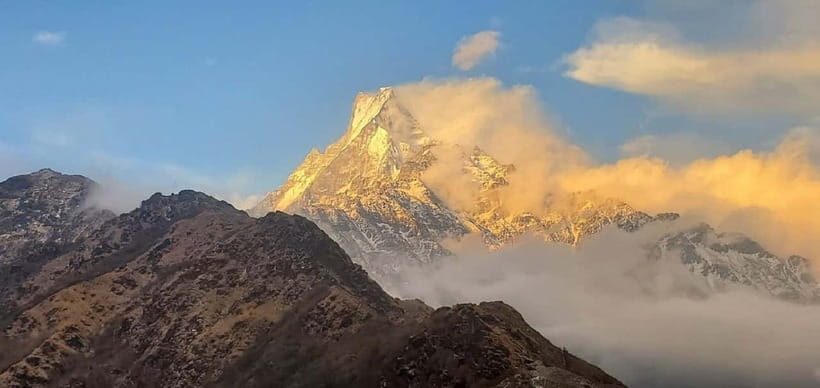
Day three is the heart of the trek. You leave Ghorepani in the dark and walk for about an hour to Poon Hill. The climb is short compared with the rest of the day, but the cold and darkness make it feel serious. Good shoes, warm layers, and a steady pace help.
At the viewpoint, you look toward the Annapurna and Dhaulagiri mountain ranges. Clear mornings bring the strongest views, with sunlight gradually reaching the snowy peaks. Clouds can obscure the panorama, especially outside the best weather windows, so keep your expectations flexible. Even with imperfect visibility, the quiet morning and changing light can make the climb worthwhile.
Return to the lodge for breakfast before setting out again. This arrangement is sensible. You get the viewpoint without carrying all your overnight gear, and you can eat properly before the longest walking day.
The route then continues through Tadapani toward Ghandruk. The day is listed at about seven hours, making it the most demanding section for many people. You will trade the high viewpoint for forest trails, village paths, and changing mountain views. Your guide’s role matters here, especially when a group has different walking speeds.
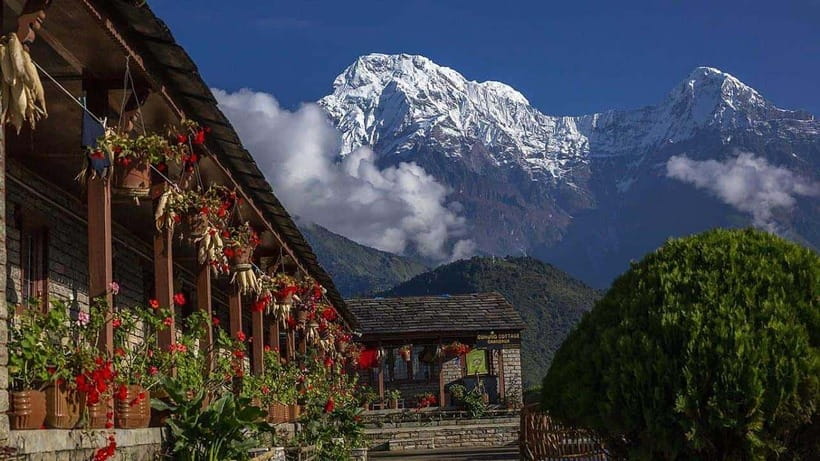
Ghandruk is one of the most rewarding stops because it adds a clear cultural dimension to the route. It is a Gurung village with traditional customs and a strong connection to the surrounding mountains. You have the rest of the day to walk around, see the village atmosphere, and learn about local life from your guide.
The lodge stay in Ghandruk is still simple, but several people found the rooms comfortable and the food satisfying. Hot showers are available at some tea houses, though you should not assume the same facilities at every stop. Evenings can be cold, and a warm meal beside a wood fire is part of the appeal.
More Poon Hill Treks in Pokhara
- From Pokhara: 3-Day Ghorepani Poon Hill Trek with Guide
★ 4.9 · 68 reviews - 4-Day Private Poon Hill Trekking Tour
★ 5.0 · 58 reviews - Pokhara: 3-Day Ghorephani and Poon Hill Private Trek
★ 5.0 · 58 reviews - Pokhara: 2-Day Ghorephani and Poon Hill Private Trek
★ 4.6 · 50 reviews
Day four: Ghandruk descent and the return to Pokhara
After a traditional Gurung breakfast, you descend from Ghandruk to Nayapool. The walk takes about four hours, followed by a drive of roughly one hour back to Pokhara.
Descending is easier on your breathing but can be hard on knees and thighs. Trekking poles are useful here, and poles are included when needed. Take care on uneven stones, particularly if the trail is wet.
The final walking day gives you time to reflect on how quickly the scenery changes. You leave the higher villages and return toward the road, then switch from walking to a comfortable vehicle. The company provides return transport to your hotel or another listed drop-off point, including Pokhara Lakeside, Sarangkot, and Pokhara International Airport.
Luggage storage in Pokhara is another useful touch. You can leave larger bags behind and carry only what you need for four days. Keep valuables and essential documents with you, and bring cash for snacks, drinks, and personal costs along the trail.
Tea houses, meals, and comfort on the trail
Tea house accommodation is part of the character of this trek, but you should understand what you are booking. These are simple lodges, not full-service mountain hotels. Rooms are basic, and some nights can be cold, though blankets and covers are provided.
The most useful comfort upgrade is a sleeping bag. It is listed among the gear available as needed, and it is also recommended in the preparation notes. Several people found their sleeping bags helpful in late November and other cold periods.
Food is a real strength of the route when meals are included. The package covers meals throughout the trek depending on the option selected, and guides help with ordering. Dal bhat is the classic choice, but tea houses also serve a range of familiar and local dishes. After several hours of walking, a hot, filling meal matters more than a long menu.
Personal snacks and drinks are not included. Carry cash for these, since the tour specifically lists personal expenses as extra. You should also bring a water bottle, though the supplied information does not specify water refill arrangements.
The guides are a major part of the experience
The company provides a certified guide who can speak English, Hindi, or Nepali. The guide is not just there to lead the path. A good one explains the mountains, local culture, food, and village life, while also watching your pace and general condition.
Several guides receive especially strong praise in the supplied feedback. Jeet Bahadur Nepali is repeatedly described as cheerful, supportive, and fun, with a knack for keeping beginners comfortable. Santosh is praised for adjusting the walking pace, explaining local life, and helping with lodge arrangements. Tanka is noted for choosing good places to stay and managing groups with mixed fitness.
Chandra is another frequently requested guide, valued for local information and careful planning. Bala is described as especially warm and attentive, while Purushottam is noted for clear English and calm help during a medical problem. These names give you useful options, but guide assignment depends on availability. You can ask the company if a particular guide is important to you.
The private format also helps if your group includes first-time hikers. Guides have helped people who were unfit, tired, or unwell, but support does not remove the physical demands. You still need to arrive in reasonable health and tell the guide early if you are struggling.
Best time, weather, and what to pack
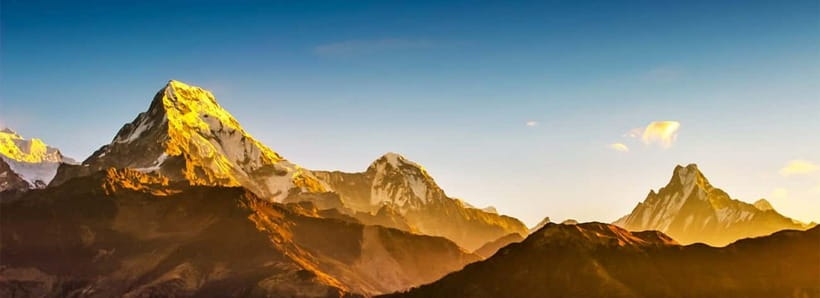
Clear mornings are the priority because Poon Hill is about sunrise and mountain visibility. Autumn and spring are generally popular trekking periods, while winter can bring cold nights. The supplied experiences include clear December mornings but also poor visibility in April and wet weather in August, so no season guarantees a perfect view.
Bring:
- Passport or ID for permits
- Warm clothing and a sleeping bag
- Hiking shoes and comfortable walking clothes
- Sun hat
- Camera
- Cash for personal expenses
- Travel insurance
- A copy of your passport submitted at least one day before departure
Travel insurance is mandatory. Emergency rescue services are available if needed, but rescue costs are not included. This is important on any mountain route, even one considered suitable for beginners.
You should also prepare for the 4 a.m. start at Poon Hill. A headlamp is not listed as required, so confirm whether the guide supplies one or bring your own. Keep your warmest layer near the top of your bag, not buried under spare clothes.
Who should book this trek?
I would recommend this route to you if you have four days, want real mountain walking, and prefer a guide to handle the practical details. It is particularly well suited to first-time trekkers who want a challenge without signing up for a much longer Himalayan route.
It also works for couples, families with suitable fitness, and small groups with different walking speeds. The private arrangement lets the guide adapt the day, and the included transport makes the trip easy to add before or after a stay in Pokhara.
I would think twice if you dislike early mornings, steep steps, basic rooms, cold nights, or long days on your feet. The route is often described as manageable, but it is not effortless. Poor weather can also reduce the mountain views, and the sunrise payoff is never guaranteed.
Should you book the Ghorepani and Poon Hill trek?
Book it if you want a compact Annapurna experience with strong scenery, village stays, and reliable help from a guide. At $181 per person, the package offers good value when meals are included, especially because permits, transport, guide costs, storage, and basic gear are handled for you.
Before paying, confirm the meal option, porter requirement, pickup time, sleeping bag arrangements, and guide availability. If you are prepared for the physical work and the simple lodges, this is one of the most efficient ways to turn a Pokhara stay into a genuine Himalayan adventure.
FAQ
How long is the Ghorepani, Poon Hill, and Ghandruk trek?
The trek lasts four days and includes three nights of accommodation in tea houses or lodges.
What places does the route visit?
The route travels from Pokhara to Nayapool, then continues to Ulleri, Ghorepani, Poon Hill, and Ghandruk before returning through Nayapool to Pokhara.
How long do I walk each day?
Walking times range from about four to seven hours per day. The longest listed day is the trek from the Poon Hill area through Tadapani to Ghandruk, at about seven hours.
Is transportation included?
Yes. Round-trip transportation is provided between your hotel, Pokhara International Airport, and the trek starting point. The listed drives take about one hour each way.
Is accommodation included?
Yes. The package includes simple tea house or lodge accommodation for the trek.
Are meals included?
Meals are included depending on the option selected when booking. Personal snacks and drinks are not included.
Is a guide provided?
Yes. A certified trekking guide is provided, with service available in English, Hindi, or Nepali.
Do I need travel insurance?
Yes. Travel insurance is mandatory. Emergency rescue services are available if needed, but rescue costs are not included.
What documents are needed before the trek?
You need to provide a copy of your passport at least one day before departure so the required Government of Nepal permits can be obtained. Bring your passport or ID card as well.
More 4-Day Experiences in Pokhara
- Pokhara: 4-Day Mardi Himal Trek
★ 4.9 · 59 reviews - Pokhara: 4-Day Private Trek Tour
★ 4.9 · 43 reviews - From Pokhara: 4-Day Mardi Himal Base Camp Trek
★ 4.9 · 31 reviews - Poon Hill Trek from Pokhara 4 Days
★ 5.0 · 27 reviews
Recently added around Pokhara
- Paragliding in Pokhara★ 5.0 · 3 reviews
- Pokhara: 5-Day Annapurna Base Camp Trek with Hot Spring★ 5.0 · 3 reviews
- Pokhara:4-Day Ghorepani Poon Hill Guided Trek via Ghandruk★ 5.0 · 3 reviews
- Pokhara: 7-Day Annapurna Base Camp Trek via Ghandruk★ 4.3 · 3 reviews
- Peace & Panorama: Stupa and Pumdikot Scenic Drive Tour★ 3.6 · 3 reviews
- Beautiful Sarankot Sunrise with Full Day Sightseeing in Pokhara★ 4.5 · 3 reviews
- 3 Day Australian Camp Dhampus Ghandruk Easy Trek in Pokhara★ 3.5 · 3 reviews
- Overnight Dhampus Australian Camp Easy Hiking from Pokhara★ 5.0 · 3 reviews