
REVIEW · POKHARA TOURS
Beautiful Sarankot Sunrise with Full Day Sightseeing in Pokhara
The best part of this Pokhara day begins before breakfast. At about 5 am, your private vehicle climbs to Sarangkot, where the first light reaches the snowy Himalayan peaks and spreads down across the valley. I like the early start because sunrise is the main event, not an afterthought. I also like that one day covers both famous sights and quieter places, from Seti River Gorge to the hilltop Peace Pagoda.
The second strong point is value. For $50 per person, you get a private, air-conditioned vehicle, parking, taxes, and admission fees for the listed sights. The main thing to consider is the guiding: this may feel more like a well-planned private taxi day than a full interpretive tour, so you should not expect detailed commentary at every stop.
Key points to know before booking
- Sarangkot sunrise comes first: Leave your hotel around 5 am for Himalayan views and changing morning light.
- Seven major stops fit into one day: The route includes a gorge, temple, cave, waterfall, Shiva statue, and Peace Pagoda.
- The tour is private: Only your group participates, which gives you more control than a large shared coach.
- The $50 price covers the basics: Transport, parking, entry fees, taxes, and service charges are included.
- Expect driving between sights: The driver can help with viewpoints and photo spots, but detailed historical explanation may be limited.
- Plan for a long morning: The full outing lasts about 6 to 8 hours, with an early start and several uphill stops.
Sarangkot at 5 am: the reason to set the alarm
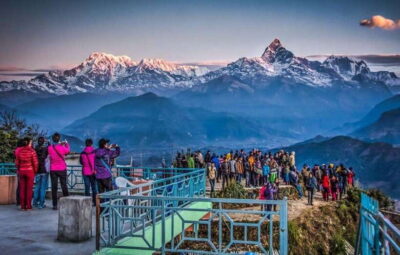
Sarangkot is the emotional high point of the day. The drive begins before dawn, but that darkness makes the arrival feel worthwhile. As the sky brightens, the snowcapped mountains gradually separate from the pale morning sky, and the valley below comes into view.
You are scheduled to spend about two hours here. That gives you time to watch the light change rather than arrive, snap one photograph, and hurry away. Clear weather matters greatly. On a good morning, the Himalayan view is the reason many people choose this tour in the first place. On a cloudy morning, Sarangkot can still be a pleasant hilltop outing, but the main reward may be hidden.
I would bring a warm layer, even if Pokhara feels mild later in the day. The tour information does not specify a breakfast stop, so you should be prepared for an early start without assuming food will be provided. A small snack and water are sensible additions.
The private format helps here. You do not have to coordinate with a bus full of strangers while the light is changing. The driver has also been praised for knowing good places for scenery and photographs. That matters at Sarangkot, where a small change in position can affect your view of the peaks and valley.
A few more Pokhara days to weigh up
- From Pokhara: Sarangkot Sunrise Himalayas Tour
★ 4.7 · 218 reviews - Pokhara: Sarangkot Sunrise with Half or Full-Day City Tour
★ 4.8 · 100 reviews - Morning Tibetan cultural tour to Tibetan settlements Pokhara
★ 5.0 · 66 reviews
Seti River Gorge: a short stop with unusual color
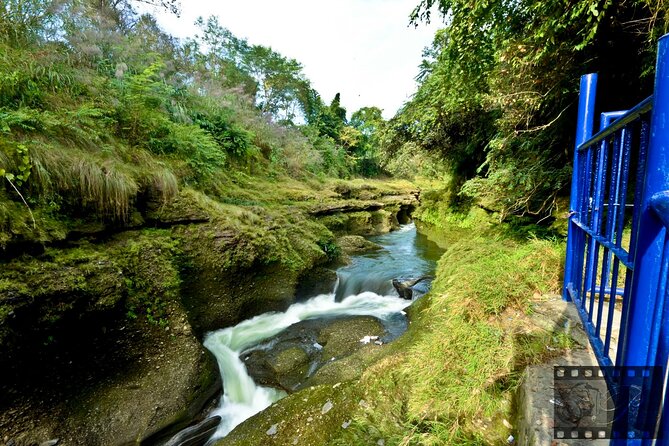
After sunrise, the day shifts from wide mountain views to a close look at Pokhara’s geology. Seti River Gorge is known locally as the white river. Its water appears pale because material from the Annapurna region mixes with limestone, giving the river its striking color.
The stop lasts about 30 minutes, which is enough for a look and photographs but not a long walk. I like this pause because it adds something different to the day. You are not simply collecting viewpoints. You are seeing how water and rock shape the city’s surroundings.
Keep your expectations realistic. This is a brief sightseeing stop, not a long riverside excursion. The value comes from the contrast with Sarangkot: snowy peaks above, a narrow gorge below, and a river whose appearance has a clear natural explanation.
Bindhya Basini Temple and Pokhara’s living faith
Bindhya Basini Temple gives the day a cultural stop between the outdoor viewpoints. It is described as a well-known Pokhara temple, especially associated with weddings. The visit lasts about 30 minutes and admission is included.
You should treat this as an active religious place, not just a photo stop. The tour information does not give a dress code or specific ceremony schedule, so respectful clothing and a quiet manner are wise. Because the visit is short, you will get a taste of the setting rather than a long lesson in Hindu worship.
I like the temple’s place in the schedule. After the morning mountain view and gorge, it offers a human and spiritual side of Pokhara. It also keeps the day from becoming a string of waterfalls and lookouts.
Gupteshwor Cave: a close, dark counterpoint to the hills
Gupteshwor Gupha, also called Gupteshwor Cave, is one of the more unusual stops. Inside the cave, you can see the area connected with Devi’s Fall. The cave visit lasts around 30 minutes, and admission is included.
The appeal is the change in atmosphere. Sarangkot is open and exposed, while the cave is enclosed and shadowy. You move from Himalayan sky to underground rock in the same half-day route.
The stop may not suit everyone equally. If you dislike confined spaces, uneven ground, or dark interiors, this is the part to approach carefully. The supplied information does not specify the cave’s exact conditions, so you should not assume it will be a smooth, effortless walk for every person.
A different kind of day from the same base:
- ZipFlyer Nepal – The World’s Steepest Zip-line
★ 5.0 · 608 reviews - Bungee Pokhara by HighGround Adventures
★ 5.0 · 366 reviews - ATV Adventure Tour in Pokhara, Nepal
★ 5.0 · 194 reviews - Full-Day Tibetan Cultural Tour to Tibetan Settlements Pokhara
★ 5.0 · 184 reviews
Devi’s Fall: a famous waterfall near Lakeside
Devi’s Fall follows the cave and takes about 30 minutes. It is one of Pokhara’s best-known waterfalls and is located near the Lakeside area. Seeing the waterfall after viewing it from the cave gives the route a useful connection between two nearby attractions.
Do not expect a full nature walk. The visit is designed as a compact sightseeing stop, with time to see the falls and take photographs before moving on. Water flow and the visual impact can vary, and the tour details do not promise a particular seasonal appearance.
Still, this is a sensible inclusion for a first day in Pokhara. If you have limited time, you can see one of the city’s signature sights without arranging another taxi trip. Entry is included, so you do not have to keep paying small fees at each major stop.
Pumdikot Shiva Statue: a hilltop view and a major monument
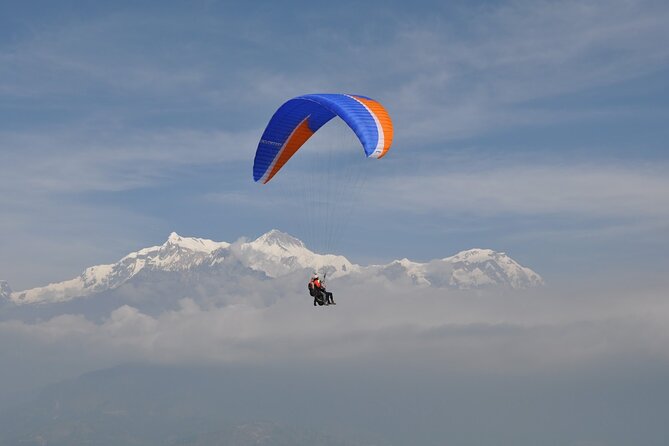
After Devi’s Fall, the vehicle drives uphill for about 15 minutes to Pumdikot Shiva Statue. The stop is scheduled for about two hours, making it one of the longer visits of the day. The statue is described as a famous and tall Hindu Shiva monument, with Himalayan views possible when the weather is clear.
This is more than a quick roadside photograph. The longer time allows you to look around the monument area and enjoy the elevated setting. On a clear day, the combination of the statue, hills, valley, and distant snowy peaks gives you another angle on Pokhara.
Weather again controls the payoff. The Himalayan view is not guaranteed, and cloudy conditions can reduce the visual reward. Even so, the statue itself provides a strong focal point, and the hilltop setting gives the stop a different feel from the temple and cave.
The uphill drive is worth noting if you have mobility concerns. The tour is described as suitable for most participants, but the supplied details do not explain walking distances, steps, or surfaces at each stop. If you need specific assistance, ask the provider before booking rather than relying on the general participation note.
World Peace Pagoda: finish with a wide view
The final major stop is Pokhara’s World Peace Pagoda, also called the Peace Temple. It is intended as a place for peace of mind and meditation, with a Himalayan view when the weather allows. The schedule allows about two hours here.
I like ending the day at the pagoda. The route has already taken you through a gorge, a temple, a cave, a waterfall, and a large Shiva monument. The Peace Pagoda brings the pace down and gives you time to simply look across the surroundings.
The two-hour allocation is generous compared with the shorter stops. You can use it for photographs, quiet viewing, and time around the monument rather than feeling rushed. Since the tour ends here, the pagoda also works as a calm counterpoint to the early excitement at Sarangkot.
The wording of the schedule suggests that the exact flow can depend on conditions and timing. If your day runs long, ask your driver how much time remains before leaving the pagoda. The total outing is listed as approximately 6 to 8 hours, and the stop durations add up to the longer end of that range.
What the private vehicle changes
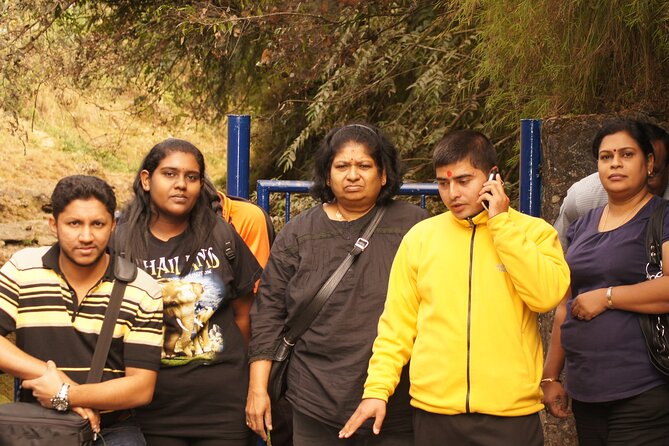
This is a private tour, so only your group participates. That is a real benefit if you are traveling with family or friends and want to move at your own pace. You can also avoid the stop-and-go routine of a large group, especially at Sarangkot when sunrise timing matters.
The vehicle is air-conditioned, and parking fees are included. Those details are easy to overlook, but they help keep the day simple. You do not need to arrange separate rides to seven different places or pay parking charges along the way.
The tradeoff is the level of explanation. One assessment of the experience found that it worked well for seeing Pokhara’s main sights but felt mainly like a taxi service, with little commentary. You should book this with the right expectation: it is a convenient private sightseeing route, not necessarily a specialist-led cultural tour.
Your driver may still add practical value by choosing good places for views and photographs. That was singled out as a strength, especially at sunrise. But if you want detailed information about Hindu traditions, geology, or local history, you may need to read ahead or arrange a separate guide.
Is $50 good value for a full Pokhara day?
At $50 per person, the price is strongest when you are traveling as a small private group and want convenience. The fee includes an air-conditioned vehicle, parking, admission to the sightseeing stops, taxes, value-added tax, and service charges. Those inclusions reduce the surprise costs that can build up during a day of independent sightseeing.
The value is also tied to the route. Sarangkot, Pumdikot, and the Peace Pagoda are all elevated viewpoints, while the gorge, temple, cave, and waterfall add variety. Covering these places independently would require planning several rides and checking entry fees as you go.
For a solo visitor, $50 is less of a bargain than it may be for two or more people sharing a private vehicle. For a family or group of friends, the private arrangement becomes more attractive because the cost is attached to a full sightseeing day rather than a single transfer.
The price does not appear to include meals, and no meal stop is specified. It also does not promise a dedicated guide with detailed commentary. Think of the fee as payment for transport, access, and an efficient route, with the sunrise and scenery providing the main experience.
Who should book this Pokhara outing?
I would recommend it to a first-time visitor with one open day in Pokhara. You get a broad introduction to the city and its nearby hills without having to decide which famous sight to leave out.
It also suits families and friends who value a private vehicle. The route has something for different interests: mountain views at Sarangkot, a temple for cultural interest, a cave and waterfall for natural sights, a major Shiva monument, and a Peace Pagoda for quiet reflection.
Photographers should pay special attention to the departure time. The sunrise is the part most likely to justify the early alarm, and the driver’s knowledge of good viewing points can help you get better photographs.
I would be more cautious if you are looking for a full educational tour. The limited commentary could leave you with attractive photographs but fewer explanations. In that case, ask whether a guide can be added before you reserve, since the provided details identify the activity as private but do not promise a separate guide.
Practical details are straightforward. Confirmation is provided at booking, mobile tickets are available, and pickup is offered. The tour begins at about 5 am, lasts roughly 6 to 8 hours, and allows group discounts. Free cancellation is available if you cancel at least 24 hours before the local start time. Changes or cancellations inside that window are not accepted for a refund.
Should you book it?
Book this tour if you want the easiest way to combine Sarangkot sunrise with Pokhara’s main sights in one private day. The sunrise, broad route, included admission fees, and flexible group format make it a useful choice for a short stay.
Skip it, or ask for a guide upgrade, if detailed commentary is essential to you. The route is strong, but the experience may be more about getting from one good sight to the next than learning the full story behind each place. For scenery, variety, and convenience, the tour earns its place on a Pokhara schedule.
FAQ
What time does the tour start?
The tour starts at about 5:00 am, with hotel pickup for the drive to Sarangkot.
How long does the experience last?
The full experience lasts approximately 6 to 8 hours.
Is this a private tour?
Yes. Only your group participates in the activity.
What places are visited?
The route includes Sarangkot, Seti River Gorge, Bindhya Basini Temple, Gupteshwor Gupha, Devi’s Fall, Pumdikot Shiva Statue, and the World Peace Pagoda.
Is transportation included?
Yes. An air-conditioned vehicle is included, and pickup is offered.
Are entrance fees included?
Yes. The listed sightseeing entry and admission fees are included, along with parking fees.
Is the price per person?
Yes. The listed price is $50 per person, and group discounts are available.
Is commentary from a guide included?
The activity information confirms private transportation and sightseeing but does not specify a separate guide or detailed commentary. You should confirm this with the provider if interpretation is important to you.
Can I cancel for a refund?
Yes. You can cancel at least 24 hours before the start time for a full refund. Cancellations or changes made less than 24 hours before the start time are not accepted for a refund.
Recently added around Pokhara
- Paragliding in Pokhara★ 5.0 · 3 reviews
- Pokhara: 5-Day Annapurna Base Camp Trek with Hot Spring★ 5.0 · 3 reviews
- Pokhara: 7-Day Annapurna Base Camp Trek via Ghandruk★ 4.3 · 3 reviews
- Pokhara:4-Day Ghorepani Poon Hill Guided Trek via Ghandruk★ 5.0 · 3 reviews
- Peace & Panorama: Stupa and Pumdikot Scenic Drive Tour★ 3.6 · 3 reviews
- 3 Day Australian Camp Dhampus Ghandruk Easy Trek in Pokhara★ 3.5 · 3 reviews
- Overnight Dhampus Australian Camp Easy Hiking from Pokhara★ 5.0 · 3 reviews
- Kathmandu: 4 Days Pokhara Tour With Himalaya Easy Day Hiking★ 5.0 · 3 reviews
Other Pokhara Tours worth a look
ZipFlyer Nepal – The World’s Steepest Zip-line
Read our review →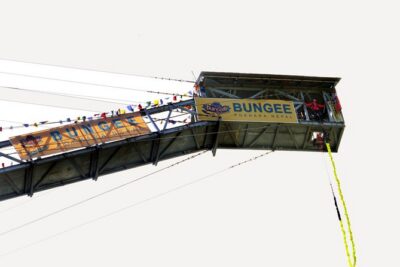

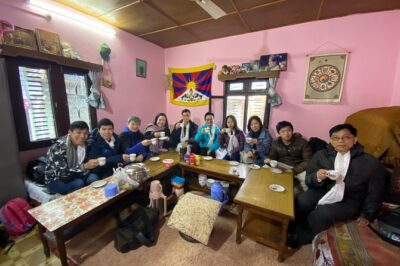
Full-Day Tibetan Cultural Tour to Tibetan Settlements Pokhara
Read our review →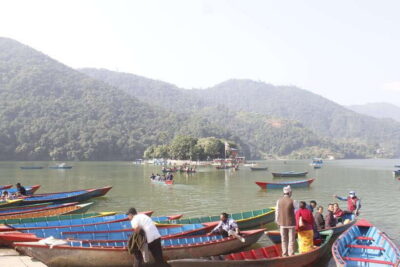
Full-Day Sharing Bus Tour on 7 Iconic Destination
Read our review →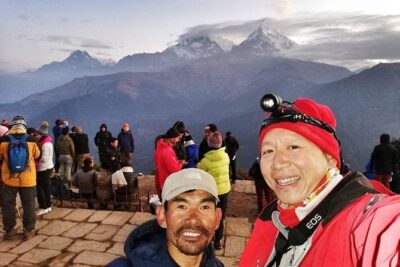
Trekking in Annapurna/Langtang/Everest/Upper Mustang regions
Read our review →This tour also appears in