
REVIEW · TIBETAN CULTURE TOURS
Full-Day Tibetan Cultural Tour to Tibetan Settlements Pokhara
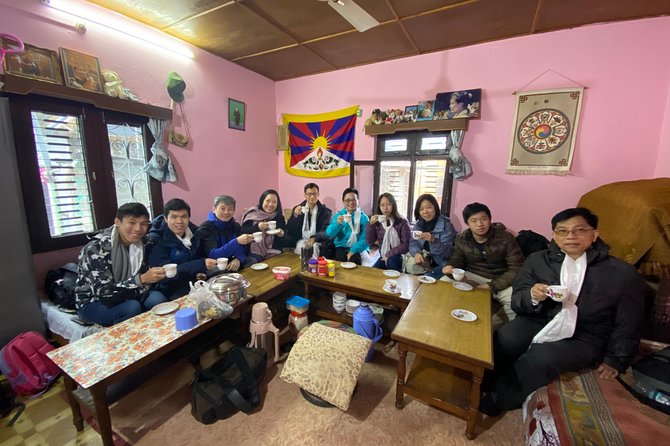
Pokhara’s Tibetan settlements offer something the city’s lakeside sights cannot: direct contact with a living community shaped by exile, Buddhism, education, and daily work. With Tibetan guide Thupten Gyatso, you visit monasteries, walk through settlements, meet people connected with monastic life, and share food in a local family home.
I like the guide’s personal connection to the subject. Thupten grew up in the Tibetan community in Nepal, so the day can move beyond dates and sightseeing into questions about refugee life, faith, politics, schools, and family traditions. I also like the mix of settings, from afternoon chanting with monks to a simple Tibetan meal.
The main consideration is time. Eight hours is a full day, and about four hours is assigned to Tashi Ling Tibetan Village. If you prefer a quick cultural stop, this may feel long. If you want patient conversation and first-hand context, that slower pace is the point.
Key details before you book
- A Tibetan guide with a personal connection: Thupten Gyatso grew up in the Tibetan community in Nepal and leads the cultural discussions.
- Three monasteries in one day: Visit Shree Gaden Dhargay Ling Monastery, Pema Ts’al Sakya Monastic Institute, and Jangchub Choeling Tibetan Monastery.
- Two Tibetan settlements: Tashi Ling and Tashi Palkhel give you a look at community life beyond the monastery walls.
- Afternoon prayer chanting: At Jangchub Choeling, you may hear horns, drums, conch shells, and monks chanting.
- Food and family contact: The tour includes lunch, snacks, tea, and a visit to a Tibetan family home for traditional food.
- Small-group format: The maximum group size is 15, with hotel pickup and drop-off within Pokhara.
Why this day adds something new to Pokhara
Pokhara is often treated as a base for mountain views, boating, and adventure activities. This tour points your attention toward the Tibetan communities that became part of Nepal after people fled Tibet. You are not simply looking at a monastery from the outside. You are given time to ask about religion, schools, exile, food, and the practical problems of building a life away from home.
That personal angle matters. Thupten Gyatso is Tibetan and grew up in the community you are visiting. His role is not just to manage the schedule. He explains Tibetan culture and Buddhist practice, while also discussing the political and legal problems faced by Tibetans living outside Tibet.
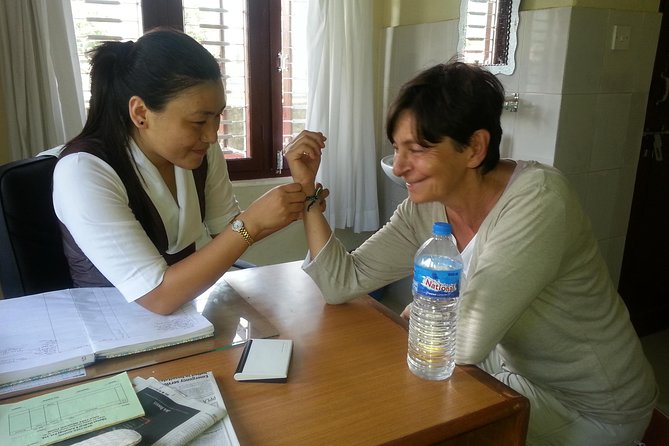
The day also offers several kinds of contact. You walk around a settlement, visit religious institutions, speak with people connected to medicine and monastic education, and eat Tibetan food in a family home. The result is more varied than a standard temple tour.
I would choose this experience if you want context and conversation. It suits families, couples, and curious first-time visitors, especially if you are willing to ask questions and listen carefully. It is less suitable if your ideal day is a fast series of photo stops.
More Historical Tours in Pokhara
- Afternoon Tibetan Cultural Tour to Tibetan Settlements Pokhara
★ 5.0 · 106 reviews - Morning Tibetan cultural tour to Tibetan settlements Pokhara
★ 5.0 · 66 reviews - Afternoon Tibetan cultural tour
★ 5.0 · 41 reviews
Starting at Shree Gaden Dhargay Ling Monastery
The day begins at 9:00 a.m., with pickup and drop-off included for hotels within Pokhara. Your first stop is Shree Gaden Dhargay Ling Monastery, where you have about an hour to begin learning about Tibetan religion, culture, and refugee life in Nepal.
This opening stop gives the day a useful frame. You start with the spiritual setting before moving into the settlements and personal stories. Thupten can explain what you are seeing and connect Buddhist practice with the wider experience of Tibetans living in Nepal.
Admission is included. The stop is not presented as a formal performance, so you should expect explanation, observation, and time for questions rather than a staged show. That is a benefit if you want to understand the place instead of simply taking a few photographs.
Dress and behavior should be respectful at every monastery. Keep your voice low, follow instructions about where to walk, and ask before photographing people or religious activity. The tour information confirms the monastery visits, but it does not promise that every area will be open at every moment.
Four hours at Tashi Ling Tibetan Village
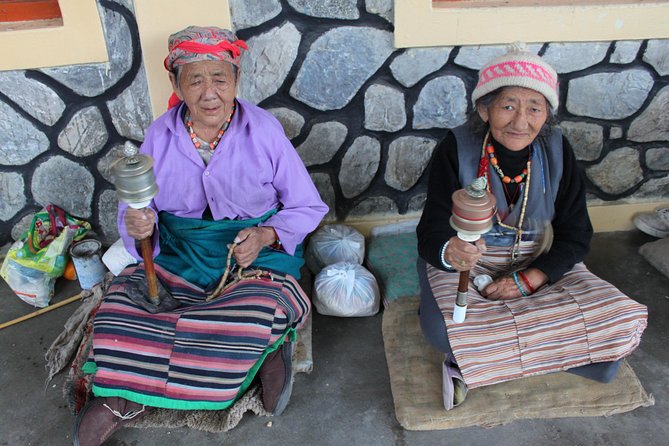
Tashi Ling Tibetan Village is the longest stop, at roughly four hours. That tells you a lot about the character of the experience. This is not a quick visit to a signposted settlement. You have time to walk around, discuss Tibetan life in Nepal, and learn about schools and the local education system.
For many people, this will be the heart of the day. The focus shifts from buildings to community life. You can ask how Tibetan people live in Nepal, how children are educated, and how Buddhist culture remains part of ordinary life.
The discussion can also cover the idea of exile in practical terms. Several accounts of the experience found the conversations about legal and political issues especially useful because Thupten connected those subjects with daily life. If you have only a general knowledge of Tibet, this is a good place to ask basic questions. If you already know the broad history, you can ask for more detail about education, identity, and life in Nepal.
Four hours may sound lengthy, but it gives the guide room to adjust to your interests. One caution: the exact balance of walking, conversation, and visits may vary. The supplied schedule does not provide a minute-by-minute breakdown, so do not expect a rigid timetable.
This is also the stop where patience pays off. The tour is designed around personal explanation, not a checklist. You will get more from it if you treat the settlement as a community rather than a museum.
Meeting monastic students at Pema Ts’al Sakya Monastic Institute
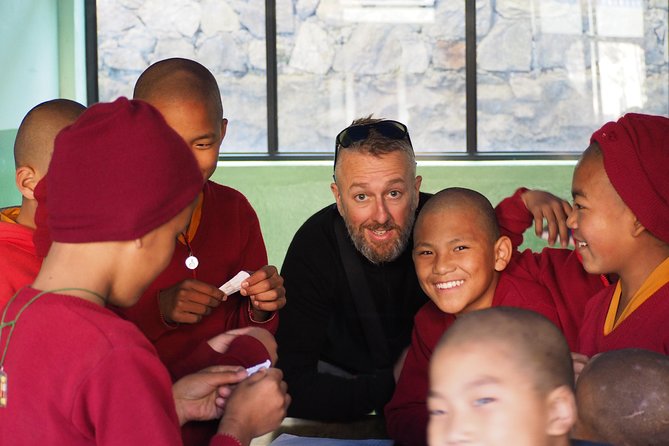
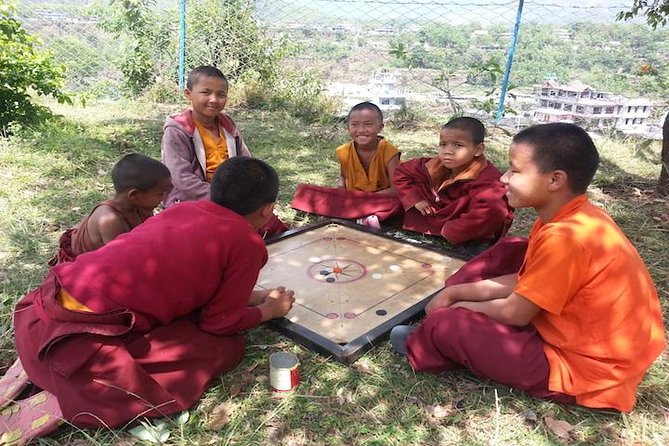
The next stop is Pema Ts’al Sakya Monastic Institute, with about an hour set aside. Here you learn about monastic life and education, with the chance to speak with a young monk who can share insight into his studies and daily path.
That human exchange is one of the stronger features of the day. A monastery can seem mysterious if you only see incense, statues, and prayer rooms. A conversation with a young monk helps explain how religious education works and why a person chooses this way of life.
The experience encourages questions, so prepare a few. You might ask about education, daily routine, Buddhist study, or what led the student toward monastic training. The information specifically presents this as an interactive visit, though it does not guarantee that the same monk will be available in every circumstance.
One useful point from the tour’s style is that you are not limited to religious topics. The day connects spiritual life with schools, work, family, and community. That wider view keeps the stop from feeling like a brief temple inspection.
More Tibetan Culture Tours in Pokhara:
- Half Day Tibetan Cultural tour Pokhara
★ 5.0 · 36 reviews - Morning Half Day Tibetan cultural tour to Tibetan Settlements
★ 5.0 · 26 reviews - Pokhara: Private Half-Day Tour and Tibetan Culture Tour
★ 3.8 · 14 reviews - Sarangkot Sunrise with a half day Tibetan cultural tour
★ 5.0 · 13 reviews
Hearing prayer at Jangchub Choeling Tibetan Monastery
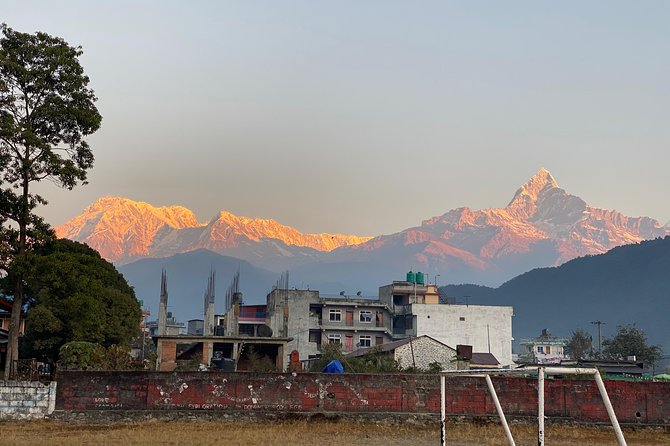
At Jangchub Choeling Tibetan Monastery, located inside a Tibetan village, you attend afternoon prayer chanting with monks. The schedule allows about an hour, and the soundscape may include horns, drums, conch shells, and chanting.
This is the most sensory part of the tour. The instruments make Buddhist worship feel immediate, but the real value comes from knowing what you are hearing and why the ceremony matters. Thupten provides that context.
Timing is important here. One person who enjoyed the tour felt that less time in the village and at the chanting might have helped the group reach another point in daylight. That is a fair practical concern. The day covers a lot, and the afternoon prayer is tied to the monastery’s own schedule rather than a show arranged around sightseeing.
You should also remember that prayer is a religious service. Watch quietly, avoid treating the ceremony as a photo opportunity, and follow any instructions from the guide or monastery. If you care most about Buddhist practice, this may be your favorite stop. If you mainly want community walking time, the schedule can feel crowded.
Sharing Tibetan food in a family home
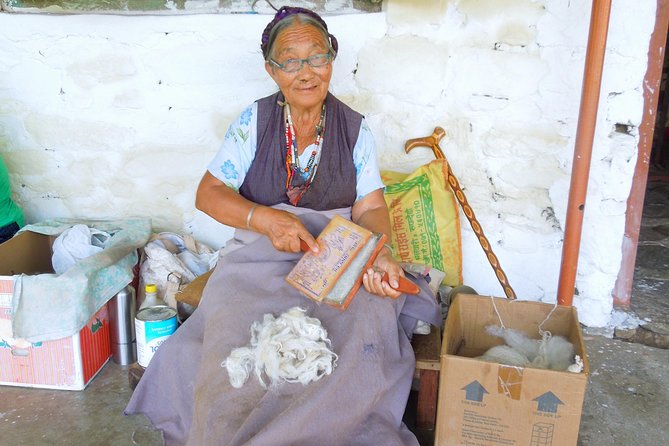
The final stop is Tashi Palkhel Tibetan Settlement, where you visit a local Tibetan family home and try traditional food. Thupten introduces the dishes and explains their background, while the tour provides lunch, snacks, tea, coffee, and bottled water.
Food is a smart way to end the day. It gives you something concrete to remember, and it brings the discussion down to ordinary life. A family meal can show how culture survives through recipes, hospitality, and everyday habits, not only through monasteries and formal teaching.
Vegetarian and gluten-free food options are available, but you need to advise the operator when booking if you require them. The available details do not list specific dishes, so you should not book expecting one particular Tibetan specialty.
This stop also offers a quieter kind of cultural contact. You are entering a family setting rather than touring a public monument. Good manners matter: listen to your guide, respect household privacy, and ask before taking photographs.
What the $85 price really covers
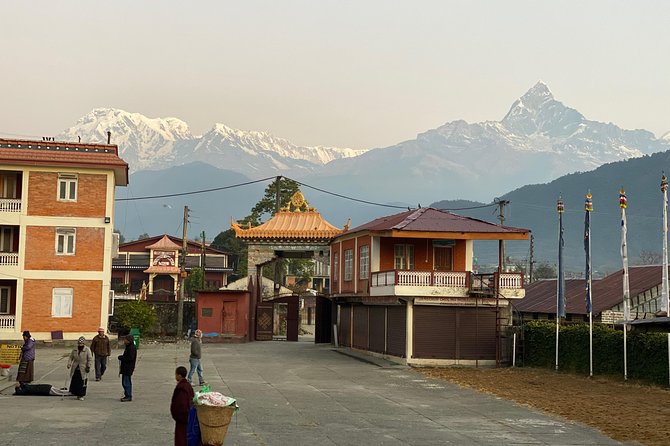
At $85 per person, this is not a bargain-priced walk, but the price includes a full eight-hour day with hotel pickup and drop-off within Pokhara, a professional guide, a driver, lunch, snacks, tea, coffee, and bottled water. Admission to the listed stops is free, so the cost is mainly paying for transport, time, interpretation, and access to a carefully arranged series of meetings.
I see the value in the guide-led format. You could visit a monastery on your own, but you would miss much of the explanation about exile, schools, politics, religion, and daily life. The presence of a Tibetan guide gives the day a depth that independent sightseeing may not provide.
The small-group limit also helps. With no more than 15 people, you have a better chance to hear the guide and ask questions than you would on a large coach tour. The format may be even more personal on a quiet date, though you should not book assuming you will have a private tour.
Group discounts are available, but the supplied information does not specify the discount amount. Ask for the current rate if you are booking for several people.
Who will enjoy this cultural tour most
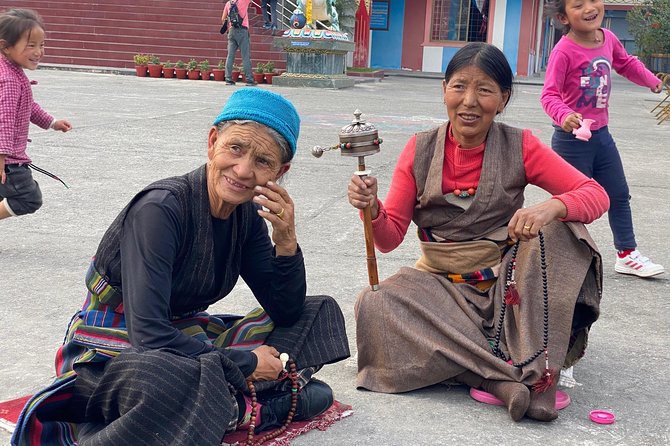
I would recommend this day to you if you have a serious interest in Tibetan culture, Buddhism, refugee communities, or the modern politics of Tibet. It is also a strong choice for families because the day combines walking, food, monasteries, conversation, and human encounters rather than relying on long museum visits.
It suits people who like asking questions. Several parts of the day are built around dialogue, including the conversation with a young monk and the explanations provided while walking through the settlements.
You should think twice if you want a short, highly visual excursion with lots of free time. The tour lasts about eight hours and includes several stops. It is information-heavy, and the subject can be emotional, especially when discussing displacement and the problems faced by Tibetans in exile.
Most people can participate, according to the tour information, but no detailed mobility guidance is provided. If walking or stairs are a concern, ask the operator about the route before booking.
Practical tips for a better day
Start with a few questions in mind. Ask about Tibetan schools in Nepal, Buddhist education, refugee life, or how families maintain cultural traditions. A good question can turn a general explanation into a useful conversation.
Keep your clothing modest for monastery visits and bring a respectful attitude. The tour includes bottled water and refreshments, but you may still prefer to carry personal essentials for a full day out.
Tell the operator about dietary needs at booking. Vegetarian and gluten-free food are available, but advance notice is required.
The experience is booked, on average, 38 days ahead. That does not guarantee that every date sells out, but it suggests that planning early is sensible if this is important to your Pokhara schedule.
Free cancellation is available up to 24 hours before the 9:00 a.m. start time. Changes or cancellations made inside that period are not accepted for a refund, and the cut-off uses local time.
Should you book the Tibetan cultural tour?
Book it if you want to understand Pokhara through the people who have made Tibetan life in Nepal their home. The strongest reasons are Thupten Gyatso’s first-hand connection, the chance to visit three monasteries, and the time given to settlements, education, prayer, and food.
I would not choose it for a quick introduction or a relaxed half-day outing. The schedule is full, the discussions can be serious, and the four-hour settlement visit requires attention. But if you want a thoughtful day with real conversation rather than a parade of sights, $85 is a fair price for the transport, meals, small group, and guiding.
FAQ
Where does the tour take place?
The tour takes place in and around Pokhara, Nepal, with visits to Tibetan settlements and monasteries.
What time does the tour start?
The tour starts at 9:00 a.m.
How long does the tour last?
The experience lasts approximately eight hours.
Is hotel pickup included?
Yes. Hotel pickup and drop-off are included for hotels within Pokhara.
What is the maximum group size?
The tour accepts a maximum of 15 travelers.
Who guides the tour?
The guide is Thupten Gyatso, a Tibetan guide who grew up in the Tibetan community in Nepal.
Which monasteries are included?
The route includes Shree Gaden Dhargay Ling Monastery, Pema Ts’al Sakya Monastic Institute, and Jangchub Choeling Tibetan Monastery.
Is food included?
Yes. Lunch, snacks, afternoon tea, bottled water, and coffee or tea are included.
Are vegetarian and gluten-free meals available?
Yes. Vegetarian and gluten-free food can be provided. You need to advise the operator when booking.
Can I cancel for a full refund?
Yes, if you cancel at least 24 hours before the experience starts. Cancellations or changes made less than 24 hours before the start time are not refunded or accepted.
More Full-Day in Pokhara
- Pokhara: Full-Day Sharing Bus Tour on 7 Iconic Destination
★ 4.1 · 179 reviews - Pokhara: Full-Day Private Tour on 7 Iconic Destination
★ 4.8 · 108 reviews - Pokhara: Sarangkot Sunrise with Half or Full-Day City Tour
★ 4.8 · 100 reviews - The Best of Pokhara: Full-Day Private Tour with Sarangkot Sunrise
★ 5.0 · 66 reviews
Recently added around Pokhara
- Paragliding in Pokhara★ 5.0 · 3 reviews
- Pokhara: 5-Day Annapurna Base Camp Trek with Hot Spring★ 5.0 · 3 reviews
- Pokhara:4-Day Ghorepani Poon Hill Guided Trek via Ghandruk★ 5.0 · 3 reviews
- Pokhara: 7-Day Annapurna Base Camp Trek via Ghandruk★ 4.3 · 3 reviews
- Peace & Panorama: Stupa and Pumdikot Scenic Drive Tour★ 3.6 · 3 reviews
- Beautiful Sarankot Sunrise with Full Day Sightseeing in Pokhara★ 4.5 · 3 reviews
- 3 Day Australian Camp Dhampus Ghandruk Easy Trek in Pokhara★ 3.5 · 3 reviews
- Overnight Dhampus Australian Camp Easy Hiking from Pokhara★ 5.0 · 3 reviews
Other Tibetan Culture Tours worth a look

Afternoon Tibetan Cultural Tour to Tibetan Settlements Pokhara
Read our review →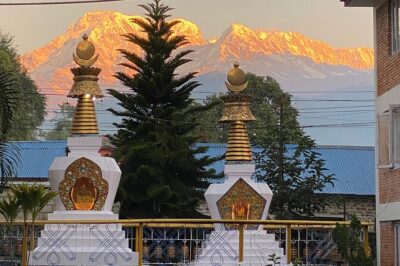
Morning Tibetan cultural tour to Tibetan settlements Pokhara
Read our review →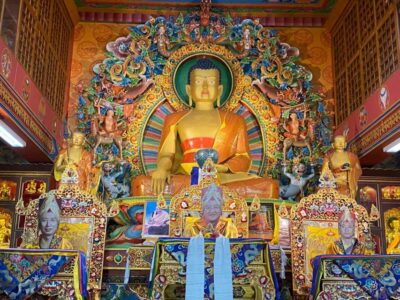
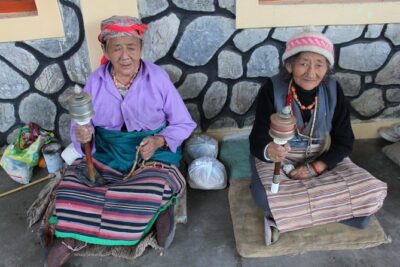
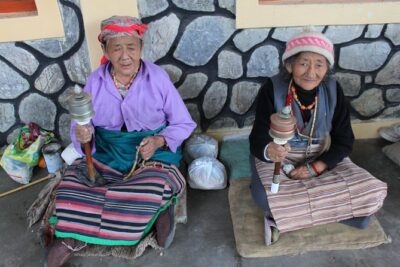
Morning Half Day Tibetan cultural tour to Tibetan Settlements
Read our review →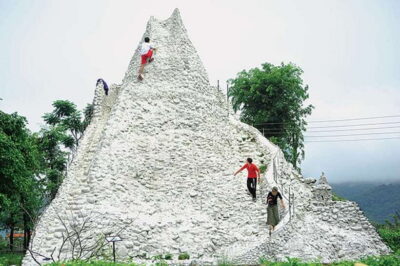
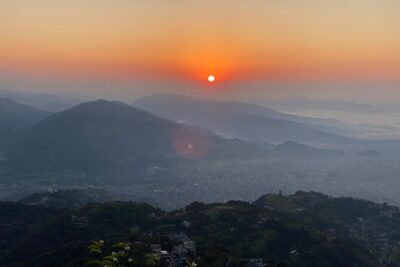
Sarangkot Sunrise with a half day Tibetan cultural tour
Read our review →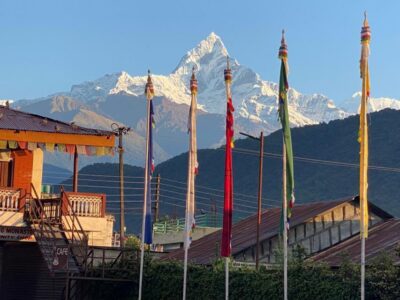
This tour also appears in