
REVIEW · POKHARA TOURS
Pokhara: Full-Day Private Tour on 7 Iconic Destination
Pokhara packs a surprising amount into a small area, and this private tour lets you move from bat-filled caves to a sacred temple without wrestling with local transport. You will see seven well-known sights in roughly six hours, with an English-speaking guide and air-conditioned car handling the transfers.
I like the way the tour mixes nature, religion, and Nepal’s mountaineering story. I also like the private format: guides such as Pujan, Roshan, Santosh, and Samundra have adjusted the pace, swapped stops, or helped visitors through tight cave passages when needed. The main drawback is the packed schedule, with three cave-related stops and entrance fees charged separately.
Key points at a glance
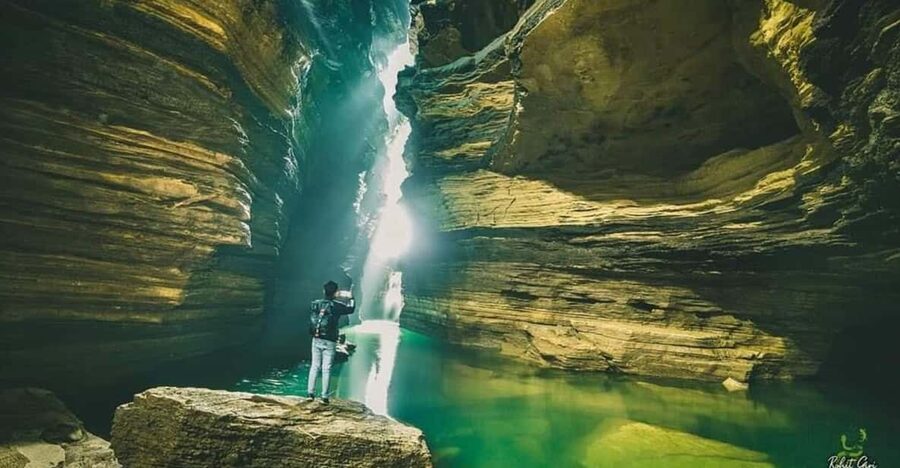
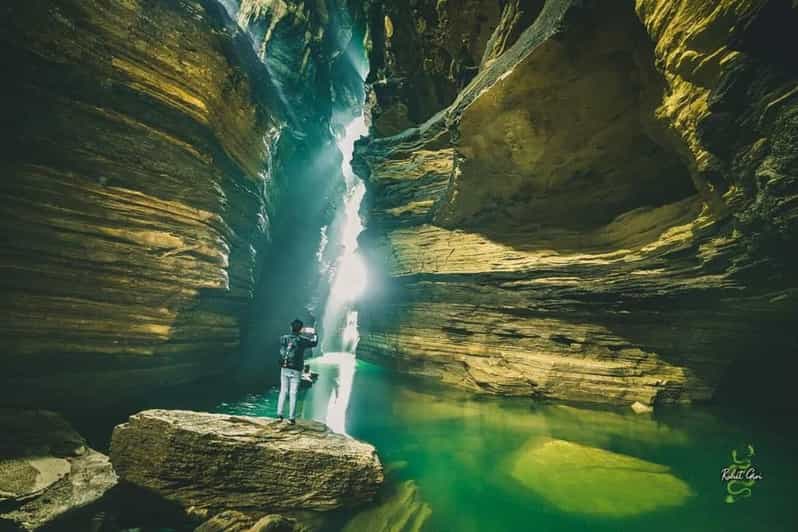
- Three very different cave experiences: Mahendra Cave has rock formations, Bat Cave adds live bats and slippery conditions, and Gupteshwor Mahadev Cave brings a sacred Hindu setting.
- A private car saves time: Hotel pickup, air-conditioning, and direct transfers make this useful when you have only one day in Pokhara.
- The International Mountain Museum is the strongest indoor stop: Allow about an hour for exhibits on the Himalayas, mountaineering, and Nepal’s climbing communities.
- The guide can shape the day: The private setup has allowed changes such as replacing the museum with the Gurkha Memorial Museum or a suspension bridge.
- Budget for admission charges: Cave, waterfall, museum, and other site fees are not included in the $53 price.
- Wear proper shoes for Bat Cave: The floor can be dirty and wet from bat droppings, and some cave exits require care.
Why this private Pokhara tour works
This is a sightseeing circuit rather than a slow cultural walk. You begin with hotel pickup in the Lake Side area, then use a private, air-conditioned vehicle to reach the sights around Pokhara. The guided visits add up to about four hours and 15 minutes, with the remaining time used for driving, parking, and short transitions.
That arrangement matters in Pokhara. The attractions are spread out, and finding each one independently takes time. With a driver waiting outside, you can step from the car to a cave, temple, or museum without spending part of your day negotiating rides.
You also get a private guide instead of joining a fixed group. That gives you room to ask questions, linger at a view, or request a change. Pujan, Roshan, Santosh, and Samundra are among the guides praised for clear English, careful attention, and a willingness to adapt. Guide assignments are not guaranteed, but the service pattern is clear: the experience depends heavily on the person leading your day.
At $53 per person, the tour is most attractive for one or two people who would otherwise need a private car and guide. For a larger private group, the value improves because the same transport and guide are shared. Still, add the cost of admission tickets and food before comparing it with a simple taxi hire.
A few more Pokhara days to weigh up
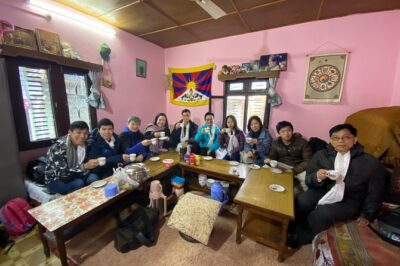
- Full-Day Tibetan Cultural Tour to Tibetan Settlements Pokhara
★ 5.0 · 184 reviews - Pokhara: Full-Day Sharing Bus Tour on 7 Iconic Destination
★ 4.1 · 179 reviews - Pokhara: Sarangkot Sunrise with Half or Full-Day City Tour
★ 4.8 · 100 reviews
Mahendra Cave: an easy first look underground
The first stop is Mahendra Cave, where you spend about 30 minutes with the guide. You will walk underground among stalactites and stalagmites, seeing the rock formations that give the cave its appeal.
This is a straightforward introduction to Pokhara’s underground world. The visit is short, so you should not expect a long expedition or a large cave system. Some people may find it less memorable than the Bat Cave or Gupteshwor Cave, and a few visitors have suggested dropping this stop in favor of more time elsewhere.
I would treat Mahendra Cave as a quick orientation, not the headline of the day. It is useful if you have never visited a cave and want an easy first stop. If caves are not your thing, this is the most logical place to shorten the visit and ask your guide about another stop.
Bat Cave: the most memorable cave visit
Bat Cave is the cave stop with the most character. Your guide explains the bats and leads you through the underground passage for about 30 minutes. The experience is less polished than a standard museum visit, which is part of its appeal.
You might see bats overhead and walk through areas affected by bat droppings. One practical tip is essential: wear waterproof or washable shoes. The ground can be dirty, and the cave may feel awkward underfoot.
The cave can also include narrow sections. A guide such as Roshan or Pujan may help you judge the route and encourage you through a tight exit, but you should not feel pressured to attempt anything that feels unsafe. This stop is a poor fit for anyone with limited mobility, and a visitor using crutches missed the cave visits because the passages were not safe.
For me, Bat Cave is the stop most likely to give the day a story you will still be telling later. It is physical, unusual, and tied to the living environment rather than only to a display. Keep your hands free, wear shoes with a firm grip, and expect a little mess.
Seti River Gorge: Pokhara from a rocky edge
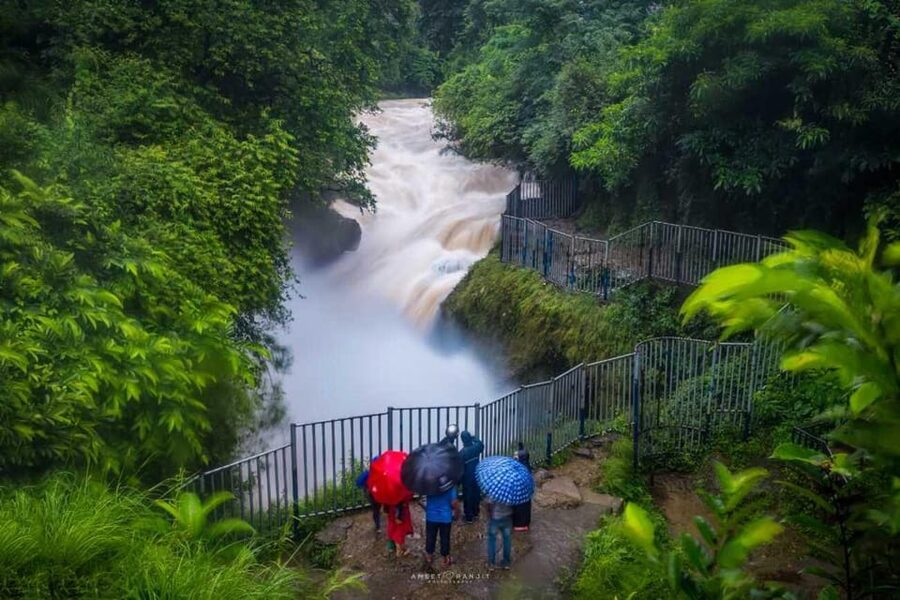
The Seti River Gorge gives you a different view of the city. For about 30 minutes, you will walk along rocky banks and watch the river force its way through a narrow channel.
The Seti is known for its striking flow through Pokhara, and this stop works because it brings you close to moving water without requiring a long hike. Guides explain local stories and point out details that are easy to miss from the road.
This is also one of the calmer stops between the caves. You can stretch your legs, take photographs, and see how the river cuts through the city. The footing is not described as fully smooth, so sensible footwear remains useful. Stay with the guide near the edge and avoid treating the gorge as a place for casual scrambling.
The Seti stop is short, but it breaks up the indoor visits. If the day is hot, the river is a welcome change of pace, although the tour does not promise a long rest period here.
A different kind of day from the same base:
- ZipFlyer Nepal – The World’s Steepest Zip-line
★ 5.0 · 608 reviews - Bungee Pokhara by HighGround Adventures
★ 5.0 · 366 reviews - From Pokhara: Sarangkot Sunrise Himalayas Tour
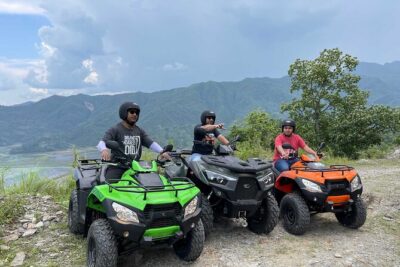
★ 4.7 · 218 reviews - ATV Adventure Tour in Pokhara, Nepal
★ 5.0 · 194 reviews
Bindabasini Temple: a quiet spiritual pause
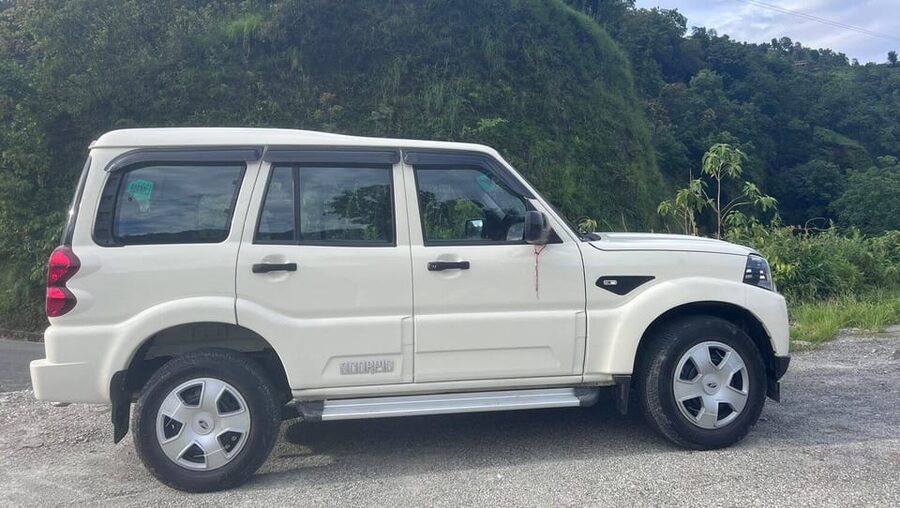
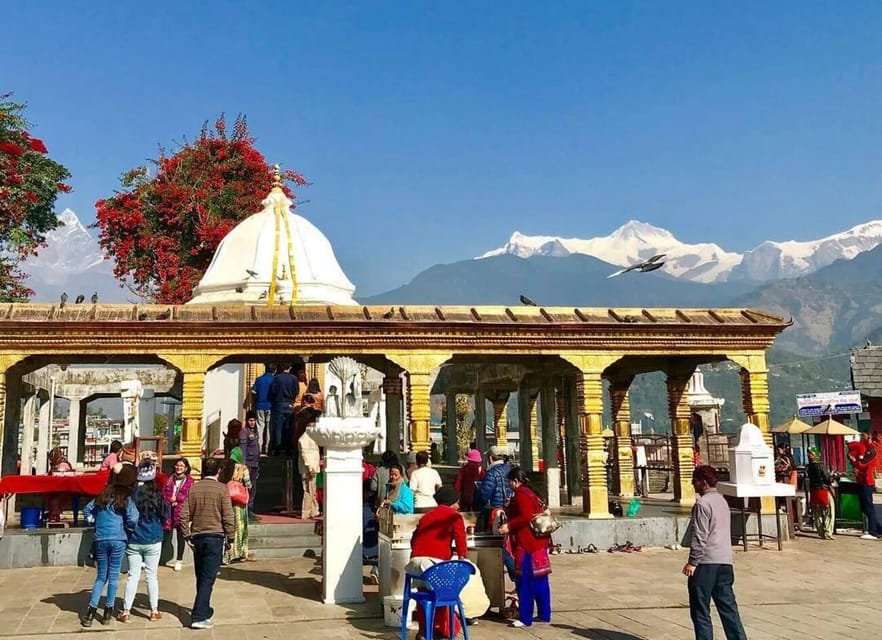
Bindabasini Temple adds the religious side of Pokhara. The intricately designed temple sits in a serene setting, and the guide explains its sacred importance while giving you time to observe the atmosphere.
You should approach this stop with respect rather than treating it as a quick photo point. Dress and behave appropriately for a holy site, follow local instructions, and let worshippers use the space without interruption.
The visit lasts about 30 minutes, so it is brief but meaningful. I like its place in the schedule because the tour moves from rock and water to faith. After the noise and uneven ground of the caves, the temple offers a slower moment.
Confirm the exact arrangements for any extra charge connected with this stop before setting out. Separate entrance fees are not included, and some visitors have also been surprised by a boat hire connected with a temple visit. The supplied tour details do not give a total for these costs, so carry small Nepalese rupee notes.
International Mountain Museum: the tour’s best context stop
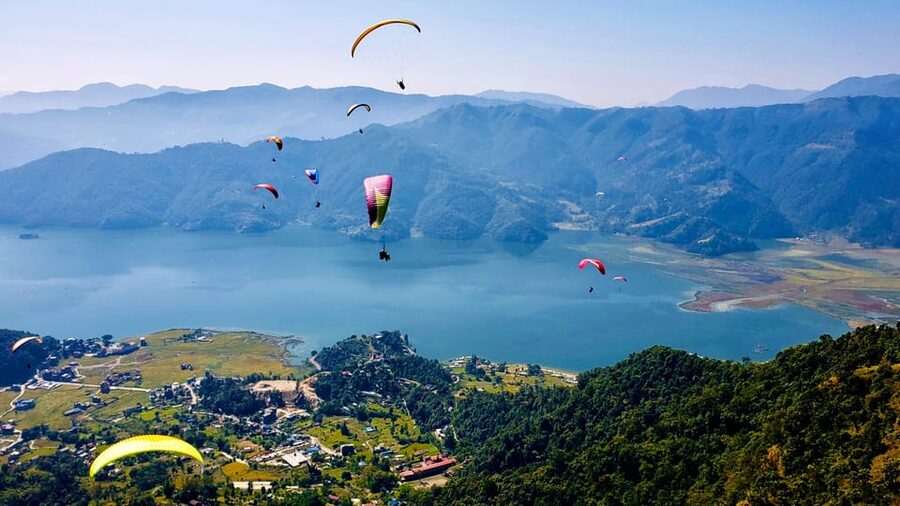
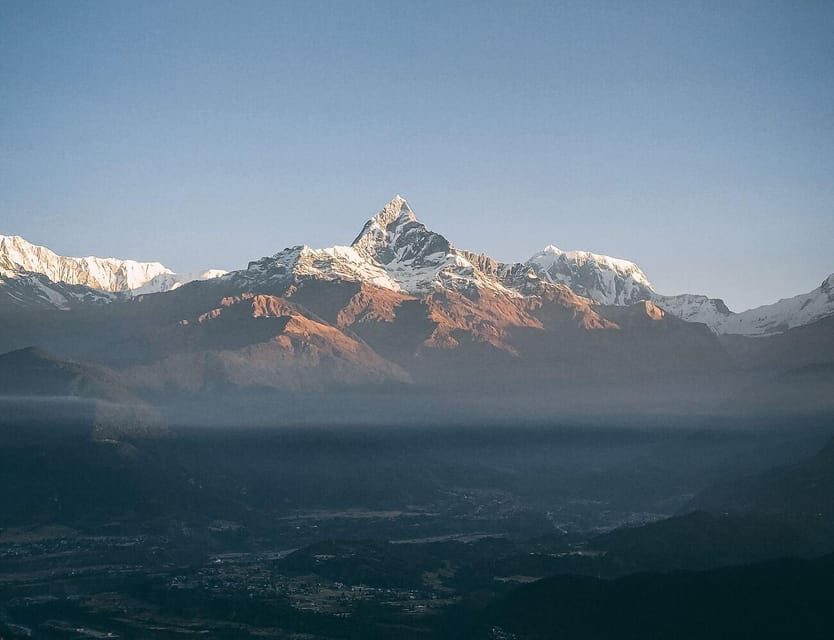
The International Mountain Museum gets about an hour, making it the longest guided visit of the day. That extra time is deserved. The museum helps you understand the Himalayas as more than a backdrop for photographs.
Inside, you can learn about mountain geography, climbing history, expeditions, and the people who live and work in high-altitude regions. The museum gives useful context to Nepal’s relationship with the Himalayas, especially if you are not planning a trek.
This is the stop I would protect if you are interested in mountaineering, Nepal’s ethnic communities, or the practical demands of high-altitude travel. The displays also give non-climbers a better sense of why the mountains matter to the country’s identity.
The private format gives you an advantage here. You can ask the guide to explain unfamiliar names, customs, or climbing terms instead of passing silently through the galleries. Guides have been praised for answering questions and adding stories about Nepal beyond the basic facts.
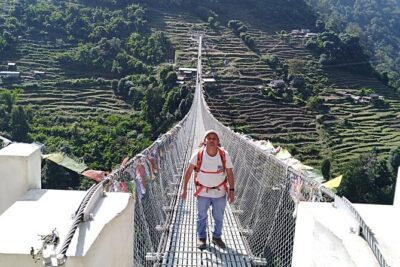
Still, not everyone wants a museum on a sightseeing day. One private group replaced it with the Gurkha Memorial Museum, and another chose a suspension bridge with a view. Those changes show the benefit of booking privately, but you should agree on substitutions early so the driver and guide can plan the route.
Davis Falls: rushing water and local legends
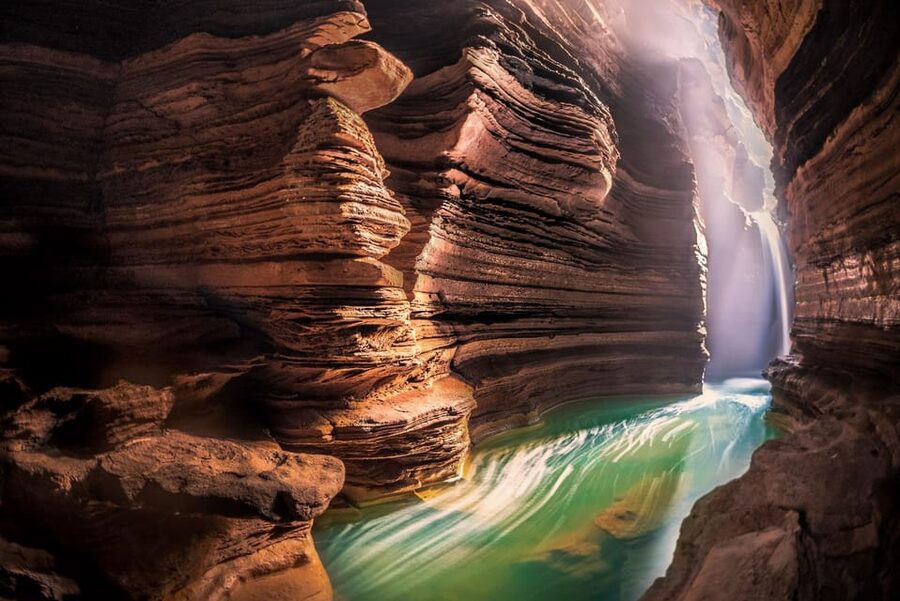
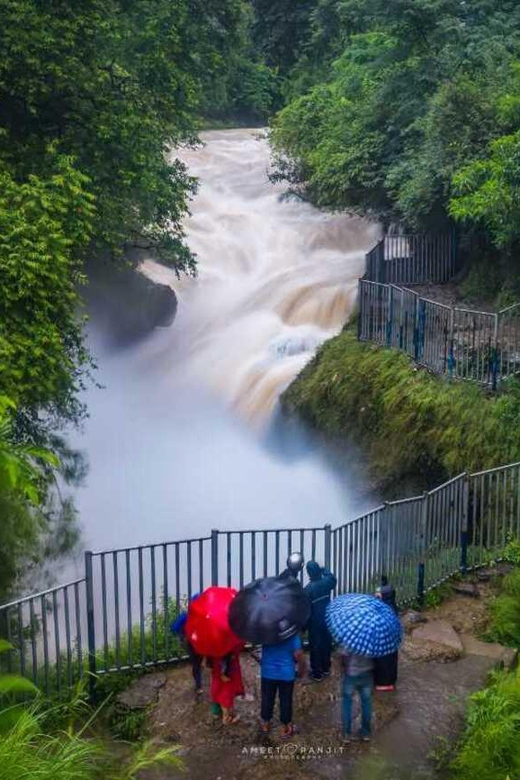
Davis Falls brings you back outdoors for about 45 minutes. Water rushes into an underground channel, creating one of Pokhara’s most dramatic urban sights.
The falls are not simply a place to stand and watch water. Your guide shares local tales linked to the site, adding a human layer to the natural attraction. The sound and force of the water make this a lively stop, especially after the quieter museum.
Watch your footing around wet areas and keep your attention on the marked viewing spaces. The tour information does not promise a particular water level, so the falls may look different depending on conditions.
Davis Falls can become crowded at popular times, but the private vehicle still helps you avoid the hassle of arranging the next ride. Your guide can also help you understand what you are seeing instead of leaving you with only a photograph.
Gupteshwor Mahadev Cave: a sacred finish
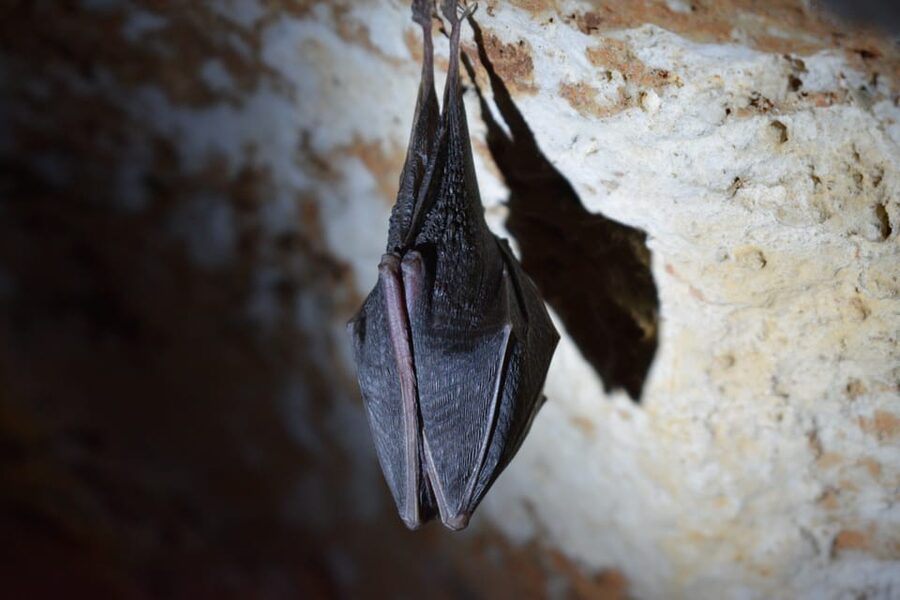
The final sight is Gupteshwor Mahadev Cave, with about 45 minutes for exploration. This cave has a sacred Hindu connection, so it feels different from Mahendra Cave and Bat Cave.
You will walk through an underground passage and learn about the site’s religious importance. The cave’s meaning is as important as its rock formations, and the guide helps explain why it is treated as a holy place.
As with the other caves, allow for uneven ground and limited space. If you have mobility concerns, tell the operator before booking and confirm which parts you can safely reach. The tour can be adjusted, but the supplied information does not promise an accessible route through the caves.
Ending here gives the day a fitting change of tone. The route begins with geology, moves through wildlife and water, pauses at a temple and museum, and closes with a sacred underground site. It is a lot in six hours, but the variety is the reason the circuit works.
What the private car and guide add
The transport is one of the tour’s strongest practical features. Pickup and drop-off are included from Lake Side, Pokhara, and the vehicle is private, air-conditioned, and described as highly rated. Several guides and drivers have been praised for arriving on time, driving safely, keeping the car clean, and offering small comforts such as water and disinfectant.
You will have a separate driver and guide on some departures. Drivers named in the feedback include Ranjit, Chandra, Yamu, Vishnu, and others. The private vehicle means you are not waiting for strangers at each stop, and it gives you a place to cool down between visits.
The guide matters just as much. Pujan is praised for explaining the history of each site and helping people through the caves. Roshan is noted for calm care, good English, and strong local explanations. Santosh is described as patient and able to speak several languages, while Samundra is praised for being gentle and flexible. These names are useful when you request a guide, but availability can change.
The tour is also flexible in a way a shared bus trip rarely is. You can ask to skip a cave, spend less time in the museum, add shopping, or replace a stop with something more suited to your interests. Do not assume every change is possible, though. The day has a tight route, and major additions may require dropping something else.
Timing, cost, and small practical details
The advertised duration is six hours. That makes this a half-day-plus outing, not a leisurely full-day exploration with long meals and extended time at each sight. If you want to take every stop slowly, ask questions, and shop along the way, the schedule may feel compressed.
The $53 per-person price includes hotel pickup and drop-off, private air-conditioned transportation, a private English-speaking guide, government tax, and service charges. Food and drinks are not included, and neither are entry fees.
That last point affects the real cost. Carry small bills in Nepalese currency because several ticket counters may require local payment. The exact total depends on which sites charge admission and whether you accept any extra activity, such as boat hire connected with a temple visit.
You can cancel up to 24 hours before the activity for a full refund, and the reserve-now, pay-later option keeps you from paying at once. Those terms are useful if your Pokhara plans depend on weather or transport from Kathmandu.
Who should book this tour
I would recommend it to you if you have limited time in Pokhara, want to see the major sights without arranging several rides, or prefer a guide who can explain religious and cultural details. It is also a good fit for solo visitors and couples, since the private setup avoids joining an unknown group.
The tour suits active visitors who are comfortable walking on uneven ground and entering caves. It is less suitable for anyone with mobility limits unless the operator confirms a modified route. Three cave-related stops may also feel repetitive if your main interests are temples, museums, or mountain views.
Families and mixed-interest groups may like the flexibility. One person can focus on history, another on nature, and the guide can adjust the balance. Just be clear about priorities before the car leaves Lake Side.
Should you book the seven-sight circuit?
Book it if you want an efficient introduction to Pokhara and value a private car, an English-speaking guide, and the freedom to change the plan. The best parts are the Bat Cave, International Mountain Museum, Bindabasini Temple, and the chance to see the Seti River and Davis Falls in one compact outing.
Skip it if you prefer slow travel, dislike caves, or want a tour built around mountain viewpoints rather than city sights. If you do book, wear sturdy shoes, carry small local notes for entrance fees, and tell the guide at pickup which cave or museum matters most to you. At $53 before admissions, it is good value when transport and explanation are your priorities, but less so if you plan to skip several stops.
FAQ
How long does the Pokhara private tour last?
The tour duration is six hours. The guided visits range from 30 minutes at Mahendra Cave, Bat Cave, Seti River Gorge, and Bindabasini Temple to 45 minutes at Davis Falls and Gupteshwor Mahadev Cave, plus one hour at the International Mountain Museum.
Where does pickup take place?
Pickup is included from your hotel in Pokhara. The listed pickup area is Lake Side, Pokhara, and drop-off is available in Pokhara or Lake Side.
Is transportation private and air-conditioned?
Yes. The experience includes private, air-conditioned transportation, along with hotel pickup and drop-off.
Is the tour conducted in English?
Yes. A live English-speaking guide is included. The listed tour language is English, and some guides, including Santosh, are also described as speaking additional languages.
Are entrance fees included in the price?
No. Entry fees are not included. Food and drinks are also separate, so bring extra money in small Nepalese rupee notes for the attractions.
Are the caves suitable for people with limited mobility?
The tour information does not promise accessible cave routes. The caves can involve uneven ground, narrow passages, and dirty or wet surfaces, and a visitor using crutches could not safely enter them. Ask about alternatives before booking.
Can the itinerary be changed?
The private format allows some flexibility. Guides have replaced the museum with the Gurkha Memorial Museum or a suspension bridge, and some visitors have skipped caves or added shopping. Changes depend on timing and the route, so discuss your preferences with the guide at the start.
Recently added around Pokhara
- Paragliding in Pokhara★ 5.0 · 3 reviews
- Pokhara: 5-Day Annapurna Base Camp Trek with Hot Spring★ 5.0 · 3 reviews
- Pokhara:4-Day Ghorepani Poon Hill Guided Trek via Ghandruk★ 5.0 · 3 reviews
- Pokhara: 7-Day Annapurna Base Camp Trek via Ghandruk★ 4.3 · 3 reviews
- Peace & Panorama: Stupa and Pumdikot Scenic Drive Tour★ 3.6 · 3 reviews
- Beautiful Sarankot Sunrise with Full Day Sightseeing in Pokhara★ 4.5 · 3 reviews
- 3 Day Australian Camp Dhampus Ghandruk Easy Trek in Pokhara★ 3.5 · 3 reviews
- Overnight Dhampus Australian Camp Easy Hiking from Pokhara★ 5.0 · 3 reviews
Other Pokhara Tours worth a look
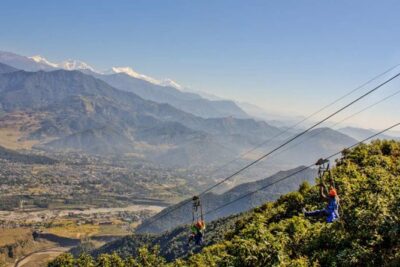
ZipFlyer Nepal – The World’s Steepest Zip-line
Read our review →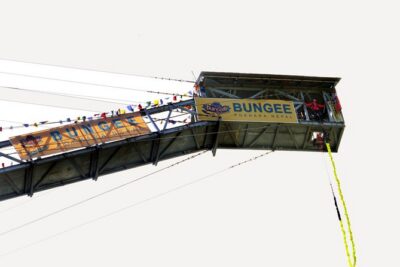
Full-Day Tibetan Cultural Tour to Tibetan Settlements Pokhara
Read our review →
Full-Day Sharing Bus Tour on 7 Iconic Destination
Read our review →
Trekking in Annapurna/Langtang/Everest/Upper Mustang regions
Read our review →This tour also appears in