REVIEW · ANNAPURNA BASE CAMP TREKS
Pokhara: 7-Day Annapurna Base Camp Trek via Ghandruk
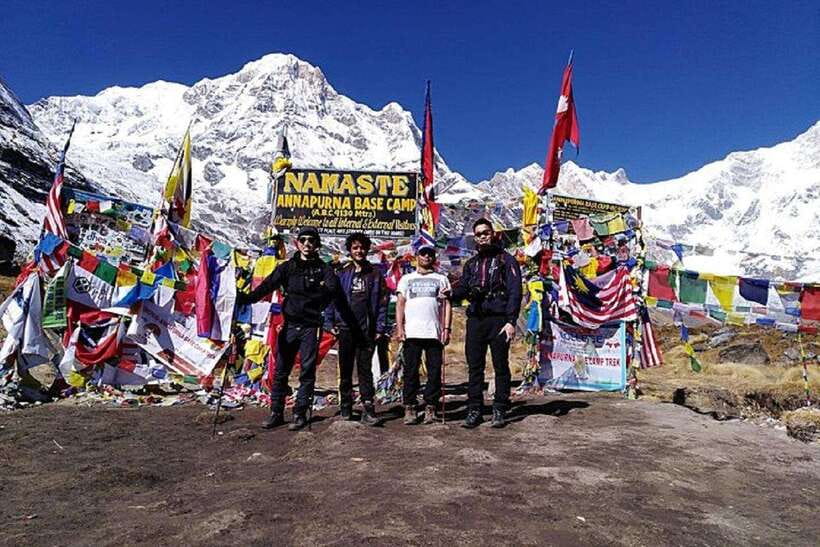
Annapurna Base Camp is the prize here: at 4,130 meters, you wake inside a giant ring of snow peaks and watch the first light reach Annapurna I, Machapuchare, and Hiunchuli. The route also gives you a fine mix of mountain villages, stone steps, terraced fields, and rhododendron forest instead of saving all the scenery for the final morning.
I like the Gurung villages, especially Landruk and Ghandruk, where the trek has a human scale. I also like the route’s compact design: you reach ABC in four walking days, enjoy the sunrise, and return to Pokhara on day seven.
The main caution is to clarify the details before paying. Some costs, such as drinking water, Wi-Fi, and possibly a porter, may be extra, and the return transport arrangements should be confirmed in advance. This is a demanding walk, not a gentle sightseeing trip.
Key points to know before booking
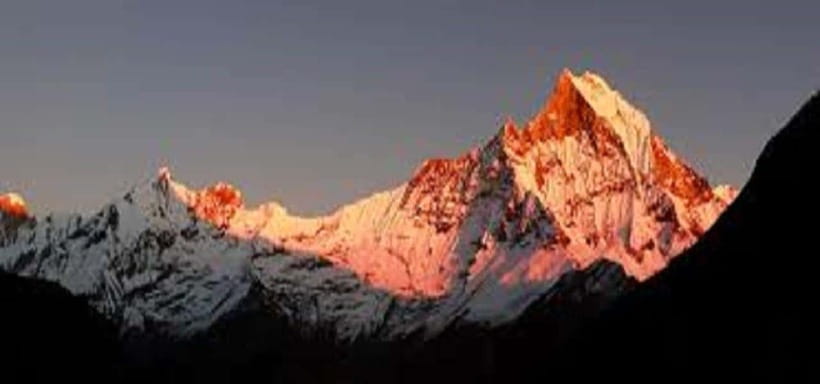
- Sunrise at 4,130 meters: Wake early at Annapurna Base Camp for a close view of the Sanctuary’s snowy peaks.
- A route with real variety: Walk from ridge-top Australian Camp through farmland, Gurung villages, bamboo forest, and alpine terrain.
- A strenuous middle section: The climb to Chhomrong and the long stone stairways require steady fitness and patience.
- Scenic exit through Ghandruk: The return route includes one of the area’s best-known traditional mountain villages.
- Basic tea house accommodation: Expect simple lodges and variable extras, including possible charges for hot water, Wi-Fi, and bottled water.
- Private guide service: The package offers a private group with English, Hindi, or Nepali-speaking guiding and pickup around Pokhara.
Why this seven-day route works
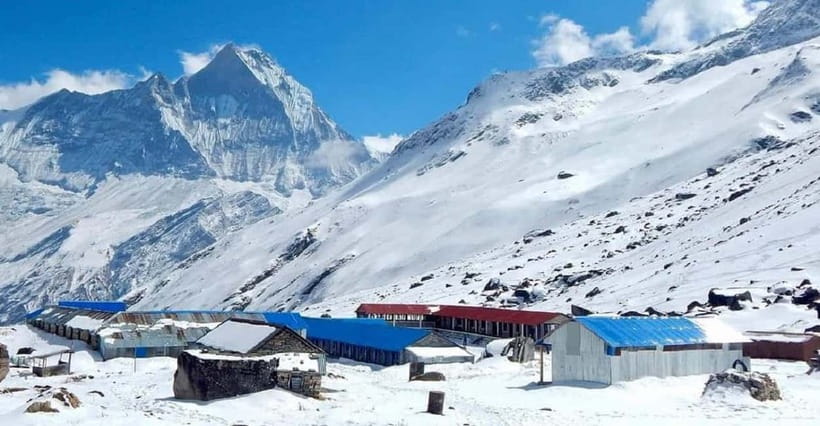
This trek packs the Annapurna Sanctuary into one week without turning every day into a race. You begin near Pokhara, gain height gradually, reach the main goal on day four, and then spend three days walking down through forest and village country.
The route is not a perfect loop. You retrace part of the Modi Khola valley after ABC, especially on the way down to Bamboo or Sinuwa. That is normal for this approach, since the sanctuary is a mountain basin with a limited trail entrance. The Ghandruk section adds a different feel at the end, but you should not book this expecting seven completely different walking days.
At $179 per person, the price looks attractive for a private trek that includes permits, basic accommodation, a registered guide, trek meals in the selected package, transport, taxes, and some gear. The value depends on exactly what you choose. Ask in writing if meals, a porter, sleeping bag, drinking water, Wi-Fi, and return transport are included in your particular rate.
More Annapurna Base Camp Treks in Pokhara
- Kathmandu/Pokhara: 5-Day Annapurna Base Camp (ABC) Trek
★ 4.9 · 72 reviews - Private 7 – Day Annapurna Base Camp Trekking
★ 5.0 · 50 reviews - Annapurna Base Camp Trek (8 days)
★ 5.0 · 45 reviews
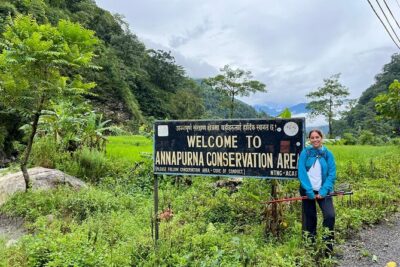
Day 1: Kande to Australian Camp and Landruk
The trip begins with about a one-hour drive from Pokhara to Kande, at 1,770 meters. Pickup is offered from hotels in the Lakeside and Sarangkot areas, as well as Pokhara International Airport. The guide and car are scheduled to arrive a few minutes early, which is useful when you are standing outside with a pack and trying to identify the right vehicle.
From Kande, the trail climbs toward Australian Camp and Pothana. This first section gives you an early taste of the Annapurna range, with open ridge walking and mountain views before the trail enters more wooded country.
The day is listed at four to five hours of walking. The route then descends to Landruk, at 1,565 meters. That elevation is lower than your starting point, but the walk still includes uphill and downhill sections, so do not treat the first day as a mere warm-up.
Landruk is a Gurung village with terraced fields and mountain scenery. It is a good first night because you begin with village life rather than a large road settlement. The drawback is the initial descent: if your knees dislike downhill steps, use trekking poles from the start.
Day 2: Landruk, Chhomrong, and Sinuwa
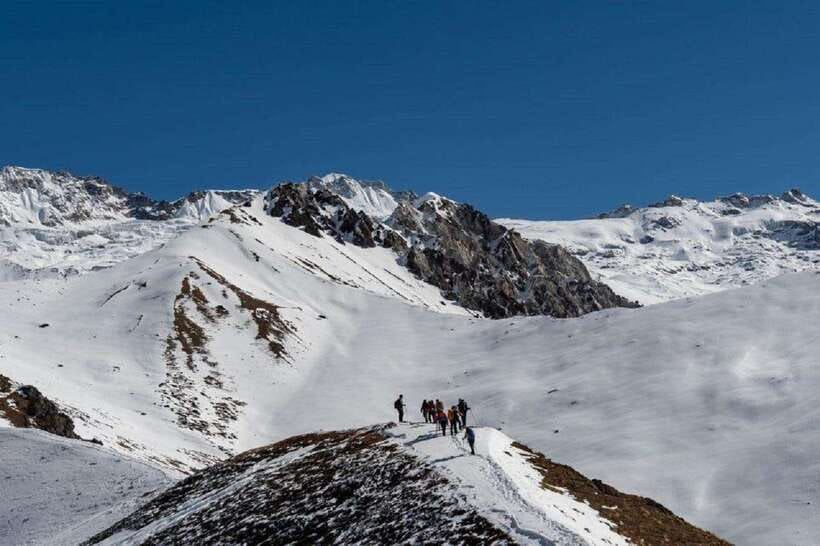
Day two is longer, at six to seven hours. You first descend toward the river, then climb toward Chhomrong. This is one of the route’s more demanding days because the trail repeatedly trades height for distance.
Chhomrong is an important settlement on the Annapurna Base Camp route. It is also where the character of the trek begins to change. Behind you are open farmland and village paths. Ahead are thick forests, narrower valley views, and the long approach to the Sanctuary.
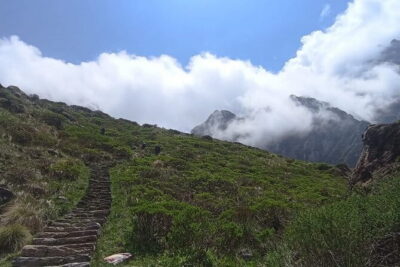
From Chhomrong, you continue over stone steps to Sinuwa, at 2,340 meters. The stairways are a recurring feature of this trek. They are not technical climbing, but they can be tiring, especially under a full pack.
I would keep this day slow and steady. Short rests are more useful than pushing hard and then stopping for a long time. Drink regularly, eat even if your appetite is fading, and keep warm clothing accessible rather than buried at the bottom of your bag.
Day 3: Sinuwa through Bamboo and Dovan to Deurali
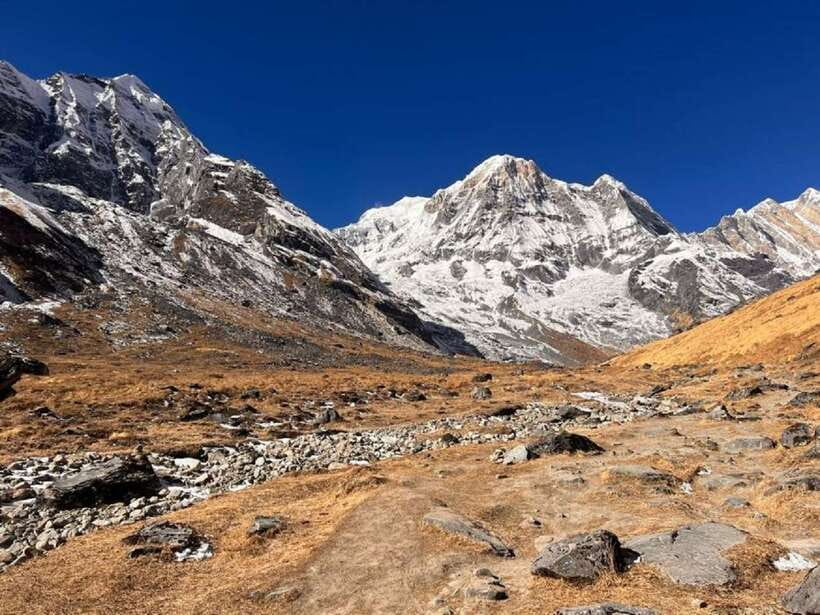
The third day follows the Modi Khola valley through bamboo and rhododendron forest. You pass Bamboo and Dovan before reaching Deurali, at 3,230 meters. The walking time remains six to seven hours, but the rising altitude changes how the day feels.
The forest is the star here. Bamboo gives the trail a tunnel-like quality, while rhododendron trees add seasonal color. The river and valley keep you oriented as you move farther into the mountains.
This is also the day when altitude deserves more attention. You gain nearly 900 meters from Sinuwa to Deurali, and the air will feel thinner. Walk at the guide’s pace rather than your usual low-altitude pace. Headache, unusual tiredness, nausea, or poor coordination should be reported promptly.
Deurali marks the approach to alpine country. Accommodation is basic tea house lodging, and facilities can be limited. The package includes tea house or lodge accommodation, but personal extras are not necessarily covered. Budget for snacks and drinks, and ask about water costs before filling your bottle.
More Hiking Tours in Pokhara
- Poon hill Trek 3 days
★ 5.0 · 176 reviews - Trekking in Annapurna/Langtang/Everest/Upper Mustang regions
★ 5.0 · 161 reviews - Pokhara: 4-Day Ghorepani, Poonhill & Ghandruk Mountain Trek
★ 5.0 · 132 reviews - Ghorepani – Poon Hill Trek 3N-4D
★ 5.0 · 125 reviews
Day 4: Machapuchare Base Camp to Annapurna Base Camp
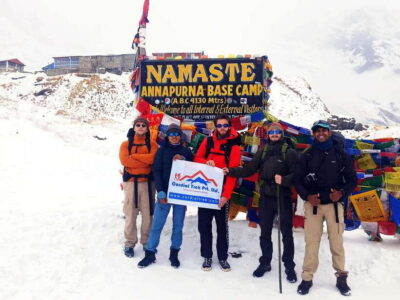
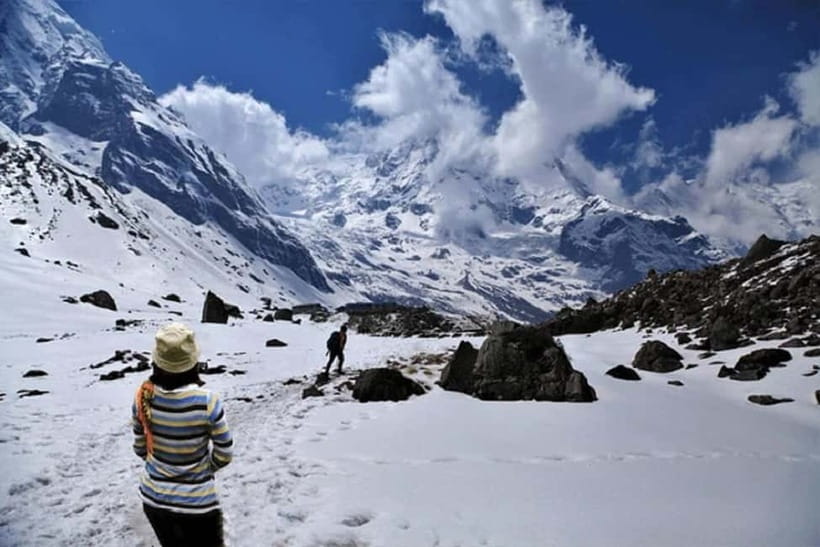
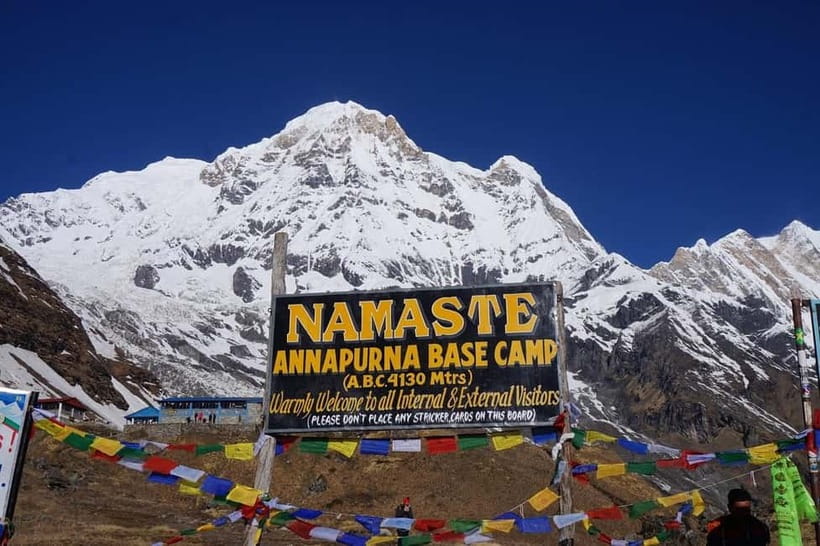
This is the big day. From Deurali, you leave much of the forest behind and enter a more open high-mountain setting. The walk to Machapuchare Base Camp takes you to about 3,700 meters, followed by the final approach to Annapurna Base Camp at 4,130 meters.
The listed walking time is five to six hours. That may sound shorter than the previous days, but altitude makes every climb more serious. The trail’s reward is a sudden change in scale as the peaks appear closer and the valley opens around you.
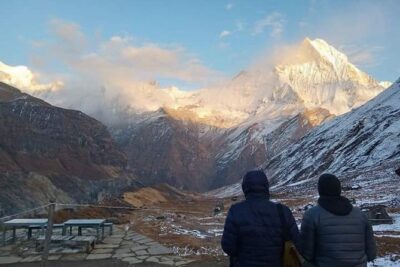
Machapuchare, also known as Fishtail, is one of the most recognizable mountains in Nepal. From the base camp area, you also look toward Annapurna I, Hiunchuli, and other snow-covered summits. At ABC, the mountains form a natural amphitheater around the camp. This enclosed setting is the defining moment of the trek.
Conditions at 4,130 meters can be very cold, even if Pokhara was warm when you left. Pack gloves, a hat, a warm jacket, and dry spare clothes where you can reach them quickly. A sleeping bag may be supplied as trekking gear if needed, but confirm this before departure.
The overnight stay at ABC is simple. Do not expect comfort to match the scenery. The altitude, cold, and basic facilities are part of the trade-off for sleeping inside the Sanctuary.
The ABC sunrise: the trek’s finest hour
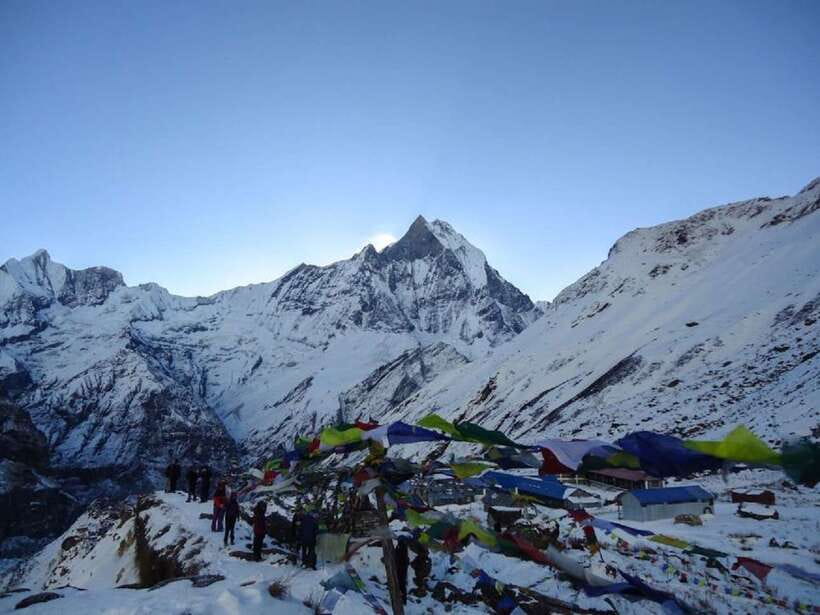
You will need an early start for sunrise. The exact time depends on the season and the guide’s plan, but the practical point is simple: keep your warm layer and camera beside your bed, not in a pack stored across the room.
The sunrise is special because you are already inside the mountain amphitheater. Instead of viewing the peaks from a distant ridge, you watch light move across nearby walls of rock and snow. Annapurna I, Machapuchare, Hiunchuli, and surrounding summits provide the main panorama.
The cold can be severe, and clouds may affect visibility. No mountain sunrise is guaranteed. Still, the location gives this moment real value even if the view is partly covered. After breakfast, you begin the long descent.
Day 5: Returning through MBC, Deurali, and Dovan
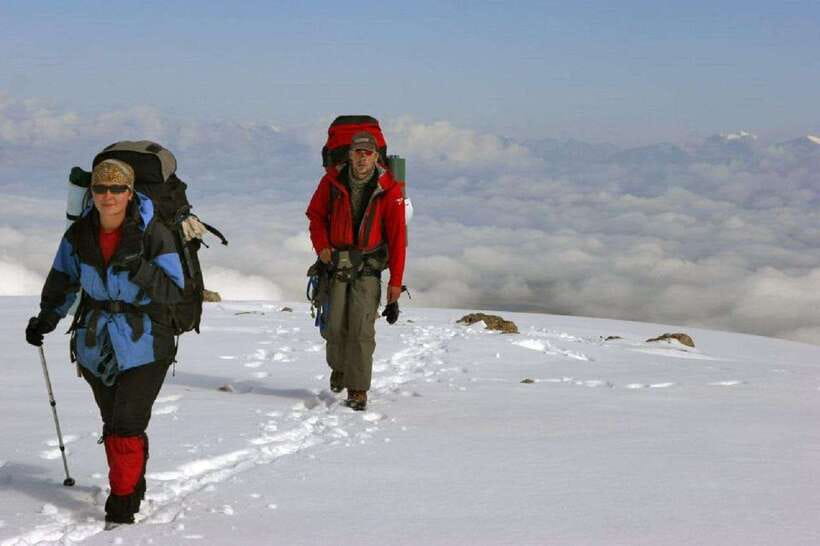
The fifth day retraces the valley from ABC through Machapuchare Base Camp, Deurali, and Dovan. Depending on pace and conditions, you spend the night at Bamboo or continue to Sinuwa, at 2,340 meters.
The schedule allows six to seven hours of walking. Descending is easier for your lungs, but it can be hard on knees and ankles. Stone steps that felt manageable on the way up can feel awkward when you are tired and carrying a day pack.
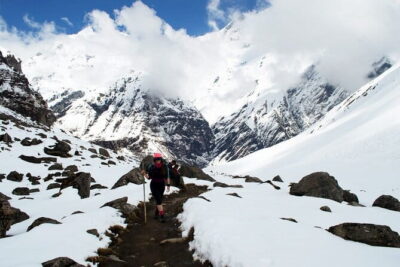
This is where trekking poles earn their place. They help with balance on wet or uneven sections and reduce some pressure on your knees. Keep your rain layer handy too, since forest weather can change quickly even when the high camp was clear.
The return route is scenic, but it is not new territory. If you want a route with no repeated sections, this is not the right trip. If your priority is reaching ABC within a week and then enjoying a cultural finish through Ghandruk, the repetition is a reasonable compromise.
Day 6: Sinuwa to Chhomrong and Ghandruk
From Sinuwa, you walk back to Chhomrong, then take the route toward Ghandruk. The day lasts about five to six hours and ends at 1,940 meters.
Ghandruk is one of the most appealing stops on the itinerary. It is a traditional Gurung village with mountain views, stone paths, terraced farmland, and a strong sense of place. After several nights in the narrow Modi Khola valley, the open village setting feels like a change of scene.
This is also the cultural highlight of the return. The trek is not only about peaks. It connects you with working mountain communities and the practical village routes that support life in the hills.
The walk to Ghandruk is not effortless. You still face stairs and uneven trails, and tired legs are common by this point. But the shorter day gives you time to arrive before dark and enjoy the village rather than simply use it as a bed.
Day 7: Ghandruk to Birethanti and Pokhara
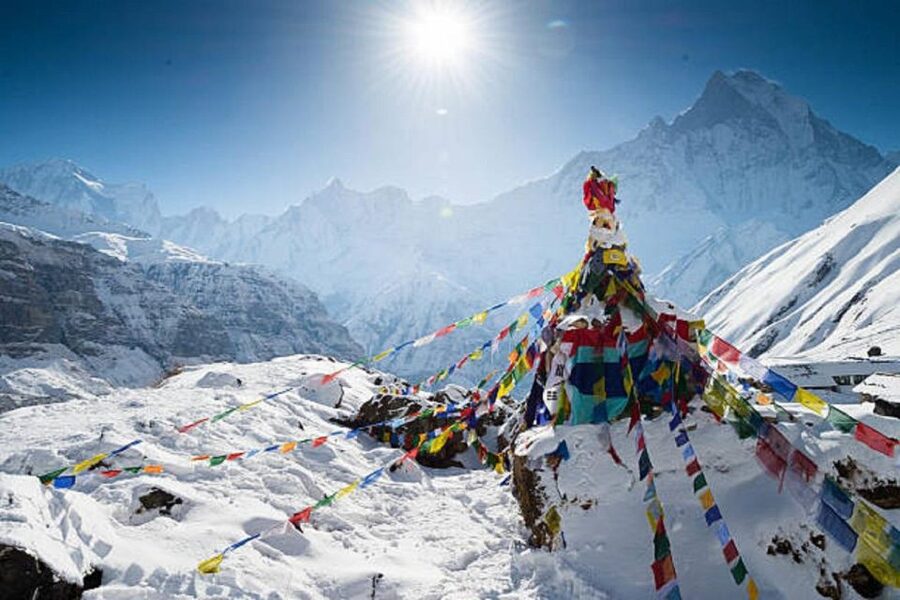
The final walking day descends through villages and farmland to Birethanti, at 1,025 meters. It takes about three to four hours, followed by roughly one hour by road to Pokhara.
This is a manageable finish on paper, but downhill walking can still be tiring after six days on foot. Keep your boots tied firmly and use your poles. At Birethanti, the trek ends and the road journey begins.
Confirm the return vehicle before the trek starts. One reported arrangement involved a less comfortable and less reassuring public bus instead of the expected Jeep after the walk finished earlier than planned. Roads in Nepal can be rough, and reliable transport matters after a long descent. Ask what happens if you arrive ahead of schedule and who pays for any change.
Tea houses, meals, water, and porters
Tea house lodging keeps the trek affordable and gives you a simple place to sleep near the trail. Rooms and facilities are basic, and conditions can vary with altitude and location. You should bring a flashlight, warm clothing, toiletries, and cash for personal purchases.
Meals are included according to the option selected. That wording matters. Check the exact meal plan rather than assuming every food and drink is covered from Pokhara to Pokhara.
Personal expenses include snacks and beverages. Drinking water may also cost extra at the lodges, as can Wi-Fi. These charges are normal in remote mountain areas, but they can add up. Carry enough Nepalese cash and ask your guide where water can be refilled safely.
The porter information needs special attention. The package says guide and porter support can include food, lodging, insurance, salary, transport, and equipment, yet the exclusions also list a porter at $20 per day if needed. Treat this as an option question and get a clear answer before booking. If you use a porter, pack responsibly and keep valuables, documents, medication, and one warm layer in your own day bag.
Fitness, altitude, and packing
You should be in good health and have a reasonable level of fitness. The toughest elements are the long stone stairways, six to seven-hour walking days, repeated descents, and the rapid rise from low valley villages to 4,130 meters.
Useful items include:
- Comfortable hiking shoes or boots with good grip
- Warm layers, a hat, gloves, and a jacket
- Hiking pants and a change of clothes
- A flashlight or headlamp
- Cash for snacks, drinks, Wi-Fi, and water
- Passport or identification, with a copy accepted
- Hand sanitizer or tissues
- Camera and spare power arrangements
- Trekking poles and other personal trekking gear
Travel insurance is mandatory. It should cover trekking at the planned altitude and emergency rescue services. Rescue is available if required, but emergency costs are not included in the tour price, so do not skip this protection.
You must provide a passport copy at least one day before departure so the necessary Nepal government permits can be arranged. Temperatures can change sharply during the week, so pack for warm Pokhara weather and freezing conditions at ABC.
Guide service, pickup, and private groups
The experience is arranged as a private group rather than a large shared departure. That can help with pacing, rest stops, and communication, especially when the altitude begins to affect the group.
Guides are available in English, Hindi, and Nepali, and the guide is described as government registered. The package also covers guide expenses such as food, accommodation, insurance, salary, transport, and equipment.
Pickup covers Pokhara Lakeside, Sarangkot, and Pokhara International Airport. Give the operator your exact hotel location and confirm the morning pickup time. A sign with your name and booking details is used for identification.
Before departure, ask the guide or operator four practical questions: what meals are included, if a porter is included, how water and Wi-Fi are charged, and what vehicle returns you to Pokhara. These questions prevent most unpleasant surprises.
Who should book this trek?
I would recommend it to you if you want a short, private Himalayan trek with a major high-altitude goal and a good mix of scenery and village life. It suits people who can walk for several hours daily and are prepared for cold, basic lodging, and steep steps.
It is less suitable if you want soft beds, reliable internet, easy access to hot showers, or a relaxed walking schedule. It is also not ideal if you dislike repeating part of a route or if you have no experience with sustained uphill and downhill walking.
The $179 price can be strong value when the selected package truly includes meals, permits, accommodation, guide service, transport, and required gear. It is less compelling if you later add a porter, water, Wi-Fi, snacks, and changed transport at the end. Compare the final cost, not just the headline number.
Should you book the Annapurna Base Camp trek?
Book this trek if the sunrise inside the Annapurna Sanctuary is your main goal and you want to add Gurung villages and Ghandruk without spending two weeks on the trail. The scenery is the clear strength, and the route gives you a satisfying mountain story in seven days.
Book only after confirming the package details in writing. Pay special attention to the porter fee, meal coverage, drinking water, lodge extras, and return transport. With those points settled, this is a practical way to reach one of Nepal’s most memorable base camps from Pokhara.
FAQ
How long is the Annapurna Base Camp trek?
The experience lasts seven days, including road transfers from Pokhara and the return drive from Birethanti.
What is the highest point on the trek?
Annapurna Base Camp is the highest overnight stop and sits at 4,130 meters. Machapuchare Base Camp is at about 3,700 meters.
Is pickup from my Pokhara hotel included?
Pickup is offered from hotels in Pokhara Lakeside, the Sarangkot area, and Pokhara International Airport. The pickup time is confirmed after booking.
What languages can the guide speak?
Guiding is available in English, Hindi, and Nepali.
Is travel insurance required?
Yes. Travel insurance is mandatory, and it should provide suitable protection for trekking and possible emergency rescue.
Is a porter included in the price?
The package information gives conflicting details. It describes porter support among the covered guide and porter expenses, but also lists a porter at $20 per day if needed. Confirm your exact option before booking.
More 7-Day Experiences in Pokhara
- Pokhara: 7 Day Annapurna Base Camp Trek
★ 4.9 · 38 reviews - Annapurna Base Camp Trek from Pokhara 7 Days
★ 5.0 · 19 reviews - 7-Day Trek to Annapurna Base Camp from Pokhara
★ 5.0 · 12 reviews - Pokhara: 7-Day Annapurna Base Camp Trek & Natural Hot Spring
★ 5.0 · 11 reviews
Recently added around Pokhara
- Paragliding in Pokhara★ 5.0 · 3 reviews
- Pokhara: 5-Day Annapurna Base Camp Trek with Hot Spring★ 5.0 · 3 reviews
- Pokhara:4-Day Ghorepani Poon Hill Guided Trek via Ghandruk★ 5.0 · 3 reviews
- Peace & Panorama: Stupa and Pumdikot Scenic Drive Tour★ 3.6 · 3 reviews
- Beautiful Sarankot Sunrise with Full Day Sightseeing in Pokhara★ 4.5 · 3 reviews
- 3 Day Australian Camp Dhampus Ghandruk Easy Trek in Pokhara★ 3.5 · 3 reviews
- Overnight Dhampus Australian Camp Easy Hiking from Pokhara★ 5.0 · 3 reviews
- Kathmandu: 4 Days Pokhara Tour With Himalaya Easy Day Hiking★ 5.0 · 3 reviews
Other Annapurna Base Camp Treks worth a look
Kathmandu to Annapurna Base Camp (ABC) 5-Day Trek
Read our review →