
REVIEW · POKHARA TOURS
Pokhara: Full-Day Sharing Bus Tour on 7 Iconic Destination
Pokhara’s best value sightseeing day is less about a polished guided tour and more about covering a lot of ground without hiring a taxi. For $12, you can reach Pumdikot, the World Peace Stupa, caves, waterfalls, temples, and the Seti River in one outing.
I like the easy Lakeside hotel pickup and the chance to ride with a mix of Nepali, Indian, and international passengers. I also like the freedom at each stop: you get off, look around on your own, and return to the bus by the stated time. The catch is important: this is not a traditional guided tour with a guide explaining every monument, and the simple bus may not have air-conditioning.
Key points at a glance
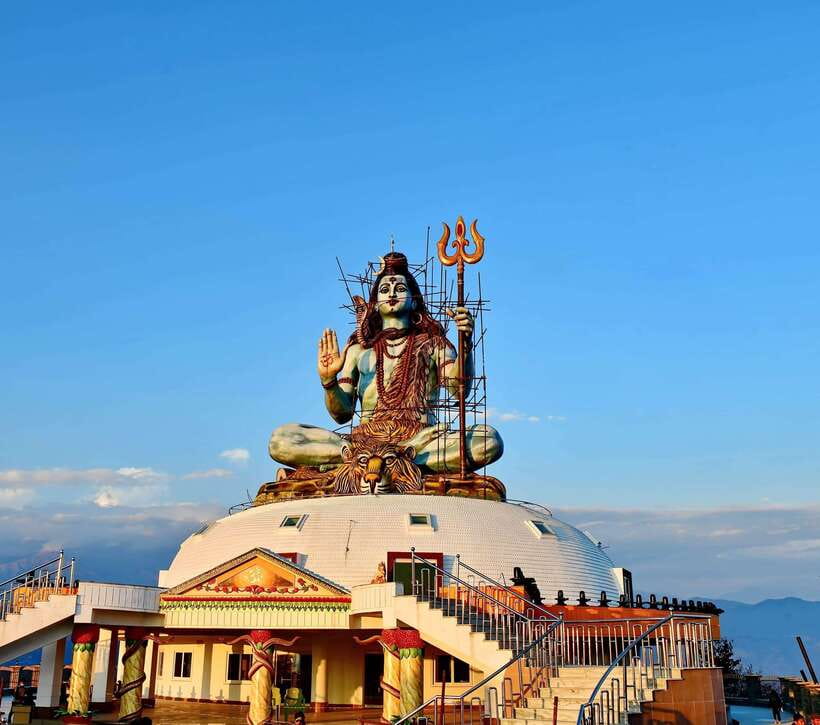
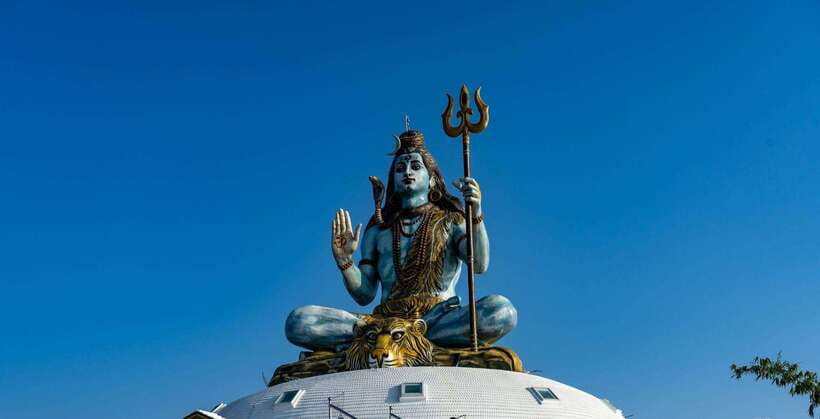
- Pumdikot’s giant Shiva statue: Begin with a hilltop religious site and broad mountain views, including the Annapurna range on clear days.
- Caves with different characters: Mahendra Cave offers stalactites and stalagmites, while Bat Cave adds a more earthy, enclosed experience.
- Nine sights in one day: The route covers more than the title suggests, including the World Peace Stupa, Devi’s Fall, Gupteswor Cave, Bindabasini Temple, and the Seti River.
- Shared local-style transport: You save money and meet other passengers, but expect a basic bus and a full day on the road.
- Self-guided stops: You receive transport and timing rather than detailed talks at every site, so a little reading beforehand pays off.
- A flexible finish by Fewa Lake: You can get off near the lake and explore the area on foot, or return to your Lakeside hotel on the bus.
What this Pokhara bus tour really offers
This is a sightseeing circuit, not a private excursion. The bus collects you from a hotel within Pokhara’s Lakeside area, using a name card to identify you, then links together major sights on both sides of the city.
The advertised duration is six hours, though you should allow closer to a full morning and afternoon. Some outings have lasted about eight hours, depending on traffic, boarding times, weather, and how the route runs that day. That difference matters if you have a flight, trek departure, or dinner reservation afterward.
The tour is often described as having a guide, but the practical arrangement is closer to guided transportation. A coordinator or tour representative helps with the route and timing, while you generally explore the monuments independently. At each stop, you need to watch the meeting time and return to the bus without waiting for a formal group walk.
That setup suits me when I want a broad first look at Pokhara. If you want stories, history, and constant explanation, hire a private guide instead or prepare your own notes before leaving.
A few more Pokhara days to weigh up
- Full-Day Tibetan Cultural Tour to Tibetan Settlements Pokhara
★ 5.0 · 184 reviews - Pokhara: Full-Day Private Tour on 7 Iconic Destination
★ 4.8 · 108 reviews - Pokhara: Sarangkot Sunrise with Half or Full-Day City Tour
★ 4.8 · 100 reviews
Pumdikot and the Shiva statue
The first major stop is the Shiva Idol at Pumdikot, a large religious statue on a hill above Pokhara. It gives the day an impressive start, especially when the air is clear and the Annapurna mountains appear beyond the city.
Pumdikot is also a place to pause and take in the setting rather than rush straight to a checklist photograph. The statue, temple grounds, and open views offer a different mood from the cave visits later in the day.
Bring sunscreen and water here. The site is exposed, and the combination of walking, steps, and sun can make the first stop more tiring than expected. Comfortable shoes are useful throughout the tour, but especially at hilltop religious sites and uneven cave entrances.
The main limitation is weather. Clouds or rain can hide the mountains, though the Shiva statue and temple remain worthwhile for their religious setting.
World Peace Stupa above Phewa Lake
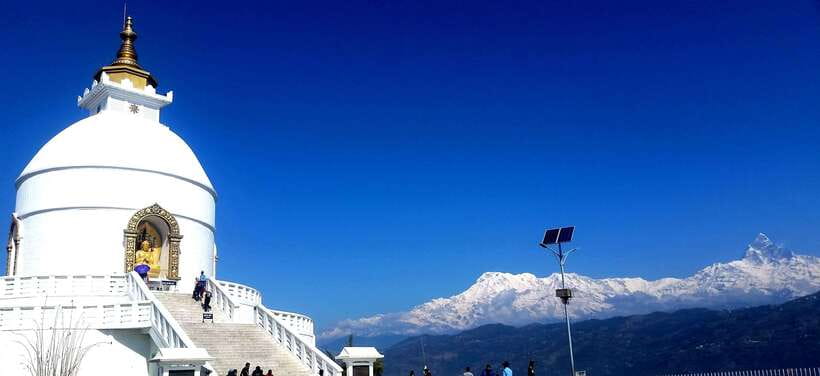
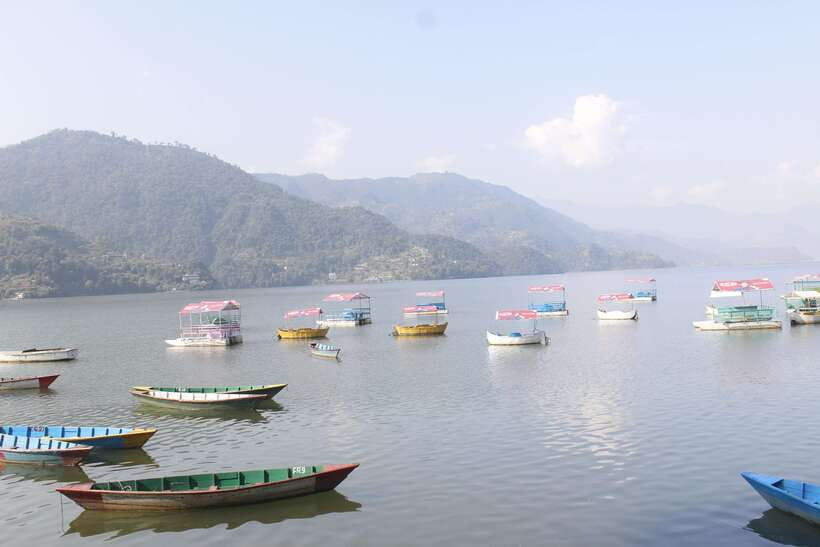
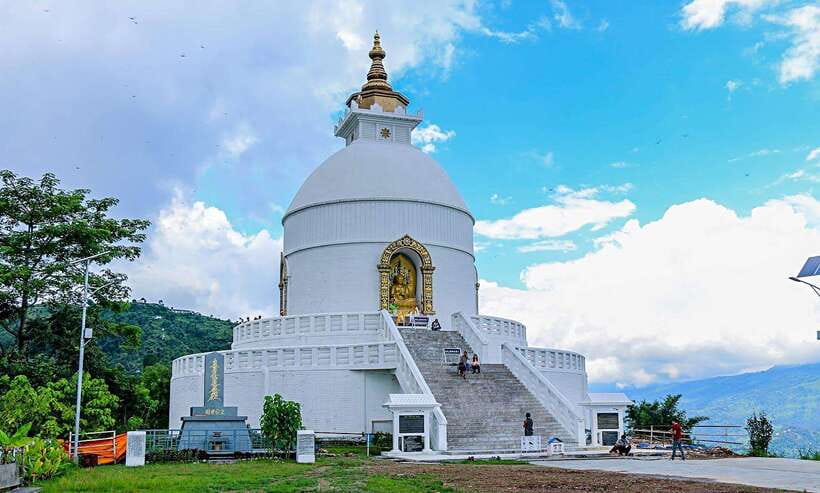
From Pumdikot, the bus continues to the World Peace Stupa, one of Pokhara’s best-known viewpoints. The white monument has a quiet, open setting and looks across the lake toward the city and surrounding hills.
This stop adds calm to a fast-moving day. Take time to look outward rather than only at the stupa itself. On a clear day, the views are one of the strongest reasons to include this tour, and the bus windows can also provide fine mountain glimpses between stops.
You will not have an extended meditation session or a long cultural talk built into the outing. The value comes from reaching the viewpoint easily, then having a set period to walk around and enjoy it.
Respect the religious setting. Keep your clothing practical and your behavior quiet around the monument. A camera is worth carrying, but do not let photographs replace the view.
Devi’s Fall and Gupteswor Cave
The waterfall stop is usually called Devi’s Fall, though the itinerary also uses names such as Devi’s Water Fall. Water drops through a rocky channel and disappears underground, making it one of Pokhara’s more unusual natural sights.
The force of the water changes with the season. Rain can make the falls more dramatic, but wet weather may also make paths slippery and reduce visibility. One outing had a waterfall closed, so you should accept that conditions can affect the route.
Gupteswor Cave, also called Mahadev Cave in the tour details, lies near the waterfall area and has a sacred connection. Inside, you can see rock formations and religious elements in a dark, enclosed setting. This is not an easygoing stroll for everyone. The ground may be uneven, and the low, underground passages can trouble anyone with claustrophobia.
Take care with camera equipment around damp cave areas. A small flashlight may help, but the listed essentials are comfortable shoes, water, sunscreen, and a camera. Most important, wear footwear with a firm sole.
A different kind of day from the same base:
- ZipFlyer Nepal – The World’s Steepest Zip-line
★ 5.0 · 608 reviews - Bungee Pokhara by HighGround Adventures
★ 5.0 · 366 reviews - From Pokhara: Sarangkot Sunrise Himalayas Tour
★ 4.7 · 218 reviews - ATV Adventure Tour in Pokhara, Nepal
★ 5.0 · 194 reviews
Mahendra Cave and Bat Cave
The cave portion gives the tour its most distinctive character. Mahendra Cave is known for stalactites and stalagmites, the mineral formations created over long periods by water moving through limestone.
You enter an underground space where the temperature and light change quickly. The cave is atmospheric, but it is not designed for people who dislike tight passages. Stay aware of your footing and follow the site’s own rules rather than treating it as a quick photo stop.
Bat Cave, also called Chamere Cave, adds a second underground visit. The name comes from the bats associated with the cave, but you may not see any. One outing found no bats, so keep expectations modest. The cave is still an enclosed natural attraction, but it may feel less rewarding if you came mainly for wildlife.
I like having both caves on the route because they are different from Pokhara’s temples and viewpoints. I would not call them essential for every visitor, though. If you have back problems, trouble walking, or claustrophobia, this is one of the strongest reasons to choose another tour.
The Seti River through the city
The Seti River stop brings you back above ground and shows a quieter side of Pokhara. The river cuts through the city in a narrow, dramatic channel, with pale water moving through rock and urban surroundings.
This is a short but useful change of pace. Instead of looking across a lake or mountain valley, you see how water has shaped the city itself. The force of the river is the main attraction, not a long riverside walk.
The stop also helps break up the cave visits. After dark passages and uneven ground, the open air feels welcome. Keep your camera ready, but stay well back from edges and observe local safety signs.
Bindabasini Temple and a final cultural stop
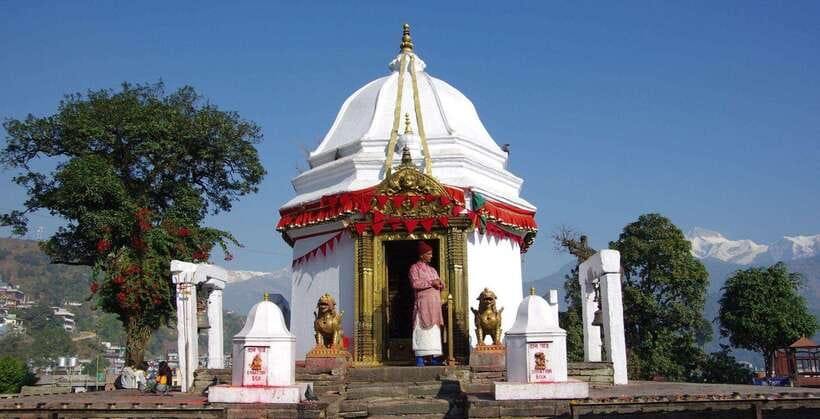
Bindabasini Temple is one of Pokhara’s important Hindu religious sites. Its carefully designed grounds offer a more settled, spiritual pause near the end of the route.
You can walk around the temple area, observe worshippers, and take in the atmosphere without needing a long visit. Dress respectfully, avoid intrusive photography, and remember that this is an active place of worship rather than a museum.
The temple is especially useful for giving the day cultural balance. Without it, the itinerary would lean heavily toward viewpoints, caves, and waterfalls. The visit may feel brief if you want detailed religious context, since the experience is generally self-guided.
The name appears in several forms, including Bindabasini and Bindabashini. Do not worry about the spelling difference when checking directions or asking the coordinator.
Transport, timing, and the shared-bus tradeoff
The bus is the heart of the experience. You are not paying for a private car, so expect a shared ride with other people and a schedule that serves the whole group.
That has clear advantages. You avoid negotiating several taxi rides, you can reach sights that are awkward to link independently, and the low price makes a full day possible on a small budget. Solo visitors also have an easy chance to meet people, with passengers often coming from Nepal, India, and other countries.
The drawbacks are just as real. A basic local-style tourist bus may be warm, and some departures have not had air-conditioning. On hot days, an air-conditioned upgrade has sometimes been arranged, but you should not treat that as guaranteed. Rain, traffic, road conditions, and passenger delays can stretch the day.
The driving itself has received strong praise, with the driver described as skilled and professional. That matters on a route with many stops and busy city roads. Even so, bring water, expect a firm pace, and keep your belongings close when boarding and leaving.
The return is convenient. The bus finishes around Fewa Lake, close to the Lakeside hotel area. You may get off there and explore the lake district independently, or ride back to your hotel on the same bus.
What is included, and what will cost extra
The $12 price includes hotel pickup and drop-off within the Lakeside area and sightseeing by shared bus. It does not include monument entry fees, which are listed at approximately $4, or food and drinks.
That makes the real minimum cost closer to $16 per person before lunch, snacks, and bottled water. Even with those extras, it remains an inexpensive way to connect many sights in one day.
Lunch is not included. Some departures have stopped at a restaurant, but you should not assume that a meal is part of the price. Carry water and a snack, then ask the coordinator about the lunch break and payment arrangements.
The value is strongest for a first visit, a short stay, or a solo traveler without a motorbike. It is less compelling if you already have a private vehicle, dislike fixed schedules, or want to linger at one or two places.
Who should book this day out
I would choose this tour if you have one spare day in Pokhara and want to see the major sights without arranging separate transport. It also works well for budget-conscious couples, families who can manage a long day, and solo visitors who enjoy shared local experiences.
Families have completed the route with young children, including children aged three and seven, but the caves, walking, heat, and changing pace may still be demanding. Parents should judge the day by the child’s comfort rather than the low price.
This is not suitable for wheelchair users, people with back problems, or anyone with claustrophobia. The cave visits and uneven walking are the key concerns. People who need a relaxed pace should consider visiting fewer sights by private car.
Research the places before you go. A little background on Shiva, the Peace Stupa, the caves, the waterfall, and Bindabasini Temple will give the day much more meaning. At each stop, you can then use your free time well instead of wondering what you are looking at.
Practical tips for a smoother day
- Wear shoes that handle uneven surfaces and possible damp ground.
- Bring water, sunscreen, and a camera.
- Keep a close eye on the meeting time at every stop.
- Carry some extra cash for entry fees, drinks, and food.
- Expect the day to run longer than the listed six hours.
- Confirm the pickup time by message before departure. One passenger had to call after the bus did not appear at the expected time.
- Be ready for rain or heat. Weather has affected individual stops, and bus air-conditioning is not assured.
- Do not smoke or bring alcohol or drugs.
- Use the final Fewa Lake stop to explore Lakeside if you do not need the ride back to your hotel.
The tour allows free cancellation up to 24 hours before departure, and you can reserve now and pay later. Pickup is limited to hotels within Lakeside, so confirm that your accommodation falls inside the service area.
Should you book the Pokhara Iconic Destinations bus tour?
Book it if your priority is coverage, convenience, and price. You can see an impressive range of Pokhara in one day, from hilltop religious sites and mountain views to underground caves, a waterfall, a river, and a major temple.
Skip it if you want a slow, deeply explained tour, guaranteed air-conditioning, or full control over how long you spend at each stop. The self-guided format is the deciding factor. If you are happy to read ahead and follow a schedule, $12 is hard to beat. If you want a personal guide beside you at every monument, spend more on a private outing.
FAQ
How much does the Pokhara bus tour cost?
The listed price is $12 per person. Monument entry fees are not included and are approximately $4, while food and drinks are also extra.
How long does the tour last?
The stated duration is six hours, but some outings have taken about eight hours. Allow a full day and avoid scheduling a tight onward connection.
Does hotel pickup come with the tour?
Yes. Pickup and drop-off are included for hotels within the Lakeside area of Pokhara. Pickup uses your name card.
Is this a private tour?
No. Sightseeing is by shared bus. You travel with other passengers rather than in a private vehicle.
Is a guide included?
The tour includes route coordination and transport, but the stops are generally self-guided. You explore independently and return to the bus at the assigned time.
Which places are visited?
The route includes the Pumdikot Shiva statue, World Peace Stupa, Devi’s Fall, Gupteswor or Mahadev Cave, Mahendra Cave, Bat or Chamere Cave, the Seti River, and Bindabasini Temple. The title refers to seven destinations, but the described route covers more.
Is lunch included?
No. Food and drinks are not included. You should bring water and budget separately for food.
Is the bus air-conditioned?
Air-conditioning is not guaranteed. Some departures have used an air-conditioned bus during hot weather, while other buses have been non-air-conditioned.
Is the tour suitable for people with claustrophobia?
No. The itinerary includes several caves, including Mahendra Cave and Bat Cave, so it is not suitable for people with claustrophobia.
Can I cancel the booking?
Yes. You can cancel up to 24 hours in advance for a full refund. The reserve-now, pay-later option is also available.
Recently added around Pokhara
- Paragliding in Pokhara★ 5.0 · 3 reviews
- Pokhara: 5-Day Annapurna Base Camp Trek with Hot Spring★ 5.0 · 3 reviews
- Pokhara: 7-Day Annapurna Base Camp Trek via Ghandruk★ 4.3 · 3 reviews
- Pokhara:4-Day Ghorepani Poon Hill Guided Trek via Ghandruk★ 5.0 · 3 reviews
- Peace & Panorama: Stupa and Pumdikot Scenic Drive Tour★ 3.6 · 3 reviews
- Beautiful Sarankot Sunrise with Full Day Sightseeing in Pokhara★ 4.5 · 3 reviews
- 3 Day Australian Camp Dhampus Ghandruk Easy Trek in Pokhara★ 3.5 · 3 reviews
- Overnight Dhampus Australian Camp Easy Hiking from Pokhara★ 5.0 · 3 reviews
Other Pokhara Tours worth a look
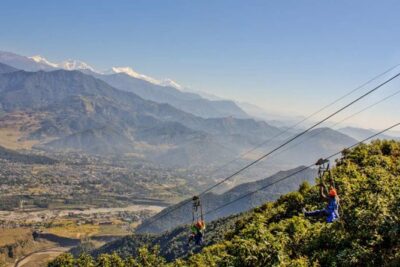
ZipFlyer Nepal – The World’s Steepest Zip-line
Read our review →

Full-Day Tibetan Cultural Tour to Tibetan Settlements Pokhara
Read our review →
Trekking in Annapurna/Langtang/Everest/Upper Mustang regions
Read our review →
4-Day Ghorepani, Poonhill & Ghandruk Mountain Trek
Read our review →This tour also appears in