
REVIEW · TIBETAN CULTURE TOURS
Morning Half Day Tibetan cultural tour to Tibetan Settlements
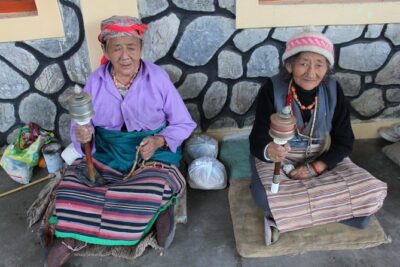
Pokhara’s Tibetan settlements offer something most city tours miss: direct contact with a refugee community, its monasteries, food, and daily religious life. With guide Mr. Thupten Gyatso, you visit three important sites before breakfast time, when morning prayer gives the tour its strongest sense of place.
I like the early start and compact timing. You are back in Pokhara around 9 a.m., leaving the rest of the day open. I also like the family breakfast, since eating Tibetan food in a local home tells you more than a quick stop at a souvenir shop ever could.
The main drawback is the 5:30 a.m. departure. That is an advantage for prayer and quiet roads, but it will feel rough if you are tired from trekking or prefer a slow holiday morning.
Key points to know before booking
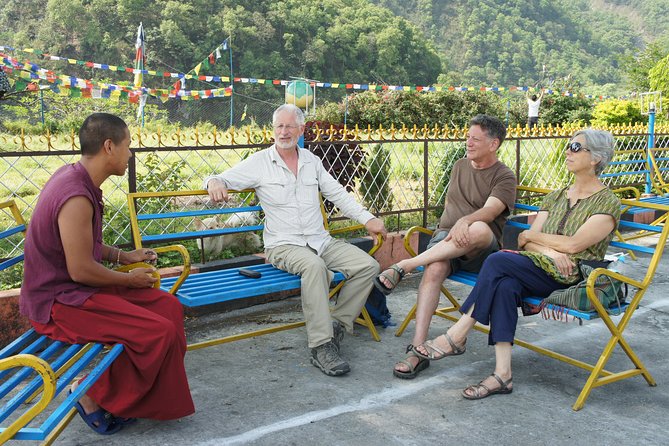
- Mr. Thupten Gyatso guides from personal community experience, adding context to the settlements and refugee life.
- Morning prayer at Jangchub Choeling Monastery gives the tour a real religious focus, not just a sightseeing stop.
- A traditional breakfast with a Tibetan family is included, along with tea or coffee.
- Three stops fit into roughly three and a half hours, so you get a focused introduction rather than a full-day program.
- Hotel pickup and drop-off in Pokhara make the early departure easier to manage.
- The $60 price includes transport, guiding, breakfast, drinks, and bottled water, but not lunch or the optional DVD.
Why this early-morning tour works
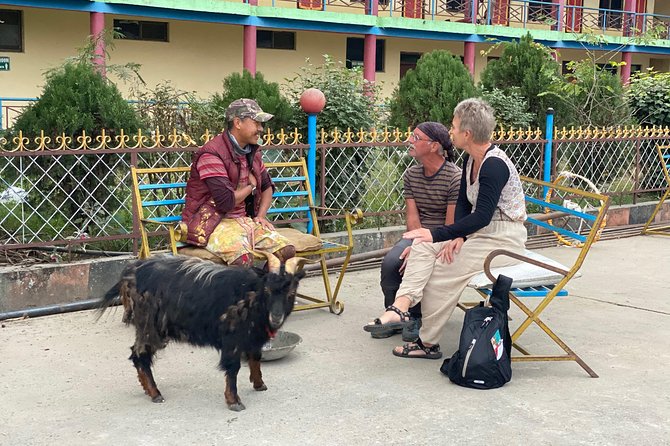
This is not a general Pokhara sightseeing trip with a Tibetan stop added on. The subject is Tibetan culture in Nepal, viewed through religion, food, settlement life, and the experience of people who left Tibet and now live in refugee communities.
The schedule shapes the experience. You leave at 5:30 a.m., visit a monastery during morning activity, have breakfast with a local family, and return by about 9 a.m. That makes the tour useful for you if you want cultural context but do not want to give up a full day of hiking, boating, or sightseeing around Pokhara.
The short format also keeps the subject clear. You are not rushed through a long list of unrelated attractions. The three stops all connect: a monastery, a Tibetan settlement, and another monastic institute. The tour gives you several ways to understand the community, through prayer, conversation, food, and education.
Still, this is an early start. You should treat 5:30 a.m. as a firm part of the experience, not a minor scheduling detail. The tour ends around 9 a.m., but the day begins before sunrise.
More Historical Tours in Pokhara
- Full-Day Tibetan Cultural Tour to Tibetan Settlements Pokhara
★ 5.0 · 184 reviews - Afternoon Tibetan Cultural Tour to Tibetan Settlements Pokhara
★ 5.0 · 106 reviews - Morning Tibetan cultural tour to Tibetan settlements Pokhara
★ 5.0 · 66 reviews
Jangchub Choeling Monastery and morning prayer
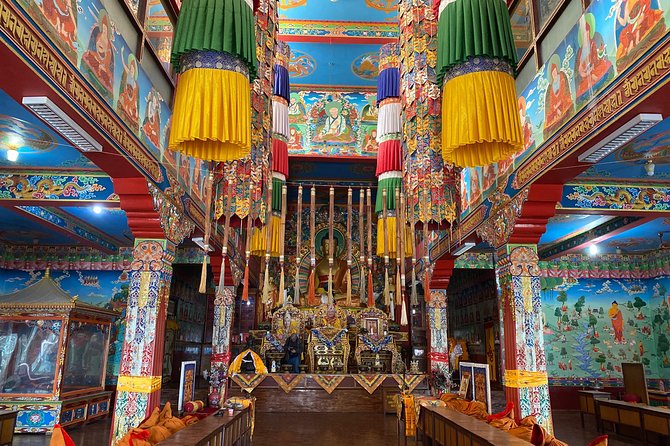
The first stop is Jangchub Choeling Tibetan Monastery, with about an hour allocated for the visit. Admission is listed as free, and the main reason to come is the morning group prayer.
Prayer makes this stop more than a photo opportunity. You can observe the rhythm of Tibetan Buddhist practice and begin to recognize the symbols and images that appear throughout the monasteries. Mr. Thupten Gyatso provides the explanation, helping you understand what you are seeing rather than simply walking through a religious building.
The timing matters. A monastery visited in the middle of a busy sightseeing day can feel like a museum. A morning visit, when prayer is taking place, gives you a better sense of the institution as a living place of worship.
You should approach this part quietly and respectfully. The tour is designed around observing the prayer service and learning about Tibetan Buddhism, not interrupting it. Ask questions at suitable moments, and let the religious setting set the pace.
An hour is enough for an introduction, but not for a detailed study of Buddhist philosophy. If you already have a strong interest in Tibetan Buddhism, you may want more time. For a first look at the subject, the stop gives you a useful foundation for the rest of the morning.
Tashi Palkhel Settlement and a Tibetan family breakfast
The second stop is Tashi Palkhel Tibetan Settlement. Here, the tour moves away from formal religious space and toward everyday community life.
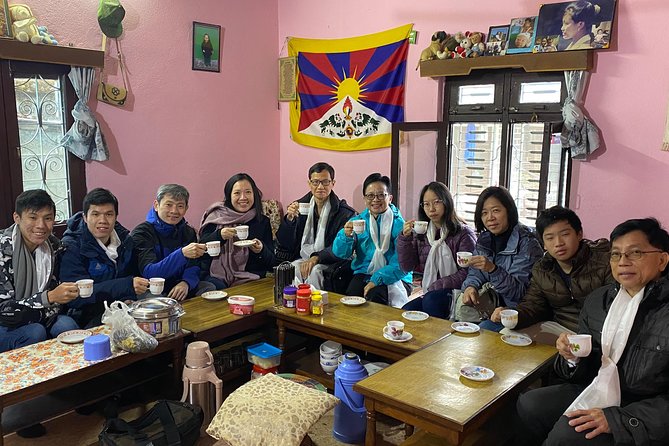
You visit a local Tibetan family’s home and eat a traditional Tibetan breakfast. Breakfast and tea or coffee are included, along with bottled water. This is one of the most appealing parts of the tour because food offers an immediate way into culture. You do not just hear about Tibetan life. You sit down to eat and learn about the dishes from your guide.
Mr. Thupten introduces the food and explains its cultural background. The supplied details do not specify the exact breakfast menu, so you should not book this expecting a particular dish. The important point is the setting: a family home and a meal connected to Tibetan customs.
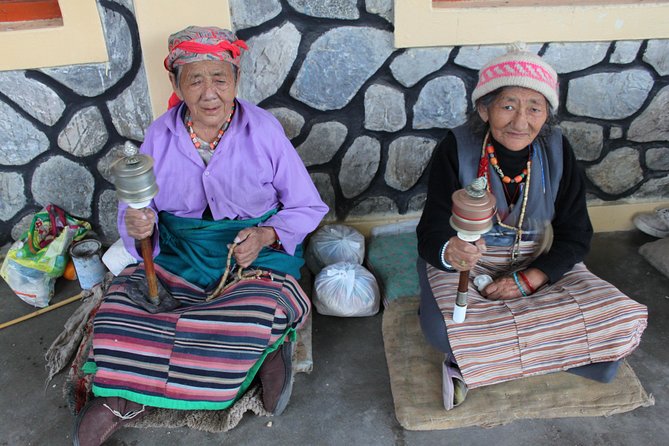
This stop also gives the refugee settlements a human scale. The tour explains that the residents are refugees from Tibet, and your guide comes from that community. That connection can add personal meaning to the discussion of displacement and life in Nepal. It is a more direct form of cultural learning than a short explanation delivered from a vehicle.
You should allow yourself to be present here rather than treating breakfast as a quick fuel stop. The meal is part of the cultural program. At the same time, remember that the tour gives you only about an hour at this stop, so the conversation will be an introduction rather than a complete account of the community’s past and present.
Pema Ts’al Sakya Monastic Institute and monastic education
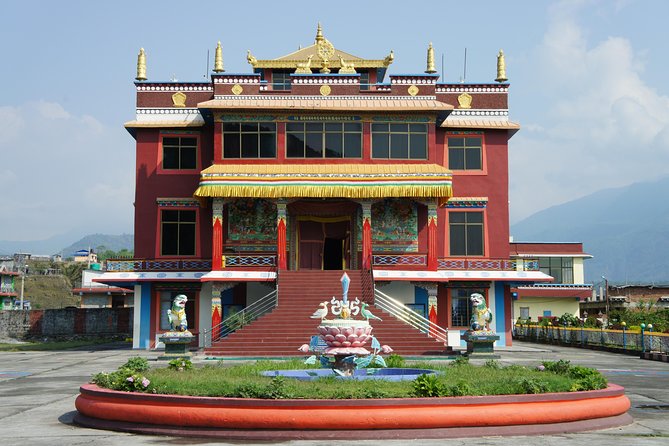
The final stop is Pema Ts’al Sakya Monastic Institute, another Buddhist monastery. The focus here is monastic life and education.
You meet a young monk who can share insights into his life and studies. This gives the morning a different angle from the group prayer at Jangchub Choeling. The first monastery shows communal worship. Pema Ts’al helps you think about how young monks live, learn, and train within the institute.
An hour is planned for this visit. The institute is described as a beautiful Buddhist monastery, but the more useful feature is the chance to connect the building with the people who use it. Religious architecture can be impressive, yet the conversation with a young monk helps explain what happens inside.
The stop also completes the tour’s cultural structure. You begin with prayer, continue with a family meal, and finish with education and monastic life. That range makes the experience feel broader than three separate sightseeing stops.
Because the schedule is compact, your time with the monk may be limited. You should see this as a chance to ask a few focused questions rather than a long seminar. The guide and monk can introduce the subject, while your own reading or a later visit would be needed for a deeper study.
More Tibetan Culture Tours in Pokhara:
- Afternoon Tibetan cultural tour
★ 5.0 · 41 reviews - Half Day Tibetan Cultural tour Pokhara
★ 5.0 · 36 reviews - Pokhara: Private Half-Day Tour and Tibetan Culture Tour
★ 3.8 · 14 reviews - Sarangkot Sunrise with a half day Tibetan cultural tour
★ 5.0 · 13 reviews
What the guide adds to the visit
A local guide matters especially on a tour about refugee communities. Mr. Thupten Gyatso is presented as a Tibetan guide from the community, so he can explain the settlements from a personal and cultural point of view.
That does not mean every question will have a long answer, or that a half-day tour can cover the entire Tibetan refugee experience. It does mean you have someone who can connect the monasteries, food, symbols, and residents rather than treating them as unrelated sights.
His role is particularly useful at the family breakfast. Food can be confusing when you do not know what you are eating or why it matters. An explanation of the dishes and their cultural setting makes the meal more memorable and more respectful.
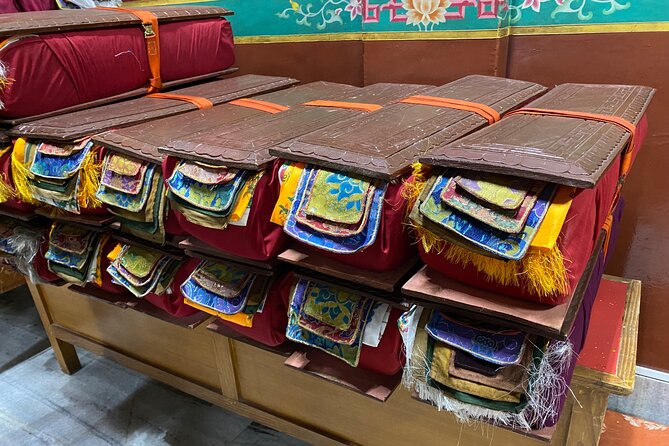
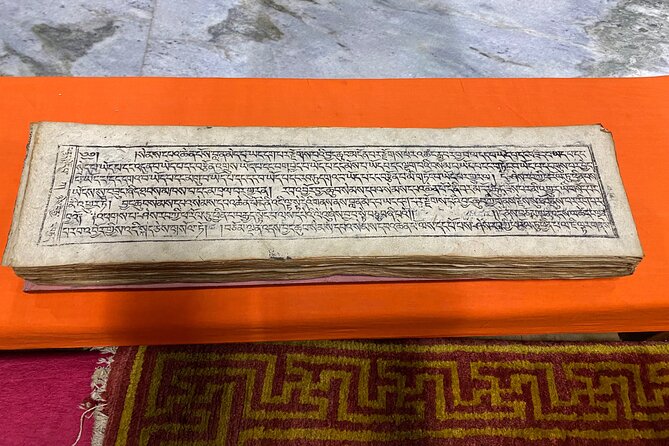
He also helps with Tibetan Buddhist symbols and images. You may recognize familiar Buddhist forms from other parts of Nepal, but Tibetan traditions have their own visual language and religious details. A guide can point out what deserves attention and explain the meaning in plain terms.
The $60 cost and what you receive
The tour costs $60 per person. That is not a bargain-priced morning outing, so the value depends on what you want from it.
The price covers hotel pickup and drop-off, a driver and guide, a professional guide, breakfast, coffee or tea, and bottled water. You are paying for private cultural access and interpretation, not simply transport between three free-admission sites.
The included meal helps the price make more sense. So does the early hotel transfer, since arranging transport to a settlement before dawn can be inconvenient. The guide’s connection to the Tibetan refugee community is another important part of the cost.
You should compare this with your own priorities. If you mainly want to see monastery exteriors, $60 may feel high. If you want a structured introduction with prayer, a family meal, and explanations from a Tibetan guide, the package offers more than a basic taxi ride.
Group discounts are available, which may improve the value for couples, families, or friends booking together. Lunch is not included, but that should not cause much trouble because the tour returns around 9 a.m. The optional DVD is also excluded and is available to purchase separately.
Timing, transport, and practical comfort
Hotel pickup and drop-off are included, which is a real help for a 5:30 a.m. departure. You do not need to arrange your own early ride to the first stop, and the return transfer brings you back to Pokhara after the program.
The tour lasts about three to four hours. The stated schedule runs from 5:30 a.m. to 9 a.m., with about an hour at each of the three stops. That leaves limited time for transfers and transitions, so the morning is organized and focused.
Mobile tickets are offered, and pickup is available. The tour also provides bottled water, tea or coffee, and breakfast. These are small details, but they matter at such an early hour.
The information provided does not specify the vehicle type, group size, exact pickup area, or accessibility arrangements. If any of those points affect your decision, ask before booking. The same applies to dietary needs, since the breakfast is included but the exact menu is not given.
Who will enjoy this Tibetan cultural morning
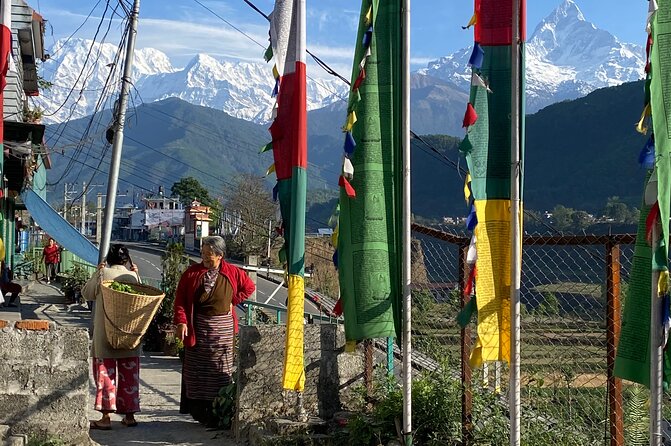
I would recommend this tour to you if you want cultural learning tied to real places and people. It suits visitors who are curious about Tibetan Buddhism, refugee communities, traditional food, and monastic education.
It also works well for a tight Pokhara schedule. You can complete the tour in the morning and still have the rest of the day for other plans. That is useful if you are fitting cultural activities between treks or other excursions.
Families and small groups may find the group discount helpful, though the early start should be considered carefully for children. People who enjoy slow breakfasts or late mornings may find the departure difficult.
This is not the best fit if you want a relaxed, flexible tour with plenty of time at each site. The morning has a set rhythm, and three stops in roughly three and a half hours means you will receive an introduction rather than an exhaustive study.
Should you book this tour?
Book it if you want to meet Tibetan culture through prayer, food, and community life, not just photographs of monasteries. The family breakfast and the connection to guide Mr. Thupten Gyatso give the morning a personal focus, while the early return leaves your afternoon free.
Skip it if a 5:30 a.m. departure sounds miserable or if your main goal is a long, detailed visit to one monastery. For the right visitor, the $60 price is reasonable because it includes transport, guiding, breakfast, drinks, and access to several meaningful cultural settings in one short morning.
FAQ
What time does the tour depart?
The tour departs at 5:30 a.m.
What time does the tour return to Pokhara?
The scheduled return time is around 9:00 a.m.
How long does the experience last?
The tour lasts approximately three to four hours.
Which places are included?
The tour visits Jangchub Choeling Tibetan Monastery, Tashi Palkhel Tibetan Settlement, and Pema Ts’al Sakya Monastic Institute.
Is breakfast included?
Yes. You visit a local Tibetan family’s home for a traditional Tibetan breakfast. Coffee or tea is also included.
Is hotel transportation provided?
Yes. Round-trip hotel pickup and drop-off in Pokhara are included.
Is lunch included?
No. Lunch is not included, although the tour returns in the morning.
More Morning in Pokhara
- From Pokhara: Sarangkot Sunrise Himalayas Tour
★ 4.7 · 218 reviews - Pokhara: Sarangkot Sunrise with Half or Full-Day City Tour
★ 4.8 · 100 reviews - The Best of Pokhara: Full-Day Private Tour with Sarangkot Sunrise
★ 5.0 · 66 reviews - Pokhara: Sarangkot Sunrise And Private Full-Day Tour
★ 4.8 · 32 reviews
Recently added around Pokhara
- Paragliding in Pokhara★ 5.0 · 3 reviews
- Pokhara: 5-Day Annapurna Base Camp Trek with Hot Spring★ 5.0 · 3 reviews
- Pokhara: 7-Day Annapurna Base Camp Trek via Ghandruk★ 4.3 · 3 reviews
- Pokhara:4-Day Ghorepani Poon Hill Guided Trek via Ghandruk★ 5.0 · 3 reviews
- Peace & Panorama: Stupa and Pumdikot Scenic Drive Tour★ 3.6 · 3 reviews
- Beautiful Sarankot Sunrise with Full Day Sightseeing in Pokhara★ 4.5 · 3 reviews
- 3 Day Australian Camp Dhampus Ghandruk Easy Trek in Pokhara★ 3.5 · 3 reviews
- Overnight Dhampus Australian Camp Easy Hiking from Pokhara★ 5.0 · 3 reviews
Other Tibetan Culture Tours worth a look
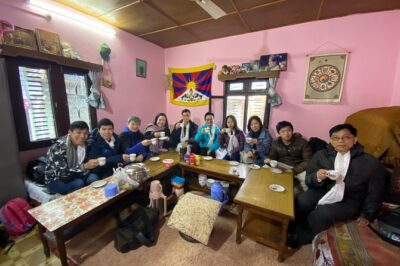
Full-Day Tibetan Cultural Tour to Tibetan Settlements Pokhara
Read our review →
Afternoon Tibetan Cultural Tour to Tibetan Settlements Pokhara
Read our review →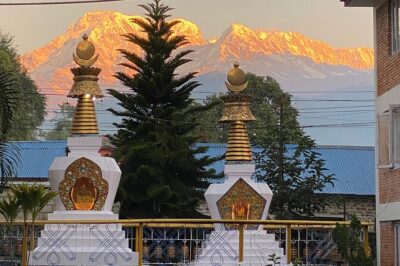
Morning Tibetan cultural tour to Tibetan settlements Pokhara
Read our review →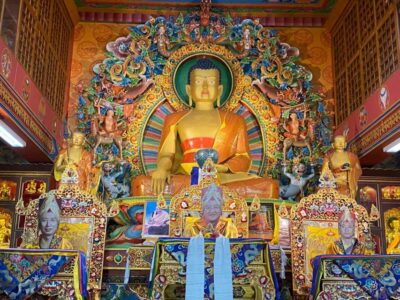
Sarangkot Sunrise with a half day Tibetan cultural tour
Read our review →
This tour also appears in