
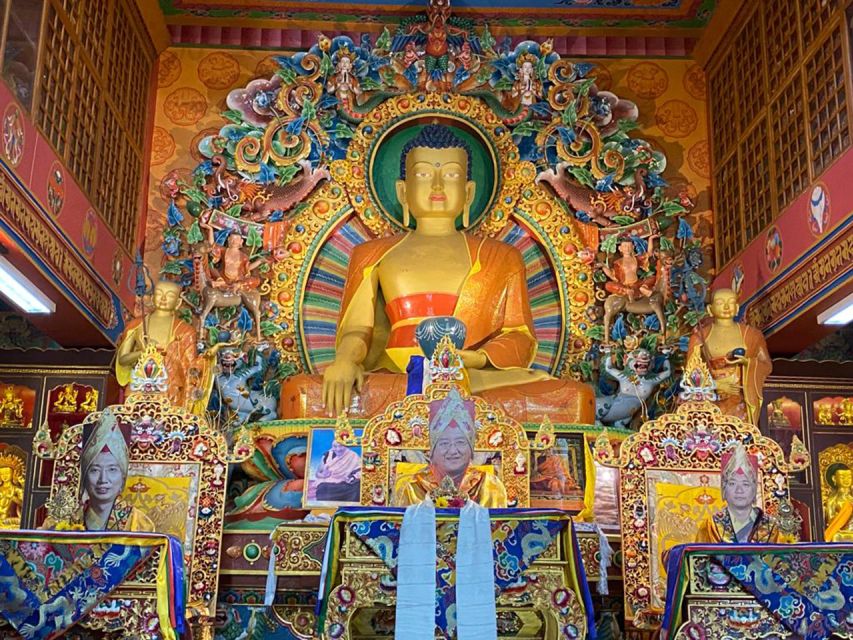
REVIEW · TIBETAN CULTURE TOURS
Afternoon Tibetan cultural tour
The most meaningful part of this four-hour Pokhara tour is the chance to speak directly with a young Buddhist monk about monastic life, study, vows, and daily routines. You then visit a Tibetan settlement, hear prayers in a monastery, and share food in a local family home. I especially like the personal conversation with the monk and the butter tea, tsampa, and Tibetan bread served in the settlement. The main consideration is that this is an educational cultural visit, not a fast-moving sightseeing trip, so you should come ready to listen.
I also like the small-group limit of eight and the clear focus on Tibetan life in Nepal, including the effort to preserve language, religion, and identity outside Tibet. Guide Thupten Gyatso brings personal insight as a Tibetan native, but the subject can be serious, particularly when the tour discusses exile, adaptation, and the Dalai Lama. Children under five and wheelchair users cannot join, and pickup outside Pokhara’s Lakeside area costs extra.
Key points at a glance
- A real conversation with a young monk: Ask about studies, monastic routines, Buddhist philosophy, and everyday life.
- Two important Tibetan sites: Visit Pema Ts’al Sakya Monastic Institute and Tashi Palkhel Tibetan Settlement.
- Prayer chanting in the afternoon: Listen to monks chant with traditional instruments and experience the sound inside the monastery.
- Food served in a Tibetan home: Try salted butter tea, tsampa, and homemade bread with honey, butter, or peanut butter.
- A personal guide: Thupten Gyatso explains Tibetan culture, religion, refugee life, and the meaning of Buddhist signs.
- A compact half-day outing: Four hours works well if you want substance without giving up a full day in Pokhara.
Why this tour adds something different to Pokhara
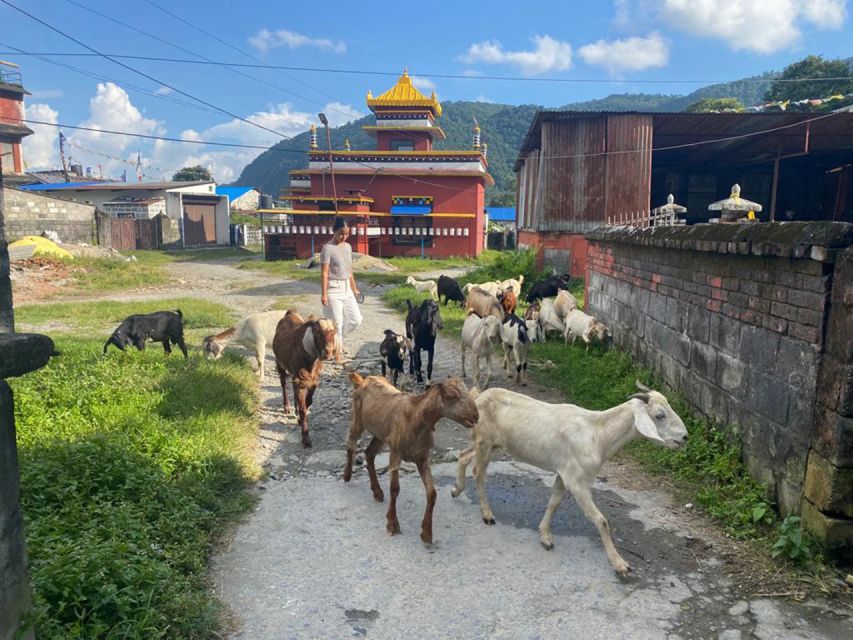
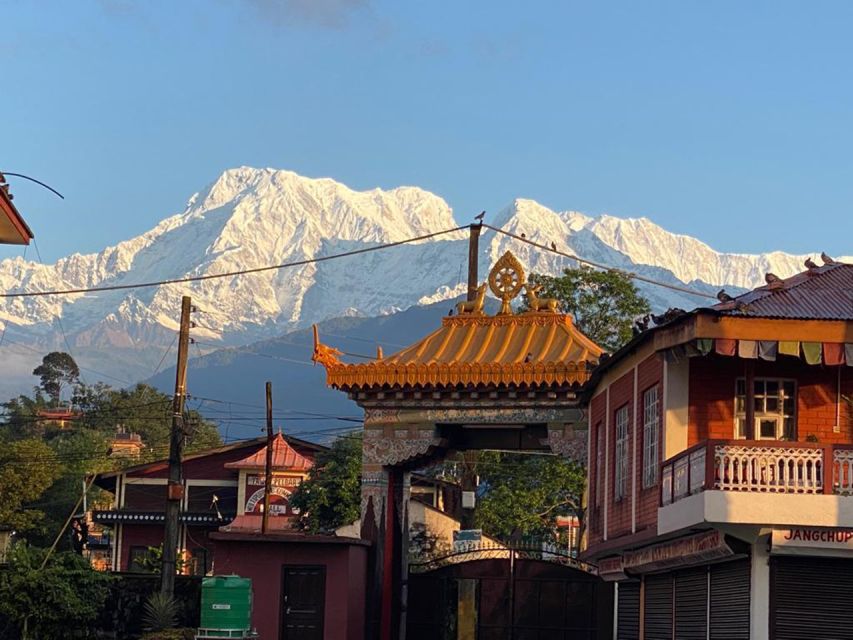
Pokhara is famous for mountain views, boating, trekking, and easygoing Lakeside cafés. Those are good reasons to visit, but they do not explain much about the Tibetan communities that have made their homes around the valley. This tour gives you a closer look at that part of Nepal.
The focus is not on posing beside a monument and moving on. You learn how Tibetan people in Nepal have maintained their language, Buddhist customs, food, and identity. You also hear about the practical challenge of adapting to life away from Tibet, including the shift from a cold mountain homeland to a different setting in Nepal.
Thupten Gyatso is central to the experience. He guides in English and shares stories throughout the drive and visits. His role is more than pointing out a prayer wheel or naming a monastery. He explains what these objects mean, how they fit into daily life, and why Tibetan culture remains closely tied to Buddhist practice.
That makes this a good choice for you if you enjoy asking questions. The tour is designed for people who want to learn about Tibet, Tibetan Buddhism, refugee life, education, and tradition. If you prefer a quiet photo stop with little explanation, you may find the pace and amount of conversation demanding.
More Historical Tours in Pokhara
- Full-Day Tibetan Cultural Tour to Tibetan Settlements Pokhara
★ 5.0 · 184 reviews - Afternoon Tibetan Cultural Tour to Tibetan Settlements Pokhara
★ 5.0 · 106 reviews - Morning Tibetan cultural tour to Tibetan settlements Pokhara
★ 5.0 · 66 reviews
The first stop at Pema Ts’al Sakya Monastic Institute
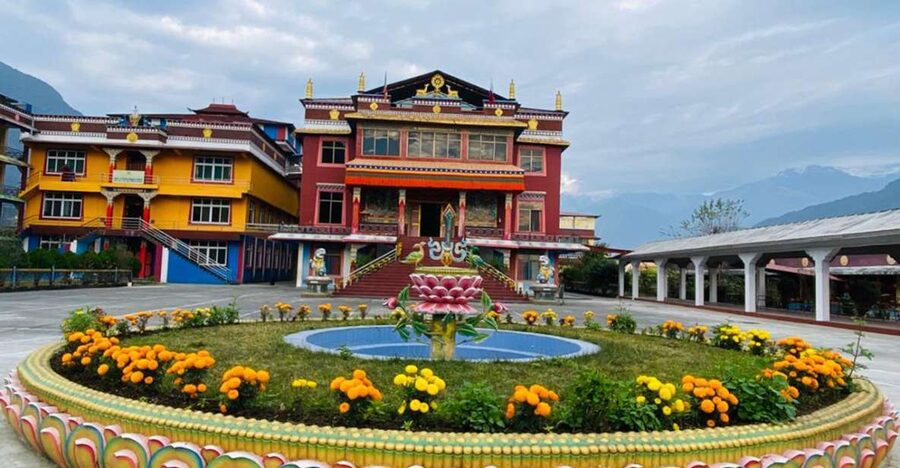
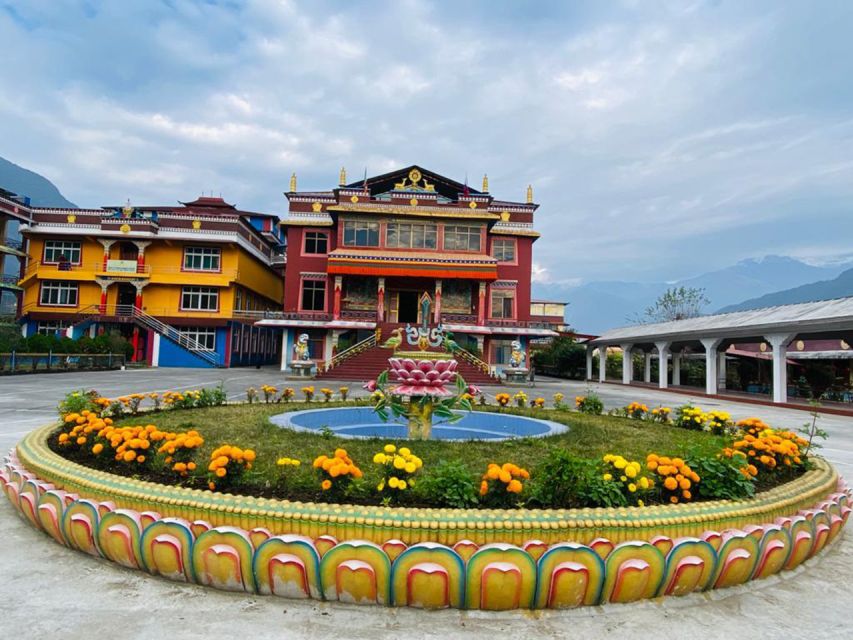
Pickup is provided from hotels around Pokhara’s Lakeside area. The first visit is Pema Ts’al Sakya Monastic Institute, reached by a short scenic drive from the pickup area. You have about an hour here for a guided visit, walking, sightseeing, and photographs.
The monastery introduces several themes that return throughout the afternoon. Thupten explains Buddhist signs and symbols, including prayer wheels, prayer flags, stupas, and butter lamps. You are not simply told what each object is. You learn why people walk clockwise, how prayer wheels are used, and why these signs matter in ordinary religious life.
A particularly valuable part of the stop is the conversation with a young monk. You can ask about his studies, his daily activities, and life inside the monastic institute. One point that comes through clearly is that monastic education includes Buddhist philosophy and debate, not only prayer and quiet meditation.
That conversation helps correct a common outside view of monks as people who spend all day in silent isolation. The monk’s life is structured around study, discipline, religious practice, and community. You get the chance to ask direct questions in a respectful setting, which makes this more personal than a guide’s general explanation.
Allow yourself time to listen. The conversation can become philosophical, and the best questions may lead away from a fixed script. This is one reason the small group matters. With no more than eight participants, it is easier to hear the monk and take part without turning the meeting into a crowded performance.
Walking through Tashi Palkhel Tibetan Settlement
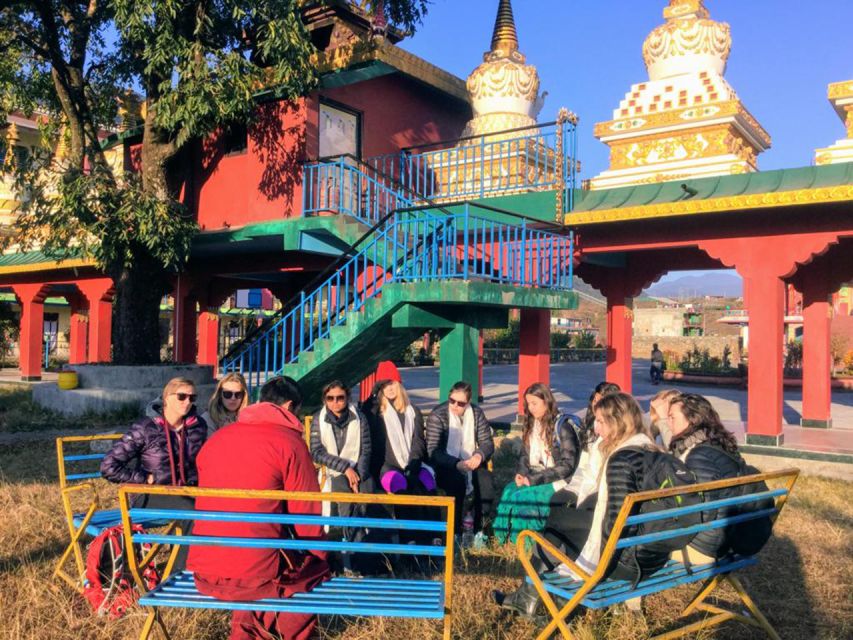
The second main stop is Tashi Palkhel Tibetan Settlement, where you spend about two hours. This is the part of the tour that connects religious practice with daily life.
You walk through the settlement with Thupten, learning how Tibetan families and institutions maintain their cultural identity in Nepal. The visit includes discussion of language, education, Buddhist traditions, and the experience of living in exile. The settlement is not presented only as a place to observe. The goal is to help you understand the people who live there and the work involved in keeping customs alive across generations.
The tour also includes Tibetan schools and their educational system. The available details do not promise a formal classroom visit, so you should think of this as an explanation of Tibetan education rather than a guaranteed school lesson. Still, the subject matters. Language and schooling are key ways a displaced community passes culture to young people.
You may also see religious details that are easy to miss on your own. Prayer flags, prayer wheels, stupas, clockwise walking, and butter lamps all carry meaning. Thupten explains these signs in plain terms, showing how religion is part of the settlement’s daily rhythm rather than something kept only inside a monastery.
The setting offers scenic views along the way, but the real value is human and cultural. Bring curiosity rather than a checklist. This stop asks you to notice how a community preserves its traditions while living in a country that is not its original home.
Hearing the afternoon prayers
At another monastery in or near the settlement, you attend afternoon group prayer chanting with the monks. You watch rather than lead the ceremony, and respectful quiet is important.
The sound is a major part of the visit. Chanting combines with several instruments, creating a low, steady atmosphere that you feel as much as hear. It is not a staged cultural show. You are present during a religious practice, so your guide’s instructions and the monastery’s customs should take priority over photography.
This moment gives context to what you learned earlier. Buddhist symbols are not just decoration, and monastic life is not just an unusual form of schooling. The chanting shows how study, ritual, community, and sound fit together.
The schedule is described as an afternoon tour, though the exact starting time depends on availability. Prayer times can matter, so check the departure time when booking if hearing the chanting is your main reason for joining. The activity specifically includes afternoon prayer chanting, but the exact length of the service is not stated.
More Tibetan Culture Tours in Pokhara:
- Half Day Tibetan Cultural tour Pokhara
★ 5.0 · 36 reviews - Morning Half Day Tibetan cultural tour to Tibetan Settlements
★ 5.0 · 26 reviews - Pokhara: Private Half-Day Tour and Tibetan Culture Tour
★ 3.8 · 14 reviews - Sarangkot Sunrise with a half day Tibetan cultural tour
★ 5.0 · 13 reviews
Butter tea and Tibetan food in a family home
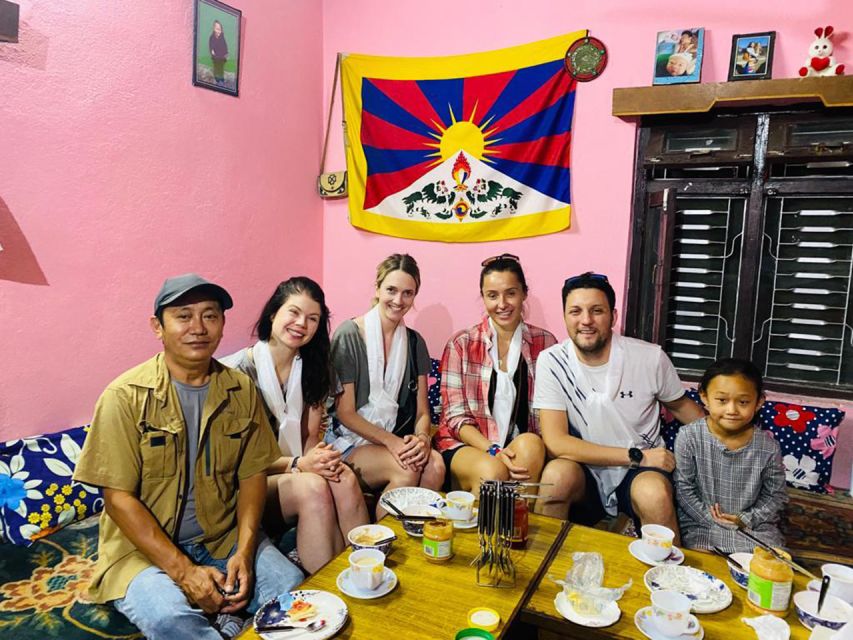
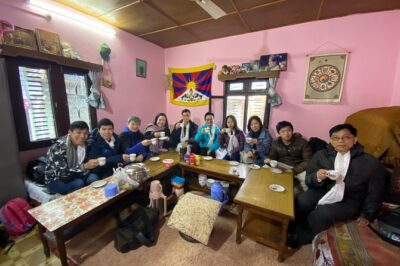
The food stop is one of the tour’s most distinctive features. You visit a local Tibetan family home and try traditional afternoon snacks, including salted butter tea, tsampa, and Tibetan homemade bread.
Butter tea may surprise you if you expect a sweet drink. It is salty and buttery, with a flavor that can take a few sips to understand. Tsampa is made from roasted barley flour and can be mixed into a simple, filling preparation. The bread may be served with honey, butter, or peanut butter.
This is not a restaurant tasting menu. You sit in a home setting and learn how food connects with Tibetan life in Nepal. Thupten introduces the dishes and explains aspects of local food and family life in the settlement. The hospitality is part of the point, so approach the visit with good manners and a willingness to try something unfamiliar.
One useful tip: do not schedule dinner immediately afterward if you plan to enjoy all the snacks. The tea, barley flour, and bread are modest foods, but they are filling. Mineral water is included as well.
The family visit also gives the tour a warmer finish. After hearing about displacement, preservation, and religious practice, you share a simple meal in a living community. That shift from explanation to conversation helps the afternoon feel grounded.
What you get for $56
At $56 per person, this is not the cheapest short outing around Pokhara. The value depends on what you want from your time.
You are paying for a four-hour guided visit with round-trip pickup and drop-off around Lakeside, an English-speaking Tibetan guide, two monastery visits, access to a Tibetan settlement, a monk conversation, prayer chanting, a family-home food tasting, and mineral water. Transportation within the stated pickup area is included.
The strongest value comes from the access and interpretation. Without a guide, you could visit a monastery, turn a prayer wheel, or walk through a settlement without understanding much of what you see. Thupten connects the symbols, the institutions, the food, and the political and cultural background.
The price is easier to justify if you are interested in Buddhism, Tibetan history, refugee life, education, or food traditions. It is less suitable if your main goal is a cheap scenic drive or a long list of attractions.
A few logistics affect the real cost. Pickup is limited to the Lakeside area, and hotels elsewhere require an extra transportation fee based on location. The tour is offered with free cancellation up to 24 hours before departure, and you can reserve now and pay later, which helps if your Pokhara plans are still shifting.
Timing, group size, and comfort
Four hours is a useful length. You get enough time for conversation and food without giving up an entire day that could be used for a hike, a boat ride, or another Pokhara activity.
The group is limited to eight people. That does not guarantee a private tour, but it should allow more room for questions than a large coach outing. Several parts of the afternoon, especially the monk conversation and family visit, benefit from a smaller group.
The activity includes walking at the monasteries and settlement. No detailed accessibility information is provided beyond the fact that wheelchair users are not accepted, so ask the provider if you have concerns about walking or surfaces.
The tour is not suitable for children under five. Older children may enjoy the food and chanting, but the educational subject matter is best suited to people who can listen respectfully during religious visits.
Wear clothing suitable for entering monasteries and follow local instructions about photography, footwear, and behavior. The supplied information does not set out a detailed dress code, so your guide can give the final advice on the day.
Who will enjoy this cultural afternoon
I would choose this tour if you want a thoughtful break from Pokhara’s usual outdoor activities. It suits solo visitors, couples, families with older children, and small groups who value conversation over constant motion.
It is especially useful for you if:
- You know little about Tibet and want a clear introduction.
- You are interested in Buddhist symbols and monastic education.
- You want to meet a monk and ask questions directly.
- You care about how displaced communities preserve language and identity.
- You enjoy trying local food in a home rather than only eating in restaurants.
- You have just half a day available.
You should think twice if you dislike religious settings, do not want to discuss exile and cultural loss, or prefer independent sightseeing. The guide talks throughout the drive and visits, and the educational side is not an optional extra. It is the heart of the tour.
Small details that make the visit worthwhile
The most praised part of the experience is Thupten’s way of explaining difficult subjects in clear English. He covers Tibetan culture, Buddhist philosophy, the role of the Dalai Lama, the refugee experience, and everyday life without reducing everything to a few tourist facts.
The monk conversation is another major strength. You can ask about studies, vows, monastic routines, and personal experience. That direct exchange often becomes the afternoon’s most memorable moment because it lets you hear about religious life from someone living it.
The tour also has a useful balance of head and senses. You see monasteries and symbols, hear chanting and instruments, smell and taste butter tea and Tibetan food, and walk through a settlement. The food is simple, but it gives the cultural discussion a practical shape.
Festivals may sometimes add an unexpected element to the visit, as some departures have coincided with Tibetan celebrations. You should not book on the assumption that a festival will occur, but the possibility is a pleasant bonus.
Should you book the Tibetan cultural tour?
Book it if you want to understand a community rather than simply photograph one. For $56, the four-hour outing offers unusual access: a Tibetan guide, a monk conversation, prayer chanting, a settlement walk, and food in a family home.
I would place this near the top of a Pokhara schedule for anyone interested in culture, religion, migration, or food. Give it priority if your time is short and you want a focused half-day. Choose the full-day option, if available from the same provider, only if you want more time for the subject.
Skip it if you want a relaxed sightseeing loop with little talking. This tour asks you to listen, think, and show respect in religious and residential places. For the right visitor, that is exactly why it is worth booking.
FAQ
How long does the Tibetan cultural tour last?
The tour lasts four hours, including visits to Pema Ts’al Sakya Monastic Institute and Tashi Palkhel Tibetan Settlement.
Where does pickup take place?
Pickup and drop-off are provided around the Lakeside area of Pokhara.
Is transportation included?
Round-trip transportation is included for hotels in the Lakeside area. An additional transportation fee applies to hotels outside Lakeside, based on the hotel’s location.
What language is the tour conducted in?
The live tour guide speaks English.
How many people can join the tour?
The activity is operated as a small group limited to eight participants.
Will I meet a Buddhist monk?
Yes. The program includes a conversation with a young Buddhist monk about monastic life, studies, and daily activities.
Can I attend Buddhist prayers?
Yes. You attend afternoon group prayer chanting with monks at a monastery.
What Tibetan food is included?
The visit to a local Tibetan family home includes salted butter tea, tsampa, and Tibetan homemade bread served with options such as honey, butter, and peanut butter.
Is food included in the $56 price?
Traditional Tibetan afternoon snacks and mineral water are included in the activity.
Can I cancel the booking?
You can cancel up to 24 hours in advance for a full refund. The reserve-now, pay-later option is also available.
Is the tour suitable for young children or wheelchair users?
Children under five are not permitted, and the activity is not suitable for wheelchair users.
Recently added around Pokhara
- Paragliding in Pokhara★ 5.0 · 3 reviews
- Pokhara: 5-Day Annapurna Base Camp Trek with Hot Spring★ 5.0 · 3 reviews
- Pokhara:4-Day Ghorepani Poon Hill Guided Trek via Ghandruk★ 5.0 · 3 reviews
- Pokhara: 7-Day Annapurna Base Camp Trek via Ghandruk★ 4.3 · 3 reviews
- Peace & Panorama: Stupa and Pumdikot Scenic Drive Tour★ 3.6 · 3 reviews
- Beautiful Sarankot Sunrise with Full Day Sightseeing in Pokhara★ 4.5 · 3 reviews
- 3 Day Australian Camp Dhampus Ghandruk Easy Trek in Pokhara★ 3.5 · 3 reviews
- Overnight Dhampus Australian Camp Easy Hiking from Pokhara★ 5.0 · 3 reviews
Other Tibetan Culture Tours worth a look
Full-Day Tibetan Cultural Tour to Tibetan Settlements Pokhara
Read our review →
Afternoon Tibetan Cultural Tour to Tibetan Settlements Pokhara
Read our review →
Morning Tibetan cultural tour to Tibetan settlements Pokhara
Read our review →
Morning Half Day Tibetan cultural tour to Tibetan Settlements
Read our review →
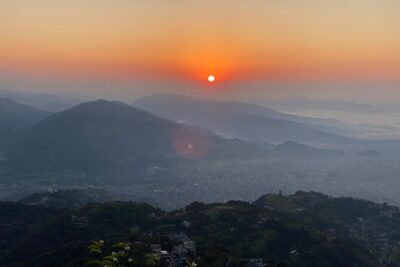
Sarangkot Sunrise with a half day Tibetan cultural tour
Read our review →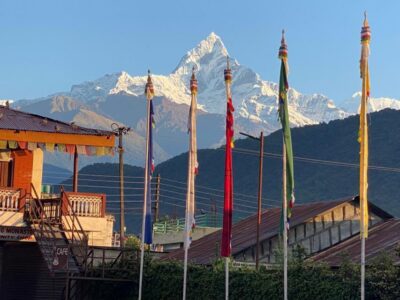
This tour also appears in