
REVIEW · TIBETAN CULTURE TOURS
Half Day Tibetan Cultural tour Pokhara
Pokhara is best known for mountain views and lakeside walks, but this half-day tour takes you into a less familiar part of the city: the Tibetan settlements and the people who have built new lives in Nepal. With guide Thupten Gyatso, you visit a monastery, carpet workshop, photo gallery, Tibetan doctor, and local restaurant.
I like the tour’s human focus. You do not simply look at Buddhist symbols or buy a carpet. You hear about refugee life, education, religion, and daily routines from someone connected to the Tibetan community. I also like the range of stops, especially the pulse-reading session with a Tibetan doctor and the chance to see carpets made by hand.
The main consideration is timing. The tour is described as lasting about four and a half hours, while the schedule runs from 9 am to 2 pm. Group size is also listed as both a maximum of 8 and a maximum of 15, so confirm those details when booking. At $63.52 per person, the value depends on how much you want guided cultural context rather than a quick sightseeing circuit.
Key points to know before booking
- Meet Tibetan guide Thupten Gyatso: His role gives the tour a personal connection to Tibetan life in Nepal.
- Visit a Tibetan refugee settlement: You walk through the community and see everyday life beyond formal monuments.
- Watch carpets made by hand: The workshop visit explains the process before you see finished designs in the showroom.
- Learn through a Tibetan doctor: Pulse reading offers a direct introduction to Tibetan medicine.
- Eat momos and thukpa: Lunch at a local Tibetan restaurant is part of the experience.
- Plan for a morning through early afternoon: Pickup begins at 9 am, with return scheduled around 2 pm.
Why this Pokhara tour offers more than a monastery visit
The strongest part of this experience is its range. Many cultural outings in Pokhara focus on one shrine or a quick stop at a settlement. Here, the visit moves through religion, craft, medicine, education, food, and refugee history.
That wider view matters. Tibetan culture in Nepal is not only prayer flags and Buddhist architecture. It also includes schools, workshops, restaurants, medical traditions, family life, and the long process of adapting to a new country.
Thupten Gyatso leads the tour as a member of the Tibetan community. That makes a difference in the way subjects are handled. You can ask about Buddhism, the Chinese invasion of Tibet, the arrival of Tibetan refugees in Nepal, and the practical realities of life today. The tour is educational, but it is not presented as a dry lecture.
You should expect conversation. Several parts of the day are built around asking questions, including time with a young monk and a Tibetan doctor. If you prefer to move quickly from one photo stop to the next, the pace may feel slow. If you want context, the pauses are the point.
More Historical Tours in Pokhara
- Full-Day Tibetan Cultural Tour to Tibetan Settlements Pokhara
★ 5.0 · 184 reviews - Afternoon Tibetan Cultural Tour to Tibetan Settlements Pokhara
★ 5.0 · 106 reviews - Morning Tibetan cultural tour to Tibetan settlements Pokhara
★ 5.0 · 66 reviews
Walking through the Tibetan settlement
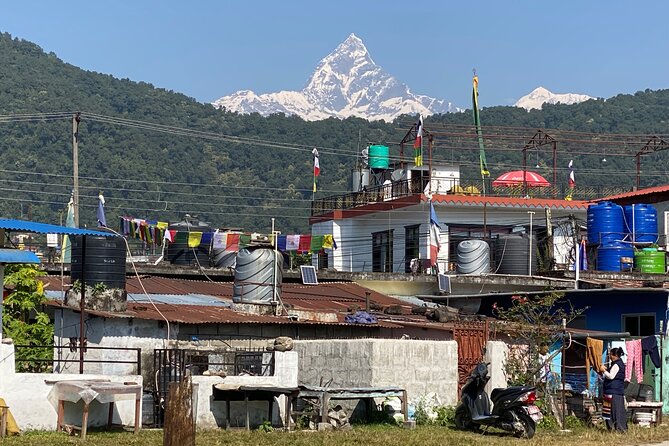
The tour begins with a visit to one Tibetan refugee settlement in or around Pokhara. You walk through the village and see how people go about their daily lives.
This is a useful first stop because it gives the rest of the tour a setting. The monastery, school, workshop, and restaurant are not isolated displays. They are part of a living community, and the walk helps you understand that Tibetan residents in Nepal have created institutions that support religious practice, education, work, and social life.
Do not expect a polished museum village. The value is in observing ordinary surroundings and listening to Thupten explain how Tibetan people live in Nepal after leaving Tibet. The subject involves displacement and political history, so the tone can become serious. That is appropriate, but you should come ready for more than cheerful cultural snapshots.
The walk also gives you a chance to ask about everyday customs. Your guide explains the role of religion in daily life and connects what you see in the settlement with later stops at the monastery and school.
Reading Buddhist symbols at the monastery
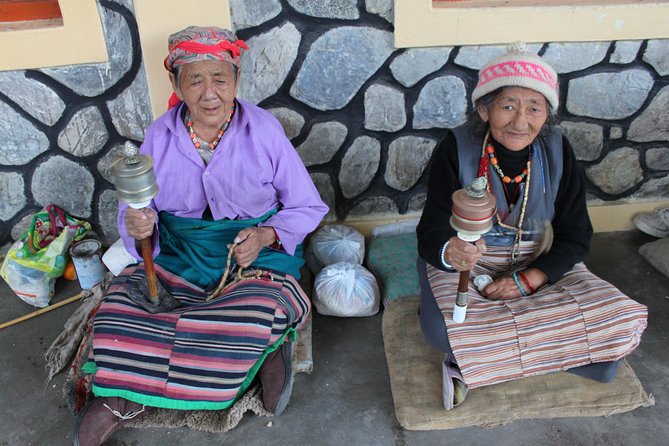
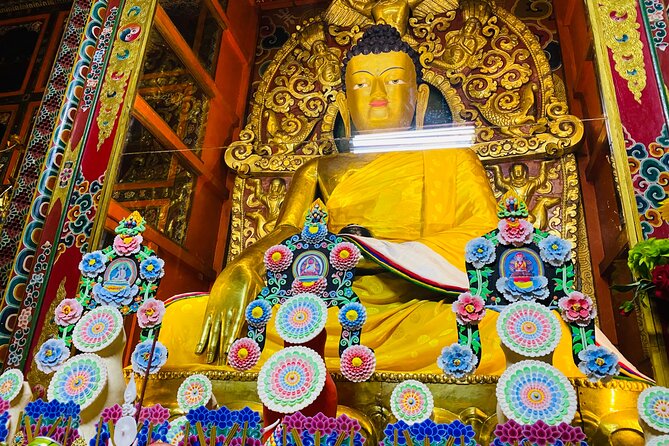
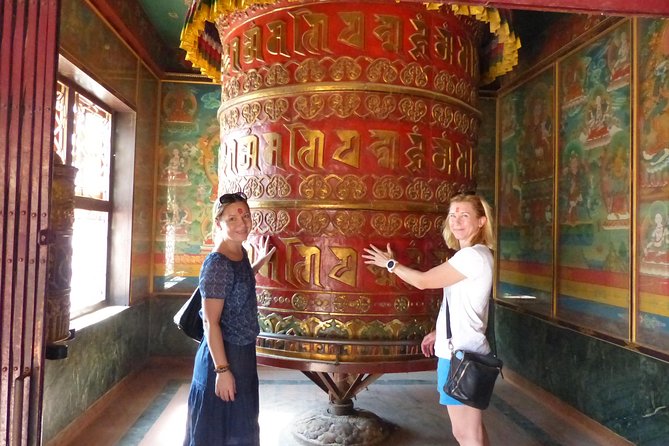
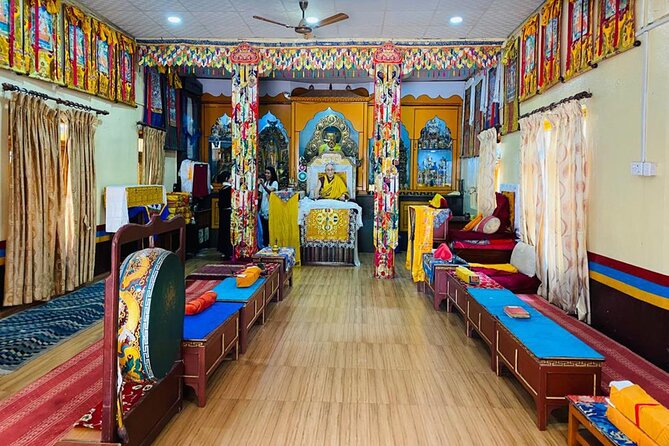
The Buddhist monastery is one of the tour’s clearest introductions to Tibetan religion. Thupten explains the meaning of prayer wheels, prayer flags, stupas, and other Buddhist signs and symbols.
You will get more from this stop if you pay attention to how the objects are used, not just how they look. Prayer wheels and flags are part of religious practice and daily routine. A stupa is not merely a photogenic structure. The guide’s job here is to explain what these forms mean to the people who use them.
This is also where the tour benefits from a Tibetan guide. A general sightseeing guide can identify a prayer wheel. Thupten can place it within Tibetan Buddhist life and explain why these objects matter.
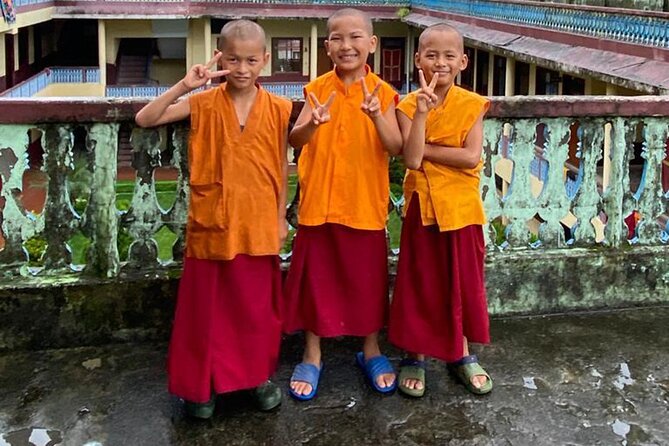
The monastery visit may be especially valuable if you are new to Buddhism. It gives you a basic vocabulary for later sights in Nepal, including prayer flags and Buddhist symbols you may encounter elsewhere. You may also have the chance to speak with a monk. One particularly useful part of the experience can be a longer conversation with a young monk, rather than a quick greeting and photograph.
Keep in mind that this is an active religious setting. Listen to instructions about behavior and photography, and treat the monastery as a place of worship rather than a backdrop.
Understanding Tibetan schools and education
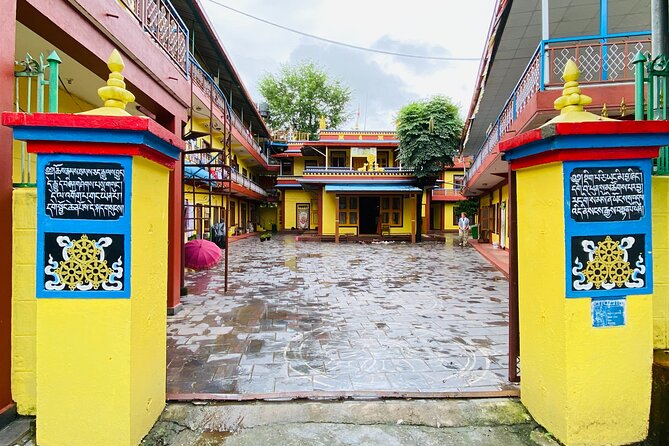
Education receives its own place in the itinerary. You learn about Tibetan schools and the educational system serving the community.
This stop adds an important practical layer. Refugee life is not only about preserving old customs. It is also about deciding how to educate younger generations, maintain language and culture, and prepare students for life in Nepal and beyond.
The information here is likely to be most useful when you ask direct questions. You might want to ask how Tibetan identity is carried forward through schooling, or how religious and cultural education fits with wider academic study. The tour description does not promise a classroom visit or a specific school program, so you should think of this as an explanation of the system rather than a guaranteed school tour.
That distinction helps set expectations. You are not booking a formal education seminar. You are gaining context about how a displaced community supports its children and preserves its identity.
More Tibetan Culture Tours in Pokhara:
- Afternoon Tibetan cultural tour
★ 5.0 · 41 reviews - Morning Half Day Tibetan cultural tour to Tibetan Settlements
★ 5.0 · 26 reviews - Pokhara: Private Half-Day Tour and Tibetan Culture Tour
★ 3.8 · 14 reviews - Sarangkot Sunrise with a half day Tibetan cultural tour
★ 5.0 · 13 reviews
Seeing Tibetan carpets made by hand
The carpet workshop is one of the most tangible stops. You see Tibetan carpets being made by hand, with Thupten explaining the steps in the process.
This is where a craft item becomes more than a souvenir. You can watch the skill and labor behind the patterns, colors, and designs. In smaller groups, you may get the chance to try part of the rug-making process yourself, although that should not be treated as guaranteed for every departure.
After the workshop, you visit a carpet showroom. The showroom lets you see a wider selection of Tibetan carpets, including different designs and colors. It is a natural place to compare what you just saw in production with the finished product.
You should be clear about your shopping intentions. The showroom is part of the route, but buying a carpet is not required by the information provided. If you are interested in purchasing, ask about prices, shipping, materials, and production details before making a decision. If you are not shopping, focus on the construction and design rather than feeling obliged to buy.
The workshop is one of the tour’s best choices because it links culture and work. Tibetan heritage is not presented only through old symbols. It is also expressed through a craft that provides employment and keeps traditional skills in use.
Looking at refugee history through photographs
A photo gallery provides historical background on Tibetans in Nepal. This stop helps explain what happened after the Chinese invasion of Tibet and why Tibetan communities exist in Nepal today.
Photographs can make political history more personal. Instead of receiving only dates and general statements, you see faces, places, and moments connected with displacement and resettlement. The gallery also helps connect the current settlement with the experiences of earlier generations.
The subject deserves respectful attention. This is not a light entertainment stop, and the tour does not try to turn refugee history into a dramatic show. You will likely find it more meaningful if you allow time for questions and listen to the guide’s perspective.
Because the tour focuses on Tibetan life in present-day Nepal, the photo gallery is not an isolated history lesson. It explains why the community has monasteries, schools, workshops, and medical traditions here today.
Meeting a Tibetan doctor and trying pulse reading
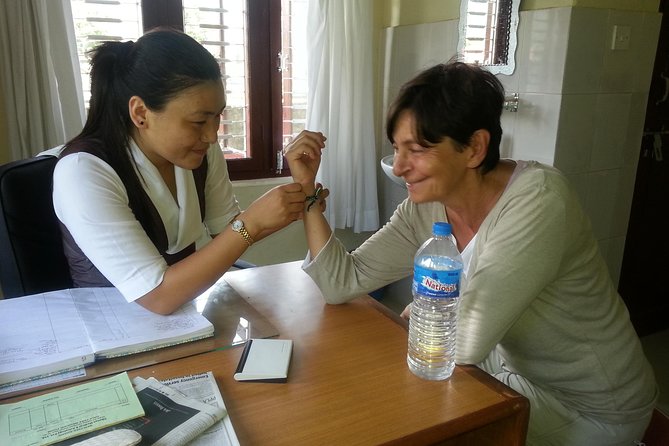
The Tibetan medicine session is among the most distinctive parts of the tour. You meet a Tibetan doctor, learn about Tibetan medical ideas, and have firsthand experience of pulse reading.
This is not a standard stop on a general Pokhara city tour. Pulse reading gives you something direct to observe and try, while the conversation introduces a medical tradition that may be unfamiliar to you.
Keep your expectations sensible. The tour offers insight into Tibetan medicine, not a substitute for medical care or a full consultation. Treat the session as a cultural and educational encounter. You can ask how pulse reading is understood within Tibetan medicine and how it fits into the community’s broader approach to health.
The amount of time available may vary with group size. In a very small group, you may have more time to consult the doctor and ask follow-up questions. With a larger group, the session could feel more like a demonstration. This is one reason to confirm the expected group limit before booking.
Sitting down to momos and thukpa
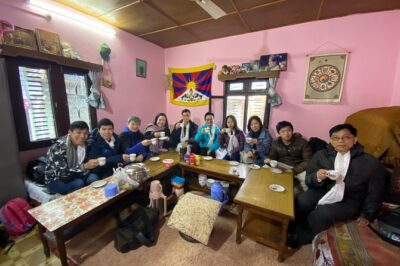
Lunch takes place at a local Tibetan restaurant. The meal includes Tibetan dishes such as momos and thukpa, giving you a flavorful ending to the cultural portion of the tour.
Momos are dumplings, while thukpa is a noodle soup. These foods offer an easy way to connect culture with daily life. You are not only hearing about Tibetan traditions, you are also trying food commonly associated with Tibetan communities.
A vegetarian option is available if you request it when booking. Gluten-free food is also offered in the form of plain rice with vegetable or non-vegetable curry. Tell the operator about your needs in advance rather than waiting until lunch.
The meal is included in the price, along with hotel transfers. That improves the value, especially if you would otherwise need to arrange transport and find a Tibetan restaurant on your own. Still, this is a cultural meal rather than a restaurant-focused food tour. You should book it for the combination of food and conversation, not for a long tasting menu.
Timing, transport, and group size in Pokhara
The stated departure time is 9 am. Return is listed as 2 pm, although the duration is also described as approximately four hours and thirty minutes. That is a small but practical inconsistency. If you have a flight, bus, trek connection, or another booked activity, confirm the exact end time and pickup details before paying.
Hotel transfers are included, which makes the morning easier. The available information says pickup is offered, but it does not list every hotel area or provide a detailed pickup map. Give the operator your accommodation details and confirm where you should wait.
The group-size information also needs clarification. The tour is described in one place as a small group with a maximum of 8, while the additional information gives a maximum of 15. Those are very different experiences. Eight people can make the doctor visit, monastery questions, and workshop explanation feel personal. Fifteen people may mean less time for individual conversation.
The tour is suitable for most participants, according to the available details. You should still expect walking around the settlement and moving between several cultural stops. Wear practical shoes and clothing suitable for a half-day outing, though no special equipment is listed.
Is $63.52 a fair price?
At $63.52 per person, this is not the cheapest way to spend a morning in Pokhara. You could visit a monastery or eat Tibetan food for less if you arranged everything yourself.
The price makes more sense when you count what is bundled together: hotel transfers, a guide with personal ties to the community, the settlement walk, monastery explanation, school information, carpet workshop, showroom, photo gallery, Tibetan doctor visit, and lunch.
I see the strongest value in the access and interpretation. You are paying for a structured introduction to several parts of Tibetan life that would be difficult to connect on your own. The doctor session and conversation about refugee history add substance beyond sightseeing.
Value depends heavily on group size. If the group is close to the smaller figure and you receive plenty of time for questions, the price is easier to justify. If the group reaches 15, the personal side may be reduced. Ask the operator which group limit applies to your date.
The tour is also a good use of a morning in Pokhara if you have already seen the main lakeside sights and want a cultural experience with more depth. It is less suitable if you want a relaxed morning with no fixed schedule or if you are mainly looking for mountain scenery.
Who should book this experience?
I would recommend it to you if you want to understand Tibetan culture in Nepal through real institutions and personal conversation. It suits solo visitors, couples, families with older children, and small groups who enjoy asking questions.
It is particularly useful for anyone interested in Buddhism, refugee communities, traditional medicine, handicrafts, or the relationship between culture and daily work. The mix of a monastery, school discussion, workshop, photo gallery, doctor, and restaurant gives you several ways into the subject.
You may want to skip it if your priority is a short scenic tour, a food-only outing, or a shopping trip. The historical and political discussion is an important part of the day, so it may feel more serious than the name half-day cultural tour suggests.
English ability may also matter. One experience included some language difficulty for a participant, with a family member helping translate. That does not mean the tour is unsuitable, but you should confirm the guide’s communication arrangements if you are not comfortable following an English explanation.
Free cancellation is available if you cancel at least 24 hours before the start time. Changes or cancellations inside that window are not accepted for a refund.
Should you book the Tibetan Cultural Tour?
Book it if you want a thoughtful introduction to Pokhara’s Tibetan community and prefer meeting people, asking questions, and seeing working traditions over collecting quick photographs. The most memorable elements are likely to be Thupten Gyatso’s personal explanations, the handwoven carpet process, the Tibetan doctor’s pulse reading, and lunch with momos or thukpa.
Before booking, confirm the exact duration, pickup arrangement, and group size. If those details suit your schedule, $63.52 buys a well-rounded cultural morning with food, transport, and access to subjects that are easy to miss on your own. For a visitor who wants to see another side of Pokhara, this is a strong choice.
FAQ
How long does the Tibetan Cultural Tour last?
The experience is described as approximately four hours and thirty minutes. The schedule lists departure at 9 am and return at 2 pm, so confirm the exact timing with the operator.
What time does the tour start?
The stated start time is 9 am.
Is hotel pickup included?
Yes. Hotel transfers are included, and pickup is offered. You should provide your accommodation details when booking and confirm the exact meeting arrangement.
What places are visited?
The tour visits a Tibetan refugee settlement, a Buddhist monastery, a Tibetan school or education setting, a carpet workshop, a carpet showroom, a photo gallery, a Tibetan doctor, and a local Tibetan restaurant.
Is lunch included?
Yes. Lunch at a local Tibetan restaurant is included. Dishes may include Tibetan food such as momos and thukpa.
Are vegetarian and gluten-free meals available?
Yes. A vegetarian option is available if you request it when booking. Gluten-free food is also offered, including plain rice with vegetable or non-vegetable curry.
Who guides the tour?
The tour is led by Mr. Thupten Gyatso, a Tibetan guide who shares information about Tibetan culture, religion, history, and refugee life in Nepal.
How many people can join the tour?
The information gives two group-size limits. One description says a maximum of 8 people, while the additional details say a maximum of 15. Confirm the expected group size for your departure.
What is the cancellation policy?
You can cancel for a full refund if you do so at least 24 hours before the experience start time. Cancellations or changes made less than 24 hours before the start time are not accepted for a refund.
Recently added around Pokhara
- Paragliding in Pokhara★ 5.0 · 3 reviews
- Pokhara: 5-Day Annapurna Base Camp Trek with Hot Spring★ 5.0 · 3 reviews
- Pokhara:4-Day Ghorepani Poon Hill Guided Trek via Ghandruk★ 5.0 · 3 reviews
- Pokhara: 7-Day Annapurna Base Camp Trek via Ghandruk★ 4.3 · 3 reviews
- Peace & Panorama: Stupa and Pumdikot Scenic Drive Tour★ 3.6 · 3 reviews
- Beautiful Sarankot Sunrise with Full Day Sightseeing in Pokhara★ 4.5 · 3 reviews
- 3 Day Australian Camp Dhampus Ghandruk Easy Trek in Pokhara★ 3.5 · 3 reviews
- Overnight Dhampus Australian Camp Easy Hiking from Pokhara★ 5.0 · 3 reviews
Other Tibetan Culture Tours worth a look
Full-Day Tibetan Cultural Tour to Tibetan Settlements Pokhara
Read our review →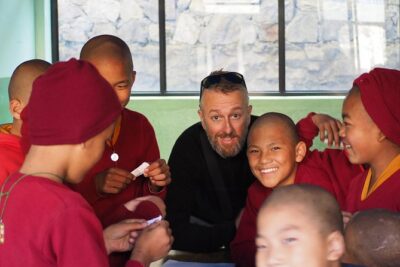
Afternoon Tibetan Cultural Tour to Tibetan Settlements Pokhara
Read our review →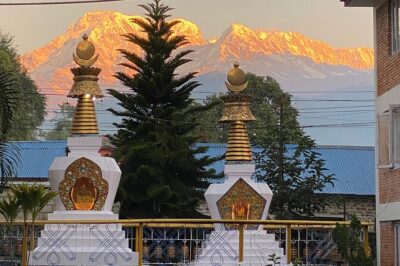
Morning Tibetan cultural tour to Tibetan settlements Pokhara
Read our review →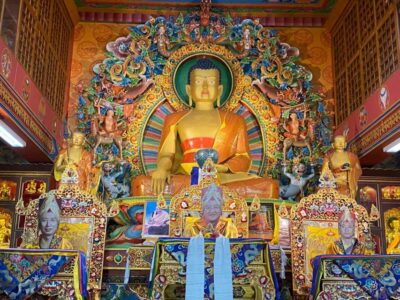
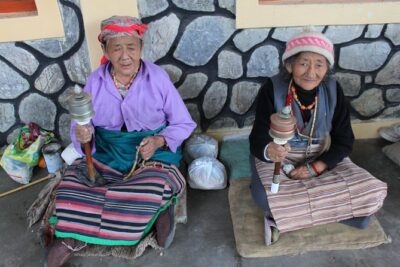
Morning Half Day Tibetan cultural tour to Tibetan Settlements
Read our review →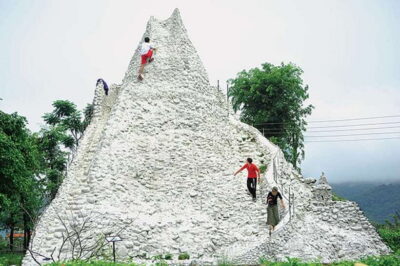
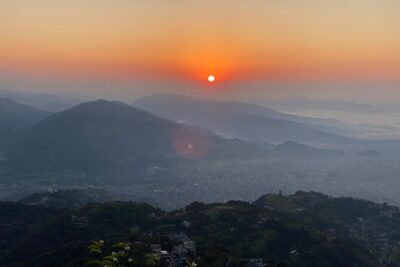
Sarangkot Sunrise with a half day Tibetan cultural tour
Read our review →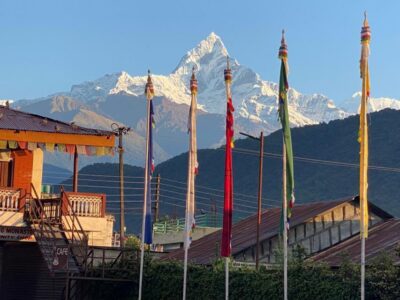
This tour also appears in