
REVIEW · TIBETAN CULTURE TOURS
Afternoon Tibetan Cultural Tour to Tibetan Settlements Pokhara
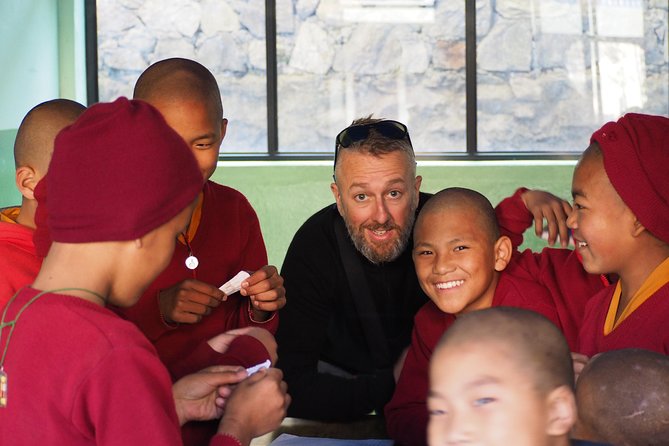
Pokhara’s Tibetan settlements offer something you will not get from a standard city tour: a direct look at Tibetan refugee life, religion, food, and daily routines, guided by someone who knows the story from the inside. Thupten Gyatso leads this four-hour afternoon outing, with visits to two monasteries and a Tibetan family home.
I like the personal scale and the plain human encounters. You get time with a Tibetan guide rather than only reading signs, and the family visit adds butter tea, Tibetan bread, and everyday conversation to the monastery stops. The main consideration is timing: this is a compact cultural visit, not a full meal or a broad tour of Pokhara.
Key points to know before booking
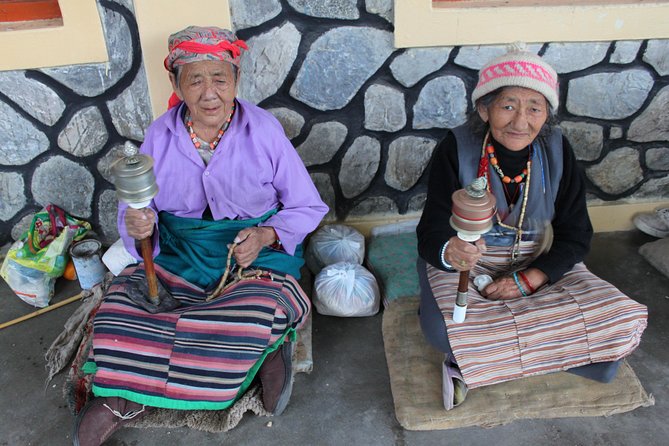
- A Tibetan guide leads the tour: Thupten Gyatso explains Tibetan culture, Buddhism, history, and refugee life in clear English.
- Two monasteries are included: Pema Ts’al Sakya Monastic Institute and Jangchub Choeling Tibetan Monastery each receive about an hour.
- Prayer chanting is part of the visit: At Jangchub Choeling, you may hear horns, drums, conch shells, and the monks’ afternoon prayers.
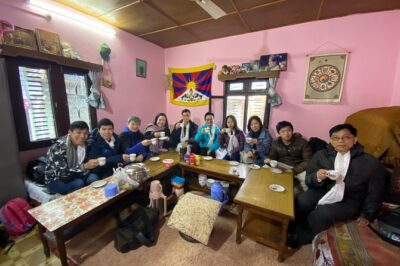
- A family home visit brings the culture to ground level: At Tashi Palkhel, you share traditional Tibetan food, tea, and snacks with a local family.
- The four-hour schedule runs from 2 to 6 pm: Hotel pickup and drop-off are included, which makes the afternoon easy to fit around other Pokhara plans.
- The group is limited to 15 people: Smaller numbers can make questions and conversation easier, though the experience is still a group tour.
Why the Tibetan settlements add more than another Pokhara sightseeing stop
Pokhara is best known for mountain views, lakeside walks, and adventure trips. This tour turns your attention toward a different part of the city’s story: the Tibetan communities that rebuilt their lives in Nepal after fleeing Tibet.
That context matters. You are not simply visiting attractive religious buildings. You are learning how Tibetan culture, Buddhism, food, and community life continue outside Tibet. Thupten’s role is especially important here because he can connect the broad subject of refugee life with personal stories and practical details about the settlements.
I like that the afternoon is built around three different ways of learning. The first monastery gives you a religious and educational setting. The second adds the sound and rhythm of worship. The family visit then shifts the focus to food, home life, and conversation.
The result should feel more grounded than a quick stop at a monastery on a sightseeing bus. You have time to ask questions, and the group size of no more than 15 gives the guide a reasonable chance to speak with people directly.
Still, keep your expectations sensible. The tour lasts about four hours, and each main stop is scheduled for roughly one hour. You will get an introduction rather than an exhaustive study of Tibetan history, and the family visit is a food experience, not a full lunch.
More Historical Tours in Pokhara
- Full-Day Tibetan Cultural Tour to Tibetan Settlements Pokhara
★ 5.0 · 184 reviews - Morning Tibetan cultural tour to Tibetan settlements Pokhara
★ 5.0 · 66 reviews - Afternoon Tibetan cultural tour
★ 5.0 · 41 reviews
Starting at 2 pm with Thupten Gyatso
The tour starts at 2 pm and returns around 6 pm. Hotel pickup and drop-off are included, so you do not need to arrange separate transport to the settlements. That is useful in Pokhara, where a transfer saves both time and guesswork.
Thupten Gyatso is the named guide for the experience. His role goes beyond pointing out buildings. He explains Tibetan religion, culture, history, and the experience of living as a Tibetan refugee in Nepal. The strongest part of the tour is likely to be the chance to connect those subjects with his own stories.
The tour is described as a small-group walking experience, although the included hotel transfer means you will also spend part of the afternoon in the vehicle. A maximum of 15 people is not private, but it is far more manageable than a large coach group.
If you are alone, the format can work particularly well. A small group gives you more room to ask questions, and the guide can give extra attention when the group is not full. If you book during a busy period, expect a shared experience rather than a private outing.
Pema Ts’al Sakya Monastic Institute: begin with study and faith
The first stop is Pema Ts’al Sakya Monastic Institute, with about one hour set aside for the visit. Admission is included, so you are not paying an extra entry charge at the monastery.
This is a useful opening stop because it gives you a base for understanding Tibetan Buddhist practice and the place of monastic education in the community. Thupten can explain the religious ideas and cultural background in a way that makes the setting easier to read.
Do not expect a long list of separate attractions inside the institute. The value here is the explanation and the chance to observe a functioning religious institution. If you have little background in Tibetan Buddhism, your guide’s discussion will likely matter more than trying to take in every architectural detail.
The one-hour timing is a sensible compromise. It gives you enough space to listen and look around without turning the afternoon into a long religious lecture. Visitors who already know a great deal about Tibetan Buddhism may find this stop introductory, but the personal stories and local setting can still give it meaning.
Dress and behave with the care you would use at any Buddhist religious site. The supplied details do not list a formal dress code, so the safest approach is respectful clothing and a quiet manner. Your guide can direct you on what is appropriate during the visit.
Jangchub Choeling Monastery and the sound of afternoon prayer
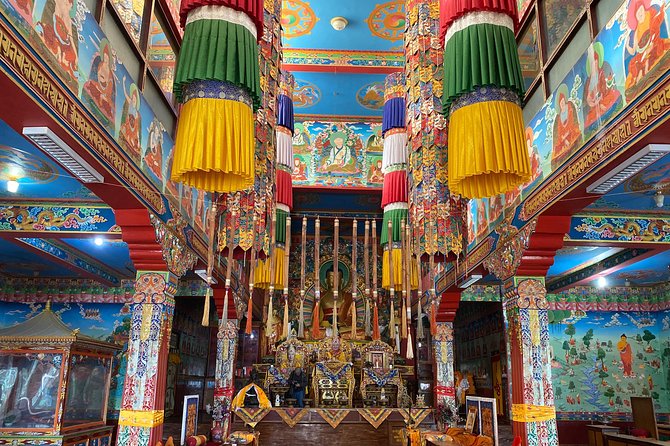
The second stop is Jangchub Choeling Tibetan Monastery, located within a Tibetan village. You spend about an hour here, and the timing is designed to include afternoon prayer chanting with the monks.
This is the most sensory part of the tour. Instead of only hearing an explanation of Tibetan Buddhist practice, you may hear the horns, drums, and conch shells used during the prayers. Those sounds provide a clearer sense of how worship works than a display behind glass ever could.
I like the contrast between the two monastery visits. Pema Ts’al Sakya Monastic Institute sets up the background, while Jangchub Choeling lets you observe a prayer period. The two stops also show that Tibetan culture is not limited to food and craft shops. Religious life remains a central part of the community.
Prayer schedules can be sensitive to timing and circumstances. The tour description includes the afternoon chanting, but you should treat the exact sequence as something your guide manages rather than a guaranteed performance arranged for the group. The respectful choice is to observe quietly and follow instructions.
This stop may be the highlight if you are interested in Buddhism, music, ritual, or the living traditions of the Tibetan community. It may feel less compelling if you want only scenic sightseeing, since the focus is on listening and learning rather than dramatic views.
More Tibetan Culture Tours in Pokhara:
- Half Day Tibetan Cultural tour Pokhara
★ 5.0 · 36 reviews - Morning Half Day Tibetan cultural tour to Tibetan Settlements
★ 5.0 · 26 reviews - Pokhara: Private Half-Day Tour and Tibetan Culture Tour
★ 3.8 · 14 reviews - Sarangkot Sunrise with a half day Tibetan cultural tour
★ 5.0 · 13 reviews
Tashi Palkhel: food and a family home visit
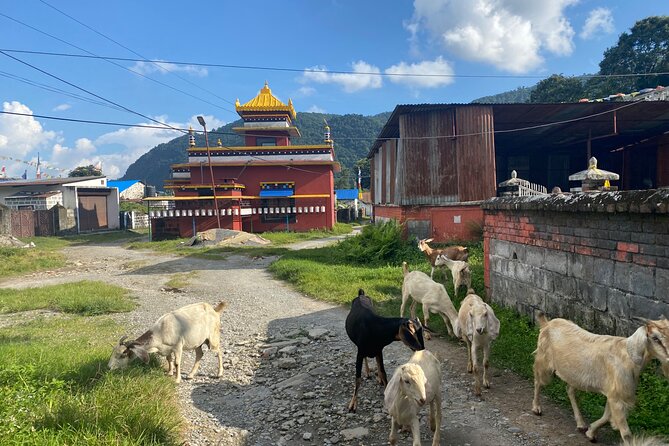
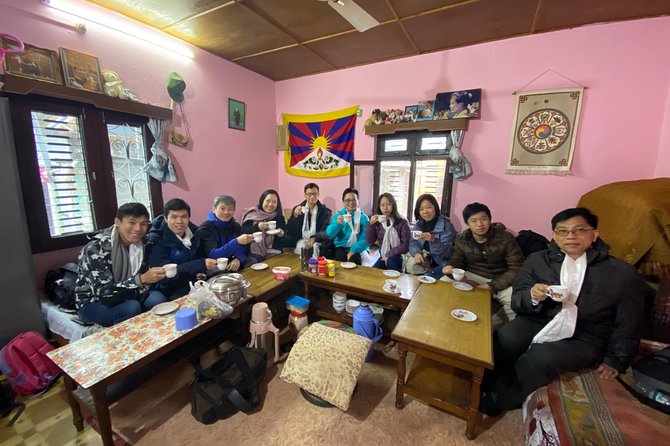
The final stop is Tashi Palkhel Tibetan Settlement. Here, you visit the home of a Tibetan family and share traditional food. This is where the tour moves from public religious spaces into ordinary community life.
A family home visit can tell you things a monastery cannot. You get a sense of how culture is carried through meals, hospitality, and household routines. Thupten introduces the food and explains its background, so the tasting is tied to the wider story of Tibetan life rather than treated as a quick snack break.
The food specifically associated with this experience includes butter tea and Tibetan bread. Afternoon tea, bottled water, snacks, and coffee or tea are included. The available details do not promise a full spread or lunch, so plan to regard this as a cultural tasting and light refreshment.
Lunch is not included. Since the tour runs from 2 to 6 pm, you may want to eat beforehand or plan dinner afterward, particularly if you have a large appetite. That small bit of planning will help you enjoy the family visit without expecting it to replace a meal.
Vegetarian food is available if you request it when booking. Gluten-free food can also be served, including plain rice with vegetable or non-vegetable curries. Tell the operator in advance, because food needs are much easier to handle when arranged before the afternoon begins.
The family stop is also the part where good manners matter most. You are entering someone’s home, not visiting a restaurant. Listen, ask polite questions, and let the guide handle introductions and cultural explanations.
What the $60 price gives you in practical terms
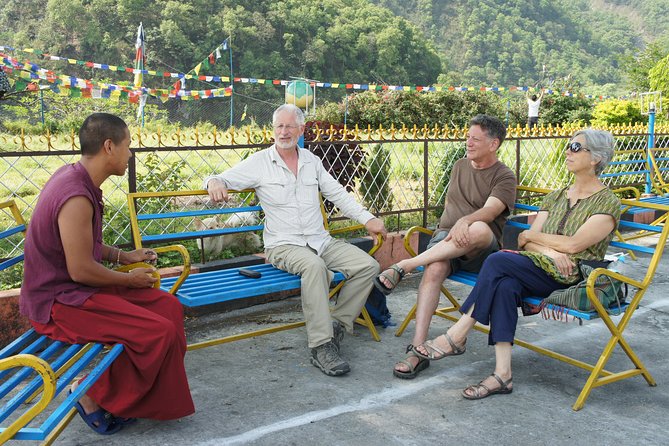
At $60 per person, this is not the cheapest way to spend an afternoon in Pokhara. It is also not simply a transport service. The price covers about four hours, hotel transfers, a professional driver and guide, a Tibetan guide, two monastery visits, afternoon tea, snacks, bottled water, and food at a Tibetan family home.
The value depends on what you want. If you only need a ride to the settlements, $60 will seem high. If you want context, translation, local access, and a carefully arranged home visit, the cost makes more sense.
The guide is the key part of the value. A building visit without explanation can be brief and hard to understand. Thupten’s ability to discuss Tibetan history, religion, community life, and his people’s refugee experience gives the stops a clear purpose.
The maximum group size is 15. That keeps the price below a private tour while preserving some personal attention. If you are looking for a completely flexible schedule, a private arrangement may suit you better. If you want a structured afternoon with hotel transport and a local guide, this package is easier.
The tour has a 5 out of 5 rating based on 106 ratings and is listed as 99 percent recommended. The strongest praise centers on the guide’s passion, clear English, and ability to explain Tibetan history, culture, Buddhism, and community life. That emphasis is useful when judging the experience: book it for the guide-led learning and access, not for a long list of landmarks.
Who will get the most from this afternoon
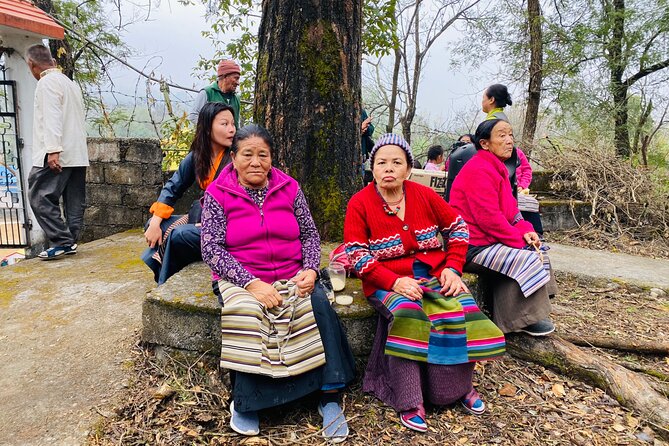
I would recommend this tour to you if you want to understand Pokhara beyond its best-known sights. It suits people interested in Buddhism, refugee stories, cultural preservation, food traditions, and community life.
It is also a good fit for solo visitors. A small group and a discussion-led format can make the afternoon feel social without requiring you to arrange a private guide. Couples and families with older children may also appreciate the change of pace from outdoor adventure activities.
You should be comfortable with walking around religious and residential areas. The tour is described as a small-group walking tour, though the included vehicle transfers reduce the amount of time spent getting between stops.
This is less suitable if you want a fast photo tour, a major historical monument, or an elaborate meal. The monasteries are important because they are active parts of Tibetan community life, and the family visit is valuable because it is personal and modest.
Most people can participate, according to the supplied booking information. No special accessibility details are provided, so if you have mobility concerns, ask the operator before reserving.
Useful planning notes for the 2 to 6 pm schedule
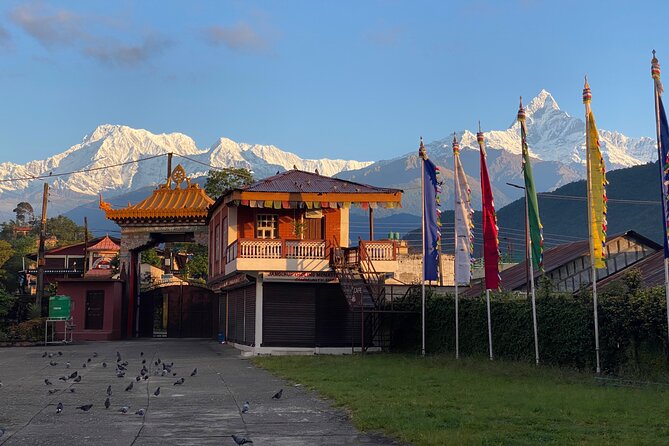
Keep the afternoon free from 2 to 6 pm, including pickup and return. The exact amount of walking and transfer time is not specified, so avoid booking another fixed activity too close to the end of the tour.
Hotel pickup and drop-off are included. The meeting start time is 2 pm, and confirmation is provided when you book. The mobile ticket is useful if you are arranging several activities from your phone.
The tour includes bottled water, tea or coffee, afternoon tea, and snacks. Lunch is not included, so have a meal before departure if you do not want to wait until evening.
State dietary needs at booking. Vegetarian options are available, and gluten-free food can include plain rice with vegetable or non-vegetable curries. It is better to be specific than to assume a suitable meal will be ready.
Free cancellation is available when you cancel at least 24 hours before the start time. Cancellations made less than 24 hours ahead, along with late changes, are not accepted for a refund.
Should you book the Tibetan Cultural Tour?
Book it if you want a thoughtful, personal afternoon about Tibetan culture and refugee life, especially if you value a strong guide more than a packed sightseeing schedule. Thupten Gyatso’s personal connection, the afternoon prayer chanting, and the family meal make this more meaningful than a quick monastery photo stop.
Think twice if you want a full lunch, a private itinerary, or a major attraction with extensive sightseeing. For most people seeking cultural context in Pokhara, the combination of hotel transfers, two monasteries, and a home visit makes the $60 price reasonable. I would choose it for the chance to listen, ask questions, and meet people in a setting that feels connected to everyday life.
FAQ
How long does the Tibetan Cultural Tour last?
The tour lasts about four hours. It departs at 2 pm and returns around 6 pm.
Is hotel pickup included?
Yes. Hotel pickup and drop-off are included in the tour price.
Who leads the tour?
The tour is led by Tibetan guide Thupten Gyatso, who explains Tibetan culture, religion, history, and refugee life in Nepal.
Which monasteries are included?
The tour visits Pema Ts’al Sakya Monastic Institute and Jangchub Choeling Tibetan Monastery.
Is food included?
Afternoon tea, snacks, bottled water, and tea or coffee are included. At a Tibetan family home, you can have traditional food such as butter tea and Tibetan bread. Lunch is not included.
Can the tour accommodate vegetarian or gluten-free diets?
Yes. A vegetarian option is available if requested at booking. Gluten-free food can include plain rice with vegetable or non-vegetable curries.
Recently added around Pokhara
- Paragliding in Pokhara★ 5.0 · 3 reviews
- Pokhara: 5-Day Annapurna Base Camp Trek with Hot Spring★ 5.0 · 3 reviews
- Pokhara:4-Day Ghorepani Poon Hill Guided Trek via Ghandruk★ 5.0 · 3 reviews
- Pokhara: 7-Day Annapurna Base Camp Trek via Ghandruk★ 4.3 · 3 reviews
- Peace & Panorama: Stupa and Pumdikot Scenic Drive Tour★ 3.6 · 3 reviews
- Beautiful Sarankot Sunrise with Full Day Sightseeing in Pokhara★ 4.5 · 3 reviews
- 3 Day Australian Camp Dhampus Ghandruk Easy Trek in Pokhara★ 3.5 · 3 reviews
- Overnight Dhampus Australian Camp Easy Hiking from Pokhara★ 5.0 · 3 reviews
Other Tibetan Culture Tours worth a look
Full-Day Tibetan Cultural Tour to Tibetan Settlements Pokhara
Read our review →
Morning Tibetan cultural tour to Tibetan settlements Pokhara
Read our review →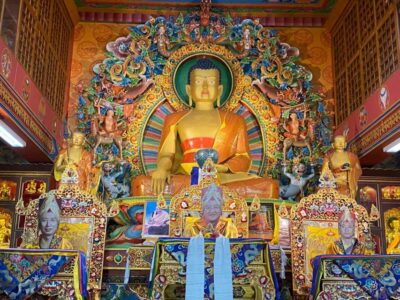
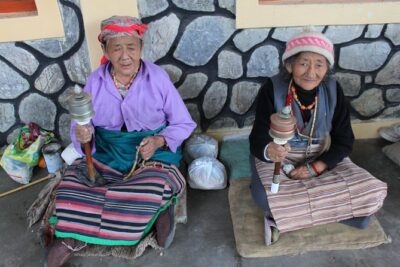
Morning Half Day Tibetan cultural tour to Tibetan Settlements
Read our review →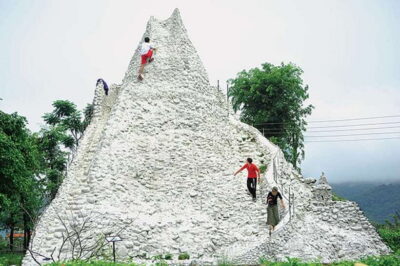
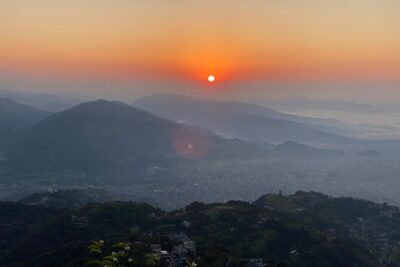
Sarangkot Sunrise with a half day Tibetan cultural tour
Read our review →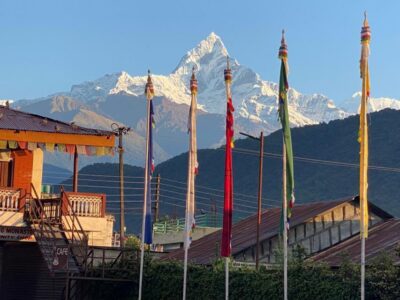
This tour also appears in