
REVIEW · TIBETAN CULTURE TOURS
Full Day Tibetan Cultural Tour
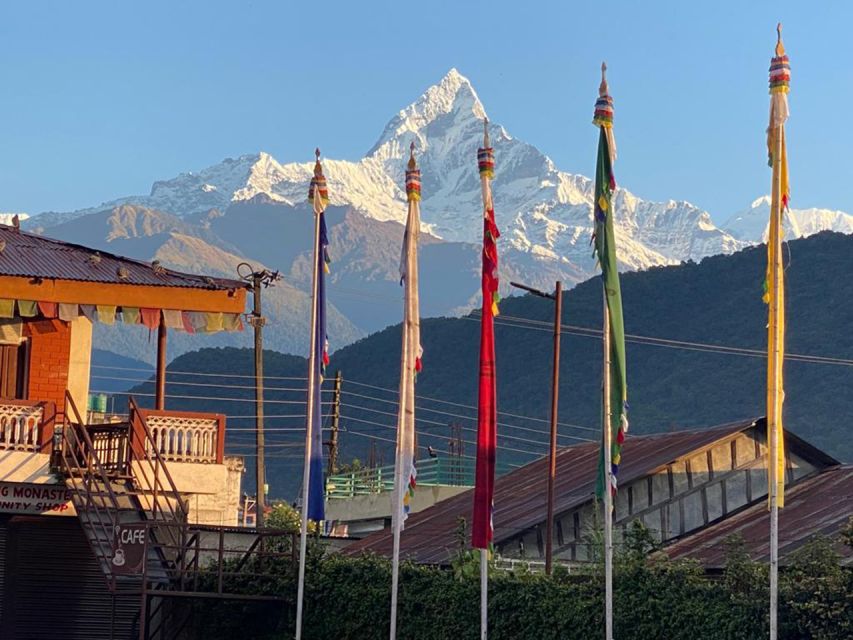
Pokhara is best known for mountain views and lake walks, but this tour takes you into a less familiar part of the valley: the Tibetan settlements of Tashiling and Hemja. You will see monasteries, hear afternoon prayers, meet a monk, learn how carpets are made, and share food and tea with Tibetan residents.
I like two things in particular. First, Mr. Thupten Gyatso gives the day a clear human focus, explaining how Tibetan people have kept their language, faith, and customs alive in Nepal. Second, the tour goes beyond buildings and photo stops, with a medical consultation, a carpet workshop, and time in a family home.
The main consideration is pace. Eight hours includes several stops, walking, food tastings, conversation, and travel around the Pokhara Valley. If you want a quiet sightseeing day, this may feel full. If you want to ask questions and learn, the packed schedule works in your favor.
Key points to know before booking
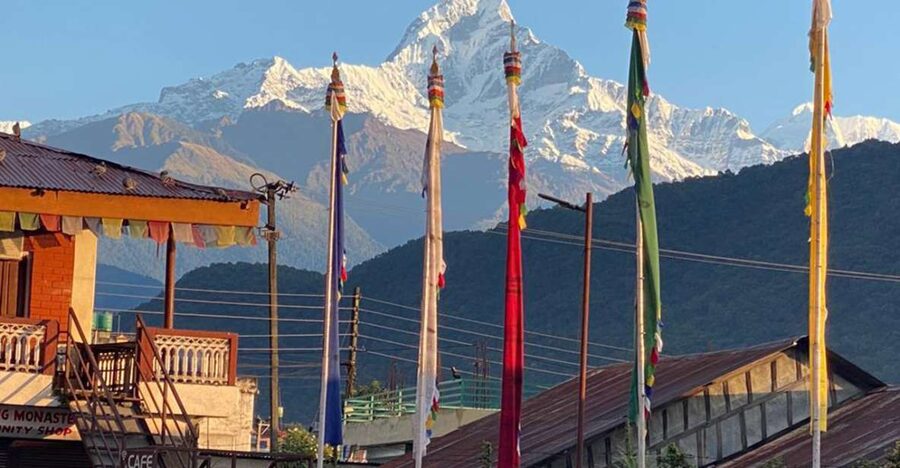
- Two Tibetan settlements: Visit Tashiling and Hemja to see different parts of Tibetan community life near Pokhara.
- Monk conversation and prayer: Speak with a young Buddhist monk, then attend group chanting with instruments and prayer.
- Hands-on food culture: Taste momos, thenthuk, salted butter tea, tsampa, and Tibetan bread with spreads.
- Traditional medicine: Meet a Tibetan doctor for a consultation that includes pulse reading. Medicine purchases cost extra.
- Carpets made by hand: See the workshop process, then browse finished designs in a Tibetan carpet showroom.
- Small-group format: The group is limited to eight people, with English guidance and Lakeside pickup included.
Why this Tibetan tour feels different from ordinary Pokhara sightseeing
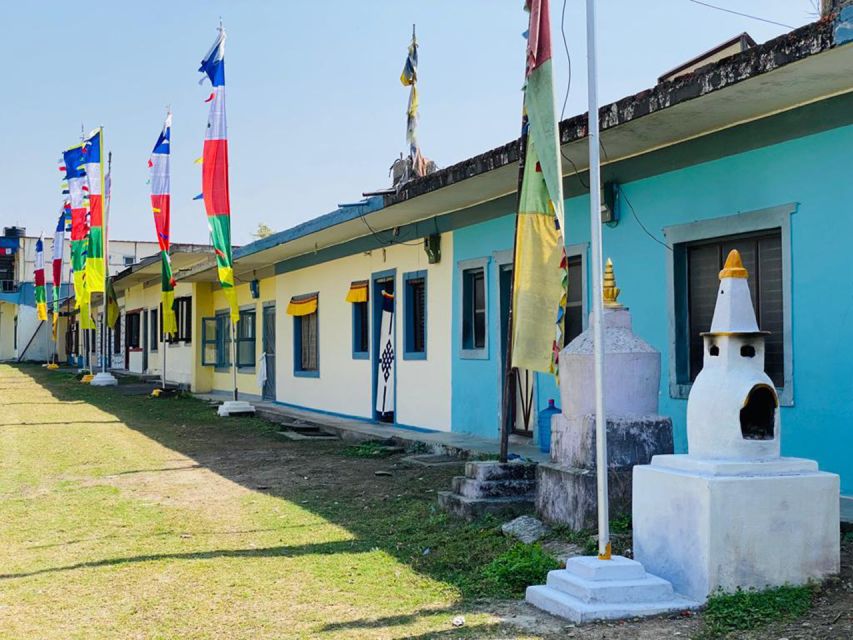
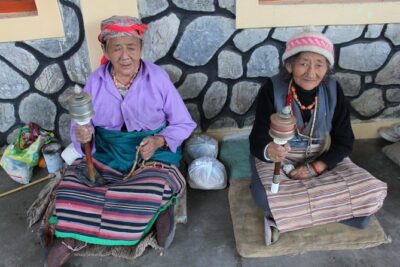
Many day tours around Pokhara are built around viewpoints, waterfalls, and temples. This one is about people and ideas. You spend time learning why prayer wheels turn, what prayer flags represent, how a monastery runs, and what daily life can look like for Tibetan families living in Nepal.
Mr. Thupten Gyatso is central to the experience. He is a Tibetan native with strong ties to the area, and he leads the day in English. His role is not just to point out objects. He explains the meaning behind them and connects each stop to Tibetan life in exile.
That makes a difference at the monasteries. Without explanation, a prayer wheel can look like a colorful object beside a path. With context, it becomes part of a daily religious practice. The same is true of stupas, prayer flags, Buddhist signs, and the instruments used during chanting.
You also get direct contact with people connected to the settlements. The conversation with a monk is designed to be open, so you can ask about studies, prayer, daily tasks, and life inside the monastery. The family tea visit adds another view, this time from a household rather than a religious institution.
More Historical Tours in Pokhara
- Full-Day Tibetan Cultural Tour to Tibetan Settlements Pokhara
★ 5.0 · 184 reviews - Afternoon Tibetan Cultural Tour to Tibetan Settlements Pokhara
★ 5.0 · 106 reviews - Morning Tibetan cultural tour to Tibetan settlements Pokhara
★ 5.0 · 66 reviews
Tashiling settlement: starting with Tibetan community life
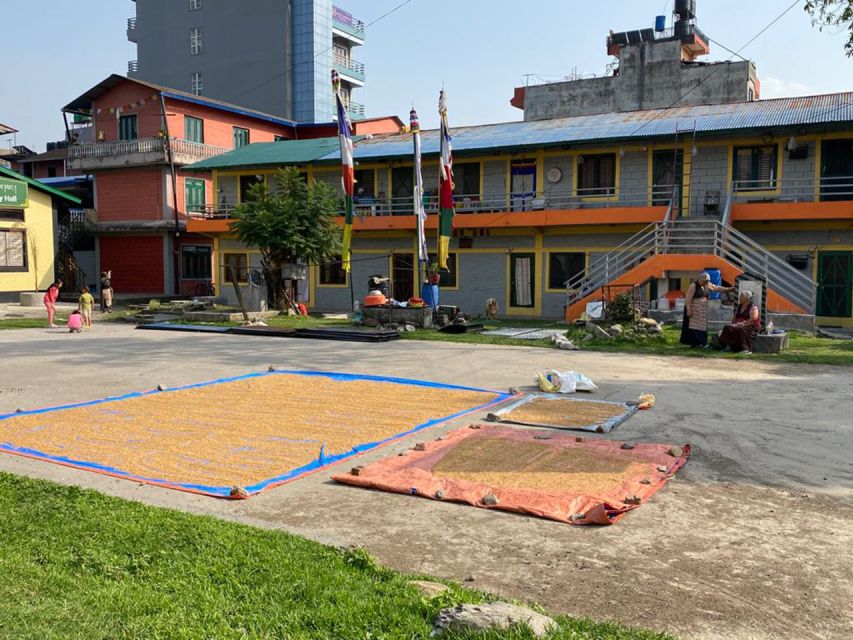
The day begins with pickup around Lakeside in Pokhara. From there, you travel to Tashiling Tibetan settlement, where about four hours are set aside for a broad look at Tibetan culture, food, history, and local work.
Tashiling is not treated as a quick stop. You have time to walk, take photographs, look around, and listen to explanations about the settlement and its people. The visit helps you understand how Tibetan refugees have maintained a sense of identity in Nepal through religion, education, language, food, and skilled crafts.
A photo gallery provides important background. Images show Tibetan refugee settlements in their early years, including the period around the 1960s, as well as the Dalai Lama’s journey into exile in India. This part gives political and historical context to places that might otherwise seem like ordinary neighborhoods.
I find this useful because it keeps the day from becoming a collection of cultural samples. The prayer flags, food, carpets, and monasteries all relate to a larger story of displacement and adaptation. You do not need to be an expert in Tibetan history to follow it, but you should come ready to listen.
Tibetan carpets: from workshop to showroom
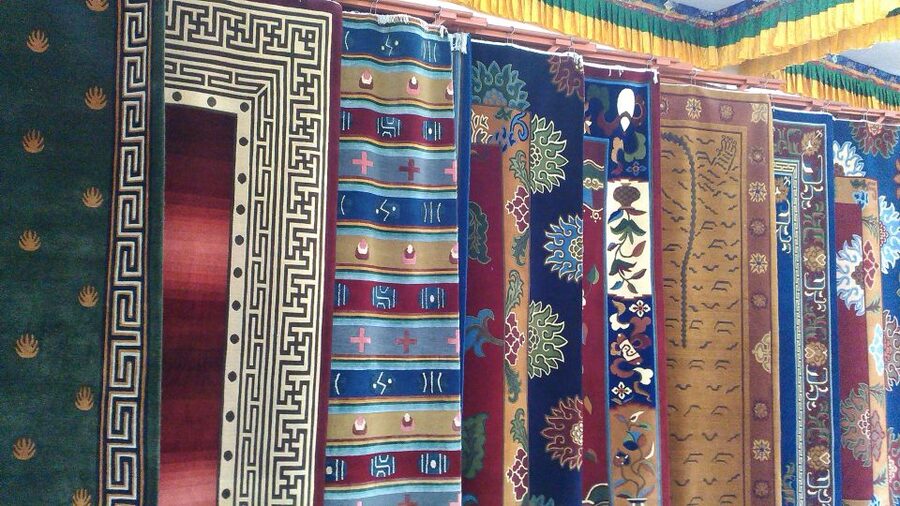
The carpet visit is one of the most concrete parts of the tour. At the workshop, Mr. Thupten explains how Tibetan carpets are made by hand and takes you through the main stages of the process.
You will see the work as a craft rather than simply viewing finished products. The guide explains the method in detail, then the tour continues to a showroom where you can look at carpets with different designs and colors.
This stop will appeal to you if you like seeing how an object is produced. It also gives meaning to the price of handmade goods. A carpet is not just a decorative item on a wall or floor. It represents time, skill, pattern work, and a tradition that has helped support Tibetan communities.
You are not required to buy anything. The showroom is useful even if you have no room in your luggage or no interest in shopping. If you do want to purchase a carpet, ask about prices, sizes, materials, packing, and shipping directly at the showroom. The tour information confirms that the visit is included, but it does not give a fixed shopping price or shipping arrangement.
Meeting a Tibetan doctor and learning about diagnosis
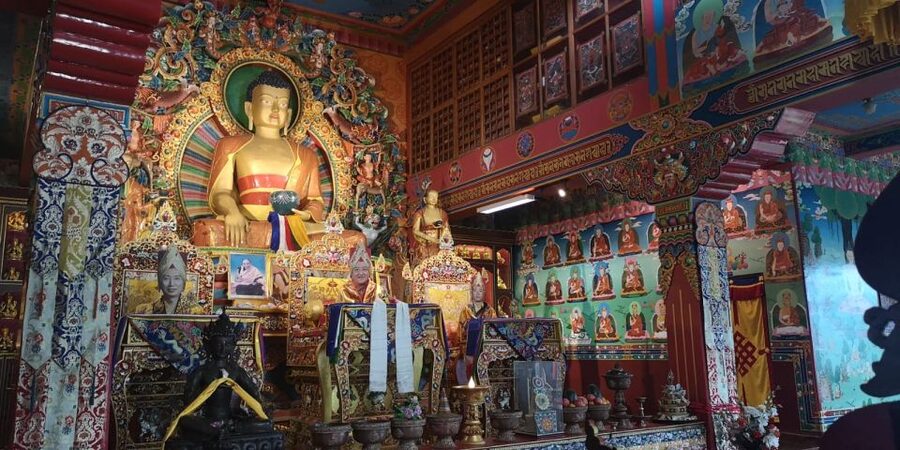
The medical center offers a change of subject from religion and craft. You meet a Tibetan doctor and learn about the Tibetan medical system, its treatments, and its approach to diagnosis.
The consultation includes pulse reading. This is a chance to ask questions and hear how a traditional system interprets health. One visitor described being examined and feeling that the doctor’s assessment was strikingly accurate, but you should treat the session as a cultural and educational experience rather than a substitute for medical care.
If you are interested in the remedies, medicines can be purchased separately. The tour price includes the consultation, not any medicine you choose to buy.
This stop works best when you remain curious but sensible. You can ask how diagnosis works and what kinds of treatments are used, while keeping your regular medical advice from a qualified healthcare provider. That balance lets you appreciate the tradition without making claims the experience cannot support.
More Tibetan Culture Tours in Pokhara:
- Afternoon Tibetan cultural tour
★ 5.0 · 41 reviews - Half Day Tibetan Cultural tour Pokhara
★ 5.0 · 36 reviews - Morning Half Day Tibetan cultural tour to Tibetan Settlements
★ 5.0 · 26 reviews - Pokhara: Private Half-Day Tour and Tibetan Culture Tour
★ 3.8 · 14 reviews
Tibetan lunch: momos, thenthuk, and a taste of daily food
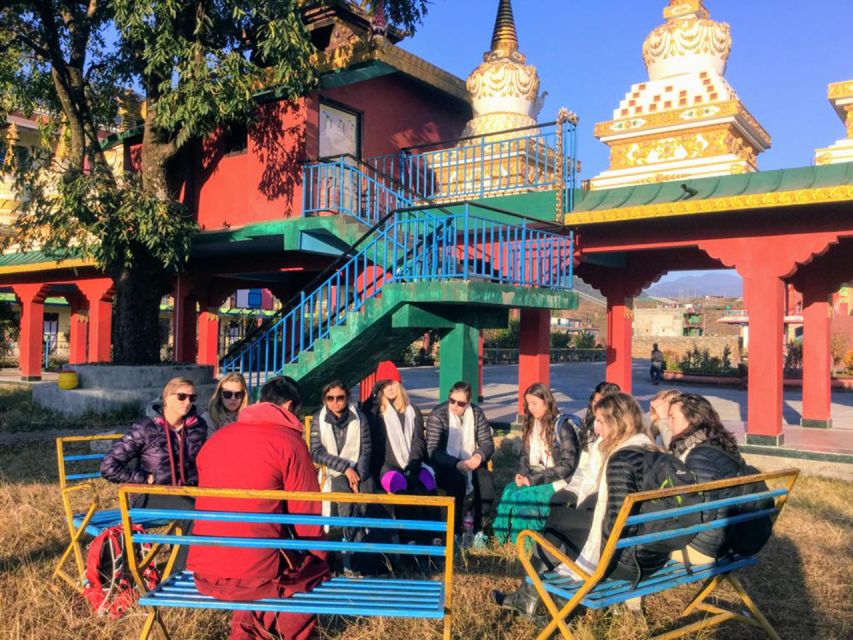
Lunch takes place at a Tibetan restaurant, with several choices for both vegetarian and non-vegetarian diners. Two dishes to look for are Tibetan momos and thenthuk.
Momos are dumplings, while thenthuk is a filling soup made with freshly kneaded dough, meat, and vegetables. It is the sort of meal that explains Tibetan food better than a formal presentation can. You get to taste the food while Mr. Thupten explains how it fits into Tibetan life.
The food portion is not limited to lunch. Depending on the schedule, coffee, tea, fresh juice, mineral water, and snacks are also included. The day later moves to a local family home for an afternoon tea experience.
Keep in mind that food preferences should be discussed with the guide. Vegetarian and non-vegetarian options are specifically available, but the details of other dietary restrictions are not provided.
Pema Ts’al Sakya Monastic Institute and the life of monks
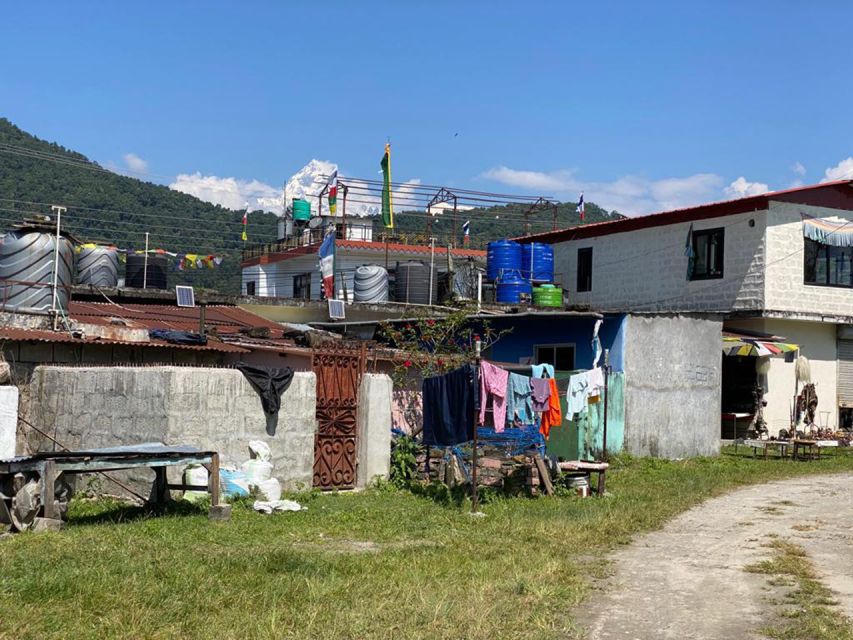
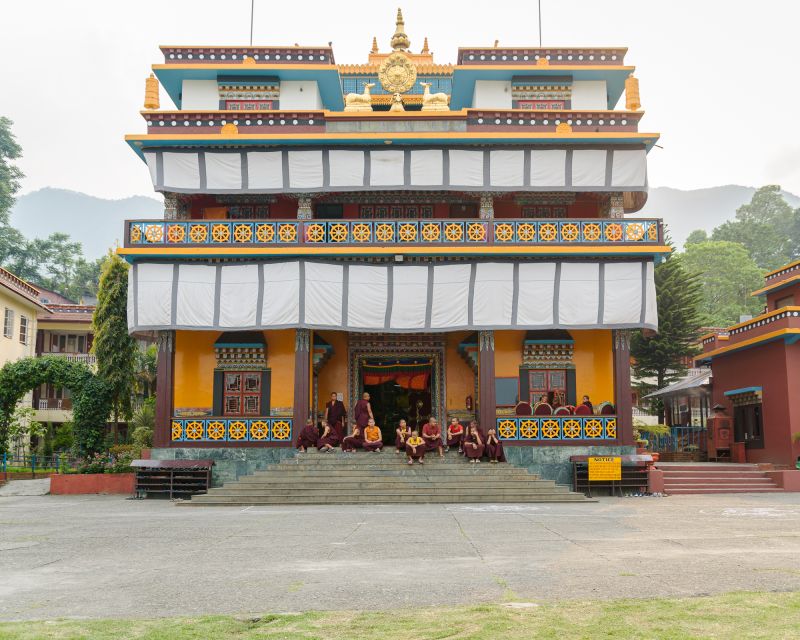
The next major stop is Pema Ts’al Sakya Monastic Institute, with about an hour for a guided visit and sightseeing. The focus here is monk life, Buddhist symbols, and the role of study and prayer.
A conversation with a young Buddhist monk gives you a chance to ask direct questions. You can learn about the monk’s studies, daily activities, and life within the monastery. This is more useful than simply walking through a religious building because it puts a person behind the institution.
Later, you attend an afternoon group prayer session. The chanting is accompanied by different instruments, and the sound creates a strong sense of ceremony. You are there to watch and listen respectfully, not to treat the prayer as a performance.
This can be one of the most memorable parts of the day, especially if you have never attended Buddhist chanting. It is also a moment when good guidance matters. Mr. Thupten can explain what you are hearing and help you understand the place of prayer in monastic life.
Dress and behavior should be respectful at religious sites. The provided information does not set a formal dress code, but modest clothing and quiet attention are sensible choices.
Hemja Tibetan Refugee Camp and an afternoon at home
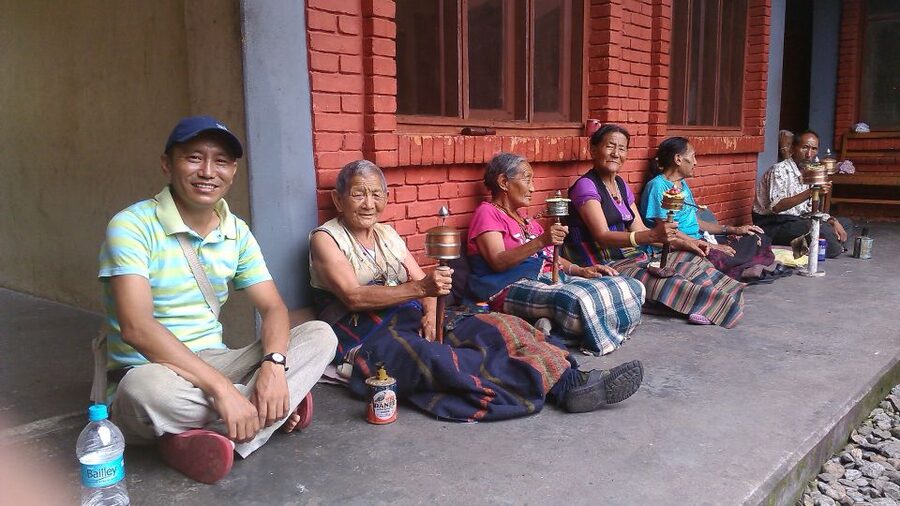
The final settlement visit takes you to Tibetan Refugee Camp Hemja, with about two and a half hours planned for walking, tea, snacks, conversation, and sightseeing.
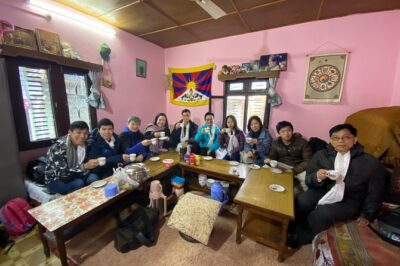
The atmosphere of this part of the day is more domestic. At a local Tibetan family home, you taste salted butter tea, tsampa, and Tibetan bread served with honey, butter, and peanut butter.
Salted butter tea may surprise you if you expect sweet tea. Tsampa, made from roasted barley flour, is another important taste and is prepared as part of the visit. This is a chance to try food in the way it is introduced by people who know the tradition, rather than ordering an unfamiliar dish without context.
The home visit also gives you a view of everyday life in the settlement. You can ask Mr. Thupten about food, family customs, and life in the community. The personal setting is valuable, though you should remember that it is still a hosted cultural visit. A polite, respectful approach matters more here than taking endless photographs.
What you get for $82
At $82 per person, the tour is not a bargain-priced sightseeing loop, but it includes much more than transportation and a guide. The price covers an eight-hour small-group day with pickup and drop-off around Lakeside, visits to two settlements, a monastery, a carpet workshop and showroom, a photo gallery, a Tibetan medical center, lunch, drinks, a monk conversation, prayer chanting, and a family tea visit.
The consultation with the Tibetan doctor is included, as is the pulse reading. That adds value for people who want a broad cultural program rather than a single museum visit. Food and drinks are also included, which makes the cost easier to judge because you are not paying for every snack and beverage separately.
The group limit is eight participants. That matters when you are visiting a family home or speaking with a monk. A small group gives you a better chance to ask questions without turning the conversation into a crowded lecture.
There is one transportation detail to watch. Pickup is free for hotels around Lakeside. If your hotel is outside the Lakeside area, an extra transport fee applies based on its location. Ask about that charge before booking so the final cost is clear.
Timing, comfort, and who should book
The tour lasts about eight hours and includes scenic driving, walks, visits, meals, and conversations. The itinerary gives roughly four hours to Tashiling, one hour to Pema Ts’al, and two and a half hours to Hemja, with travel and transitions between stops.
This is a good choice for you if you enjoy learning through conversation. It suits people interested in Tibetan religion, refugee history, food, traditional medicine, and handmade crafts. It is also a strong option if you have already seen Pokhara’s main sights and want a cultural day with more substance.
It may not suit you if you want a relaxed day with long stretches of free time. The schedule has several parts, and the appeal depends on your willingness to listen, taste unfamiliar food, and ask questions.
The tour is not suitable for wheelchair users, and children under two cannot join. The group is limited to eight people, and the live guiding language is English.
Free cancellation is available up to 24 hours before the tour for a full refund. You can also reserve now and pay later, which is useful if your Pokhara plans may shift.
How to get the most from the day
Start with questions. Ask Mr. Thupten about the settlement’s history, how language is taught, what monks study, and how families preserve Tibetan traditions in Nepal. The day is built for discussion, so you gain more by speaking up than by simply following the group.
Approach the doctor’s visit with an open mind and sensible limits. Listen to the explanation of pulse reading and Tibetan diagnosis, but remember that any medicines cost extra and the consultation is not described as a replacement for modern medical treatment.
At the monastery, pay attention to sound as well as architecture. The afternoon chanting and instruments are a key part of the experience. Stay quiet during prayer and follow the guide’s instructions about where to stand and when photographs are appropriate.
For lunch and tea, try the local specialties if you can. Momos are an easy introduction, while thenthuk, butter tea, and tsampa offer a more distinctive taste of Tibetan food. If you have dietary restrictions, tell the operator in advance because only vegetarian and non-vegetarian choices are specifically confirmed.
Should you book this Tibetan cultural tour?
I would recommend this tour if you want to understand Tibetan life near Pokhara rather than simply look at Buddhist buildings. The strongest parts are the access to people: Mr. Thupten Gyatso’s explanations, the conversation with a monk, the meeting with a Tibetan doctor, and the tea visit at a family home.
At $82, the value comes from the range of experiences and the small group, not from a short list of photo stops. Book it if you want a full, educational day and are comfortable with a busy schedule. Skip it if you prefer independent wandering, scenic viewpoints, or a tour with little talking.
For the right visitor, this is one of the more thoughtful cultural choices around Pokhara. It gives you food to taste, symbols to understand, stories to consider, and real conversations that help the settlements feel like communities rather than attractions.
FAQ
Where does the Tibetan Cultural Tour begin?
Pickup is provided around the Lakeside area of Pokhara. The listed pickup location is Lake Side, and the tour returns there at the end of the day.
How long does the tour last?
The experience lasts about eight hours. The listed schedule includes visits to Tashiling, Pema Ts’al Sakya Monastic Institute, and Hemja Tibetan Refugee Camp.
What is the price?
The price is $82 per person. An additional transportation fee may apply if your hotel is outside the Lakeside area.
Is transportation included?
Free pickup and drop-off are included for guests staying around Lakeside. Hotels outside that area may require an extra fee based on location.
What language is the tour conducted in?
The live tour guide speaks English. The guide is Mr. Thupten Gyatso.
What food is included?
The tour includes Tibetan lunch with vegetarian and non-vegetarian choices. Dishes may include momos and thenthuk. The afternoon family visit includes salted butter tea, tsampa, and Tibetan bread with honey, butter, and peanut butter.
Does the tour include a Tibetan medical consultation?
Yes. You meet a Tibetan doctor, and the consultation includes pulse reading. Any medicines you choose to purchase are not included.
Can I speak with a Buddhist monk?
Yes. The tour includes conversation with a Buddhist monk, along with an opportunity to learn about monastic studies, daily activities, and prayer.
Is the tour suitable for everyone?
The tour is not suitable for wheelchair users or children under two. It is designed for people interested in Tibetan culture, religion, history, traditions, and the lives of Tibetan people in Nepal.
More Full-Day in Pokhara
- Pokhara: Full-Day Sharing Bus Tour on 7 Iconic Destination
★ 4.1 · 179 reviews - Pokhara: Full-Day Private Tour on 7 Iconic Destination
★ 4.8 · 108 reviews - Pokhara: Sarangkot Sunrise with Half or Full-Day City Tour
★ 4.8 · 100 reviews - The Best of Pokhara: Full-Day Private Tour with Sarangkot Sunrise
★ 5.0 · 66 reviews
Recently added around Pokhara
- Paragliding in Pokhara★ 5.0 · 3 reviews
- Pokhara: 5-Day Annapurna Base Camp Trek with Hot Spring★ 5.0 · 3 reviews
- Pokhara: 7-Day Annapurna Base Camp Trek via Ghandruk★ 4.3 · 3 reviews
- Pokhara:4-Day Ghorepani Poon Hill Guided Trek via Ghandruk★ 5.0 · 3 reviews
- Peace & Panorama: Stupa and Pumdikot Scenic Drive Tour★ 3.6 · 3 reviews
- Beautiful Sarankot Sunrise with Full Day Sightseeing in Pokhara★ 4.5 · 3 reviews
- 3 Day Australian Camp Dhampus Ghandruk Easy Trek in Pokhara★ 3.5 · 3 reviews
- Overnight Dhampus Australian Camp Easy Hiking from Pokhara★ 5.0 · 3 reviews
Other Tibetan Culture Tours worth a look
Full-Day Tibetan Cultural Tour to Tibetan Settlements Pokhara
Read our review →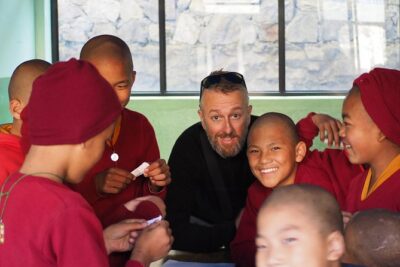
Afternoon Tibetan Cultural Tour to Tibetan Settlements Pokhara
Read our review →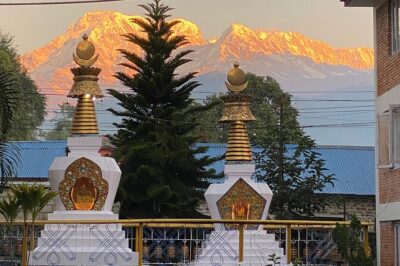
Morning Tibetan cultural tour to Tibetan settlements Pokhara
Read our review →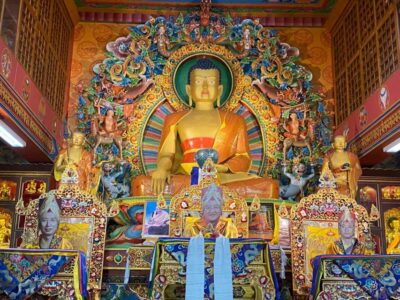
Morning Half Day Tibetan cultural tour to Tibetan Settlements
Read our review →
Sarangkot Sunrise with a half day Tibetan cultural tour
Read our review →This tour also appears in