
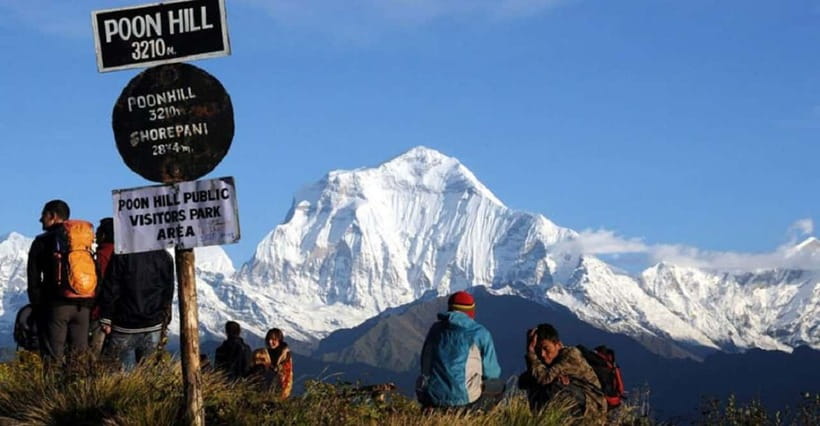
REVIEW · POON HILL TREKS
Pokhara: 3-Day Ghorephani and Poon Hill Private Trek
Poon Hill gives you a lot of Nepal in a short time: a pre-dawn climb, a sunrise over Annapurna and Dhaulagiri, rhododendron forests, and nights in simple mountain teahouses. I like the private guide service, which lets you stop, eat, and walk at your own pace. I also like the local feel, from Dal Bhat in family-run lodges to Gurung villages and the local bus ride from Pokhara.
The catch is simple: this is short, but it is not easy. Day one has a serious staircase, and the final morning starts before sunrise, followed by a long walk back to the road and a drive to Pokhara. If you are out of shape, four days would be kinder than three.
Key points at a glance
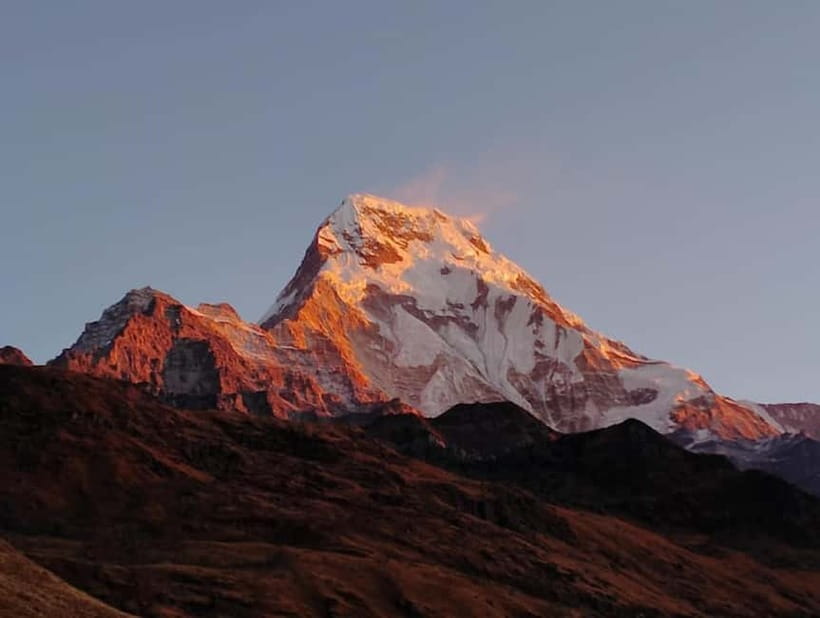
- Poon Hill sunrise: Reach 3,210 meters before breakfast for wide views of Annapurna, Dhaulagiri, Nilgiri, and Machhapuchhre when the weather is clear.
- A tough first day: The route includes many stone steps, especially between Tikhedhunga and Ulleri.
- Private pacing: Guides such as Santosh, Chandra, Jeet, and Laxman can adjust breaks and the walking speed to suit your group.
- Family-run teahouses: Expect clean, basic lodging, local meals, mountain views, and cold rooms at higher elevations.
- Compact value: At $126 per person, the package can cover transport, permits, guide, porter costs, gear, lodging, and meals if your selected option includes them.
- A real mountain trip: You get villages, forest trails, local buses, and overnight stays, not just a viewpoint reached by road.
This trek is best understood as a fast introduction to the Annapurna region, not a gentle walk in the hills. In three days, you move from Pokhara at 822 meters to Poon Hill at 3,210 meters, sleep twice in mountain lodges, and return to Pokhara by road.
I like the balance. You see major Himalayan peaks without committing to a week-long route, and the private format takes away much of the usual planning. Your guide handles permits, lodging arrangements, local transport, and practical choices on the trail.
The tradeoff is compression. The schedule packs a lot of walking into two full days, with a pre-dawn ascent on the third. That makes this a smart choice for a short stay in Pokhara, but a poor fit if you want lazy mornings or long pauses in every village.
The day begins with pickup from a hotel in Pokhara Valley, Sarangkot, Lakeside, or Pokhara International Airport. Depending on your pickup point, you may first go to Pokhara Baglung Bus Park before taking a bus or coach toward Nayapul.
The drive to Nayapul takes about one to one and a half hours. This transfer matters because it places you at the trailhead quickly, leaving most of the day for walking. The road journey is part of the local experience, though it is transportation rather than a scenic tour in its own right.
From Nayapul, you walk toward Tikhedhunga for around three to three and a half hours. The route includes village paths, mountain scenery, and places to stop for tea or food. Your guide will point out the best pauses and help you manage water and energy before the harder section begins.
Then comes the famous climb toward Ulleri. The ascent from Tikhedhunga to Ulleri takes roughly two to two and a half hours, but the number of steps makes it feel longer. Several people found this section the hardest part of the trek, including fit walkers who did not regularly train for steep climbs.
Do not read short trek as easy trek. If you walk often but do little stair or hill training, you may still find day one demanding. A guide such as Santosh can slow the pace, arrange a chair during a rest, make walking sticks available, and keep the day moving without turning it into a race.
Ulleri sits at about 2,070 meters. The overnight stop gives you a chance to eat, dry off, and sleep before the higher climb to Ghorepani. Accommodation is standard mountain lodging: basic, clean, welcoming, and chosen for practicality rather than luxury.
Day two takes five to six hours, climbing from Ulleri to Ghorepani. The route passes through rhododendron forest, with changing views of the Annapurna and Dhaulagiri ranges along the way.
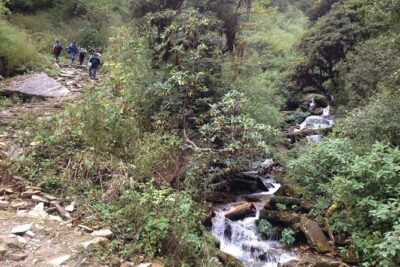
The forest is one of the pleasures of this trek. In season, rhododendron flowers add strong color to the trail, while the wooded sections offer shade and a change from open stairways. You may also notice Himalayan plants and local wildlife, although sightings are not guaranteed.
This is a steadier day than the first for many people, but it still involves plenty of uphill walking. The altitude begins to matter more as you approach Ghorepani, so keep your pace conservative. You do not gain anything by arriving exhausted, since the sunrise climb begins early the next morning.
Ghorepani is at 2,860 meters and is the main overnight base for Poon Hill. The village has several teahouses, dining rooms, and viewpoints. Your guide arranges the lodging and can help select a place for dinner and breakfast.
Food is a strong part of the experience. Dal Bhat is the reliable local meal, and several guides have been praised for choosing good places to eat and organizing tea and hot-water refills. Vegetarian food is available along the route, but personal dietary needs should be discussed before departure rather than left to chance.
The rooms are generally comfortable for mountain accommodation, but cold is part of the deal. At higher stops, heating is limited and sleeping bags, warm socks, gloves, and a wool hat make a real difference. A hot shower may be available at some lodges, but you should not plan the trek around hotel-style facilities.
The third day starts early. The walk from Ghorepani to Poon Hill takes about two to three hours, and the goal is to arrive for sunrise. In practice, the departure time depends on the season and the expected sunrise, so your guide will tell you when to leave.
The climb is short compared with the previous days, but it feels demanding because you are walking in darkness and beginning with tired legs. Bring a headlamp if you have one, and keep warm clothing close at hand. The air can be very cold before the sun reaches the ridge.
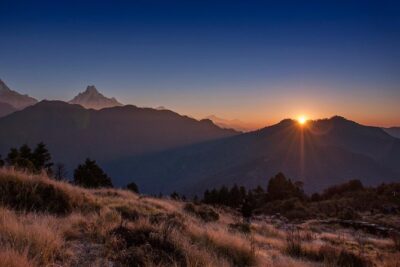
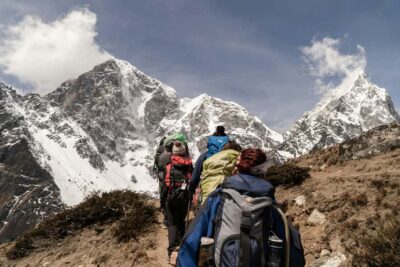
Poon Hill rises to 3,210 meters. From the viewpoint, clear conditions can reveal Annapurna, Dhaulagiri, Nilgiri, and Machhapuchhre. The sunrise is the main payoff: the peaks can shift from dark silhouettes to gold and pink as the light moves across them.
Weather controls the view. One departure had fog and haze that hid the mountains, while other mornings offered broad, clear panoramas. You should want the walk itself, not only a guaranteed photograph. The forest, villages, fresh air, and changing mountain weather still give the trek value when clouds arrive.
After the viewpoint, you return to Ghorepani for breakfast. This is a useful pause, but it is not the end of the day. You then walk back toward Nayapul, a five to six-hour descent according to the main schedule.
The route back to Nayapul is mostly downhill, which sounds easy until your knees and feet have spent two days on steps. If you have knee trouble, tell your guide early. One guide arranged a closer road connection for a participant whose knee became painful, showing why a private trip can be more useful than a fixed group departure.
The walk takes around five to six hours, though the broader activity schedule allows as much as seven hours for the trail section. Your pace, breaks, weather, and road conditions can affect the exact timing.
This final walk gives you a second look at villages and forest rather than simply retracing the route as a blur. It also brings a strong sense of progress as the air warms and the altitude drops. Still, it is a full day after the sunrise climb, so do not schedule an important flight or major activity immediately afterward.
From Nayapul, the drive to Pokhara takes about one to one and a half hours. Drop-off is available at many Pokhara hotels, Lakeside locations, Sarangkot, and Pokhara International Airport. Confirm your return timing if you have an onward flight, since mountain roads and the long walking day leave little room for a tight connection.
The guide is the most important part of this experience. The operator uses English, Hindi, and Nepali-speaking guides, and names praised for their calm support include Santosh, Santosh Tiwaree, Chandra, Jeet, Laxman, Tanka, Sun Bahadur Nepali, and Dhanapati.
You are not guaranteed a particular guide unless you arrange that directly, but the repeated strengths are clear. A good guide keeps you on the right trail, finds suitable tea stops, manages the teahouse arrangements, explains local customs, and adjusts the walking speed when someone is struggling.
This matters most on a three-day schedule. A private guide can suggest a different stopping point, add a rest, or adapt the plan if someone feels ill. You are still responsible for telling the guide when you need food, water, warmth, or a break. Do not try to be heroic and hide a problem.
Guides also add human context. You may learn about Gurung culture in villages such as Ghandruk, hear local stories, pick up a few Nepali words, or encounter a festival or village activity. Those small moments often make the trek feel more personal than simply ticking off Poon Hill.
Porter support is included in the package as described, along with the porter’s transport, insurance, food, lodging, salary, and equipment. That can make a major difference if you are not used to carrying a pack on steep stairs. Pack a small day bag with water, warm layers, rain protection, and personal items.
The overnight lodges are basic but welcoming. Expect a private room in standard accommodation, simple shared facilities, and a dining area where meals and tea are served. Several stays were described as clean and comfortable, with good views and, in some cases, hot showers.
Cold rooms are the main limitation. January conditions can be especially chilly, and a sleeping bag is not an optional luxury at higher stops. The package says trekking gear such as sleeping bags and walking sticks can be supplied as needed, but confirm what will be ready for you before setting out. One participant had to ask about walking sticks.
Meals are included only if you choose the meal-inclusive option, so check the exact booking choice before paying. If included, meals throughout the trek improve the value and make budgeting easier. If not, personal meal costs become part of your daily spending.
The food is more than fuel. Dal Bhat, tea, hot water, and family-run dining rooms connect you to the mountain communities along the route. Food choices can be simpler than in Pokhara, but the guides are used to helping visitors order and find suitable stopping places.
At $126 per person, the price is attractive if the package includes the full list of services: hotel and trailhead transport, permits, standard accommodation, a certified guide, porter expenses, trekking equipment as needed, a duffel bag, first aid supplies, luggage storage in Pokhara, and government and local taxes.
The key phrase is if selected. Meals are included only with the relevant option, so compare the final price and inclusions carefully. Personal expenses are not covered, and that usually means you should budget for anything outside the stated package.
The private format adds value. You are not just buying a route to a viewpoint. You are paying for help with permits, road transfers, lodging, navigation, food stops, pacing, and the practical issues that become tiring on a steep three-day walk.
Transport also receives strong marks, with 93 percent of ratings giving it a perfect score. The local bus connection is not polished tourism, but it is part of the practical Nepal experience and keeps the package grounded in ordinary travel.
I would recommend it to you if you have limited time in Pokhara and want a real Himalayan walk rather than a day trip. It suits people who value mountain views, local villages, forest trails, and simple teahouse stays.
You should have a reasonable level of fitness and be in good health. Regular long walks help, but stair training would be even better. If you are new to trekking, do not let the compact schedule fool you. Several first-time walkers found it harder than expected, even when the guides made the pace manageable.
A four-day version would be better for an inexperienced walker who wants longer breaks or a less punishing return day. This three-day plan works best when you accept that day one and day three are physically serious.
Travel insurance is mandatory, and emergency rescue services are available if required. You must provide a passport copy at least one day before departure so the permits can be arranged. Bring hiking shoes, hiking trousers, warm layers, a waterproof bag, and a passport or accepted copy.
Cancellation is flexible up to 24 hours before departure for a full refund, and you can reserve now and pay later. Pickup is available from hotels across Pokhara Valley, but wait at the main entrance about 10 minutes before the arranged time and look for the company vehicle or a guide holding your name.
Book this trek if you want the best mountain payoff for three days and can handle steep steps, cold nights, and a long final day. The sunrise at Poon Hill can be unforgettable, but the guides, villages, meals, and teahouses give the trip substance even when clouds block the peaks.
Skip it, or ask for a four-day version, if you are not comfortable with strenuous walking or have knee concerns. Before booking, confirm the guide language, meal option, porter arrangement, walking-stick availability, and the exact pickup point.
For a short visit to Pokhara, this is a strong-value route with genuine mountain character. Go prepared, walk steadily, and treat the stairs as part of the adventure rather than an unpleasant surprise.
FAQ
More Hiking Tours in Pokhara
- Poon hill Trek 3 days
★ 5.0 · 176 reviews - Trekking in Annapurna/Langtang/Everest/Upper Mustang regions
★ 5.0 · 161 reviews - Pokhara: 4-Day Ghorepani, Poonhill & Ghandruk Mountain Trek
★ 5.0 · 132 reviews
How long is the Ghorepani and Poon Hill trek?
The trek lasts three days and includes two overnight stays, one in Ulleri and one in Ghorepani.
How high is Poon Hill?
Poon Hill is at 3,210 meters, or 10,531 feet.
How difficult is the three-day route?
The trek can be physically demanding. Day one includes many steep stone steps, especially between Tikhedhunga and Ulleri, while day three combines an early climb to Poon Hill with a long walk back to Nayapul.
More Poon Hill Treks in Pokhara
- Ghorepani – Poon Hill Trek 3N-4D
★ 5.0 · 125 reviews - From Pokhara: 3-Day Ghorepani Poon Hill Trek with Guide
★ 4.9 · 68 reviews - 4-Day Private Poon Hill Trekking Tour
★ 5.0 · 58 reviews - Pokhara: 2-Day Ghorephani and Poon Hill Private Trek
★ 4.6 · 50 reviews
Is the trek private?
Yes. The activity is arranged as a private group with a live guide speaking English, Hindi, or Nepali.
Is transportation from Pokhara included?
Round-trip transportation between your hotel, Pokhara International Airport, and the trek starting point is included. The route uses road transport between Pokhara, Nayapul, and Pokhara again.
Are meals included?
Meals are included if you select the meal-inclusive option. Check the exact option before booking because personal expenses are not included.
What should I bring?
Bring warm clothing, hiking shoes, hiking pants, a waterproof bag, and a passport or accepted copy. Sleeping bags and trekking sticks can be supplied as needed, but confirm those arrangements before departure.
More 3-Day Experiences in Pokhara
- 3-Day Poon Hill Trek from Pokhara.
★ 5.0 · 45 reviews - From Kathmandu/Pokhara: Private 3-Day Chitwan Safari Tour
★ 4.7 · 34 reviews - From Pokhara: Budget 2 Night 3 days Poon hill trek
★ 5.0 · 20 reviews - 3 Days 2 Nights Poon Hill Trekking
★ 5.0 · 17 reviews
Recently added around Pokhara
- Paragliding in Pokhara★ 5.0 · 3 reviews
- Pokhara: 5-Day Annapurna Base Camp Trek with Hot Spring★ 5.0 · 3 reviews
- Pokhara:4-Day Ghorepani Poon Hill Guided Trek via Ghandruk★ 5.0 · 3 reviews
- Pokhara: 7-Day Annapurna Base Camp Trek via Ghandruk★ 4.3 · 3 reviews
- Peace & Panorama: Stupa and Pumdikot Scenic Drive Tour★ 3.6 · 3 reviews
- Beautiful Sarankot Sunrise with Full Day Sightseeing in Pokhara★ 4.5 · 3 reviews
- 3 Day Australian Camp Dhampus Ghandruk Easy Trek in Pokhara★ 3.5 · 3 reviews
- Overnight Dhampus Australian Camp Easy Hiking from Pokhara★ 5.0 · 3 reviews
Other Poon Hill Treks worth a look
4-Day Ghorepani, Poonhill & Ghandruk Mountain Trek
Read our review →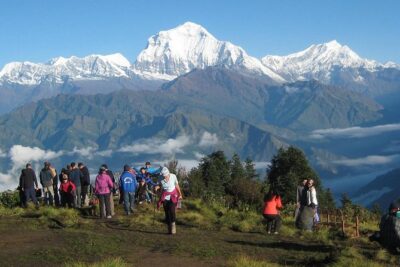
This tour also appears in