REVIEW · MARDI HIMAL TREKS
From Pokhara: 4-Day Mardi Himal Base Camp Trek
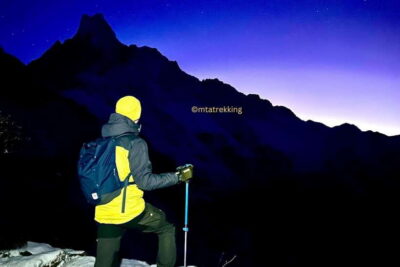
Mardi Himal gives you a lot of Himalayan scenery in only four days. You leave Pokhara by car, climb through rhododendron and oak forest, sleep in small mountain teahouses, and reach high viewpoints facing Machapuchhre and Annapurna South. The best moment comes early on day three, when sunrise can light the snowy peaks above the clouds.
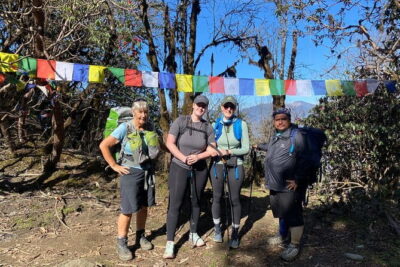
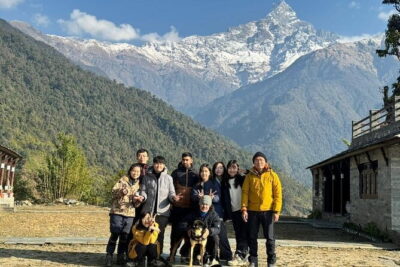
I like the route’s changing scenery and its quieter feel compared with Nepal’s busiest trekking trails. I also like the private format: guides such as Anil, Santosh, Bala, Tanka, and Chandra have adjusted walking speeds, helped tired hikers on steep stairs, and shared stories about Nepalese culture and mountain plants.
The main catch is the schedule. Four days leaves little spare time, and reaching the actual base camp is not guaranteed. The optional walk to about 4,500 meters is demanding, so you need decent fitness, warm clothing, and realistic expectations.
Key points at a glance
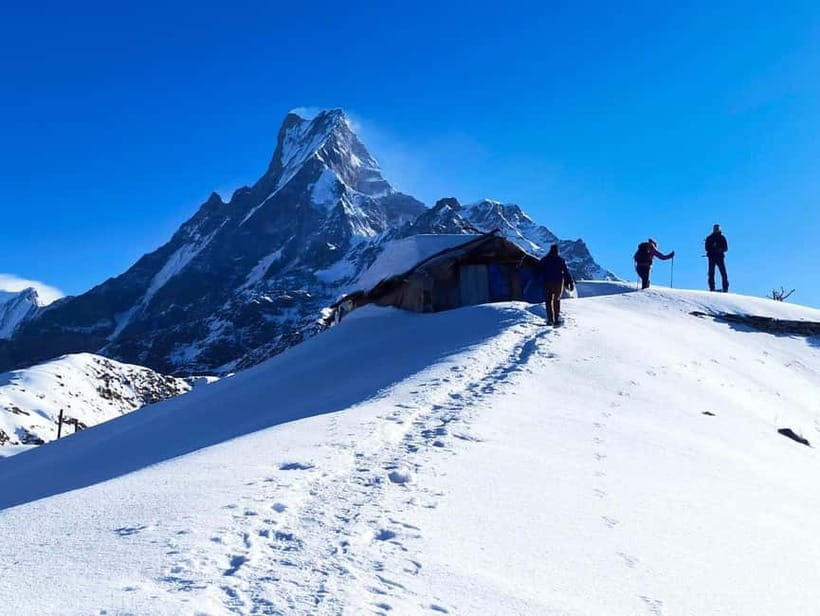
- Sunrise at roughly 4,200 meters: The Mardi Himal Viewpoint offers the route’s signature early-morning mountain views, with Base Camp as an optional extension.
- A fast change in scenery: In four days, you pass from Pokhara’s roads to forest, alpine meadows, high ridges, and traditional villages.
- Private guiding makes a difference: Your English, Hindi, or Nepali-speaking guide can adjust the pace and help with route decisions.
- Simple mountain nights: Tea houses provide basic accommodation, meals if selected, and a warm place to rest, but do not expect hotel comforts.
- Good value at $138: Permits, transport, guide costs, permits, basic gear, and lodging are included, though meal pricing deserves a close look.
- Steep stairs are the real test: The altitude matters, but repeated uphill steps can be just as tiring on days one and two.
Why Mardi Himal works as a four-day trek
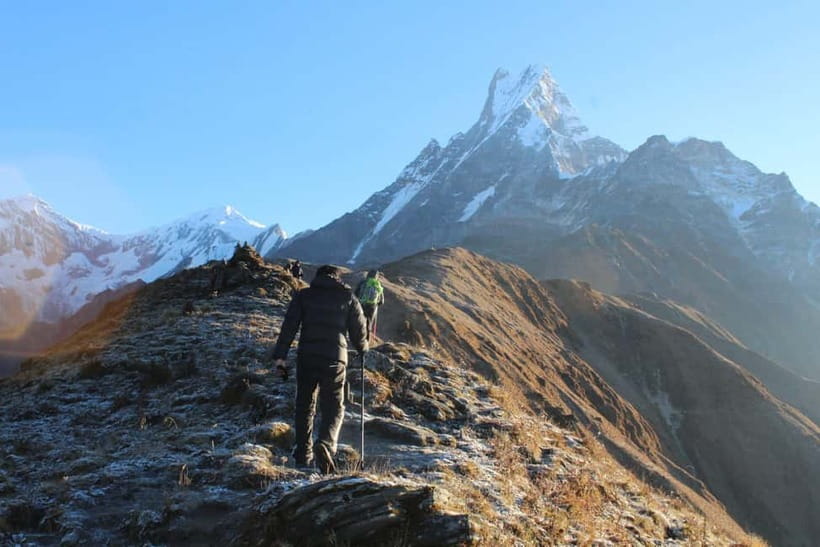
Mardi Himal is a smart choice if you want a short Himalayan walk without giving a full week or more to the mountains. From Pokhara, the transfer to Kande is about an hour, and the trail quickly leaves the road behind.
The route is not just a steady climb to one viewpoint. It changes character each day. You begin among forest paths and small settlements, move into thicker rhododendron and oak woodland, then reach open high-country views around High Camp. On the way down, the trail passes through Siding and Lumre before returning to Pokhara by road.
That variety gives the trek its appeal. You get forest shade, long stair climbs, snowy peaks, sunrise, village life, and simple teahouse evenings in a compact trip.
Still, four days is a brisk plan. Day two takes about six to seven hours uphill, and day three starts early before a descent to Low Camp. If you are new to hiking, recovering from illness, or short on cardio training, tell the guide at the start and keep the pace conservative. The private setup helps, but it does not remove the physical work.
More Hiking Tours in Pokhara
- Poon hill Trek 3 days
★ 5.0 · 176 reviews - Trekking in Annapurna/Langtang/Everest/Upper Mustang regions
★ 5.0 · 161 reviews - Pokhara: 4-Day Ghorepani, Poonhill & Ghandruk Mountain Trek
★ 5.0 · 132 reviews
Day one: Kande, Australian Camp, Pothana, and Forest Camp
Your car collects you from a Lakeside hotel, the Sarangkot area, or Pokhara International Airport. The drive to Kande takes about an hour, giving you a simple transition from city travel to trail time.
The first walking section passes Australian Camp and Pothana. This part combines forest paths with early mountain views, so it feels like a proper trek from the start rather than a long road approach. You walk for about five to six hours before reaching Forest Camp at roughly 2,550 meters.
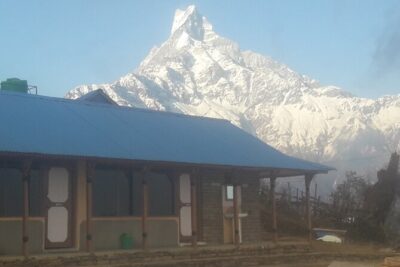
Forest Camp, also referred to in the route details as Mardi Himal Rythm Hotel, is a basic overnight stop. You sleep in a tea house and eat there, with the meal plan depending on the option you choose.
Day one can be wet. Rain was part of one participant’s experience, and changing conditions are normal in the mountains. Pack your rain layer where you can reach it, not buried at the bottom of your bag. Comfortable shoes are listed among the essentials, but proper hiking shoes are the safer choice for wet or uneven sections.
The first day is also a good test of your guide. A strong guide will set a pace you can maintain rather than race ahead. Several guides on this route, including Anil and Chandra, have been praised for patience, encouragement, and careful attention to less experienced hikers.
Day two: the long climb to Mardi Himal High Camp
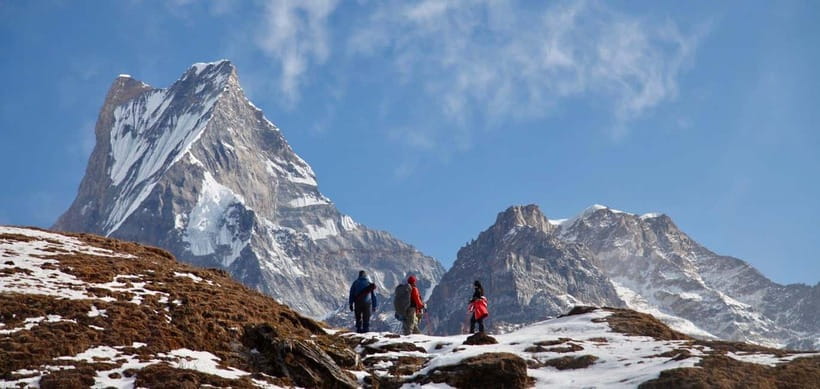
Day two is the hardest sustained walking day for many people. From Forest Camp, the trail climbs for around six to seven hours through dense rhododendron and oak forest toward High Camp at about 3,580 meters.
The forest is the special feature here. In spring, rhododendron country can be especially attractive, while other seasons bring their own mix of greenery, open slopes, and mountain views. The trees also provide some shade, though the uphill stairs keep the effort high.
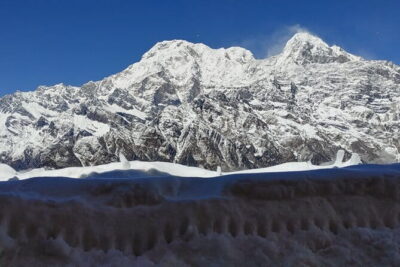
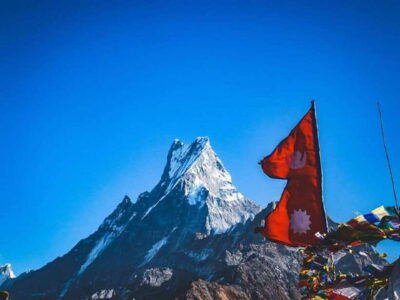
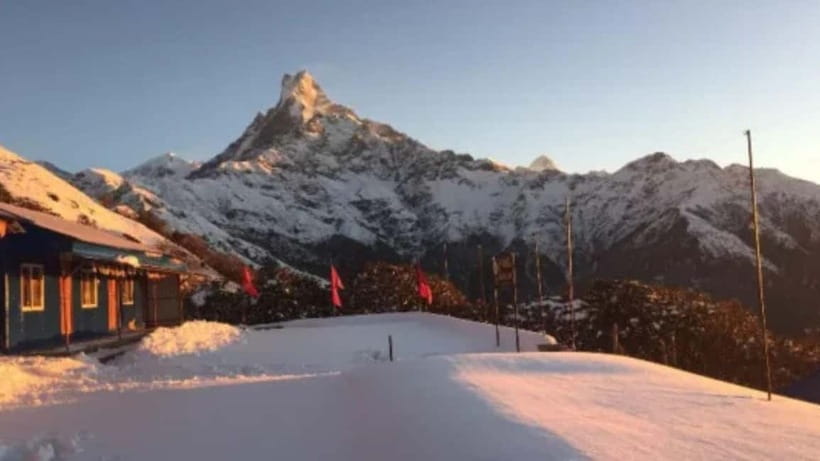
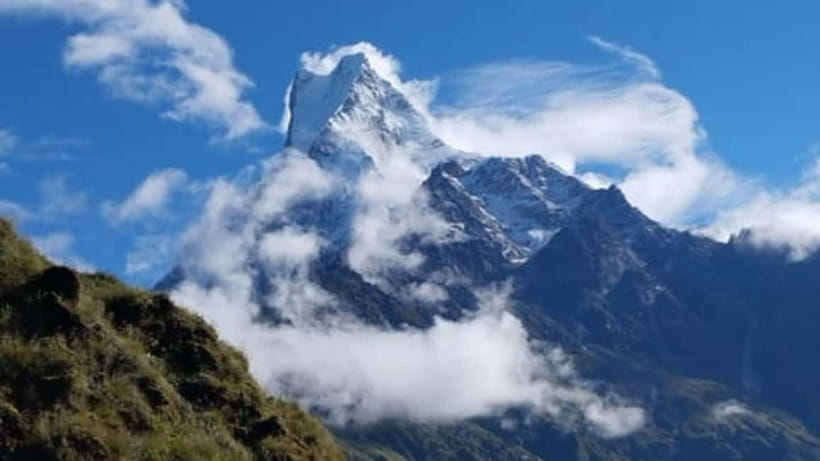
As you gain height, the views open toward Machapuchhre and Annapurna South. Machapuchhre, often called Fishtail because of its distinctive double peak, becomes the visual focus of the trek. At High Camp, you are high enough for the mountain scenery to feel immediate, but you are still sleeping in a modest tea house rather than a fully equipped lodge.
High Camp is where practical preparation matters most. Temperatures can drop sharply after dark, and the information for this trek specifically warns that higher elevations are often very cold. Bring warm layers, dry clothing, and a sleeping bag if needed. A trekking stick can also help on the stairs and the descent.
The guide’s role becomes more valuable here. Peter’s guide, Golman, helped with bags during difficult stair sections and built in scenic breaks. That is the kind of support you should expect from a private guide: not a substitute for fitness, but a useful second set of eyes when you need a pause, advice, or help choosing the safest pace.
Day three: sunrise at the Mardi Himal Viewpoint
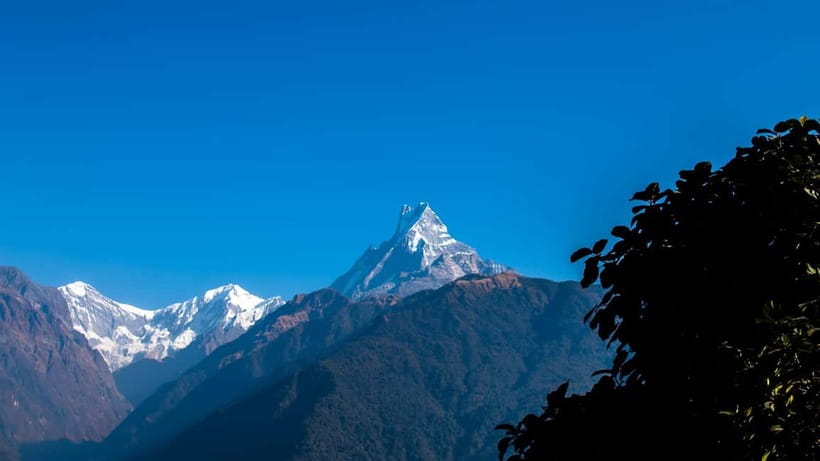
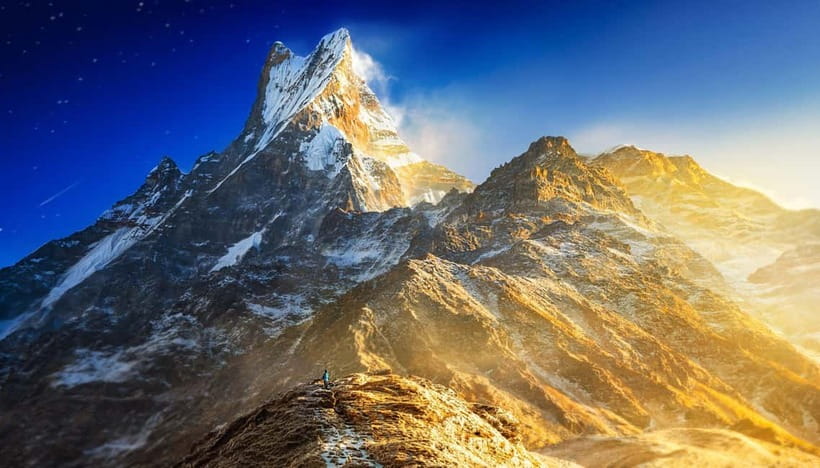
The third day begins early with a roughly three to four-hour walk to the Mardi Himal Viewpoint at about 4,200 meters. The goal is sunrise over the Annapurna range and Machapuchhre.
This is the emotional high point of the trip. At this height, the reward comes from the broad mountain view and the changing light, not from a built attraction. Clouds can block the sunrise, so you should treat the viewpoint as the goal and the sunrise as a bonus. One April departure had cloud cover at sunrise but still enjoyed clear mountain views later.
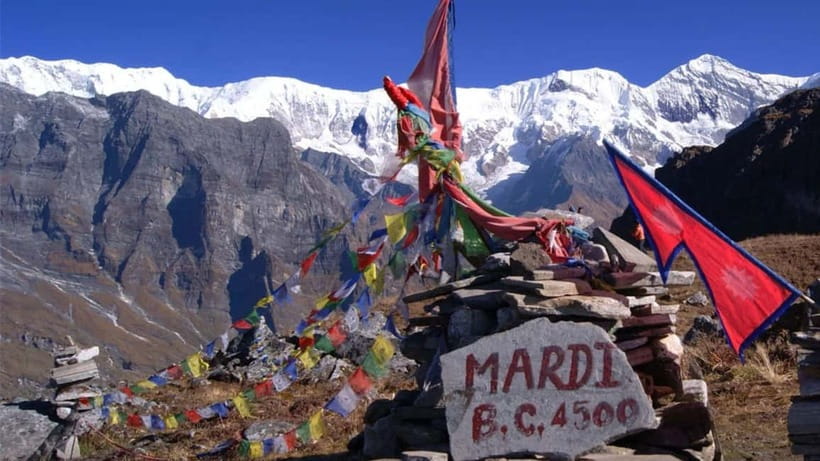
You may continue from the viewpoint toward Mardi Himal Base Camp at approximately 4,500 meters if your fitness, weather, and timing allow. This option is important to understand before booking. The four-day schedule can make Base Camp difficult, and some people reach the viewpoint but turn back because the extra distance would compromise the rest of the day.
After the high point, you descend to Low Camp at around 2,970 meters. The return takes another three to four hours. That combination of an early start, altitude, uphill walking, and descent makes day three tiring even though the route is going down for part of it.
Low Camp is another simple tea house stop. It gives you a lower sleeping altitude than High Camp, which may feel welcome after the morning at altitude. You can expect a basic room and mountain meals, not private hotel-style facilities.
More Mardi Himal Treks in Pokhara:
- Pokhara: 4-Day Mardi Himal Trek
★ 4.9 · 59 reviews - Private Mardi Himal Trek
★ 5.0 · 42 reviews - Mardi Himal Trek
★ 5.0 · 30 reviews - Mardi Himal Trek 5 Days
★ 5.0 · 23 reviews
Day four: Siding, Lumre, and the ride back to Pokhara
The final walking day heads downhill for about four to five hours to Siding Village. From there, you continue for roughly one hour to Lumre, with the route passing through village areas and the Lumre canyons and Lwang Ghalel region listed for the return section.
This is a pleasant change after the exposed high country. The villages give the final day a more grounded feel, and you finish by walking through places where daily life continues beyond trekking. The car then takes about an hour to return you to Pokhara.
The downhill route can be harder on knees than expected. Use your trekking stick, shorten your steps, and do not treat the final day as an easy stroll. You still have several hours of walking before the vehicle arrives.
Your drop-off can be arranged around Lakeside or Pokhara International Airport. This is useful if you have a flight or onward transport, but confirm the timing with the operator before setting a tight connection.
What the private guide adds
This is a private group, with live guiding available in English, Hindi, and Nepali. The personal format is one of the strongest reasons to choose this trip instead of a large group departure.
A private guide can slow down for a first-time trekker, add breaks, explain a plant or local custom, and decide when the optional Base Camp section makes sense. Anil has been praised for adjusting the pace and helping a first-time trekker who was recovering from flu. Santosh has been noted for explaining plants, terrain, culture, and route choices. Bala, Tanka, Jeet Bhadur, Dhanapati, Bishnu, Chandra, and Golman have also guided this route.
You should not assume you will receive a particular guide unless the company confirms it. But the pattern is clear: the guide is not just a person walking ahead with a flag. The better value comes from pacing, safety checks, cultural explanation, and help at tea houses.
Porters are available if that option is selected. A porter can make the steep sections much more manageable, especially if you are carrying clothing for both warm and cold conditions. The guide’s own expenses, including meals, accommodation, insurance, salary, transport, and equipment, are covered.
Tea houses, meals, and the real cost
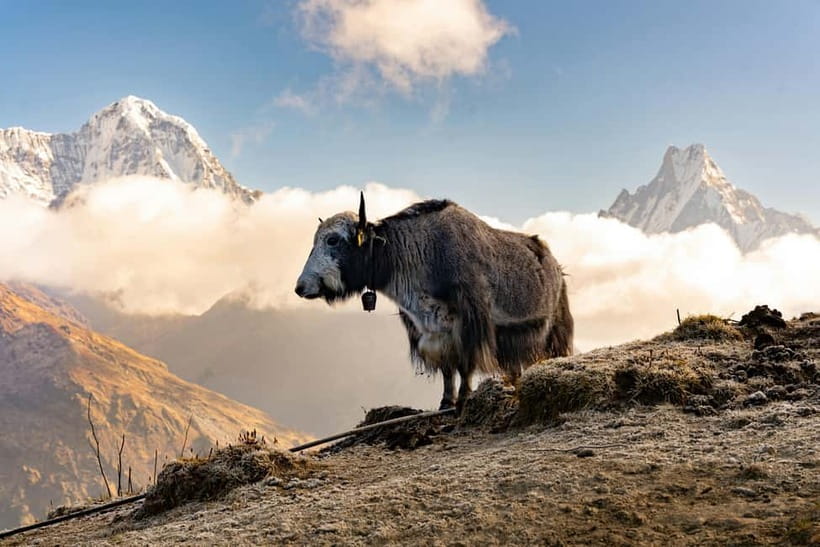
At $138 per person, the trek is competitively priced for a private four-day outing. The package includes round-trip transport, permits and TIMS fees, tea house lodging, guide expenses, government and local taxes, a first aid kit, luggage storage in Pokhara, and trekking gear such as a stick or sleeping bag when needed.
Meals require closer attention. Breakfast, lunch, and dinner are included only if you select the meal option. One participant who chose that option felt it cost far more than ordering food directly at the tea houses. Another person who did not choose included meals spent around 3,600 Nepalese rupees per person per day on meals and drinks.
That does not make one choice right for everyone. Paying ahead gives you simplicity and a clearer budget, while paying at each tea house gives you more control and may cost less. Ask for the exact meal supplement before booking, and check if drinks and extra orders are excluded. Personal expenses are not included.
The tea houses themselves are part of the experience. Expect simple rooms, basic mountain food, and a communal setting. One birthday celebration even included a cake, which shows the friendly spirit you may find along the route, but you should still pack with modest facilities in mind.
Fitness, altitude, and what to pack
You need a reasonable level of fitness and good general health. This is not a casual walking tour. The steep stairs, long uphill day, high altitude, and early morning viewpoint hike require steady effort.
You do not need to be an elite athlete, but you should be comfortable walking for several hours and climbing repeatedly. If you have recently been ill or have no training, consider building up with regular walks and stairs before arriving in Nepal.
Pack:
- Passport or ID card, plus a copy for permits
- Hiking shoes and comfortable spare footwear
- Warm layers for High Camp and the viewpoint
- Rain protection and a change of clothes
- Hiking pants and comfortable clothing
- Cash for personal expenses and drinks
- Travel insurance
- Camera, ideally protected from rain
- Hand sanitizer or tissues
- A sleeping bag and trekking stick if you need them
Travel insurance is mandatory. Emergency rescue services are available if needed, but that should not replace proper insurance. Submit a passport copy at least one day before the trek so the permits can be arranged.
Who should book this Mardi Himal trip?
I would choose this trek if you have four days, want a private guide, and care more about mountain scenery and village walking than polished accommodation. It suits first-time trekkers who are reasonably fit and want personal support rather than a large group.
It also works for solo participants. One solo woman felt comfortable with her guide, and the private structure can make the route feel less intimidating when you are new to Nepal’s mountain trails.
I would hesitate if your only goal is to stand at Base Camp. The optional Base Camp walk is subject to fitness, timing, and conditions, and the four-day plan has little room for delays. If the exact Base Camp point matters most, ask about a longer version before paying.
The route is also less suitable for anyone expecting an easy scenic walk. The stairs are real, the nights are cold, and cloud can hide the sunrise. The reward is that the scenery earns its place: forest first, high peaks next, villages at the end.
Booking details worth checking
Pickup is available from hotels in the Pokhara Lakeside area, the Sarangkot area, and Pokhara International Airport. The guide and car are arranged around your preferred pickup time, with the stated plan for the vehicle to arrive five minutes early and display your name and booking information.
The activity offers free cancellation up to 24 hours before departure and reserve-now, pay-later booking. Starting times depend on availability, so confirm the departure time if you have a flight or other fixed plan.
The transport service has received a 95 percent perfect score, and airport problems have previously been handled with alternate transport arrangements. Still, mountain schedules can change, so keep some flexibility around your return to Pokhara.
Should you book it?
Book this Mardi Himal trek if you want a compact, well-supported route with a strong mix of forest, high mountain views, sunrise, and village life. At $138, the package is good value when you use the included transport, permits, lodging, guide support, and equipment.
Before booking, check three things: the exact cost of the meal option, whether a porter is included in your chosen package, and how the company will handle the optional Base Camp walk. If you accept that the viewpoint may be the practical high point, this is one of the better four-day ways to experience the Annapurna region from Pokhara.
FAQ
How long is the Mardi Himal trek from Pokhara?
The trek lasts four days. Walking takes about five to six hours on day one, six to seven hours on day two, three to four hours to the viewpoint on day three plus the descent, and about five to six hours on day four before the drive back to Pokhara.
What is the highest point on the trek?
The Mardi Himal Viewpoint is approximately 4,200 meters. You may continue to Mardi Himal Base Camp at about 4,500 meters if your fitness and the conditions allow.
Is Mardi Himal Base Camp guaranteed on this four-day route?
No. The Base Camp section is optional, and the tight four-day schedule, fitness, weather, and timing can affect whether you reach it. The viewpoint is the more reliable goal.
Where does the trek start?
The vehicle takes you from Pokhara to Kande, a drive of about one hour. The walking route then passes through Australian Camp and Pothana before reaching Forest Camp.
What accommodation is provided?
You stay in simple tea houses or lodges along the route. Overnight stops are Forest Camp, High Camp, and Low Camp.
Are meals included?
Breakfast, lunch, and dinner are included if you choose the meal-included option. Personal expenses, including items outside the selected package, are not included.
Is a guide included?
Yes. A professional English-speaking guide certified by the Nepal Government is included. Guiding is also available in Hindi and Nepali.
Is a porter included?
A porter is included only if you select the porter option. Check the exact package details before booking.
What documents and safety arrangements are required?
You must provide a passport copy at least one day before the trek for Nepalese permits. You also need travel insurance, and emergency rescue services are available if required.
More 4-Day Experiences in Pokhara
- 4-Day Private Poon Hill Trekking Tour
★ 5.0 · 58 reviews - Pokhara: 4-Day Private Trek Tour
★ 4.9 · 43 reviews - Poon Hill Trek from Pokhara 4 Days
★ 5.0 · 27 reviews - 4 Days Poon Hill Trek from Pokhara
★ 5.0 · 26 reviews
Recently added around Pokhara
- Paragliding in Pokhara★ 5.0 · 3 reviews
- Pokhara: 5-Day Annapurna Base Camp Trek with Hot Spring★ 5.0 · 3 reviews
- Pokhara:4-Day Ghorepani Poon Hill Guided Trek via Ghandruk★ 5.0 · 3 reviews
- Pokhara: 7-Day Annapurna Base Camp Trek via Ghandruk★ 4.3 · 3 reviews
- Peace & Panorama: Stupa and Pumdikot Scenic Drive Tour★ 3.6 · 3 reviews
- Beautiful Sarankot Sunrise with Full Day Sightseeing in Pokhara★ 4.5 · 3 reviews
- 3 Day Australian Camp Dhampus Ghandruk Easy Trek in Pokhara★ 3.5 · 3 reviews
- Overnight Dhampus Australian Camp Easy Hiking from Pokhara★ 5.0 · 3 reviews