REVIEW · MARDI HIMAL TREKS
Pokhara: 4-Day Mardi Himal Trek
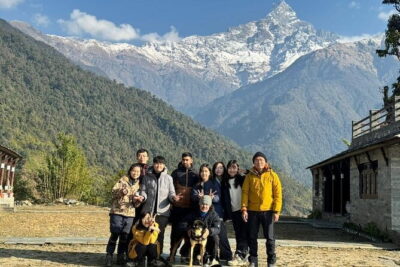
Mardi Himal gives you a big Himalayan payoff without the long commitment of the classic Annapurna routes. In four days, you walk from Pokhara’s warm valley through forest, terraced fields, and Gurung and Magar villages to a high ridge facing Machhapuchhre, or Fishtail, Annapurna South, and Mardi Himal.
I like the changing scenery and the personal care from the guides. Ramit, Kaji, Prabit, Lalit, and Shishir are among the guides assigned to this route, and the best ones check your pace, meals, hydration, and health instead of simply pushing you uphill. I also like the option to add Mardi Himal Base Camp when snow and weather allow.
The catch is simple: four days is brisk. The trail is not technical, but it includes many steps and a fast rise from Pokhara to roughly 4,200 meters. The Standard Package also excludes meals, and tea-house costs need careful checking before you set out.
Mardi Himal Trek at a glance
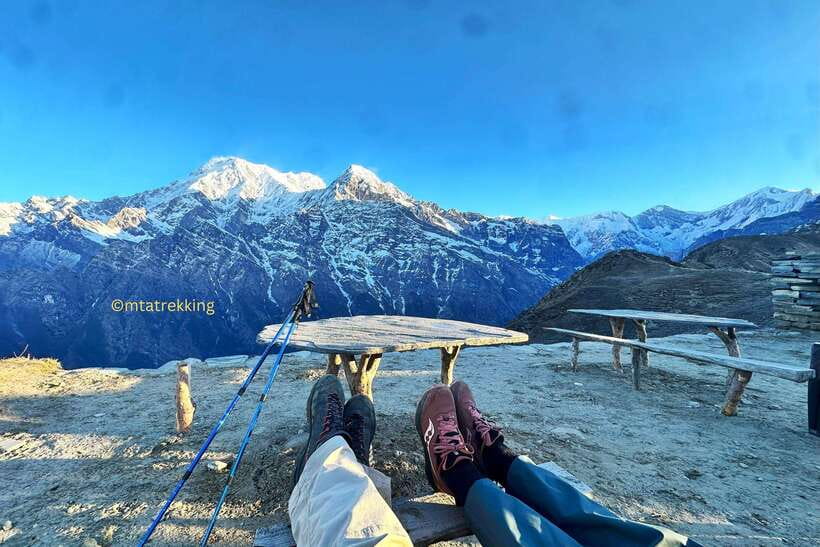
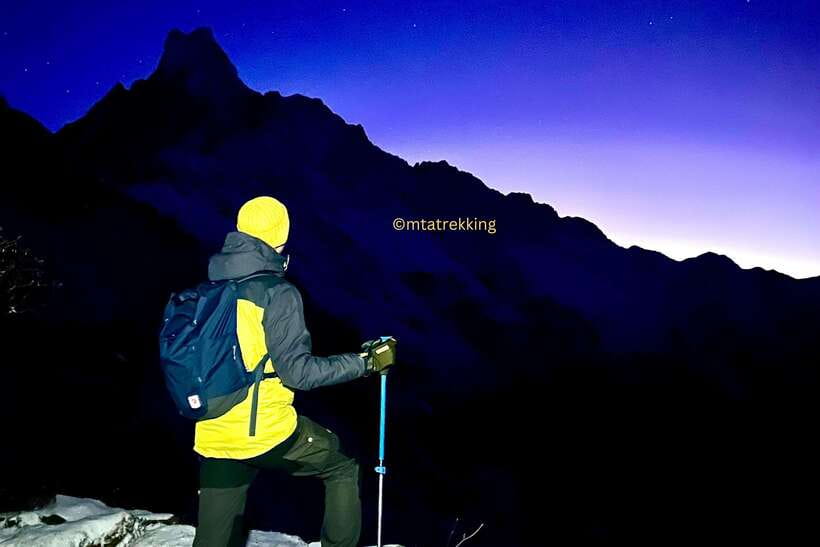
- Sunrise at about 4,200 to 4,300 meters: Start around 4:00 am for views of Fishtail, Annapurna, and Mardi Himal.
- Five hours through forest to Forest Camp: The first walking day brings dense woodland, hillside paths, and tea-house stops after the drive to Kande.
- Private group with a live guide: English and Hindi guidance is available, with pickup and drop-off in Pokhara.
- Optional Base Camp extension: Continue toward about 4,500 meters only when weather and snow conditions make it safe.
- Good value at $139: Permits, guide, transport, lodging, gear, and staff costs are included, but package details matter.
- A short trek with a serious altitude jump: You need a good fitness base and sensible pacing, even if you are new to Himalayan trekking.
Why this short trek works from Pokhara
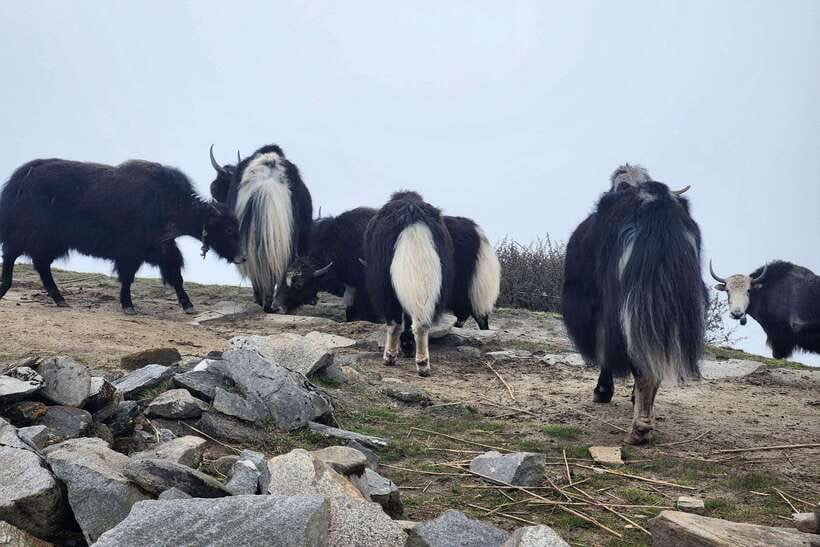
Pokhara is the natural starting point. You leave the cafés and lakeside streets behind, drive toward Kande, and begin walking through the lower hills. That makes Mardi Himal useful if you have only a few days but still want a genuine mountain route rather than a quick viewpoint ride.
The trek has a pleasing rhythm. First come farms, fields, and forest. Then the trees thin out, the air cools, and the white peaks begin to take over the view. The route feels quieter than some of the better-known Annapurna trails, though that does not mean it is easy.
You may see birds, butterflies, and Himalayan thar along the way. The human side matters just as much. Tea houses and villages give you contact with Gurung and Magar communities, and guides often add local details that would be easy to miss if you walked alone.
At $139 per person, the trip can be strong value. You get Pokhara pickup and return, a licensed guide, permits and TIMS fees, transport, accommodation, trekking equipment such as poles and a sleeping bag, and the operating costs for the staff. But you must ask one question before booking: does your selected package include meals?
The Full Package includes breakfast, lunch, and dinner. The Standard Package does not. Porter service is also extra at $20 per day, while drinks, boiled water, laundry, toiletries, phone calls, and other personal costs are yours.
More Hiking Tours in Pokhara
- Poon hill Trek 3 days
★ 5.0 · 176 reviews - Trekking in Annapurna/Langtang/Everest/Upper Mustang regions
★ 5.0 · 161 reviews - Pokhara: 4-Day Ghorepani, Poonhill & Ghandruk Mountain Trek
★ 5.0 · 132 reviews
Day 1: Pokhara to Kande, then five hours to Forest Camp
Pickup is set for 8:00 am from places such as Baidam, Pokhara Lakeside, Pame, or Lakeside Road. The drive to Kande takes about 1.5 hours. It is not just dead time before the trek begins. You pass fields, forests, the Seti River, and mountain views, with a tea-house stop around midday.
From Kande, expect about five hours on foot to Forest Camp, at roughly 2,600 meters. The path moves through dense forest and hillside terrain. In spring, rhododendrons add color to the woods, while mist can roll through the trees and change the mood within minutes.
This is a full first day, especially if you are not used to walking uphill. The pace should be steady rather than heroic. A guide such as Lalit or Prabit can help set sensible rest points, but you still need to carry water, snacks, sunscreen, and a light layer where you can reach them.
Forest Camp is a tea-house stop, not a polished mountain resort. Rooms are basic, and facilities can be limited. A sleeping bag is worth using, even when one is supplied, since hygiene standards in remote lodges vary.
Day 2: Forest Camp to the high camps
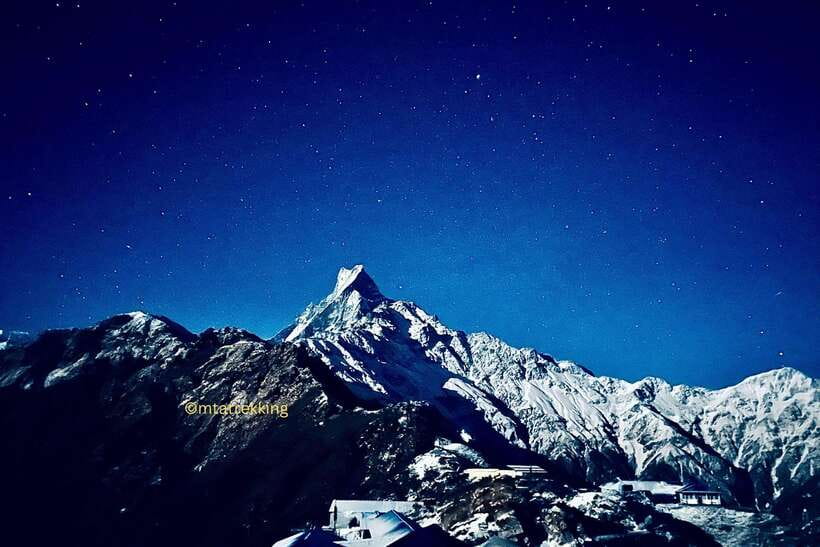
After breakfast, you walk for about five hours toward Mardi Himal High Camp. The official details give high camp figures ranging from about 3,550 meters to 4,000 meters, so confirm the exact overnight point when you book. Either way, this is the day when altitude becomes the main concern.
The route continues through forest before opening into wider mountain views. You climb through long sections of steps, and the steady gain can feel harder than the distance suggests. One useful feature of a private group is flexibility. Your guide can slow the pace, add breaks, and stop for tea when needed.
The tea houses are simple but welcoming. Ginger, lemon, honey tea, chai, rice, vegetables, and dal bhat are practical choices at altitude. Several guides advise avoiding junk food, frozen food, and meat higher on the route. Fresh, well-cooked food is the safer and more satisfying bet.
High Camp is the dramatic part of the trip, but it is also where comfort drops. You might find limited hot water, weak or absent mobile service, and basic toilet arrangements. Bring a headlamp or flashlight, toilet paper, warm clothing, and patience.
This night matters because the next morning starts before dawn. Do not stay up late trying to socialize if you are already tired. A warm sleeping bag and a few hours of rest are more useful than one last cup of tea.
Day 3: The 4:00 am walk to the sunrise viewpoint
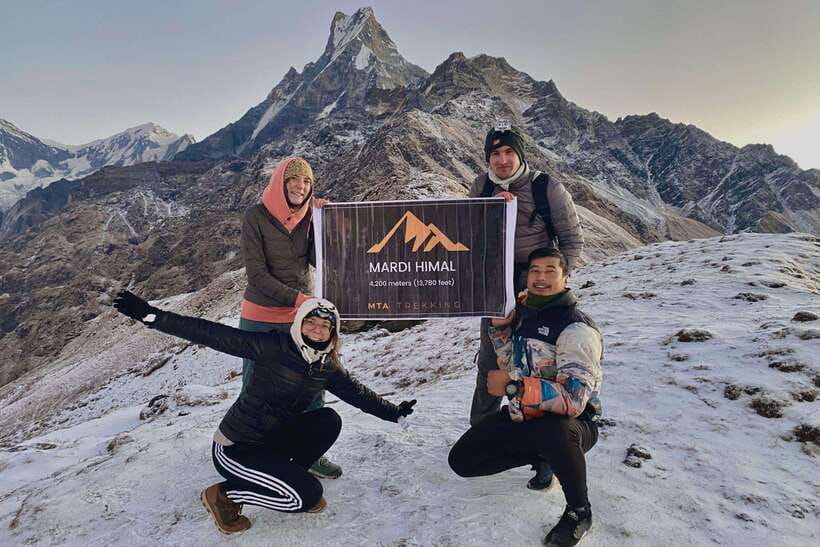
The main prize comes early. You leave around 4:00 am and walk for roughly 1.5 to 2 hours to the viewpoint. Depending on the exact route and conditions, the high point is described as about 4,200 or 4,300 meters.
In darkness, the trail feels more demanding than it will in daylight. This is where your flashlight earns its place. The cold can bite, so wear warm layers, a hat, gloves if you have them, and sunglasses for the return walk.
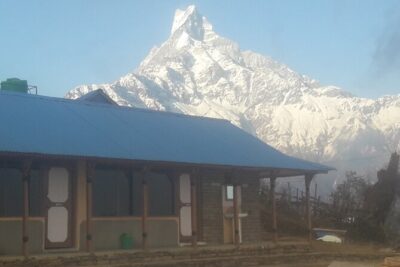
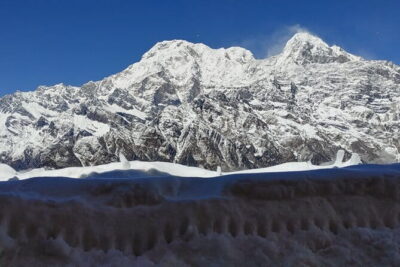
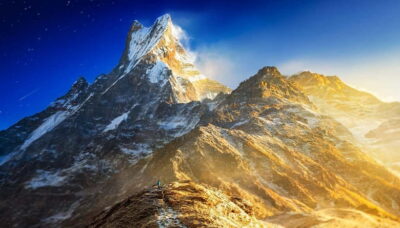
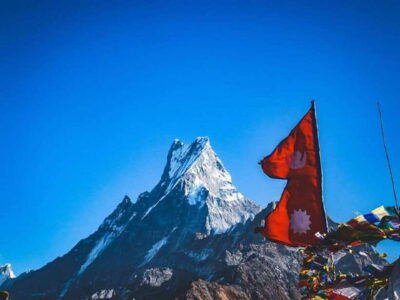
At the viewpoint, the reward is a broad Himalayan panorama. Sunrise reaches Machhapuchhre first, then the Annapurna range and Mardi Himal. Fishtail is the visual star of the route, with its distinctive double summit appearing especially clear from the upper ridge.
The climb is not technical, but altitude can affect anyone. Headache, nausea, unusual tiredness, and poor coordination should be taken seriously. One of the strongest parts of the guiding service is the attention to health. Guides such as Santosh, Kaji, and Lalit have been praised for checking how people feel and adjusting the pace when needed.
If you feel well and the weather is stable, you may continue toward Mardi Himal Base Camp at about 4,500 meters. This extra section is not guaranteed. In January and February, snow can make it steep and slippery, and crampons may be needed. During monsoon or poor weather, the guide may recommend stopping at the viewpoint.
That is not a failure. A clear sunrise at 4,200 meters is already the central moment of the trek. Safety should decide the Base Camp attempt, not the desire to tick off another name.
After breakfast, you descend toward Forest Camp. The return gives you a second look at the peaks, this time in daylight, along with changing views of the forest and ridge. The descent is kinder to your lungs but can be tough on your knees, especially after the early start.
The schedule has some mixed details about the third night, with Forest Camp and Low Camp both appearing in the plan. Ask the operator to confirm where you sleep and how much walking is expected that day. Clear information here will help you judge whether four days suits your fitness.
More Mardi Himal Treks in Pokhara:
- Private Mardi Himal Trek
★ 5.0 · 42 reviews - From Pokhara: 4-Day Mardi Himal Base Camp Trek
★ 4.9 · 31 reviews - Mardi Himal Trek
★ 5.0 · 30 reviews - Mardi Himal Trek 5 Days
★ 5.0 · 23 reviews
Day 4: Forest paths, Kalimati, and the ride to Pokhara
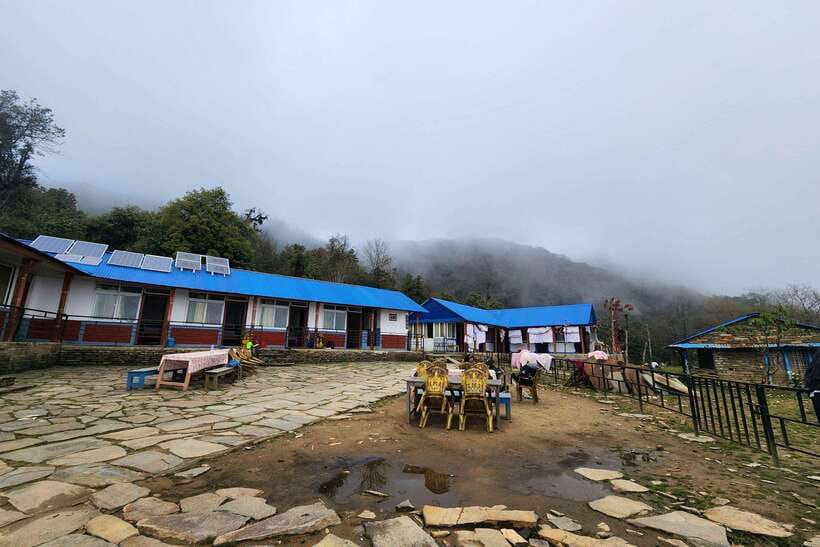
The final walking section heads down through the forest toward Kalimati, with the lower point described around 1,650 to 1,800 meters. The trail includes small bridges, waterfalls, birdsong, and shaded paths. After the exposed upper ridge, this is a softer finish.
Machhapuchhre may remain in view as you descend. That gives the last day a nice sense of closure: the mountain that guided the climb is still there as you return to the hills below.
From Kalimati or the lower trail area, you board a jeep or SUV for a drive of about 1.5 to 2 hours back to Pokhara. Road conditions can affect the timing. The vehicle is included, and transport received especially strong marks, but mountain roads are still mountain roads. Keep fragile items protected and do not plan an important same-day connection without spare time.
Drop-off is available in Pokhara, Baidam, or Lakeside. Luggage storage in Pokhara is complimentary if you need to leave larger bags behind.
The guide can make or break the four days
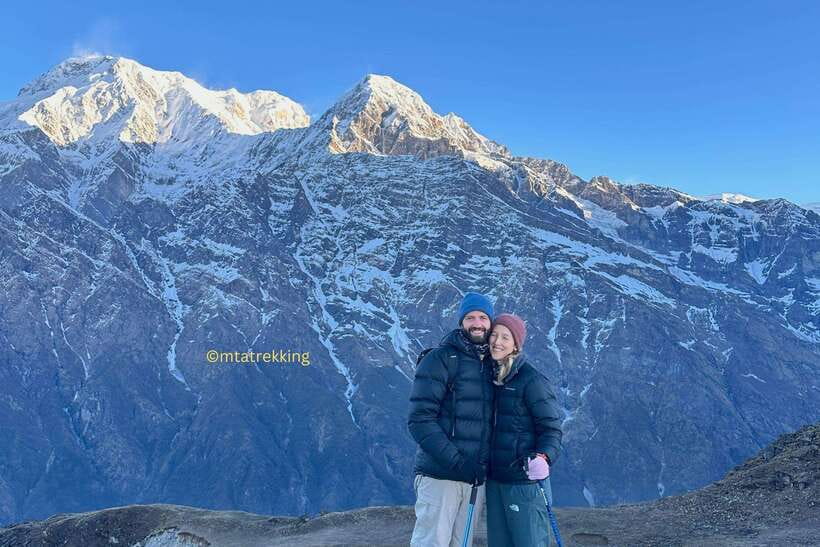
This route rewards a good guide. You need someone who understands altitude, knows the tea houses, and can keep a private group moving without turning the trek into a race.
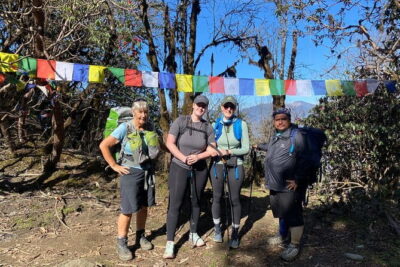
Guides named in the trip arrangements include Ramit, Kaji, Prabit, Santosh, Shishir, Lalit, Jeevan, Gobinda, and Jiban. Their strengths repeatedly include careful pacing, help with food orders, transport coordination, cultural explanations, and regular health checks. Ramit and Kaji are also known for taking photos, sharing local stories, and introducing trekkers to village life.
That personal contact is part of the value. A guide may help you order dal bhat, explain a farming practice, or arrange the right tea stop when the climb gets long. Some guides have local family connections around the camps, which can make the route feel less like a packaged walk and more like time spent in the hills.
A porter is not included. At $20 per day, porter service may be worthwhile if your pack feels heavy, especially on the steep second day. If you travel alone during a busy period, private accommodation may not always be possible, and room sharing with other hikers may be required.
Fitness, altitude, and the real difficulty
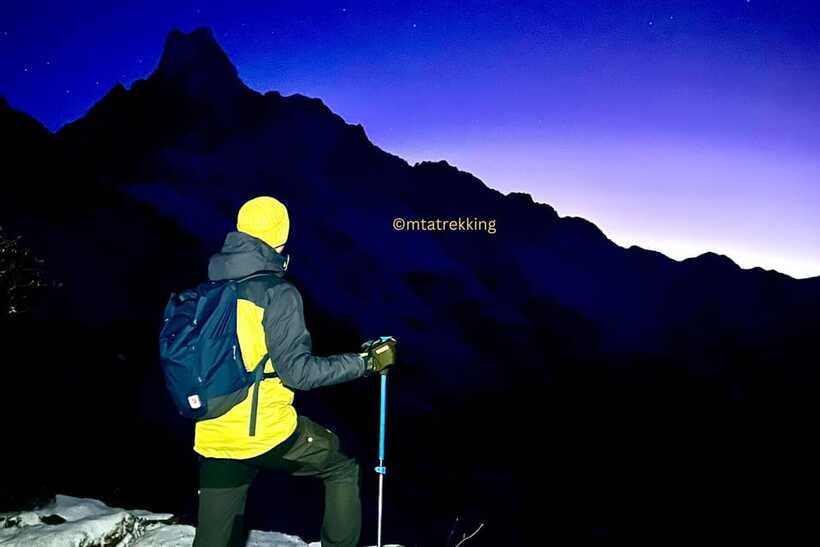
The trek is described as moderate and suitable for beginners, but I would qualify that. You do not need climbing skills, ropes, or technical mountain training. You do need the ability to walk uphill for several hours, manage repeated steps, and function after a very early morning start.
The quick altitude gain is the bigger issue. You begin near Pokhara, sleep around 2,600 meters, climb to high camp, and then reach more than 4,200 meters by the third morning. That is a lot in a short time.
Walk slowly. Drink regularly. Tell your guide about symptoms early. Do not treat altitude sickness as a test of toughness. The Base Camp section can be skipped, and even the viewpoint plan should change if the weather or your health turns poor.
The trek is not suitable for pregnant women, people with altitude sickness, or people over 70. Those limits are stated plainly and should be taken seriously.
The best months, and what bad weather changes
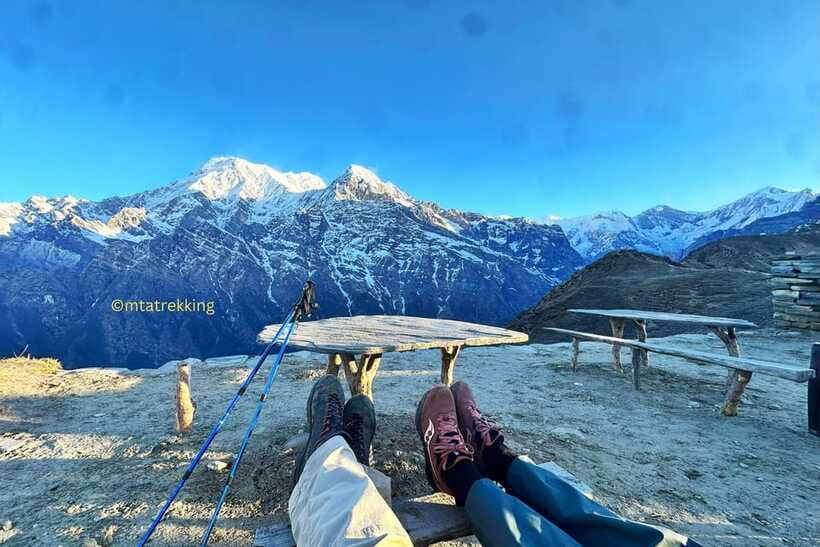
March through May and September through November are the preferred seasons. Weather is usually more stable, and the chance of clear views is better. Spring also brings flowering forest, while autumn often offers crisp mountain visibility.
Winter can bring heavy snow beyond the viewpoint. January and February may require extra care, and crampons can be useful for the Base Camp section. Monsoon brings cloud, rain, slippery paths, leeches, and mosquitoes in the lower forest.
Poor weather changes more than the scenery. Clouds may hide the summits, and the Base Camp trail can lose its safe footing. The trek remains worthwhile for its forests and villages, but you should choose this route mainly for mountain views in the better seasons.
Pack warm clothing, sunglasses, a sun hat, sunscreen, and a flashlight. Add sturdy walking shoes, personal first-aid supplies, and enough cash for food, drinks, and small mountain expenses. Cash is also a useful way to support the tea houses and communities along the route.
What is included, and where costs can surprise you
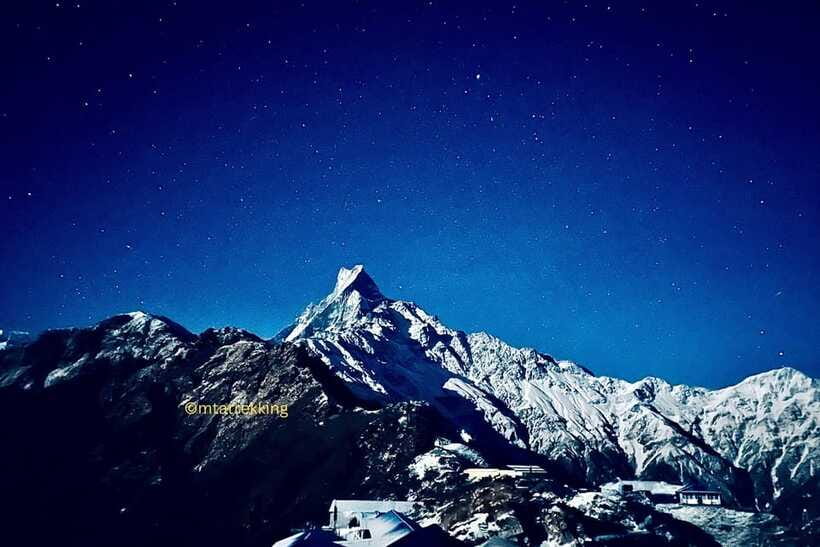
The $139 starting price covers a lot:
- Pickup and drop-off in Pokhara
- A licensed English-speaking guide
- English or Hindi guiding
- Permits, paperwork, and TIMS fees
- Government taxes
- Tea-house accommodation
- Transport during the trek
- Trekking poles, sleeping bag, and other stated gear
- Staff wages, food, accommodation, equipment, insurance, and transport
- Luggage storage in Pokhara when needed
The meal question deserves emphasis. Breakfast, lunch, and dinner are included only in the Full Package. The Standard Package excludes meals, so compare the final price rather than assuming the headline figure covers everything.
You pay extra for soft and alcoholic drinks, boiled water, laundry, phone calls, toiletries, and personal items. Porter service costs $20 per day. Ask about tea-house room charges too, especially if you choose the Standard Package or are traveling solo during peak season.
The operator offers free cancellation up to 24 hours before departure and a reserve-now, pay-later option. Pickup is available from several Pokhara areas, and you can provide another location if yours is not listed.
Should you book this Mardi Himal trek?
Book it if you want a short, private Himalayan trek with serious mountain views, helpful logistics, and no technical climbing. It suits a fit first-time trekker who has four days available and is willing to accept basic tea houses and an early morning climb.
I would choose the Full Package unless you specifically want to arrange meals yourself. I would also confirm the exact high-camp altitude, the third-night accommodation, meal coverage, and whether Base Camp is included or treated as an optional addition.
Skip it, or choose a longer schedule, if you dislike steep steps, need a slow acclimatization plan, or want comfortable lodges. Four days makes the route efficient, but it also makes each walking day count.
For the right person, Mardi Himal offers a fine trade: modest cost, strong guiding, forest trails, real village contact, and one unforgettable sunrise facing Fishtail and the Annapurna peaks.
FAQ
How long is the Mardi Himal Trek from Pokhara?
The trek lasts four days, including the drive from Pokhara to Kande, walking to Forest Camp and High Camp, the sunrise viewpoint, the descent, and the jeep ride back to Pokhara.
What altitude does the trek reach?
The sunrise viewpoint is listed at about 4,200 to 4,300 meters. Mardi Himal Base Camp is about 4,500 meters. High Camp is described at roughly 3,550 to 4,000 meters, so confirm the exact overnight point before departure.
Are meals included in the $139 price?
Meals are included only with the Full Package. The Standard Package does not include breakfast, lunch, or dinner.
Is a porter included?
No. Porter service costs $20 per day. A guide, trekking equipment, transport, accommodation, permits, and staff expenses are included.
Can I reach Mardi Himal Base Camp?
You may continue to Base Camp if the weather and snow conditions are safe. The guide may stop the hike at the viewpoint during winter, monsoon, or other unsafe conditions.
What should I bring?
Bring warm clothing, sunglasses, a sun hat, sunscreen, and a flashlight. Personal toiletries, laundry, phone calls, boiled water, drinks, and other personal expenses are not included.
More 4-Day Experiences in Pokhara
- 4-Day Private Poon Hill Trekking Tour
★ 5.0 · 58 reviews - Pokhara: 4-Day Private Trek Tour
★ 4.9 · 43 reviews - Poon Hill Trek from Pokhara 4 Days
★ 5.0 · 27 reviews - 4 Days Poon Hill Trek from Pokhara
★ 5.0 · 26 reviews
Recently added around Pokhara
- Paragliding in Pokhara★ 5.0 · 3 reviews
- Pokhara: 5-Day Annapurna Base Camp Trek with Hot Spring★ 5.0 · 3 reviews
- Pokhara: 7-Day Annapurna Base Camp Trek via Ghandruk★ 4.3 · 3 reviews
- Pokhara:4-Day Ghorepani Poon Hill Guided Trek via Ghandruk★ 5.0 · 3 reviews
- Peace & Panorama: Stupa and Pumdikot Scenic Drive Tour★ 3.6 · 3 reviews
- Beautiful Sarankot Sunrise with Full Day Sightseeing in Pokhara★ 4.5 · 3 reviews
- 3 Day Australian Camp Dhampus Ghandruk Easy Trek in Pokhara★ 3.5 · 3 reviews
- Overnight Dhampus Australian Camp Easy Hiking from Pokhara★ 5.0 · 3 reviews