
REVIEW · BHAKTAPUR TOURS
Bhaktapur: Experience the Art of Clay, Curd, and Chant
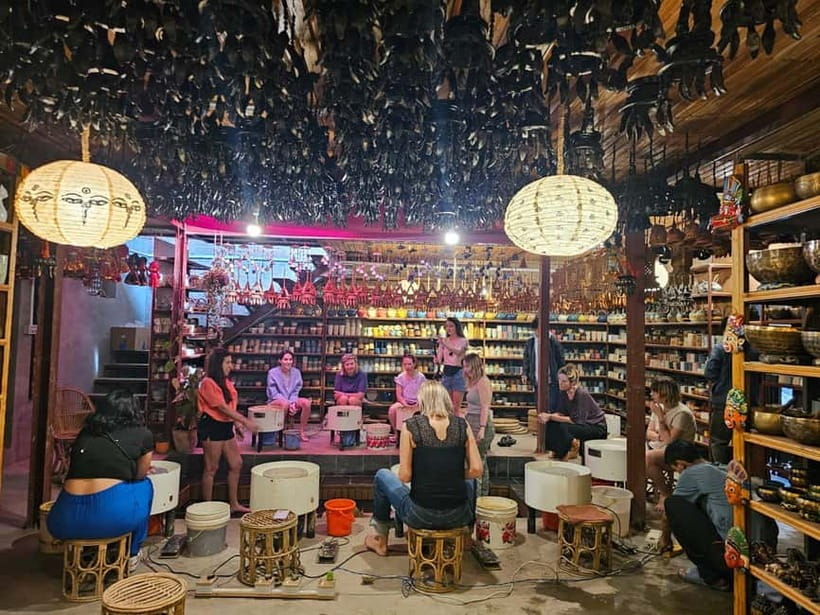
Bhaktapur’s best moments are often hands-on. On this half-day outing, you shape wet clay with a local artisan, eat the city’s famous jujudhau from a clay bowl, and finish with a traditional bhajan at a local temple. It gives you more than a quick look at monuments. You take part in small customs that still belong to daily life.
I like the pottery workshop, which turns a sightseeing stop into something you can feel and remember. I also like the evening temple visit, since sitting with local devotees and hearing folk music gives the afternoon a calm, human finish. The main consideration is timing: the bhajan is available only on evening departures, so an afternoon start without the evening slot will not include the full program.
Key points at a glance
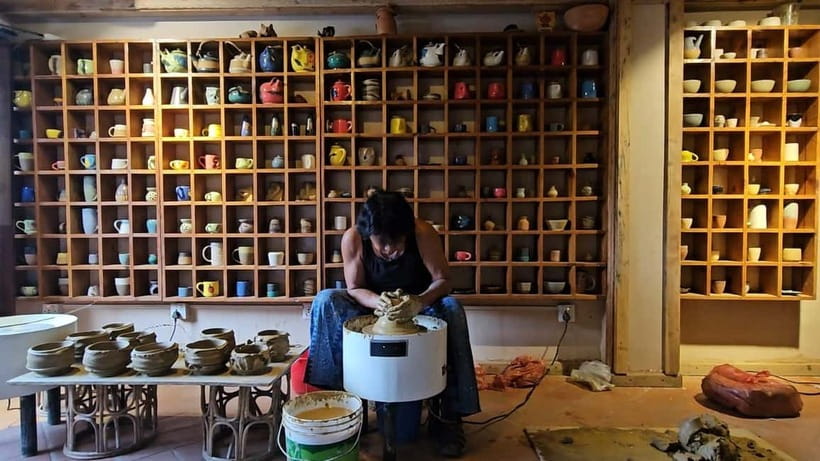
- Shape clay in Pottery Square: Spend about 1.5 hours learning traditional pottery methods with local artisans.
- Try jujudhau in Bhaktapur: Taste the city’s sweet, creamy King Curd served in a traditional clay bowl.
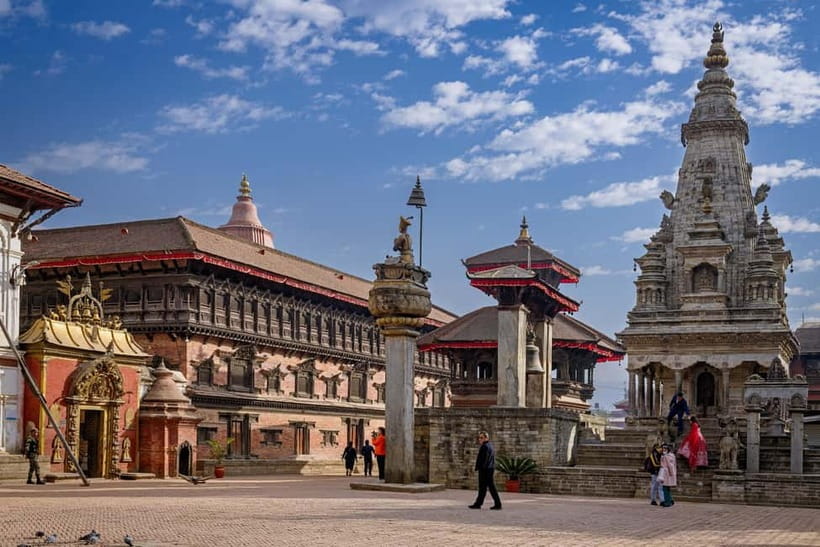
- Walk through Durbar Square: See Bhaktapur’s UNESCO-listed historic center with an English-speaking guide.
- End with a bhajan: Evening departures include folk music and chanting with local devotees at a temple.
- Travel privately from Kathmandu: Private transportation and private-group availability make the schedule easier to manage.
- Book with flexibility: You can cancel up to 24 hours before departure for a full refund and reserve without paying today.
From Kathmandu to Bhaktapur’s old brick lanes
The tour begins with pickup in Kathmandu and private transportation to Bhaktapur. The drive is part of the practical appeal. You do not need to arrange a taxi, find the correct city bus, or work out how to fit several Bhaktapur stops into a short visit.
The experience lasts 4.5 hours, making it a useful choice if you have only one free afternoon. It is also short enough to fit around a morning activity in Kathmandu or an evening back at your hotel, though you should choose the evening departure if the bhajan matters to you.
Bhaktapur is a Newar city known for its old squares, temples, workshops, and food traditions. This tour focuses on three ways of understanding the place: seeing its architecture, making something with your hands, and sharing local tastes and music.
That mix is its strongest feature. A standard city walk can leave you with photographs but little sense of how people work and worship. Here, the clay, curd, and chanting give the visit a more personal shape.
More of Bhaktapur:
- Private Bhaktapur and Nagarkot Day Tour From Kathmandu
★ 5.0 · 305 reviews - Day Trip to Bhaktapur and Panauti from Kathmandu
★ 5.0 · 184 reviews - Bhaktapur & Patan Durbar Square Day Tours
★ 5.0 · 122 reviews
Walking through Bhaktapur Durbar Square
Your guided walk takes place around Bhaktapur Durbar Square, one of the city’s UNESCO World Heritage areas. The itinerary includes time for sightseeing and photographs, but the square is not treated as a quick photo backdrop. Your guide helps place the buildings and public spaces within Bhaktapur’s wider cultural setting.
I would allow yourself time to look up and around rather than rushing from one monument to the next. The appeal of the square lies not only in its grand structures, but also in the way historic lanes, workshops, shrines, and everyday movement fit together.
A local guide can make a real difference here. The guide on this experience is from Bhaktapur, which gives you a useful local point of view rather than a purely textbook account. That matters in a city where small details can be easy to miss, especially if you are walking without context.
The square also gives you a good starting point for the pottery visit. You first see Bhaktapur as a historic city, then move into one of its working traditions. That change from looking to doing is what gives the afternoon its rhythm.
One and a half hours with clay in Pottery Square
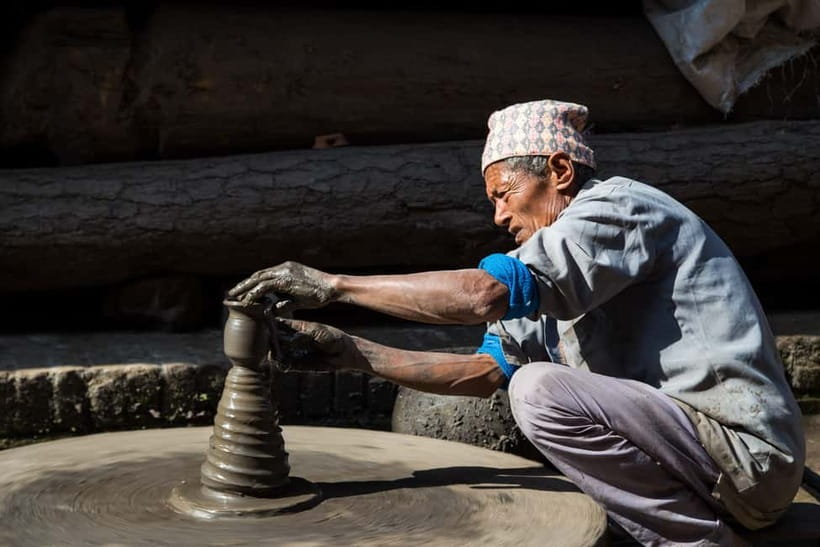
The pottery session is the heart of the experience. You spend about 1.5 hours at a workshop in Bhaktapur, with local artisans guiding you through age-old clay-shaping methods.
Do not expect a polished craft demonstration where you simply watch from the side. The point is to handle the clay yourself. You will likely find the process more physical and less predictable than it looks, which is part of the fun. Clay has a way of reminding you that handmade work takes patience.
The session suits first-time potters because an artisan guides you through it. You do not need to arrive with pottery skills. The value is in trying the technique, noticing how the material responds, and seeing the work involved in objects that may otherwise look simple in a shop.
I especially like the connection between the workshop and the rest of the tour. The curd later comes in a clay bowl, so pottery is not an isolated craft activity. You get a glimpse of how local making traditions connect with food and ordinary use.
The class lasts long enough to feel like a real activity rather than a ten-minute tourist stop. At the same time, it takes up a sizeable part of a 4.5-hour tour. If you prefer to spend most of your time inspecting temples or shopping, this program may feel activity-heavy. If you want something tactile, it is a strong match.
The workshop also leaves room for shopping in Bhaktapur. The provided schedule includes a shopping stop, though it does not promise a particular shop or a specific item. You might find this useful for browsing local crafts after seeing how one traditional material is worked.
Jujudhau, Bhaktapur’s famous King Curd
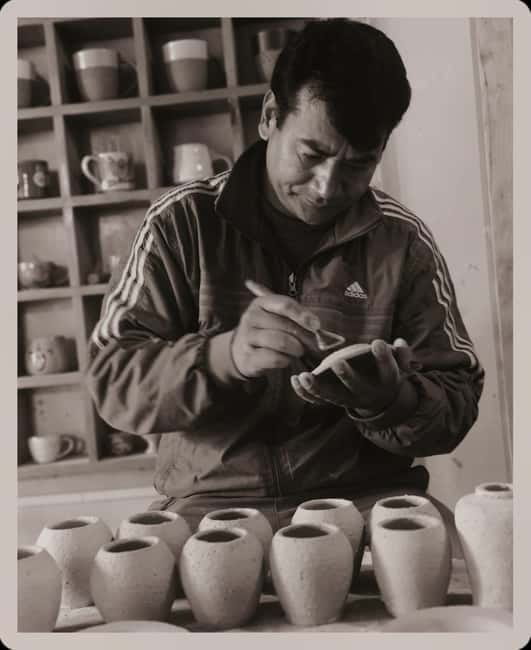
After the pottery session, you taste jujudhau, the creamy curd for which Bhaktapur is especially known. It is served in a traditional clay bowl, a small detail that links the food stop to the pottery experience.
Jujudhau is sweet and rich, so it works well as a pause between walking and the evening temple visit. You are not simply checking off a local dish. You are tasting something closely tied to the city’s identity and presentation.
The portion size and exact serving style are not specified, so I would treat this as a focused tasting rather than a full meal. If you are hungry after the workshop, plan your wider meal needs separately. The tour includes the curd, but it does not list lunch or dinner.
This stop is also a good reason to keep some room in your schedule. Bhaktapur’s food traditions are part of what makes the city worth more than a short monument visit. Even one carefully chosen taste can help break up a sightseeing routine.
A few more Kathmandu days to weigh up
- Everest Base Camp Trek – 14 Days
★ 5.0 · 1,499 reviews - Private Kathmandu Sightseeing Tour | UNESCO World Heritage sites
★ 5.0 · 756 reviews - Everest Base Camp Helicopter Tour landing at Everest View Hotel
★ 5.0 · 668 reviews - Half day cooking class in Thamel kathmandu
★ 5.0 · 607 reviews
The evening bhajan at a local temple
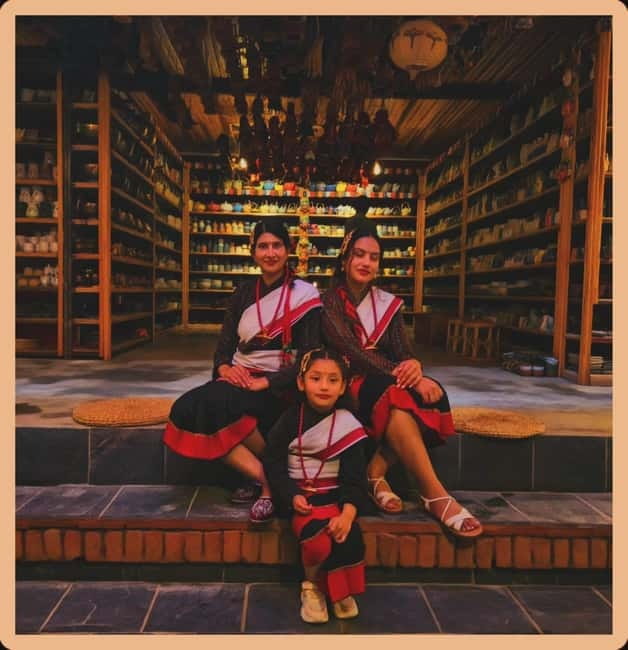
The final cultural stop is a traditional bhajan, a folk music session held at a local temple with devotees. Voices and rhythm fill the space as the group chants together. The emphasis is on listening respectfully and taking in the atmosphere, not on watching a staged performance.
This is the most time-sensitive part of the tour. The bhajan is offered only with evening time slots. Check the departure time before booking. A daytime start can still include the square, pottery, and jujudhau, but it will not deliver the complete clay, curd, and chant experience.
I like this ending because it slows the day down. The pottery workshop is active, the square is visually busy, and the food stop is sensory. The temple visit gives you a quieter moment and a chance to see a community tradition in practice.
You should approach the bhajan with the same courtesy you would use at any religious gathering. Your guide can help you understand what is happening and how to behave. The supplied details do not specify the exact temple, seating arrangement, or length of the music session, so keep your expectations open rather than imagining a formal concert.
For many people, this will be the most memorable part of the afternoon. It is not because it offers a grand sight, but because it gives you a chance to share space with local people during a real cultural practice.
How the $86 price compares with the experience
At $86 per person, the tour costs more than simply hiring transport to Bhaktapur and walking around on your own. The price makes more sense when you use the full package: private transportation from Kathmandu, a guide, the pottery workshop, jujudhau tasting, the guided Durbar Square walk, and the evening bhajan.
The private setup is important. You are paying for a more controlled schedule rather than joining a large group with fixed stops. That can be good value if you are traveling with family, have limited time, or want to ask questions during the workshop and city walk.
The value is less clear if you only want to see Bhaktapur’s monuments. In that case, you may not make full use of the hands-on class and temple music. This tour is designed for cultural participation, not just transport and sightseeing.
The price also includes a multilingual guide option. Tours can be arranged with guides speaking Chinese, English, French, German, Italian, or Spanish. English is listed as an available language, and a private group can be requested.
Who will get the most from this Bhaktapur afternoon
I would recommend this experience to you if you enjoy local crafts, regional food, and cultural activities that involve more than taking photographs. It suits couples, families, and small private groups that want a guided introduction to Bhaktapur without committing to a full-day program.
It is especially useful for first-time visitors who want the main historic area explained but also want something distinctive. The pottery session gives children and creative adults a clear focus, while the curd tasting adds a simple food connection.
The tour may be less suitable if you dislike structured activities, have limited mobility for walking and workshop participation, or want a long, detailed architectural tour. The available information does not specify accessibility arrangements, so contact the provider before booking if you have mobility or other access needs.
You should also think about your preferred mood. The afternoon has several parts, each with a different pace. If you want quiet reflection, choose the evening slot for the temple music. If you mainly want pottery and sightseeing, the bhajan may not be essential to your decision.
Guide quality and the private format
The guide is one of the most important parts of this experience. A guide from Bhaktapur can explain the city from personal local knowledge, and that perspective is particularly helpful during the walk and the temple visit.
The guide also helps the day run on time. The operator, Maya Trips, is described as punctual and responsive, which matters when you have a short half-day schedule and several separate stops. Private transportation gives the guide more room to adjust the pace to your group, though the exact amount of flexibility is not stated.
The private option is worth considering if you have a specific interest in pottery or Newar traditions. You can ask more questions than you might in a large group, and you will not be waiting for a long list of unrelated stops.
The tour has a perfect 5 rating from three bookings, including a particularly strong response to the local guide, the jujudhau, and the pottery session. That is a small sample, so I would not treat it as proof that every departure will feel identical. Still, it points clearly to the parts of the program that deserve the most attention.
Practical planning for your booking
Choose an evening time slot if you want all three elements named in the title: clay, curd, and chant. The bhajan is not available during every departure, and this is the one detail most likely to affect your satisfaction.
The tour includes private transportation and pickup in Kathmandu. The exact pickup point and starting times depend on availability, so confirm those details when selecting your date.
Wear clothes that you do not mind getting dirty during the pottery class. The provided information does not list protective clothing, so a practical outfit is the sensible choice. Comfortable shoes will also help during the guided walk through Bhaktapur.
The tour includes the jujudhau tasting, but no broader meal is listed. Have a meal before or after as needed, especially if you are booking a later departure and want dinner afterward.
Cancellation is flexible: you can cancel up to 24 hours before the activity for a full refund. You can also reserve now and pay later, which is useful if your Kathmandu schedule is still changing.
Should you book Bhaktapur’s clay, curd, and chant experience?
Book it if you want Bhaktapur to feel like a living city rather than a collection of monuments. The combination of a 1.5-hour pottery class, a local curd tasting, a guided UNESCO-area walk, and an evening bhajan gives you a varied and grounded afternoon.
The strongest reasons to choose it are the local guide from Bhaktapur, the hands-on workshop, and the chance to join a temple music session with devotees. The main reasons to skip it are the $86 price if you want only sightseeing, or the lack of a bhajan on daytime departures.
My practical advice is simple: select the evening slot, confirm the starting time, and treat the pottery workshop as the main activity rather than a quick add-on. If that sounds like your kind of afternoon, this is a thoughtful way to meet Bhaktapur through its work, food, and worship.
FAQ
How long does the Bhaktapur experience last?
The activity lasts 4.5 hours, including transportation from Kathmandu, the guided walk, pottery workshop, food tasting, and return to Kathmandu.
Does the tour include pickup from Kathmandu?
Yes. Private transportation from Kathmandu is included.
Is the pottery workshop hands-on?
Yes. You take part in a guided pottery-making workshop with local artisans. The workshop lasts about 1.5 hours.
What is included in the food tasting?
The experience includes a taste of Bhaktapur’s jujudhau, also called King Curd, served in a traditional clay bowl.
Is the bhajan available on every departure?
No. The traditional evening bhajan is available only for evening time slots.
What languages are available for the guide?
Guide languages include Chinese, English, French, German, Italian, and Spanish. A private group is also available.
Recently added around Kathmandu
- Kathmandu Airport Pickup and Drop-off Services★ 5.0 · 3 reviews
- Kathmandu Paragliding★ 5.0 · 3 reviews
- Kathmandu Chandragiri Cable Car and Swayambhunath Private Tour★ 5.0 · 3 reviews
- Explore The Beauty Of Langtang Valley In 8-Days Trek★ 5.0 · 3 reviews
- Kathmandu: Nightlife and Pub Crawl Tour★ 5.0 · 3 reviews
- Kathmandu: Momo Making Class with a Local Chef★ 5.0 · 3 reviews
- Mountain Flight Experience in Nepal★ 4.5 · 3 reviews
- Thangka Painting Workshop★ 5.0 · 3 reviews
Other Bhaktapur Tours worth a look
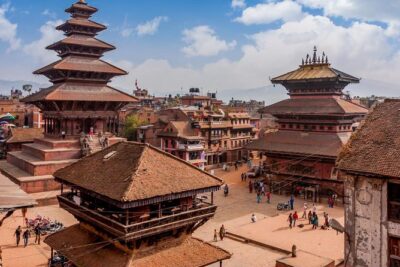
Private Bhaktapur and Nagarkot Day Tour From Kathmandu
Read our review →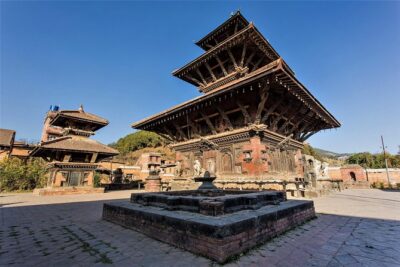
Day Trip to Bhaktapur and Panauti from Kathmandu
Read our review →
Nagarkot Sunrise & Bhaktapur UNESCO Heritage Private Tour
Read our review →
Bhaktapur & Nagarkot Day Tour with Lunch – Private/Group
Read our review →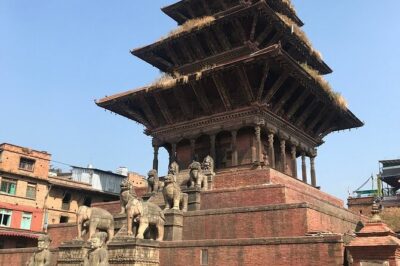
Nagarkot Sunrise & Bhaktapur Heritage Tour -Private Full Day Trip
Read our review →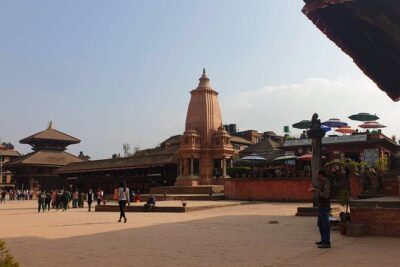
This tour also appears in