
REVIEW · LANGTANG VALLEY TREKS
Kathmandu: 6-Day Limitless Langtang Trek
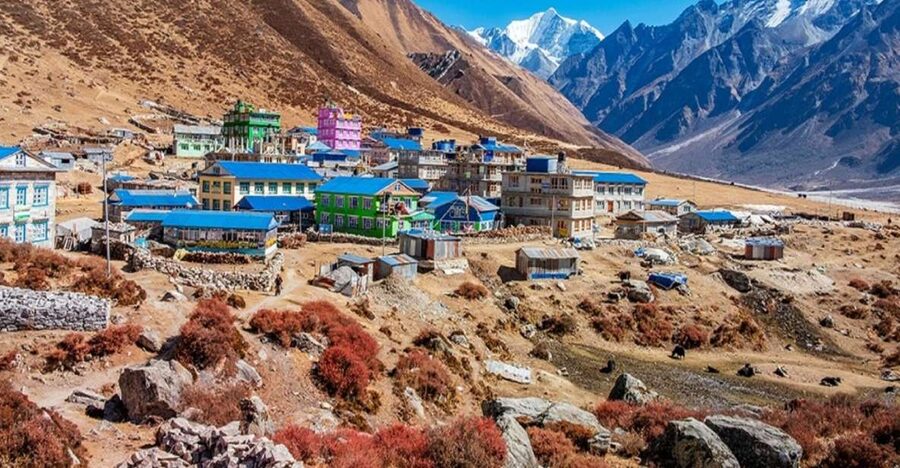
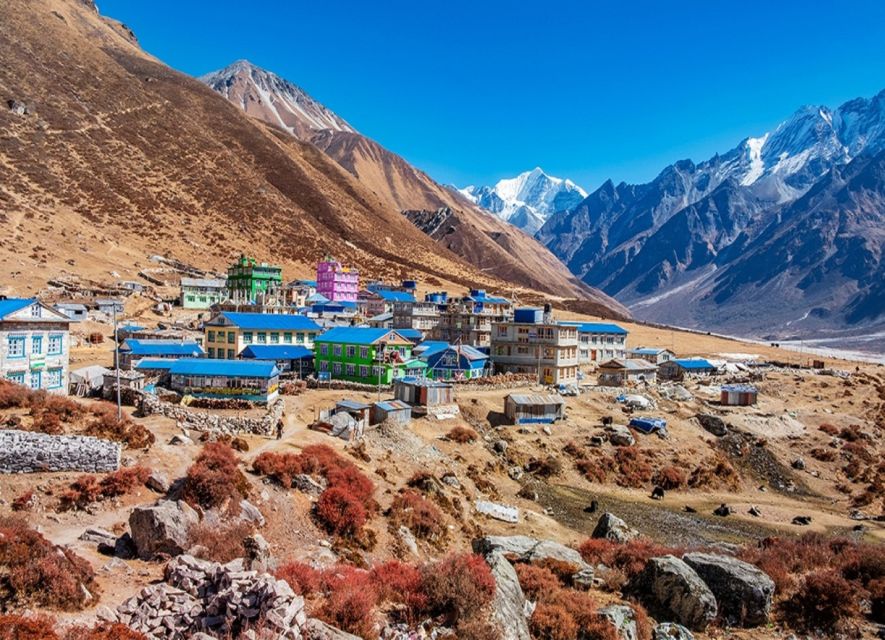
Langtang gives you a real Himalayan trek without committing to a long expedition. In six days, you travel from Kathmandu to Syabrubesi, follow the Langtang River through forests and villages, and reach Kyanjin Gompa at 3,870 meters. The high point is an optional Kyanjin Ri climb at 4,770 meters, where the mountain views open wide.
I like the strong guide support, especially for first-time trekkers. Guides such as Niraj, Mahesh Aryal, Bipin, Dipesh, and Ghanshyam have been praised for checking on comfort, explaining the next day’s plan, helping with backpacks, and keeping solo walkers at ease. I also like the cultural side: Tamang villages, monasteries, a cheese factory, and warm lodge hospitality make this more than a hike through pretty scenery.
The main caution is the pace. Some days can involve up to eight hours on steep trails, and altitude rises quickly between Pahiro and Kyanjin Gompa. The $181 price is attractive, but confirm whether you are booking the Full Package, since meals are included only with that option and porter service costs extra.
Key points to know before you book
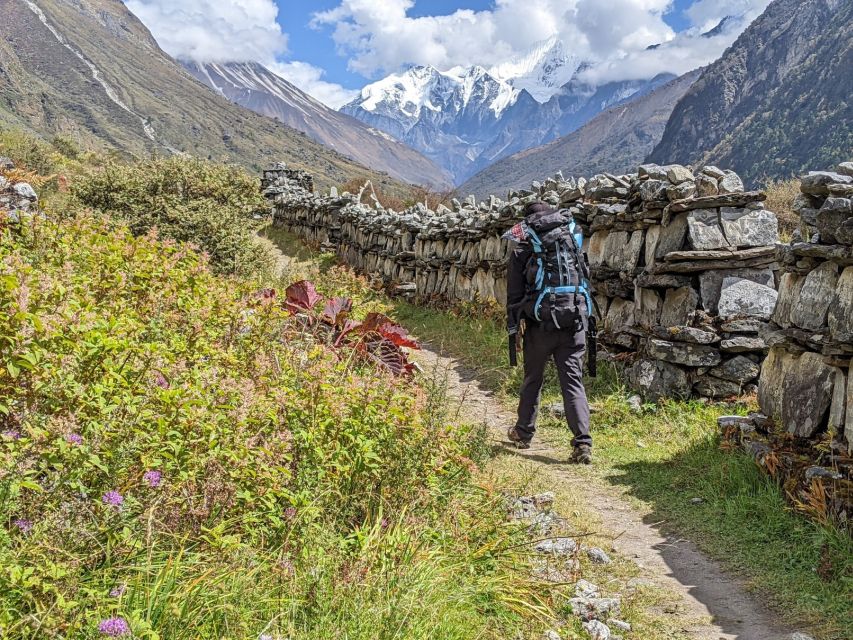
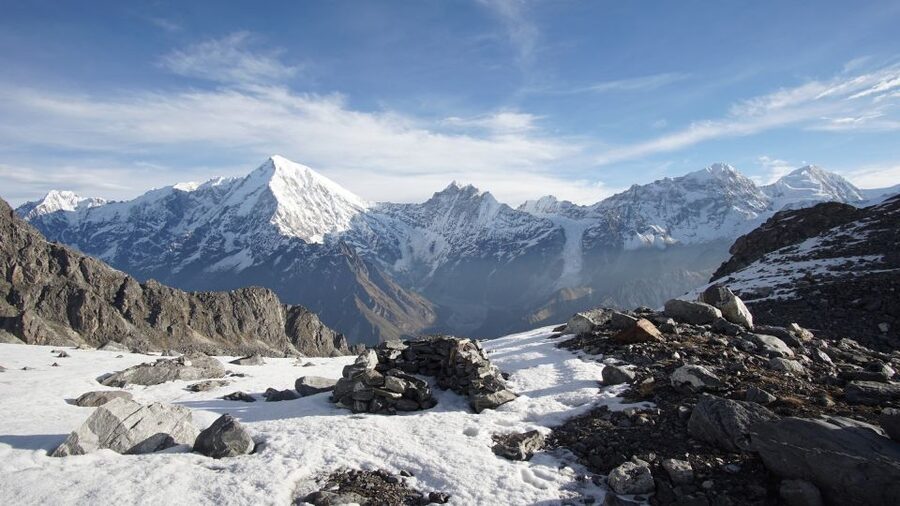
- Kyanjin Ri reaches 4,770 meters: The climb is optional but physically demanding, with wide views of snowy peaks and the glacial valley.
- The trek combines nature and culture: You pass Tamang villages, monasteries, spiritual sites, waterfalls, and a cheese factory.
- Guide care is a major strength: Guides have helped with backpacks, explained daily plans, and adjusted support for first-time and solo trekkers.
- The route is short but not easy: Six days includes the drive from Kathmandu and return, leaving several long hiking days.
- Transport is shared: Pickup, drop-off, and the road journey are arranged according to the number of people, using shared transport or a bus.
- The deal depends on the package: Permits, paperwork, accommodation, and staff costs are included, while meals are listed for the Full Package only.
Why Langtang works for a six-day Himalayan trip
Langtang is a good choice if you want mountain life, but your calendar cannot handle a two-week trek. The route gives you forest trails, river valleys, high mountain views, local villages, and a major viewpoint without requiring an international flight beyond Kathmandu.
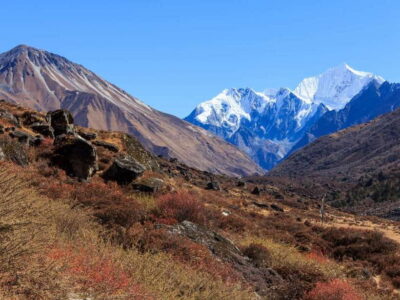
The scenery changes quickly. Lower sections follow the Langtang River through wooded country, while higher sections bring wider views and a more open, colder setting. The Tamang community adds a human element, and the monasteries and sacred sites give the trek a quieter, more reflective side.
I would describe the route as moderate only with a warning attached. It is accessible to first-time trekkers who are prepared, but it is not a casual walk. The climb to Kyanjin Gompa brings a substantial rise in altitude, and the optional Kyanjin Ri ascent is a serious extra effort.
This trip suits couples, families with good hiking fitness, solo walkers, and anyone who wants a private group rather than a large organized crowd. Pregnant women should not book it.
More Hiking Tours in Kathmandu
- Everest Base Camp Trek – 14 Days
★ 5.0 · 1,499 reviews - Everest Base Camp Trekking
★ 5.0 · 485 reviews - Nagarkot Sunrise View and Day Hiking from Kathmandu
★ 5.0 · 471 reviews
Day 1: Kathmandu to Syabrubesi, then two hours to Pahiro
The first day begins with a long road journey from Kathmandu to Syabrubesi, listed at about six hours. Expect winding mountain roads and changing views along the way. The drive is part of the experience, but it is also the least comfortable section for anyone who dislikes long bus rides.
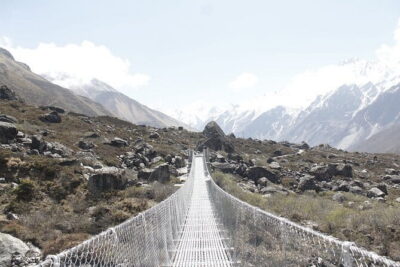
From Syabrubesi, you hike for about two hours toward Pahiro. The trail follows the Langtang River and passes through forest. This short opening walk is useful because it gets your legs moving without asking you to tackle the hardest section immediately.
You spend the night in Pahiro. The written schedule describes the drive to Syabrubesi and the overnight stay at Pahiro, so confirm the exact pickup and hiking arrangements before departure. Shared transport is used, with the setup depending on the size of your group.
Day 2: Pahiro to Ghoda Tabela at 2,900 meters
The second day is where the trek begins to feel substantial. The route from Pahiro to Ghoda Tabela takes about six hours and passes through forests, villages, and waterfalls. The sound of running water and the changing vegetation help break up the long climb.
Ghoda Tabela sits at about 2,900 meters, or 9,514 feet. That elevation matters. You are not yet at the highest point, but your body has less air to work with than it did in Kathmandu. Walk steadily, drink regularly, and tell your guide early if you feel unwell.
The itinerary calls this a peaceful stop, and that is the point of spending the night here. You are positioned for the next day’s route to Kyanjin Gompa rather than trying to rush all the way up in one push.
Day 3: Ghoda Tabela to Kyanjin Gompa
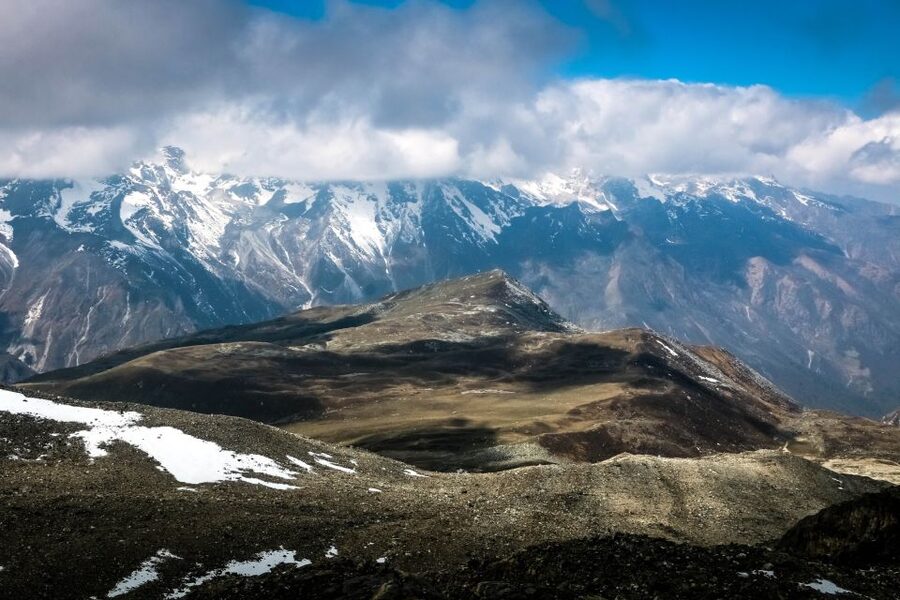
The third day leads to Kyanjin Gompa at 3,870 meters, or 12,696 feet. This is one of the most rewarding sections because the mountain views become more dramatic as you gain height.
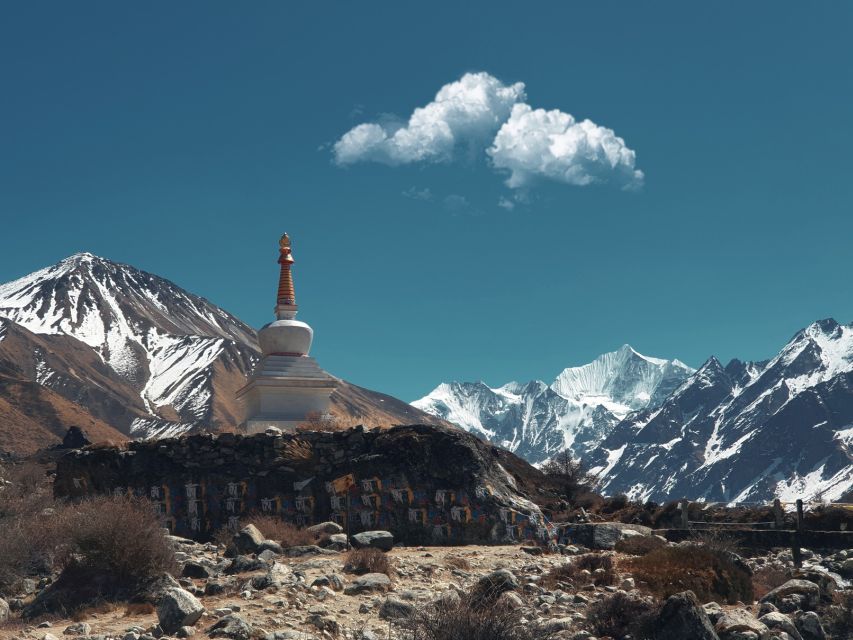
Kyanjin Gompa is not only a sleeping stop. You can explore the village, visit monasteries, see a cheese factory, and learn about the Tamang community. The cultural details give the trek a sense of place. You are not simply crossing a remote trail, you are moving through a living mountain region.
This is also the day to pay attention to altitude. The route is described as moderate overall, but the rise from Ghoda Tabela to Kyanjin Gompa can be tiring. Your guide should help set the pace and explain the next day’s plan. Mahesh Aryal, in particular, has been praised for recapping each day and checking that his group understood what was coming next.
Kyanjin Gompa is the trip’s high base. The surrounding glacial valley and snowy peaks provide the views you came for, but the cold can be sharper here, especially at night. January visitors have found the accommodation comfortable, with dining areas sometimes warmed by a fire, yet warm clothing remains essential.
More Langtang Valley Treks in Kathmandu:
- Langtang Valley Trek
★ 5.0 · 140 reviews - Langtang Valley Trek
★ 5.0 · 50 reviews - Private 8 – Day Langtang Trekking
★ 5.0 · 29 reviews - Langtang Valley Trek
★ 5.0 · 20 reviews
Day 4: Optional Kyanjin Ri and the long return to Thangsyap
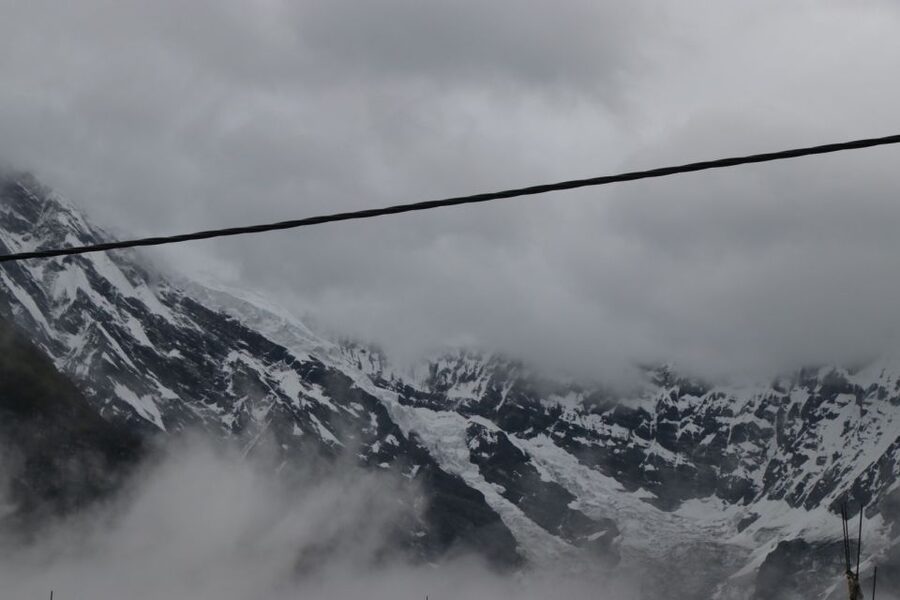
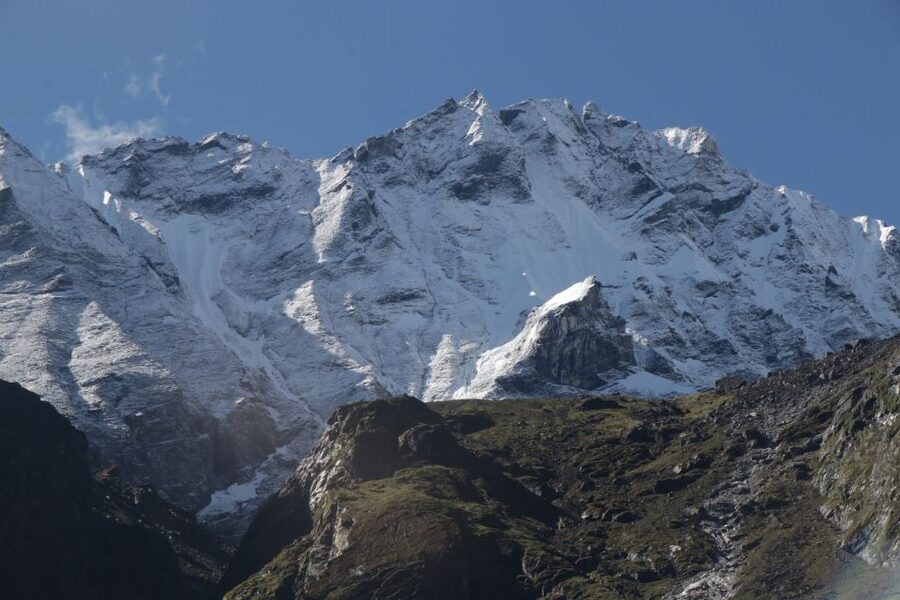
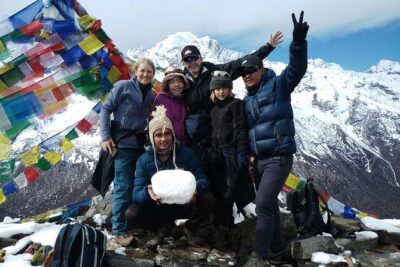
Day four is the most demanding and the most flexible. The schedule includes an ascent to Kyanjin Ri at 4,770 meters, or 15,649 feet. The climb is optional because it is steep and hard for some people. If you make it, you gain broad views of the snow-covered peaks and the glacial valley.
The exact wording of the schedule shifts between Langtang Village and Kyanjin Gompa, but the practical plan is clear: climb toward Kyanjin Ri, return along the same route, and continue downhill toward Thangsyap. Ask your guide to confirm the morning start, expected walking time, and sleeping stop.
A sunrise attempt is possible within the experience, and one January trekker described reaching the peak at sunrise as the trip’s highlight. Do not treat that as a guaranteed feature, though. Weather, fitness, daylight, and the guide’s safety judgment will affect the decision.
At this height, the optional climb should be a personal choice, not a test of pride. You can still enjoy Kyanjin Gompa, the valley views, and the descent without reaching the summit. If you do attempt it, take the ascent slowly and let your guide judge the pace.
The return to Thangsyap makes this a long day. That is an important consideration for families and first-time trekkers. A flexible itinerary can help, and the operator notes that the trek can be customized to suit pace and preferences.
Day 5: Thangsyap to Syabrubesi beside the river
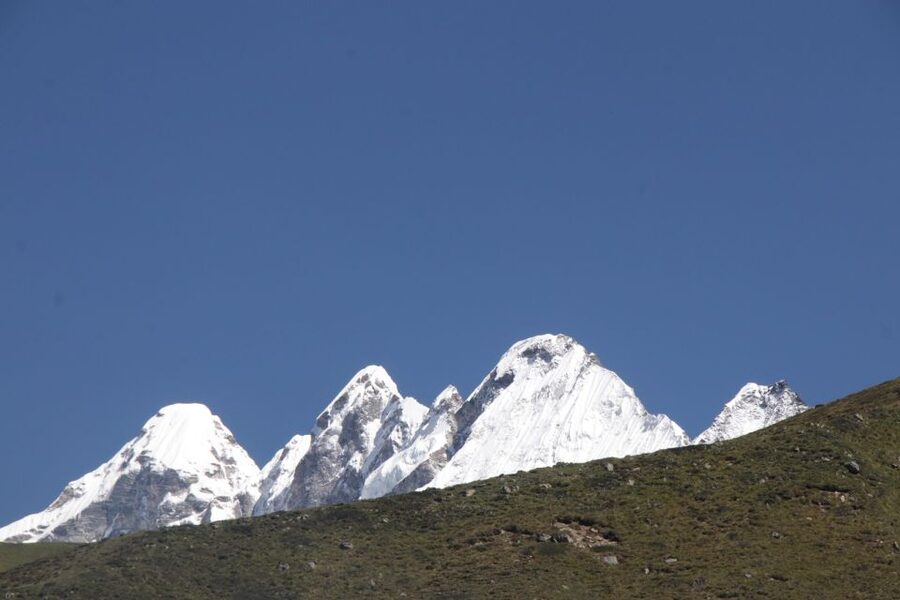
Day five is mainly a descent to Syabrubesi at 1,550 meters. You retrace the route through the scenic valley and continue beside the Langtang River. After the higher sections, the lower elevation should feel easier for most people, though downhill walking can still be hard on knees and ankles.
The views remain attractive, but this is also a practical day. You are leaving the high valley and returning to the roadhead, so take time to enjoy the last sections of forest and village life rather than treating the route as a race.
The overnight stop in Syabrubesi gives you a final evening in the trekking region. It also makes the next day’s return to Kathmandu more manageable than trying to combine the full descent and road journey.
Day 6: The shared bus back to Kathmandu
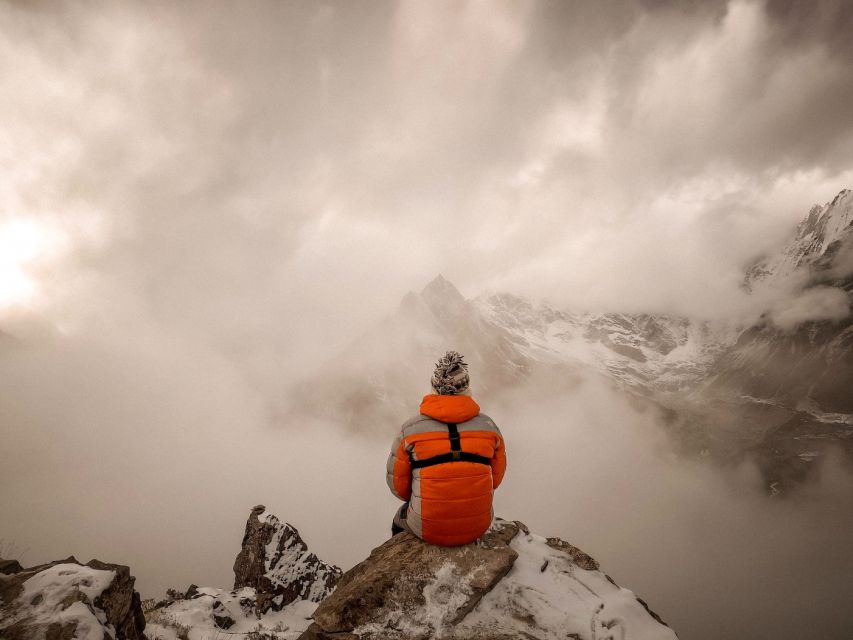
The final day is a road transfer from Syabrubesi to Kathmandu. It is not a hiking day, but it completes the route and gives you time to look back on the change from river trails and high peaks to the capital.
Because the transport is shared, the experience may feel less private than the trekking group itself. The benefit is that transportation is arranged as part of the schedule, and the operator provides pickup and drop-off. Ask for the expected departure time and vehicle details before the trek begins.
What the $181 price really covers
At $181 per person, this is a low-cost way to arrange a six-day trek in Nepal, particularly because the base inclusions cover several expenses that can add up quickly. The package includes an authorized English-speaking guide, trekking permits, required paperwork, the Trekkers’ Information Management System fee, government tax, five nights of listed private accommodation, luggage storage, and scheduled transportation.
Staff costs are also covered. That includes meals, accommodation, salary, equipment, insurance, and transport for the staff members. These details matter because they reduce the number of costs you need to handle on the trail.
There is one price detail you should settle before booking. All meals are included during the trek for the Full Package only. The information does not say that every $181 booking automatically includes breakfast, lunch, and dinner, so ask which package you are selecting.
Porter service costs extra. This can make a real difference on a route with long uphill days. One guide helped with backpacks when the hiking became difficult, and another booking included a porter who carried a larger pack. Still, you should not assume that porter service is part of the advertised price.
You pay separately for drinks, bottled or boiled water, showers, phone calls, laundry, battery charging, bar bills, extra porters, and personal purchases. Travel and rescue insurance are also not included. International flights and the Nepalese visa fee are outside the tour price.
Guides, group style, and support on the trail
The experience is designed as a private group, which is useful if you want the walking pace and daily rhythm to fit your own party. The scheduled bus transfers are shared, so private group does not mean every part of the journey uses private transport.
The guide is central to the quality of this trek. Niraj has been praised for friendly support and helping a group reach about 4,700 meters. Mahesh Aryal has been valued for knowing the route, choosing suitable stops, explaining plants and animals, and checking comfort each day.
Bipin has been praised for arranging food, explaining lodge routines, and answering questions about subjects ranging from yak keeping to Nepal’s national sports. Dipesh has helped first-time trekkers feel safe without pushing them beyond their limits. Ghanshyam has been especially appreciated by a solo woman who wanted steady, professional support.
These details point to the service you should expect: regular check-ins, help understanding the next day, and practical assistance when the trail becomes difficult. Guide quality can vary from person to person, so if you have a preferred guide, request that name when you book. It may not be possible to guarantee availability.
Packing for cold nights and high trails
The required packing list is sensible, but do not underpack for the altitude. Bring:
- Hiking shoes and trekking gear
- A jacket, gloves, hat, and sleeping bag
- Sunscreen and sunglasses
- A towel
- A flashlight
- Passport or ID card
Warm layers deserve special attention. January conditions have been cold at night, and the advice from an early-year trek is direct: bring warm clothing and medication. The accommodation may have a warm dining room or fire, but that is not a substitute for your own insulation.
Plan for personal water costs, showers, charging, and other small expenses. These are excluded, as are soft and hard drinks. Keep your passport or ID card available for the required trekking arrangements.
Who should choose this Langtang trek?
Choose it if you want a compact Himalayan route with strong scenery, local culture, and a flexible high point. It is especially suitable if you are new to trekking but willing to prepare for long days and steep trails.
It also works well for solo visitors who want the security of a guide, couples seeking a private walking group, and families with older children who already hike regularly. The presence of monasteries, villages, and the cheese factory gives non-climbers plenty to notice beyond the physical challenge.
Think twice if you want a relaxed holiday with short walks. The six-day label includes two road transfers, and the hiking days can be demanding. Also think carefully about the 4,770-meter climb. You can skip Kyanjin Ri, but the route to Kyanjin Gompa still reaches 3,870 meters.
Free cancellation up to 24 hours before departure and reserve-now, pay-later booking make planning easier. They do not remove the need for insurance. Rescue and travel insurance are your responsibility.
Should you book the six-day Langtang route?
I would book this trek if I wanted a short, well-supported introduction to Nepal’s mountain country and was comfortable with several long hiking days. The strongest reasons are the varied scenery, Tamang culture, monastery visits, high valley views, and attentive guide support.
I would not choose it for a gentle family holiday or if I disliked shared road transport. Before paying, confirm the Full Package meal arrangement, porter cost, exact day-four plan, and which guide is available.
For a fit first-time trekker, solo walker, or couple with six days to spare, this is a good-value route. The optional Kyanjin Ri climb lets you set your own challenge, while the guide support helps you enjoy the valley without having to manage every permit, lodge, and route detail yourself.
FAQ
How long is the Langtang trek?
The experience lasts six days, including the road journey from Kathmandu to Syabrubesi and the return drive from Syabrubesi to Kathmandu.
What is the highest point on the itinerary?
The optional Kyanjin Ri climb reaches 4,770 meters, or 15,649 feet. Kyanjin Gompa, the main high overnight stop, is at 3,870 meters.
Is the Kyanjin Ri climb required?
No. The climb is optional because the ascent is steep and difficult for some people. You can remain in the Kyanjin Gompa area and continue with the scheduled route.
Are meals included?
Breakfast, lunch, and dinner are included during the trek for the Full Package only. Confirm the package details before booking.
Is porter service included?
No. Porter service costs extra. Personal expenses can also include extra porters, drinks, water, showers, charging, laundry, and phone calls.
What languages does the guide speak?
Guides are available in English, Hindi, and Nepali. The authorized guide is listed as English-speaking, with Hindi and Nepali also available.
Is transportation shared or private?
Transportation follows the itinerary and uses shared transportation or a shared bus according to the number of people. The trekking group itself is private.
What should I bring?
Bring your passport or ID card, towel, sunscreen, gloves, sleeping bag, flashlight, hiking shoes, jacket, hat, trekking gear, and sunglasses. Warm clothing is especially important for cold nights.
More 6-Day Experiences in Kathmandu
- 6 Days Muktinath Tour Package in Nepal
★ 5.0 · 20 reviews - 6 Days/5 Nights Private Kathmandu Pokhara Tour
★ 5.0 · 9 reviews - Kathmandu: 6 Days Langtang Valley Trek with Kyanjin Ri
★ 5.0 · 7 reviews - 6 Days Private Himalayan Dreams of Nepal
★ 5.0 · 6 reviews
Recently added around Kathmandu
- Kathmandu Airport Pickup and Drop-off Services★ 5.0 · 3 reviews
- Kathmandu Paragliding★ 5.0 · 3 reviews
- Explore The Beauty Of Langtang Valley In 8-Days Trek★ 5.0 · 3 reviews
- Kathmandu Chandragiri Cable Car and Swayambhunath Private Tour★ 5.0 · 3 reviews
- Kathmandu: Nightlife and Pub Crawl Tour★ 5.0 · 3 reviews
- Kathmandu: Momo Making Class with a Local Chef★ 5.0 · 3 reviews
- Mountain Flight Experience in Nepal★ 4.5 · 3 reviews
- Everest Base Camp Trek★ 5.0 · 3 reviews
Other Langtang Valley Treks worth a look
Trekking in Annapurna/Langtang/Everest/Upper Mustang regions
Read our review →
This tour also appears in