
REVIEW · LANGTANG VALLEY TREKS
Kathmandu: 6 Days Langtang Valley Trek with Kyanjin Ri
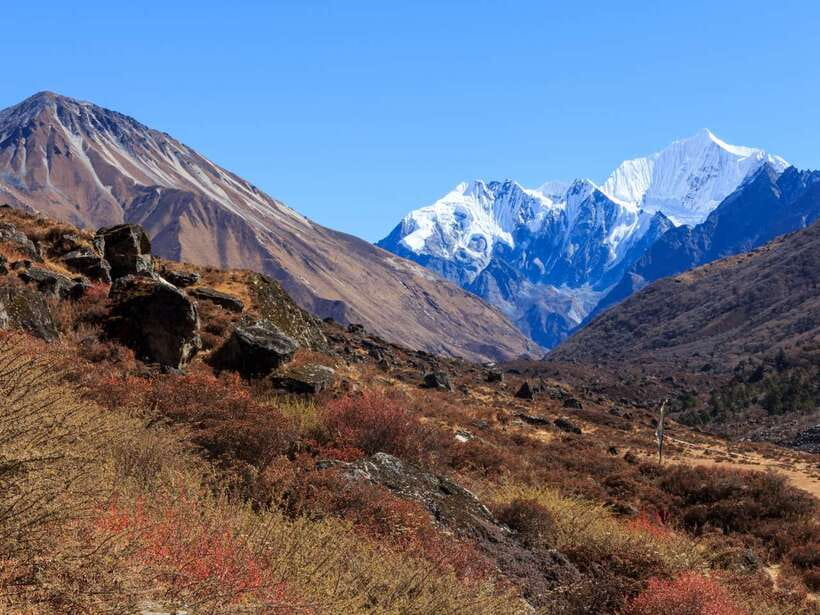
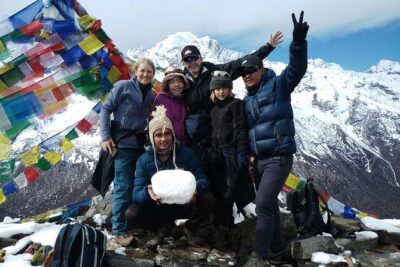
Kyanjin Ri is the great prize here. An early climb to 4,770 meters can bring wide views over snowy peaks and glacial valleys, and the descent to Kyanjin Gompa leaves you with a real sense of having reached the high Himalaya. Guides such as Ghanshyam and Sudarshan are known for adjusting the pace, checking on your health, and keeping first-time trekkers calm.
I like the blend of Tamang village life and mountain scenery, rather than a trek made up only of viewpoints. I also like the practical six-day format: you get forests, waterfalls, monasteries, a cheese factory, and high-altitude views without committing to a much longer route. The main caution is the fast gain in elevation, especially before Ghoda Tabela and Kyanjin Gompa.
Key points to know before you book
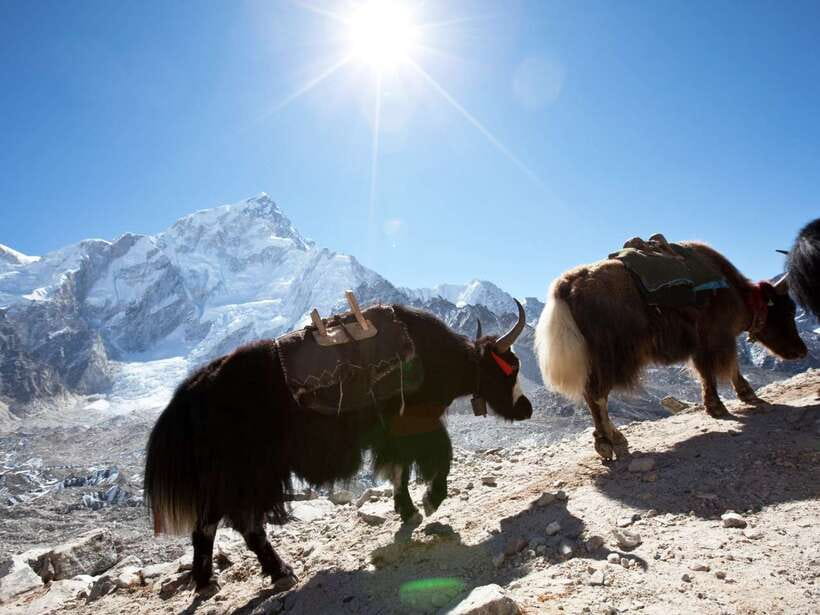
- Kyanjin Ri reaches 4,770 meters: The optional climb is the trip’s toughest and most scenic section, especially in the early morning.
- The trek begins with a long drive: Day one combines Kathmandu to Syabrubesi by road with a walk onward to Pahiro.
- Tamang culture is part of the route: Villages, monasteries, local food, and warm hospitality give the trek a human side.
- Private groups offer flexibility: Guides can slow the pace and add breaks, a useful benefit for first-time trekkers.
- A porter costs extra: Guide services, permits, lodging, and staff costs are included, but porter charges are separate.
- The price is $179 per person: That is strong value if your package includes meals, permits, transport, and all five nights of accommodation as described.
Why the Langtang Valley makes a good short trek
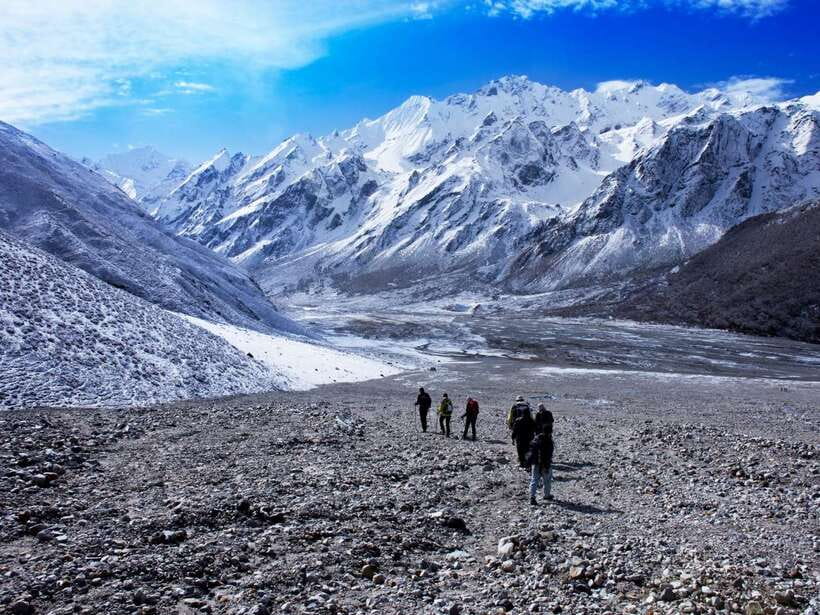
Langtang gives you a taste of Nepal’s high mountains in a compact trip from Kathmandu. You do not spend the whole week walking through one type of scenery. The route shifts from river paths and forest to open mountain country, with Tamang settlements and Buddhist culture along the way.
I especially like that the trek has a clear destination. Kyanjin Gompa is not just a place to sleep before turning around. It is a traditional Himalayan village with monasteries, a cheese factory, local residents, and peaks rising around it. That gives the high point of the route a sense of place.
The trip is offered as a private group, with English and Hindi-speaking guides. That matters more than it might sound. A private trek lets you walk at a pace that suits you, and the experience can be adjusted when weather, fatigue, or altitude becomes a concern. One guide, Ghanshyam, is repeatedly identified by name in the supplied material, while Sudarshan and porter Projol are also praised for care, patience, and professionalism.
You should still treat this as a serious mountain trek. Six days is efficient, but it leaves less time for acclimatization than a slower itinerary. Altitude affects people differently. Headache, nausea, tiredness, and loss of appetite can appear even if you felt fine earlier in the day.
More Hiking Tours in Kathmandu
- Everest Base Camp Trek – 14 Days
★ 5.0 · 1,499 reviews - Everest Base Camp Trekking
★ 5.0 · 485 reviews - Nagarkot Sunrise View and Day Hiking from Kathmandu
★ 5.0 · 471 reviews
Day 1: Kathmandu to Syabrubesi, then Pahiro at 1,550 meters
The first day begins with a drive from Kathmandu to Syabrubesi, the usual starting point for the Langtang Valley route. The road passes local villages and green hills, but the journey is also a practical reminder that mountain travel takes time. You should expect the drive to be part of the experience, not merely a transfer to be endured.
At Syabrubesi, you begin walking beside the Langtang River. The route continues through quiet forest toward Pahiro, where you spend the night at about 1,550 meters.
This first walking section is useful because it eases you into the trip. You are not immediately asked to climb to extreme altitude. Still, combining a road journey with an afternoon trek can make the day feel long, so keep your daypack light and your water easy to reach.
Hotel pickup and drop-off are included. You are asked to wait in your hotel lobby about ten minutes before pickup, with the driver carrying a sign showing your last name.
Day 2: Forests and waterfalls on the way to Ghoda Tabela
From Pahiro, the trail climbs toward Ghoda Tabela at roughly 2,900 meters. You walk through green forest, pass villages, and see waterfalls along the route. The river remains part of the setting, while glimpses of snow-covered peaks begin to make the destination feel closer.
This is a beautiful section, but it is also where you should pay attention to the altitude gain. Moving from 1,550 meters to 2,900 meters in one day is a major change. Your guide should know your pace and condition, and you should speak up early if you develop a headache, nausea, unusual tiredness, or loss of appetite.
I like the way this day builds the scenery gradually. You begin among trees and water, then move toward a more open mountain setting. The drawback is simple: the trail can feel demanding, especially if you are new to long walks or have not adjusted to climbing for several hours.
Day 3: Ghoda Tabela to Kyanjin Gompa at 3,870 meters
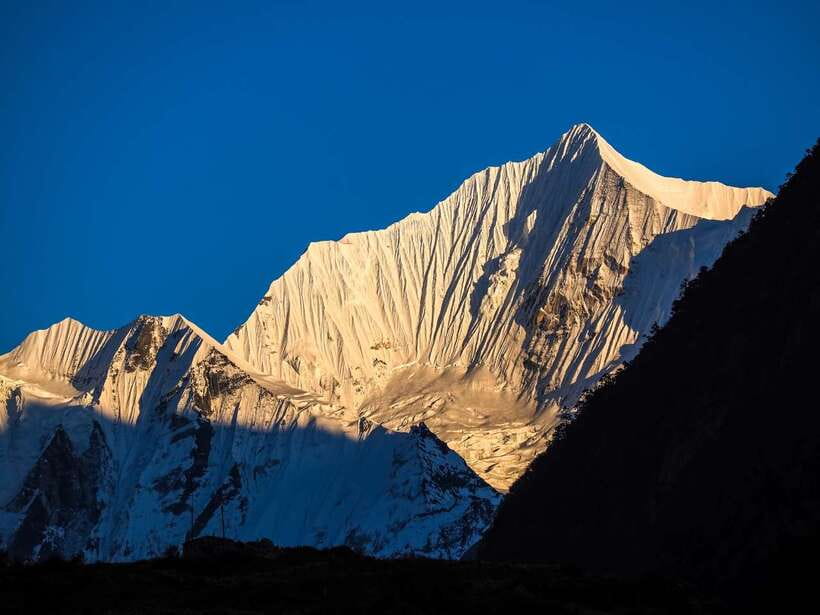
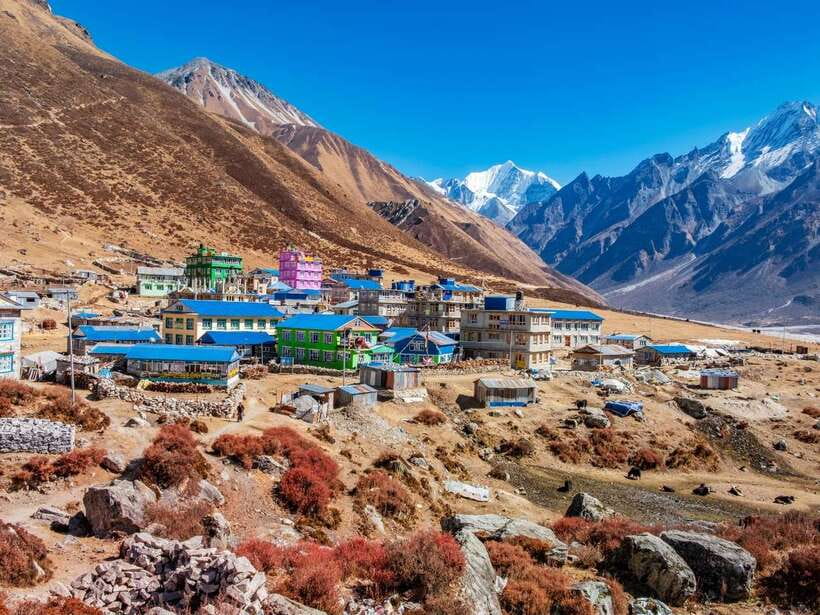
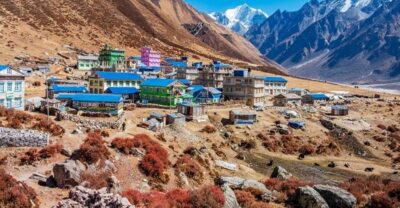
The route continues upward to Kyanjin Gompa, at about 3,870 meters. This is the central day of the trek, both for scenery and culture. You reach the high village surrounded by towering Himalayan peaks, then have time to look around rather than simply arrive, eat, and sleep.
Kyanjin Gompa has an ancient monastery and a local cheese factory. The cheese stop is a small but memorable detail. It connects the mountain setting to everyday work in the valley, and it gives you something more personal to notice than another distant peak.
The Tamang culture is another important part of this day. You are not walking through an empty wilderness. The villages, homes, monasteries, and hospitality show how people live in a high mountain region. Your guide can add useful context in English or Hindi, and names such as Ghanshyam and Sudarshan are associated with patient explanations and careful pacing.
This is also the day when altitude may become most obvious. At nearly 3,900 meters, take the evening slowly. Drink water, eat even if your appetite is poor, and tell your guide how you feel. The itinerary may change because of weather or seasonal conditions, so flexibility is part of the bargain.
More Langtang Valley Treks in Kathmandu:
- Langtang Valley Trek
★ 5.0 · 140 reviews - Langtang Valley Trek
★ 5.0 · 50 reviews - Private 8 – Day Langtang Trekking
★ 5.0 · 29 reviews - Kathmandu: 6-Day Limitless Langtang Trek
★ 5.0 · 21 reviews
Day 4: Optional Kyanjin Ri, then down to Thangsyap
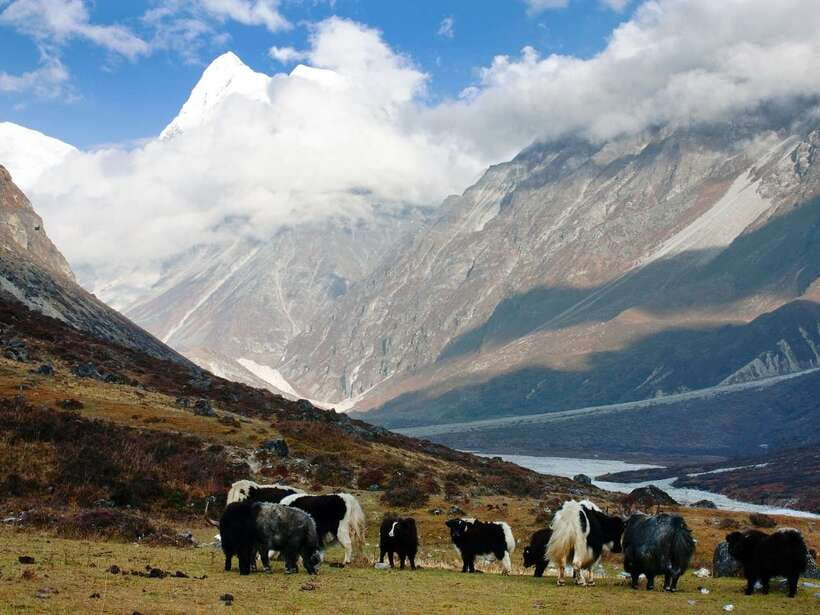
The optional Kyanjin Ri climb is the highlight for many people who choose it. At 4,770 meters, it is a serious uphill walk, not a casual morning stroll. The reward is a broad view over snow-covered peaks and glacial valleys.
An early start is sensible, and one supplied account describes sunrise from Kyanjin Ri with clear mountain views and wildlife seen along the way. That does not guarantee the same conditions every day, but it explains why timing matters. Morning often gives you the best chance of clearer skies before clouds build.
The climb is optional, which is important. You can decide with your guide based on weather, energy, and how your body is handling the altitude. If you go up, you retrace your steps afterward before descending to Thangsyap at about 3,200 meters.
That descent helps, but it does not erase the effort of the climb. The trail can feel hard because of thin air, and the combination of a high summit attempt followed by more walking requires stamina. Bring gloves, a jacket, water, sunglasses, sunscreen, and proper hiking shoes. A flashlight is also listed among the recommended items, which is particularly useful for an early start.
Day 5: Returning through the Langtang forests
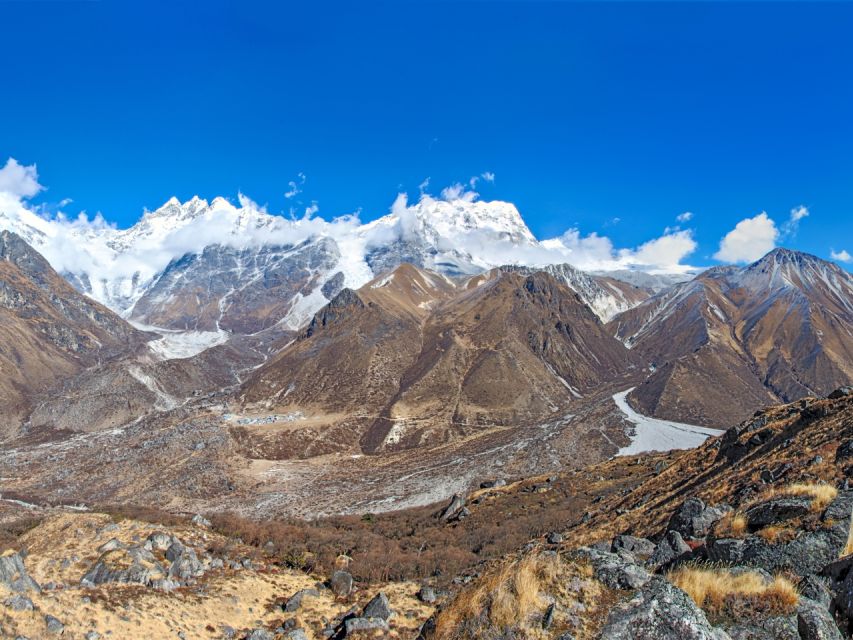
From Thangsyap, you walk back to Syabrubesi at 1,550 meters. The route follows familiar ground through forests and beside the Langtang River, but it will not feel exactly the same. Descending changes your view, and the knowledge that the high section is behind you makes the walking easier for many people.
This day is less about seeing something new and more about letting the trip settle in. You can look back on the villages, the monastery, the cheese factory, and the high pass of Kyanjin Ri. It is also a good time to appreciate your guide’s practical role. Guides who keep the pace comfortable and allow flexible breaks make a real difference on a return day.
You spend the night in Syabrubesi. Since the route returns to the roadhead, the itinerary does not require camping or carrying all your supplies. Accommodation is described as private for five nights during the trek, though you should confirm the exact room arrangements and package details before paying.
Day 6: The road back to Kathmandu
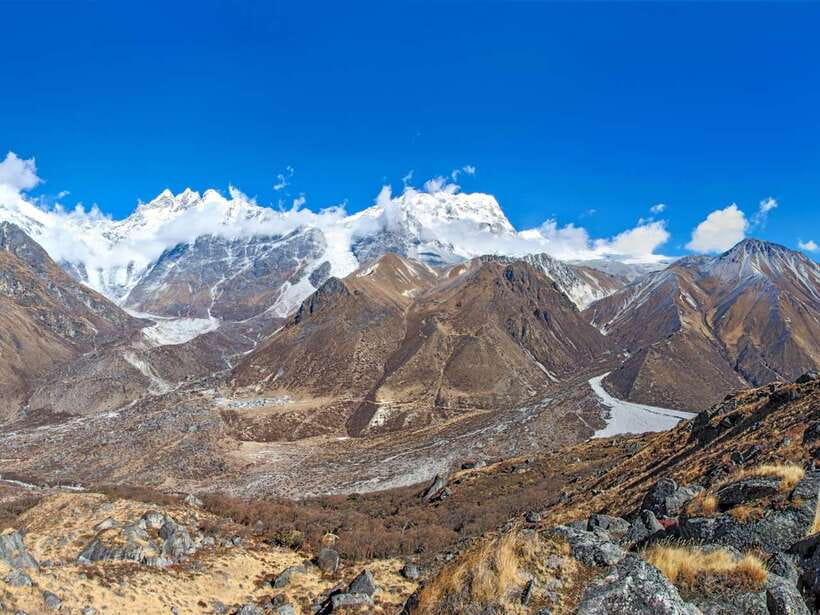
The final morning is a drive from Syabrubesi to Kathmandu. The trip ends on the road rather than with another walk, so keep your expectations practical. Mountain roads can be tiring, and the return journey is part of the total travel time.
The value of this final day is convenience. You finish where you started, with hotel drop-off included, rather than having to arrange your own transport from the Langtang region. If you arrive early, leave late, or return from the mountains outside the planned schedule, extra nights in Kathmandu or Pokhara are not included.
What the $179 price really covers
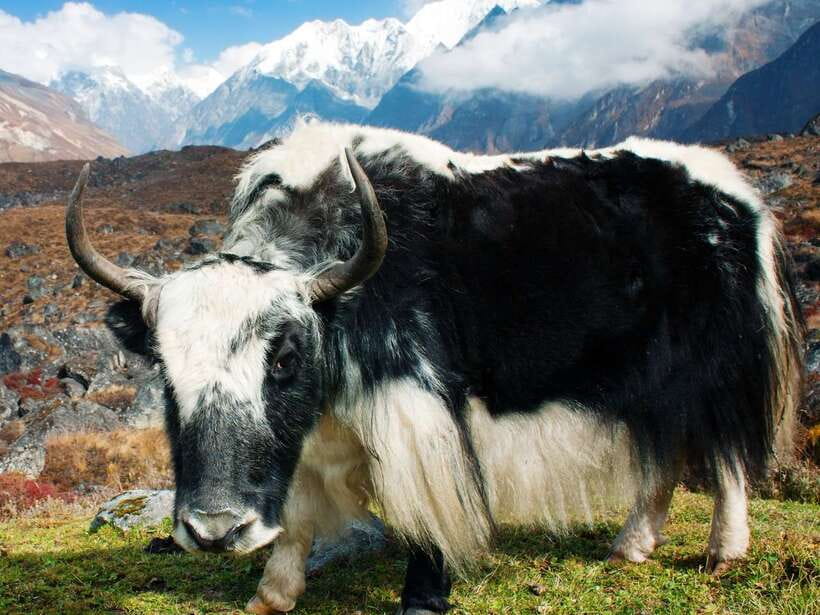
At $179 per person, this is an appealing price for a six-day private trek, provided the package you select matches the full inclusions. The stated coverage includes hotel pickup and drop-off, trekking permits, required paperwork, the Trekkers’ Information Management System fee, five nights of accommodation, transport according to the itinerary, government taxes, and staff costs.
For the full package, breakfast, lunch, and dinner during the trek are included. That can make the price much better than it first appears, since meals in remote mountain areas add up quickly.
There are a few costs to watch. A porter is extra, as are soft and hard drinks, bottled or boiled water, showers, battery charging, laundry, phone calls, bar bills, and personal purchases. Travel and rescue insurance are not included, and neither are international flights or the Nepalese visa fee.
I would strongly consider hiring a porter if you are new to trekking or plan to attempt Kyanjin Ri. One supplied account specifically describes using a porter as the right decision. You will still carry a daypack, but reducing the load can make the uphill sections more manageable.
The guides and the private-group advantage
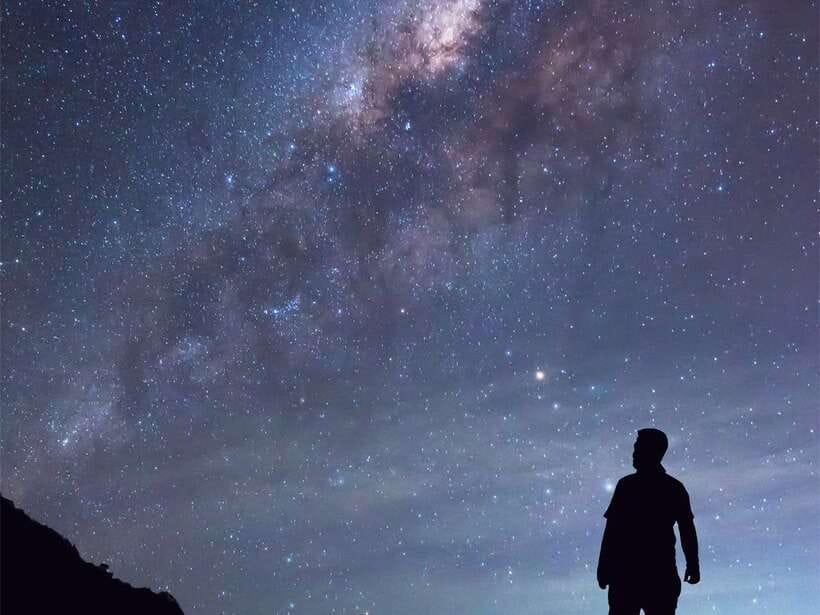
The strongest part of this experience is the personal care built into a private trek. Ghanshyam is praised for being friendly, funny, attentive, and willing to adjust the walking speed. Sudarshan is described as careful about health, flexible with breaks, and professional, with Projol assisting as porter.
Those details matter because a guide is not only there to point out mountains. On this route, your guide helps you judge the effect of altitude, manage breaks, answer questions, and handle the practical details of lodging and transport.
The English and Hindi guide options make the trek accessible to a broad range of visitors, but you should state your preferred language when booking. If English is not your strongest language, the supplied experience includes a guide who slowed his speech, asked questions repeatedly, and made sure communication was clear.
Best seasons, weather, and packing
The strongest trekking periods are mid-March through April and October through mid-November. These months generally bring clearer skies and warmer temperatures, though mountain weather can change quickly.
Autumn usually brings less wind and higher temperatures. Late March and April add rhododendron blooms at lower elevations, which gives the forest sections extra color. Outside the best periods, the trek may still operate, but you should expect a higher chance of changing conditions and possible itinerary adjustments.
Pack for changing temperatures rather than one fixed climate. The required suggestions include:
- Passport or identification
- Sleeping bag
- Flashlight
- Sunscreen and sunglasses
- Hiking shoes
- Gloves
- Water
- Jacket
- Trekking gear
You should also plan for personal items that are not supplied, such as insurance and money for drinks, showers, charging, and extra water. Alcohol and drugs are not allowed.
Who should choose this Langtang trek?
I would recommend this route to you if you want a shorter Himalayan trek with a strong mix of scenery and local culture. It suits first-time trekkers who are reasonably fit and prefer a private guide who can set the pace.
It is also a good choice if Kyanjin Ri is your main goal but you do not want a much longer expedition. The climb is optional, so you retain some flexibility if the weather is poor or your body is not responding well to altitude.
I would be more cautious if you dislike long road journeys, want a slow acclimatization schedule, or have no experience walking uphill for several days. The jump to Ghoda Tabela and the height of Kyanjin Gompa deserve respect. Travel and rescue insurance should be arranged before departure.
Free cancellation up to 24 hours before the start and reserve-now, pay-later terms make the booking less rigid. Those policies help if your Nepal plans are still moving, but they do not replace insurance or careful preparation.
Should you book it?
Book this trek if you want six focused days in Langtang, a private guide, Tamang village life, and the option of a high viewpoint without paying for a large expedition. The price is good when meals and the listed permits, transport, lodging, and staff costs are included.
Before booking, confirm that you are choosing the full meal package, ask how porter charges are calculated, and check the accommodation details. If you are comfortable with the altitude gain and willing to walk at your guide’s pace, this is a strong short introduction to Nepal’s mountain country.
FAQ
How long is the Langtang Valley trek?
The trek lasts six days, including transport from Kathmandu to Syabrubesi on the first day and the return drive to Kathmandu on the final day.
What is the highest point on the itinerary?
The optional Kyanjin Ri hike reaches 4,770 meters. Kyanjin Gompa is at about 3,870 meters.
Is the Kyanjin Ri hike required?
No. The Kyanjin Ri climb is optional. You can decide with your guide based on weather, energy, and how you are responding to altitude.
Are meals included?
Breakfast, lunch, and dinner during the trek are included with the Full Package only. Drinks and personal purchases are not included.
Is a porter included?
No. Porter charges are extra. Guide services and staff expenses listed in the package are included.
What languages does the guide speak?
Live guides are available in English and Hindi.
What are the best months for this trek?
The main trekking seasons are mid-March to April and October to mid-November. These periods generally offer clearer skies and warmer conditions.
What happens if the weather changes the route?
The itinerary may change slightly because of weather conditions or seasonal factors. You should also be prepared for altitude symptoms such as headaches, nausea, fatigue, or loss of appetite.
More 6-Day Experiences in Kathmandu
- 6 Days Muktinath Tour Package in Nepal
★ 5.0 · 20 reviews - 6 Days/5 Nights Private Kathmandu Pokhara Tour
★ 5.0 · 9 reviews - 6 Days Private Himalayan Dreams of Nepal
★ 5.0 · 6 reviews - Everest Experience Trek 6 Day Hiking Adventure
★ 5.0 · 3 reviews
Recently added around Kathmandu
- Kathmandu Airport Pickup and Drop-off Services★ 5.0 · 3 reviews
- Kathmandu Paragliding★ 5.0 · 3 reviews
- Explore The Beauty Of Langtang Valley In 8-Days Trek★ 5.0 · 3 reviews
- Kathmandu Chandragiri Cable Car and Swayambhunath Private Tour★ 5.0 · 3 reviews
- Kathmandu: Nightlife and Pub Crawl Tour★ 5.0 · 3 reviews
- Mountain Flight Experience in Nepal★ 4.5 · 3 reviews
- Kathmandu: Momo Making Class with a Local Chef★ 5.0 · 3 reviews
- Everest Base Camp Trek★ 5.0 · 3 reviews
Other Langtang Valley Treks worth a look
Trekking in Annapurna/Langtang/Everest/Upper Mustang regions
Read our review →
This tour also appears in