
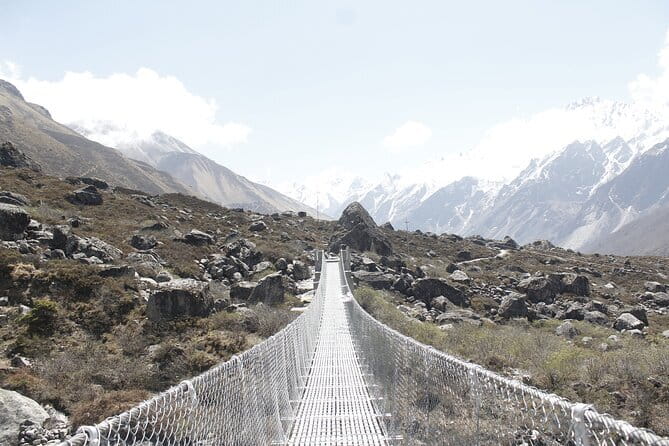
REVIEW · LANGTANG VALLEY TREKS
Langtang Trek from Kathmandu 7 Days
Langtang’s appeal is simple: you get a real Himalayan trek without spending weeks reaching the trailhead. In seven days, you walk from Syabrubesi through Tamang villages, forest, river valleys, and high mountain country, with Langtang Lirung rising to 7,227 meters above you.
I like the village contact and the changing scenery, especially the rhododendron forest, rushing Langtang Khola, and Buddhist sites around Kyanjin Gompa. I also like the practical package: an English-speaking guide, permits, lodge accommodation, hotel transfers, and shared bus transport are included. The main caution is altitude. A day near Kyanjin Ri at about 4,700 meters is demanding, even though the route is generally suited to people with moderate fitness.
Key points to know before booking
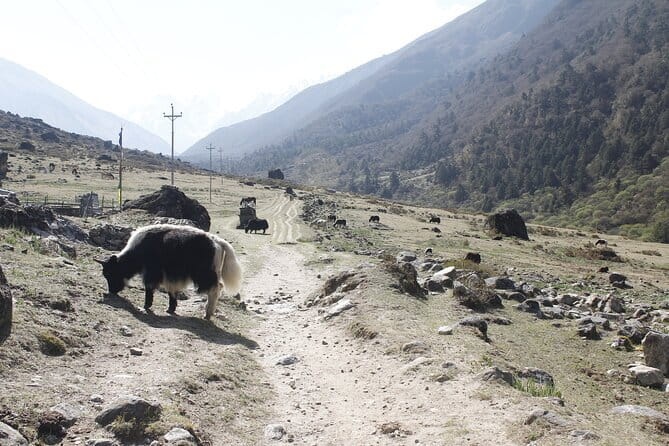
- Kyanjin Ri reaches about 4,700 meters: This is the toughest and highest part of the week, with rocky ridges, narrow paths, and steep sections.
- Tamang and Sherpa culture shapes the route: You pass through traditional villages, monasteries, and local lodges rather than staying only in large trekking hubs.
- The package is private, but transport is shared: Your trekking group travels privately with its guide, while the round-trip road transfer uses a shared local bus.
- Six-hour trekking days are normal: The itinerary includes several days of walking for about six hours, plus long road journeys on the first and final days.
- The $410 price covers important basics: Permits, TIMS card, guide, lodge accommodation, pickup, drop-off, and bus transfers are included.
- You need passport details and a photo: The operator requires these to issue your trekking permit.
Why Langtang works well for a seven-day trek
I see Langtang as a useful middle ground in Nepal. You still get snow peaks, Buddhist culture, forest trails, and high-altitude walking, but the itinerary is shorter than many famous Himalayan routes. The valley also has relatively easy access from Kathmandu, at least by trekking standards.
That access matters. You do not spend several days flying or driving to a remote starting point before the walk even begins. The trade-off is the road journey to Syabrubesi, which can take much of the first day and may feel tiring after an early start.
The route rises gradually from lower forest into alpine country. You move beside clear rivers, through oak and rhododendron woodland, past villages, and toward the colder setting around Kyanjin Gompa. I like this steady change because it gives you time to adjust instead of placing you immediately in a high, exposed setting.
The cultural side also adds weight to the trip. Tamang and Sherpa villages are not just rest stops. They give you a chance to see how mountain communities shape daily life around Buddhism, farming, hospitality, and trekking. The monastery at Kyanjin Gompa provides a quiet spiritual counterpoint to the physical effort.
More Hiking Tours in Kathmandu
- Everest Base Camp Trek – 14 Days
★ 5.0 · 1,499 reviews - Everest Base Camp Trekking
★ 5.0 · 485 reviews - Nagarkot Sunrise View and Day Hiking from Kathmandu
★ 5.0 · 471 reviews
Day 1: Kathmandu to Syabrubesi by local bus
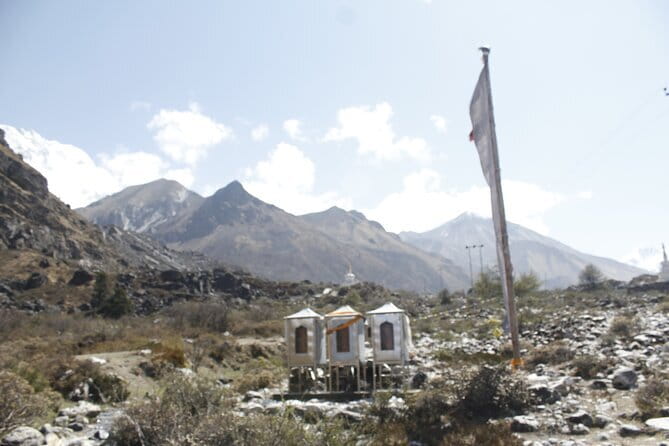
Your first day begins early with pickup in Kathmandu. The route ends at the Garden Inn in Shyfru Bensi, the accommodation name used for the Syabrubesi area in the itinerary.
The road journey takes about seven hours. You can arrange a private ride or use the included shared local bus transfer, but the package specifically includes round-trip transport by shared bus. That distinction is important. Your trek itself is private, yet the road ride is not an exclusive vehicle for your group.
This day is mostly about reaching the trailhead. You will have some mountain views and glimpses of Nepalese life along the way, but the practical value is getting into position for the walk. I would treat this as a travel day rather than expect a substantial trek.
A shared bus helps keep the $410 price under control, though it may not offer the comfort or flexibility of a private vehicle. Pickup and drop-off from your Kathmandu hotel are included, which removes one common source of confusion in a short Nepal itinerary.
Day 2: Syabrubesi to Lama Hotel beside the Langtang Khola
The second day brings the first full walk, lasting about six hours. The trail follows the Langtang Khola, with the river providing a steady companion as you pass through thick forest and green mountain scenery.
This section is appealing because it begins to feel like a proper Himalayan foot journey. You leave the road behind and move at walking pace, with the sound of water, trees, and changing views replacing traffic.
The forest is a key part of the day. Depending on the season, you may see rhododendrons in bloom, along with moss-covered trees and other signs of the damp mountain environment. The route is described as clearly marked, but it still includes natural ups and downs, so moderate fitness is more than a vague suggestion.
Lama Hotel is the overnight stop. The stay is in a lodge, as it is throughout the trek. The package does not specify room arrangements, meals, bathroom facilities, or heating, so you should ask MDA for current lodge details before paying if those points matter to you.
Day 3: Lama Hotel to Langtang Village through rhododendron forest
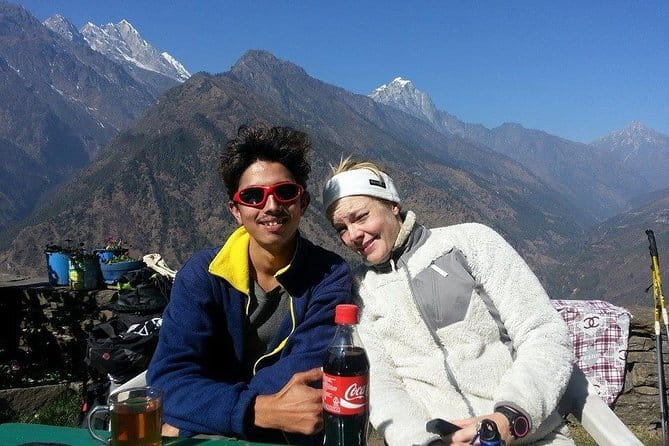
The third day also takes about six hours. The trail continues through forest, with mossy trees and bright rhododendron blooms adding color to the walk.
This is one of the most attractive sections for people who want more than a bare mountain route. You are not simply climbing from one stone lodge to another. The trail changes gradually, and the forest gives way to broader mountain views as you gain height.
Langtang Village is an important overnight point because it places you deeper inside the valley and closer to the high peaks. From here, the character of the trek shifts. The lower woodland becomes less dominant, the air feels cooler, and the mountains begin to take over the view.
The itinerary presents Langtang as a traditional Tamang and Sherpa area, with chances to meet local residents and visit monasteries. I would use the village stops for quiet observation and respectful conversation rather than rushing through them. The cultural value is strongest when you allow the route to be more than a workout.
More Langtang Valley Treks in Kathmandu:
- Langtang Valley Trek
★ 5.0 · 140 reviews - Langtang Valley Trek
★ 5.0 · 50 reviews - Private 8 – Day Langtang Trekking
★ 5.0 · 29 reviews - Kathmandu: 6-Day Limitless Langtang Trek
★ 5.0 · 21 reviews
Day 4: Langtang Village to Kyanjin Gompa and Kyanjin Ri
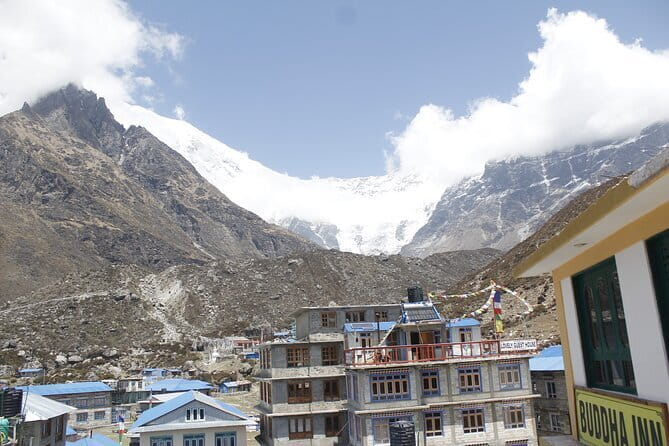
Day four is the high point of the itinerary in both scenery and effort. The walk lasts about six hours, and the air grows noticeably colder as you climb toward Kyanjin Gompa, a Buddhist monastery at roughly 3,800 meters.
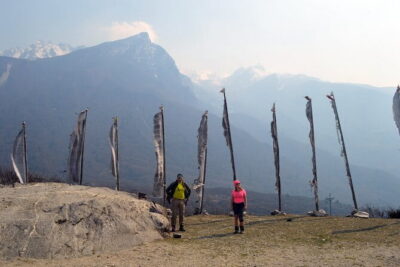
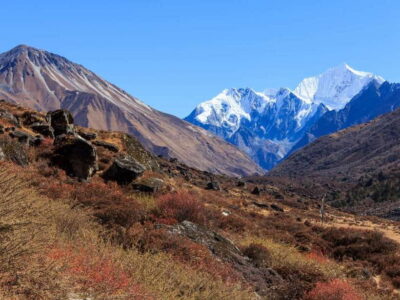
The mountain setting becomes more dramatic here. Langtang Lirung and surrounding snow peaks frame the valley, while the trail moves through a more open, rugged area. Kyanjin Gompa is not just an overnight stop. It is the cultural and visual center of the trek, combining a monastery, high mountain surroundings, and access to the ridge above.
The itinerary places Kyanjin Ri on this day and describes a summit near 4,700 meters. The wording also refers to the following day’s return from the summit, so the precise timing of the Kyanjin Ri hike should be confirmed with your guide. In practice, you should expect a serious high-altitude outing around Kyanjin rather than assume the whole day is an easy walk to the lodge.
The climb includes rocky ridges, narrow paths, and occasional steep sections. At about 4,700 meters, the altitude is the real challenge. You need to walk at a controlled pace and pay attention to how you feel. The tour is marketed for moderate fitness, but that should not be confused with low difficulty at high altitude.
Day 5: The descent toward Lama Hotel
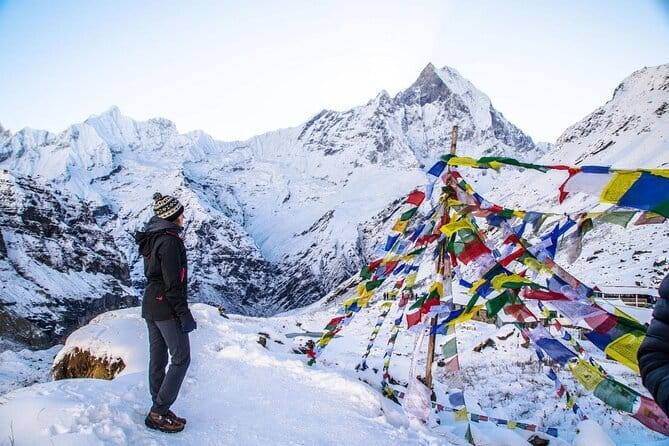
The fifth day is listed as a return to Lama Hotel and takes about six hours. After the high point around Kyanjin Ri, you retrace part of the route toward lower ground.
Descending is often easier on the lungs, but it can be harder on knees and ankles. Rocky sections, narrow paths, and steep patches still require care. After several days of walking, fatigue can make a downhill trail less simple than it appears.
The reward is the changing view. Routes look different in reverse, and the return through the valley gives you another chance to notice villages, streams, forests, and peaks that may have passed quickly on the way up.
The short itinerary makes this day useful. You do not linger at high altitude for many nights, but you also do not attempt to reach the summit and drive straight out. That balance is one reason this route can work for people with only a week available.
Day 6: Lama Hotel to Syabrubesi
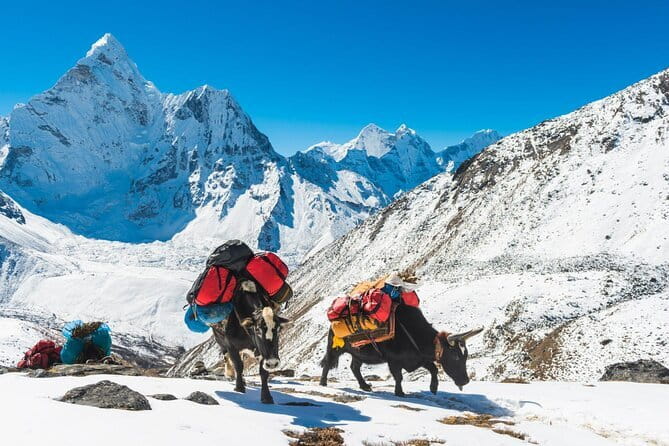
The sixth day brings about five to six hours of walking back to Syabrubesi. You pass through forest, streams, villages, and the calmer lower reaches of the valley.
This is a pleasant closing trek because the scenery changes again as you lose height. The high, open views give way to thicker woodland and more settled village areas. You can also take stock of how much the surroundings have changed since day two.
You return to the Garden Inn in Shyfru Bensi, according to the itinerary. Since the following day includes a seven to eight-hour drive, this overnight stop is practical. It gives you a clear finish to the walking portion instead of combining the final trek with a long road journey.
The schedule is still active. You should not expect a rest day before returning to Kathmandu. If you have a late international flight on day seven, leave a generous margin or arrange an extra night in the city.
Day 7: Syabrubesi back to Thamel
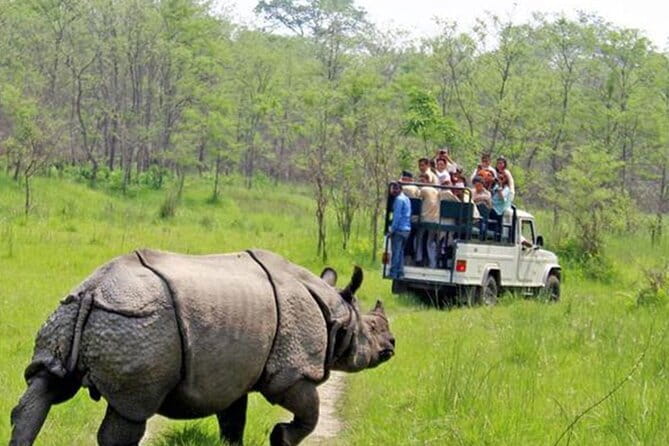
The final day is a seven to eight-hour road journey from Syabrubesi to Kathmandu, ending in Thamel. Breaks are planned for stretching and rest, but this remains a long day on a shared local bus.
I like the fact that the return transfer is included, since arranging a ride out of Syabrubesi can be inconvenient. Still, road conditions and traffic can affect the timing, so I would not schedule an important same-day flight without a backup plan.
Arriving in Thamel gives you a familiar base for food, shopping, and onward travel. The trek closes with a sharp contrast: quiet mountain paths one day, Kathmandu’s busy central tourist district the next.
What the $410 price really includes
At $410 per person, the tour offers solid value if you want a guided trek with the main paperwork and transport handled. You receive:
- Hotel pickup and drop-off
- Shared local bus transfers from Kathmandu to the trailhead and back
- Trekking permit and TIMS card
- An English-speaking trekking guide
- Lodge accommodation
- A private trekking activity for your group
The permit and TIMS card are particularly useful inclusions. You do not need to manage that paperwork yourself, though you must provide passport details and a photo, including a selfie if necessary.
The private format is another strength. Only your group participates in the trekking activity, so you are not locked into the pace or personality of a large public group. The guide can communicate in English and help manage the route, though no individual guide’s name is provided in the booking information.
Personal expenses are not included. The tour does not list meals, drinks, extra snacks, equipment rental, insurance, tips, or other spending, so you should budget separately for anything beyond the stated inclusions. Ask for an exact packing and cost list before departure.
The physical demands and altitude question
This is a moderate trek with a high-altitude finish. The lower sections involve forest paths and river valleys, while the Kyanjin Ri section adds steep, rocky, narrow terrain. Six-hour walking days are common, and the first and last days involve long bus rides.
You should be comfortable walking for several hours on uneven ground. Regular hill walking or similar preparation would make the route more enjoyable, but the supplied information does not give a formal training standard.
Altitude deserves special attention. Kyanjin Gompa sits around 3,800 meters, and Kyanjin Ri reaches about 4,700 meters. Even fit people can feel the effects of thin air, so your goal should be a steady, careful ascent rather than speed.
The route’s gradual rise is helpful, but it does not remove the risk of altitude-related discomfort. Discuss concerns with the guide as they arise. The itinerary is short, so you should be honest about your condition rather than push simply to complete the schedule.
Local culture, monasteries, and lodge life
The strongest cultural feature is the route through Tamang and Sherpa villages. You can see local homes, meet residents, visit monasteries, and experience the hospitality that makes village lodging part of the trek rather than just a place to sleep.
Kyanjin Gompa is the clearest spiritual stop. Its Buddhist setting gives the high valley a sense of purpose beyond the views. You may find that the monastery and surrounding village are more memorable than another photograph of a snowy peak.
Lodge accommodation also keeps the trip connected to local communities. The available information does not promise luxury, and you should not book this expecting resort comforts. The focus is shelter, a place to rest, and access to the route.
The experience has received five top ratings, with particular praise for friendly, well-trained guiding, attractive lodge accommodation, mountain views, forests, and family suitability. The comments also describe the guide team as helpful and friendly, though they do not provide individual guide names.
Who should book this Langtang trek
I would recommend this trek to you if you want:
- A seven-day Himalayan route from Kathmandu
- A private trekking group with an English-speaking guide
- A mix of forests, villages, monasteries, rivers, and snow peaks
- A shorter alternative to longer Nepal trekking routes
- Included permits, lodge stays, and road transfers
- A trip suitable for a family or small private group with moderate fitness
I would be more cautious if you dislike long bus rides, basic lodge accommodation, shared transport, or steep high-altitude trails. The itinerary is compact, so there is little spare time if a road delay or slow walking pace affects the schedule.
Free cancellation is available if you cancel at least 24 hours before the local start time. Changes or cancellations inside that window are not accepted for a refund.
Should you book it?
I think this is a good-value choice for a short, guided introduction to the Langtang Valley. The combination of Tamang and Sherpa villages, rhododendron forest, Kyanjin Gompa, and a possible Kyanjin Ri summit gives you far more than a quick mountain sightseeing trip.
Book it if you want the practical basics handled and are comfortable with shared buses, lodge stays, and six-hour walking days. Before confirming, ask MDA to clarify the exact Kyanjin Ri schedule, lodge facilities, what personal expenses usually run, and the name of your assigned guide. If those details suit you, the route offers a strong week of Himalayan scenery and culture for the price.
FAQ
How long does the Langtang Trek from Kathmandu take?
The experience lasts approximately seven days. The itinerary includes five main trekking days and road transfers at the beginning and end.
What is included in the $410 price?
The price includes hotel pickup and drop-off, shared round-trip local bus transport, the trekking permit, TIMS card, an English-speaking guide, lodge accommodation, and a private trekking activity for your group.
Is this a private tour?
Yes. The trekking activity is private, with only your group participating. The road transfers use a shared local bus.
How fit do I need to be?
The trek is intended for people with a moderate level of physical fitness. Walking days generally last about six hours, and the route includes rocky, narrow, and sometimes steep sections near Kyanjin Ri.
How high does the trek go?
Kyanjin Gompa is approximately 3,800 meters above sea level. Kyanjin Ri is listed at about 4,700 meters, or roughly 15,420 feet.
What documents are needed for the trekking permit?
You must provide passport details and a photo. The operator states that a selfie can be used for the photo requirement.
More 7-Day Experiences in Kathmandu
- 7 days Nepal Motorcycle tour
★ 5.0 · 12 reviews - Kathmandu to Langtang Valley 7-Day Trek
★ 5.0 · 11 reviews - 7 Day Kathmandu Pokhara Tour
★ 4.5 · 5 reviews - 7 Days Langtang Valley Trek from Kathmandu
★ 5.0 · 3 reviews
Recently added around Kathmandu
- Kathmandu Airport Pickup and Drop-off Services★ 5.0 · 3 reviews
- Kathmandu Paragliding★ 5.0 · 3 reviews
- Kathmandu Chandragiri Cable Car and Swayambhunath Private Tour★ 5.0 · 3 reviews
- Explore The Beauty Of Langtang Valley In 8-Days Trek★ 5.0 · 3 reviews
- Kathmandu: Nightlife and Pub Crawl Tour★ 5.0 · 3 reviews
- Mountain Flight Experience in Nepal★ 4.5 · 3 reviews
- Kathmandu: Momo Making Class with a Local Chef★ 5.0 · 3 reviews
- Everest Base Camp Trek★ 5.0 · 3 reviews
Other Langtang Valley Treks worth a look
Trekking in Annapurna/Langtang/Everest/Upper Mustang regions
Read our review →
This tour also appears in