
REVIEW · PATAN TOURS
Patan Heritage Tour – Private/Small Group
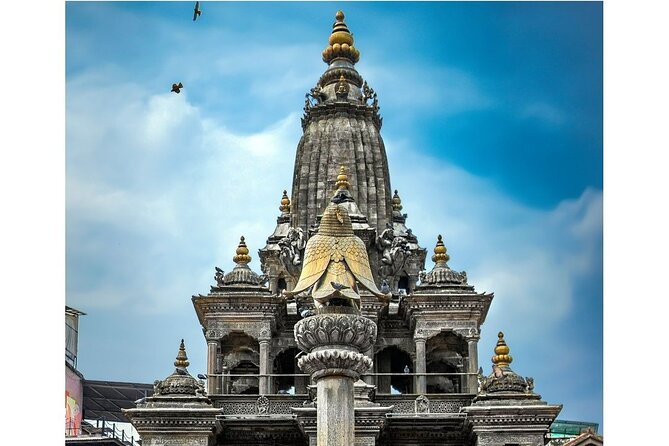
Patan’s real pleasure is not only its royal square. It is the way a small shrine, a monastery courtyard, a palace, and ordinary city streets fit together. This three-hour walk takes you through that mix, with local guides such as Santosh, Baje, and Shreya Karki explaining Newar customs, Hindu stories, Buddhist teachings, and the old city’s daily life.
I like the maximum of five participants, which gives the guide room to adjust the pace and explain what catches your eye. I also like the route’s balance: the Golden Temple and Patan Museum offer focused cultural stops, while the passages between them show you how Patan works beyond its famous monuments.
The main consideration is cost at the door. The tour is listed at $5 per person, but Patan Durbar Square requires about NRP 1,000 in cash, and other entrance fees are not included. Bring Nepali rupees and allow time for a walk that can run close to three hours.
Key points before you book
- Small-group format: The group is capped at five people, making it easier to ask questions and adapt the tour to your interests.
- Newar culture at the center: The walk connects Vajrayana-influenced Buddhism, Hindu worship, royal history, and present-day life in Patan.
- Four major cultural stops: You visit Ganesh Mandir, the Golden Temple, Patan Durbar Square, and Patan Museum.
- Strong guides: Santosh is praised for his warmth and clear explanations, while Baje and Shreya Karki are also named as capable guides.
- Low tour price, extra admission costs: The $5 charge covers the English-speaking guide, but entrance fees must be paid separately.
- A flexible walking experience: The guide may adjust the detail and pace to suit what interests you, rather than rushing everyone through a fixed script.
Why Patan rewards a walking tour
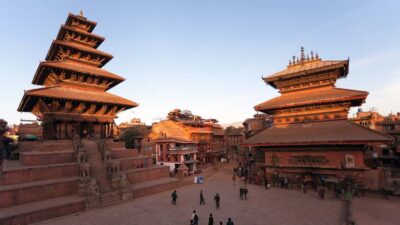
Patan, also called Lalitpur, is one of the best places in the Kathmandu Valley to see Newar culture in several forms at once. Its old center combines courtyards, shrines, monasteries, palace buildings, carved details, and narrow routes that are easy to miss if you only visit the main square.
I like having a guide here because the meaning of Patan is not always obvious from the buildings alone. A shrine may look small, but its story can explain a local religious practice. A courtyard may seem like a quiet shortcut, yet it can reveal how Newar communities organized worship, craft, and social life.
The tour begins at Patan Dhoka, or Patan Gate. This is more than a practical meeting point. The guide explains how the Malla Kings arranged the old city’s security and points out the murals on the gate. That opening gives you a useful frame for the walk: Patan was a planned royal city, not simply a collection of attractive old buildings.
The route then moves on foot through both larger public areas and smaller passages. You should expect some uneven city walking and a tour shaped by what you stop to notice. The supplied duration is about three hours, with the listed visits adding up to roughly two and a half hours before allowing for movement and conversation.
More of Patan:
- Bhaktapur & Patan Durbar Square Day Tours
★ 5.0 · 122 reviews - Kathmandu: Private Patan and Bhaktapur Sightseeing Tour
★ 4.7 · 64 reviews - Patan and Bhaktapur City Full Day Tour
★ 5.0 · 24 reviews
Ganesh Mandir and the story behind the shrine
On the way from Patan Dhoka to the Golden Temple, you stop at Ganesh Mandir for about 15 minutes. Admission is free.
This is a useful first stop because Lord Ganesha is familiar across South Asia, but the story of how he received an elephant head gives the guide a chance to connect the shrine with Hindu belief and storytelling. You are not simply looking at a roadside religious structure. You are hearing why the figure matters and how stories help shape worship.
The stop is brief, so do not expect a long examination of the temple. Its value comes from the context and from seeing how a place of worship fits into an active city route. I would pay attention to the way the shrine sits within everyday Patan rather than treating it as a grand monument on its own.
The Golden Temple and Newar Buddhist practice
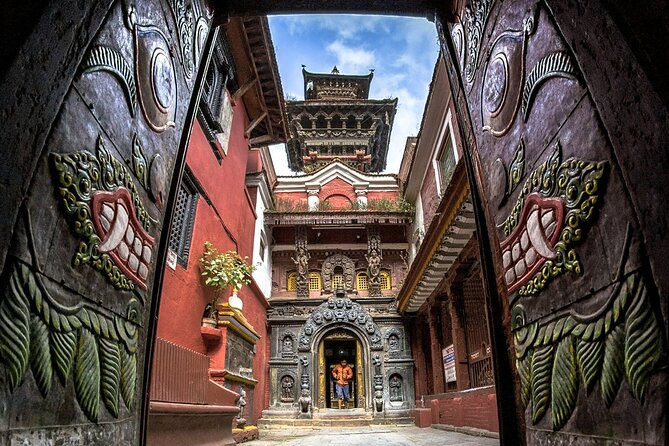
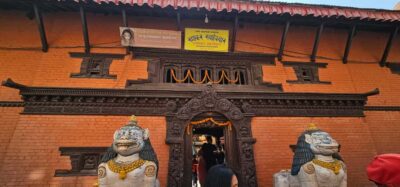
The Golden Temple, formally Hiranya Varna Mahavihar, is a Newar Buddhist monastery dating from the 14th century. The planned stop lasts about 15 minutes, and admission is not included.
Here the guide discusses Buddha’s teachings and the Vajrayana branches of Buddhism. The tour description also points to the relationship between Newar Buddhism and Theravada influence, giving you a chance to understand that Buddhist practice in the Kathmandu Valley does not fit into one simple category.
The Golden Temple is especially useful early in the walk because it sets up ideas that return later in Patan Museum and the royal square. You can ask the guide about the difference between a monastery, a shrine, and a palace setting, or about how religious traditions continue to affect life in the city.
The short time allocation is both a benefit and a limit. It keeps the walk moving, but anyone wanting a long architectural study may feel hurried. Since the group is small, you can use the stop well by asking focused questions rather than waiting through a long general talk.
Patan Durbar Square, where royal power met worship
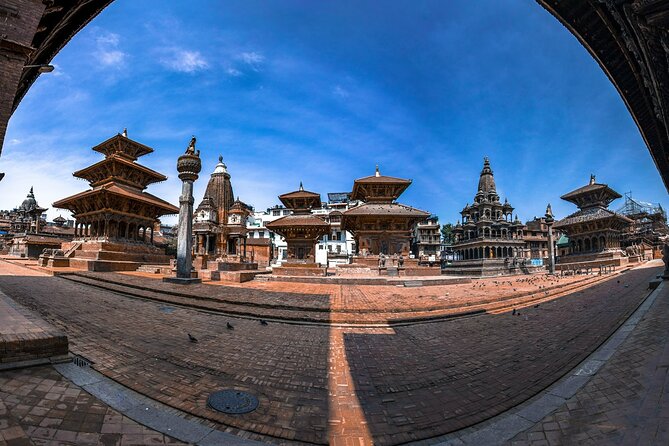
Patan Durbar Square receives about 45 minutes of the tour. It was the old royal palace area where the Malla Kings of Patan lived, and it brings together Nepalese architecture, shrines, palace buildings, and stories about Kathmandu Valley history.
This is the tour’s most obvious major sight, but it becomes more meaningful after the earlier stops. You have already heard about a Hindu deity and Newar Buddhist practice. In the square, those threads meet within a royal setting.
The guide can explain the buildings and shrines while placing them in the period of Malla rule. That matters because the square is not just an attractive architectural display. It reflects the links among kingship, religion, artistic work, and city life.
Admission to Durbar Square is not part of the $5 tour price. The supplied information gives the fee as NRP 1,000, about US$9, payable in cash at the entrance. It also recommends a minimum donation of NRP 100 to the Royal Kumari. Treat this extra charge as a real part of the budget, especially because it costs more than the guide service itself.
There is also a chance to learn about the living goddess Kumari, although access or a blessing is not guaranteed. A ritual may be taking place, and timing can affect what you see. The right approach is to treat the Kumari tradition as part of the cultural setting, not as a promised encounter.
More Small Group Tours in Kathmandu:
- Monkey Temple – Swayambhunath Tour – Private/Small Group
★ 5.0 · 50 reviews - PashupatiNath and BoudhaNath – Private/Small Group
★ 5.0 · 18 reviews - Kathmandu Durbar Square – Private/Small Group
★ 5.0 · 13 reviews
Patan Museum and the sacred art of Nepal
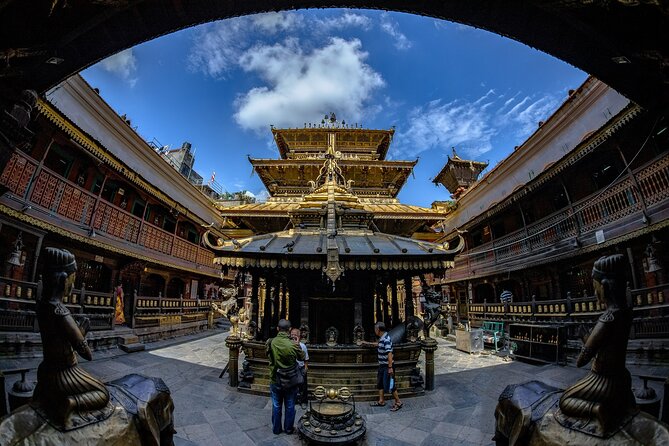
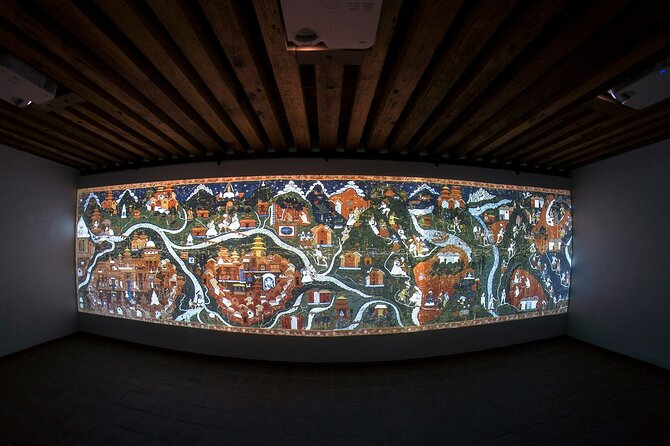
The Patan Museum is scheduled for one hour, making it the longest stop. Admission is not included.
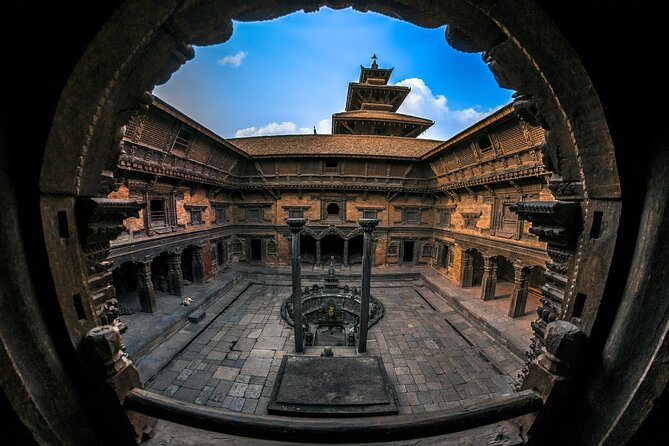
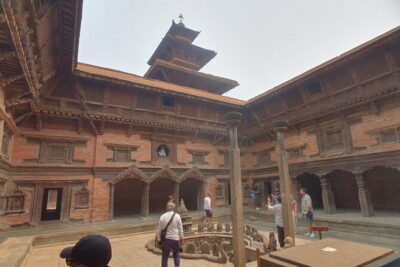
The museum displays Nepal’s traditional sacred arts inside a former residential court of Patan Durbar, one of the old Malla royal palace complexes. That setting is a major part of its appeal. You are not viewing religious art in a modern room detached from its original cultural surroundings. The palace court helps explain where royal and sacred art belonged within Patan.
I would save questions for this part of the tour. Ask the guide to connect the objects and artistic traditions with the Buddhist and Hindu ideas already introduced at the Golden Temple, Ganesh Mandir, and Durbar Square. The museum is also a good place to slow down and look closely, since the schedule allows a full hour.
The drawback is another admission cost. The exact fee is not provided here, so you should confirm it when booking or at the entrance. Since the tour already requires cash for Durbar Square, carrying extra Nepali currency is sensible.
The museum is described as a must-see for learning about Nepalese art, culture, and history. I agree with the practical reasoning behind that. The square gives you the grand setting, while the museum helps you understand the visual traditions behind the buildings and shrines.
Patan’s lanes are part of the attraction
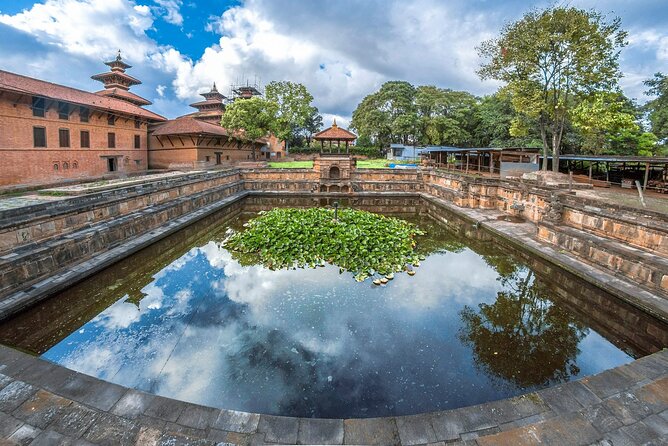
A major strength of this tour is the walking between official stops. The route includes small and large parts of the city, and the guides may lead you through narrow alleys and passages that are difficult to find without local help.
That does not mean every moment is a carefully preserved monument. It means you see Patan as a lived-in city, where old religious and royal spaces sit alongside ordinary daily movement. The guide can explain how traditions continue to shape routines and community life, which is often more useful than a list of dates.
The small group helps here. A group of five can pause without blocking a large tour party, and you can ask for more detail about a courtyard, mural, shrine, or street corner. Santosh is specifically praised for making the walk feel friendly and respectful, while Baje is noted for knowing the city’s passages well. The operator also uses Shreya Karki as a guide, and she is described as patient and deeply familiar with Nepalese culture.
Guide assignments can change, so you should not book on the assumption that one named guide is guaranteed. What matters is the style of tour promised: English-language guiding, a very small group, and room to adjust the discussion.
What the $5 price really covers
At $5 per person, this is an inexpensive way to add structure and local explanation to a visit to Patan. The fee covers an English-speaking guide, not entrance tickets, drinks, or transport.
The low base price works best if you already plan to visit Patan and want help making sense of it. You are paying for interpretation and orientation rather than a bundled sightseeing package. That is good value when the guide takes you through routes you might otherwise pass by and explains the religious and royal setting.
Your actual budget should include at least the NRP 1,000 Durbar Square fee, plus the Golden Temple and Patan Museum admissions where required. Coffee and tea are also excluded. The youth price applies to students with a student card, so bring proof if you intend to use that rate.
Group discounts are available, although no discount amount is provided. For families or friends who can share the cost, it is worth checking the current group rate before booking.
Timing, meeting point, and practical planning
The meeting point is Patan Dhoka, Lalitpur 44600, Nepal. The activity ends back at the same meeting point, so you do not need to arrange a separate pickup after the walk.
The tour is listed at approximately three hours. Since the route includes several cultural sites and city walking, wear comfortable shoes and plan around the full time rather than assuming it will be a quick visit. The guide may give more or less detail depending on your interests, and the pace can feel less rigid than a large scheduled group.
Confirmation is received at booking. The tour is near public transportation, and service animals are allowed. Most people can participate, but the experience is still a walking tour through an old city, so anyone with mobility concerns should consider the pace and surfaces before booking.
The mobile ticket is handy, particularly if you are moving around Kathmandu without a printed itinerary. Free cancellation is available until 24 hours before the start time. Changes or cancellations made within that final 24-hour period are not accepted for a refund.
Who will get the most from this Patan walk
I would choose this tour if you want cultural context without committing to a full-day sightseeing program. Three hours is enough to see the main Patan sights while leaving time for your own plans in Kathmandu.
It suits first-time visitors who want a clear introduction to Newar Hindu and Buddhist traditions. It also works for repeat visitors who have seen Durbar Square before but want to understand the lanes, courtyards, and religious practices around it.
The tour is a good match for people who prefer conversation to a fixed speech. The guide can adjust the level of detail, and the small group makes that easier. If you only want to photograph the main square and skip museum time, the one-hour Patan Museum stop may feel too long. If you want a fuller sense of Patan’s art and culture, that hour is one of the best uses of the schedule.
Should you book the Patan Heritage Tour?
Book it if you want a low-cost, small-group introduction to Patan that combines major sights with local streets and clear cultural explanation. The strongest reasons are the five-person limit, the flexible pace, and the mix of Buddhist, Hindu, royal, and artistic settings.
Skip it if you want all admission fees included, private transport, or a tightly timed tour with no variation. Also remember that $5 is only the guide price. With Durbar Square and other site fees added, the final cost is higher.
For most visitors with three spare hours in Kathmandu, I think the tour offers good value. Bring cash, allow the full morning or afternoon, and tell the guide what interests you. That is when this walk is at its best: not as a race through monuments, but as a way to understand why Patan still feels like a living old city.
FAQ
How long does the Patan Heritage Tour last?
The tour lasts approximately three hours.
Where does the tour start?
It starts at Patan Dhoka, Lalitpur 44600, Nepal.
Where does the activity finish?
The tour ends back at the meeting point at Patan Dhoka.
How many people can join the tour?
The tour has a maximum of five participants.
Is an English-speaking guide included?
Yes. An English-speaking guide is included in the tour price.
Are entrance fees included?
No. Entrance fees are not included. Patan Durbar Square requires about NRP 1,000, payable in cash, and the Golden Temple and Patan Museum also list admission as not included.
Is the youth price available to all young people?
The youth price is for students who have a valid student card.
Can I cancel for a full refund?
Yes. You can cancel at least 24 hours before the experience start time for a full refund. Cancellations or changes made less than 24 hours before the start time are not accepted for a refund.
More Historical Tours in Kathmandu
- Private Kathmandu Sightseeing Tour | UNESCO World Heritage sites
★ 5.0 · 756 reviews - UNESCO Seven World Heritage Tour in Kathmandu
★ 5.0 · 253 reviews - Kathmandu Private Sightseeing Tour | UNESCO World Heritage Sites
★ 5.0 · 109 reviews - Kathmandu: Full Day Private Top 4 UNESCO Heritage Tour W/Lunch.
★ 5.0 · 86 reviews
Recently added around Kathmandu
- Kathmandu Airport Pickup and Drop-off Services★ 5.0 · 3 reviews
- Kathmandu Paragliding★ 5.0 · 3 reviews
- Explore The Beauty Of Langtang Valley In 8-Days Trek★ 5.0 · 3 reviews
- Kathmandu Chandragiri Cable Car and Swayambhunath Private Tour★ 5.0 · 3 reviews
- Kathmandu: Nightlife and Pub Crawl Tour★ 5.0 · 3 reviews
- Kathmandu: Momo Making Class with a Local Chef★ 5.0 · 3 reviews
- Mountain Flight Experience in Nepal★ 4.5 · 3 reviews
- Everest Base Camp Trek★ 5.0 · 3 reviews
Other Patan Tours worth a look
Kathmandu and Patan Heritage and Living Goddess Experience Tour
Read our review →
Patan & Bhaktapur Durbar Square Tour with Lunch – Private/Group
Read our review →
Nagarkot Sunrise, Bhaktapur and Patan Durbar Square Tour in Kathmandu
Read our review →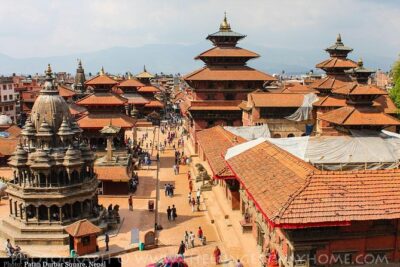
Bhaktapur darbar, Patan Darbar square & Changu Narayan in 1 day
Read our review →This tour also appears in