
REVIEW · DURBAR SQUARE TOURS
Bhaktapur Durbar Square and Boudhanath Stupa
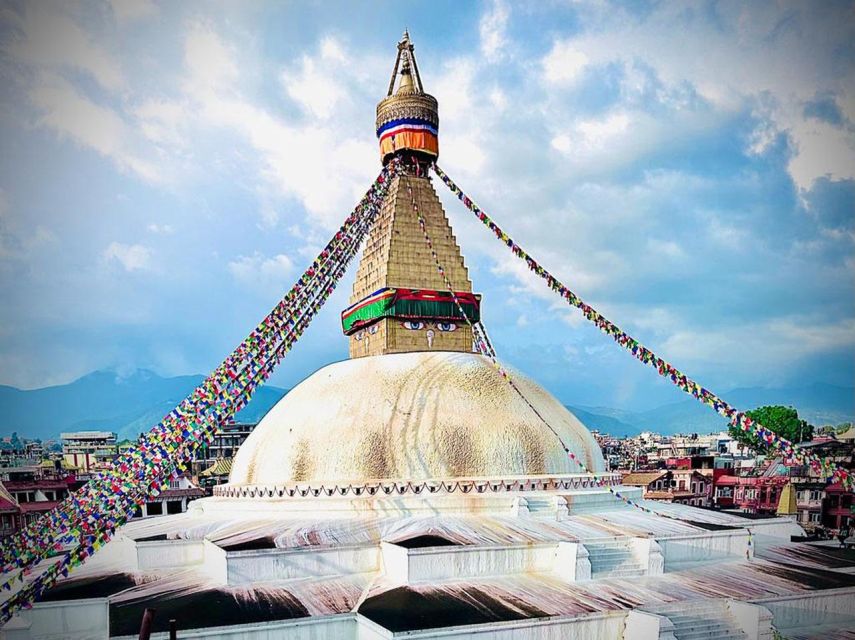
Boudhanath Stupa and Bhaktapur Durbar Square give you two very different views of Nepal in one half-day. At Boudha, you walk the stupa’s circular route with pilgrims, prayer wheels, monasteries, and Tibetan shops. In Bhaktapur, you enter a much older Newari world of carved windows, pagoda temples, palace courtyards, pottery, and quiet side streets.
I like the private car and guide, which keep the outing simple when Kathmandu traffic and unfamiliar streets could eat up your time. I also like the human touch: guides such as Prakriti and Bijay have been praised for clear explanations, thoughtful help, good photo spots, and introductions to local workshops. The main catch is that five hours is a tight frame for two major sites, and heritage tickets and food cost extra.
Key points to know before you book
- Two major sights in one afternoon: See Boudhanath Stupa and Bhaktapur Durbar Square without arranging separate transport.
- A private English-speaking guide: You receive personal guidance rather than joining a large public group.
- Useful craft stops in Bhaktapur: The route can include pottery, woodwork, and paper-making workshops, along with traditional streets and homes.
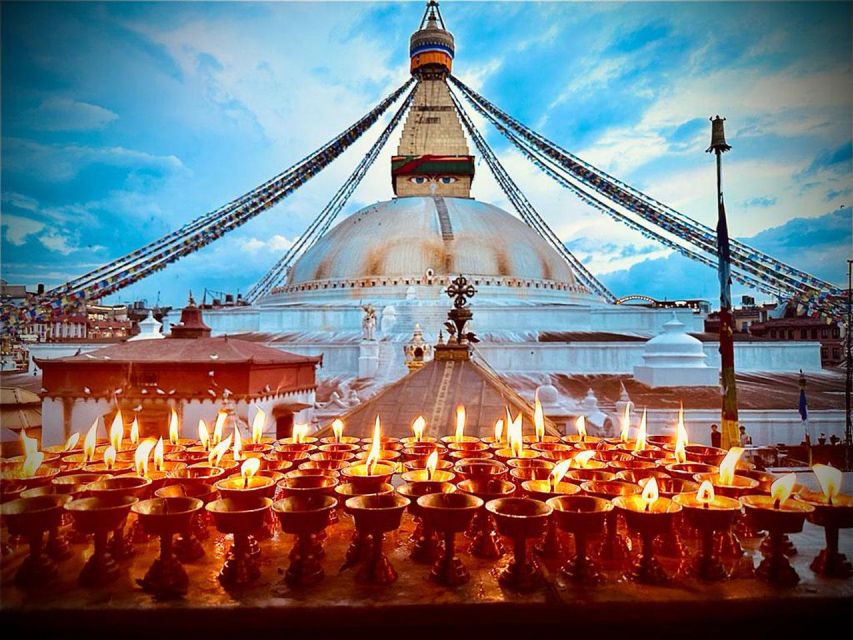
- A strong spiritual focus at Boudha: Watch pilgrims walk the stupa, turn prayer wheels, and chant mantras.
- Good for a first Kathmandu visit: Hotel pickup, a private vehicle, and flexible drop-off make this an easy introduction.
- Plan for extra costs: Heritage entry tickets, meals, and personal purchases are not included.
Two sides of Kathmandu Valley in five hours
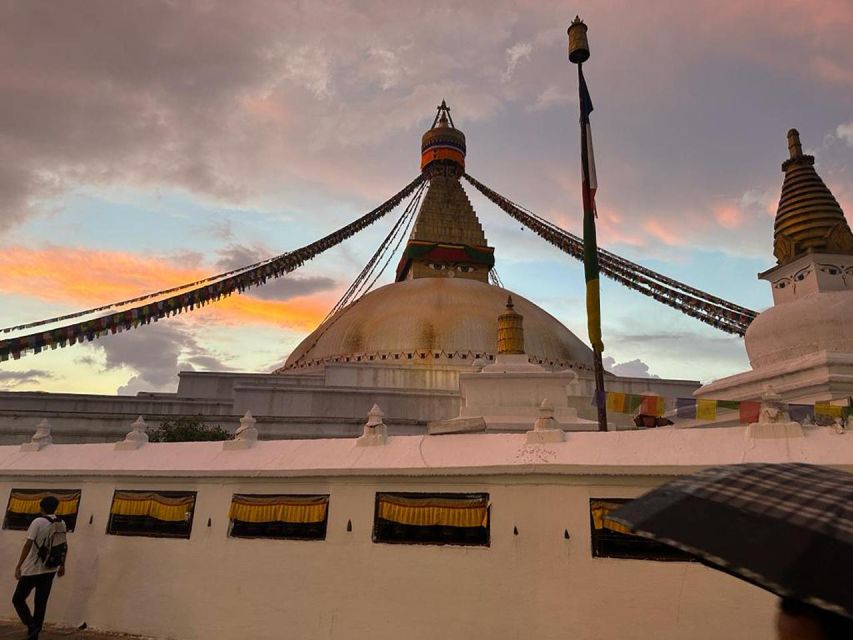
This outing works because the two stops feel so different. Boudhanath is a living Buddhist center, where the great white stupa anchors daily prayer and Tibetan community life. Bhaktapur is a historic Newari city, where the streets, courtyards, temples, and workshops show how people lived and worked around royal squares.
I see this as a culture-heavy tour rather than a relaxed sightseeing drive. You will spend much of the time walking, looking up at buildings, listening to explanations, and moving through narrow lanes. If you want a quick introduction to architecture, religion, crafts, and local customs, the pairing is smart.
The total duration is five hours, but the scheduled visits add up to about 80 minutes at Boudha and 90 minutes at Bhaktapur. The remaining time covers pickup, driving, and transfers. That is useful to remember: this is not a full-day, slow-paced exploration of both sites.
More Durbar Square Tours in Kathmandu:
- Bhaktapur & Patan Durbar Square Day Tours
★ 5.0 · 122 reviews - Kathmandu Sunset Tour by Rickshaw Including Durbar Square Visit
★ 5.0 · 73 reviews - Old Kathmandu Walking Tour, Historic World Heritage Durbar Square
★ 5.0 · 22 reviews
Starting from Kathmandu in a private car
Pickup is included from Kathmandu, and the driver or guide is expected to call and confirm the meeting point. You can then return to your hotel or another central location in Kathmandu, which is handy if you have evening plans or want to continue exploring on your own.
The free car matters here. Kathmandu Valley traffic can be slow, and arranging taxis between Boudha and Bhaktapur takes time and bargaining. With a private vehicle, you can focus on the sights rather than the next ride.
The group is private, so the pace can be more personal than on a shared excursion. You can ask questions, pause for photographs, and request help with shopping or finding a particular detail. Still, the tour has a set five-hour limit, so do not expect unlimited time at every courtyard and shop.
Walking the prayer circuit at Boudhanath
Boudhanath Stupa is the more spiritual half of the outing. The stupa’s large white dome and watchful eyes create an immediate sense of place, but the real experience comes from seeing how people use the site.
You will watch pilgrims circle the stupa in a ritual walk called kora. Prayer wheels turn along the route, prayer flags move in the air, and mantras may rise from nearby monasteries. Your guide can explain what you are seeing, which helps turn a photo stop into a clearer understanding of Buddhist practice.
The planned visit lasts about 80 minutes. That is enough time to walk around the stupa, take photographs, look into the surrounding lanes, and hear about the Tibetan community. It is not enough for a long monastery visit, an unhurried shopping session, and extended quiet time all at once.
I would keep your camera ready, but I would also slow down for part of the circuit. Boudha is not only a grand monument. It is a place of prayer, so respectful clothing and a quieter manner are appropriate.
Around the stupa, you can find monasteries, incense, prayer flags, Tibetan religious objects, and thangka paintings. The tour description also points to local shopping, but purchases are your responsibility. Ask your guide about an item before buying if you want a better sense of its use or quality.
Finding Tibetan life around the stupa
Boudhanath is valuable because it is not presented as a silent museum. Monks, pilgrims, shopkeepers, and local residents give the area its daily rhythm. You can see how a major religious site also functions as a meeting place and a center for Tibetan culture.
Your guide speaks English and can provide context as you walk. Several guides connected with this experience have received strong praise for their warmth and care, including Prakriti and Bijay. Names are not assigned in advance in the information provided, so you should confirm your guide when the company contacts you.
One practical point: the activity is described as wheelchair accessible, but much of the experience involves walking around religious and historic areas. If you use a wheelchair, confirm the exact route and any site-specific access needs before booking. The provider lists the activity as private, which should make it easier to discuss those needs.
More of Bhaktapur:
- Private Bhaktapur and Nagarkot Day Tour From Kathmandu
★ 5.0 · 305 reviews - Day Trip to Bhaktapur and Panauti from Kathmandu
★ 5.0 · 184 reviews - Nagarkot Sunrise & Bhaktapur UNESCO Heritage Private Tour
★ 5.0 · 66 reviews - Kathmandu: Private Patan and Bhaktapur Sightseeing Tour
★ 4.7 · 64 reviews
Entering Bhaktapur’s Newari streets
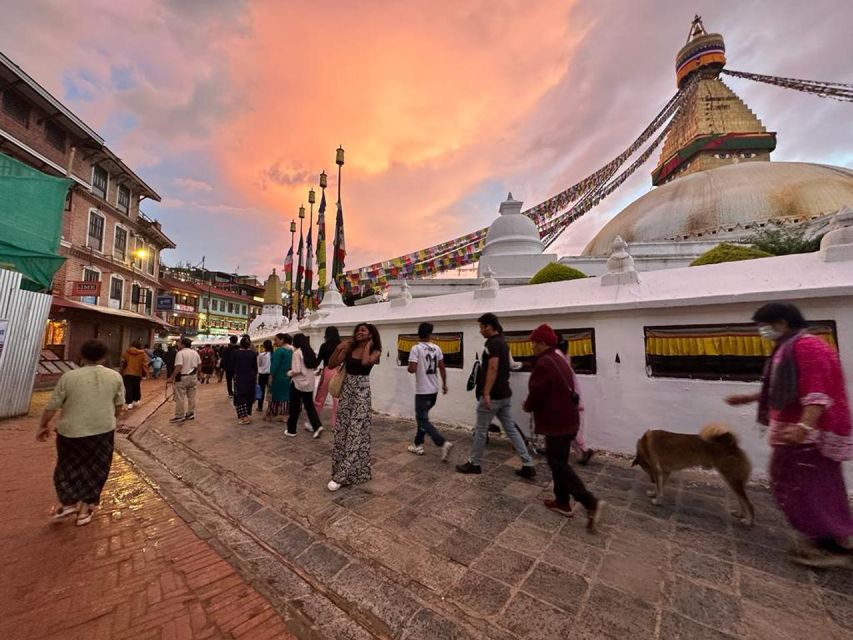
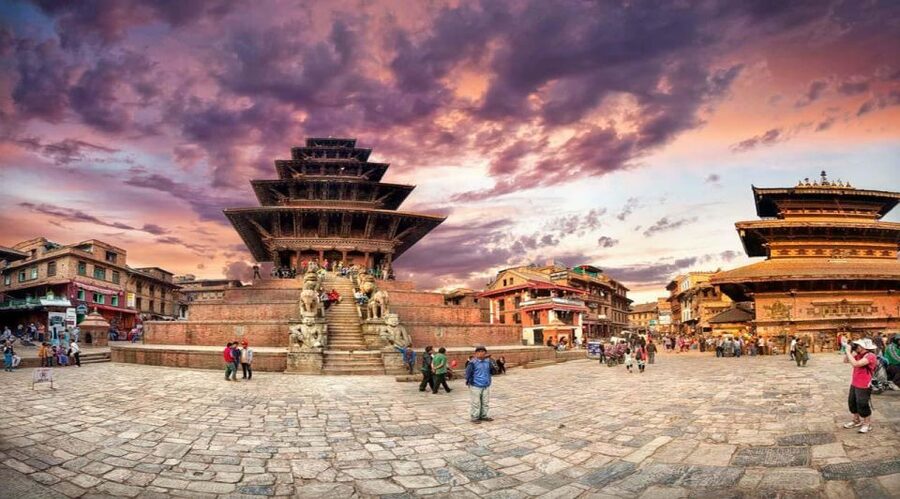
Bhaktapur Durbar Square shifts the mood from Buddhist devotion to Newari art and city life. The square and surrounding streets are known for carefully worked wood, pagoda temples, palace buildings, and traditional homes.
The city was an important center for art, architecture, and trade during the Malla dynasty. A guide gives you the background needed to read the details: a carved window is not just decoration, a palace courtyard is not just an attractive backdrop, and a temple roofline reflects a long local building tradition.
The planned Bhaktapur visit lasts about 90 minutes. You have guided sightseeing, time for photographs, free time, and shopping. That makes this portion more flexible than Boudha, but it remains a quick visit for a city with so much to see.
The best part may be leaving the main square for the narrow lanes. One account of the experience describes walking through streets used mainly by local residents and visiting workshops where people make pottery, woodwork, and paper. Those stops give you a closer look at work that keeps traditional skills connected to everyday life.
Crafts, local food, and the details you might miss
Bhaktapur rewards attention. Look for carved doors, windows, temple struts, courtyards, and signs of working life rather than rushing from one famous structure to the next. Your guide can point out details that are easy to miss when you are focused only on taking the standard square photograph.
The experience may also include a taste of local food. One guide, Bijay, was specifically praised for buying yogurt treats and knowing good shops. You should treat this as a possible personal touch rather than a guaranteed inclusion, since food is not included in the price.
Shopping is part of the Bhaktapur visit, but you are not required to buy anything. If you are interested in crafts, this is a good place to ask about the difference between a handmade object and a mass-produced souvenir. Your guide can also help you find workshops or shops that match your interests.
An especially unusual detail from the tour accounts is a visit to a private home filled with antiques. That should not be treated as a fixed promise, but it shows the kind of local access that can make a private guide useful. Ask what is possible on the day rather than assuming every optional stop is included.
How the guiding shapes the experience
The strongest feature here is the guide, not a special vehicle or an elaborate meal. You are paying for someone who can connect buildings, rituals, crafts, and local habits while helping you move through the valley without handling every practical detail yourself.
Prakriti has been singled out for kindness and broad knowledge of the area and Nepal. Bijay has been praised for warmth, historical explanations, photo help, workshop visits, and taking care of small details. The guide is also expected to help with group photographs, which is useful if you are traveling with family or friends and want everyone in the picture.
The service is available in English. Because this is a private group, you can ask for more detail on Buddhism, Newari architecture, photography, shopping, or daily life. I would arrive with a few questions ready. A good one is to ask how a building or ritual is used today, not only when it was built.
One caution is worth keeping in mind. The published feedback is very positive, with a five-star rating based on seven reviews, but that is a small sample. Guide quality can shape the day, so confirm the guide’s name and pickup details before setting out.
Is $60 a fair price?
The cost is $60 per person. For that price, you receive hotel pickup and drop-off, a private car, a licensed private guide, and a five-hour visit to two major cultural sites.
I consider that reasonable if you value convenience and personal explanation. A private vehicle between Kathmandu, Boudha, and Bhaktapur can save a lot of time and hassle, while a guide adds context that you would miss by simply walking through the squares alone.
The price does not include heritage-site tickets, food, or personal expenses. That matters because the advertised rate is not the full spend. Budget separately for entrance fees, snacks, drinks, and anything you buy in the Tibetan or Bhaktapur markets.
The value is weaker if you already have transport, know both sites well, and prefer to explore alone. It is stronger for a first visit, a short stay, or a family group that wants one person managing directions and timing.
Who should book this half-day outing?
I would recommend it to first-time visitors staying in Kathmandu who want a focused introduction to the valley’s culture. It also suits people arriving in Nepal in the morning and looking for an afternoon activity, a use specifically praised by one participant.
The tour works well for couples, families, and small private groups. You get hotel pickup, a dedicated car, an English-speaking guide, and the chance to ask questions without competing with a large busload of people.
It may not suit you if your main goal is long meditation time at Boudha or a slow, detailed study of Bhaktapur. The two stops are important, but the five-hour schedule keeps the day moving.
I would also think twice if shopping or food is your main reason for going. You have time for both, but neither is included, and the core focus is sightseeing and guided cultural explanation.
Booking details that affect your day
The tour offers free cancellation up to 24 hours before departure and a reserve-now, pay-later option. Those terms help if your Kathmandu plans are still shifting.
The activity says you can skip the ticket line, but heritage tickets are not included. Clarify how ticket collection works with the guide, and carry money for admission and personal spending.
Starting times depend on availability. Since pickup is included, give the provider a clear location and keep your phone available for the confirmation call. Flexible drop-off means you can return to your hotel or choose a central Kathmandu location for the next part of your evening.
Should you book Bhaktapur and Boudha together?
Book this tour if you want two very different cultural experiences in one organized half-day. Boudhanath offers ritual, Tibetan community life, and a calm walking circuit. Bhaktapur brings carved architecture, Newari streets, crafts, palace squares, and local food possibilities.
I especially like it for a first Kathmandu visit or a short stay. The private format, car, and guide names associated with strong feedback give you a good chance of a friendly and informative outing, though you should confirm the assigned guide and exact pickup plan.
Skip it if you want to spend a full day at either site or dislike guided sightseeing. For everyone else, $60 per person is a sensible price once you value the transport and personal guidance, as long as you add entrance fees and food to your budget.
FAQ
How long does the Bhaktapur and Boudha tour last?
The activity lasts five hours, including pickup, travel between locations, visits, and return to Kathmandu.
Where does the tour start?
Pickup is provided in Kathmandu from your designated location. The driver or guide will call to confirm the meeting point.
Which places does the tour visit?
The tour visits Boudhanath Stupa in Kathmandu and Bhaktapur Durbar Square.
How much time is planned at Boudhanath Stupa?
The Boudhanath visit is scheduled for about 80 minutes and includes walking, sightseeing, photographs, and a guided visit.
How much time is planned at Bhaktapur Durbar Square?
The Bhaktapur visit is scheduled for about 90 minutes and includes guided sightseeing, free time, photographs, walking, and shopping.
Is transportation included?
Yes. Hotel pickup and drop-off and a private car are included.
Is the tour private?
Yes. The activity is offered for a private group.
Is the guide available in English?
Yes. The activity includes a live English-speaking guide.
Are entrance tickets and food included in the $60 price?
No. Heritage-site tickets, food, and personal expenses are not included.
More Boudhanath stupa visits
- Sacred Pashupatinath: Aarati,Cremation Rites & Boudha Stupa
★ 5.0 · 18 reviews - PashupatiNath and BoudhaNath – Private/Small Group
★ 5.0 · 18 reviews - Private Half-Day Tour of Boudhanath and Pashupatinath Temples in Kathmandu
★ 4.5 · 9 reviews - Half Day Boudhanath Stupa Tour in Kathmandu
★ 5.0 · 5 reviews
Recently added around Kathmandu
- Kathmandu Paragliding★ 5.0 · 3 reviews
- Kathmandu Airport Pickup and Drop-off Services★ 5.0 · 3 reviews
- Explore The Beauty Of Langtang Valley In 8-Days Trek★ 5.0 · 3 reviews
- Kathmandu Chandragiri Cable Car and Swayambhunath Private Tour★ 5.0 · 3 reviews
- Kathmandu: Nightlife and Pub Crawl Tour★ 5.0 · 3 reviews
- Mountain Flight Experience in Nepal★ 4.5 · 3 reviews
- Kathmandu: Momo Making Class with a Local Chef★ 5.0 · 3 reviews
- Everest Base Camp Trek★ 5.0 · 3 reviews
Other Durbar Square Tours worth a look
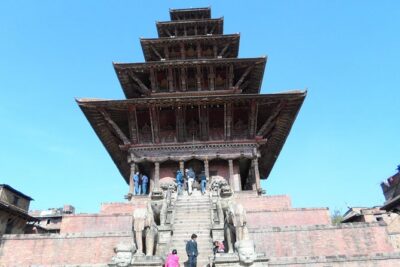
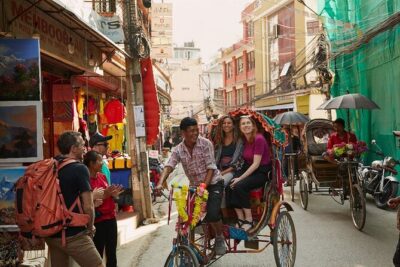
Kathmandu Sunset Tour by Rickshaw Including Durbar Square Visit
Read our review →
Old Kathmandu Walking Tour, Historic World Heritage Durbar Square
Read our review →
Bhaktapur Old City and Durbar Square Half-Day Tour
Read our review →
Nagarkot Sunrise & Bhaktapur Durbar Square UNESCO Heritage Tour
Read our review →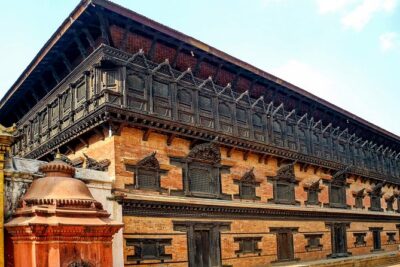
Patan & Bhaktapur Durbar Square Tour with Lunch – Private/Group
Read our review →This tour also appears in