
REVIEW · PASHUPATINATH TOURS
Sacred Pashupatinath: Aarati,Cremation Rites & Boudha Stupa
At Pashupatinath, the day ends beside the Bagmati River with open-air cremation rites and Aarati, a Hindu ceremony of lamps, bells, chants, and conch shells. It is a serious, emotional experience, not a staged show. At Boudhanath, the mood shifts to quiet Buddhist devotion as you walk the stupa’s circular kora with pilgrims.
I like the sharp contrast between these two holy places, and I like having a local guide explain what you are seeing rather than leaving you to guess. Guides named Razz, Pranav, Karma, Sudhir, and Anish have led this experience, with strong praise for their English and cultural explanations. The main consideration is that cremation and Aarati can feel heavy, and the tour is not recommended for children under 12 or people with respiratory issues.
Key points to know before booking
- Boudhanath’s sacred kora: Walk clockwise around the enormous white stupa, turning prayer wheels and watching daily Buddhist practice.
- Pashupatinath’s riverbank cremations: Learn about Hindu funeral rites from a guide while keeping an appropriate distance and respectful manner.
- Aarati at sunset: Hear bells, chants, and conch shells as lamps are offered beside the Bagmati River.
- Two very different spiritual worlds: Boudhanath brings calm and reflection, while Pashupatinath feels intense, crowded, and emotionally direct.
- Optional transport and entry costs: The listed price is $11 per person, but admission and transportation may cost extra depending on your selected option.
- Small groups or private visits: This matters when you want time for questions or a better place to observe the ceremony.
Two Sacred Sites, Two Very Different Moods
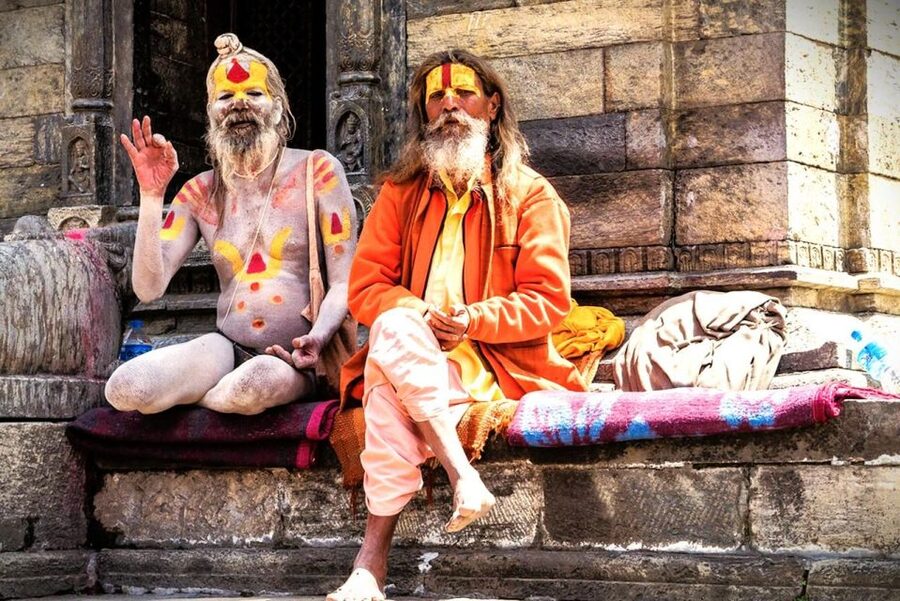
This is a compact Kathmandu cultural tour built around contrast. Boudhanath is a Tibetan Buddhist center with a broad, open courtyard and a steady flow of pilgrims. Pashupatinath is a major Hindu temple complex on the Bagmati River, where worship, funeral rites, holy men, and daily life share the same space.
You can expect two to five hours, depending on the option you choose, the starting time, and how much time you spend at each site. The core visits are listed at about one hour each, but the Aarati ceremony and transport can stretch the outing.
I would not treat this as a quick photo stop. The most useful part is the explanation. Symbols at both sites are easy to miss, and the rituals make much more sense when someone points out their purpose and place in local religious life.
More Pashupatinath visits:
- Kathmandu Spiritual Sites: Bodhnath & Pashupatinath Tour
★ 5.0 · 185 reviews - Kathmandu: Pashupatinath Temple Evening Aarati Tour
★ 5.0 · 36 reviews - Kathmandu: Pashupatinath Temple Aarti Night Tour
★ 4.8 · 29 reviews
Walking the Kora at Boudhanath Stupa
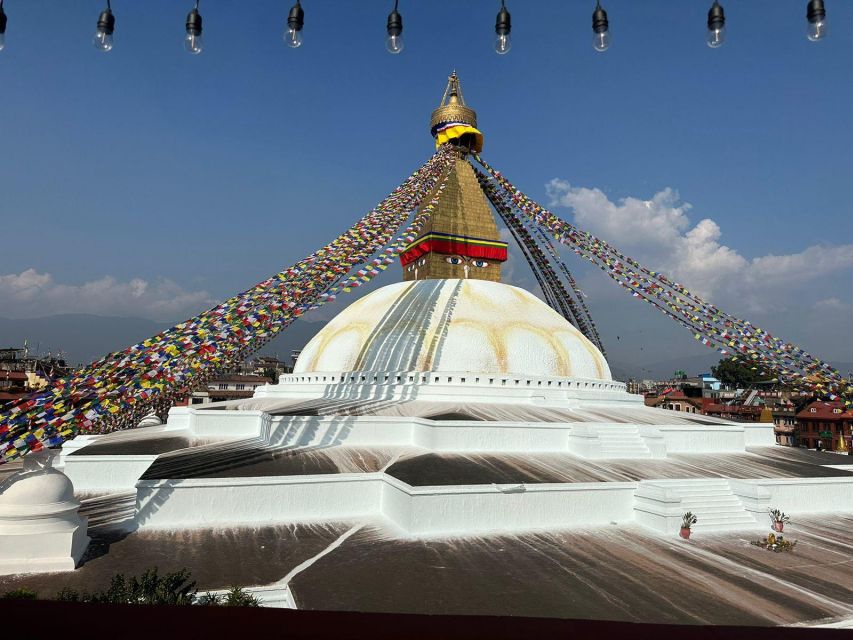
Boudhanath announces itself before you reach the courtyard. Its large white dome and golden spire rise above the surrounding buildings, while colorful prayer flags and Buddhist symbols give the area a strong sense of place.
Your visit begins with a walk around the stupa. This circular route is known as the kora, a devotional act performed clockwise. You can watch people turn prayer wheels, offer prayers, and move at different speeds around the base. Some walk with quiet focus, while others pause to talk, shop, or meet friends.
That mix is part of Boudhanath’s appeal. This is not a sealed monument where local life stops at the gate. The stupa is surrounded by monastery courtyards, shops selling religious objects, and rooftop cafés. You may have time for a tea break, photographs, or a closer look at Buddhist artwork.
The guide helps put the visual details in context. You will learn why the stupa’s shape matters, how the prayer wheels fit into the ritual, and what the surrounding monasteries add to the site. This is especially useful if you have never visited a Tibetan Buddhist center.
Allow yourself a slower pace here. The white dome is impressive in a photograph, but the better experience comes from watching the rhythm of the kora. Take note of the flags moving overhead, the painted designs, the turning wheels, and the way worshippers use the space.
There is also a commercial side. Shops near Boudhanath sell spiritual items and local crafts, and sellers may invite you inside. You can browse without buying. If you want a quiet visit, make your position clear and move on politely. A past participant also watched artists work on Thangka paintings, so you might find opportunities to see Buddhist art being made, depending on what is open that day.
From Buddhist Calm to Hindu Pashupatinath
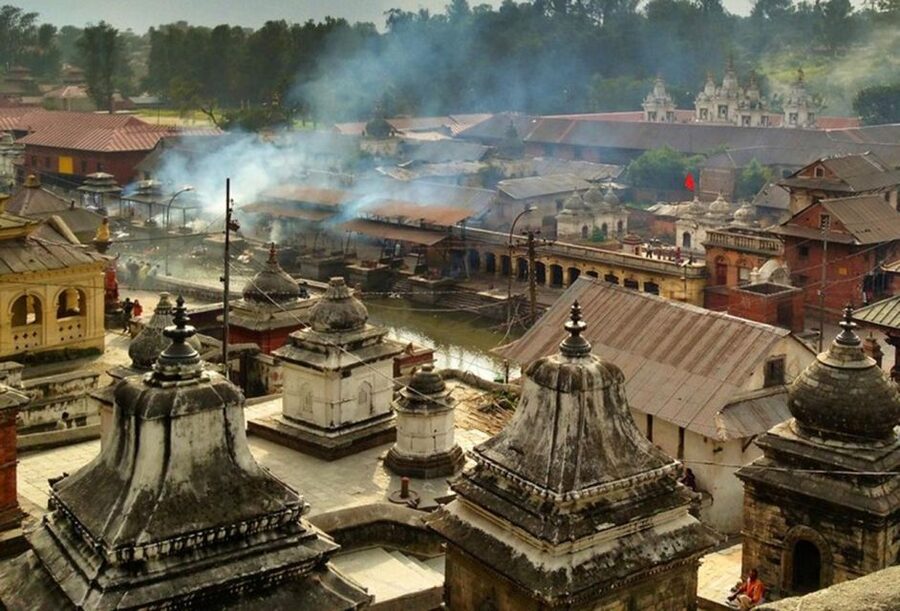
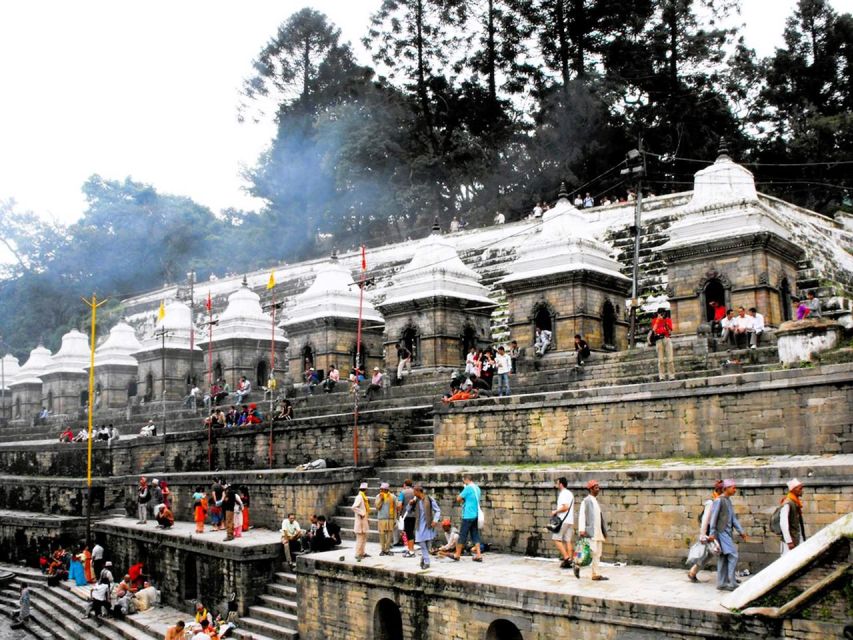
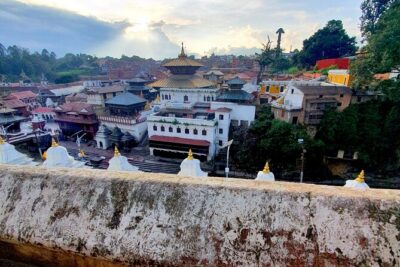
The move to Pashupatinath changes the tone quickly. This is the holiest Hindu temple in Nepal and an important shrine to Lord Shiva. The complex sits along the Bagmati River, and its religious life includes worship, temple visits, sacred figures, and cremation ceremonies.
Non-Hindus cannot enter the main sanctum. That limit is important to understand before you arrive. You can still explore the outer complex with your guide, see architectural details, visit smaller shrines, and look at statues and other features around the temple grounds.
A guide is particularly useful here because Pashupatinath can feel confusing at first. There are many structures, people, rituals, and activities taking place at once. Guides such as Razz, Pranav, Karma, Sudhir, and Anish have been praised for clear explanations, good English, and a respectful approach to the site.
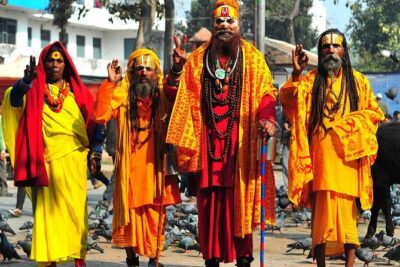
The experience is not polished in the way a museum visit is polished. You may see holy men, worshippers, visitors, local vendors, and families taking part in religious customs. That direct contact with living tradition is one reason this tour feels more substantial than a standard sightseeing circuit.
You should dress and behave with care. Keep your voice down during religious activity, follow the guide’s instructions near the river, and ask before photographing people. The supplied information does not set out a detailed photography policy, so respectful judgment is essential.
Understanding the Cremation Ghats
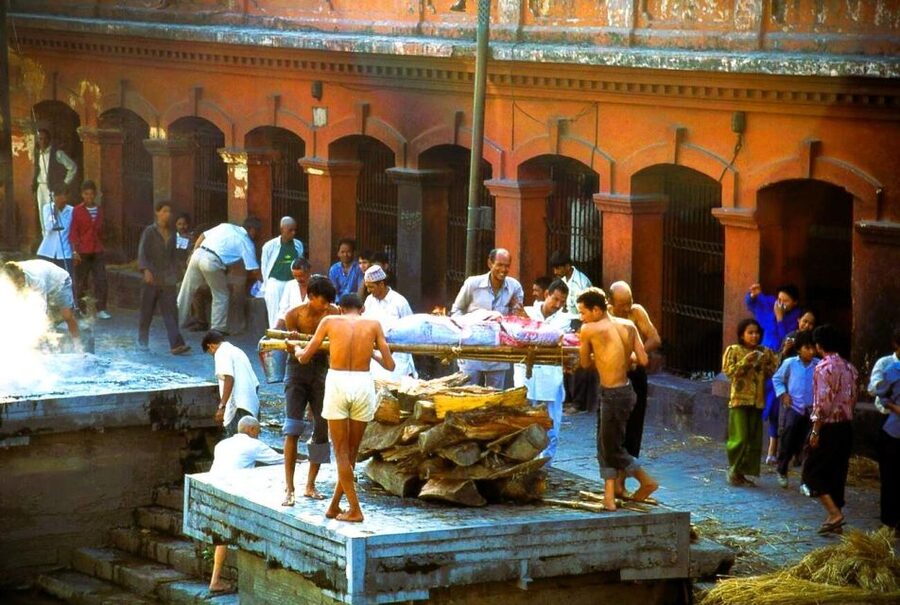
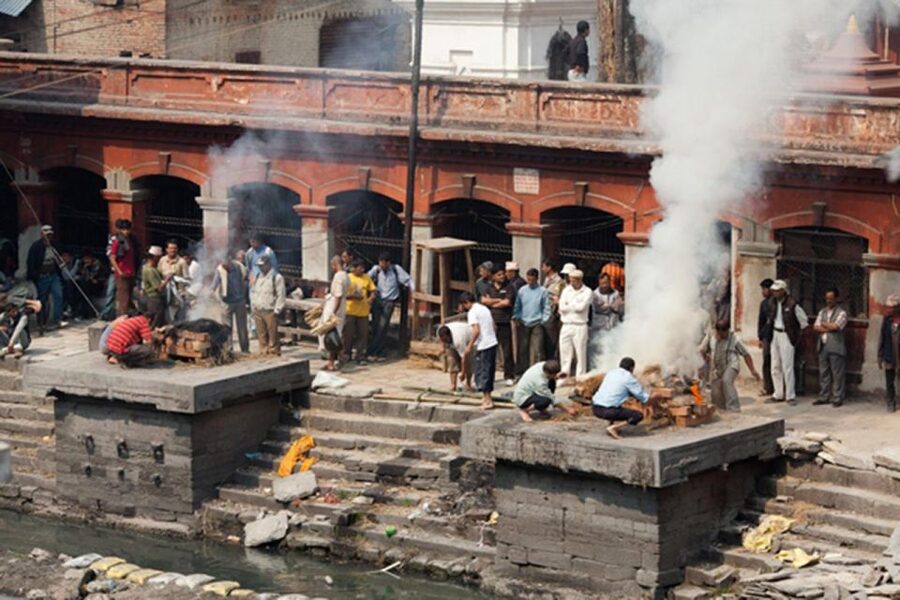
The cremation ghats are the most demanding part of the visit. Hindu cremation ceremonies take place in the open air beside the Bagmati River. You may see the rites from the riverbank area while your guide explains the meaning of the fire, the river, and the transition of the soul in Hindu belief.
This is not entertainment. It is a family and religious event, and your presence should be quiet and restrained. Do not treat the ceremony as a spectacle. Avoid intrusive photographs, do not point, and keep your distance unless your guide indicates where it is appropriate to stand.
The emotional effect varies. Some people find the ceremony moving and clarifying. Others find it dark or difficult to watch. One participant described the Aarati and cremation setting as emotional and hard to see, while another found observing a cremation deeply moving. Both reactions are reasonable.
I appreciate that the tour presents death as part of religious and public life rather than hiding it away. Still, you should know your own limits. This experience may not suit you if you are uncomfortable around cremation, if you are traveling with young children, or if respiratory issues make smoke difficult.
The guide’s role matters most here. A good explanation can help you understand what is happening without turning the moment into a lecture. The strongest guide accounts describe patient explanations, answers to questions, and a respectful attitude toward the families involved.
More Boudhanath stupa visits:
- PashupatiNath and BoudhaNath – Private/Small Group
★ 5.0 · 18 reviews - Private Half-Day Tour of Boudhanath and Pashupatinath Temples in Kathmandu
★ 4.5 · 9 reviews - Bhaktapur Durbar Square and Boudhanath Stupa
★ 5.0 · 7 reviews - Half Day Boudhanath Stupa Tour in Kathmandu
★ 5.0 · 5 reviews
Experiencing the Evening Aarati
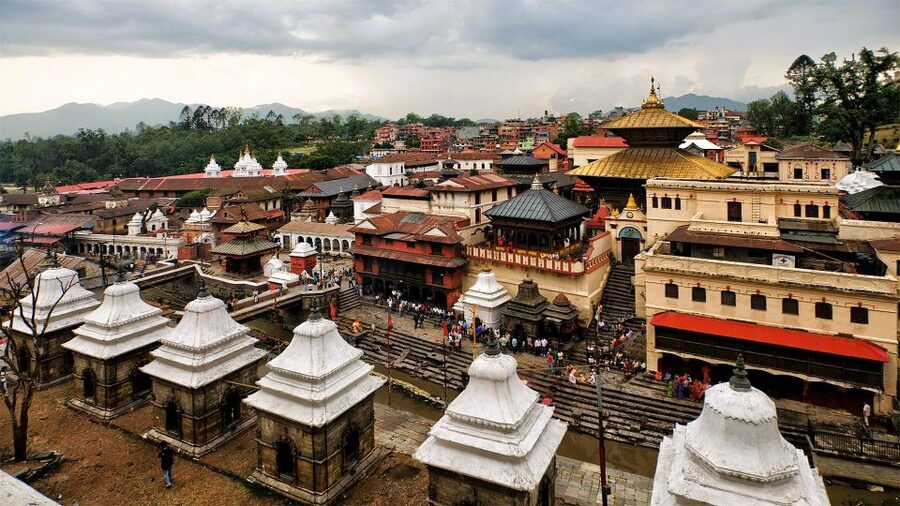
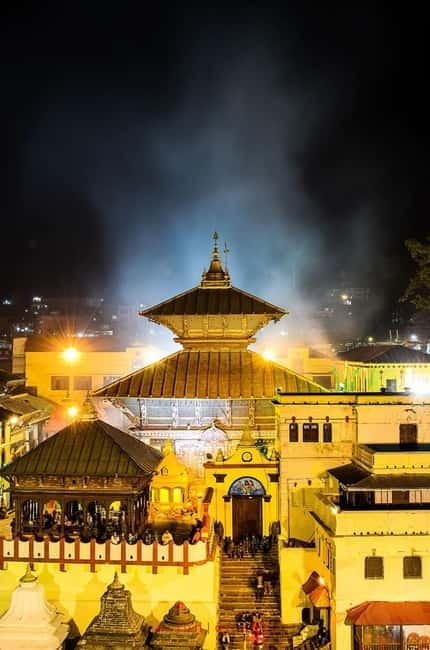
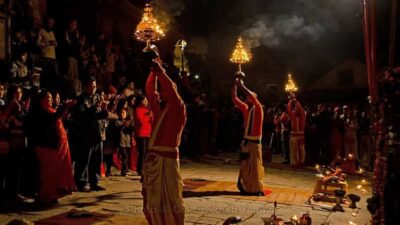
The Aarati ceremony brings another kind of energy to Pashupatinath. As daylight fades, the area fills with chants, bells, and conch shells. Lamps are used in the ceremony, and the combination of sound, movement, and fire creates a powerful setting beside the river.
The timing is important. Check the available start time before booking, since the total duration and ceremony schedule can vary. If the visit includes the Aarati, your guide should help you find a suitable viewing place and explain the stages as they unfold.
Pranav has been singled out for explaining each part of the ceremony and helping people find a good place to watch. That kind of practical help makes a difference. You can focus on the ritual instead of worrying about where to stand or what each gesture means.
Expect an emotional rather than purely visual experience. The music and lamps are beautiful, but the ceremony takes place beside the cremation ghats, so joy, grief, devotion, and reflection sit close together. This is precisely what makes it memorable, but it also means the mood may not be comfortable for everyone.
Do not expect a Western-style performance with a clear beginning and end for an audience. Aarati is a religious act. Watch quietly, follow local customs, and let the guide explain without interrupting worshippers.
What the $11 Price Really Covers
At $11 per person, the tour has a low starting price, especially if you want a guide at both major religious sites. The value comes from interpretation, route planning, and help with the customs at places where an unguided visit can leave you unsure of what you are seeing.
The price does not include entry fees. The stated admissions are NRs 1,000 at Pashupatinath and NRs 400 at Boudha Stupa. Food, drinks, shopping, and personal purchases are also extra.
Transportation requires close attention when you book. Hotel pickup and drop-off are included only if that feature appears in your selected option. The meeting information says the guide can meet you at the Pashupatinath ticket counter, while transportation to the site may be arranged independently or purchased from the agency at a reasonable rate.
That means the $11 figure is best viewed as a guide price, not necessarily the full cost of your outing. If you are staying in central Kathmandu or Thamel, confirm how you will reach the first stop and where you will finish. Drop-off options include Kathmandu and Thamel.
For stronger value, choose a private or small group if the price difference is modest. You will have more room for questions, and the guide can spend more time explaining the rituals. A larger group may cost less, but it can be harder to hear near the river or in a busy temple complex.
Guides Make the Difference
This tour depends heavily on the person leading it. Pashupatinath and Boudhanath are not places where a short sign explains everything. The guide needs to handle religious topics with care, answer questions clearly, and keep the group moving without rushing the important moments.
Razz has been praised for clear English and detailed explanations at Pashupatinath. Pranav is noted for his polite manner and careful explanation of the Aarati. Karma has led both the temple visit and Boudhanath portion, including time for questions and cultural activities. Sudhir and Anish are also named as guides who provided friendly, informative visits.
Guide availability is not guaranteed by name, so do not book solely for a particular person unless the provider confirms it. The useful point is that several guides are associated with the experience, and the strongest accounts focus on communication, cultural knowledge, and courtesy.
A good guide should also help you handle the market area. Near Boudhanath, you may see singing bowls, spiritual objects, Thangka paintings, and other crafts. You can look, ask questions, and decline purchases politely. One participant found sellers respectful after a clear no, which is useful advice for anyone who dislikes haggling.
Timing, Walking, and Practical Details
The visit involves walking at both sites. Wear comfortable shoes and bring only what you need. Large bags and luggage are not allowed, and drones, alcohol, drugs, and nudity are prohibited.
Carry a passport or identification card. A copy is accepted according to the tour information. Since entry fees are separate, keep enough Nepalese rupees available for admissions and small personal expenses.
The tour is offered in English, Chinese, Hindi, and Russian. Private and small-group formats are available. Hotel pickup is optional, and the guide may accompany you through the temple visit and Aarati if that service is included in your chosen option.
The experience is not suitable for children under 12. It is also not recommended for people with respiratory issues, a sensible warning given the smoke and outdoor cremation setting.
The listed duration is two to five hours. The short end may suit someone who wants the main sights and a concise explanation. The longer version is better if you want time for the kora, markets, temple grounds, cremation rites, and Aarati without constant clock-watching.
You can cancel up to 24 hours in advance for a full refund, and the reserve-now, pay-later option keeps your plans flexible. Those policies are useful if your Kathmandu schedule may change.
Who Should Book This Kathmandu Tour
I would choose this experience if you want religious context, direct contact with local customs, and two major UNESCO World Heritage sites in one outing. It suits first-time visitors who would rather ask questions than simply take photographs.
It is also a good match for people interested in Buddhism, Hinduism, ritual, art, and the way religion shapes ordinary life. Boudhanath offers a calmer period of observation, while Pashupatinath asks you to confront more serious subjects.
I would think twice if you want a light, easygoing sightseeing trip. The cremation ghats and Aarati can be emotionally heavy, and the temple complex may feel intense. You should also budget for entrance fees, transportation if pickup is not included, and any tea or shopping along the way.
Should You Book Sacred Pashupatinath?
Book it if you want more than a quick temple photograph. The combination of the Boudhanath kora, Buddhist art and prayer practice, Pashupatinath’s Hindu rituals, cremation rites, and Aarati gives you a broad look at Kathmandu’s spiritual life in just a few hours.
The strongest reason to book is the guide. Choose a private or small group if you value clear explanations and time to ask questions. Skip it if cremation scenes are likely to distress you, or if you need a child-friendly, low-intensity activity.
For the right visitor, this is a powerful and fairly priced introduction to two sacred places. Go with respect, carry little, confirm transport and admission costs, and give yourself enough time for the experience to sink in.
FAQ
How long does the tour last?
The stated duration is two to five hours. The exact length depends on the selected option and available starting time.
What sites are included?
The tour visits Boudhanath Stupa and Pashupatinath Temple in Kathmandu.
Can non-Hindus enter Pashupatinath Temple?
Non-Hindus cannot enter the main sanctum. The outer complex, surrounding shrines, statues, and riverbank areas can be explored with the guide.
Are cremation ceremonies included?
Yes. The experience includes witnessing Hindu cremation rituals at Pashupatinath with a guide.
Is the Aarati ceremony included?
The tour is described as including the Aarati ceremony at Pashupatinath. Confirm that your selected option includes it when booking.
How much are the entry fees?
The stated fees are NRs 1,000 at Pashupatinath Temple and NRs 400 at Boudhanath Stupa. These fees are not included in the tour price.
Is hotel pickup included?
Hotel pickup and drop-off are included only in options that specifically mention them. Otherwise, you can meet the guide at the Pashupatinath ticket counter and arrange transportation yourself or through the agency.
What languages are available?
Guiding is available in English, Chinese, Hindi, and Russian.
Can I book a private tour?
Yes. Private and small-group options are available.
What should I bring?
Bring a passport or identification card. A copy is accepted. Do not bring luggage or large bags, drones, alcohol, or drugs.
Recently added around Kathmandu
- Kathmandu Airport Pickup and Drop-off Services★ 5.0 · 3 reviews
- Kathmandu Paragliding★ 5.0 · 3 reviews
- Kathmandu Chandragiri Cable Car and Swayambhunath Private Tour★ 5.0 · 3 reviews
- Explore The Beauty Of Langtang Valley In 8-Days Trek★ 5.0 · 3 reviews
- Kathmandu: Nightlife and Pub Crawl Tour★ 5.0 · 3 reviews
- Mountain Flight Experience in Nepal★ 4.5 · 3 reviews
- Kathmandu: Momo Making Class with a Local Chef★ 5.0 · 3 reviews
- Everest Base Camp Trek★ 5.0 · 3 reviews
Other Pashupatinath Tours worth a look
Kathmandu Spiritual Sites: Bodhnath & Pashupatinath Tour
Read our review →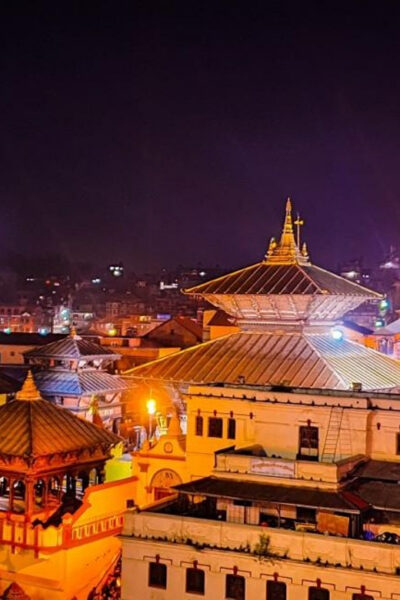
Pashupatinath Temple, Hindu Crematorium and Aarati in-depth Tour
Read our review →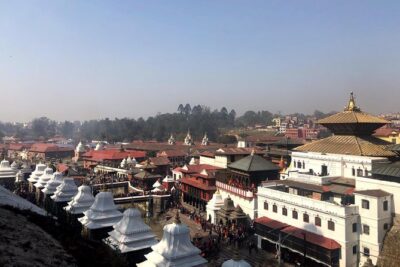
Pashupatinath Evening Aarati: Few Divinely Hours in Kathmandu
Read our review →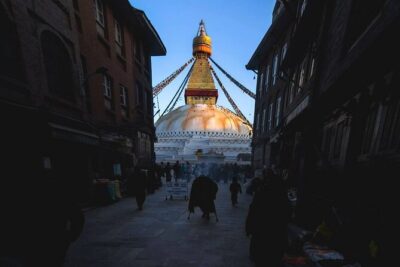
PashupatiNath and BoudhaNath – Private/Small Group
Read our review →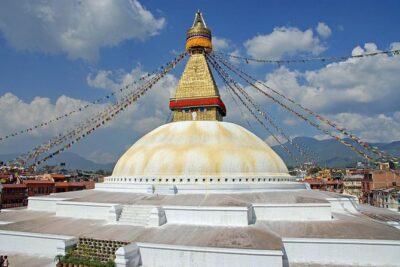
Private Half-Day Tour of Boudhanath and Pashupatinath Temples in Kathmandu
Read our review →This tour also appears in