
REVIEW · PASHUPATINATH TOURS
Kathmandu Spiritual Sites: Bodhnath & Pashupatinath Tour
The most powerful part of this four-hour tour comes as daylight fades at Pashupatinath, when locals gather beside the Bagmati River for the Aarati ceremony, an offering of lights to Lord Pashupatinath. Earlier, you circle Boudhanath Stupa with prayer wheels and butter lamps, then walk between the two sacred sites with a guide who explains what you are seeing.
I like the use of local public transport, which turns a standard temple visit into a small slice of daily Kathmandu life. I also like the compact route: Boudhanath and Pashupatinath offer two different faiths, rituals, and settings in one evening. The tradeoff is the crowd at Aarati, along with roughly two kilometres of walking and the need to stay close to your guide.
Key points at a glance
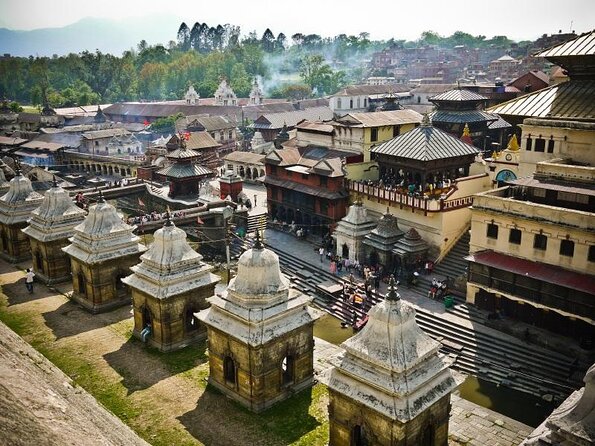
- Two UNESCO World Heritage sites in one evening: Visit Buddhist Boudhanath and Hindu Pashupatinath on a tightly planned half-day route.
- Aarati at sunset: Watch the riverside offering of lights as local worshippers gather at Pashupatinath.
- A local ride included: Public transport between the sites gives you a more ordinary Kathmandu experience than a private vehicle.
- Small groups: The maximum group size is 12, though the actual group may be smaller or even private.
- Sensitive cultural setting: Cremation ceremonies take place beside the Bagmati River, so respectful behavior is essential.
- Optional paid extras: Palm reading, butter lamps, and photographs or interaction with sadhus cost extra.
Why this evening route works so well
Kathmandu can feel scattered at first. Its major sacred places sit in different parts of the city, and traffic can make a simple visit take much of a day. This tour solves that problem by linking two of the valley’s most important religious sites in one afternoon and evening.
You begin at 3:00 pm outside Hotel Marshyangdi in Thamel. From there, the group travels to Boudhanath, then walks for about 15 minutes toward Pashupatinath. Transportation from the meeting point to Boudhanath and from Pashupatinath back to the endpoint is included.
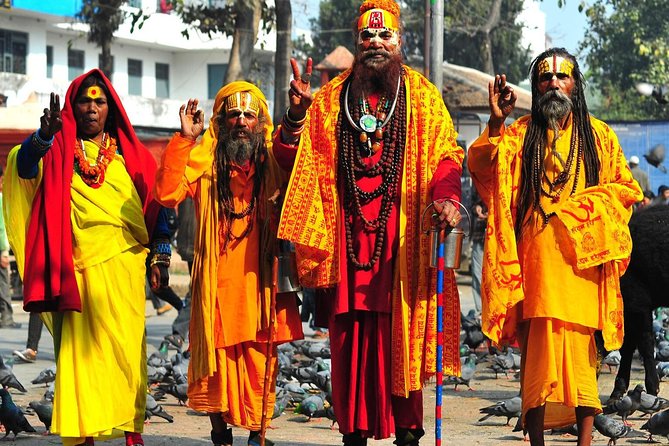
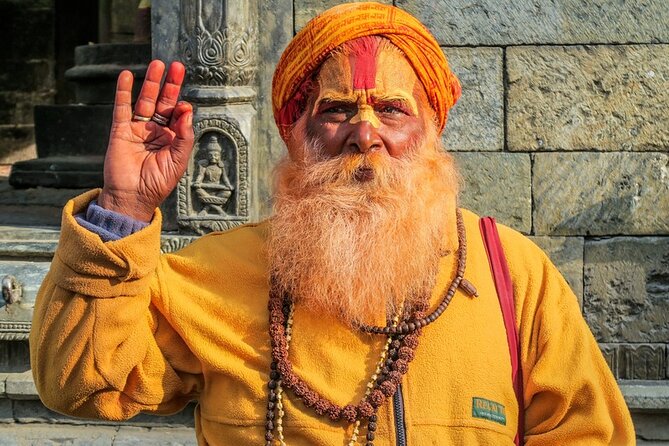
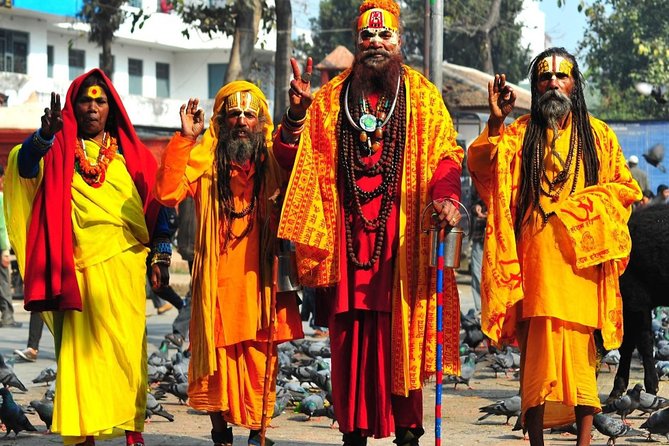
The route is not just about checking off monuments. It lets you see how religious practice fits into ordinary life. At Boudhanath, people walk clockwise around the stupa, turn prayer wheels, and make offerings. At Pashupatinath, sadhus in colorful clothing sit near the temple grounds, families gather for religious rites, and worshippers assemble by the river for Aarati.
That mix is the main value of the experience. You are not simply shown architecture. You get explanations of Buddhist and Hindu beliefs, plus a chance to observe living customs in places that still function as active centers of worship.
The tour has a 4.9 rating from 185 reviews, with 98 percent recommending it. That high score makes sense, especially for first-time visitors who want context rather than a quick photograph and a guidebook paragraph. The strongest praise centers on the guides, who are repeatedly described as warm, patient, attentive, and willing to tailor the pace.
Guides named in the feedback include Rita, Rozit, Amit, Subash, Bipin, Ramhavi, and others. Amit was especially appreciated for helping with phone photography, while Bipin was praised for knowing small lanes and good photo positions. Rozit was described as friendly and easy to spend time with, and Subash was praised for clear English and detailed explanations.
Guide quality can vary from departure to departure, but the pattern is clear: the guide is central to the experience. This is not a tour where you should expect to wander independently for most of the afternoon.
More Pashupatinath visits:
- Kathmandu: Pashupatinath Temple Evening Aarati Tour
★ 5.0 · 36 reviews - Kathmandu: Pashupatinath Temple Aarti Night Tour
★ 4.8 · 29 reviews - Pashupatinath Temple, Hindu Crematorium and Aarati in-depth Tour
★ 5.0 · 25 reviews
Boudhanath Stupa and the clockwise walk
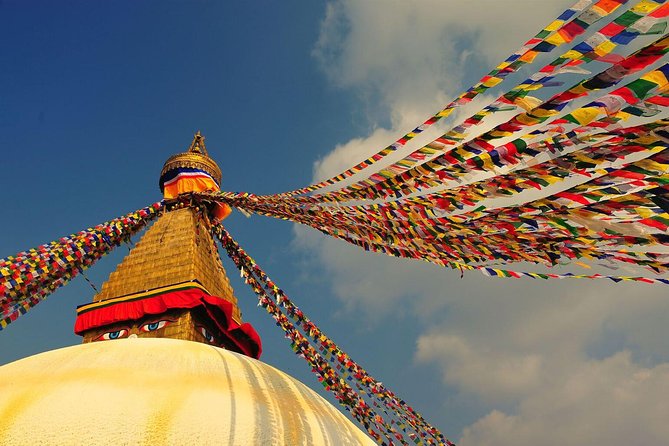
Boudhanath is the first major stop and receives about 1 hour and 25 minutes. It is one of the largest stupas in the world and a major center of Tibetan Buddhism in Nepal.
The structure is easy to recognize: a huge white dome topped by a square tower with the Buddha’s eyes looking out across the city. The visit is active rather than static. You walk around the stupa with local Buddhists, turning prayer wheels as you go. The clockwise movement is part of the devotional practice, so follow your guide’s instructions and the flow of people around the dome.
This is a good place to slow down. Watch the rhythm of the ritual rather than trying to photograph every detail. The prayer wheels, butter lamps, painted surfaces, flags, and steady foot traffic make the site visually busy, but the circuit itself is simple and calming.
You may choose to light a traditional butter lamp and offer a prayer. The tour includes the visit, but the cost of a butter lamp is not clearly listed as included, so ask your guide before paying. The operator also notes that optional local purchases, such as butter lamps, support the people who provide them.
Boudhanath can be especially active on holidays. That brings more energy and more chances to see local devotion, but it also means tighter walking space. If you prefer quiet, do not expect this stop to feel empty or meditative in the Western sense. It is a working religious center, not a museum.
The amount of time here is well judged. You have enough time to complete a circuit, hear the main explanation, light a lamp if you wish, and take photographs without turning the whole visit into a rushed stop. You do not have hours for a slow architectural study, but that is unlikely to be the purpose of this evening route.
The walk toward Pashupatinath
The two sites are connected by about a 15-minute walk, with the total walking distance for the tour listed at approximately two kilometres. This is one of the more appealing parts of the outing because you move through the city rather than staying inside a tour vehicle.
Bring comfortable shoes. The walking is not presented as strenuous, and most people can participate, but the evening also includes standing, crowd movement, and time on foot around religious compounds. The combination may feel tiring if you have already spent the day sightseeing.
The local transport is another useful detail. You do not simply ride in a private minivan from one attraction to the next. Public transport, described by one participant as a local bus taxi, can be busy and outside your usual comfort zone. That is precisely why it adds something to the visit. You see how people get around, and your guide helps the group manage the changeovers.
The downside is predictability. Traffic and crowding can affect the rhythm of the tour, and public transport is less private than a dedicated vehicle. If you want air-conditioned comfort and complete control over timing, this is not the best match. If you want a more local feel, it is a sensible choice.
Pashupatinath Temple and the Bagmati ghats
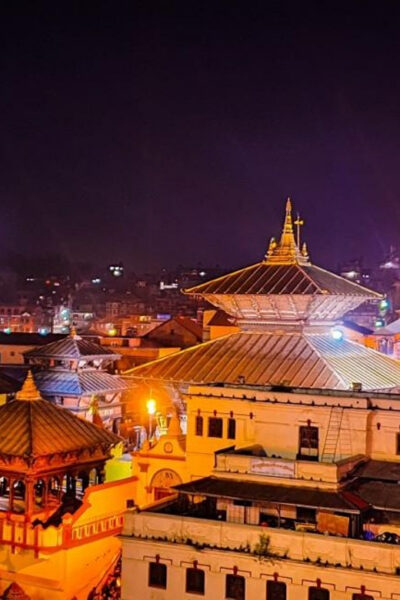
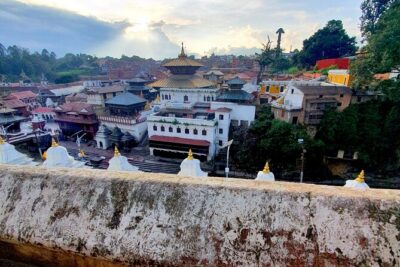
Pashupatinath receives about 2 hours and 20 minutes, making it the longer and more emotionally weighty stop. It is one of the holiest Hindu shrines in Nepal and is dedicated to Shiva, known here as Pashupatinath.
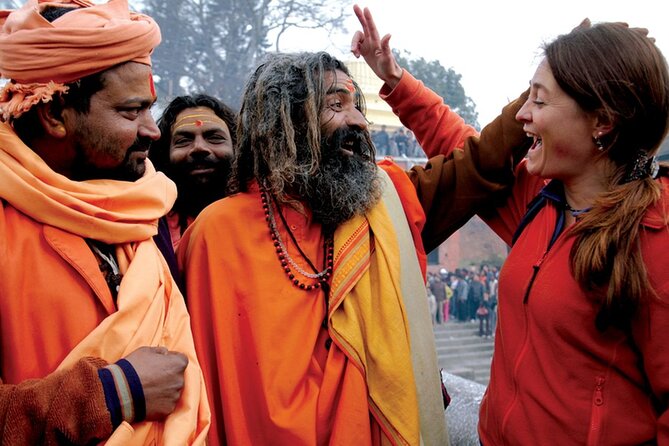
Your guide explains Hindu ideas about the cycle of birth and death, then points out the religious figures and activities around the temple area. The sadhus are a memorable part of the scene. These Hindu holy men often wear striking clothing and markings, and their religious life centers on giving up material possessions.
You may be approached by a sadhu or offered a photograph or interaction. The tour information notes a suggested cost of about $7.50 for photographs or interaction, with the guide helping negotiate when needed. Do not assume that every request is free, and do not feel obliged to pay for a posed picture. If you do choose to contribute, understand the price first.
The Bagmati River runs beside the cremation ghats. Cremation ceremonies may be visible from the temple area, but this is a place for restraint. Do not photograph the ceremonies or linger as if watching a performance. Mourning families deserve privacy, and your guide can explain the setting without turning grief into sightseeing.
This part may be confronting. It asks you to think about death as part of a public religious practice, rather than as something hidden from daily life. Some people find it one of the most meaningful parts of their time in Kathmandu. Others may prefer a lighter cultural outing. You should know in advance that this is not merely a colorful temple visit.
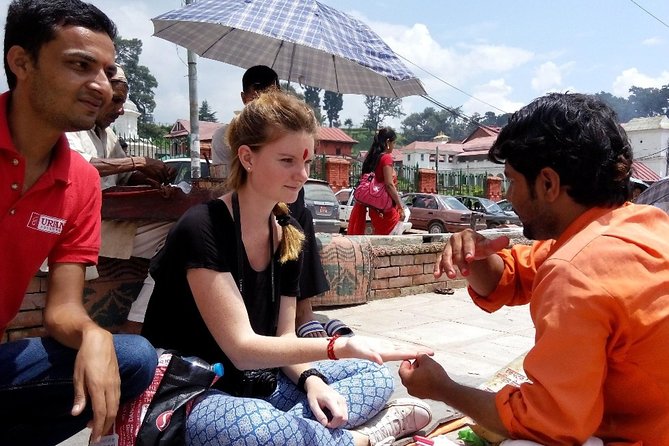
A local palm reader is also available at an additional cost. The listed price varies from about $7.50 to $9 per person. The guide can assist with arrangements and negotiations, but the reading is optional and not included in the tour price. Treat it as entertainment or a cultural encounter, not as a required part of the itinerary.
A few more Kathmandu days to weigh up
- Everest Base Camp Trek – 14 Days
★ 5.0 · 1,499 reviews - Private Kathmandu Sightseeing Tour | UNESCO World Heritage sites
★ 5.0 · 756 reviews - Everest Base Camp Helicopter Tour landing at Everest View Hotel
★ 5.0 · 668 reviews - Half day cooking class in Thamel kathmandu
★ 5.0 · 607 reviews
The Aarati ceremony after dark
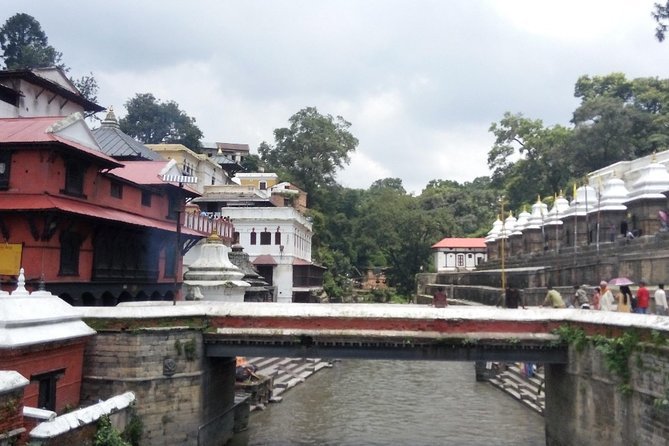
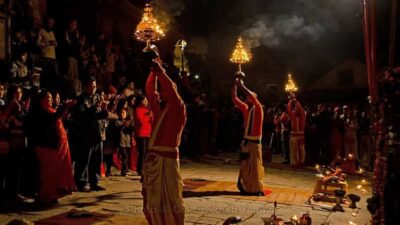
The tour is timed to reach the Bagmati River as the sun goes down. This is when the Aarati takes place, a Hindu offering of lights to Lord Pashupatinath.
Local worshippers gather on the riverbank, and the ceremony creates a strong change in mood. After the movement around Boudhanath and the activity at the temple, the crowd turns its attention toward the lights, music, and devotional action. Your guide helps you understand what is happening and keeps the group together.
Crowds are the main practical concern. The instructions specifically warn you to stay near your guide and group because it is easy to lose sight of one another. Keep your phone and valuables secure, and avoid wandering off for a better viewing angle.
The Aarati is the reason I would choose this tour over a daytime temple combination. Timing matters here. You are not just visiting Pashupatinath during opening hours; you are seeing the site at a moment when public worship gives it much of its force.
Still, do not expect a private or quiet ceremony. You will be among many local worshippers, and your view may depend on where the group can safely stand. That uncertainty is part of the experience, but it is worth knowing if you are planning around photography.
What the $60.56 price delivers
At $60.56 per person, this is not the cheapest way to see two Kathmandu sites. The price becomes easier to justify when you count what is included: a local English-speaking Nepali guide, entrance fees to both UNESCO sites, transportation between the meeting point and the attractions, the walk between them, the Aarati visit, and practical advice for the rest of your stay.
The greatest saving is time and confusion. You do not need to work out how to connect Boudhanath and Pashupatinath, find the best place for Aarati, or interpret the rituals alone. You also avoid paying separate entrance fees, though optional offerings and personal purchases remain your responsibility.
A private departure or a very small group can make the fee feel fairer because the guide can answer more questions and adjust the pace. The maximum group size is 12, so the experience should not feel like a large coach excursion, but the exact group size is not guaranteed. One participant had a guide to themselves, while another found the group mix less enjoyable. That is the normal risk of a shared departure.
The tour is also useful for a short Kathmandu stay. If you have only a few days, seeing both religious traditions in one evening gives you a strong introduction without consuming a full day.
Who should book this experience
I would recommend it most strongly if you:
- Have limited time in Kathmandu
- Want Hindu and Buddhist context in the same outing
- Prefer a local guide to independent site visits
- Are comfortable with public transport and walking
- Want to see a working religious ceremony rather than only monuments
- Can approach cremation sites with respect and emotional maturity
- Enjoy small-group experiences and questions along the way
Families can join, and children under six are permitted free of charge. Still, consider your child’s comfort with crowds, walking, religious ceremonies, and visible cremation activity before booking.
This is less suitable if you want a quiet photographic tour, private transport, or a tightly controlled schedule. It may also be a poor fit if you do not want to observe death-related rituals or if busy crowds make you anxious.
Timing, meeting point, and useful preparation
The start time is 3:00 pm at Hotel Marshyangdi on Chaksibari Marg in Thamel. The tour ends back at the meeting point. Allow extra time to reach the hotel, since the experience does not offer a hotel pickup from every address.
Wear shoes suited to about two kilometres of walking. Carry water, keep your belongings secure on public transport, and bring a phone or camera only if you can use it respectfully. At Pashupatinath, follow instructions about photography around cremation ceremonies.
The sites have been renovated after damage caused by the earthquakes of April and May 2015, though some signs of restoration may remain part of the setting. Entrance fees help maintain the two heritage sites and support their continued care.
You can cancel without penalty up to 24 hours before the 3:00 pm start time. Changes or cancellations made later are not accepted for a refund.
Should you book the Boudhanath and Pashupatinath tour?
Book it if you want a short, guided introduction to Kathmandu’s religious life and like the idea of seeing the city by local transport. The best reasons are the sunset Aarati, the contrast between Tibetan Buddhist Boudhanath and Hindu Pashupatinath, and the chance to ask a local guide what the rituals mean.
At $60.56, it is a fair convenience buy, not a budget bargain. You are paying for interpretation, transport, entrance fees, and the confidence of moving through crowded and culturally sensitive places with help. Skip it if you prefer to set your own pace or want a private vehicle, but for a first visit with limited time, this packs a lot of meaning into four hours.
FAQ
How long does the tour last?
The tour lasts approximately four hours, beginning at 3:00 pm and finishing back at the meeting point.
Where does the tour start?
It starts at Hotel Marshyangdi on Chaksibari Marg in Kathmandu’s Thamel area.
Where does the tour end?
The activity ends back at the starting meeting point.
What sites are included?
The tour includes Boudhanath Stupa and Pashupatinath Temple, both UNESCO World Heritage sites.
Is transportation included?
Yes. Transportation from the meeting point to Boudhanath and from Pashupatinath to the endpoint is included. The tour uses public transport for a local experience.
How large is the group?
The maximum group size is 12 people. Depending on bookings, the group may be smaller or private.
Are palm reading and offerings included?
No. Palm reading, butter lamps, alms to sadhus or monks, and payments for photographs or interaction with sadhus are extra. Palm reading is listed at approximately $7.50 to $9 per person.
Can children join the tour?
Yes. The tour is child-friendly, and children under six may join free of charge.
Recently added around Kathmandu
- Kathmandu Paragliding★ 5.0 · 3 reviews
- Kathmandu Airport Pickup and Drop-off Services★ 5.0 · 3 reviews
- Explore The Beauty Of Langtang Valley In 8-Days Trek★ 5.0 · 3 reviews
- Kathmandu Chandragiri Cable Car and Swayambhunath Private Tour★ 5.0 · 3 reviews
- Kathmandu: Nightlife and Pub Crawl Tour★ 5.0 · 3 reviews
- Mountain Flight Experience in Nepal★ 4.5 · 3 reviews
- Kathmandu: Momo Making Class with a Local Chef★ 5.0 · 3 reviews
- Everest Base Camp Trek★ 5.0 · 3 reviews
Other Pashupatinath Tours worth a look
Pashupatinath Temple, Hindu Crematorium and Aarati in-depth Tour
Read our review →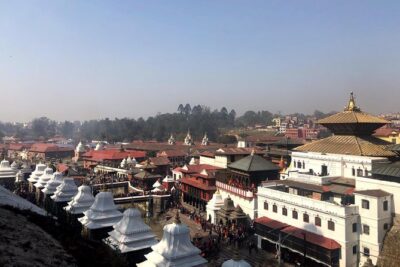
Pashupatinath Evening Aarati: Few Divinely Hours in Kathmandu
Read our review →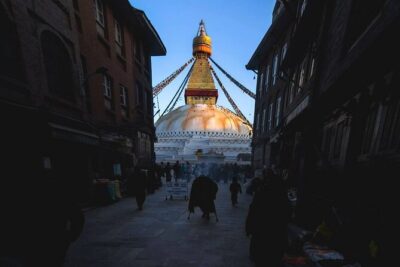
PashupatiNath and BoudhaNath – Private/Small Group
Read our review →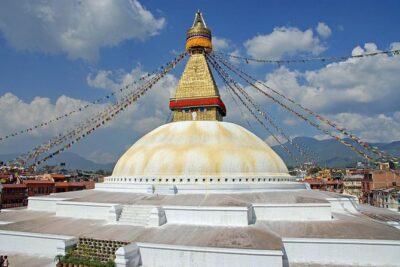
Private Half-Day Tour of Boudhanath and Pashupatinath Temples in Kathmandu
Read our review →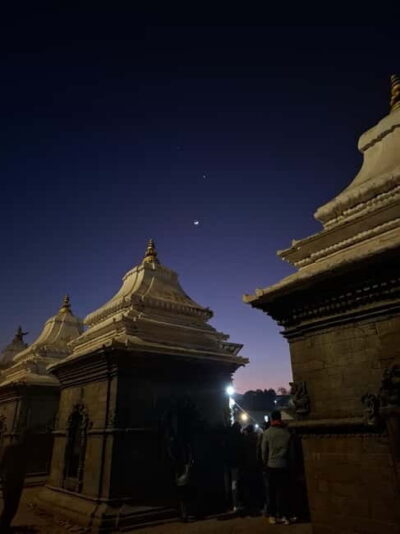
Katmandu: Pashupatinath Open Cremation & Evening Aarati
Read our review →This tour also appears in