
REVIEW · PASHUPATINATH TOURS
Pashupatinath Evening Aarati: Few Divinely Hours in Kathmandu
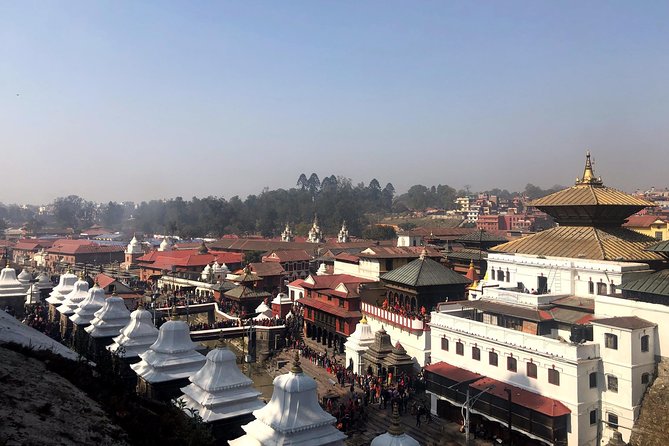
At Pashupatinath, the day closes with fire, flowers, incense, music, and prayer beside the Bagmati River. The evening Aarati is not a staged cultural show. It is a Hindu ceremony led by priests and joined by hundreds of devotees, with the great temple complex and cremation ghats forming the setting.
I like the clear cultural focus and the chance to see several parts of Pashupatinath in one short outing. I also like the help from guides such as Mani, Mahesh, and Amber, who explain Shiva, Hindu customs, and the rituals as you walk. The main drawback is that the tour can feel rushed if you arrive late, and a missed pickup has occurred at least once, so confirm the meeting details before you set out.
Key points to know before booking
- The Aarati begins around 6:00 to 7:00 PM, depending on the season, and lasts about an hour.
- Hotel pickup is scheduled between 4:30 and 5:30 PM, giving you time to reach the temple area and find a viewing place.
- The tour also visits the Bagmati River cremation ghats and other monuments around Pashupatinath.
- The ceremony is religious, not theatrical, with Brahmin priests, devotional songs, lamps, flowers, and incense.
- The price is $35 per person, including an air-conditioned vehicle but not the entry fee to the Pashupati Temple premises.
- The tour is highly rated overall, with a 4.7 rating from 23 reviews and 96 percent recommending it.
Why the evening Aarati is worth your time
Pashupatinath is Nepal’s most revered Hindu temple, and the evening Aarati gives you a way to understand the site through an active religious ceremony rather than a quick daytime visit. The hour beside the Bagmati River brings together sound, light, movement, and prayer in a way that is hard to grasp from a guidebook.
The ceremony is an offering to Lord Shiva, the deity to whom the temple is dedicated. Priests present light, flowers, incense, and other sacred objects while devotional songs play and devotees join in. You are not simply looking at an old monument. You are watching a living act of worship.
That distinction matters. The best approach is to stay quiet, observe carefully, and let your guide explain what you are seeing without treating the ceremony as a performance made for outsiders. The experience has a strong religious purpose, and the respectful visitor will get much more from it.
At $35 per person, the tour is priced above a simple taxi ride to Pashupatinath, but it includes hotel pickup, an air-conditioned vehicle, a guide, and a planned visit lasting about two to four hours. The real value is the interpretation. Without help, it can be difficult to understand why the priests move in a certain way, what the music means, or how the ceremony fits into the temple complex.
More Pashupatinath visits:
- Kathmandu Spiritual Sites: Bodhnath & Pashupatinath Tour
★ 5.0 · 185 reviews - Kathmandu: Pashupatinath Temple Evening Aarati Tour
★ 5.0 · 36 reviews - Kathmandu: Pashupatinath Temple Aarti Night Tour
★ 4.8 · 29 reviews
Leaving your hotel between 4:30 and 5:30 PM
Your guide and driver meet you at your Kathmandu hotel in the late afternoon. The pickup window is broad, with the exact time falling between 4:30 and 5:30 PM depending on the schedule and season.
This timing is useful because the Aarati starts later, around 6:00 to 7:00 PM. You are not dropped at the temple just before the main event. Instead, the early arrival allows time to reach the complex, see nearby monuments, and find a place from which you can watch.
The air-conditioned vehicle is a welcome practical feature, especially after a full day in Kathmandu. The tour is short enough to fit into an evening, and hotel pickup saves you from arranging transport during the busy period before the ceremony.
Still, I would treat the pickup window seriously. One poor experience involved a guide who did not arrive, followed by a refund the next morning. The company explained that the booking had been removed from its calendar by mistake. That appears to have been an isolated scheduling failure, but it is a useful reminder to confirm your pickup time and contact details before the afternoon begins.
Walking through the Pashupatinath complex
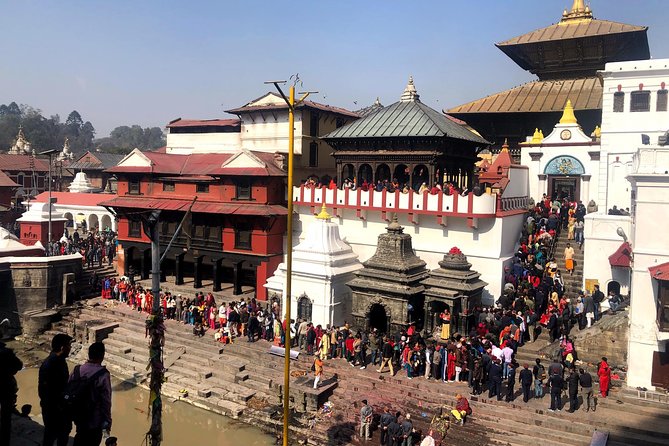
Pashupatinath is more than one temple building. The surrounding area contains monuments, religious spaces, shrines, paths, and the riverfront cremation ghats. The tour uses the time before Aarati to introduce these parts of the site.
Your guide may take you around the grounds and explain the place of Shiva in Hindu worship, along with customs connected to the temple. Mahesh, Mani, and Amber are named guides associated with particularly strong experiences on this tour. Their roles appear to go beyond pointing out buildings. You can expect explanations about the rituals, the temple’s importance, and what is happening around you.
The tour description says that admission to the Pashupatinath Temple itself is free, but the entry fee to the Pashupati Temple premises is not included. That wording is worth checking carefully when you book. The total cost is not only the advertised $35. Ask the provider about the current premises fee so you are not caught off guard at the entrance.
The temple complex is an active religious place, so the mood may change from one corner to another. You might see worship, quiet prayer, processions, or preparations for the evening ceremony. The guide helps you connect those separate moments rather than treating the site as a series of unrelated stops.
The Bagmati River cremation ghats
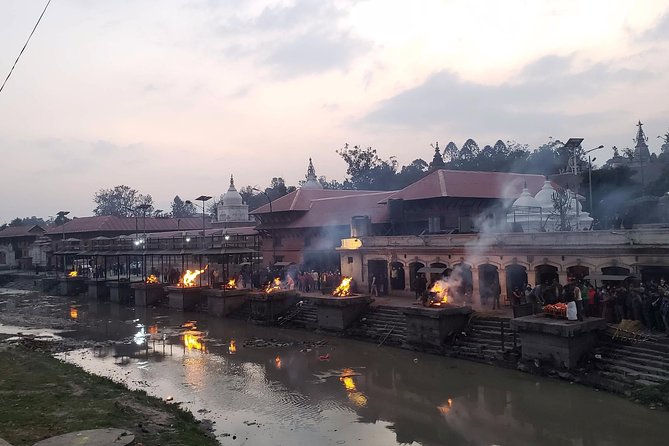
A significant part of the visit is observing a cremation ceremony on the bank of the holy Bagmati River. This can be the most powerful and difficult part of the evening.
Hindu funeral customs are visible here, and the setting is not arranged for sightseeing. Families are carrying out deeply personal religious duties. You should prepare yourself before arriving by reading about Hindu funeral practices and deciding how you will behave near the ghats.
Watch quietly. Do not treat the ceremony as entertainment, and follow any instructions from your guide about where to stand and how to act. The point is not to get close or take dramatic pictures. It is to understand how death, prayer, family, and the sacred river come together in this place.
For some people, the cremation ghats add essential context to the Aarati. The fire used in the evening offering has a different meaning from the funeral pyres, but seeing both forms of ritual activity in the same temple area shows how closely daily worship and life-cycle ceremonies are linked at Pashupatinath.
For others, this part may feel too intense. That is not a weakness in the tour, but it is an important consideration. If you prefer a lighter cultural outing, you may find the cremation area uncomfortable. Go only if you are ready to see a serious religious practice with discretion.
More things to do after dark in Kathmandu:
- Kathmandu Sunset Tour by Rickshaw Including Durbar Square Visit
★ 5.0 · 73 reviews - 3 Nights 4 Days Chitwan National Park with Tower Night Stay
★ 5.0 · 41 reviews - 3 night 4 Day Yoga & Ayurveda Retreat to Detox the Body & Mind, Nepal
★ 5.0 · 37 reviews - 2 Night 3 Days Pokhara City Tour
★ 5.0 · 22 reviews
Finding a good view before the fire ceremony
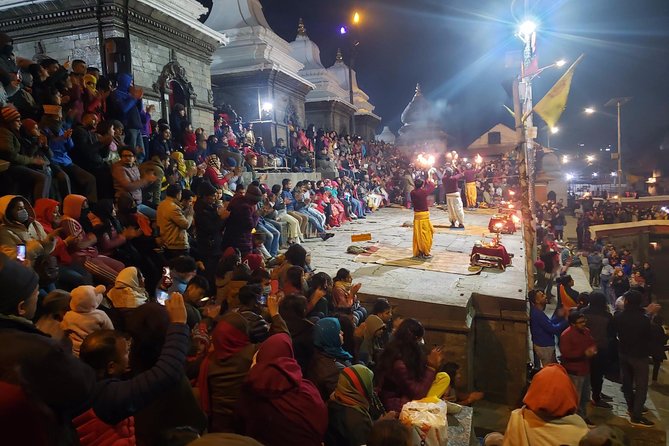
The Aarati takes place in the evening and lasts about an hour. The priests lead the ceremony with lamps, flowers, incense, and other offerings to Shiva. Devotional songs, known as bhajans, accompany the ritual, and hundreds of devotees may join the gathering.
Arrive early enough to secure a clear place to watch. One visitor found the ceremony worthwhile but wished they had reached the area sooner for a better sitting position. That is practical advice. The ceremony draws a crowd, and the view can change depending on where you end up.
Your guide should help you understand the sequence. You may see lamps raised and moved in set patterns, hear repeated devotional singing, and notice the crowd responding to the priests. The value of having Mani, Mahesh, Amber, or another guide is that someone can explain the purpose of these actions while you watch, rather than leaving you to guess.
The ceremony is often described as mesmerizing, but I would keep expectations grounded. It is not a concert with a polished production. It is a religious observance, and the experience depends on the crowd, your viewing position, the season, and the atmosphere on that particular evening.
That is also what makes it memorable. The lamps and music are beautiful, but the ceremony has weight because people are there for worship. You are observing a real part of Kathmandu’s religious life.
What the guide adds to the evening
The guide is the main reason to choose this organized experience instead of visiting alone. Several guides have received praise for explaining Shiva, Hindu culture, local rituals, and the history of the site in detail.
Mani is specifically associated with strong communication, punctual hotel pickup and drop-off, and clear explanations during the temple visit. Mahesh is described as accommodating and able to explain the ceremony and city sights in detail. Amber is noted for helping make sure the meaning of the activities was understood.
Those differences matter because Pashupatinath can be confusing. You may see a ceremony without knowing which parts are central, which are symbolic, and which are simply part of the daily life of the complex. A guide can also help you move around without interrupting worship.
The guide may also make the walking portion feel longer than the headline event. The main Aarati lasts about an hour, but the full outing takes two to four hours, including transport, the temple grounds, the riverfront, and nearby monuments. That is a good fit if you want an introduction rather than a full-day cultural tour.
Is $35 a fair price?
At $35 per person, the experience offers reasonable value if you want transport and explanation included. You receive hotel pickup, an air-conditioned vehicle, a guided visit, and time at the main evening ceremony. Group discounts may also be available, which could make the cost more attractive for families or small groups.
The price does not include the entry fee to the Pashupati Temple premises. Since the amount is not provided, budget a little extra and confirm the current charge before booking.
If you are comfortable arranging taxis and researching the temple yourself, you could spend less by going independently. But you would need to manage transport, timing, entrance arrangements, the crowded viewing area, and the cultural context on your own. The organized option earns its fee through convenience and interpretation rather than luxury.
The mobile ticket and free cancellation up to 24 hours before the start time are useful safeguards. If your plans change less than 24 hours before the experience, the payment is not refundable and changes are not accepted. Keep the local cutoff time in mind.
Who will enjoy this Pashupatinath visit
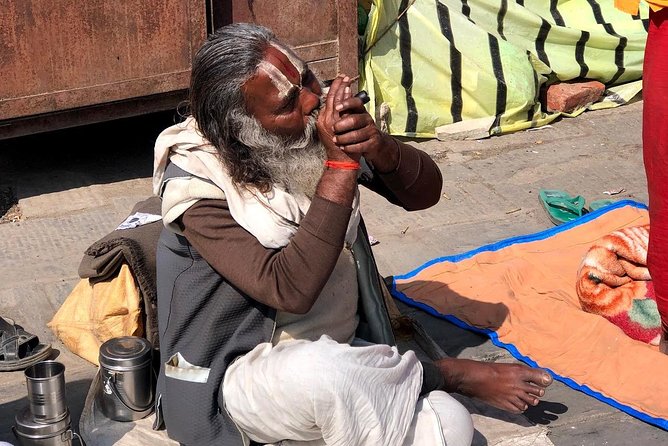
I would recommend this tour to you if you want a short evening experience with a clear cultural focus. It suits first-time visitors to Kathmandu, people interested in Hindu worship, and anyone who wants to see Pashupatinath beyond its exterior buildings.
It is also a good choice if you value a guide who can answer questions as events unfold. The ceremony moves quickly, and the cremation ghats require sensitivity. Having someone explain the setting can make the evening more meaningful.
You should think twice if you dislike crowds, religious ceremonies, or witnessing funeral customs. The tour is not designed as a relaxed scenic walk. The timing is tied to the Aarati, the viewing position may not be ideal, and the atmosphere can shift from devotional singing to solemn cremation rites.
Most people can participate, according to the tour information. Still, the experience includes walking around a large temple area and standing or sitting among a crowd. Ask the provider directly about any personal access needs before booking, since specific accessibility details are not supplied.
My practical advice for a better evening
Confirm the pickup time on the day of the tour. The scheduled window runs from 4:30 to 5:30 PM, and the ceremony loses much of its purpose once the main ritual is over. If your guide is late, contact the provider rather than waiting without information.
Arrive with enough time to find a viewing place. A late arrival can mean a blocked view or standing at the back. Since the Aarati may start around 6:00 PM or later depending on the season, ask your guide for the exact start time.
Read about Hindu cremation practices before you go. This will not remove the emotional weight of the ghats, but it will help you understand what you are seeing and behave respectfully.
Keep your attention on the ceremony rather than trying to record every moment. The lamps, music, and movement are easier to appreciate when you are not busy managing a phone. Follow local guidance about photography around worship and funerals.
Finally, allow flexibility in your expectations. A guide may offer a detailed walk through the surrounding area, but the exact route can vary with crowd conditions and the timing of the ceremony.
Should you book the Pashupatinath Evening Aarati?
Book it if you want an efficient, guided introduction to one of Kathmandu’s most important religious sites. The combination of the temple grounds, Bagmati River cremation ghats, nearby monuments, and evening fire ceremony gives you much more than a single stop. At $35, it is a fair deal for hotel transport and cultural explanation, provided you confirm the extra premises fee.
I would especially choose it if you are unsure how to approach Pashupatinath respectfully or if you want help understanding the ceremony. Mani, Mahesh, and Amber are all associated with strong guiding experiences.
Skip it if you want a quiet, private outing or feel uncomfortable witnessing Hindu funeral customs. For everyone else, this is a serious and memorable Kathmandu evening, with enough practical support to make a complex religious site easier to understand.
FAQ
When does the Pashupatinath evening Aarati begin?
The ceremony takes place every evening at around 6:00 to 7:00 PM, depending on the season. It lasts about one hour.
What time is hotel pickup?
Your guide and driver meet you at your hotel between 4:30 and 5:30 PM. The exact pickup time depends on the schedule and season.
What does the tour include?
The tour includes an air-conditioned vehicle, hotel pickup, a guided visit to Pashupatinath, the evening Aarati, the Bagmati River cremation area, and other monuments in the surrounding area.
Is the temple entry fee included?
No. The entry fee to the Pashupati Temple premises is not included. The amount is not specified, so confirm the current fee with the provider.
How much does the experience cost?
The listed price is $35 per person. Group discounts may be available.
How long does the tour last?
The outing takes approximately two to four hours, including transportation, the temple visit, the surrounding monuments, and the Aarati.
Can I cancel for a full refund?
Yes. You can cancel up to 24 hours before the experience start time for a full refund. Cancellations or changes made less than 24 hours before the start time are not accepted for a refund.
Recently added around Kathmandu
- Kathmandu Paragliding★ 5.0 · 3 reviews
- Kathmandu Airport Pickup and Drop-off Services★ 5.0 · 3 reviews
- Explore The Beauty Of Langtang Valley In 8-Days Trek★ 5.0 · 3 reviews
- Kathmandu Chandragiri Cable Car and Swayambhunath Private Tour★ 5.0 · 3 reviews
- Kathmandu: Nightlife and Pub Crawl Tour★ 5.0 · 3 reviews
- Mountain Flight Experience in Nepal★ 4.5 · 3 reviews
- Kathmandu: Momo Making Class with a Local Chef★ 5.0 · 3 reviews
- Everest Base Camp Trek★ 5.0 · 3 reviews
Other Pashupatinath Tours worth a look
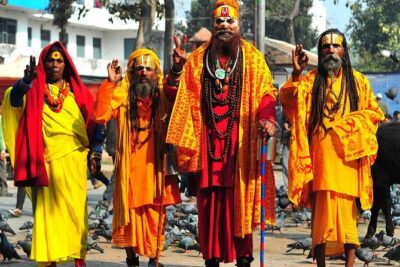
Kathmandu Spiritual Sites: Bodhnath & Pashupatinath Tour
Read our review →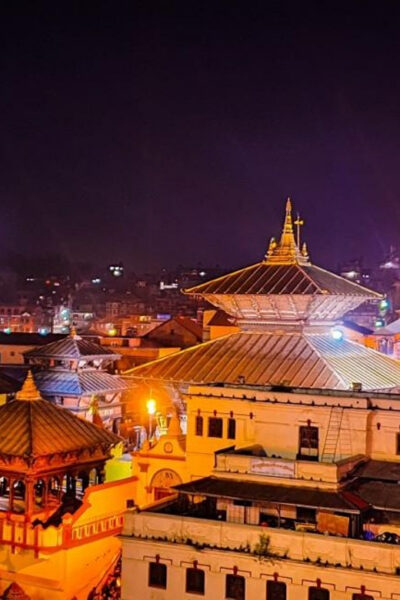
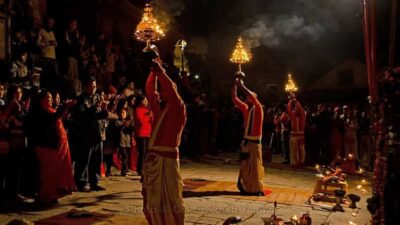
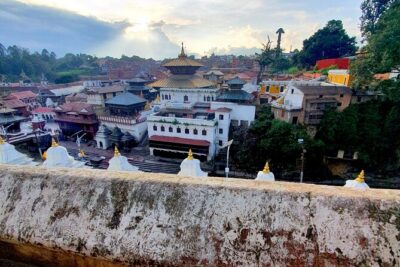
Pashupatinath Temple, Hindu Crematorium and Aarati in-depth Tour
Read our review →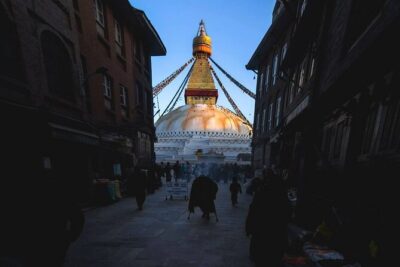
PashupatiNath and BoudhaNath – Private/Small Group
Read our review →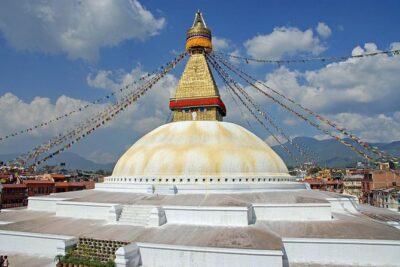
Private Half-Day Tour of Boudhanath and Pashupatinath Temples in Kathmandu
Read our review →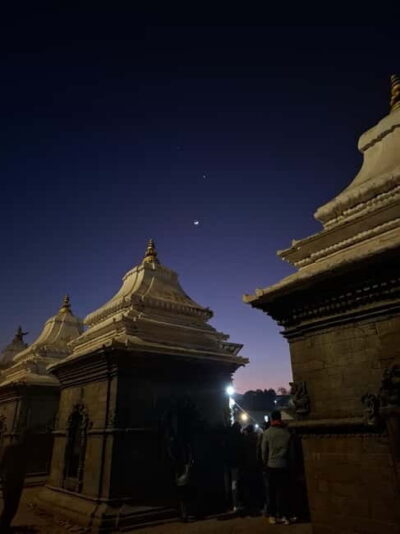
Katmandu: Pashupatinath Open Cremation & Evening Aarati
Read our review →This tour also appears in