
REVIEW · DURBAR SQUARE TOURS
Kathmandu Sunset Tour by Rickshaw Including Durbar Square Visit
Kathmandu is at its most engaging when you are moving slowly enough to notice it all. This evening rickshaw ride carries you from Thamel through Asan’s spice-and-vegetable market, then gives you time on foot inside Durbar Square as temples darken against the sunset and the city begins its night-time shuffle.
I like two things in particular: the rickshaw gets you through narrow lanes that are awkward to cover by car, and the tour mixes street life with real monuments rather than keeping you in a sightseeing bubble. The visit to Kathmandu Durbar Square also includes admission, a useful saving at a major historic site.
The main drawback is timing. After dark, some streets and paths are poorly lit, and the tour can overlap with a standard Kathmandu city tour. You also need to agree on a price if you arrange a separate rickshaw ride after the tour, as one traveler found out the hard way.
Key points to know before booking
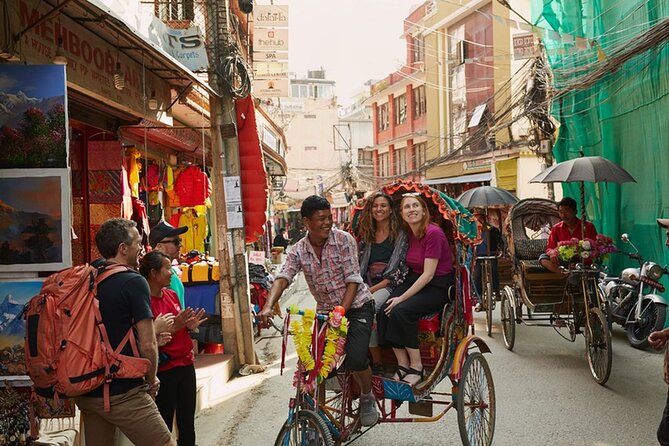
- A sunset ride through working Kathmandu: You travel from Thamel through Asan, where shoppers, vendors, motorbikes, temples, and food stalls share tight lanes.
- A proper Durbar Square visit: You get about 1 hour and 25 minutes in the palace and temple complex, with entrance included.
- A small group of no more than 12: This gives your guide a better chance to answer questions and explain what you are seeing.
- Named local guides include Nikita and Sanjeeb: Both are praised for warm, clear explanations and a strong affection for Kathmandu.
- A useful first-evening introduction: The tour helps you get your bearings before exploring the city on your own.
- A lower-impact way to get around: The operator hires rickshaw drivers directly and supports heritage preservation through the Durbar Square entrance fee.
Why this rickshaw tour works best at sunset
This is not a grand sightseeing circuit designed to cover every major sight in Kathmandu. It is a compact introduction to the city center, built around the simple pleasure of being carried through the streets at a walking pace.
You begin at 6:00 pm outside Hotel Marshyangdi on Chaksibari Marg, near Thamel. The total outing lasts about two and a half hours. That timing matters. Thamel is still active, Asan is full of shoppers, and the first lamps begin to appear as you approach the old royal quarter.
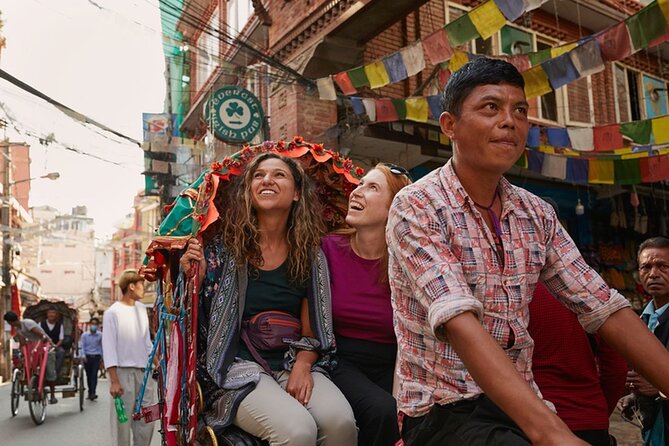
A rickshaw gives you a different view from a taxi or tour van. You sit above the street, with a clear angle over the people and stalls below. At the same time, you remain close to the sounds and smells of the city: spices, baked goods, motorbike horns, rickshaw bells, and the calls of shopkeepers.
The pace is laid back, but the setting is not quiet. You should expect crowded lanes and frequent stops as the driver works through pedestrians and traffic. That is part of the point, though it can feel hectic if you prefer smooth transport and open roads.
The ride is operated as a small group, capped at 12 people. You may have your own rickshaw seat, while the guide moves with the group and explains the places along the way. A local driver handles the route, which is important in a city where narrow lanes can turn into a maze within minutes.
More Durbar Square Tours in Kathmandu:
- Bhaktapur & Patan Durbar Square Day Tours
★ 5.0 · 122 reviews - Old Kathmandu Walking Tour, Historic World Heritage Durbar Square
★ 5.0 · 22 reviews - City tour of Bhaktapur and Patan Durbar Square
★ 4.5 · 20 reviews
Thamel: starting among shops, cafés, and night lights
Thamel is Kathmandu’s main tourist district, packed with hotels, restaurants, shops, spas, clubs, and travel services. It is not the old city in the strict sense, but it is a practical place to begin because it lets you see how modern visitor life connects with older neighborhoods.
The first 15 minutes are spent boarding and setting off through Thamel toward Asan. You will see storefronts selling scarves, clothing, baked goods, and other everyday items. From the rickshaw, you can watch the street without having to negotiate every turn on foot.
I would treat this opening section as a warm-up rather than a major sightseeing stop. Thamel is useful for understanding Kathmandu’s present-day visitor economy, but the strongest cultural material comes later. If you have just arrived in Nepal, this short ride is a pleasant way to get your bearings without committing to a long walking tour.
Your guide can also offer suggestions for what to see, eat, and do during the rest of your stay. That practical advice is one of the better benefits of taking this early in a trip. Guides named Nikita and Sanjeeb have been praised for explaining the city in a friendly, personal way, rather than simply reciting facts.
Asan market: spices, shrines, and tight lanes
The ride from Thamel reaches Asan, the oldest food market in Kathmandu, in about 50 minutes including the stops and slow progress through the area. Asan is where the tour feels most connected to daily life.
The market sells spices, herbs, vegetables, clothing, electronics, and almost anything else people need. It is often crowded with shoppers, and small temples and old monuments appear along the street edges. This combination is what makes Asan useful to see with a guide. If you walked through alone, you could easily miss the meaning of a shrine tucked between shops.
One important stop is Annapurna Temple. Annapurna is associated with abundance, and the name refers to food and fulfillment. The temple is a reminder that worship in Kathmandu is not separated from ordinary commerce. People shop, pray, eat, and carry on with errands in the same few yards.
The route also includes Seto Machindranath, known as Janabaha Dyo, a deity honored by both Hindus and Buddhists in Kathmandu. You will also hear about Akash Bhairab, associated with King Yalambar, described here as the first king in Nepal Bhasa tradition.
These stops give the market more depth. You are not only looking at stalls and traffic. You are seeing how sacred places remain part of the street plan and how religious life fits into the rhythm of shopping and work.
The drawback is that Asan can be hard to photograph or study at length from a moving rickshaw. The lanes are tight, the group must keep moving, and the crowd controls the pace. If you want a detailed market visit, return during daylight and explore on foot. For a first look, the rickshaw provides a lively introduction without asking you to navigate the area alone.
Kathmandu Durbar Square: temples, palaces, and evening shadows
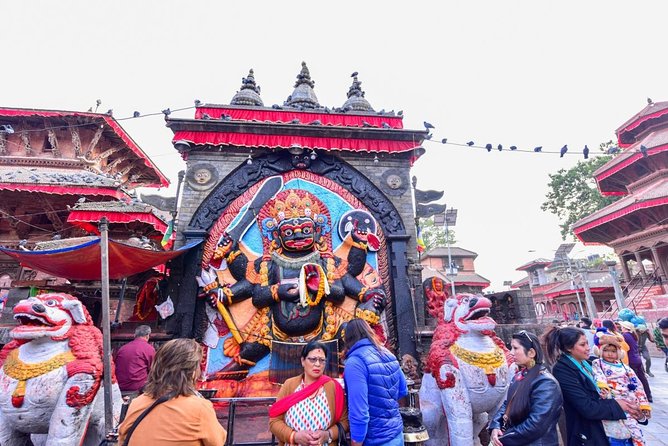
The main stop lasts about 1 hour and 25 minutes. You leave the rickshaw and walk through Kathmandu Durbar Square, a UNESCO World Heritage site containing more than 50 temples and shrines within a compact area.
The complex includes palaces, courtyards, and temples built between the 12th and 18th centuries. It was once the seat of Kathmandu’s Malla kings. Your guide explains the monuments before you have free time to look around, sit on a bench, watch local life, or browse nearby stalls and shops.
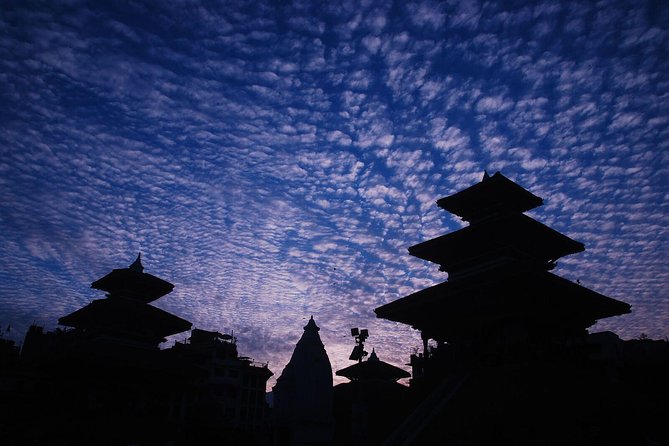
The early-evening light is a real reason to choose this tour rather than a midday visit. Temples and wooden buildings take on a darker outline as the sun fades, while food sellers and evening activity begin to gather around the square. The result is atmospheric without requiring a theatrical show. It is simply the city changing shifts.
Look for Gaddhi Baithak, the white European-influenced building from the Rana period. Its appearance is quite different from the older wooden temples and palaces around it. Ceremonial events take place from its balcony, and its presence helps explain how later rulers added their own style to the royal complex.
The tour also includes a Buddhist Sigal Shrine visit. The supplied details do not specify exactly how long you spend there, so treat it as part of the guided walk rather than a separate extended stop.
Durbar Square is the strongest part of the outing, but you should set your expectations correctly. This is an overview, not a full archaeological or architectural study. The guide points out key monuments and gives you context, then you have time to enjoy the square at your own pace. If you want to inspect every temple, read every plaque, or spend a full evening here, you may want to return independently.
The entrance fee is included, which improves the $50.30 price. You are paying for the rickshaw, a local guide, the route through several neighborhoods, and access to one of Kathmandu’s most important historic sites. The value is strongest if you are new to the city and would otherwise need to arrange transport and admission separately.
More things to do after dark in Kathmandu:
- 3 Nights 4 Days Chitwan National Park with Tower Night Stay
★ 5.0 · 41 reviews - 3 night 4 Day Yoga & Ayurveda Retreat to Detox the Body & Mind, Nepal
★ 5.0 · 37 reviews - Kathmandu: Pashupatinath Temple Evening Aarati Tour
★ 5.0 · 36 reviews - Kathmandu: Pashupatinath Temple Aarti Night Tour
★ 4.8 · 29 reviews
Freak Street and the changing face of old Kathmandu
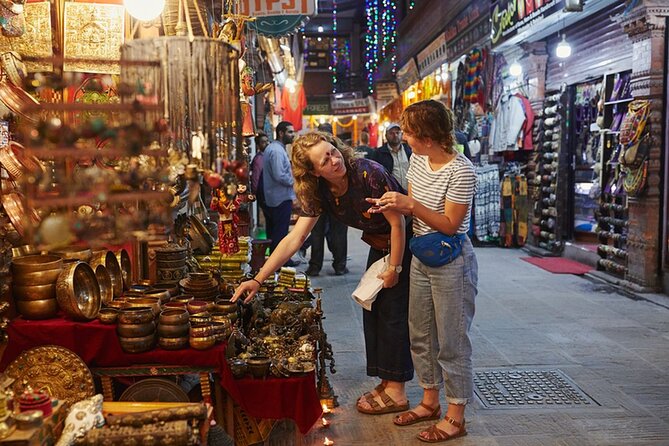
Inside the Durbar Square area, you can also explore Freak Street. Its shops recall Kathmandu’s association with the 1960s hippie era, when the street became a well-known stop for long-term visitors heading through South Asia.
Today, you may find shops, food sellers, cafés, and pubs rather than a preserved time capsule. That contrast is part of the interest. The old royal quarter is not frozen in the past. People still meet, eat, trade, pray, and pass through it after the monuments close for the day.
You can stop for chai from a local vendor or pub if you want a warm drink. Food and drinks are not included, so carry money for anything you buy. The tour does not promise a meal or tasting session, which is useful to know if you are expecting a food tour.
I like having this unstructured time built into the visit. The guided explanations give you a framework, then you can choose between people-watching, browsing, temple viewing, or a short drink stop. The trade-off is that the group still has to leave together, so this is not unlimited free time.
The ride back through Kathmandu after dark
At the end of the walk, you return to your rickshaw and travel back to Hotel Marshyangdi. The return passes through the same general mix of vendors, pedestrians, motorbikes, and rickshaw horns, now with more night activity.
This second ride is less about checking off sights and more about watching Kathmandu operate after sunset. The city can feel louder and less orderly at night, but the rickshaw keeps you close to it without requiring you to walk the whole way back.
Lighting is the main practical concern. Some streets and routes are not well lit, and one person arranged an additional rickshaw ride to reach a hotel afterward. If you need transport beyond the official end point, agree on the fare before setting off. Do not assume the tour price covers a separate ride.
The official activity ends back at the original meeting point. Plan your evening around that. You may want to eat in Thamel afterward, or you can use the guide’s suggestions to choose another nearby option.
Guides, group size, and the human side of the tour
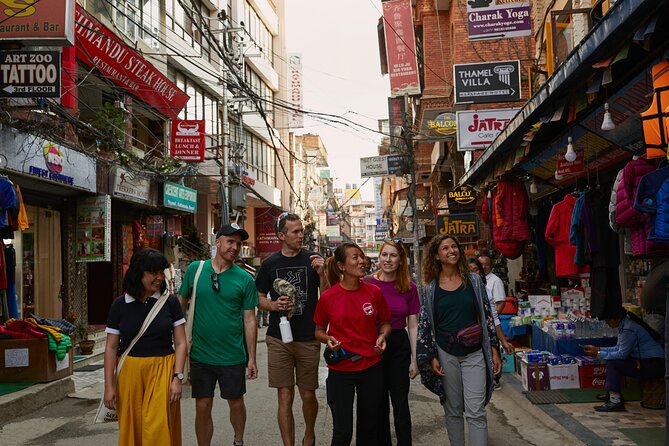
A good guide matters here because the streets can look like a continuous rush of people and goods. Names associated with the experience include Nikita and Sanjeeb. Nikita is praised for clear explanations and for helping a first-time visitor get a feel for Kathmandu. Sanjeeb is described as welcoming, warm, and eager to share his affection for Nepal.
That personal approach suits this route. The important details are often small: why a temple sits beside a market stall, which deity is honored at a shrine, or how a building from the Rana period differs from the older royal structures.
The group limit of 12 is also helpful. A smaller party is easier to gather in a crowded square, and you have a better chance of asking questions. It does not guarantee a private tour, and the streets may still be crowded, but it keeps the experience from becoming a large procession.
Festivals can change the feel of the tour. If one happens to fall on your evening, you might encounter drums, chanting, dancing, and unusually large crowds. That can be a wonderful bonus, but it also makes movement and sightseeing less predictable. The tour itself does not promise festival access or a festival date.
Price, timing, and who gets the best value
At $50.30 per person, this is not the cheapest way to see central Kathmandu. You are paying for a 2.5-hour guided experience, rickshaw hire, the Durbar Square admission fee, and a route planned through places that can be confusing on your own.
I think the cost makes sense for a first or second evening, especially if you have limited time. You get a broad look at Thamel, Asan, several religious sites, and Durbar Square without spending the night arranging transport. It also supports rickshaw drivers directly, while the entrance fee contributes to the upkeep of a major cultural site.
The value is less convincing if you are already taking a full Kathmandu city tour covering Asan and Durbar Square. There is some overlap, particularly around the central market and temple area. In that case, book this for the rickshaw ride and night-time mood, not for a completely new set of sights.
The tour is child-friendly, and children under six can join free of charge. Most people can participate, according to the supplied information, but you should be comfortable with uneven streets, crowded lanes, and getting in and out of a rickshaw.
It is also a carbon-neutral activity operated by a B Corp certified company. That does not transform the ride into a conservation project, but the direct support for drivers and heritage admission gives the environmental and local impact claims some practical substance.
Practical details that can make the evening easier
Meet at Hotel Marshyangdi at 6:00 pm. The activity returns to the same meeting point, and the mobile ticket is convenient if you do not want to carry printed paperwork.
Wear shoes you can walk in comfortably. Durbar Square is explored on foot, and the tour includes narrow lanes and uneven streets. You may want a light layer for the evening and some cash for chai, food, or anything you buy along the route.
Food and drinks are not included. Eat beforehand if you need a full meal, or plan to stop in Thamel after the ride. The tour is more about seeing local life than sampling a set menu.
Free cancellation is available up to 24 hours before the 6:00 pm start time. Cancellations made less than 24 hours ahead are not refunded, and late changes are not accepted. The cut-off follows local Kathmandu time.
Should you book this Kathmandu rickshaw ride?
Book it if you want a gentle first look at central Kathmandu, enjoy watching street life from close range, and prefer a guide to explain the shrines and buildings as you go. The mix of Asan market, religious sites, Durbar Square, Freak Street, and evening transport gives you more texture than a simple point-to-point ride.
I would especially recommend it for a first night in town, a short stay, families with young children, and anyone who wants a small group rather than a large bus tour. Guides such as Nikita and Sanjeeb add the local connection that makes the route more than a ride through traffic.
Skip it if you have already covered the same central Kathmandu sights, dislike crowded streets, or want a quiet sunset viewpoint. It is also not the right choice if you expect a food-inclusive tour or a long, detailed examination of every monument.
For most first-time visitors, the strongest reason to book is the combination of transport and context. You see Kathmandu from the street, then stop long enough to understand what you are looking at. At $50.30, that is a fair trade for an easy introduction to the city’s old center, especially with Durbar Square admission included.
FAQ
Where does the Kathmandu rickshaw tour begin?
It begins at Hotel Marshyangdi on Chaksibari Marg in Kathmandu.
What time does the tour start?
The start time is 6:00 pm.
How long does the experience last?
The tour lasts approximately 2 hours and 30 minutes.
Where does the tour finish?
The activity ends back at the original meeting point, Hotel Marshyangdi.
Is admission to Kathmandu Durbar Square included?
Yes. The Durbar Square entrance fee is included in the tour price.
Are food and drinks included?
No. Food and drinks are not included, though you may have opportunities to buy chai or other items from local vendors.
Can children join the tour?
Yes. The tour is child-friendly, and children under six years old may join free of charge.
Recently added around Kathmandu
- Kathmandu Airport Pickup and Drop-off Services★ 5.0 · 3 reviews
- Kathmandu Paragliding★ 5.0 · 3 reviews
- Explore The Beauty Of Langtang Valley In 8-Days Trek★ 5.0 · 3 reviews
- Kathmandu Chandragiri Cable Car and Swayambhunath Private Tour★ 5.0 · 3 reviews
- Kathmandu: Nightlife and Pub Crawl Tour★ 5.0 · 3 reviews
- Kathmandu: Momo Making Class with a Local Chef★ 5.0 · 3 reviews
- Mountain Flight Experience in Nepal★ 4.5 · 3 reviews
- Everest Base Camp Trek★ 5.0 · 3 reviews
Other Durbar Square Tours worth a look
Old Kathmandu Walking Tour, Historic World Heritage Durbar Square
Read our review →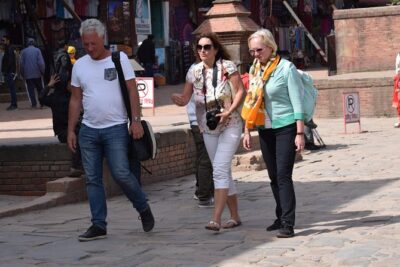
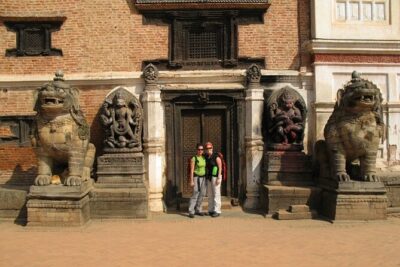
Bhaktapur Old City and Durbar Square Half-Day Tour
Read our review →
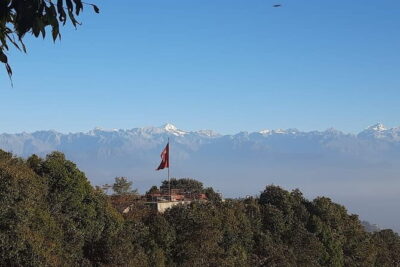
Nagarkot Sunrise & Bhaktapur Durbar Square UNESCO Heritage Tour
Read our review →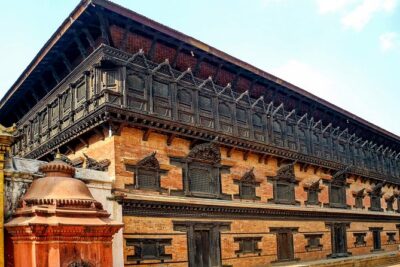
Patan & Bhaktapur Durbar Square Tour with Lunch – Private/Group
Read our review →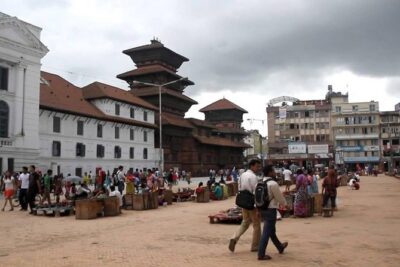
Private Half-Day Tour of Kathmandu Durbar Square and Swayambhunath Temple
Read our review →This tour also appears in