
REVIEW · PATAN TOURS
Folklore and Everyday Life in Ancient Patan
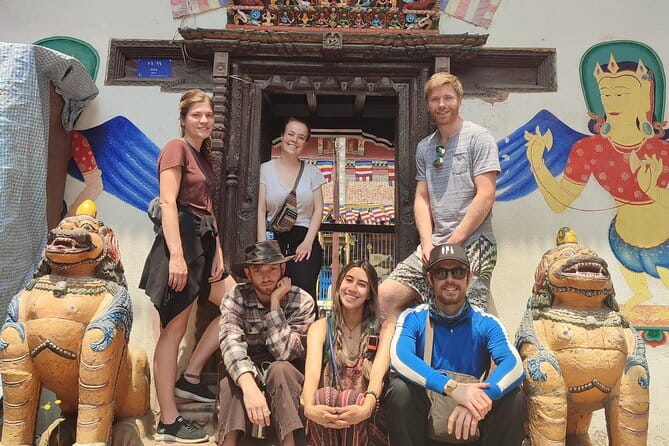
Patan’s best stories often sit just beyond the famous monuments. This two-hour walk leads you through courtyards, monasteries, shrines, and narrow lanes around the old town, showing how faith and family life still shape the city. Guide Sandip is singled out for his humor, clear explanations, and knack for finding places you would likely miss alone.
I like two things right away: the tour puts Newar culture at the center, rather than treating Patan as a string of photo stops, and it covers Pimbahal, Nyakhachowk, and Nagbahaa instead of simply circling Patan Durbar Square. The main consideration is just as clear: the famous square and its museum are not included, so you should plan extra time and money to visit them on your own.
Key points to know
- Local Patan, not the main palace square: The route focuses on the old town around Patan Durbar Square.
- Four distinct stops: Pimbahal, Nyakhachowk, Nagbahaa, and Swotha Square each bring a different angle on Patan.
- Faith explained in daily terms: You will hear about Newar Buddhism, Tantric Hinduism, shrines, monasteries, and household customs.
- Small group format: The maximum is 10 people, which suits questions and close work in tight lanes.
- A useful finish: The walk ends at Swotha Square, only a few minutes from Patan Durbar Square.
- Good value for a focused walk: At $65, the price makes the most sense if you want interpretation and local context, not just directions.
Why the lanes beyond Patan Durbar Square matter
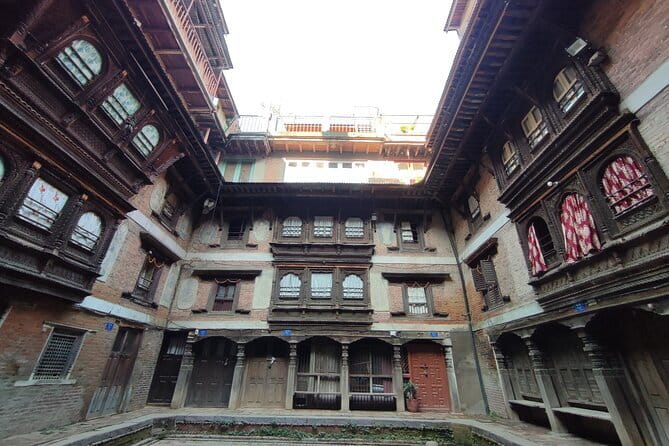
Patan is famous for its royal square, carved temples, and metalwork. Yet the square alone cannot explain how the city works. The old town around it is a web of courtyards, resting places, shrines, monasteries, homes, and small public spaces. This tour spends its time in that web.
I find that approach useful because it connects grand monuments to ordinary routines. A carved doorway is not just decoration. A courtyard is not just a shortcut. A shrine may be part of a living practice rather than an old object placed behind glass.
The walk also places two major religious traditions side by side. Newar Buddhism and Tantric Hinduism are not presented as distant subjects from a textbook. Instead, the route looks at how beliefs shape buildings, ceremonies, symbols, and social life in Patan today.
That makes this a better fit for you if you want context and conversation. It is less suitable if your main goal is to spend two hours inside the ticketed palace complex. The tour deliberately leaves that out.
More of Patan:
- Bhaktapur & Patan Durbar Square Day Tours
★ 5.0 · 122 reviews - Kathmandu: Private Patan and Bhaktapur Sightseeing Tour
★ 4.7 · 64 reviews - Patan and Bhaktapur City Full Day Tour
★ 5.0 · 24 reviews
Starting at Patan Dhoka at 10:00 am

You meet the guide at the entrance gate of the old town at Patan Dhoka on Patandhoka Road. The listed start time is 10:00 am, and the walk lasts about two to two and a half hours.
There is no hotel pickup or drop-off. You need to make your own way to the meeting point, but the start is near public transportation. A mobile ticket is provided, and booking confirmation arrives at the time of booking.
A group limit of 10 people is a real advantage here. Patan’s lanes and courtyards are not built for a large moving crowd. A smaller group should make it easier to hear explanations, pause near shrines, and ask about details without turning every stop into a production.
Wear comfortable shoes and expect a walking route through narrow streets and courtyards. The supplied details do not promise a fully accessible route, so if you have specific mobility needs, ask the operator before booking. Service animals are allowed, and most people can participate.
Pimbahal: a courtyard with a spiritual life
The first major stop is Pimbahal, reached through traditional courtyards and old urban lanes. The point here is not merely to admire the setting. You will look at how Newar settlements combine practical design with spiritual practice and local knowledge.
Pimbahal opens onto a Newar Buddhist monastery dating back many years. The courtyard setting helps explain how religious spaces fit into the town rather than sitting apart from it. You can expect discussion of the relationship between the built environment and the people who use it.
This is an important early stop because it sets the tone for the whole walk. Patan’s old town is not only a collection of beautiful facades. Its courtyards have social and religious roles, and the guide uses them to discuss the way older customs continue to function.
The stop is listed at about 30 minutes. That is a sensible amount of time for orientation and questions, especially if Sandip is leading the walk. His explanations are praised for covering local culture, Hinduism, Buddhism, and smaller details that an independent stroll could easily miss.
Nyakhachowk and the details of everyday architecture
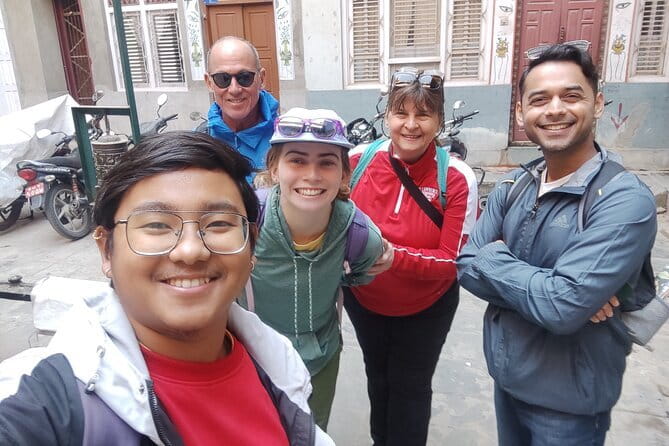
From Pimbahal, the route follows a smaller path toward Nyakhachowk. Along the way, you see traditional features such as falchaa, or resting areas, ancestral shrines, and vernacular houses.
These details are easy to pass without a guide. A resting platform can look like a bit of street furniture. An ancestral shrine can blend into the wall. A house may appear old and attractive without revealing how its design fits the life of the neighborhood.
At Nyakhachowk, the group enters another courtyard. The stop includes one of the area’s important Buddhist monasteries, with elaborate woodwork and metalwork. The tour information describes this monastery as one of the most respected and embellished in Patan, and says more than 4,000 ordained monks are part of its monastic order.
That figure gives you a sense of scale, though the stop itself is not presented as a long formal monastery visit. You should expect to pause, observe, and discuss the religious and artistic setting. Dress and behave respectfully around active religious sites. The details provided do not specify a formal dress code, but modest clothing and a quiet manner are sensible.
Nyakhachowk is another 30-minute stop. I like the way it shifts the focus from broad history to small signs of continuity. You are looking at wood, metal, courtyards, and houses, but also at the practices that give them meaning.
A few more Kathmandu days to weigh up
- Everest Base Camp Trek – 14 Days
★ 5.0 · 1,499 reviews - Private Kathmandu Sightseeing Tour | UNESCO World Heritage sites
★ 5.0 · 756 reviews - Everest Base Camp Helicopter Tour landing at Everest View Hotel
★ 5.0 · 668 reviews - Half day cooking class in Thamel kathmandu
★ 5.0 · 607 reviews
Nagbahaa: art shaped by connections beyond Nepal
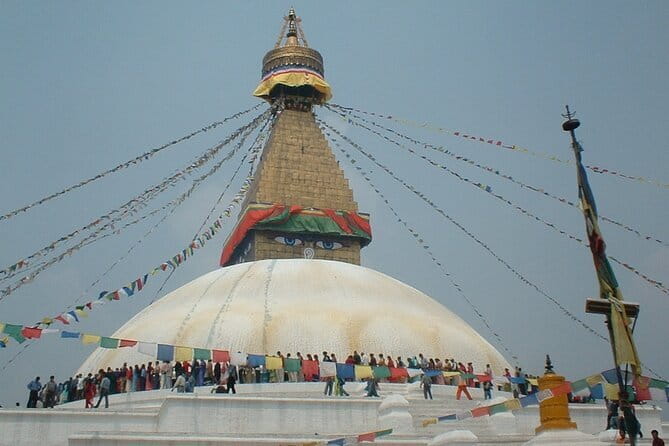
The next stop is Nag Bahal, also written Nagbahaa. It is one of the largest courtyards in old Patan and offers a chance to discuss how outside contact affected local art.
One especially interesting subject is the Greek and Hellenistic influence visible in Buddhist and Hindu iconography. That does not mean Patan’s art is simply copied from elsewhere. It shows that artistic ideas moved across regions long before modern tourism and digital communication.
The stop is scheduled for about 15 minutes, so expect a compact explanation rather than a long museum-style lecture. This is where a good guide matters. Sandip is described as able to explain traditions and local folklore while keeping the mood relaxed and good-humored.
Nagbahaa also reinforces one of the tour’s strongest ideas: old Patan was connected to the wider world. Its art developed through contact and exchange, while still taking root in local religious life.
Swotha Square brings the walk to a practical finish

The route ends at Swotha Square, a pleasant public space with temples, shrines, and tea shops. After the enclosed courtyards and narrow streets, this makes a natural place to pause and take stock.
Swotha Square is also useful for planning the rest of your day. The guide can point you toward Patan Durbar Square, which is only a few minutes away. You then visit the main palace complex independently, buying the separate admission ticket yourself.
The decision to end here rather than include the square is intentional. It keeps the tour focused on the surrounding old town and allows you to choose how much time to spend at the major monument. If you have already seen Patan Durbar Square, this route fills in what you probably did not see. If you have not seen it, plan to continue on your own.
The museum inside the old palace complex is specifically recommended. Admission is extra, and Patan Durbar Square is not part of the $65 tour price.
What the guide adds to the experience
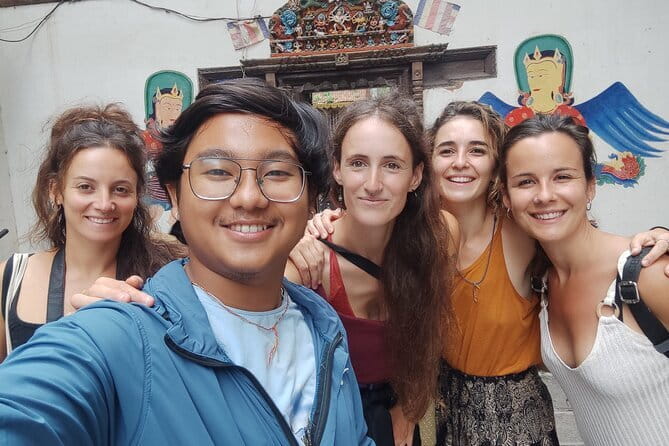
The quality of a walking tour through Patan depends heavily on the person leading it. The streets do not need another guide who only points at old buildings. You need someone who can explain why a shrine matters, connect a local tale to a religious practice, and answer questions without turning the walk into a lecture.
Sandip is the main guide named in the available information. He is described as insightful, easygoing, attentive, and able to bring humor to the route. Pinhua is also associated with the experience, including one account of traveling through Patan with both guides.
The strongest praise centers on finding places people would not have known to visit alone. That is a useful distinction. The value is not simply access to a location. It is the explanation of what you are seeing and the connections between folklore, belief, art, architecture, and modern Nepali life.
The tour also aims to show how younger Nepalis balance cultural norms with modern values. That gives the walk a present-day purpose. You are not being asked to treat Patan as a frozen relic. The route considers how an old town changes while its customs continue.
How the $65 price holds up
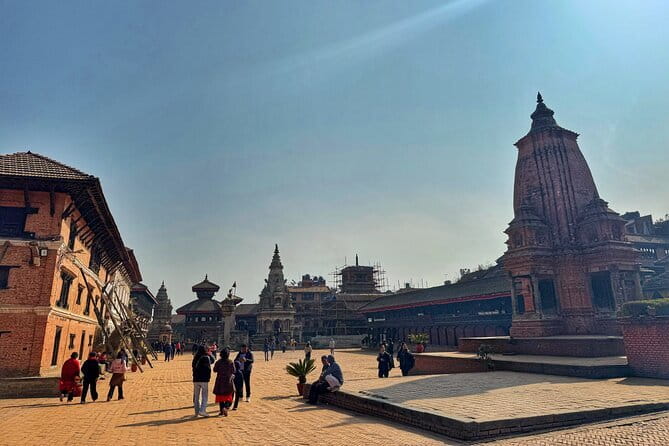
At $65, this is not the cheapest way to walk around Patan. You can explore streets and public courtyards independently, and admission to the listed stops is free. The price pays for the guide’s time, interpretation, route planning, and the chance to ask questions in a small group.
I would call it fair value if you are curious about Nepali society, religious practice, and local folklore. The cost is harder to justify if you mainly want photographs or already have a strong grasp of Newar history and the Kathmandu Valley.
The tour lasts only two to two and a half hours, so it is a focused introduction rather than a full-day cultural program. There is no transport, meal, or Durbar Square ticket included. Those omissions are easy to understand, but you should include them in your day’s budget.
One practical way to improve the value is to pair the walk with Patan Durbar Square and its museum afterward. Since the tour ends close by, you avoid crossing town between activities. You get the local residential and religious setting first, then the royal monuments.
Who will enjoy this Patan walk most
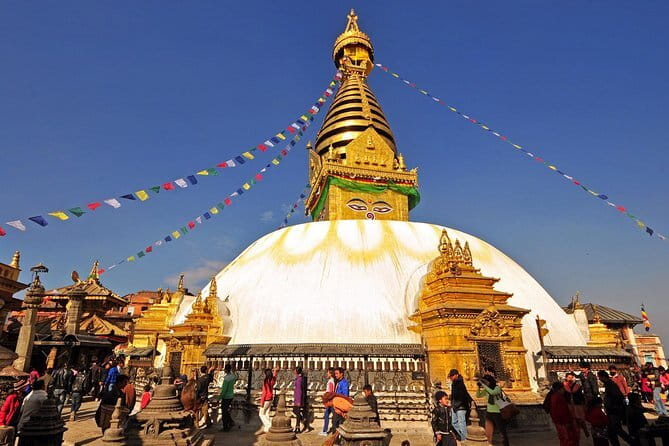
I would choose this for you if you like seeing how a city functions behind its headline sights. It suits people interested in Buddhism, Hinduism, architecture, oral traditions, and the ways older customs remain part of daily life.
It is also a good choice if you prefer a small group and a guide who can adapt the conversation. The maximum of 10 people is small enough for questions, though the actual group size is not guaranteed to be 10 or fewer than that maximum.
You should also consider it if you have limited time in Kathmandu but want more than a quick look at the palace square. The route covers several distinct courtyards and ends near the city’s best-known monument, making it easy to combine with another visit.
Families and most active participants can take part. The details say most travelers can participate, but the route involves walking through old streets and courtyards. Ask in advance if you need firm information about surfaces, steps, or accessibility.
Small practical points before booking
The tour needs good weather. If poor weather causes cancellation, you are offered another date or a full refund. You can cancel for a full refund up to 24 hours before the local start time, but cancellations or changes made inside that window are not accepted and are not refunded.
Bring a phone with your mobile ticket available. Since pickup is not included, allow enough time to reach Patan Dhoka by 10:00 am.
Keep the route’s purpose in mind. Patan Durbar Square is not a surprise omission or a ticket handled by the guide. It is intentionally outside the walk. You will need to pay its admission separately if you continue there.
The tour ends at Swotha Square, not back at the starting gate. That is helpful if you want to continue sightseeing, but less convenient if you need to return to your starting point immediately. Arrange your onward transport from the square or nearby area.
Should you book Folklore and Everyday Life in Ancient Patan?
Book it if you want the Patan most independent sightseers miss: monastery courtyards, ancestral shrines, resting platforms, local tales, and the religious ideas behind old buildings. Sandip’s reputation for clear explanations and humor makes the guided format especially useful.
Skip it if your priority is only Patan Durbar Square, because you will still need a separate visit and ticket. Also think twice if you dislike walking or want a tour with transport included.
For most culturally curious visitors, the best plan is to take this walk in the morning and continue to the palace square and museum afterward. At $65, it earns its price by giving meaning to places you could otherwise pass without noticing.
FAQ
Where does the tour start?
The tour starts at the entrance gate of the old town at Patan Dhoka, on Patandhoka Road in Lalitpur.
What time does the tour begin?
The listed start time is 10:00 am.
How long does the walk last?
The experience lasts approximately two to two and a half hours.
Where does the tour end?
The walk ends at Swotha Square in Lalitpur.
Is Patan Durbar Square included?
No. Patan Durbar Square is not included. It is a few minutes from Swotha Square, so you can visit independently afterward.
Is the Patan Durbar Square museum included?
No. The museum and the main square require separate admission fees.
What places are visited during the walk?
The route includes Pimbahal, Nyakhachowk, Nagbahaa, and Swotha Square, along with streets, courtyards, shrines, monasteries, and traditional architecture in the old town.
Who leads the experience?
Sandip is named as the guide, and Pinhua is also associated with the experience.
Is transportation included?
No. Pickup and drop-off are not included. The meeting point is near public transportation.
What happens if the weather is poor?
If the experience is canceled because of poor weather, you will be offered another date or a full refund.
Recently added around Kathmandu
- Kathmandu Airport Pickup and Drop-off Services★ 5.0 · 3 reviews
- Kathmandu Paragliding★ 5.0 · 3 reviews
- Explore The Beauty Of Langtang Valley In 8-Days Trek★ 5.0 · 3 reviews
- Kathmandu Chandragiri Cable Car and Swayambhunath Private Tour★ 5.0 · 3 reviews
- Kathmandu: Nightlife and Pub Crawl Tour★ 5.0 · 3 reviews
- Kathmandu: Momo Making Class with a Local Chef★ 5.0 · 3 reviews
- Mountain Flight Experience in Nepal★ 4.5 · 3 reviews
- Everest Base Camp Trek★ 5.0 · 3 reviews
Other Patan Tours worth a look
Kathmandu and Patan Heritage and Living Goddess Experience Tour
Read our review →
Patan & Bhaktapur Durbar Square Tour with Lunch – Private/Group
Read our review →
Nagarkot Sunrise, Bhaktapur and Patan Durbar Square Tour in Kathmandu
Read our review →This tour also appears in