
REVIEW · FOOD & DRINK
Kathmandu Local Food Hunt Tour
Kathmandu reveals itself through food, and this half-day walk puts you close to the source. You move through Asan’s crowded market streets, pause at local food spots, and continue toward Kathmandu Durbar Square, where temple bells, incense, old shops, and daily worship share the same narrow lanes. I like the minimum of five dishes and drinks, and I like the private format, which lets your guide adjust the pace and menu. The main drawback is simple: people with food allergies should not book this experience.
I also like that hotel pickup and drop-off are included, a real help in Kathmandu’s busy streets. If Mr. Rajan is available, ask for him by name, since he is specifically associated with this experience and has taken a guest to several well-liked food stops. Bring comfortable shoes, though, because four and a half hours on foot can feel long in hot sun or uneven streets.
Key points at a glance
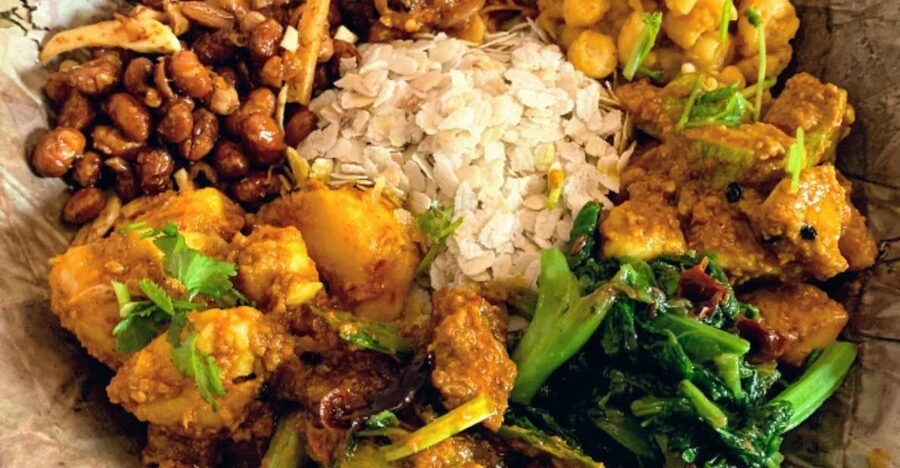
- At least five tastes: You sample a minimum of five Nepali dishes and drinks during the walk.
- Asan market on foot: Explore one of Kathmandu’s busiest trading areas, with spices, tea, cookies, street vendors, and old shops.
- Temple-side Kathmandu: Visit the area around Kathmandu Durbar Square, including the 16th-century palace of Pratap Singh Malla.
- Private guiding: Your own group takes part, so the pace and food choices can be adjusted more easily.
- Vegetarian-friendly: Vegetarian and vegan requests can be handled if you tell the guide in advance.
- Simple pricing: At $55 per person, the cost covers food, water, transport to and from your hotel, and an English-speaking guide.
Why a food walk works well in Kathmandu
Kathmandu can feel hard to read at first. Its streets carry worshippers, shoppers, motorbikes, shopkeepers, schoolchildren, and food sellers all at once. A local guide gives you a reason to stop and look instead of simply trying to get from one landmark to the next.
This tour links eating with place. You are not only sitting down for a meal. You are walking through markets, seeing the goods used in everyday cooking, and hearing about local customs as you go. That connection makes the food easier to understand.
The four-and-a-half-hour length is useful. You have enough time for several stops without giving up an entire day of sightseeing. You can fit it into a morning or afternoon and still leave room for another Kathmandu visit.
The private format matters, too. You are not sharing the schedule with a large group. If one dish interests you, you can ask more questions. If you need a slower pace or a vegetarian menu, the guide can work with your group more directly.
More Food Tours in Nepal:
- Kathmandu Food and Drink Walking Tour
★ 5.0 · 266 reviews - Kathmandu: Food and Drink Walking Tour
★ 4.9 · 119 reviews - Walking Street Food Tour in Kathmandu
★ 5.0 · 111 reviews
Hotel pickup and the first steps into Asan
Your English-speaking guide meets you in your hotel lobby before the scheduled pickup time. Hotel pickup and drop-off are included, along with a bottle of drinking water. That makes the start less stressful, especially if you are still finding your way around Kathmandu.
The food walk then moves toward Asan, one of the city’s busiest market areas. The tour description presents Asan as a place where you can see many sides of local life at once: market stalls, ancient temples, street vendors, and food sellers.
Do not expect a quiet, polished market designed for sightseeing. Asan is a working part of the city. You might find spices, tea, cookies, and other shop goods close to places of worship and ordinary neighborhood trade. The appeal comes from this mix.
Your guide explains what you are seeing as the walk unfolds. That is important here because the streets can seem like a jumble of activity. A shop selling food, a shrine, a temple bell, and a vendor preparing something to eat may all appear within a short stretch.
Wear shoes that can handle steady walking. Comfortable clothes are also listed as essential, and sunscreen is a sensible addition. You should be ready for a walking tour rather than a series of vehicle transfers.
The food stops: five tastes or more
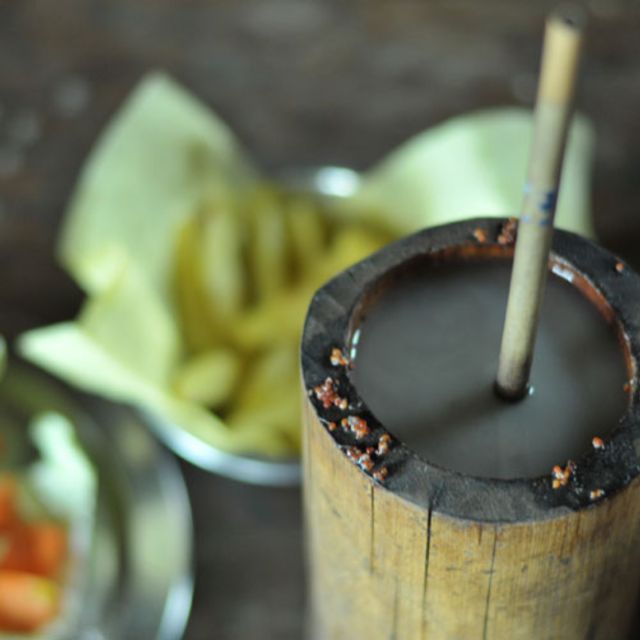
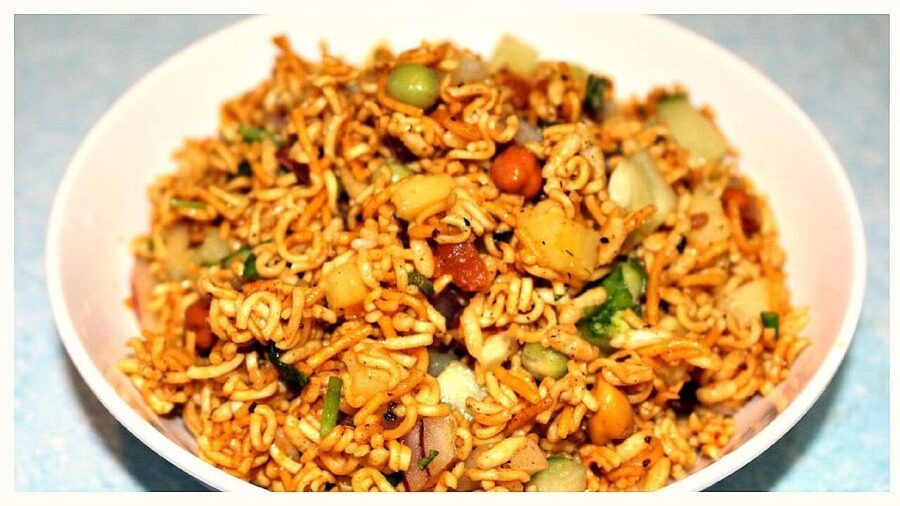
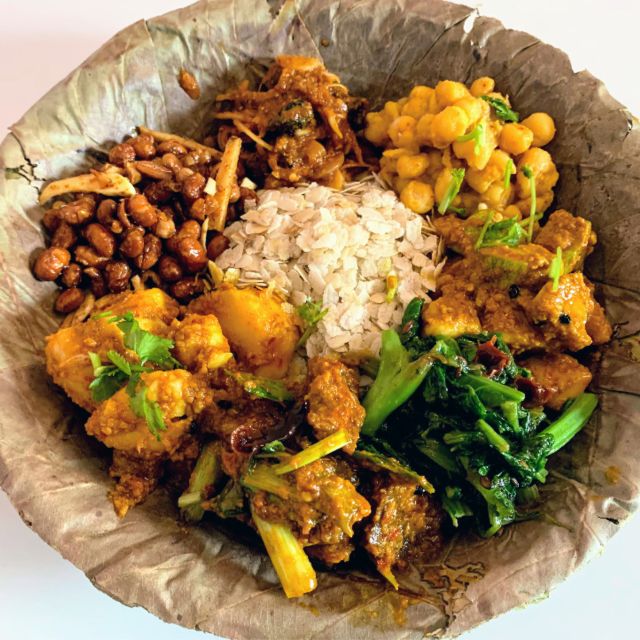
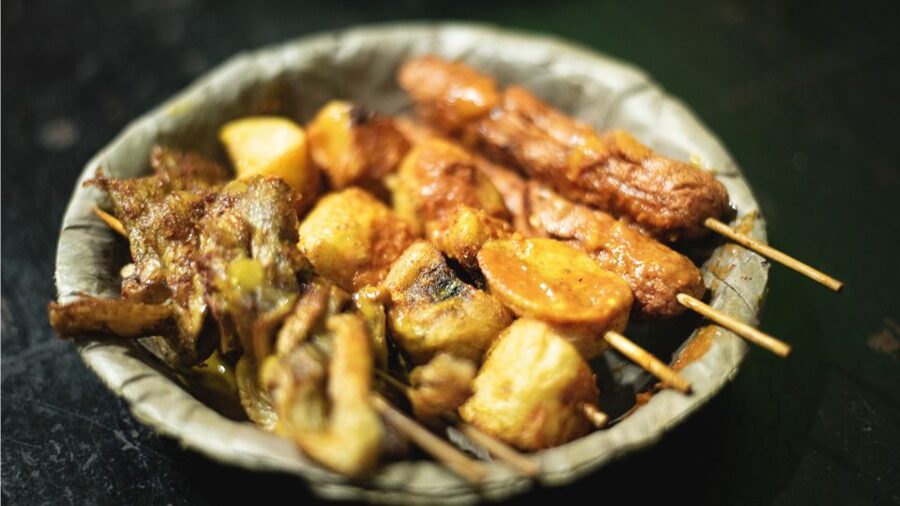
The central promise is a minimum of five dishes and drinks. The exact menu is not fixed in the information provided, so you should think of this as a guided tasting route rather than a set restaurant meal.
That flexibility can be a strength. Your guide can choose food stops that fit the day and the route, and the private setup may make it easier to discuss what you want to try. It also means you should not book this expecting a printed menu or a guaranteed list of named dishes.
The food is meant to be traditional Nepali fare, with tastings spread through the walk. You may stop at local food sellers or small shops rather than sitting in one formal dining room for the entire experience. That gives you a closer look at how food fits into daily life.
Portion sizes are not specified, so the five tastings should not automatically be treated as five full meals. If you have a large appetite, ask the guide early how the food is arranged. The included items are different varieties of food and drinks, plus water, while alcoholic drinks cost extra and are not included.
Vegetarians and vegans can be accommodated. You need to tell the guide about your preference so the stops can be adjusted. This is one of the better reasons to choose a private tour instead of a fixed group food route.
Food allergies are a different matter. The experience is listed as unsuitable for people with food allergies, so you should not rely on this tour if strict ingredient control is important. Vegetarian or vegan eating is specifically supported, but that does not mean the food is safe for every allergy.
Asan’s shops, spices, and street-side details
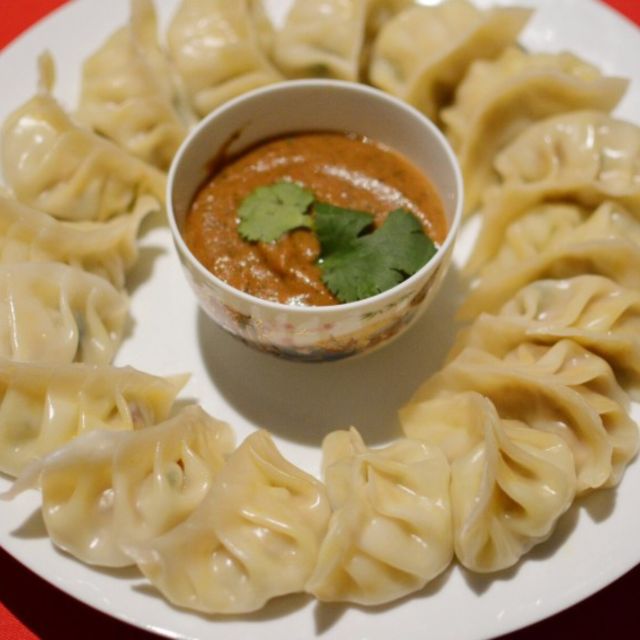
Asan is where the tour earns much of its character. You see the practical side of Kathmandu, not just the postcard views. Old shops sell everyday goods such as spices, tea, and cookies, while food vendors work close to the flow of people.
I like this part because it gives context to the dishes you taste. A food sample has more meaning when you have just seen the market goods around it. The guide can explain the connection between what is sold, what is cooked, and how people use the area.
The streets may feel crowded and close. That is part of the setting, but it can also be tiring. You should stay near your guide and keep your belongings secure, especially while stopping at busy stalls or moving through narrow market lanes.
The tour is described as wheelchair accessible, though the route includes a market walk and temple areas. If you use a wheelchair, confirm the exact route and any street conditions before booking. Accessibility can vary from one stretch of old Kathmandu to another.
A few more Nepal days to weigh up
- Secret Food Tour – Food Bites and Sights Kathmandu 14+ Testings
★ 5.0 · 82 reviews - Kathmandu Secret Food Crawl & Local Market Tour
★ 4.7 · 54 reviews - Kathmandu Food & Drink and Shopping Rickshaw Tour
★ 5.0 · 48 reviews - Walking Food Tour in Hidden Local Eateries of Kathmandu
★ 5.0 · 40 reviews
Kathmandu Durbar Square and the temple atmosphere
The walk continues toward the area around Kathmandu Durbar Square. The square is connected here with a 16th-century palace of Pratap Singh Malla, along with old shops and temples that remain part of daily activity.
This is not presented as a long formal palace tour. Instead, you explore the nearby streets and take in the setting while the food and culture walk continues. That makes the square a useful part of the route, but it may not satisfy you if you want a detailed architectural lecture or an extended museum visit.
The sensory details are strong. Temple bells ring, incense hangs in the air, and people stop to pray. Old shops selling spices, tea, and cookies sit near the religious sites, so the area feels lived in rather than arranged only for sightseeing.
Keep your expectations clear. The tour offers cultural explanation along the way, but the main focus remains food and street life. You are getting a taste of Kathmandu’s heritage, not a dedicated historical tour of every palace building and shrine.
A private group changes the pace
Only your own group takes part. That gives the experience a more personal feel and removes the delays that can come with waiting for a large party to finish eating or taking photographs.
The guide can also respond to your questions as you walk. If you want more time in the market, you can ask. If your group is ready to move on, the route does not need to follow the rhythm of strangers.
Private tours are not always the cheapest option, but here the $55 price includes several useful pieces: hotel pickup and drop-off, an English-speaking guide, food and drink tastings, a local market visit, and bottled water. The value depends on how much food is provided and how much you value private guiding, since exact portions and named stops are not listed.
For one person, $55 is a reasonable price if you want a guided introduction and do not want to plan the food route yourself. For two or more people, the private format becomes easier to justify because you share the guide experience within your group, though the charge remains per person.
The strongest part of the value is convenience. You do not need to research which market to enter, guess what is safe to order, or work out the route between Asan and Durbar Square. You pay for local direction as much as for the food itself.
What to bring and what to expect
Pack light. Comfortable shoes matter more than dressy clothes, and sunscreen is useful during a four-and-a-half-hour walk. Comfortable clothing will make market streets and temple areas easier to handle.
The tour includes a bottle of drinking water, but you should still think about hydration during a long walk. Alcohol and drugs are not allowed, and alcoholic drinks are not included in the price.
Confirmation is provided when you book. Most people can participate, and the activity is near public transportation. You do not need to organize your own transport to the starting point if you use the included hotel pickup, but you should wait in the hotel lobby before the scheduled time.
Free cancellation is available up to 24 hours in advance for a full refund. You can also reserve now and pay later, which is useful if your Kathmandu schedule is still changing.
Who will enjoy this food hunt most
This is a strong match for you if you want a first taste of Kathmandu without spending a full day on a formal sightseeing program. It suits people who enjoy walking, small food stops, market scenes, and conversation with a local guide.
It is also a good choice if you are unsure where to start with Nepali food. The guide can take you to places you might not find on your own, and the minimum of five dishes and drinks gives the tour enough variety to feel like a proper introduction.
Vegetarians and vegans have a clear reason to consider it. The menu can be tailored, provided you communicate your needs. Private guiding is another plus if your group wants to ask questions or keep a relaxed pace.
This is less suitable if you want a luxury food experience, a quiet sit-down meal, or precise control over every ingredient. It is also not suitable for people with food allergies. The route is built around street markets and old city areas, so you should be comfortable with walking and a less predictable food setting.
Should you book the Kathmandu Local Food Hunt?
Book it if you want to connect Kathmandu’s food with its markets, temples, and daily routines. The combination of five or more tastings, a private English-speaking guide, hotel transport, and stops around Asan and Kathmandu Durbar Square gives you a practical half-day introduction for $55 per person.
Ask whether Mr. Rajan is available if you want the guide named in the strongest individual account of the experience. Most important, tell the guide in advance if you are vegetarian or vegan, and skip this tour if you have a food allergy.
For an easy first look at local eating and old Kathmandu streets, this is a sensible pick. Just bring good shoes, keep your schedule flexible, and remember that the route is a walking food hunt, not a polished restaurant crawl.
FAQ
How long does the Kathmandu Local Food Hunt Tour last?
The tour lasts four and a half hours. Starting times depend on availability when you book.
How much does the tour cost?
The listed price is $55 per person.
What food and drinks are included?
The tour includes different varieties of food and a minimum of five dishes and drinks. A bottle of drinking water is also included. Alcoholic beverages are not included.
Is hotel pickup included?
Yes. Pickup and drop-off at your hotel are included. You should wait in the hotel lobby before the scheduled pickup time.
Can vegetarians and vegans join the tour?
Yes. Vegetarian and vegan guests can be accommodated. Tell your guide about your preference so the food route can be adjusted.
Is this a private and wheelchair-accessible activity?
Yes. Only your group participates, and the activity is listed as wheelchair accessible. Since the route includes market streets and temple areas, confirm the exact walking conditions if you use a wheelchair.
Recently added around Nepal
- Kathmandu Airport Pickup and Drop-off Services★ 5.0 · 3 reviews
- Kathmandu Paragliding★ 5.0 · 3 reviews
- Paragliding in Pokhara★ 5.0 · 3 reviews
- Pokhara: 5-Day Annapurna Base Camp Trek with Hot Spring★ 5.0 · 3 reviews
- Kathmandu Chandragiri Cable Car and Swayambhunath Private Tour★ 5.0 · 3 reviews
- Explore The Beauty Of Langtang Valley In 8-Days Trek★ 5.0 · 3 reviews
- Pokhara:4-Day Ghorepani Poon Hill Guided Trek via Ghandruk★ 5.0 · 3 reviews
- Pokhara: 7-Day Annapurna Base Camp Trek via Ghandruk★ 4.3 · 3 reviews
Other Food & Drink worth a look
Secret Food Tour – Food Bites and Sights Kathmandu 14+ Testings
Read our review →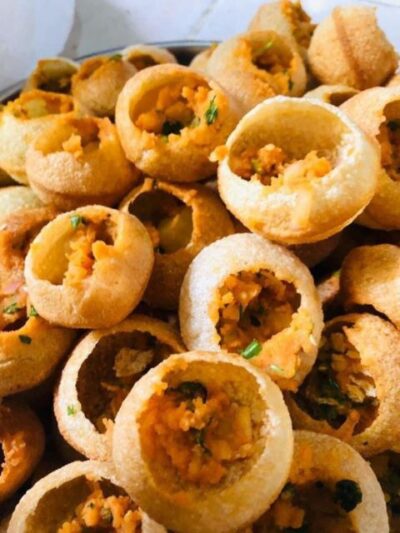
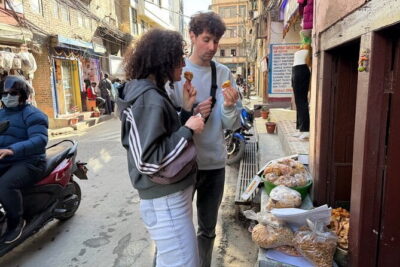
Kathmandu Food & Drink and Shopping Rickshaw Tour
Read our review →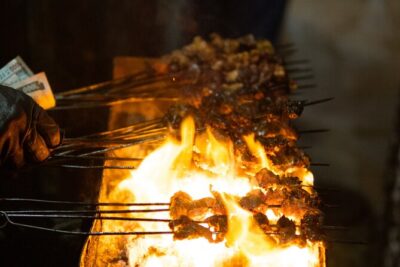
Walking Food Tour in Hidden Local Eateries of Kathmandu
Read our review →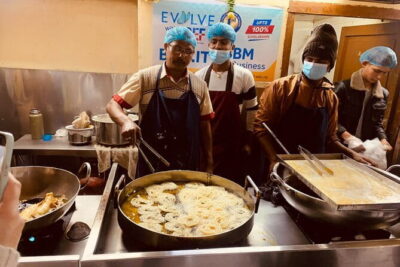
This tour also appears in