
REVIEW · LANGTANG VALLEY TREKS
Langtang Valley Trek from Kathmandu
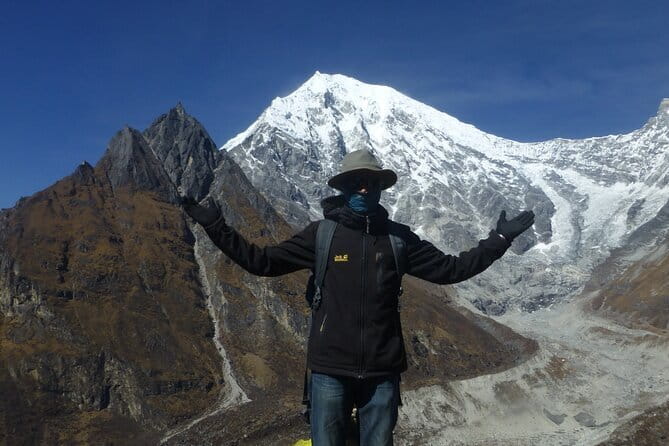
Langtang Valley gives you a close look at Tamang culture and mountain life without the heavier crowds found on Nepal’s best-known routes. The trail runs from river valleys and bamboo woods to stone villages, yak pastures, Kyanjin Gompa, and views toward Langtang Lirung, Ganesh Himal, and Shishapangma in Tibet.
I like the quiet feel of the route and the chance to see communities rebuilding after the 2015 earthquake. I also like that the trip includes a guide, permits, guesthouse lodging, transport, and several meals, so you can focus on walking rather than sorting out every detail.
The main caution is the pace. Six to seven hours of walking on several days, plus long road journeys, calls for moderate fitness. The meal inclusions also need clarification before you pay, since the details list some meals as included but also mention an approximate daily food cost.
Key points before you book
- Kyanjin Gompa is the high point of the route, with a monastery, cheese factory, yak pastures, and mountain views.
- Tserko Ri offers the biggest view day, but the climb is optional and adds real effort at altitude.
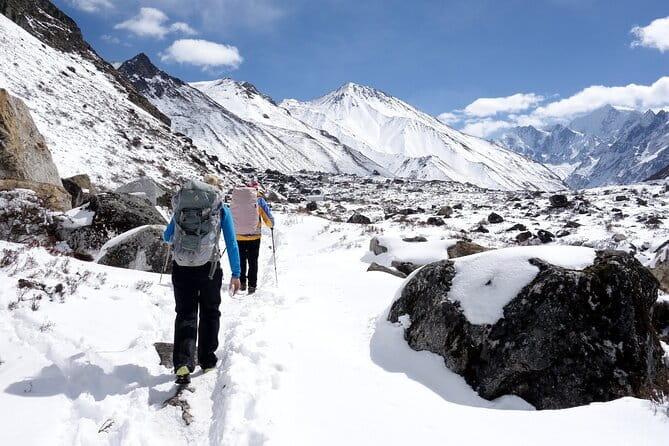
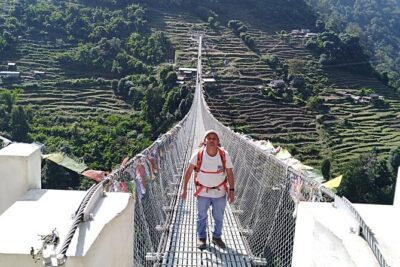
- The route follows rivers, suspension bridges, and forest trails before opening into wide Himalayan valleys.
- Tamang villages and Tibetan-influenced traditions give this trek a strong cultural side, not just a scenic one.
- Your group is private, with an English-speaking guide and first-aid kit carried by the guide.
- The $1,110 price includes major basics, but confirm exactly which meals and transfers are covered.
Why Langtang Valley feels different
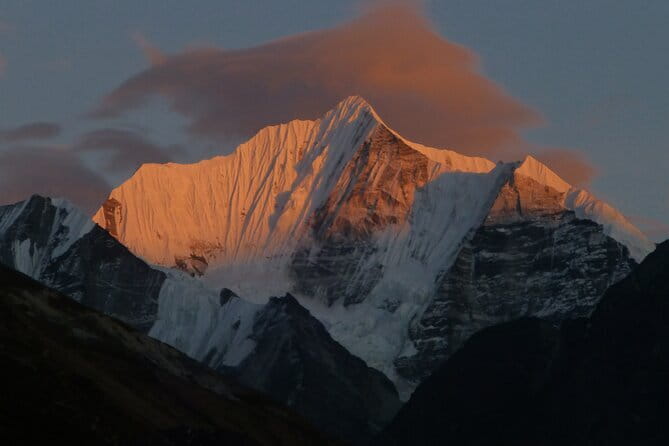
Langtang is a good choice if you want a Himalayan trek with a quieter character. It does not promise the famous Everest Base Camp name, but it offers a satisfying mix of scenery, village life, forests, and high mountain walking in eight days.
The route begins with the drive from Kathmandu to Syabrubesi, then follows the Langtang River through changing plant life and settlements. By the time you reach Kyanjin Gompa, the setting has shifted from thick woodland to broad alpine ground framed by snow-covered peaks.
That change gives the trek a clear rhythm. The first walking days feel green and sheltered. The middle section feels more open and dramatic. The return is mostly downhill, with time to think back over the route rather than face a fresh series of hard climbs.
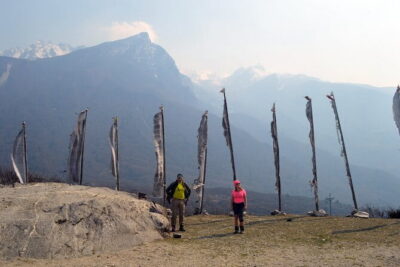
The cultural side matters just as much. The Tamang people have strong ties to the Himalayan borderlands, and the villages reflect Tibetan influence in their buildings, religious life, and hospitality. You will pass traditional stone houses and working settlements rather than walking through scenery emptied of local life.
The valley also carries a difficult recent history. Langtang Village and nearby communities have recovered from the 2015 earthquake. That recovery is part of what gives the route emotional weight. You are not only passing through a pretty mountain corridor. You are seeing people restore homes, services, and livelihoods in a demanding place.
More Hiking Tours in Kathmandu
- Everest Base Camp Trek – 14 Days
★ 5.0 · 1,499 reviews - Everest Base Camp Trekking
★ 5.0 · 485 reviews - Nagarkot Sunrise View and Day Hiking from Kathmandu
★ 5.0 · 471 reviews
Day 1: The long road from Kathmandu to Syabrubesi
The first day is mostly a road journey, about six to seven hours, with several stops along the way. The route crosses green hills, rivers, and countryside near the Trishuli area before reaching Syabrubesi, the usual starting point for the walk.
This is not a glamorous transfer. Road conditions can make the ride tiring, and the long journey takes up most of the day. Still, it provides a useful transition from Kathmandu’s busy streets to the quieter foothills.
You should keep water and small snacks close at hand, even though meals are part of the package according to the supplied details. The exact transport is a shared bus, so do not expect a private car for this portion. The private aspect applies to your tour group, not necessarily to every vehicle used on the route.
Syabrubesi is more than a place to sleep before the trek. It is the point where road travel gives way to walking, and where the valley begins to feel properly remote.
Day 2: Forest trails and the Lama Hotel
The walk to Lama Hotel takes about six hours. This is one of the most appealing days for anyone who enjoys streams, woods, and footbridges more than exposed high ridges.
The trail passes through subtropical forest with rhododendron, oak, and bamboo. The Langtang River runs nearby, often providing the soundtrack as you move through the valley. Suspension bridges add a little excitement without turning the day into a technical adventure.
You might spot langur monkeys in the forest, though wildlife sightings are never guaranteed. The setting is shaded and enclosed in places, which can make the walk feel cooler and more comfortable than the higher, more exposed sections later on.
Lama Hotel is a practical overnight stop rather than a major sight. That is fine. On a trek, a simple place to eat and sleep can be exactly what you need after six hours on foot.
Day 3: Into Langtang Village and the wider valley
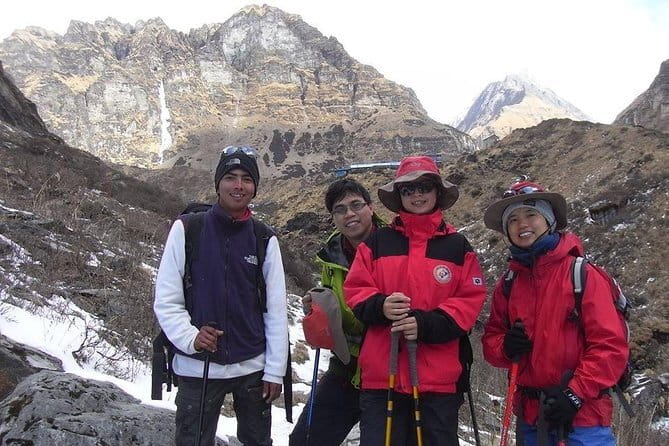
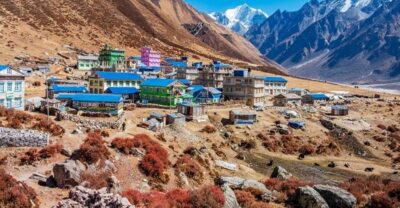
The third walking day takes around six hours and brings a noticeable change in scenery. The trees begin to thin, views toward Langtang Lirung open up, and traditional stone houses become more common.
You will reach Langtang Village, a settlement shaped by both mountain traditions and the long recovery after the earthquake. The stop gives the trek a human focus. Instead of seeing only peaks and rivers, you see a community adapting to hardship and continuing daily life.
The route also passes yak pastures. Yaks are closely tied to life at higher elevations, providing transport and dairy products in places where farming is difficult. This helps explain why local food and the famous cheese factory at Kyanjin Gompa are part of the story of the valley.
The day is not simply a climb from one lodge to another. It is the point where the route begins to feel distinctly Himalayan, with larger mountain walls, open grazing ground, and settlements built to suit a high and often harsh environment.
More Langtang Valley Treks in Kathmandu:
- Langtang Valley Trek
★ 5.0 · 140 reviews - Langtang Valley Trek
★ 5.0 · 50 reviews - Private 8 – Day Langtang Trekking
★ 5.0 · 29 reviews - Kathmandu: 6-Day Limitless Langtang Trek
★ 5.0 · 21 reviews
Day 4: Reaching Kyanjin Gompa
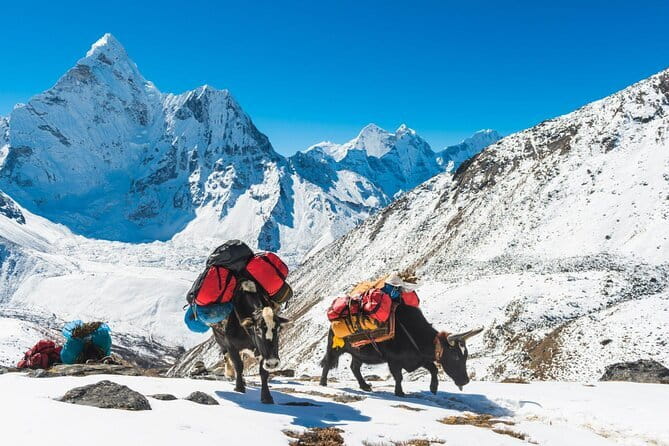
The walk to Kyanjin Gompa takes about five hours, making it one of the shorter trekking days. After breakfast, you continue toward the principal monastery area, with wide mountain views developing as you gain height.
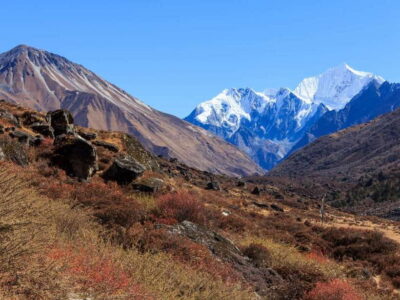
Kyanjin Gompa is the center of the trek. The monastery gives the place spiritual importance, while the surrounding peaks provide the visual drama. Langtang Lirung is a major presence, and the wider view may include Ganesh Himal and Shishapangma across the border in Tibet.
The Kyanjin Cheese Factory adds a useful local detail. It connects the high valley to yak herding and food production, showing how people make a living far from Nepal’s cities. It is a small attraction, but it helps make the stop feel like a working settlement rather than a simple trail camp.
You will spend the night at Kyanjin Gompa, which is important for the next day’s optional high walk. Even if you do not attempt Tserko Ri, having this extra time in the valley lets you enjoy the monastery, mountain views, and open ground at a calmer pace.
Day 5: The optional challenge toward Tserko Ri
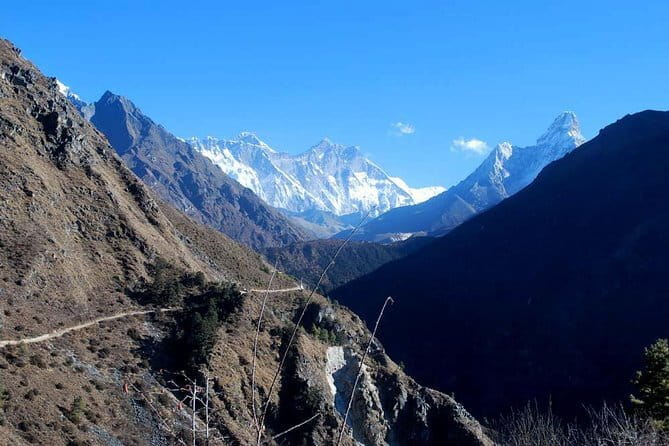
Day five is described as the most important day of the trek. After an early breakfast, you cross a small wooden bridge over the Langtang River and begin the climb toward Tserko Ri, also spelled Cherco Ri in the supplied route details.
This is the day for the largest views, but it is also the day that demands the most from your legs and lungs. The walk takes about six hours, and the height makes the effort more serious than the time alone suggests.
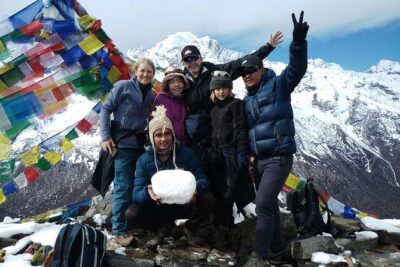
You should treat Tserko Ri as an optional objective, not a test you must pass. If you have the fitness, weather, and energy, the viewpoint can provide broad Himalayan panoramas and a strong sense of the valley’s scale. If you are tired or conditions are poor, staying near Kyanjin Gompa is the sensible choice.
The itinerary mentions packed snacks for this outing. That is useful, since an early start and a higher route can make regular meal timing less convenient. Ask your guide in advance about the exact route, expected altitude, and turnaround plan, especially if your group includes people with different fitness levels.
This is also where the private format helps. Your group can discuss a realistic pace with the guide rather than being locked into a large party’s schedule. The guide carries a first-aid box, but you should still take the altitude and physical demand seriously.
Day 6: A long downhill return to Lama Hotel
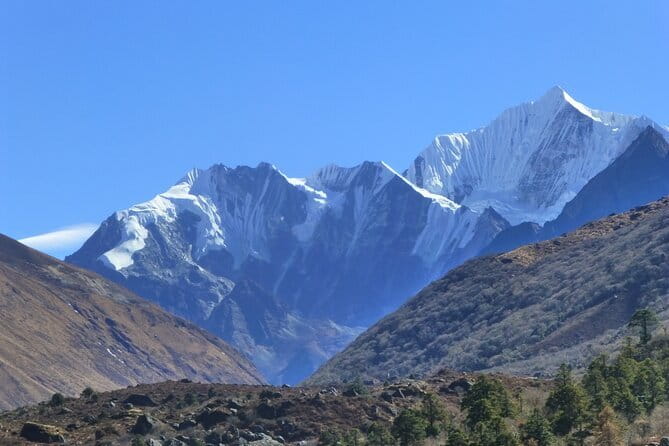
The return to Lama Hotel takes about six hours and is described as easier because you lose altitude. That is broadly true, but downhill walking has its own cost. Knees and ankles can complain, especially after the previous day’s climb.
The valley narrows as you descend, and the river views return. You will pass back through familiar forest and riverside sections, but the direction changes the experience. Going downhill often reveals details you missed while concentrating on the climb.
This is a good day to slow down and enjoy the sense of progress. You have reached the route’s high point and are now heading back toward the road. The walk remains substantial, so comfortable footwear and careful footing matter.
Day 7: Returning to Syabrubesi
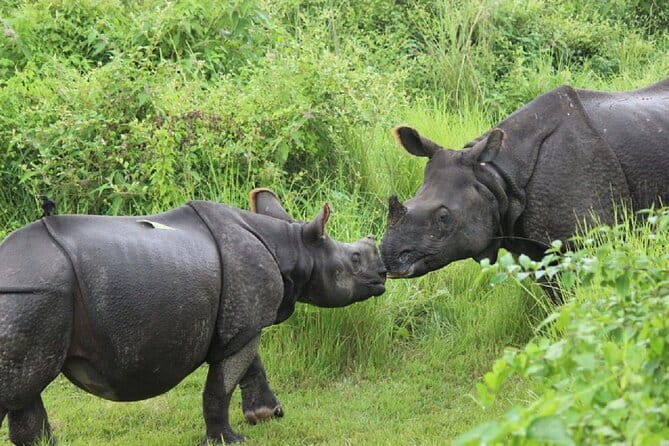
The final walking day takes about seven hours and retraces much of the approach to Syabrubesi. Descending makes the route easier in terms of altitude, but the length means it is still a full trekking day.
An optional route through Sherpagaun offers a more scenic alternative. The available details do not specify how much extra time or effort this option requires, so ask the guide before choosing it. A private group can make that decision based on weather, energy, and interest.
Reaching Syabrubesi marks the end of the walking section. It is a satisfying finish because the trip began there after the long ride from Kathmandu. You can now trade trail dust for road travel and prepare for the final return.
Day 8: Back to Kathmandu by road
The journey to Kathmandu takes about six hours. You will pass green hills, forests, riverside views, and rural parts of Nepal before being transferred to the selected hotel.
As on the first day, the road is part of the experience but not necessarily the easiest part. The ride can feel long after a week of walking, and a shared bus offers less flexibility than private transport. Still, it gives you one last look at the countryside beyond the trail.
Hotel pickup and drop-off are included, which reduces the need to arrange your own connection at either end. Confirm the pickup time and hotel details before departure, since the supplied information does not name the specific hotel.
What the $1,110 price really covers
At $1,110 per person, this is not a bare-bones walk. The package includes hotel pickup and drop-off, round-trip shared-bus transport, trekking permits, a TIMS card, an English-speaking guide, guesthouse accommodation, and a first-aid kit carried by the guide.
It also lists seven breakfasts, eight lunches, and eight dinners. Yet the separate meal note says meals cost about $25 per day and contains a typo stating that all meals are not included. This is the biggest money question to settle before booking.
Ask for a written breakdown of the meal plan. You should also confirm whether the price covers only the listed guesthouse nights, whether the Kathmandu hotel is included, and how the shared-bus transfers work. Those answers can change the real value of the package.
The price looks reasonable if the listed transport, permits, guide, lodging, and meals are all included as stated. It is less attractive if you must add roughly $25 per day for food on top of the advertised amount. Gratitude for the guide and other staff is optional, but you may wish to budget for it if the service is strong.
Guide support, group size, and comfort
The tour is private, so only your group participates. That is helpful for setting a walking pace and deciding whether to attempt Tserko Ri or take the optional Sherpagaun route.
An English-speaking guide leads the trek, and the guide carries a first-aid box. No guide names are provided, so you cannot choose a particular leader in advance. The available feedback praises the guides and porter support as caring, reliable, and experienced, including from a solo woman who felt safe and relaxed with the team.
That is encouraging, but you should still ask practical questions before setting out. Confirm the guide’s role, porter arrangements, daily start times, and what happens if someone in the group cannot continue. The information supplied does not spell out porter services, so do not assume a porter is included simply because one was praised in a past account.
Accommodation is in guesthouses during the trek. Expect basic mountain lodging rather than hotel comfort. The details do not specify room arrangements, bathrooms, heating, or internet access, so ask if any of those are important to you.
Who should choose this trek?
I would recommend Langtang Valley to someone with moderate fitness who wants a quieter Himalayan route and a strong connection to village life. It suits you if you enjoy walking for five to seven hours, accept simple guesthouse conditions, and want more than a photo stop at a famous peak.
It is also a good match for solo bookers who prefer a private group with guide support. The available feedback specifically describes a solo woman feeling safe and well cared for, though no tour can promise the same experience for every person.
This is not the best fit if you want short walks, polished accommodation, private road transport, or a relaxed sightseeing schedule. The first and last days involve long bus rides, and the trek includes several full walking days.
You should also think carefully about the fifth day. The Tserko Ri climb is a major part of the route’s appeal, but it is not a casual stroll. Your enjoyment will be greater if you view it as an option and judge your condition honestly.
Booking advice and final verdict
Before paying, get clear answers about the conflicting meal information. Confirm the exact lodging plan, the Kathmandu hotel arrangement, the shared-bus schedule, porter support, and the expected route for Tserko Ri.
The cancellation rule is friendly: you can cancel at least 24 hours before the start for a full refund. Changes or cancellations made within 24 hours are not accepted for a refund, based on local time.
I would book this trek if I wanted a private, guided route with Tamang culture, forest walking, Kyanjin Gompa, and serious mountain views without choosing the most crowded name in Nepal. I would not book it without clarifying the meals and transport details. Once those costs are settled, the combination of scenery, local life, guide support, and eight-day timing makes Langtang Valley a strong choice for an active first or next Himalayan trek.
FAQ
How long is the Langtang Valley Trek from Kathmandu?
The trip lasts approximately eight days, including road journeys between Kathmandu and Syabrubesi.
What is the price per person?
The listed price is $1,110 per person.
Is hotel pickup included?
Yes. Hotel pickup and drop-off are included.
Is transportation included?
Yes. Round-trip transfer by shared bus is included.
Is this a private tour?
Yes. Only your group participates in the activity.
Is a guide included?
Yes. An experienced English-speaking trekking guide is included.
Are trekking permits included?
Yes. The trekking permit and TIMS card are included.
Where do you stay during the trek?
Accommodation is provided in guesthouses during the trekking portion.
Is the Tserko Ri climb required?
The high walk toward Tserko Ri is presented as an optional hike. The details describe it as the main challenge of the trek.
What is the cancellation policy?
You can cancel at least 24 hours before the local start time for a full refund. Cancellations or changes made less than 24 hours before the start are not refunded or accepted.
Recently added around Kathmandu
- Kathmandu Paragliding★ 5.0 · 3 reviews
- Kathmandu Airport Pickup and Drop-off Services★ 5.0 · 3 reviews
- Explore The Beauty Of Langtang Valley In 8-Days Trek★ 5.0 · 3 reviews
- Kathmandu Chandragiri Cable Car and Swayambhunath Private Tour★ 5.0 · 3 reviews
- Kathmandu: Nightlife and Pub Crawl Tour★ 5.0 · 3 reviews
- Mountain Flight Experience in Nepal★ 4.5 · 3 reviews
- Kathmandu: Momo Making Class with a Local Chef★ 5.0 · 3 reviews
- Everest Base Camp Trek★ 5.0 · 3 reviews
Other Langtang Valley Treks worth a look
Trekking in Annapurna/Langtang/Everest/Upper Mustang regions
Read our review →
This tour also appears in