REVIEW · KATHMANDU TOURS
Gurkha Knife Making
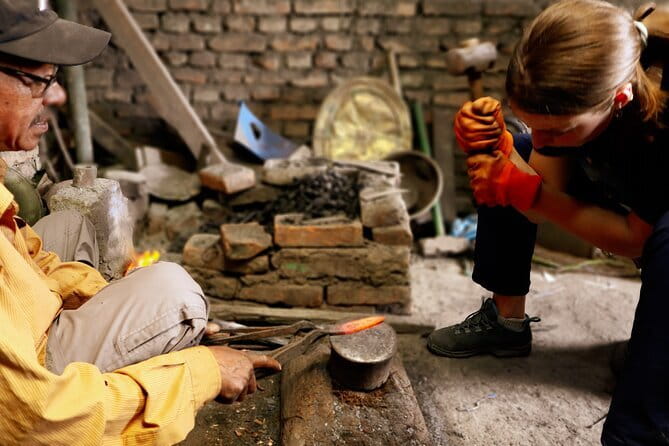
The unusual souvenir here is not bought from a shop. You help make it. In a small Kathmandu forge, a local smith and apprentice guide you through the creation of a Gurkha kukri, a knife linked to Nepal’s famous Gurkha warriors. You can finish the blade with your initials and take home a useful piece of Nepalese craft.
I like the hands-on work and the personal finish, especially the Indian rosewood handle and stamped initials. I also like the small maximum of four people, which gives the smith and guides room to help you instead of running a crowded demonstration.
The main consideration is the physical setting. This is a working forge, not a polished museum workshop, and the listed morning schedule runs from 7:15 to 10:15 even though the experience is described as about four hours. Confirm the exact timing when you book.
Key points at a glance
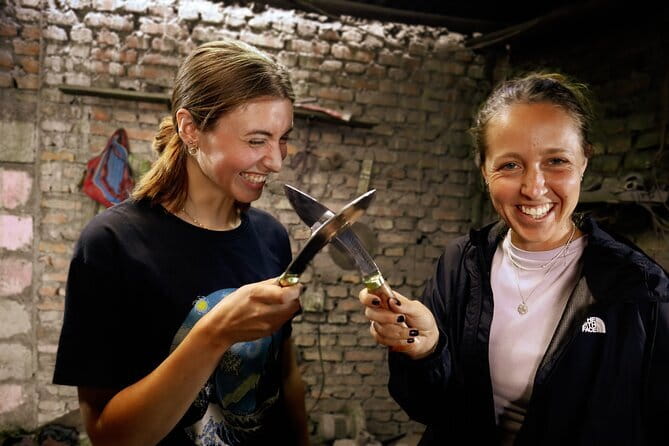
- Make a kukri with local smith Indra: You take part in the process rather than simply watching a finished knife being displayed.
- Small group of four: The limited size suits anyone who wants direct help and a calmer session.
- Add your initials: A personal stamp turns a traditional knife into a one-of-a-kind souvenir.
- Indian rosewood handle: The handle uses quality rosewood, giving the finished piece a warm, distinct look.
- Tea and cookies included: Simple refreshments help keep the morning relaxed while the work continues.
- 100-year guarantee: The maker backs each knife with a remarkably long durability promise.
Why this Kathmandu experience feels different
Kathmandu has no shortage of souvenirs, from prayer flags to carved wood and singing bowls. This experience offers something more active. You do not just choose an object from a shelf. You learn how a local craftsperson turns metal into a knife with a strong connection to Nepal.
The kukri, also spelled khukuri, is widely associated with Gurkha soldiers. Here, the focus is on the knife’s story, strength, and role as a symbol of resistance, then on the craft itself. That combination gives the morning more weight than a simple shopping stop.
You should also know what this is not. It is not presented as a formal military history lecture or a professional blacksmith qualification. It is a four-hour introduction to knife making, guided by a skilled local maker and supported by a host who helps explain the process.
The experience is run by Queermandu, also known as Gay Tours Nepal. One useful feature is the welcoming approach. The activity is designed as a supportive space for everyone, and one account specifically highlights the chance to support Nepal’s queer community while taking part in a hands-on local activity.
A few more Kathmandu days to weigh up
- Everest Base Camp Trek – 14 Days
★ 5.0 · 1,499 reviews - Private Kathmandu Sightseeing Tour | UNESCO World Heritage sites
★ 5.0 · 756 reviews - Everest Base Camp Helicopter Tour landing at Everest View Hotel
★ 5.0 · 668 reviews
Meeting at the Garden of Dreams
The stated meeting point is Garden of Dreams on Tridevi Sadak in central Kathmandu. This is a practical place to begin, especially if you are staying near Thamel or the central tourist area. Pickup is also offered, which may help if you are unsure of the streets or would rather not arrange your own way there.
The meeting point matters because the forge itself is not described as the pickup location. You may first meet a host or guide, then continue to the workshop. Aayam is named as one of the guides, and Aachal has also handled hosting duties. Both are described as friendly and attentive, with Aayam helping keep the session light and making the process easier to follow.
The activity ends back at the meeting point. That makes the outing simple to fit into a larger Kathmandu day. You can schedule sightseeing before or after it without having to work out a separate return trip.
The available schedule lists Monday through Sunday, from 7:15 AM to 10:15 AM, for the booking period shown as March 22, 2024 through December 15, 2026. Since the duration is listed as approximately four hours, ask for the confirmed start and finish times before setting up other plans.
Entering the forge and meeting the makers
The working forge is small, which is part of the appeal. You are close to the knife maker, rather than standing at the back of a large class. The maximum group size is four people, so the session can feel personal and cooperative.
Indra is identified as the main knife maker in the experience. You work with him and, in some sessions, his son or apprentice. The arrangement gives you access to the person actually making the knife, not just a guide repeating a script.
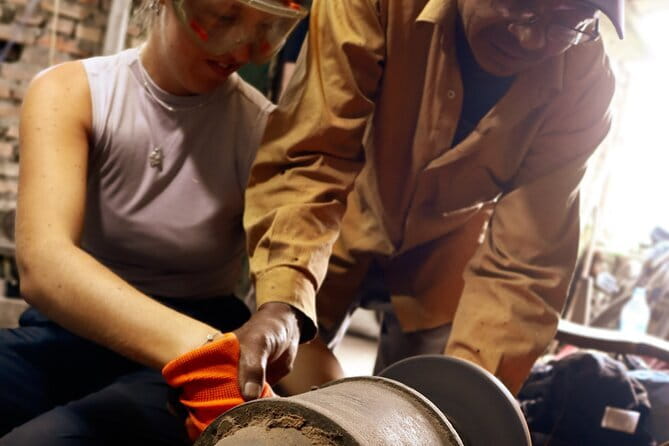
A separate host can help with translation and conversation. This is useful in a craft session, where small instructions matter. You need to understand when to hold, shape, stamp, or pause, and a guide such as Aayam can keep the exchange clear and comfortable.
The tone is friendly rather than stiff. Tea and cookies are provided while you work, adding a home-style touch to the workshop. These are modest details, but they matter during a hands-on morning. You have time to talk, ask questions, and watch the maker closely instead of rushing from one task to the next.
Turning metal into your own Gurkha knife
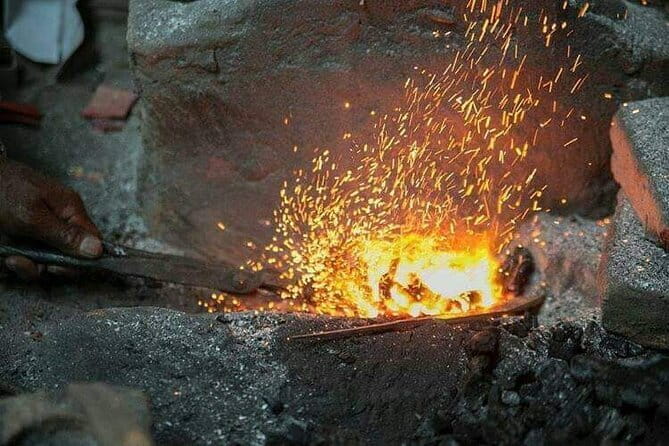
The central activity is helping create an authentic Gurkha knife from metal. The description and guest accounts refer to making the knife from scratch or from scrap metal, so you should expect to participate in the transformation of basic material into a finished blade.
The exact division of labor can vary. The experienced smith handles the parts that require serious control and skill, while you take part under instruction. That is the right balance for a short session. You get the thrill of blacksmithing without being expected to produce a safe, finished kukri alone.
The appeal is in seeing the stages connect. A piece of metal becomes a blade, and the blade becomes part of a complete knife. The process gives you a better sense of the work behind an object that might otherwise look simple in a shop.
You will want to listen closely and follow directions. This is not a casual craft table where you can work at your own speed without guidance. A forge and hot metal demand attention. The supplied information does not list specific safety equipment or the exact tools used, so ask the host what clothing and footwear are best before you arrive.
The finished kukri is intended to be more than a decoration. The maker describes the knives as durable and offers a 100-year guarantee. That does not remove the need to care for the blade, but it signals that the goal is a lasting piece of craftsmanship rather than a quick tourist trinket.
A different kind of day from the same base:
- Half day cooking class in Thamel kathmandu
★ 5.0 · 607 reviews - Everest Base Camp Trekking
★ 5.0 · 485 reviews - Nagarkot Sunrise View and Day Hiking from Kathmandu
★ 5.0 · 471 reviews - Kathmandu: Full Day 7 UNESCO Tour with Lunch – Private/Group
★ 5.0 · 415 reviews
Choosing the rosewood handle and stamping your initials
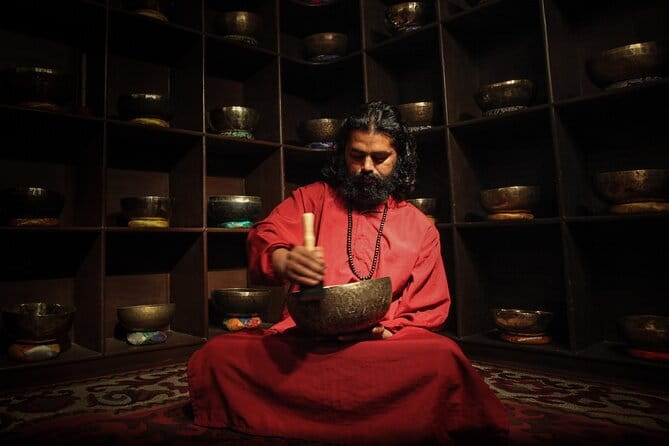
One of the most satisfying details is the handle. The knife uses Indian rosewood, a material with a warm appearance that gives the finished piece a distinctive look. You are not simply handed an identical souvenir from a pile. The handle forms part of the knife you helped create.
You also get to stamp your initials on the blade. This is a small step, but it changes the emotional value of the object. A bought kukri can remind you of Nepal. A kukri with your initials records your direct part in making it.
The initials also make the knife easier to identify if you are making one as a gift. The experience information does not specify how many initials can be stamped or where they go, so decide in advance whose initials you want and confirm the details with the host.
The completed knife should be packed carefully for your onward journey. The supplied details do not state how the knife is packaged or provide current airline and customs guidance. If you are flying from Nepal, check the rules for carrying a knife in checked luggage and do not place it in your cabin bag.
A four-hour morning with room to ask questions
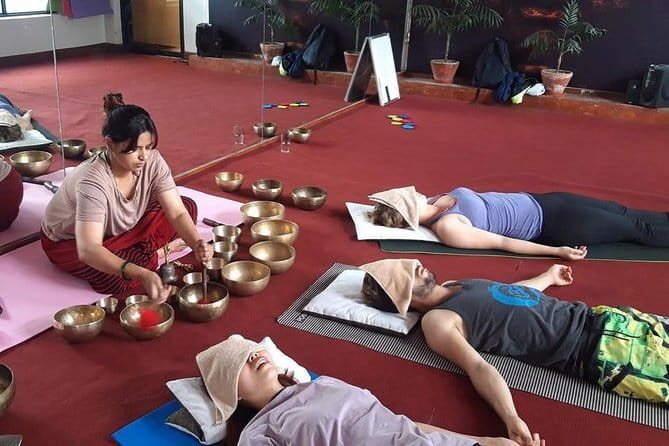
Four hours is long enough to feel involved, but short enough to fit into a packed Kathmandu visit. You can expect the morning to include an introduction to the Gurkha knife, time with the smith, active work on the blade and handle, and the final personal marking.
The small group makes the duration more useful. With only up to four people, you have a better chance to see what is happening and ask questions as the knife develops. In a larger class, much of the experience might become a demonstration. Here, the point is your participation.
The pace is likely to include waiting while the maker completes technical steps. That is not wasted time. Metalwork requires the right sequence, and watching an experienced craftsperson is part of the lesson. Tea and cookies give the session a social pause rather than making every minute feel like a test.
I would not book this if you want a fast photo stop or a polished retail presentation. The value comes from giving the process time. You are paying for access to the maker, instruction, materials, and the finished knife, not just for a quick souvenir.
Is $66 a fair price?
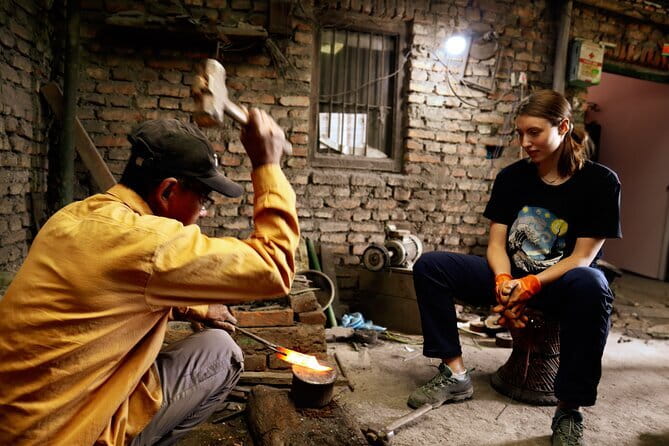
At $66 per person, the experience costs more than buying a mass-produced knife in a Kathmandu market. That comparison misses the main point. Your fee includes about four hours of guided activity, a small group limited to four, local instruction, the materials used for the knife, the rosewood handle, personal initials, refreshments, and the finished kukri.
The 100-year guarantee adds to the sense that the maker is offering a serious object. I cannot verify how that guarantee is administered or what it covers, so you should ask for the terms if that promise matters to your purchase. Still, it is a notable feature for a handmade souvenir.
The price is strongest for someone who values process and personal contact. If you only want a cheap knife, a market stall will likely cost less. If you want to meet a local maker, try a rare craft, and take home an object linked to your own morning in Kathmandu, the fee is easier to justify.
Pickup can improve the value, too. Transport details are not specified, so confirm what pickup means for your location. The activity ends at the meeting point, giving you a clear finish even if you start elsewhere.
Who will enjoy this most
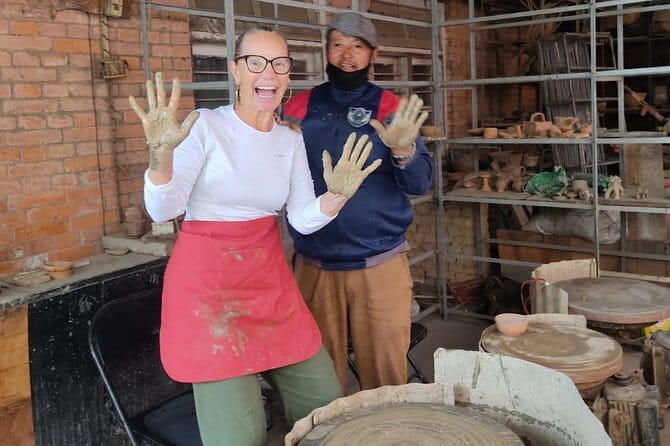
I would recommend this to adults and older children who can pay attention, follow instructions, and appreciate practical craft. The information says most people can participate, and the small size suits solo bookings, couples, and close friends.
It is also a strong choice if you want a souvenir with a story. The knife records several layers of your visit: Nepal’s Gurkha tradition, the maker’s skill, the time spent in the forge, and your initials on the blade.
Solo participants should not feel out of place. The group size is small, and the hosts are described as welcoming and accommodating. One person booked at short notice and received helpful communication and patient answers to questions, though you should still avoid relying on last-minute space.
This may not suit someone who dislikes workshop heat, metalwork, or close attention to instructions. The available details do not give a full description of the forge environment, so anyone with specific mobility, sensory, or medical concerns should contact Queermandu before booking.
The activity also suits people interested in LGBTQ-friendly tourism in Nepal. Queermandu’s identity is part of the experience’s character, and booking supports a locally connected queer tourism provider.
Practical details before you book
Confirmation is provided at booking, and free cancellation is available up to 24 hours before the start time. Canceling less than 24 hours in advance, or changing the booking inside that window, does not qualify for a refund.
The activity is offered daily during the stated operating period. Confirm the start time because the published hours and approximate four-hour duration do not match perfectly.
A mobile ticket is accepted. Pickup is offered, but the stated start and end point is Garden of Dreams, Tridevi Sadak, Kathmandu 44600. Ask whether pickup is available from your accommodation and where you will meet the host.
Keep the final knife’s transport in mind. Since the activity details do not explain packing or airline arrangements, ask the provider for advice and plan to place the knife in checked luggage if you are flying.
Should you book the Gurkha Knife Making experience?
Book it if you want to do something active, personal, and strongly tied to Nepalese craft. The best reasons are the small group, direct time with smith Indra, the help of hosts such as Aayam or Aachal, the rosewood handle, and the initials stamped into your blade.
Skip it if you only want a low-cost souvenir or if a working forge sounds uncomfortable. For everyone else, $66 buys a rare kind of Kathmandu morning: you meet local makers, learn how a kukri takes shape, and leave with an object you helped create. Confirm the schedule and transport details, then bring patience, attention, and a willingness to get involved.
FAQ
Where does the Gurkha Knife Making experience start?
It starts at Garden of Dreams on Tridevi Sadak in Kathmandu, Nepal.
Where does the activity end?
The activity ends back at the meeting point at Garden of Dreams.
How long does the knife-making experience last?
The experience lasts approximately four hours.
What time is the activity available?
The listed opening hours are Monday through Sunday from 7:15 AM to 10:15 AM during the stated operating period. Because this does not exactly match the approximate four-hour duration, confirm the precise time when booking.
How many people can join?
The activity has a maximum of four participants.
Can I cancel for a full refund?
Yes. You can cancel up to 24 hours before the experience start time for a full refund. Cancellations or changes made less than 24 hours in advance are not accepted for a refund.
Can I add my initials to the knife?
Yes. The experience includes stamping your initials on the blade.
Recently added around Kathmandu
- Kathmandu Airport Pickup and Drop-off Services★ 5.0 · 3 reviews
- Kathmandu Paragliding★ 5.0 · 3 reviews
- Kathmandu Chandragiri Cable Car and Swayambhunath Private Tour★ 5.0 · 3 reviews
- Explore The Beauty Of Langtang Valley In 8-Days Trek★ 5.0 · 3 reviews
- Kathmandu: Nightlife and Pub Crawl Tour★ 5.0 · 3 reviews
- Mountain Flight Experience in Nepal★ 4.5 · 3 reviews
- Kathmandu: Momo Making Class with a Local Chef★ 5.0 · 3 reviews
- Everest Base Camp Trek★ 5.0 · 3 reviews
Other Kathmandu Tours worth a look

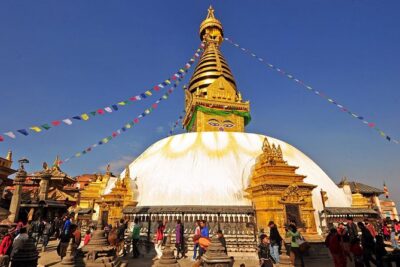
Private Kathmandu Sightseeing Tour | UNESCO World Heritage sites
Read our review →
Everest Base Camp Helicopter Tour landing at Everest View Hotel
Read our review →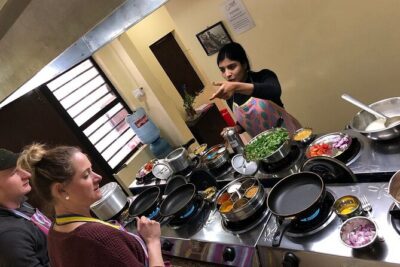
Nagarkot Sunrise View and Day Hiking from Kathmandu
Read our review →
Full Day 7 UNESCO Tour with Lunch – Private/Group
Read our review →