
REVIEW · KATHMANDU TOURS
Makalu Base Camp Trek
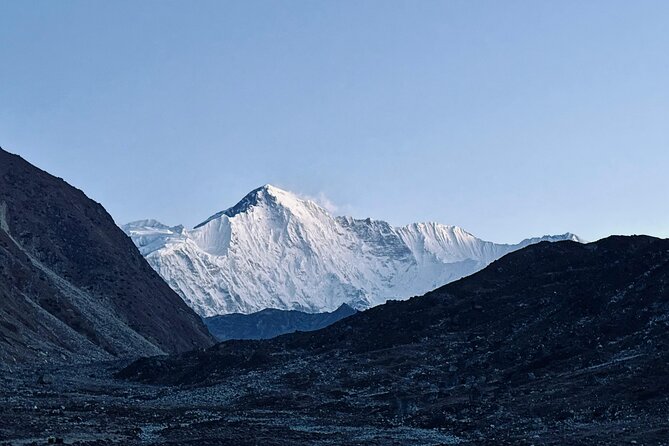
Makalu Base Camp is Nepal at its most rugged and quiet. You move from subtropical forest and waterfalls into high valleys, glaciers, and stark mountain country, with views of Makalu, Everest, Lhotse, and Baruntse along the way. I like the route for two clear reasons: it feels far less crowded than the Everest or Annapurna trails, and it passes through an unusually broad range of plants, animals, and local communities. The Rai, Sherpa, and Bhotiya villages give the walk a human center.
The trade-off is comfort. This is a remote trek with basic teahouses, rough road transfers, long walking days, and two demanding high passes. The published price of $1,750 includes flights, meals, guide, porters, permits and taxes, which is useful value, but you still need to budget for drinks, water, insurance, visa costs, and possible extra baggage. Guide Pujan and porter-guide David have received especially warm praise, while Raj is also thanked for helping organize the trip.
Key points to know before booking
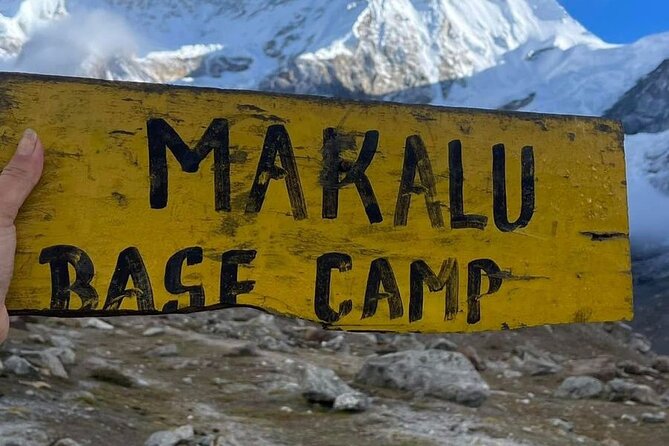
- Makalu-Barun National Park: Walk through forests, waterfalls, high valleys, and glacier country in one of Nepal’s less-used trekking areas.
- Two high passes: Shipton La reaches 4,170 meters and Keke La reaches 4,150 meters on one of the hardest days.
- Mountain views: The route offers unusual angles on Makalu, with possible views of Everest, Lhotse, and Baruntse.
- Small private group: This is a private activity, so only your own group takes part.
- Included essentials: Flights between Kathmandu and Tumlingtar, meals, an English-speaking guide, porters, insurance for staff, maps, first-aid supplies, and park fees are included.
- Basic conditions: Teahouses and lodges are simple, bottled water and hot drinks cost extra, and sleeping bags, trekking poles, and crampons are supplied only when requested.
Why Makalu feels different from Nepal’s famous treks
The Makalu Base Camp Trek takes you into the Makalu-Barun National Park, a protected area known for its sharp change in climate and plant life. Your first days are spent among farms and forest. Later, the trail reaches rhododendrons, alpine meadows, river valleys, bare high country, and glacier views.
That change is the heart of the trek. You are not simply walking toward a mountain. You are crossing several natural zones, each with a different feel. The route can be green and humid at lower elevations, then cold and exposed near the passes and base camp.
I also like the silence here. The route is described as much quieter than the better-known Everest and Annapurna trails. That makes the walking feel more personal, but it also means fewer services and less room for casual mistakes. You need to be prepared for basic accommodation, limited purchases, and long stretches of strenuous walking.
The park is home to red pandas, Himalayan thars, colorful birds, rhododendrons, and medicinal plants. Wildlife sightings are never guaranteed, so you should come for the habitat and scenery rather than expecting a particular animal. The local Rai, Sherpa, and Bhotiya communities add another layer, with simple villages and a style of hospitality that feels closely tied to the route.
More Hiking Tours in Kathmandu
- Everest Base Camp Trek – 14 Days
★ 5.0 · 1,499 reviews - Everest Base Camp Trekking
★ 5.0 · 485 reviews - Nagarkot Sunrise View and Day Hiking from Kathmandu
★ 5.0 · 471 reviews
Day 1: Flight to Tumlingtar and a rough road into the park
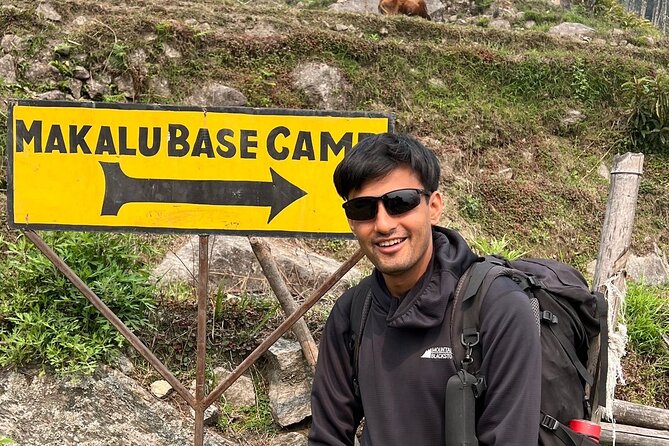
The trip begins with a flight from Kathmandu of about 45 minutes, followed by a four to five-hour off-road drive. The exact road experience will depend on conditions, but you should expect this to be a functional transfer rather than a sightseeing ride.
You spend the night in a teahouse. This first day matters because it places you far from the capital quickly, but it is also a long travel day. Keep important items in your day bag, including water, warm clothing, medication, and any documents you need.
The meeting information lists Tribhuvan Airport in Kathmandu and a start time of 12:15 am. That is unusually early, so confirm the exact pickup time with Bodhi Tree Tours Travel and Treks before departure. The operator offers pickup, and the included public transport covers the flights to and from Tumlingtar.
Days 2 and 3: Arun River, Seduwa, farms, and forest
Day 2 begins with a steep descent to the Arun River, followed by a steep climb to Seduwa. The walking time is around five to six hours. This is an important early test because the route asks for both downhill control and uphill effort before your body has fully settled into the trek.
On Day 3, the trail becomes more gradual as it passes farms and forests. You walk for roughly four to five hours and spend another night in a teahouse. This should feel like a more measured day, with time to notice the surrounding plants and village life rather than simply chase the next stop.
The lower section is valuable for acclimatization in the broad sense, even though it is not yet the high alpine portion. You are building a rhythm: steady steps, regular meals, careful water use, and a sensible pace set by your guide.
Days 4 and 5: Forest climbing and a useful rest day
Day 4 brings a long uphill walk through forest and meadows, lasting about six to seven hours. The lodging is listed as a basic lodge or teahouse. This is where the distance from major trekking hubs begins to matter. Facilities may be simple, and you should not expect the same range of rooms, food, or charging options found on Nepal’s busiest routes.
Day 5 is set aside for short hikes to nearby ridges for acclimatization. This is one of the most useful parts of the schedule. You gain altitude without committing to another long point-to-point day, and the ridge walks may offer early views into the country ahead.
Use this day sensibly. A short walk, a careful lunch, and a good rest are more valuable than trying to turn it into a full excursion. Ask your guide about the day’s elevation gain and the plan for the next morning.
A different kind of day from the same base:
- Private Kathmandu Sightseeing Tour | UNESCO World Heritage sites
★ 5.0 · 756 reviews - Everest Base Camp Helicopter Tour landing at Everest View Hotel
★ 5.0 · 668 reviews - Half day cooking class in Thamel kathmandu
★ 5.0 · 607 reviews - Kathmandu: Full Day 7 UNESCO Tour with Lunch – Private/Group
★ 5.0 · 415 reviews
Day 6: Shipton La and Keke La, the trek’s hardest crossing
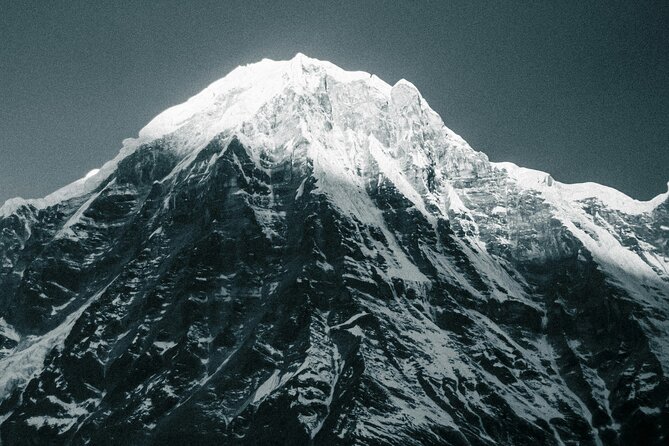
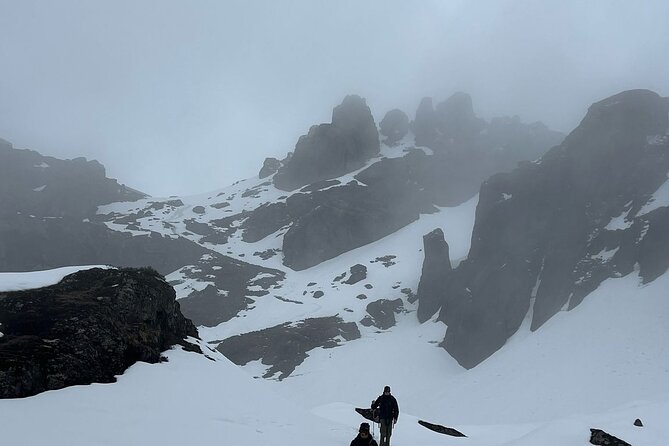
Day 6 is the major early challenge. You cross Shipton La at 4,170 meters and Keke La at 4,150 meters, with six to seven hours of walking. The day is hard, but the route is described as especially beautiful, with high ridges, open views, and a strong sense of moving into the upper Himalayas.
These passes are not a minor detail. If you have only moderate physical fitness, you should prepare seriously before booking. The itinerary uses the phrase moderate fitness, but the combination of altitude, steep ground, and a long day makes this more demanding than an ordinary day hike.
Pace is crucial. Walk slowly, drink regularly, and tell your guide early if you feel unwell. Trekking poles are available on request and could be helpful on both ascents and descents. Crampons are also supplied on request, but you should ask the operator whether they are needed for your dates and route conditions.
Days 7 and 8: Rhododendrons, river valleys, and higher views
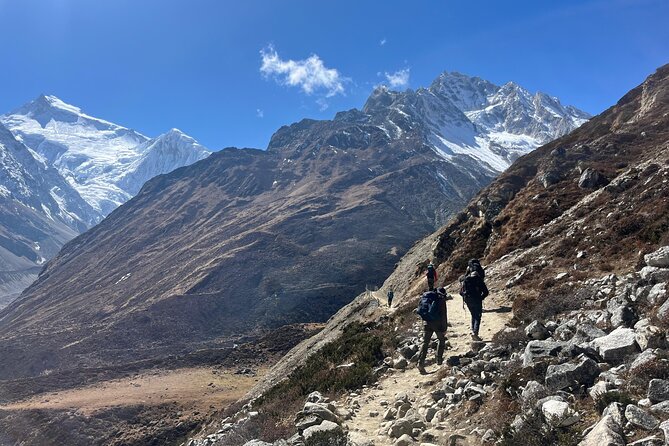
After the passes, Day 7 leads through rhododendron forests and river valleys for about five to six hours. The setting changes again, and the trail begins to feel more alpine. Forest color, rushing water, and steep valley walls make this a scenic section, even when the walking remains tiring.
Day 8 brings a gradual ascent with striking valley views and another five to six hours on foot. The steady gain is helpful after the pass crossing. You are moving toward base camp without repeating the same kind of hard climb every day.
I would use these days to watch the weather and listen to your guide. In a remote area, flexibility matters. A private group can adjust its pace more easily than a large fixed party, but road, flight, and weather conditions can still affect the plan.
Day 9: Reaching Makalu Base Camp
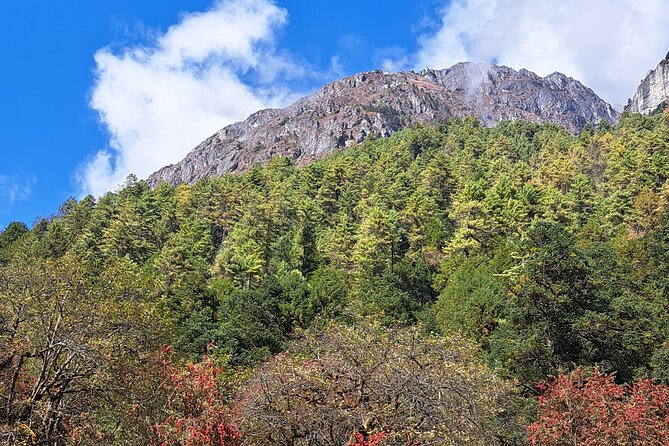
Day 9 is the main goal: a six to seven-hour climb to Makalu Base Camp. The payoff is the mountain setting, with large Himalayan views and a closer feel for the high country around Makalu.
Accommodation is listed as a basic lodge or tented camp. That wording tells you what to expect: this is not a polished mountain resort, and sleeping arrangements may be more limited than in lower teahouses. Bring a warm sleeping system and confirm in advance what the operator will provide.
The $1,750 price includes sleeping bags when requested, but the wording does not say that one is automatically placed in every booking. Make this request before departure. The same applies to trekking poles and crampons.
Makalu is the fifth-highest mountain in the world, and its presence gives this trek a different focus from routes built around Everest Base Camp. You may also see Everest, Lhotse, and Baruntse from unusual angles, but mountain views always depend on weather.
Day 10: Barun Glacier side hikes
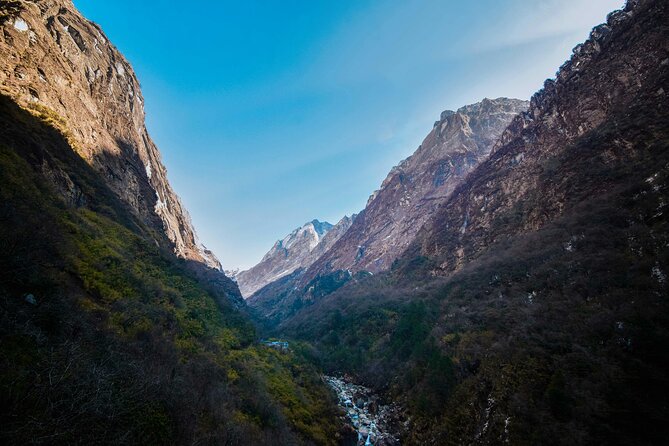
Day 10 allows optional side hikes toward the Barun Glacier. This is a good design choice because it gives you a chance to see more of the high valley without forcing one identical activity on every member of a private group.
The day is also a buffer for rest and weather. You can use it for a shorter walk if the previous day was tiring, or ask about a longer outing toward the glacier if conditions and fitness allow. Overnight arrangements are again listed as a teahouse or tented camp.
Do not treat the optional hike as a guaranteed glacier excursion with a fixed distance. The supplied plan only says that side hikes are available. Your guide should explain the day’s route, conditions, and timing on the ground.
Days 11 to 14: Retracing the route downhill
The return is not an afterthought. Day 11 involves about seven hours of retracing your steps, followed by six to seven hours on Day 12, five to six hours on Day 13, and a six to seven-hour long descent on Day 14.
Downhill walking can be harder on tired knees than uphill walking is on the lungs. Use trekking poles if you have them, keep your boots well secured, and avoid rushing simply because you are heading toward lower elevations.
Retracing the route has one advantage: you see familiar places differently. The forest, river valleys, and pass approaches change with the light and with your own sense of distance. It also keeps the route practical, since the same path connects the base camp area with the road and flight point.
All four nights are in teahouses. Expect the same basic standard as on the outward journey. Meals are included, but bottled water, coffee, and tea are not. A refillable bottle is the sensible choice, both for cost and to reduce plastic waste. You can refill at teahouses or buy bottled water along the way.
Day 15: Final walk, road transfer, and the flight question
The final day includes around four hours of trekking and another four to five hours by road. If timing works, you may fly from Tumlingtar to Kathmandu the same day or the following morning.
That last flight is not presented as guaranteed. Build some flexibility into your plans after the trek, especially if you have an international flight or another fixed commitment. The experience requires good weather, and poor weather can lead to a different date or a full refund if the tour is canceled.
What the $1,750 price really covers
At $1,750 per person, the package offers solid coverage for a 15-day remote trek. It includes the two-way Kathmandu to Tumlingtar flights, park fees, taxes, three daily meals, an English-speaking guide, porters, staff insurance, daily allowances, maps, and first-aid kits.
Meals are described as one menu item for breakfast, lunch, and dinner. That means food is covered, but you should not assume unlimited choices or restaurant-style variety. Coffee and tea are extra, as are alcoholic drinks and bottled water.
The package does not include your personal insurance, visa fee, or private transport. Local transport is used, while a private vehicle can be arranged for an additional cost. Extra porter service is also available for a daily charge, with each porter carrying about 20 to 25 kilograms.
The strongest value is the combination of flights, staff support, meals, and a private format in a remote region. The main caution is that the price does not remove the need for personal preparation. Insurance, proper clothing, water planning, and optional equipment requests remain your responsibility.
The guiding team and the private format
The activity is private, so only your group participates. That can make a real difference on a route with long days and basic facilities. Your guide can set a pace suited to your group rather than matching a large schedule.
Pujan and David are the names most closely associated with the praised guiding experience, while Raj is also thanked for helping make the trip run well. You should still confirm the final guide and porter names before departure, since staffing can change.
The operator provides insurance and daily allowances for guides and porters. That is an important part of a responsible trek package, though it does not replace your own personal insurance.
Who should book this trek
I would recommend Makalu Base Camp to someone who wants quiet trails, a strong sense of remoteness, and a route with major changes in vegetation and altitude. It suits hikers who can handle six to seven-hour days and who are comfortable with simple teahouses and tented accommodation.
It is less suitable if you want reliable comforts, short walks, a large choice of food, or a highly predictable schedule. The two high passes, the rough road, the uncertain final flight timing, and the limited services require patience.
The experience may be especially appealing if you have already visited Nepal’s more popular trekking areas and want something less crowded. It also suits a private group that values a slower pace and direct support from an English-speaking guide.
Should you book the Makalu Base Camp Trek?
Book it if your priority is a quiet, demanding Himalayan route with big mountain views and close contact with forest, villages, rivers, and high valleys. The included flights, meals, guide, porters, permits, and staff support make $1,750 a reasonable package price for this level of remoteness.
Think twice if you are not ready for basic lodging, long descents, steep passes, and weather-related changes. Before paying, confirm the pickup time, flight schedule, final accommodation, and requests for a sleeping bag, trekking poles, or crampons.
For a prepared hiker, this is the kind of trek that gives you more than a famous viewpoint. It gives you a demanding route through a quieter corner of Nepal, with the mountain itself as the reward.
FAQ
How long is the Makalu Base Camp Trek?
The trek lasts approximately 15 days, including flights, road transfers, walking days, and the return journey.
Where does the experience start?
The meeting point is Tribhuvan Airport in Kathmandu, Nepal. The listed start time is 12:15 am, so confirm the exact pickup details before departure.
Are flights included?
Yes. Two-way public transport flight tickets between Kathmandu and Tumlingtar are included.
Is pickup offered?
Yes. Pickup is offered as part of the experience.
Is this a private trek?
Yes. Only your group participates in this private tour or activity.
What level of fitness is required?
A moderate level of physical fitness is stated, but the itinerary includes six to seven-hour walking days and two passes above 4,150 meters. You should be comfortable with steep climbs and long descents.
Are meals included?
Breakfast, lunch, and dinner are included throughout the trek. Each meal includes one item from the menu.
Are bottled water, coffee, and tea included?
No. Bottled water, coffee, and tea are not included. You can buy them at teahouses, and water can be refilled at teahouses.
Is trekking equipment provided?
Sleeping bags, trekking poles, and crampons are provided on request. Ask for any equipment you need before the trek begins.
What happens if bad weather cancels the experience?
Because the trek requires good weather, a weather cancellation offers you either a different date or a full refund. Free cancellation is also available when you cancel at least 24 hours before the experience start time.
Recently added around Kathmandu
- Kathmandu Paragliding★ 5.0 · 3 reviews
- Kathmandu Airport Pickup and Drop-off Services★ 5.0 · 3 reviews
- Explore The Beauty Of Langtang Valley In 8-Days Trek★ 5.0 · 3 reviews
- Kathmandu Chandragiri Cable Car and Swayambhunath Private Tour★ 5.0 · 3 reviews
- Kathmandu: Nightlife and Pub Crawl Tour★ 5.0 · 3 reviews
- Mountain Flight Experience in Nepal★ 4.5 · 3 reviews
- Kathmandu: Momo Making Class with a Local Chef★ 5.0 · 3 reviews
- Everest Base Camp Trek★ 5.0 · 3 reviews
Other Kathmandu Tours worth a look


Private Kathmandu Sightseeing Tour | UNESCO World Heritage sites
Read our review →
Everest Base Camp Helicopter Tour landing at Everest View Hotel
Read our review →


Nagarkot Sunrise View and Day Hiking from Kathmandu
Read our review →
Full Day 7 UNESCO Tour with Lunch – Private/Group
Read our review →
This tour also appears in