
REVIEW · KATHMANDU TOURS
Mohare Danda Trek
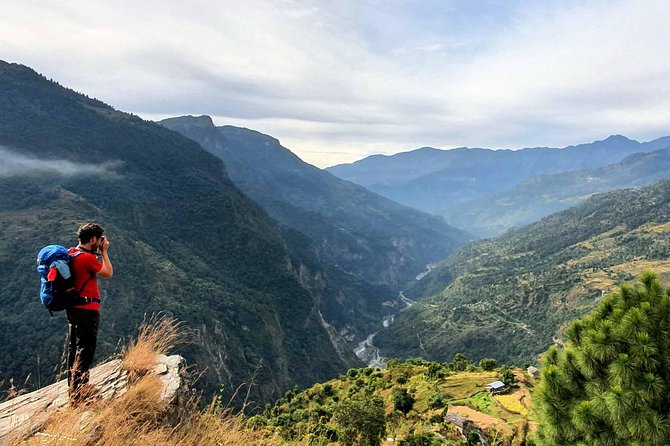
Mohare Danda gives you a quieter way to see Nepal’s high mountains. The trail passes through Magar villages, community lodges, forested ridges, and viewpoints where up to 42 peaks may appear, including Annapurna, Dhaulagiri, and Manaslu. The trek also supports local education, women’s work, and village development.
I like the community-run lodging, where your spending is tied directly to rural livelihoods rather than only to large tourism businesses. I also like the steady pace: this is a short, less crowded route with time for village life, sunrise photographs, and conversation. Guides such as Apar and Lokendra have received warm praise for their care and practical mountain advice.
The catch is the road time. You spend several long hours traveling between Kathmandu, Pokhara, Beni, and the trailheads, and the walk includes stone stairs and downhill sections. If your knees dislike steep descents, tell the operator before you start so a gentler route can be considered.
Key points to know before you book
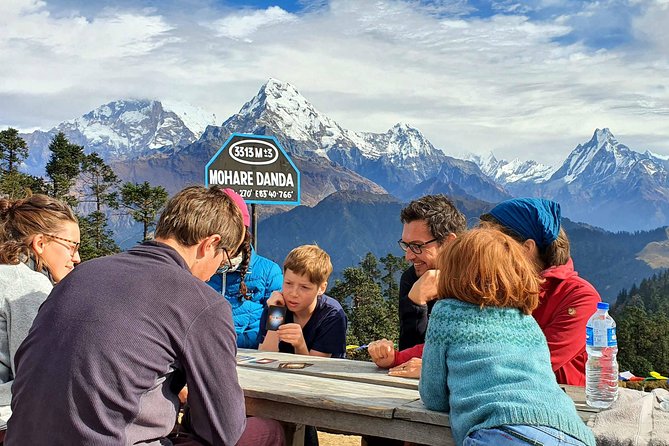
- Mohare Danda reaches 3,313 meters, with sunrise views toward Annapurna, Dhaulagiri, Manaslu, and many surrounding peaks.
- The trek supports village communities, with a focus on education, women’s empowerment, local income, and rural development.
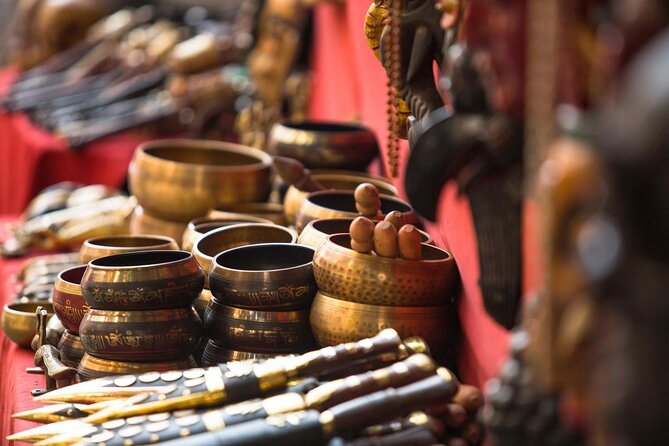
- Magar culture is central to the route, especially in Nagi and Tikot, where village life and local hospitality are part of the experience.
- The trip lasts about 10 days, including airport transfers, two long road journeys, and six active trekking days.
- A small group of no more than 11 people makes the route easier to manage and gives you better access to the guide.
- The $799 price covers major trekking costs, including guides, porters, permits, transport, selected meals, equipment, and community lodge stays.
Why Mohare Danda feels different from the main trekking routes
Nepal has famous trails that draw large numbers of walkers. Mohare Danda offers a quieter alternative, built around small villages and community lodges. The point is not just to reach a high viewpoint. Your route helps keep money in the villages you pass through.
That gives the trek a useful social purpose. The program supports education, local economic activity, women’s work, and rural development. You still get the mountain views, but your daily spending also helps fund the communities maintaining this route.
The scenery is a major reason to choose it. From the ridge around Mohare Danda, as many as 42 peaks may be visible in clear weather. The headline mountains are the Annapurna, Dhaulagiri, and Manaslu ranges, all associated with peaks above 8,000 meters.
You should keep expectations sensible. Mountain visibility depends on weather, and the itinerary specifically notes that poor conditions can force a date change or cancellation. The views are a strong possibility, not a guarantee.
More Hiking Tours in Kathmandu
- Everest Base Camp Trek – 14 Days
★ 5.0 · 1,499 reviews - Everest Base Camp Trekking
★ 5.0 · 485 reviews - Nagarkot Sunrise View and Day Hiking from Kathmandu
★ 5.0 · 471 reviews
Days 1 and 2: Kathmandu arrival, then the long road to Pokhara
Your first day begins at Tribhuvan International Airport in Kathmandu. After immigration and baggage collection, a representative meets you and takes you to the hotel area around Thamel. The first day is mainly for arrival, rest, and preparation.
Thamel is a useful base for getting settled, but you should not expect a full sightseeing day from this itinerary. The listed schedule allows about three hours, so arrival time and airport formalities will shape the day.
Day 2 begins after breakfast with a road journey west to Pokhara. The distance is about 200 kilometers, but the trip takes roughly six to seven hours. Nepal’s road conditions and traffic can make distance a poor guide to timing, so keep this day flexible.
Pokhara is the staging point for the trek and sits beside Phewa Tal, the city’s well-known lake. This overnight stop breaks up the journey before the rougher road section toward Beni.
The road transfer is practical, but it is also the first real drawback of the trip. If you prefer an itinerary with little time in vehicles, this route may feel slow. If you want a lower-cost trek with overland transport included, the transfer is part of the value.
Day 3: Beni Bazaar and the first walking stage
The third day starts with another road trip, this time from Pokhara to Beni Bazaar. The drive takes about four hours. Beni is the starting point for the walking section of the Mohare Danda circuit.
The schedule gives limited detail about the exact first walking distance, so you should ask for the day’s final village and estimated walking time before setting off. This is also a good moment to confirm how your duffle bag, sleeping bag, and down jacket will be handled.
The included porters carry the main load, while you walk with a daypack. Their wages, insurance, and gear are covered. A porter is not a substitute for packing lightly, though. Keep your daily water, warm layer, rain protection, medicine, and valuables with you.
Day 4: Ramche to Nagi, with village life along the trail
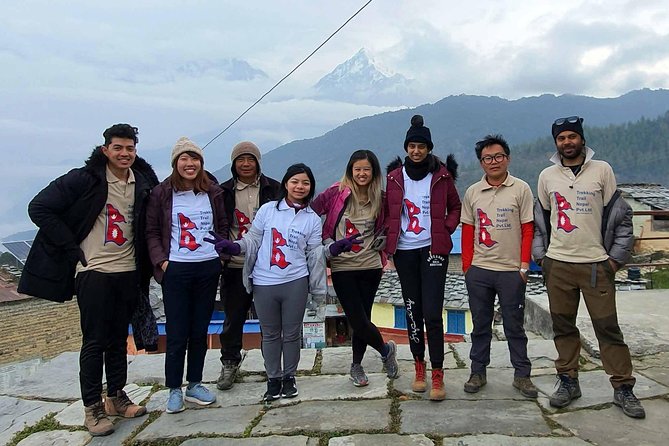
Day 4 takes you toward Nagi Village, with Ramche listed as the main stop. This is where the trek’s community character becomes more visible. The route brings together mountain scenery, local traditions, and the daily rhythm of an ethnic Magar settlement.
Nagi is important to the feel of the trip because you stay close to village life instead of sleeping only in commercial trekking centers. You may find the accommodation simpler than a city hotel, but that is part of the tradeoff for a more local route.
The itinerary describes about three hours for this section. That is relatively manageable compared with the longer road transfers and later walking days. It gives you time to look around, take photographs, and settle into the slower pace of the mountains.
The local food and hospitality are also a meaningful part of the experience. An earlier account of a monsoon Mohare Danda trip praised the chance to learn about village life and eat local cuisine. You should approach meals with curiosity rather than expecting a large restaurant menu.
A different kind of day from the same base:
- Private Kathmandu Sightseeing Tour | UNESCO World Heritage sites
★ 5.0 · 756 reviews - Everest Base Camp Helicopter Tour landing at Everest View Hotel
★ 5.0 · 668 reviews - Half day cooking class in Thamel kathmandu
★ 5.0 · 607 reviews - Kathmandu: Full Day 7 UNESCO Tour with Lunch – Private/Group
★ 5.0 · 415 reviews
Day 5: Nagi to Mohare Danda
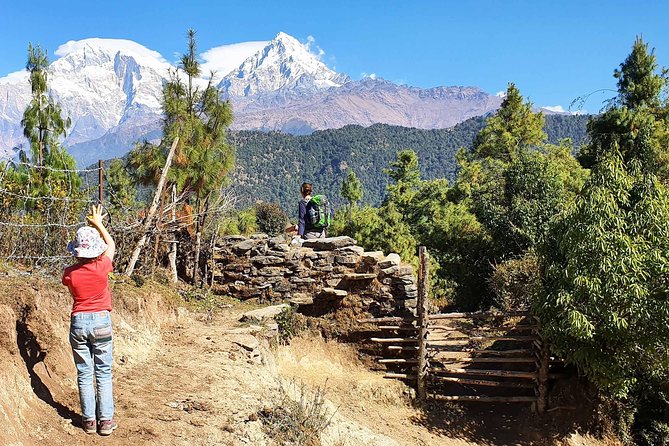
After breakfast in Nagi, you walk toward Mohare Danda. The planned walking time is about four to six hours, depending on the exact route and conditions.
This is the day when the trek begins to feel like a ridge journey rather than a village-to-village walk. You gain height, pass through open viewpoints, and move closer to the high point of the route. The effort is moderate for regular hikers, but the altitude and repeated uphill sections still require a steady pace.
You will want warm clothing ready for the evening. The next night is at 3,313 meters, the highest elevation on the trip. A sleeping bag and down jacket are included, but personal layers remain important because mountain temperatures can change quickly.
The community lodge at Mohare Danda is one of the route’s central features. It is not only a place to sleep. It is part of the project’s effort to keep tourism income in the area and make this trail useful to the people who live here.
Day 6: Sunrise at 3,313 meters
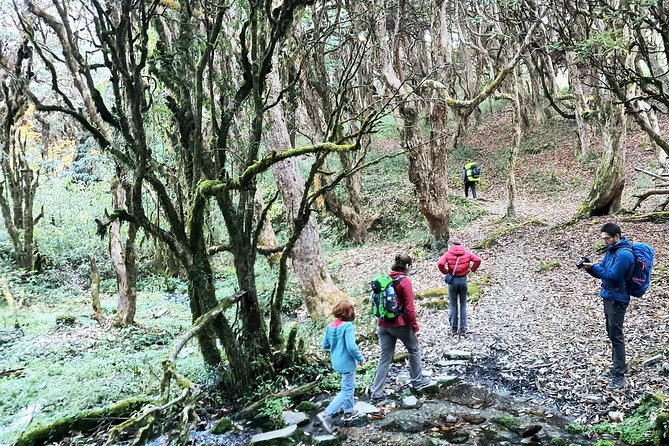
Mohare Danda is the high point of the trek, at 3,313 meters above sea level. The schedule allows an unusually long 15-hour stop, which reflects the importance of staying overnight for the early morning view.
Sunrise is the main event. In clear weather, you can look toward the Annapurna and Dhaulagiri ranges and may also see Manaslu among the wider collection of peaks. The changing light is best early, so have your camera and warm layers ready before leaving the lodge.
This is also the best place to appreciate why the route was designed around a community lodge. You get the high ridge setting without giving up the social purpose of the trek. The money you spend on lodging and meals helps support the local program.
Altitude deserves attention here. At 3,313 meters, this is not an extreme expedition, but it is high enough for some people to feel tired, short of breath, or headachy. The trip includes an oxygen monitor and a first aid kit. Those items are useful safeguards, but they do not replace a slow pace and honest communication with your guide.
The guide is particularly important on this day. Apar has been praised for being patient and professional, while Lokendra has been described as helpful and well informed about the route. Guide assignments can change, so treat those names as examples, not a promise that either person will lead your departure.
Day 7: Mohare Danda to Tikot through Magar country
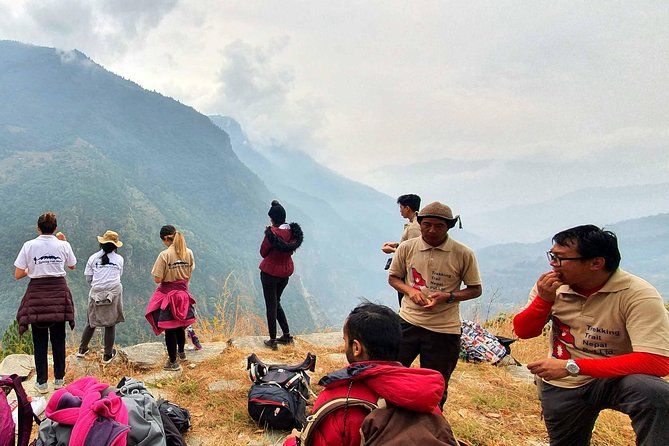
From the high ridge, you walk toward Tikot Village. The itinerary points to Thula Kharka and Sikha Danda along the way, with a long walking day of about 10 hours.
This is one of the more demanding stages. The distance is not the only issue. Downhill walking can be hard on knees, especially on stone steps and uneven mountain paths. Trekking poles, careful foot placement, and a controlled pace will help.
Tikot is an ethnic Magar settlement and gives you another chance to see how the communities along the route live. The cultural element here is not a staged performance. It comes through the villages, the lodge setting, food, and conversations made possible by your guide.
If joint pain is a concern, tell Trekking Trail Nepal before booking or at the trip briefing. The operator says it can help with a better and easier route for people who find downhill stone stairs difficult. Get this discussed early, since route changes are harder once the group is already on the trail.
Day 8: The final mountain walk to Basari
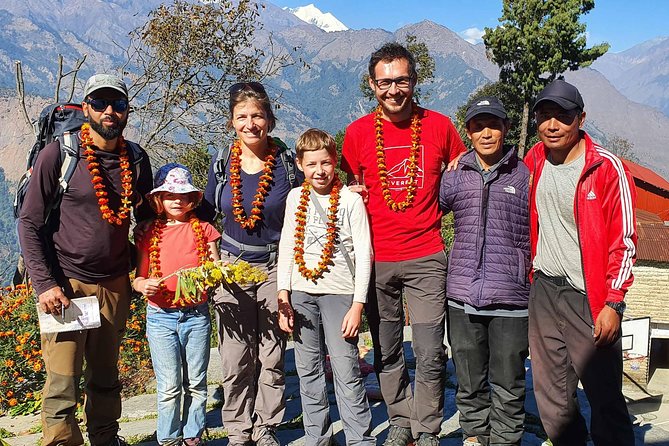
Day 8 is the last walking day, taking you to Basari, also called Baseri in the schedule. This stage closes the mountain section before the return drive.
The route gives you a gradual change from the high ridge and village trails toward the road network. The itinerary does not provide a precise walking time for this day, so ask the guide for the expected distance and departure hour.
Basari marks a practical transition. You are no longer planning each day around altitude and mountain lodges, but you are not yet back to the comfort of Kathmandu. Keep a change of clothes and basic toiletries accessible rather than buried in your main duffle.
Six lunches and five dinners are included across the trip, along with nine breakfasts. The coverage is useful, but it does not include every meal in Kathmandu and Pokhara. Drinks, snacks, bottled water, bar bills, and personal purchases are extra, so carry some spending money for those costs.
Day 9: Returning from Pokhara to Kathmandu
The return journey to Kathmandu takes about seven hours by road. This is another long overland day, and the schedule allows about 12 hours for the full stop.
You may have free time in Kathmandu after arrival, depending on traffic and the exact departure time from Pokhara. Do not plan an important evening activity too tightly. Road delays are a normal possibility on a route that relies on long vehicle transfers.
Thamel is again the base for the final night. It gives you a chance to rest, sort your luggage, and prepare for departure. Any meals in Kathmandu that are not part of the included breakfast arrangement are your responsibility.
Day 10: Airport transfer and the end of the trek
The final day includes transfer to Tribhuvan International Airport for your departure flight. The schedule allows about three hours, though the actual timing depends on your flight.
If you want to extend your stay in Nepal, the itinerary allows for that instead of leaving immediately. The experience ends here, so any extra sightseeing, hotel nights, or transport beyond the stated plan would need to be arranged separately.
What the $799 price really covers
At $799 per person, this is a strong package if you value an organized small-group trek. The price includes a guide, porters, their wages, insurance and gear, trekking permits, required documents, ground transport, selected meals, and community lodge arrangements.
You also receive several useful gear items: a sleeping bag, down jacket, first aid kit, oxygen monitor, trekking map, and a complimentary duffle bag. The company provides a completion certificate as well.
A visit to Baglung High Bridge and the entry fee are included too. That adds a small sightseeing stop beyond the main trail.
The price does not cover tips for guides and porters. It also excludes drinking water, snacks, drinks, bar bills, personal expenses, and lunch and dinner in Kathmandu and Pokhara. Budget for those items before you arrive.
The best value comes from the combination of logistics and local benefit. You are not paying only for a mountain walk. You are also paying for permits, staff support, road transfers, equipment, and a route designed to direct money toward community welfare.
Who will enjoy this trek most
I would recommend Mohare Danda to someone who wants Himalayan views without committing to a much longer high-altitude expedition. It suits people who enjoy village stays, modest community lodges, cultural contact, and a quieter trail.
It also works well for a small group of friends. A group of five completed a shorter four-day, three-night version with guide Apar and team members Ashish, Lokendra, and Joyendra, and the community focus was a major part of the appeal.
You should be comfortable with several hours of walking, uneven paths, stone stairs, and a long descent. Most people can participate, according to the supplied activity information, but the operator specifically asks people with joint problems to speak up.
This is less suitable if you want luxury hotels throughout, guaranteed clear skies, quick transfers, or a tightly timed road schedule. The community lodge setting is a feature, but it also means simpler facilities than you may find in Pokhara or Kathmandu.
The maximum group size of 11 is a useful middle ground. You get the social feel of a group trek without the size of a large bus tour. It also gives you a better chance to ask the guide for help with pace, health, and route questions.
Practical details worth settling early
Guides and porters are included, but tips are not. Ask the company about its usual tipping practice so you can budget fairly for the staff who carry your gear and manage the route.
The activity accepts service animals, and confirmation is provided at booking. The experience requires good weather. If conditions force cancellation, you can choose another date or receive a full refund.
Cancellation is free up to 24 hours before the start time. A cancellation within 24 hours, or a late change, is not refundable.
You should also confirm the current meal plan and transport details before departure. The supplied schedule lists nine breakfasts, five dinners, and six lunches, but meals in Kathmandu and Pokhara are not fully covered.
Should you book Mohare Danda?
Book this trek if you want mountain views with a clear community purpose. The combination of Magar villages, a 3,313-meter ridge, local lodges, and support for education and women’s empowerment gives the route more meaning than a simple viewpoint hike.
The strongest reasons to go are the scenery, the smaller group size, and the chance to meet people in villages that see direct benefit from tourism. The main compromises are long road journeys, basic mountain accommodation, uncertain weather, and some demanding downhill walking.
At $799, the package makes sense for a first organized Nepal trek or for anyone seeking a shorter alternative to the major Himalayan routes. Tell the operator about knee or joint problems early, pack for cold mornings, and leave room in your schedule for Nepal’s slow roads. If those conditions suit you, Mohare Danda is a thoughtful and scenic choice.
FAQ
How long is the Mohare Danda Trek?
The full experience lasts approximately 10 days, including arrival and departure transfers, road journeys, and the trekking stages.
What is the highest point of the trek?
The highest point is Mohare Danda, at 3,313 meters above sea level.
Which mountains can I see?
In clear weather, the route may offer views of up to 42 peaks, including the Annapurna, Dhaulagiri, and Manaslu ranges. The itinerary also identifies three 8,000-meter peaks in these mountain groups.
How many people can join the group?
The maximum group size is 11 travelers.
Are guides, porters, permits, and equipment included?
Yes. The package includes trekking guides and porters, their wages, insurance and gear, required trekking permits and documents, a sleeping bag, down jacket, first aid kit, oxygen monitor, trekking map, and a complimentary duffle bag.
What is the cancellation policy?
You can cancel at least 24 hours before the experience starts for a full refund. Cancellations or changes made within 24 hours are not refundable. If poor weather causes the operator to cancel, you will be offered another date or a full refund.
Recently added around Kathmandu
- Kathmandu Paragliding★ 5.0 · 3 reviews
- Kathmandu Airport Pickup and Drop-off Services★ 5.0 · 3 reviews
- Kathmandu Chandragiri Cable Car and Swayambhunath Private Tour★ 5.0 · 3 reviews
- Explore The Beauty Of Langtang Valley In 8-Days Trek★ 5.0 · 3 reviews
- Kathmandu: Nightlife and Pub Crawl Tour★ 5.0 · 3 reviews
- Mountain Flight Experience in Nepal★ 4.5 · 3 reviews
- Kathmandu: Momo Making Class with a Local Chef★ 5.0 · 3 reviews
- Everest Base Camp Trek★ 5.0 · 3 reviews
Other Kathmandu Tours worth a look


Private Kathmandu Sightseeing Tour | UNESCO World Heritage sites
Read our review →
Everest Base Camp Helicopter Tour landing at Everest View Hotel
Read our review →


Nagarkot Sunrise View and Day Hiking from Kathmandu
Read our review →
Full Day 7 UNESCO Tour with Lunch – Private/Group
Read our review →
This tour also appears in