REVIEW · KATHMANDU TOURS
Mera Peak Climbing
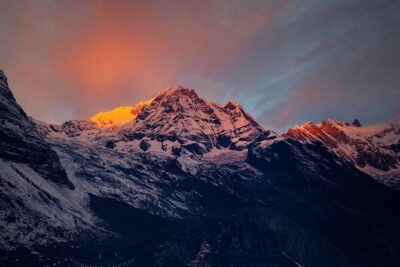
Mera Peak takes you above 6,000 meters, where the reward is a huge Himalayan panorama and the price is real physical effort. From the summit area, you can see Everest, Lhotse, Makalu, Cho Oyu, and Kanchenjunga, along with other high peaks.
I like two things here: the route reaches the less developed Hinku and Hongu valleys, and the package combines tea-house nights with camping rather than keeping you in lodges all the way. Guides such as Dandee, Sonam Sherpa, Samdu, Dende, Ming-ma, and Gelchen Sherpa have led past departures.
The main drawback is altitude. This is not a scenic walk with a summit tacked on. At 6,000 meters, weather, snow, illness, and route conditions can change the plan. The published schedule gives limited day-by-day detail, so you should ask for the full route and acclimatization plan before paying.
Key points before you commit
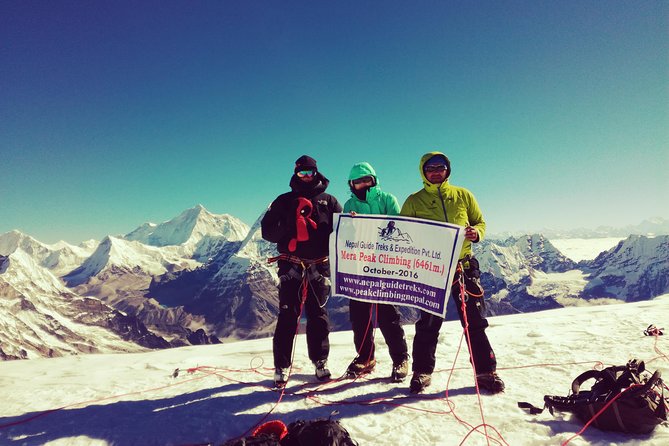
- Mera Peak is Nepal’s highest permitted trekking peak, and the summit reaches roughly 6,000 meters.
- Six famous 8,000-meter peaks are named from the route, including Everest, Lhotse, Makalu, Cho Oyu, and Kanchenjunga.
- The Hinku and Hongu valleys provide a wilder setting than the main Everest route.
- Tea houses and camping are combined, giving you both basic lodge comfort and remote nights.
- Climbing permits, guides, food, accommodation, and necessary climbing gear are included, but personal gear is not.
- Altitude safety is central, with advice to hydrate, avoid alcohol and smoking, and descend quickly if symptoms become serious.
Why Mera Peak is a sensible first Himalayan summit
Mera Peak offers a useful middle ground. You are not signing up for an expedition to an 8,000-meter mountain, but you are still entering serious high-altitude territory. The peak gives you a taste of glacier travel, cold camps, thin air, and summit-day discipline without the scale of Everest or another major expedition.
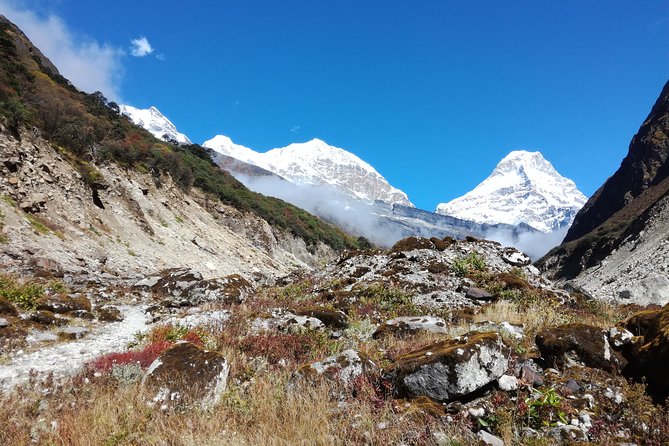
The setting is part of the appeal. The route explores the Hinku and Hongu valleys, described as wild, uninhabited, and beautiful. That matters because the experience is not only about reaching the top. You get time in a quieter part of the Everest region, with highland Sherpa communities and their local customs along the way.
The views are the headline feature. The advertised panorama includes Everest at 8,848 meters, Lhotse at 8,516 meters, Makalu at 8,485 meters, Cho Oyu at 8,201 meters, and Kanchenjunga at 8,586 meters. The information also names several other peaks in the Everest region, so you should expect a broad mountain horizon rather than one isolated summit view.
I especially like that the package is built around acclimatization rather than a quick ascent. The experience lasts about 18 days, including four nights in Kathmandu, which leaves room for a slower approach. At this altitude, extra time is not wasted time. It gives your body a better chance to adjust and gives the guide more room to respond to weather or illness.
A few more Kathmandu days to weigh up
- Everest Base Camp Trek – 14 Days
★ 5.0 · 1,499 reviews - Private Kathmandu Sightseeing Tour | UNESCO World Heritage sites
★ 5.0 · 756 reviews - Everest Base Camp Helicopter Tour landing at Everest View Hotel
★ 5.0 · 668 reviews
Kathmandu preparation and the four included nights
Your meeting point is Tribhuvan International Airport in Kathmandu. Pickup is offered, which is helpful after a long international flight, particularly if this is your first visit to Nepal. The operating hours provided are Monday through Sunday, 9:45 a.m. to 6:15 p.m., for the listed period.
Four nights in Kathmandu are included with bed-and-breakfast service. The city portion gives you time to recover from the flight, meet the guide, check equipment, and deal with permits before heading into the mountains. The package includes the Mera Peak climbing permit, which removes one important administrative task from your list.
The exact Kathmandu program is not fully detailed, so ask how those nights are arranged. You will want clear information about the airport pickup, equipment checks, permit timing, and the point at which the mountain team takes over. The more specific the pre-trip briefing, the better prepared you will be for the high-altitude portion.
The price is $3,000 per person. That is not a casual trekking budget, but it includes four Kathmandu nights, food and accommodation during the trek, the climbing permit, an experienced trekking and climbing guide, and necessary climbing gear supplied by the company. For a guided 6,000-meter climb, those inclusions give the price reasonable value.
Still, you must budget beyond the headline amount. International flights and departure tax are excluded. Personal expenses, personal climbing gear, and tips for guides and porters are also excluded. Ask for a written equipment list so you know exactly what the company supplies and what you must bring yourself.
Hinku and Hongu valleys, the quieter side of the Everest region
The Hinku and Hongu valleys are a major reason to choose this trip. The route is presented as a way to reach a remote part of the Everest region, away from the better-known flow of the main Everest Base Camp trail. You should expect a more basic experience, with camping included because lodge accommodation is not available for every section.
That combination of tea houses and tents changes the rhythm of the trip. Tea houses give you a roof, a meal, and a chance to rest in settled areas. Camping brings more independence but also more exposure to cold, weather, and simple facilities. You should be comfortable with both before booking.
The cultural side is also important. The route passes through highland Sherpa communities, where you can see local traditions in a mountain setting rather than treating Sherpa culture as a quick stop on a sightseeing route. The supplied information does not give a village-by-village schedule, so ask which communities are included and how many nights are spent in tea houses versus tents.
The remote setting comes with a tradeoff. Delays caused by bad weather can affect the route, and changing plans is part of mountain travel. Past departures have required adjustments when snowstorms closed a pass, and other climbs faced weather delays before reaching the summit. Flexibility is not a bonus here. It is part of staying safe.
What the guide team adds to a demanding climb
A guided Mera Peak climb is only as good as the people managing the details. The company supplies an experienced trekking and climbing guide, along with porters and necessary climbing equipment. Past teams have included guides named Dandee, Dende, Sonam Sherpa, Samdu, Ming-ma, and Gelchen Sherpa.
That range of names is useful when you are discussing your booking. Ask who is likely to lead your group, what climbing experience that person has, and how the team handles a split group if one person needs to descend. You should also ask how porter loads, emergency decisions, and summit attempts are managed.
The strongest practical point from the available experiences is the attention to communication and problem-solving. Prakash Devkota, the company contact, has been praised for staying responsive on WhatsApp before departure and for helping arrange plans before and after the climb. That can be valuable when flights, weather, and health issues affect a trip that cannot run on a rigid timetable.
Safety decisions matter more than summit success. One past group had to abandon an intended Mera Peak to Amphu Laptsa Pass to Island Peak plan because heavy snow closed the pass. Another situation involved a climber’s health, with the team helping make a safer decision while the rest of the group continued. Those examples suggest you should choose a company that treats the summit as optional and the return as essential.
A different kind of day from the same base:
- Half day cooking class in Thamel kathmandu
★ 5.0 · 607 reviews - Everest Base Camp Trekking
★ 5.0 · 485 reviews - Nagarkot Sunrise View and Day Hiking from Kathmandu
★ 5.0 · 471 reviews - Kathmandu: Full Day 7 UNESCO Tour with Lunch – Private/Group
★ 5.0 · 415 reviews
Altitude advice you should take seriously
The supplied health guidance is plain and practical. Drink 2 to 3 liters of lukewarm water each day, avoid alcohol and smoking, eat light food that is high in calories, and add ginger and garlic to meals. You should also speak with your guide about your condition and consult a doctor if one is available.
Mild symptoms call for rest, hydration, and patience. The advice is to stay where you are, avoid panic, and sleep sufficiently while acclimatizing. If you do not improve, begin descending. If the situation is serious, descend immediately.
Diamox is specifically mentioned, but you should discuss it with a medical professional before the trip rather than treating it as a substitute for acclimatization. The same applies to a Gamow bag, a high-pressure inflatable bag used to help restore oxygen levels and air pressure. Ask in advance if the organizer carries one and what other altitude equipment is available.
The important lesson is simple: do not let the $3,000 price, the length of the trip, or the excitement of a summit attempt pressure you into continuing when you are unwell. A strong guide will adjust the plan. You should be ready to accept that decision.
Food, accommodation, and climbing equipment
During the mountain portion, the package includes tea-house and camping accommodation with food. This is convenient because you do not have to organize every meal and sleeping arrangement yourself. It also means you should expect basic mountain services rather than hotel comforts.
The advice to eat light, calorie-dense food is sensible for a long climb. Your appetite may change at altitude, but you still need energy for walking and climbing. Keep your personal food preferences and any dietary needs clear before departure, since the package description does not specify menus.
Necessary climbing gear is included, but personal climbing gear is not. That wording is important. Ask for the exact list, including clothing, footwear, head protection, gloves, and any personal safety items you are expected to provide. Do not assume that every item you need for cold, high-altitude conditions comes with the package.
You should also ask how gear is fitted and checked before leaving Kathmandu. A piece of equipment that looks adequate in a brochure is not useful if it is the wrong size or unfamiliar to you. If you are new to climbing, request a clear explanation of what you will use and when.
Fitness, group size, and the right kind of climber
The minimum age is 18, and the experience requires a strong level of physical fitness. That does not mean you need to be a professional mountaineer, but you do need to prepare for sustained walking, high altitude, cold conditions, and a summit attempt.
The maximum group size is 15 people. That is large enough to bring different fitness levels and expectations into the same group, but still small enough for a guide team to manage more personally than a mass departure. Ask how many people are actually booked for your date, since the maximum is not the same as the usual group size.
This climb suits you if you want a major physical challenge, can tolerate basic accommodation, and value a remote route more than a polished holiday. It also fits someone who wants to try a 6,000-meter peak with organized support rather than arrange permits, guides, camps, and meals alone.
It is a poor match if you want a fixed schedule, easy access, or guaranteed summit success. Weather can delay the plan, snow can close a pass, and altitude can end the climb even when your fitness is good. You should regard the summit as the goal, not the promise.
Cancellation, pickup, and useful booking questions
Free cancellation is available if you cancel at least 24 hours before the experience start time. Cancellations made less than 24 hours before the start are not refunded, and changes inside that window are not accepted. Cutoff times use local time in Nepal.
Confirmation is received at booking. The experience is near public transportation, and pickup is offered from Tribhuvan Airport. A mobile ticket is available, which keeps the initial arrival simple.
Before booking, I would ask these questions:
- What is the full day-by-day route for the 18-day schedule?
- How many acclimatization days are included?
- Which guide will lead the departure?
- What personal climbing gear must I bring?
- Is a Gamow bag available?
- How are weather delays handled?
- What happens if one person becomes ill?
- How many people are booked for my date?
These questions do not signal doubt. They show that you understand the kind of trip this is.
Should you book the Mera Peak climb?
I would recommend this experience to a fit adult who wants a serious Himalayan goal, remote valleys, Sherpa culture, and a broad view of the world’s highest mountains. The inclusion of permits, guided support, food, mixed accommodation, and climbing gear makes $3,000 a fair starting price, provided you account for personal equipment, flights, expenses, and tips.
I would book only after receiving the detailed itinerary and equipment list. The short published stop description does not explain the daily walking schedule, camp elevations, or summit plan well enough for an informed decision by itself.
Book it if you can accept weather delays, basic nights, and the possibility of turning around. Skip it if you need a guaranteed summit or a tightly timed holiday. On Mera Peak, good judgment is part of the achievement.
FAQ
How long does the Mera Peak climbing experience last?
The experience lasts approximately 18 days, 2 hours, and 5 minutes.
Where does the experience begin?
It begins at Tribhuvan Airport in Kathmandu, Nepal.
Are airport pickups available?
Yes. Pickup is offered from Tribhuvan Airport.
What is included in the price?
The package includes four nights in Kathmandu with bed-and-breakfast service, the Mera Peak climbing permit, tea-house and camping accommodation with food during the trek, an experienced trekking and climbing guide, and necessary climbing gear.
What is not included?
International airfares, departure tax, personal climbing gear, personal expenses, and tips for guides and porters are not included.
Is there a minimum age?
Yes. The minimum age is 18.
How large can the group be?
The maximum group size is 15 people.
What should I do if I become sick at altitude?
For mild sickness, stay where you are, rest, drink enough water, and speak with your guide. If symptoms do not improve, descend. If the condition is serious, descend immediately and seek medical help when available. The guidance also mentions Diamox and a Gamow bag, so ask your doctor and organizer about them before departure.
Recently added around Kathmandu
- Kathmandu Airport Pickup and Drop-off Services★ 5.0 · 3 reviews
- Kathmandu Paragliding★ 5.0 · 3 reviews
- Explore The Beauty Of Langtang Valley In 8-Days Trek★ 5.0 · 3 reviews
- Kathmandu Chandragiri Cable Car and Swayambhunath Private Tour★ 5.0 · 3 reviews
- Kathmandu: Nightlife and Pub Crawl Tour★ 5.0 · 3 reviews
- Kathmandu: Momo Making Class with a Local Chef★ 5.0 · 3 reviews
- Mountain Flight Experience in Nepal★ 4.5 · 3 reviews
- Everest Base Camp Trek★ 5.0 · 3 reviews
Other Kathmandu Tours worth a look
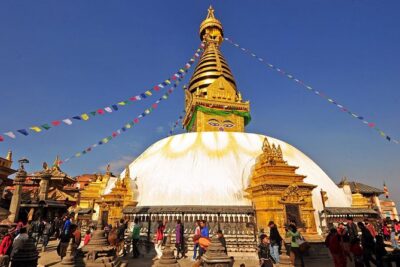
Private Kathmandu Sightseeing Tour | UNESCO World Heritage sites
Read our review →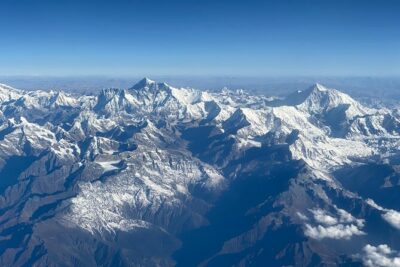
Everest Base Camp Helicopter Tour landing at Everest View Hotel
Read our review →
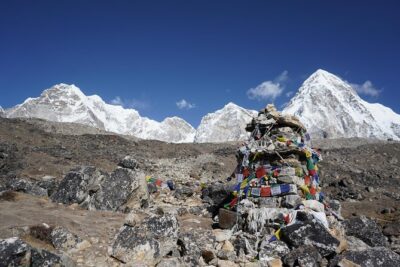
Nagarkot Sunrise View and Day Hiking from Kathmandu
Read our review →
Full Day 7 UNESCO Tour with Lunch – Private/Group
Read our review →