
REVIEW · KATHMANDU TOURS
Kathmandu: Kailash Mansarovar Yatra Tour 2025
Mount Kailash is the heart of this journey, but the real test is the three-day Kailash Kora, a high-altitude circuit that reaches Droma La Pass. You’ll also visit Lake Mansarovar, Pashupatinath, Boudhanath, and the old cities around Kathmandu. I like the careful acclimatization plan and the small group size. I also like that the tour gives you time to see Nepal before crossing into Tibet.
The main drawback is comfort. Tibet’s remote guest houses are basic, the Nepal roads can be rough, and bad weather or landslides may add a day and extra costs. This is a pilgrimage with hotel nights, not a soft adventure holiday. Good fitness, patience, warm clothing, and a cash reserve matter.
Key points before you commit
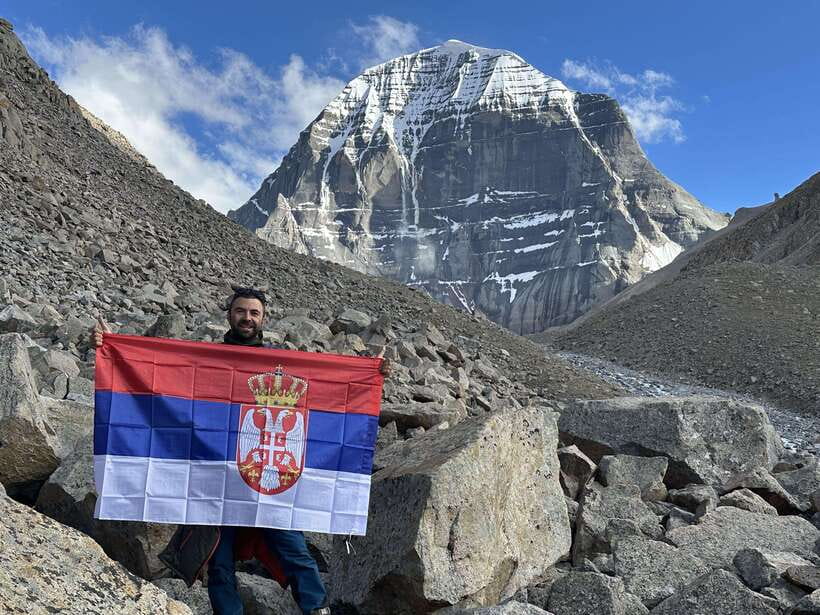
- Three-day Kailash Kora: Trek from Darchen to Derapuk, over Droma La Pass, then to Zutulpuk.
- Sacred Lake Mansarovar: Spend time beside the lake and take part in personal spiritual rituals.
- Kathmandu’s major holy sites: Visit Pashupatinath, Boudhanath, Swayambhunath, and Kathmandu Durbar Square.
- Small groups of up to 10: The English-speaking guides can give closer attention during border crossings and the trek.
- Basic rooms in remote Tibet: Six nights are in 3-star hotels, while three nights use shared guest houses.
- Extra costs need planning: Lunches, dinners, porter or pony hire, insurance, visa fees, and delays are not covered.
Why the Kailash pilgrimage is so demanding
This is not simply a sightseeing trip across the Himalayas. Mount Kailash is sacred to Hindus, Buddhists, Jains, and followers of the Bon faith, while Lake Mansarovar is linked with purity and spiritual renewal. Your reasons for going may differ, but the setting gives the trip a serious, reflective mood.
The physical challenge comes from altitude rather than technical climbing. You do not climb Mount Kailash itself. Instead, you walk around it on the Kora, reaching the high point at Droma La Pass before descending toward Zutulpuk. The route requires good fitness, and the itinerary gives you acclimatization time in Kerung and along the Tibetan plateau.
I would not choose this trip for a first casual hike. You need to be ready for long drives, thin air, cold conditions, simple lodging, and sudden weather changes. The reward is a rare combination of mountain scenery, religious sites, and a sense of purpose that ordinary tours rarely provide.
A few more Kathmandu days to weigh up
- Everest Base Camp Trek – 14 Days
★ 5.0 · 1,499 reviews - Private Kathmandu Sightseeing Tour | UNESCO World Heritage sites
★ 5.0 · 756 reviews - Everest Base Camp Helicopter Tour landing at Everest View Hotel
★ 5.0 · 668 reviews
Days 1 to 3: Kathmandu temples and practical preparation
Your first day is simple. You arrive at Tribhuvan International Airport, meet the transfer service arranged around your flight, and go to a 3-star hotel. Use the day to rest. Kathmandu is exciting, but arriving tired and rushing into sightseeing would be poor preparation for the altitude ahead.
Day two combines visa work with four major UNESCO World Heritage sites. Your passport is submitted for the required visa process, so follow the operator’s instructions and keep photocopies with you. The sightseeing includes Kathmandu Durbar Square, Swayambhunath, Boudhanath Stupa, and Pashupatinath Temple.
Each place gives the trip a different opening note. Kathmandu Durbar Square brings you close to traditional royal architecture and carved details. Swayambhunath, often called the Monkey Temple, sits above the city and offers a memorable first look at Kathmandu. Boudhanath is a major Buddhist center, while Pashupatinath is one of the most important Hindu temples in Nepal.
If your companions want to worship or perform puja at Pashupatinath, the site has strong personal meaning for many pilgrims. You should dress respectfully and follow local customs. The temple visit is also useful context before the journey reaches Tibet.
Day three takes you to Patan and Bhaktapur. Their Durbar Squares are known for Newari buildings, woodwork, courtyards, and skilled craftsmanship. I like this part because it is not just a box-ticking stop. You get a clearer sense of the artistic traditions that make the Kathmandu Valley distinct.
The Kathmandu portion includes a private vehicle, driver, fuel, guide services for the Nagarkot hike, and entrance fees for the listed UNESCO sites. Kathmandu accommodation is included, but your food and drinks in the capital are not. Budget separately for those meals.
Day 4: Hiking between Bhaktapur and Nagarkot
The Nagarkot day hike gives you a change from temples and city traffic. You hike from Bhaktapur toward Nagarkot with a private vehicle, driver, English-speaking guide, and entrance fees included.
This is a useful preparation day before the Kora. It gives your legs some work without placing you immediately into the highest sections of Tibet. You also get Himalayan views when conditions are clear, though mountain visibility depends on weather.
Use this day to check your boots, daypack, sunscreen, water, and warm layers. You can also buy snacks and any small supplies you may have forgotten. A short hike is not a substitute for altitude training, but it is a sensible part of the schedule.
Days 5 and 6: Rough roads and the Nepal-Tibet border
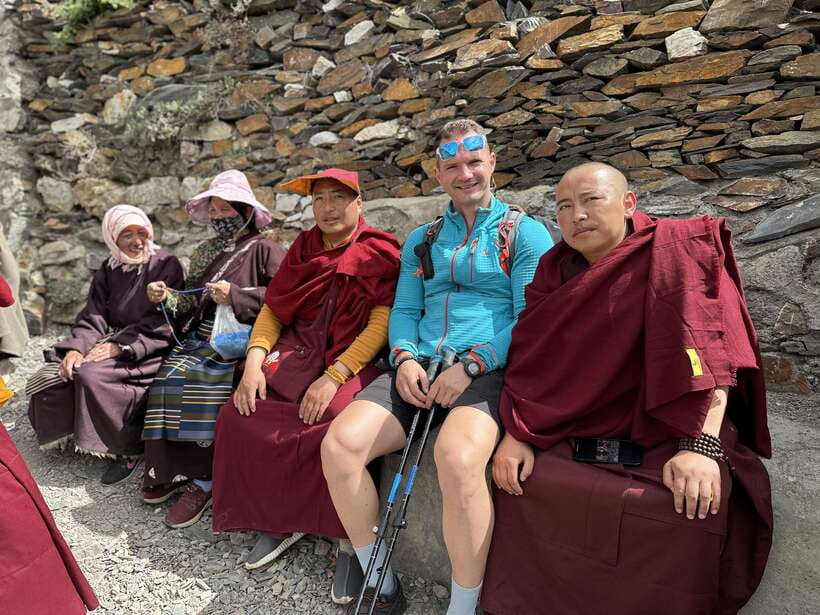
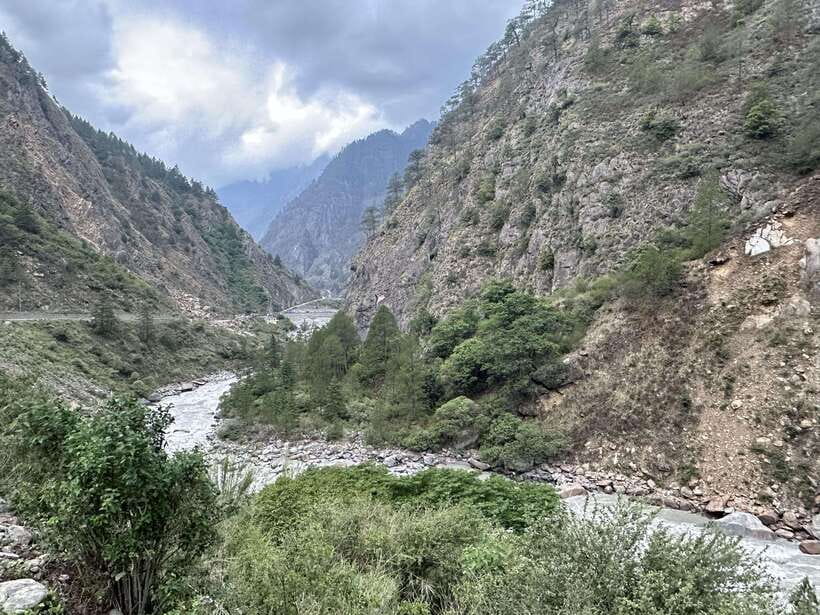
Day five is a long drive toward Rasuwagadhi, the Nepal side of the border. The route passes through the Langtang region, with steep hills, bends, and rough sections of road. The scenery can be impressive, but the journey may feel tiring after several hours in a jeep.
A private jeep gives your group more control than a large bus, and the group limit of 10 keeps the transfer manageable. Still, you should expect road conditions rather than smooth highway travel. Carry water, snacks, and any personal medication in your day bag.
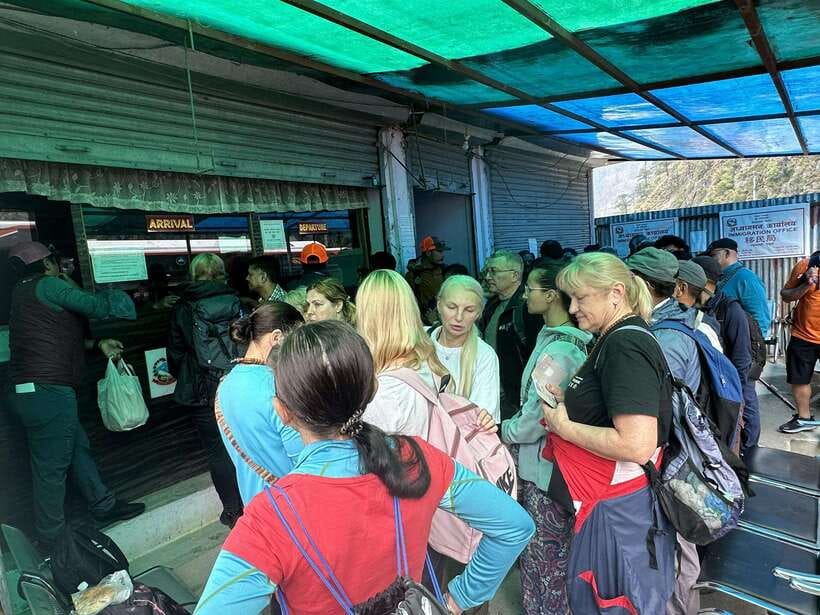
On day six, you cross into Tibet and continue to Kerung. Border formalities are a major part of the day, and your passport and permits are central to the process. The Tibet Travel Permit and other arrangements are included, but Chinese visa charges can apply. American, Canadian, and British passport holders are listed as paying USD 250 for the Chinese visa.
Kerung is an important acclimatization stop. You can walk around town and visit local temples, but do not turn this into a hard exercise day. Altitude affects people differently, and the sensible move is to drink water, eat what you can, and tell your guide about symptoms.
One practical warning deserves attention. Landslides and rain can interrupt the road between Nepal and Tibet. A delay may mean an extra night in Kerung or elsewhere, and those extra expenses are your responsibility. I would add a few spare days at the end of your Nepal stay rather than scheduling an important international flight immediately after day 15.
A different kind of day from the same base:
- Half day cooking class in Thamel kathmandu
★ 5.0 · 607 reviews - Everest Base Camp Trekking
★ 5.0 · 485 reviews - Nagarkot Sunrise View and Day Hiking from Kathmandu
★ 5.0 · 471 reviews - Kathmandu: Full Day 7 UNESCO Tour with Lunch – Private/Group
★ 5.0 · 415 reviews
Days 7 to 9: Across the Tibetan plateau to Lake Mansarovar
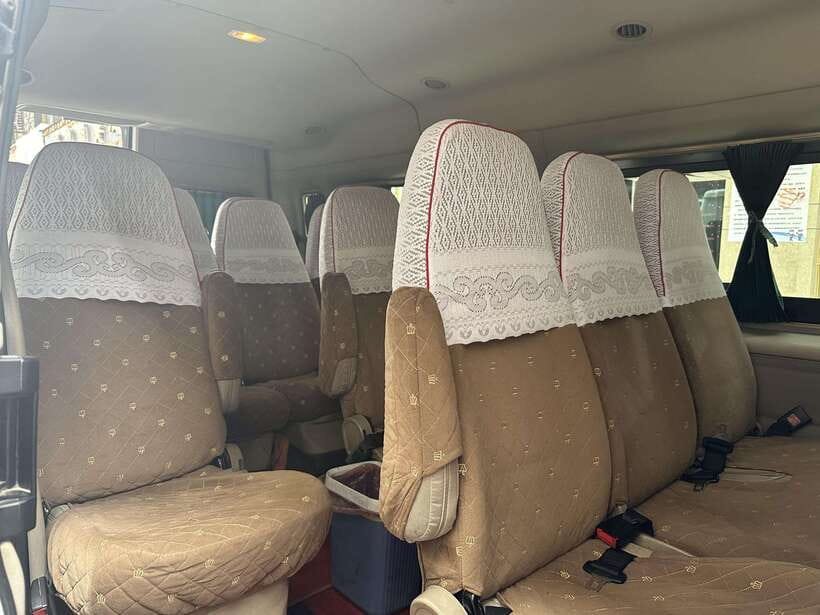
Day seven takes you to Saga. The drive opens into the broad Tibetan plateau, with views toward the Brahmaputra River and the stark high-altitude scenery. This is a travel day, not a sightseeing day packed with stops, so patience helps.
The scale is the point. You will see long stretches of open country, distant mountains, and a sense of space very different from Kathmandu. Keep your camera ready, but also protect it from cold and dust. More important, follow the guide’s pace and use the drive to rest.
Day eight is one of the emotional centers of the trip: Lake Mansarovar. The lake is sacred, and you have time for spiritual rituals beside the water. Some participants choose to bathe or take a purifying dip, while others prefer quiet prayer, reflection, or photography.
You should not assume the lake visit will feel like a standard scenic stop. Conditions can be cold and windy, and the altitude remains serious. Bring warm clothes, sunscreen, a hat, water, and a respectful attitude. The lake’s calm surface and the views of Mount Kailash and the surrounding Himalayas can make this a powerful pause before the trek.
Accommodation at Mansarovar is a shared guest house, not a polished hotel. Breakfast is included for the nine Tibet mornings covered by the package, but lunch and dinner are not. Carry cash because ATMs may not be available.
On day nine, you drive to Darchen, the base for the Kora. This short transfer gives you time to prepare mentally and physically. Organize your daypack, decide if you need a porter or pony, and listen closely to the guide’s instructions.
A porter costs USD 350 for three days and carries up to 12 kilograms, including food and accommodation. A pony costs USD 600 for three days if needed. These are substantial add-ons, but the Kora is not the place to discover that your pack is too heavy.
Days 10 to 12: The Kora and Droma La Pass
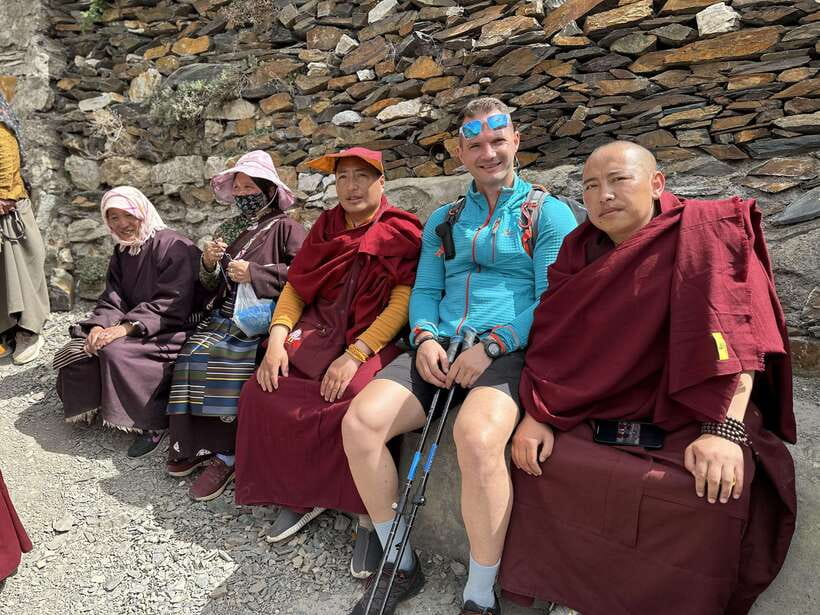
Day ten begins the walk from the Yamdwar area toward Derapuk. The first major reward is the view of Mount Kailash’s north face. You are not climbing the mountain, but walking around it gives the journey its central spiritual meaning.
The trail to Derapuk is described as manageable, yet altitude can make even a modest incline feel hard. Walk slowly. A small group and an English-speaking Tibetan guide are valuable here because the pace can be adjusted and safety instructions are easier to hear.
Derapuk accommodation is basic. Think shared facilities and limited comfort. You are paying for access to a remote pilgrimage route, not for a resort room with every convenience.
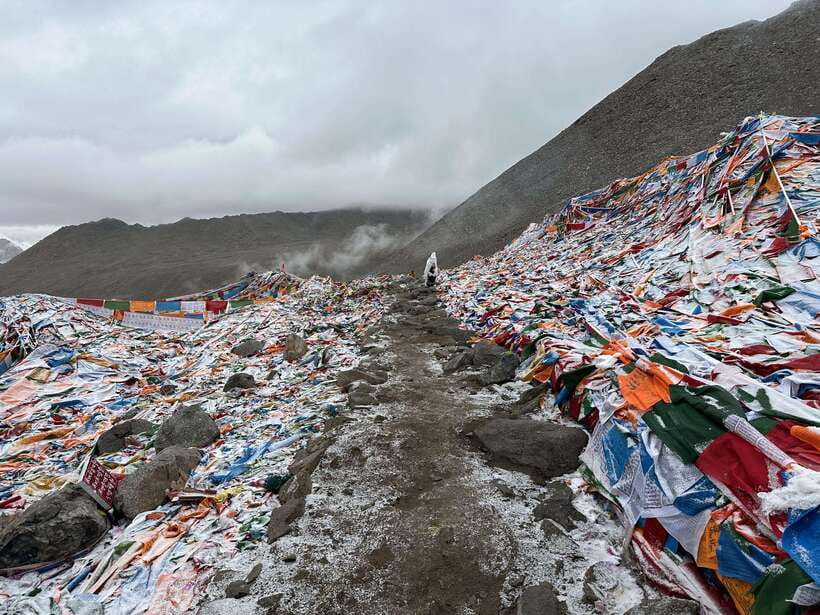
Day 11 is the hardest day. You cross Droma La Pass, the highest point of the Kora, then continue toward Zutulpuk Monastery. This section combines the most demanding walking with the strongest sense of pilgrimage for many participants.
The route from Darchen to Zutulpuk can be tough, especially around Droma La. Cold, wind, altitude, and uneven ground can all slow you down. A porter may be worth the fee if you are unsure about carrying your own gear. Pony hire is another option, but availability and use should be discussed with the local team.
At Zutulpuk, the guest-house accommodation is particularly basic, and shared facilities may be uncomfortable. Prepare for this in advance. Bring toiletries that work without a long shower, a sleeping liner if you use one, and enough personal snacks to keep your energy up.
Day 12 completes the circuit back to Darchen before the drive to Saga. Finishing the Kora is a major personal milestone, but do not assume the day becomes easy once the walking ends. You still have transport and a long road ahead, so use the evening to recover.
Days 13 to 15: Returning through Kerung to Kathmandu
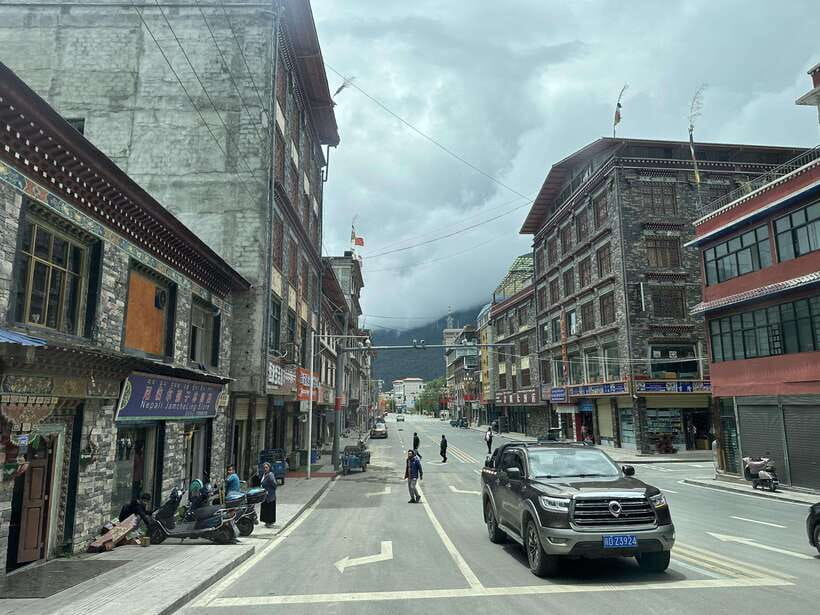
Day 13 begins the drive back toward Kerung. You will see the Tibetan plateau from a different angle, but fatigue may change how you experience the scenery. Keep your essentials close, since border travel can involve waiting and document checks.
Day 14 brings the return across the Nepal border and the drive back to Kathmandu. The contrast can feel sharp: Tibet’s open spaces give way to Nepal’s hills, traffic, and populated valleys. A private vehicle helps, but road delays remain possible.
You return to Kathmandu in time to mark the end of the pilgrimage, though the schedule may leave you tired. If you have an international flight soon after, allow flexibility. Rain, landslides, border delays, or political restrictions can disrupt the timetable, and the stated terms place extra accommodation and transport costs on you.
Day 15 is your airport transfer and departure. The package includes two Kathmandu airport transfers by private vehicle, one on arrival and one for departure. Keep your passport, travel documents, cash, and medication accessible until you reach the airport.
What the USD 4,013 price really covers
At USD 4,013 per person, this tour is expensive, but the price includes several costly pieces of a difficult cross-border journey. You receive Kathmandu transport, 3-star Kathmandu accommodation, sightseeing vehicles and entrance fees, the Nagarkot hike, private jeep transport to Rasuwagadhi and back, Tibet transportation, permits, an English-speaking Tibetan guide, taxes, and nine nights of Tibet accommodation.
Six Tibet nights use 3-star hotels, while three nights use shared guest houses at Mansarovar, Darchen, and Zutulpuk. That mix explains why the price does not buy consistent comfort. The remote nights are part of the route, and no operator can turn the Kora into a conventional hotel tour.
You still need to budget for:
- International flights and travel insurance
- Nepal visa fees
- Chinese visa fees, including the stated USD 250 charge for American, Canadian, and British passport holders
- Lunch and dinner during the Tibet portion
- Kathmandu meals and drinks
- Porter hire at USD 350
- Pony hire at USD 600
- Delays caused by weather, roads, politics, or border problems
A helicopter from Kathmandu to Rasuwagadhi is optional, not required by the standard plan. It costs USD 1,600 privately or USD 320 per person when shared. That is a large extra charge, so compare it with your tolerance for the rough road before deciding.
The value is strongest if you want one organized package rather than arranging permits, border transport, Tibetan vehicles, hotels, guides, and the Kora separately. The value is weaker if you expect comfortable rooms, included full-board meals, or a fixed schedule immune to mountain conditions.
Rules, documents, and cultural respect
You need your passport for the visa and permit process, and the operator collects the original passport during preparation. Make sure you understand the timing and keep copies of your passport, visa, and permits when available.
Tibet has strict rules about political material. You must not carry photos, books, CDs, DVDs, or digital devices related to the Dalai Lama or other Tibetan leaders. You also must not share or post related content on Facebook, Twitter, YouTube, or other social media platforms.
These rules are not a minor footnote. Check your phone, tablet, camera memory cards, reading material, and luggage before departure. Follow the Tibetan guide’s directions at checkpoints and religious sites.
Alcohol, drugs, and littering are not allowed. Respect local customs at temples, monasteries, and the lake. Dress modestly, avoid treating worship as a photo prop, and ask before photographing people or ceremonies.
Who should book this 15-day trip?
I would recommend it to an adult with good fitness who wants a demanding religious and cultural journey. It suits people who can accept basic accommodation, long drives, uncertain weather, and a fixed group schedule.
It is not suitable for children under 10, pregnant women, wheelchair users, or people with back or heart problems. You should also take the insurance warning seriously. The tour requires high-altitude trekking, and you need coverage that applies to the activities and region you are undertaking.
The group is limited to 10, which is a sensible size for a border-heavy trip. You get English-language guiding, and the Kathmandu and Tibet portions use different guide arrangements. Mr. CarKey is specifically identified as a helpful Peregrine contact for pre-trip guidance and support during the journey.
The strongest praise centers on organization, guide support, the beauty of Lake Mansarovar and Mount Kailash, and the spiritual meaning of completing the Kora. The clearest caution concerns basic rooms, rough roads, and the hard crossing at Droma La. Both sides matter when you make your decision.
Should you book the Kailash Mansarovar Yatra?
Book this tour if Mount Kailash and Lake Mansarovar are your main reasons for coming, and you want permits, transport, guides, and border arrangements handled in one plan. The Kathmandu temples, Nagarkot hike, small group, and acclimatization stops add real value rather than filler.
Do not book it if you need reliable road conditions, private bathrooms every night, included lunches and dinners, or a schedule that cannot change. Add emergency funds, buy suitable insurance, and leave spare time after the tour. If you can accept the discomfort as part of the pilgrimage, the USD 4,013 package offers a practical way to reach a place that is difficult to visit independently.
FAQ
How long is the Kailash Mansarovar Yatra?
The tour lasts 15 days, beginning with arrival in Kathmandu and ending with airport transfer for your departure from Kathmandu.
What is the highest point of the Kailash Kora?
The highest point is Droma La Pass, crossed on day 11 during the trek from Derapuk to Zutulpuk.
Is accommodation included?
Yes. Kathmandu accommodation is in a 3-star hotel. In Tibet, six nights are in 3-star hotels and three nights are in shared guest houses at Mansarovar, Darchen, and Zutulpuk.
Are all meals included?
Breakfast is included for nine mornings in Tibet. Lunch and dinner during the Kailash tour are not included, and food and drinks in Kathmandu are also not included.
How large is the group?
The group is limited to 10 participants. The tour includes an English-speaking Tibetan guide.
Can I hire a porter or pony for the Kora?
Yes. A porter costs USD 350 for three days and carries up to 12 kilograms, including food and accommodation. A pony costs USD 600 for three days if needed.
What happens if weather or political problems delay the tour?
If natural or political events require extra days, you are responsible for the additional costs. The stated terms also say that if the Chinese Embassy rejects your visa, USD 1,000 will be refunded, but no refund is provided if you return from the border for another reason.
Recently added around Kathmandu
- Kathmandu Airport Pickup and Drop-off Services★ 5.0 · 3 reviews
- Kathmandu Paragliding★ 5.0 · 3 reviews
- Kathmandu Chandragiri Cable Car and Swayambhunath Private Tour★ 5.0 · 3 reviews
- Explore The Beauty Of Langtang Valley In 8-Days Trek★ 5.0 · 3 reviews
- Kathmandu: Nightlife and Pub Crawl Tour★ 5.0 · 3 reviews
- Mountain Flight Experience in Nepal★ 4.5 · 3 reviews
- Kathmandu: Momo Making Class with a Local Chef★ 5.0 · 3 reviews
- Everest Base Camp Trek★ 5.0 · 3 reviews
Other Kathmandu Tours worth a look


Private Kathmandu Sightseeing Tour | UNESCO World Heritage sites
Read our review →
Everest Base Camp Helicopter Tour landing at Everest View Hotel
Read our review →


Nagarkot Sunrise View and Day Hiking from Kathmandu
Read our review →
Full Day 7 UNESCO Tour with Lunch – Private/Group
Read our review →