
REVIEW · KATHMANDU TOURS
Kathmandu Walking Tour
Kathmandu reveals itself best at street level, and this four-hour walk takes you through its oldest market, temple-filled squares, and narrow city lanes before climbing to Swayambhunath, the hilltop Monkey Temple with wide views over the Kathmandu Valley. You see daily life in motion, not just polished monuments.
I like the route for two clear reasons: Ason market gives you a close look at ordinary Kathmandu life, while the guide adds context to the temples, shrines, religions, and customs you pass. I also like the small group limit of 10, which makes it easier to ask questions. The main drawback is the amount of walking, with no included transport and a hilltop finish that may be tiring for some people.
Key points to know before booking
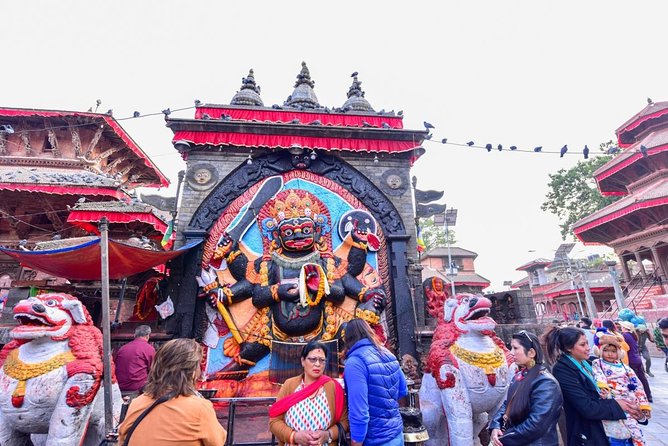
- Ason market comes first: Begin among shops, alleys, temples, and local trade in Kathmandu’s oldest market area.
- Two UNESCO World Heritage Sites: Visit Kathmandu Durbar Square and Swayambhunath during one compact walking route.
- The guide makes the difference: Shankar Bhattarai and Madan Sakota are named in especially strong feedback for clear explanations and friendly service.
- Expect a real city walk: Busy streets, uneven paths, crowds, and a climb to Swayambhunath are part of the experience.
- Thamel hotel pickup is included: You walk from your hotel in the Thamel area, then return on foot or take a taxi from Swayambhunath.
- Budget around more than the $30 fee: Monument entrance fees and any taxi ride are extra.
Starting in Ason, Kathmandu’s oldest market
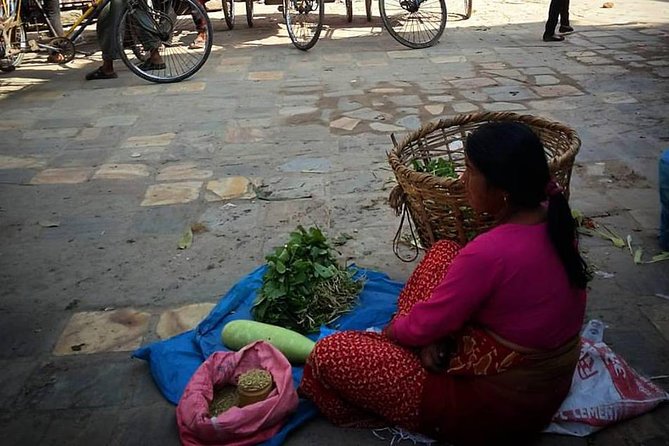
The tour begins with pickup at your hotel in the Thamel area. Your guide then leads you on foot toward Ason, a busy market district where Kathmandu feels less like a sightseeing stage and more like a working city.
Ason is the right place to begin because it puts everyday life ahead of grand monuments. You pass shops, squares, old temples, shrines, and narrow lanes as people go about their business. The exact rhythm will depend on the hour, but you should expect traffic, pedestrians, shopfronts, and plenty to watch in every direction.
I like this opening because it gives you a useful frame for the rest of the walk. Kathmandu’s major religious sites do not sit apart from city life. They are woven into streets where people shop, work, worship, and move through their day.
This is also where good guiding matters most. A local guide can point out details you could easily miss while trying to cross a crowded street or follow the route. Past participants have singled out guides including Shankar Bhattarai and Madan Sakota for explaining Kathmandu’s history, religions, shrines, and daily customs in a clear and approachable way.
The tradeoff is simple: Ason is not a quiet introduction. If you want a calm walk through carefully preserved streets, this is not that. You get noise, movement, and a working market, which is precisely why the stop feels useful.
More Walking Tours in Kathmandu
- Kathmandu Food and Drink Walking Tour
★ 5.0 · 266 reviews - Kathmandu: Food and Drink Walking Tour
★ 4.9 · 119 reviews - Walking Street Food Tour in Kathmandu
★ 5.0 · 111 reviews
Walking through streets, squares, and old shrines
From Ason, the route continues through busy streets and older parts of central Kathmandu. You move between shops, open squares, temples, and small religious sites rather than following a single grand avenue.
This part of the tour is less about checking off one famous sight and more about learning how the city fits together. The walk allows you to ask questions as you go, so you can stop and clarify something that catches your eye. An English-speaking guide leads the group, and the small size, limited to 10 people, should make conversation more practical than it would be on a large coach outing.
Wear comfortable shoes. Four hours on foot, including city streets and the climb toward Swayambhunath, calls for footwear that can handle a long walk. Bring cash, since entrance fees are not included and you may want to pay for a taxi later.
The tour also asks you to stay alert. The supplied information does not promise a quiet route or easy pavement, and the city setting means you will be walking through active streets rather than a controlled pedestrian zone. That is part of the appeal, but it is worth keeping in mind if you prefer a slower, less crowded outing.
Kathmandu Durbar Square and its royal setting
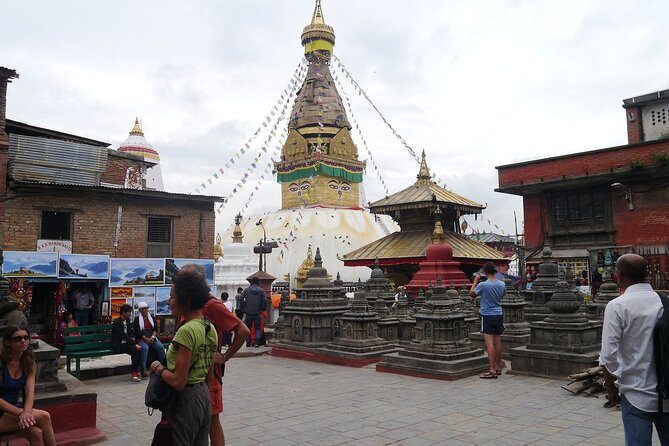
The next major stop is Kathmandu Durbar Square, one of the two UNESCO World Heritage Sites on the route. This is the city’s historic and religious center, with temples, palaces, shrines, and open squares gathered in one important area.
The square gives the walking tour its strongest concentration of major monuments. Instead of seeing a single temple and moving on, you get a setting where religious buildings and former royal architecture share the same space. Your guide can help explain what you are seeing and why the square matters to Kathmandu.
Entrance fees are not included in the $30 price, so allow extra money for monument access. The tour information also says you can skip the ticket line, but it does not state the cost of the entrance ticket. Check the current details when booking and carry cash as advised.
I would not treat the square as a quick photo stop. Give yourself time to look at the different buildings and listen to the guide’s explanations. The strongest feedback about this experience focuses on the value of the guiding, with several people describing the tour as informative and praising the way the guide explained Nepal’s religions, cultures, and city history.
One piece of feedback was sharply negative, saying the visit had little interest. That is useful to keep in mind. If your ideal outing is a long, detailed architectural tour with extended time at each monument, this four-hour walk may feel too broad. It covers several parts of Kathmandu, so it favors variety and orientation over a deep study of one site.
Freak Street and the memory of the hippy era
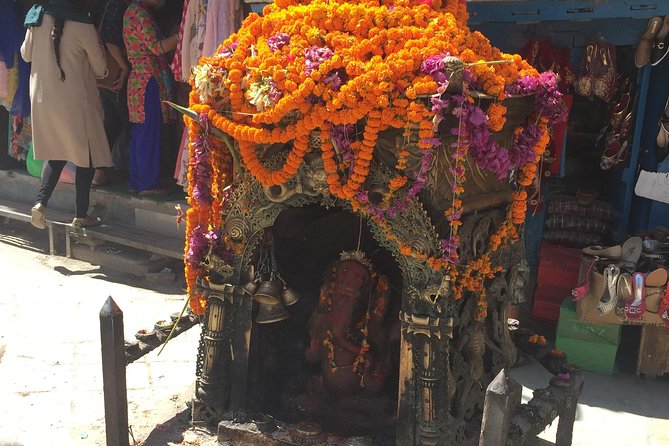
After Kathmandu Durbar Square, the route continues to nearby Freak Street. This junction became famous during Kathmandu’s hippy era and adds a different layer to the walk.
Freak Street is not presented as a separate museum visit or a long historical lecture. Instead, it forms part of the route between the Durbar Square area and Swayambhunath. Its value is in the contrast: you have just been among palaces, temples, and shrines, and now you are seeing a place tied to a much more recent chapter in Kathmandu’s international identity.
I like this stop because it keeps the route from becoming a simple list of ancient monuments. Kathmandu has old religious traditions and modern social stories, and Freak Street helps connect those two sides. Your guide is the person who can make that connection useful rather than leaving you with only a name and a photograph.
The supplied details do not specify how much time the group spends there. Expect it to be one part of a wider walking route, not a full independent visit. If Freak Street is a particular interest, ask your guide about it during the walk.
A different kind of day from the same base:
- Everest Base Camp Trek – 14 Days
★ 5.0 · 1,499 reviews - Private Kathmandu Sightseeing Tour | UNESCO World Heritage sites
★ 5.0 · 756 reviews - Everest Base Camp Helicopter Tour landing at Everest View Hotel
★ 5.0 · 668 reviews - Half day cooking class in Thamel kathmandu
★ 5.0 · 607 reviews
Climbing to Swayambhunath, the Monkey Temple
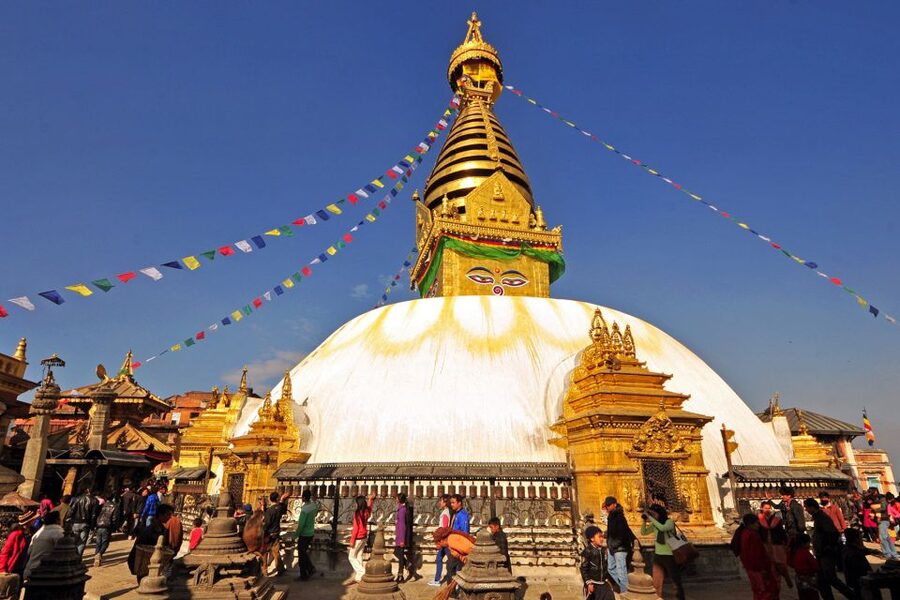
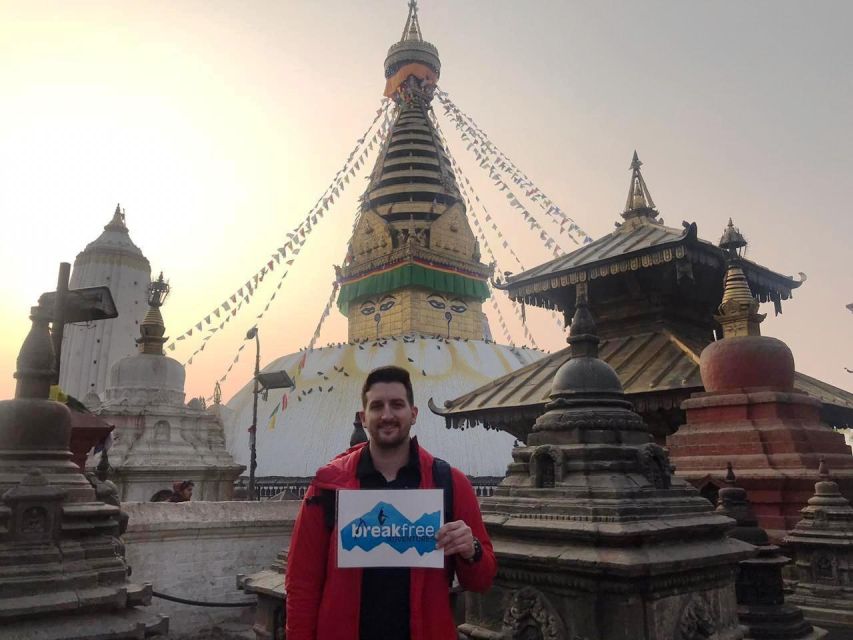
The final major stop is Swayambhunath, also called the Monkey Temple, on top of a hill. Reaching it brings the tour’s clearest change in setting: after the close streets of central Kathmandu, you finish above the city with a panoramic view of the Kathmandu Valley.
The view is one of the tour’s main rewards. You can look back across the valley and understand Kathmandu’s size and position in a way that is difficult from street level. The hilltop setting also gives the visit a strong sense of arrival after several hours among markets, squares, and alleys.
The climb is the part that requires the most thought before booking. The activity is not suitable for wheelchair users or pregnant women, and the organizers specifically ask you to wear comfortable shoes. Even for a fit walker, a hilltop monument at the end of a four-hour route can feel demanding.
At Swayambhunath, expect temples and shrines as well as the broad view. The tour includes time to explore the site with your guide, but the information does not give an exact number of steps, a detailed accessibility description, or a fixed length of stay. If mobility is a concern, ask for current route details before reserving.
Walking back to Thamel or taking a taxi
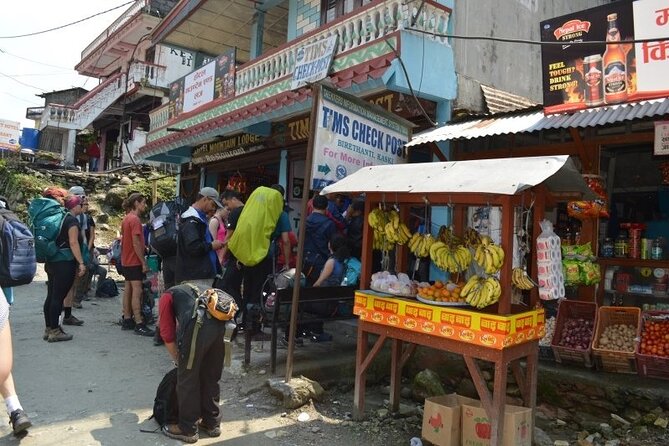
The planned finish is a walk back to Thamel. You also have the option of taking a taxi from Swayambhunath to Thamel, but that ride is not included in the price.
This choice makes the tour more flexible than a route that forces everyone to walk back after the hilltop visit. If you still have energy and want to continue seeing Kathmandu on foot, return with the group. If your legs are done, budget for the taxi and finish the afternoon more comfortably.
No other transfers are included, so do not expect a vehicle between the stops. Pickup applies to hotels in the Thamel area, and you need to provide your hotel name when booking so the guide knows where to collect you.
The tour lasts four hours, but the practical end time may depend on the starting time and pace of the group. Check available start times before booking if you have a flight, another tour, or a fixed meal reservation afterward.
What the $30 price really covers
At $30 per person, this is a reasonably priced way to hire a local guide for a half-day introduction to central Kathmandu. The value comes from the route and the explanations: you cover a market, a historic square, a famous street, and a hilltop UNESCO site without arranging each piece yourself.
The price includes an experienced English-speaking guide and mineral water. It does not include monument entrance fees, taxis, or other transfers. That means the final cost will be higher than the headline price if you choose the taxi back to Thamel or need to pay site charges.
The group limit of 10 is another useful part of the value. It is small enough to ask questions and stay connected to the guide, while still keeping the price below that of a private walk. If you want a private guide or a slower pace, this may not be the right format, but the small-group setup suits most first-time visitors who want orientation without a large crowd.
Flexible booking terms also help. You can cancel up to 24 hours ahead for a full refund, and you can reserve now and pay later. Check the current availability and starting times before you commit.
How the guiding shapes the experience
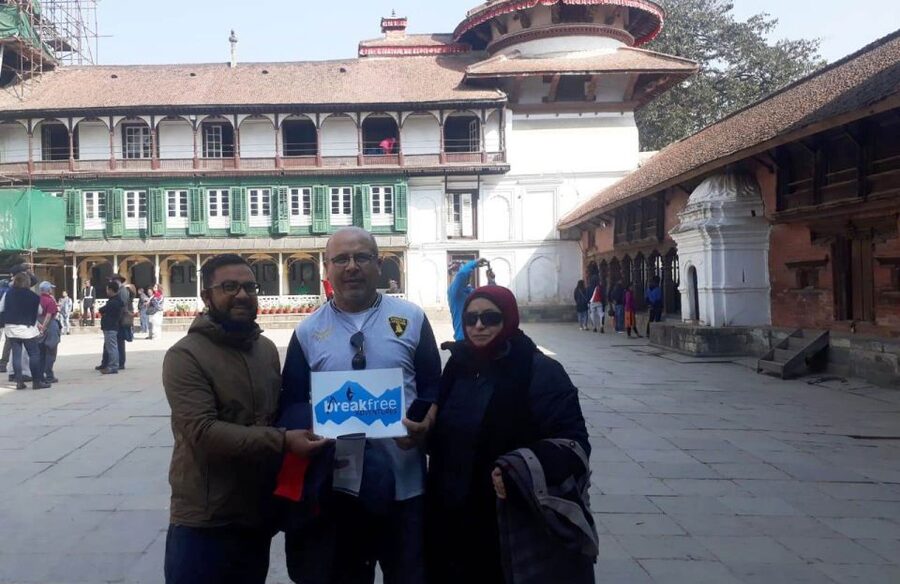
The most praised part of this tour is the guide. The best comments describe the experience as informative, friendly, and full of useful facts about Kathmandu, Nepal’s religions, local culture, shrines, and daily life.
Shankar Bhattarai is specifically praised for having a strong grasp of the subject and for telling the story well. Madan Sakota is also singled out for making the city’s history and culture easier to understand. Those names do not guarantee which guide you will receive, but they show the level of personal guiding that this experience can provide.
Your guide is especially useful in Ason and around the religious sites. In a city with temples and shrines around many corners, context helps you know what deserves a closer look. It also gives you a chance to ask about customs and beliefs instead of trying to work them out from signs alone.
The language is English. If you want a tour in another language, this activity is not designed for that.
Who should book this Kathmandu walk?
I would choose this tour if you are visiting Kathmandu for the first time and want a quick but meaningful introduction to the city. It covers enough ground to help you understand the central areas, while the local guide provides the background that a self-guided walk may lack.
It also suits you if you enjoy seeing ordinary streets alongside major sights. Ason and the route through the old city are as important to the experience as the two UNESCO sites. You will not spend the whole morning inside quiet monument grounds.
This is a good fit for people who like walking, asking questions, and accepting some street-level disorder. It is less suitable if you have limited mobility, are pregnant, dislike hills, or want a slow and highly specialized visit focused on one monument.
Bring your passport or ID card, comfortable shoes, and cash. Mineral water is supplied, but you should still dress for four hours outdoors and confirm the meeting details with your hotel name at the time of booking.
Should you book the Kathmandu Walking Tour?
Book it if you want broad city orientation with strong local explanation rather than a private, highly detailed monument study. For $30, the combination of Ason market, Kathmandu Durbar Square, Freak Street, and Swayambhunath gives you a lot of ground in four hours.
The main decision is your comfort with walking and extra costs. Entrance fees and any taxi ride come separately, and the return from the hilltop can be tiring. If those points work for you, this is a practical first-day tour that can help the rest of your Kathmandu visit make more sense.
FAQ
Where does the Kathmandu Walking Tour take place?
The tour takes place in Kathmandu in Nepal’s Bagmati Zone. The route includes Ason market, Kathmandu Durbar Square, Freak Street, and Swayambhunath.
How long does the tour last?
The walking tour lasts four hours.
What sites are included?
The route includes two UNESCO World Heritage Sites: Kathmandu Durbar Square and Swayambhunath. It also visits Ason market, Freak Street, temples, shrines, streets, and old squares.
Is hotel pickup included?
Pickup is included from hotels in the Thamel area. You need to provide your hotel name when booking so the guide can collect you.
Is transportation included between the stops?
No. The activity is primarily a walking tour. You can take a taxi from Swayambhunath to Thamel, but that taxi is not included.
Is the entrance fee included?
No. Monument entrance fees are separate from the tour price.
What language does the guide speak?
The tour is conducted in English by a live tour guide.
What should I bring?
Bring your passport or ID card, comfortable shoes, and cash. Mineral water is included.
Can I cancel the booking?
Yes. You can cancel up to 24 hours in advance for a full refund. The activity also allows you to reserve now and pay later.
Recently added around Kathmandu
- Kathmandu Airport Pickup and Drop-off Services★ 5.0 · 3 reviews
- Kathmandu Paragliding★ 5.0 · 3 reviews
- Kathmandu Chandragiri Cable Car and Swayambhunath Private Tour★ 5.0 · 3 reviews
- Explore The Beauty Of Langtang Valley In 8-Days Trek★ 5.0 · 3 reviews
- Kathmandu: Nightlife and Pub Crawl Tour★ 5.0 · 3 reviews
- Kathmandu: Momo Making Class with a Local Chef★ 5.0 · 3 reviews
- Mountain Flight Experience in Nepal★ 4.5 · 3 reviews
- Thangka Painting Workshop★ 5.0 · 3 reviews
Other Kathmandu Tours worth a look


Private Kathmandu Sightseeing Tour | UNESCO World Heritage sites
Read our review →
Everest Base Camp Helicopter Tour landing at Everest View Hotel
Read our review →


Nagarkot Sunrise View and Day Hiking from Kathmandu
Read our review →
Full Day 7 UNESCO Tour with Lunch – Private/Group
Read our review →
This tour also appears in