
REVIEW · KATHMANDU TOURS
Kathmandu/Pokhara: Wildlife, Culture and Jungle Safari Tour
Chitwan National Park gives you Nepal beyond temples and mountain views. You trade city streets for rhinos, crocodiles, jungle birds, and river country, then meet the Tharu community through food, dance, village life, and local architecture.
I like the mix of wildlife and culture, especially the quiet Rapti River canoe ride and the evening Tharu dance program. I also like that meals, accommodation, park entry, transport, and a guide are bundled into one price, which makes planning easy.
The main caution is transport. The package describes a deluxe air-conditioned tourist coach, but one unhappy customer reported a dirty public bus, no air-conditioning, and journeys stretching from five hours to nine. Confirm your vehicle before paying, and think carefully about the elephant ride because one report raised serious animal-welfare concerns.
Key points to know before booking
- Two very different starting points: You can leave from Kathmandu or Pokhara, with pickup near Thamel, Baidam, or Lakeside Road.
- Chitwan is more than a safari: Your time includes canoeing, bird watching, a jungle walk, a Tharu village visit, and a cultural dance program.
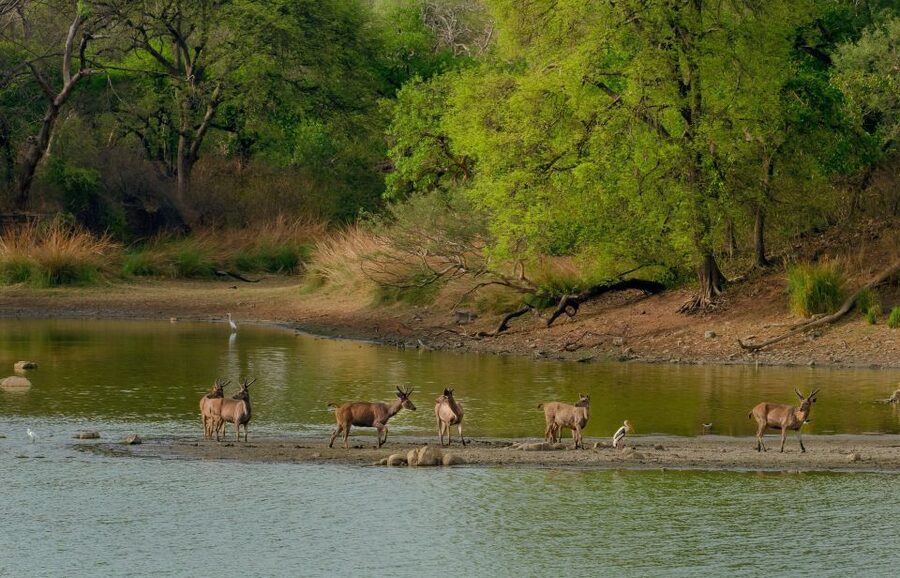
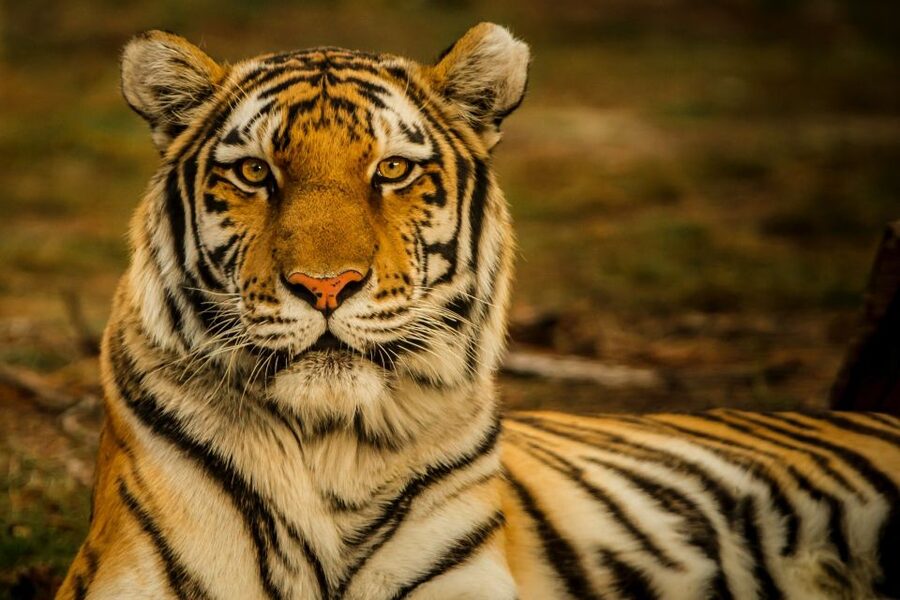
- Wildlife is never guaranteed: Rhinos, crocodiles, elephants, birds, and tigers are possible sightings, not promises.
- The safari ride is shared: The jeep safari or elephant ride is listed on a sharing basis, even though the wider tour is described as a private group.
- The strongest value is the bundle: Transport, two nights of meals, accommodation, guide services, park fees, and activities are included in the three-day version.
- Check the animal policy: The elephant option deserves careful scrutiny. A jeep safari is the more responsible choice for many people.
From Kathmandu or Pokhara to Sauraha
The trip starts with hotel pickup near Thamel in Kathmandu or Lakeside Road and Baidam in Pokhara. The stated drive time is about five to six hours, but Nepal’s roads and traffic can make the day longer. One booking experience reported a nine-hour journey in both directions, so do not schedule a tight flight or major appointment after the return.
You travel by tourist bus or coach unless you arrange a private vehicle directly. The package describes a deluxe air-conditioned coach, while one account describes a public bus with poor cleanliness and no air-conditioning. That gap matters. Ask the operator to confirm the vehicle type, departure time, and whether the quoted price covers the same transport standard shown in the description.
The road journey is part of the Nepal experience, but it is not the polished part. You should bring water, a small towel, sunscreen, and something comfortable for sitting. A camera and binoculars are useful once you reach Chitwan, but they will not make a long ride shorter.
On arrival, you check into accommodation in Sauraha, the main base for Chitwan activities. The standard option is listed as Chitwan Village Resort or a similar Rainbow Safari resort, with air-conditioned single, twin, or triple rooms. A five-star upgrade is available at Greenpark Resort.
More Safaris in Kathmandu
- 3-Day Chitwan National Park Jungle Safari Tour Package with Pick Up
★ 5.0 · 184 reviews - From Kathmandu/Pokhara: 3-Day All-Inclusive Chitwan Safari
★ 4.6 · 133 reviews - Kathmandu: 3-Day Chitwan Safari Tour with Hotel Transfers
★ 4.6 · 127 reviews
Evening Tharu culture and dinner
The first evening is gentle after the road trip. You attend a Tharu cultural dance program at a community hall, then eat a Nepali dinner. This is a good first look at the people and traditions of the southern Terai region, where the rhythm of life differs from Kathmandu and Pokhara.
The program is not just filler before the safari. It gives context to the village visit planned for the next day. You see local dance, music, and customs in a setting designed for visitors, so it is best treated as a cultural introduction rather than a private village gathering.
Food is another strong part of the package. The three-day version includes breakfast, lunch, and dinner for two days. The accommodation described in the package offers a choice of meals, though drinks and bottled or boiled water cost extra. If you prefer tea, soft drinks, beer, or other beverages, carry enough Nepali rupees for those purchases.
Jeep safari through Chitwan National Park
The main event comes after breakfast on the second day. You enter Chitwan National Park by shared jeep or choose the elephant ride option. The guide leads you through forest and grassland in search of wildlife, with rhinos and tigers listed among the hoped-for sightings.
A jeep safari is the practical choice for most people. It lets you cover more ground than walking and keeps a sensible distance from wild animals. The guide may point out tracks, movement, or birds that you would miss on your own. Still, no guide can promise a tiger. You should measure success by the quality of the forest experience, not by a particular animal appearing on cue.
The park visit also works well for anyone who enjoys bird watching. Bring binoculars if you have them, and keep your camera ready without letting photography become the entire point of the outing. Early attention and patience matter more than expensive equipment.
The elephant ride needs a separate warning. The package offers it as an alternative, and one account specifically described cruel treatment at elephant facilities, including claims that young elephants were beaten, underfed, and chained. Those are serious allegations, and the supplied information does not provide a welfare standard or independent certification for the activity.
I would choose the jeep safari and ask exactly which elephant facility is involved before considering the ride. If the answer is vague, skip it. You can still have a full Chitwan day without riding an elephant.
Canoeing on the Rapti River
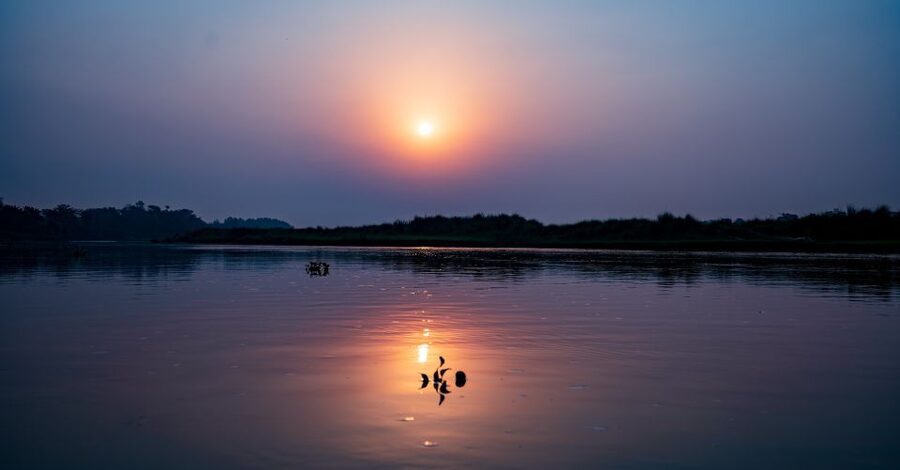
After the safari and lunch, the pace slows on the Rapti River. You travel by canoe along calm water, watching the banks for crocodiles, elephants, and birds. This is one of the most appealing parts of the schedule because it changes your view of the park.
From a vehicle, you search the forest ahead. From a canoe, you watch the waterline and riverbank. The trip is quiet and gives you a chance to notice small details that can disappear during a faster safari.
The canoe ride is also a reminder that Chitwan is a river ecosystem, not only a forest with large mammals. Bring a hat, sunglasses, sunscreen, and a camera you can handle carefully near water. The supplied information does not state whether dry bags are provided, so protect electronics yourself.
A different kind of day from the same base:
- Everest Base Camp Trek – 14 Days
★ 5.0 · 1,499 reviews - Private Kathmandu Sightseeing Tour | UNESCO World Heritage sites
★ 5.0 · 756 reviews - Everest Base Camp Helicopter Tour landing at Everest View Hotel
★ 5.0 · 668 reviews - Half day cooking class in Thamel kathmandu
★ 5.0 · 607 reviews
Jungle walk and bird watching
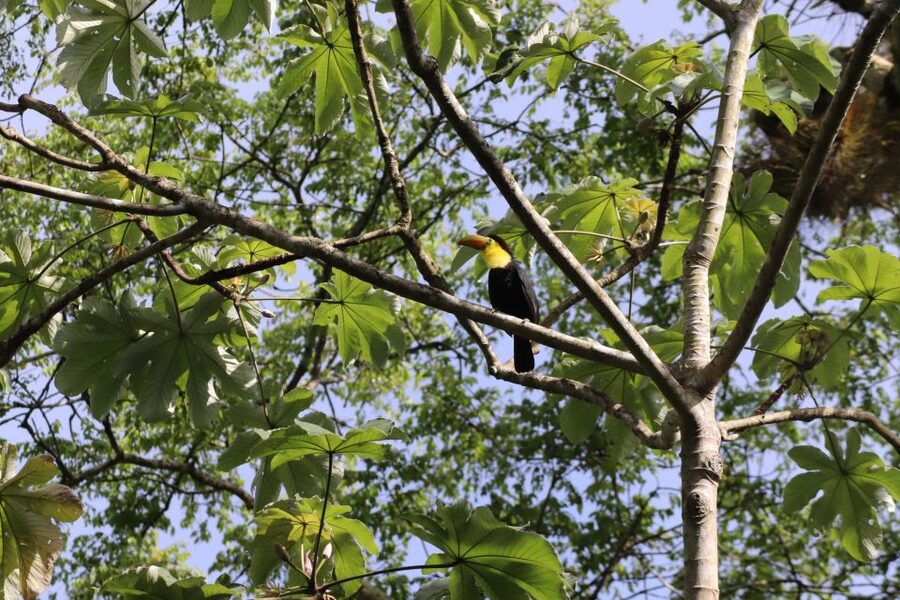
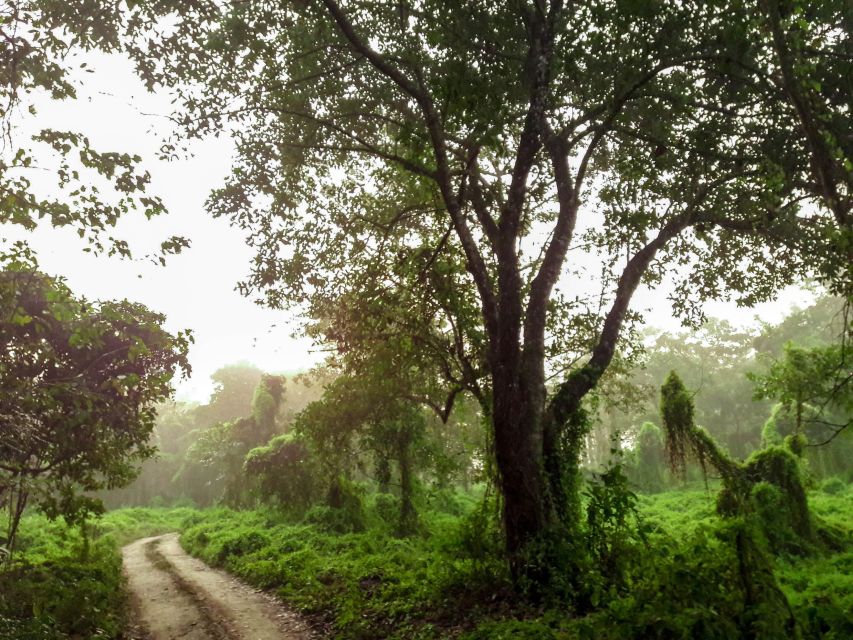
The guided nature walk takes you onto footpaths through the jungle. Your guide points out local plants and signs of wildlife, while you listen for movement and bird calls. Walking gives you a closer sense of the forest than a vehicle can, but it also requires more attention to the guide’s instructions.
This is a good activity for you if you like natural details rather than constant action. You may see birds, plants, or tracks even when larger animals stay hidden. Comfortable clothes, sturdy footwear, water, and insect protection are sensible choices, although insect repellent is not specifically listed among the required items.
The schedule is full, but it is not designed as a hard trek. The activities are arranged with time for meals and rest, and one well-organized account praised the balance between outings and downtime. That makes the tour easier for mixed-age groups and for anyone who wants wildlife without committing to a longer park expedition.
Elephant breeding center and Tharu village
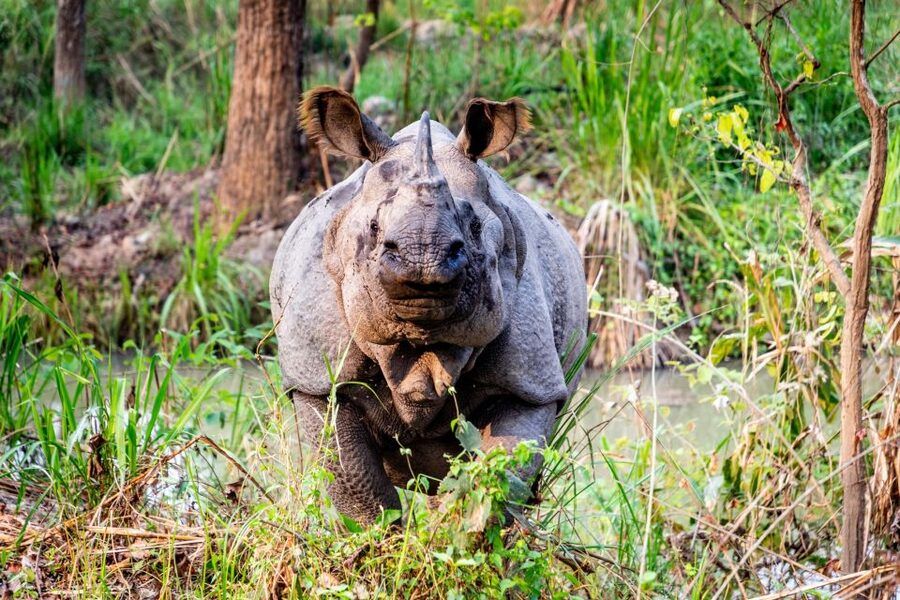
The elephant breeding center is included as an educational stop. You learn about elephants and conservation efforts, and you may see the animals at close range. The conservation message can be worthwhile, but the welfare concern mentioned above means you should look closely at how the animals are housed and treated.
Do not confuse visiting a breeding center with riding an elephant. They are separate choices in the program. You can visit the center, ask questions, and still decline an elephant ride if its conditions do not meet your standards.
Later, you visit a Tharu village and speak with local people. The focus is on traditional homes, art, music, dance, food, and everyday life. This is where the trip gains its human dimension. You are not only looking for animals in a protected area; you are learning about the community that lives beside it.
The village visit should be approached with respect. Ask before photographing people or homes, listen to the guide, and remember that a short stop cannot explain every part of Tharu society. Even so, it gives you a more grounded experience than staying only inside a resort.
Accommodation, meals, and guide quality
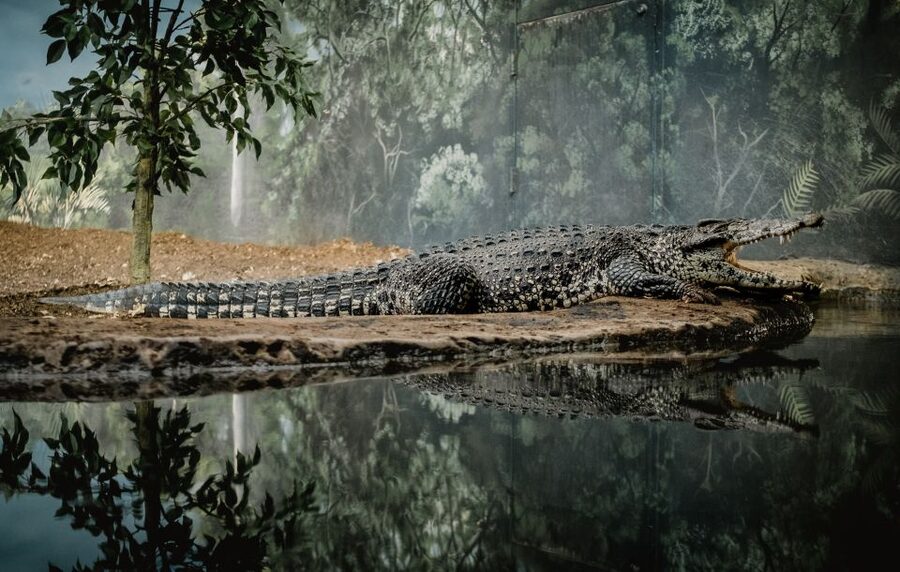
The accommodation is private, with air-conditioned single, twin, or triple rooms. The standard properties named are Chitwan Village Resort and a similar Rainbow Safari resort. The upgrade option is Greenpark Resort, described as five-star accommodation.
You should confirm the exact hotel before booking because similar-resort wording allows the operator to change properties. That is normal for packaged trips, but it affects your expectations about room size, facilities, and location.
The guide service is available in English, Hindi, and Nepali. An English-speaking guide is specifically included, and the package also lists live guiding rather than a self-guided park visit. A Chitwan ranger named Ram Babu received particularly strong praise for explaining the national park and its wildlife. Ramesh of Himalayan Nomad Treks was also singled out for helpful organization and personal assistance, though staff assignments are not guaranteed.
The best reports describe punctual staff, smooth coordination, friendly resort service, good food, and enough rest between activities. That combination matters because this schedule involves long road transfers and several outings. A good local team can make the difference between a tiring package and a manageable one.
Is $120 good value?
At $120 per person, the three-day package can be good value if the advertised inclusions are delivered. You receive round-trip transport, private air-conditioned accommodation, six included meals, park entry, a guide, safari transport, canoeing, a jungle walk, bird watching, the Tharu village visit, and the cultural program.
Buying those pieces separately would take more planning and could cost more once you add transport and park fees. The package is particularly useful if you want a simple connection from Kathmandu or Pokhara without arranging each Chitwan activity yourself.
The value falls quickly if the coach is not the promised tourist vehicle or if long delays cut into the first and last days. The drive consumes much of your time, so transport quality is not a minor detail. If you want more control, ask about the private vehicle option and its extra price.
There is also a shorter two-day version. It includes one night at Chitwan Village or Rainbow Safari Resort, one breakfast, one lunch, one dinner, an elephant or jeep safari, the Tharu dance, a local village visit, and a sunset tour. It costs less in time and likely in price, but it removes the canoeing, nature walk, and fuller wildlife schedule described for three days.
Who should choose this Chitwan trip?
I would recommend the three-day version to you if you are already in Kathmandu or Pokhara and want a first taste of Chitwan without planning a separate wildlife holiday. It suits people who want culture and nature in the same package, especially those who appreciate included meals and a local guide.
Families and mixed-interest groups may like the range of activities. One person can enjoy wildlife, another can focus on village life or food, and everyone gets some slower time on the river. The private-group format may also feel more personal, but confirm how the shared safari vehicle works.
This is less suitable if you dislike long bus rides or need firm arrival times. It is also not ideal if your main goal is a guaranteed tiger sighting. Chitwan offers possibility, not certainty.
Practical packing and planning advice
Bring your passport or ID, camera, binoculars, sunscreen, comfortable clothing, towel, hat, sunglasses, and water. These items are specifically advised, and each has a clear use during the road transfer or outdoor activities.
Keep personal spending money for drinks, bottled or boiled water, phone calls, laundry, bar bills, battery charging, showers, and other extras. Lunch and evening meals in Kathmandu or Pokhara are not included, and international flights, Nepal visa fees, and travel or rescue insurance are also your responsibility.
You should wait in your hotel lobby ten minutes before pickup. Pickup and drop-off points are listed near Thamel, Lakeside Road, and Baidam, so give the operator your exact hotel details rather than assuming every street in those areas is accessible to the coach.
Cancellation is flexible: you can cancel up to 24 hours in advance for a full refund. You can also reserve now and pay later, which helps if your Nepal route is still shifting.
Should you book it?
Book this tour if you want a ready-made Chitwan introduction with wildlife, Tharu culture, river scenery, and meals included. Its best qualities are the variety of activities, the helpful local coordination described by several customers, and the chance to see Chitwan without arranging separate transport, lodging, and park services.
Before booking, get written confirmation of the coach standard, exact resort, safari vehicle, and elephant policy. I would select the jeep safari rather than the elephant ride, and I would avoid building an important flight or appointment close to the return drive.
If the operator confirms the advertised transport and you accept the uncertainty of wildlife sightings, $120 is a reasonable package price. If you want comfort, strict timing, or a carefully vetted wildlife-welfare program, arrange a private vehicle and ask more questions first.
FAQ
How long does the Chitwan tour take?
The experience is offered as either a two-day or three-day tour. The three-day plan includes two nights in Chitwan, while the two-day plan includes one night.
Where can I be picked up?
Pickup is available near Thamel in Kathmandu and Baidam or Lakeside Road in Pokhara. You should wait in your hotel lobby ten minutes before the scheduled pickup.
Where does the tour end?
Drop-off is available near Thamel, Lakeside Road, and Baidam, depending on whether you return to Kathmandu or Pokhara.
Is transportation included?
Yes. Round-trip transportation between Kathmandu or Pokhara and Sauraha is included. The package describes a deluxe tourist air-conditioned coach, and a private vehicle may be arranged by contacting the provider directly.
What languages can the guide speak?
Guiding is available in English, Hindi, and Nepali. An authorized English-speaking guide is included.
What wildlife might I see?
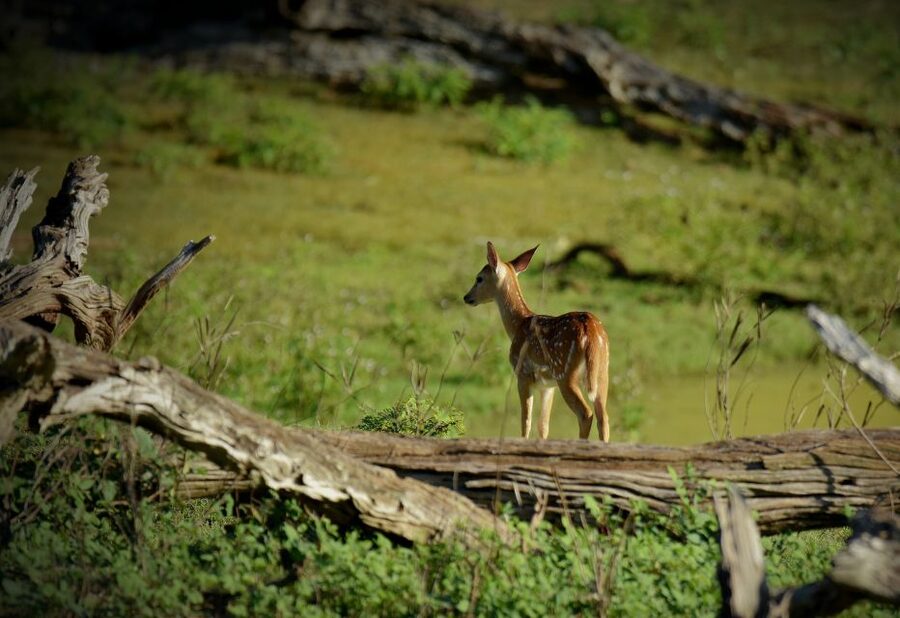
The safari may offer sightings of rhinos, tigers, crocodiles, elephants, and many bird species. Wildlife sightings are not guaranteed.
Are meals included?
The three-day version includes two breakfasts, two lunches, and two dinners. The two-day version includes one breakfast, one lunch, and one dinner. Drinks and meals outside the tour are not included.
Can I cancel the booking?
You can cancel up to 24 hours in advance for a full refund. The tour also offers a reserve-now, pay-later option.
More Wildlife in Kathmandu
- Wildlife Adventure in Chitwan Nepal
★ 4.0 · 4 reviews
Recently added around Kathmandu
- Kathmandu Paragliding★ 5.0 · 3 reviews
- Kathmandu Airport Pickup and Drop-off Services★ 5.0 · 3 reviews
- Explore The Beauty Of Langtang Valley In 8-Days Trek★ 5.0 · 3 reviews
- Kathmandu Chandragiri Cable Car and Swayambhunath Private Tour★ 5.0 · 3 reviews
- Kathmandu: Nightlife and Pub Crawl Tour★ 5.0 · 3 reviews
- Mountain Flight Experience in Nepal★ 4.5 · 3 reviews
- Kathmandu: Momo Making Class with a Local Chef★ 5.0 · 3 reviews
- Everest Base Camp Trek★ 5.0 · 3 reviews
Other Kathmandu Tours worth a look


Private Kathmandu Sightseeing Tour | UNESCO World Heritage sites
Read our review →
Everest Base Camp Helicopter Tour landing at Everest View Hotel
Read our review →


Nagarkot Sunrise View and Day Hiking from Kathmandu
Read our review →
Full Day 7 UNESCO Tour with Lunch – Private/Group
Read our review →
This tour also appears in