REVIEW · KATHMANDU TOURS
From Kathmandu: 2 Stupas and Kopan Monastery Spiritual Tour
The most rewarding part of this Kathmandu outing is the change of pace. You move from the quiet Jamchen Vijaya Stupa to hilltop Kopan Monastery, then finish among pilgrims, prayer wheels, shops, and Tibetan Buddhist life at Boudhanath. It is not just a monument checklist.
I like the private format, since your guide can slow down for questions or adjust the order if you have already seen one stupa. I also like the chance to sit quietly and meditate at Kopan, an experience that gives the visit personal meaning instead of leaving you with only photos.
The main consideration is access. You will walk at each site, and the tour is not suitable for wheelchair users or people with mobility impairments. Kopan Monastery can also be closed at times, so ask about current access before booking if that stop is your main reason for going.
Key points to know before booking
- Three very different Buddhist sites: Jamchen Vijaya Stupa is quiet, Kopan Monastery is reflective and hilltop, and Boudhanath is the grand public finale.
- Private car and guide: Hotel pickup and drop-off in Kathmandu are included, with an English-speaking licensed guide.
- Meditation is a real part of the visit: You may have time to sit and meditate at Kopan, sometimes for close to an hour.
- Guides add cultural context: Pooja, Karma, Aneel, Pranav, Prakriti, and other guides have been praised for clear explanations of Buddhism and Nepalese culture.
- Plan around walking: Bring a passport or copy, leave large bags behind, and expect steps or uneven walking at sacred sites.
- Good value at $6: The price is low for a private five-hour car tour, though you should confirm the current price and what entrance costs, if any, are included.
Why this half-day tour works in Kathmandu
Kathmandu can feel like a full-volume city. Motorbikes, horns, temples, shrines, incense, and traffic all compete for your attention. This tour gives you a simple thread to follow: visit Buddhist places, learn what you are seeing, and leave time for silence.
The five-hour length is useful. You get a meaningful look at three sites without giving up an entire day or committing to a long drive outside the Valley. The car also matters in Kathmandu, where moving between neighborhoods can take more energy than the map suggests.
This is a private group experience, not a large coach excursion. That changes the mood. You can ask why prayer wheels are turned, what the painted eyes mean, or how Buddhist and Hindu practices overlap in Nepal. Guides such as Aneel, Karma, Pooja, and Pranav have been praised for explaining ideas in plain English and connecting religious symbols with daily life.
I would not book this expecting a formal retreat. It is a sightseeing tour with spiritual elements. The meditation time depends on the site and the day, and a monastery visit may involve a class, a photo stop, free time, or simply a walk through the grounds.
A few more Kathmandu days to weigh up
- Everest Base Camp Trek – 14 Days
★ 5.0 · 1,499 reviews - Private Kathmandu Sightseeing Tour | UNESCO World Heritage sites
★ 5.0 · 756 reviews - Everest Base Camp Helicopter Tour landing at Everest View Hotel
★ 5.0 · 668 reviews
Jamchen Vijaya Stupa, a quiet first stop
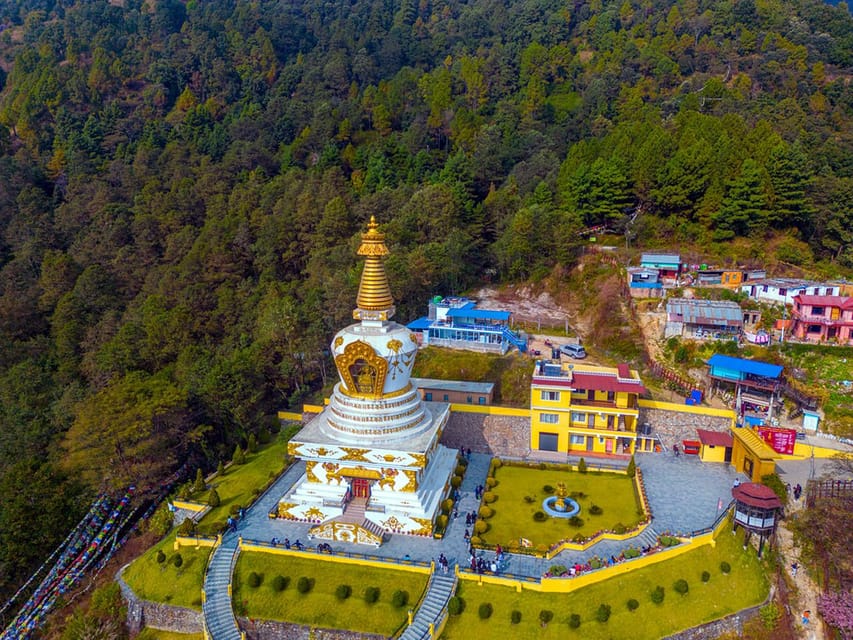
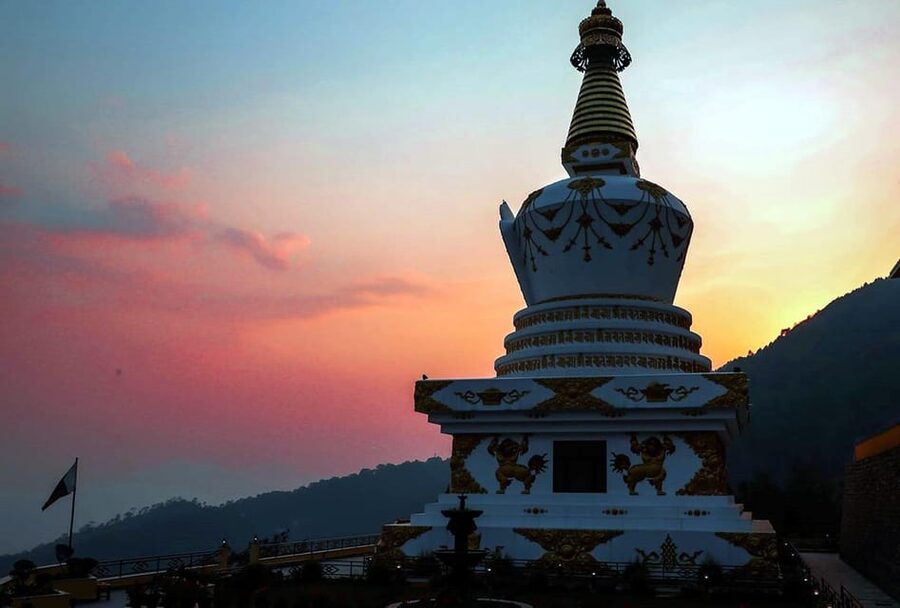
The tour begins at Jamchen Vijaya Stupa, also written as Jamche Vijaya Stupa in some descriptions. This is the least famous of the three stops, and that is part of its appeal. The atmosphere is described as calm, with natural surroundings and views that give you room to pause.
You spend about an hour here on a guided walk and sightseeing visit. Your guide can help you read the basic visual language of the stupa and explain the place within Nepal’s Buddhist traditions. That background is useful because stupas can look simple at first glance, yet their shape, colors, prayer flags, and ritual paths carry meaning.
This first stop sets the tone better than beginning at Boudhanath. You have space to get used to the customs before meeting the larger crowds around the famous stupa. I would use the time to walk slowly, take in the architecture, and ask questions rather than rush through photographs.
The tradeoff is that Jamchen Vijaya is not presented as a major landmark with a long list of formal sights. If you want only the best-known monuments, it may feel modest. If you want a quieter place for reflection, it gives the tour a welcome sense of calm.
The site also involves walking, so wear shoes that are comfortable for an hour on your feet. The experience is not suitable for wheelchair users or people with mobility limitations, and the supplied information does not promise step-free access.
Kopan Monastery and the value of sitting still
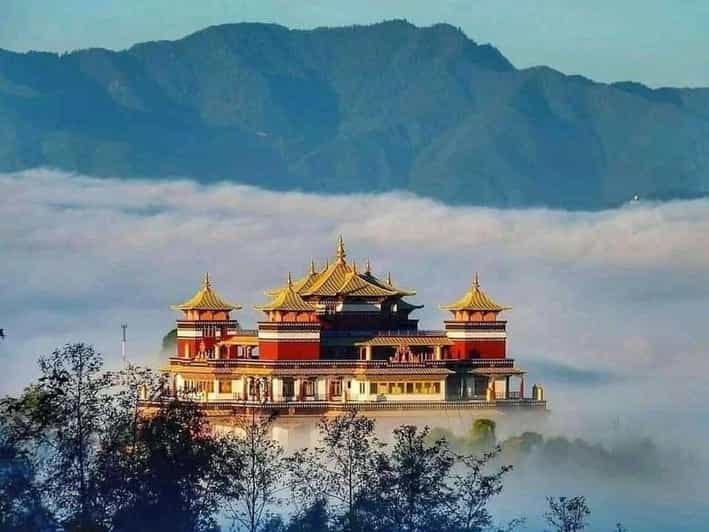
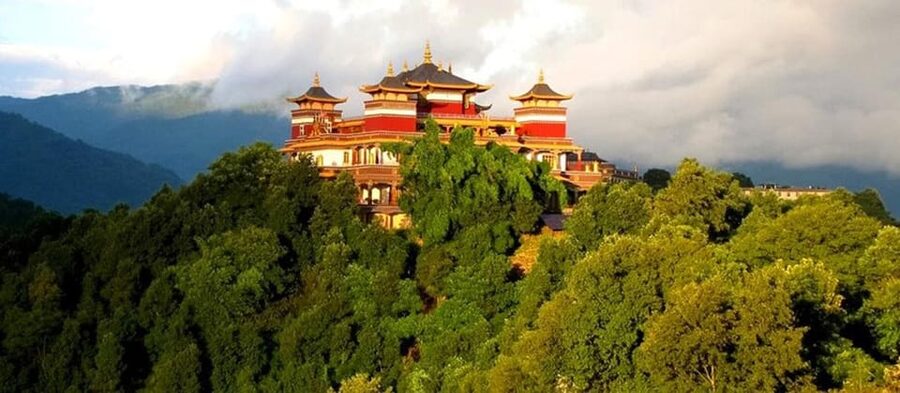
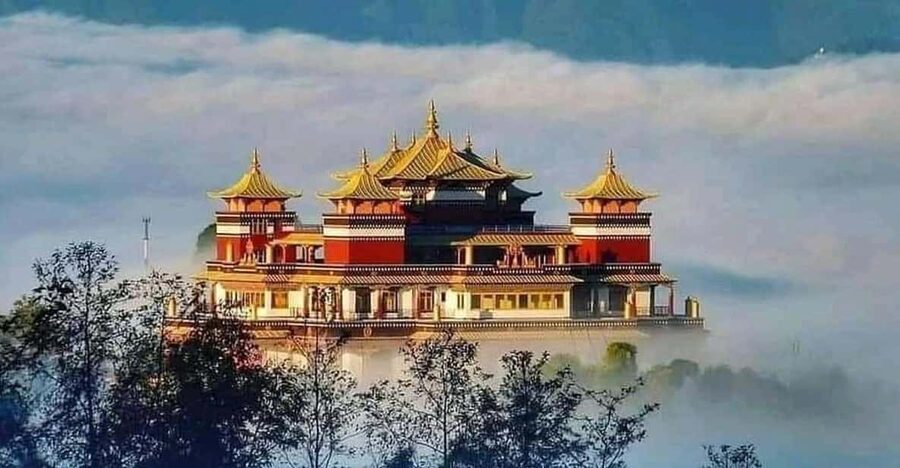
Kopan Monastery is the emotional center of the tour for many people. Set on a hill, it offers views over Kathmandu Valley along with a chance to see a working monastic setting rather than only an old monument.
The scheduled visit lasts about an hour and can include a photo stop, a walk, free time, scenic views, and a class. Most important, you may be able to meditate here. One booking record describes almost an hour of meditation at the monastery, while other experiences also singled out the quiet sitting as the most memorable part of the day.
That time matters. A guide can explain Buddhist philosophy, but sitting quietly in a monastery lets you notice the mood of the place for yourself. You do not need to be Buddhist or experienced in meditation. You only need to be willing to put your phone away and let the visit slow down.
Kopan also has prayer wheels, colorful murals, gardens, and views across the Valley. Your guide may point out the meaning of colors, symbols, and ritual objects. Pooja was particularly praised for explaining these details, while Pranav was appreciated for encouraging visitors to experience the site rather than simply look at it.
There is one important warning. Kopan may be closed on a particular day. One person still found the tour worthwhile when the monastery was closed, thanks to the other sites and the meditation opportunity, but you should not assume that every advertised activity will be available every time.
Ask your guide at pickup whether the monastery is open and whether meditation is possible that day. If it is closed, the tour can still offer Buddhist context and scenic stops, but the central spiritual experience will be different.
Boudhanath Stupa, the grand finish
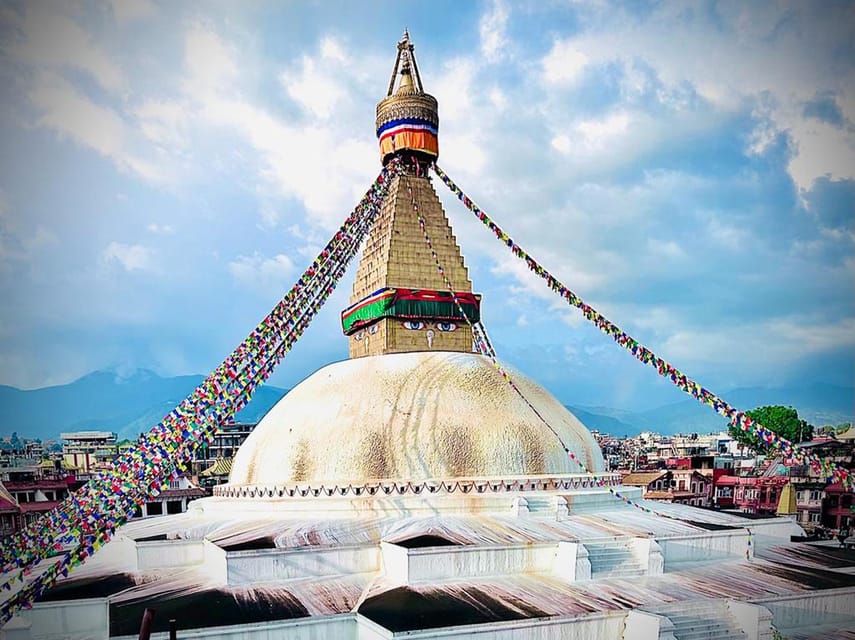
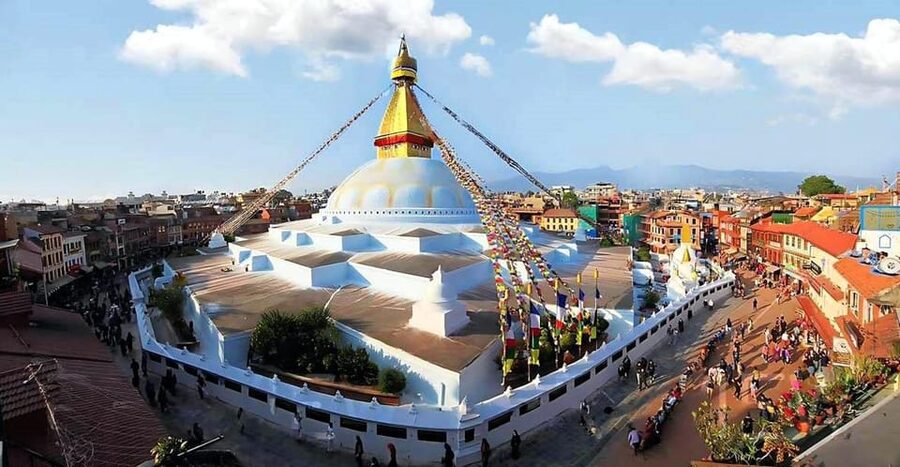
Boudhanath is the best-known stop and the most visually powerful. Its huge white dome, gilded spire, and Buddha’s watchful eyes form the center of one of Kathmandu’s most important Buddhist areas. It is also a UNESCO World Heritage Site.
The visit lasts about an hour and includes a guided introduction, a photo stop, free time, and walking. You can watch people circumambulate the stupa, turn prayer wheels, and recite mantras. The correct pace here is unhurried. Walk around the stupa in the same direction as the pilgrims, listen to the bells and chants, and notice how ritual and ordinary life share the same space.
Boudhanath is not a quiet museum. The surrounding streets have shops, prayer flags, traditional eateries, and Tibetan cultural influences. That makes it a strong final stop because you can connect the ideas from Jamchen and Kopan with a living religious center.
You may also get the chance to buy a Nepalese lunch. Lunch is not listed as included, so bring some spending money if you want to eat. One guide, Bethany’s Pranav, was also credited with offering useful local food advice, including where to find good momos. Treat such suggestions as a bonus of having a local guide, not as a fixed part of the package.
The drawback is the contrast with Jamchen. Boudhanath can feel much busier and more commercial, especially after the quiet monastery. I see that as part of its value, but it may disappoint you if you expect five hours of uninterrupted silence.
A different kind of day from the same base:
- Half day cooking class in Thamel kathmandu
★ 5.0 · 607 reviews - Everest Base Camp Trekking
★ 5.0 · 485 reviews - Nagarkot Sunrise View and Day Hiking from Kathmandu
★ 5.0 · 471 reviews - Kathmandu: Full Day 7 UNESCO Tour with Lunch – Private/Group
★ 5.0 · 415 reviews
Guides make the difference
The sites are worthwhile on their own, but the guide shapes the day. The strongest part of this experience is the human explanation between stops and the willingness to answer questions without turning Buddhism into a dry lecture.
Several guides have received especially warm praise. Pooja is described as kind, funny, and very well informed, with a gentle manner that helped visitors feel comfortable. Karma is praised for clear explanations of Buddhist beliefs, Nepalese culture, and local history. Aneel is known for enthusiastic, personal storytelling and for making cultural traditions easy to understand.
Pranav has been appreciated for discussing both ancient and modern Nepal and for adapting the pace to the group. Other named guides include Razz, Prakriti, and Pooza. You cannot usually choose a particular guide unless the operator confirms it, but the repeated strength of the guiding team is a good reason to value this tour over arranging a bare taxi visit.
A private guide also makes this suitable for a solo visitor. One solo participant found the one-to-one format especially helpful, and that makes sense. You can ask basic questions without feeling awkward, stop for longer at a site, or move on when you have seen enough.
Transport, pace, and practical comfort
Pickup and drop-off by car are included from accommodations in Kathmandu. The driver handles the city traffic while your guide handles the interpretation. Several experiences specifically praised punctual pickup, careful driving, and comfortable vehicles.
The total duration is five hours, but the three listed site visits account for about three hours. The remaining time is used for driving, transitions, and perhaps a meal break. Kathmandu traffic can affect the exact rhythm, so think of the schedule as a half-day framework rather than a minute-by-minute promise.
The pace is one of the tour’s strengths. Guides have adjusted visits when someone had already seen one of the stupas, and some participants felt the stops were not rushed. Still, you should tell the guide early if you want more meditation, more explanation, or more time for photos.
Bring a passport or a copy, as requested by the operator. Leave luggage and large bags at your accommodation. Wear practical clothing that allows walking and is respectful at religious sites. The supplied information does not specify a dress code, but modest clothing is a sensible choice for monasteries and stupas.
Since mobility access is limited, ask yourself how comfortably you can manage walking and possible uneven surfaces. This is not the right choice if you need a wheelchair or have a serious mobility impairment.
Is $6 good value?
At the stated price of $6 per person, this is unusually inexpensive for a five-hour private tour with a car, hotel pickup, drop-off, and licensed English-speaking guide. Even if you value only the transport and personal guiding, the price is compelling.
Value also depends on what you want. If you are comfortable finding Boudhanath by taxi and reading a guidebook, you can visit one major site independently. What you cannot easily reproduce is the flow between three Buddhist locations, the explanations of symbols and customs, and the chance to ask a local guide questions throughout the morning or afternoon.
One participant still considered the tour relatively expensive compared with other local trips, even though it was worthwhile. That is a useful reminder to check the current price before payment, since tour prices can change. Also confirm whether any entrance fees are included, because the supplied details do not state specific ticket costs.
The reserve-now, pay-later option and free cancellation up to 24 hours before departure reduce the risk of booking early. Those policies are helpful if your Kathmandu plans are still shifting, but they do not change the main question: will you make use of the guide and the reflective pace?
Who should book this experience?
I would recommend it to a first-time visitor who wants an introduction to Nepalese Buddhism without giving up a full day. It is also a strong choice for solo visitors, couples, and small private groups who prefer conversation over a fixed large-group script.
It suits you especially well if you want:
- Clear explanations of Buddhist ideas and symbols
- A quiet meditation opportunity
- A mix of lesser-known and famous sites
- Hotel transport rather than negotiating Kathmandu taxis
- Local suggestions about food and culture
- A flexible pace with time for questions
I would be more cautious if you have already visited all three places or want a formal meditation course. The tour is short, and its focus is cultural sightseeing with personal reflection, not intensive religious instruction.
It is also a poor fit if you cannot walk comfortably or if visiting an open monastery is essential and you cannot tolerate a change of plan. Confirm Kopan’s access before setting your expectations.
Final verdict: a thoughtful half-day choice
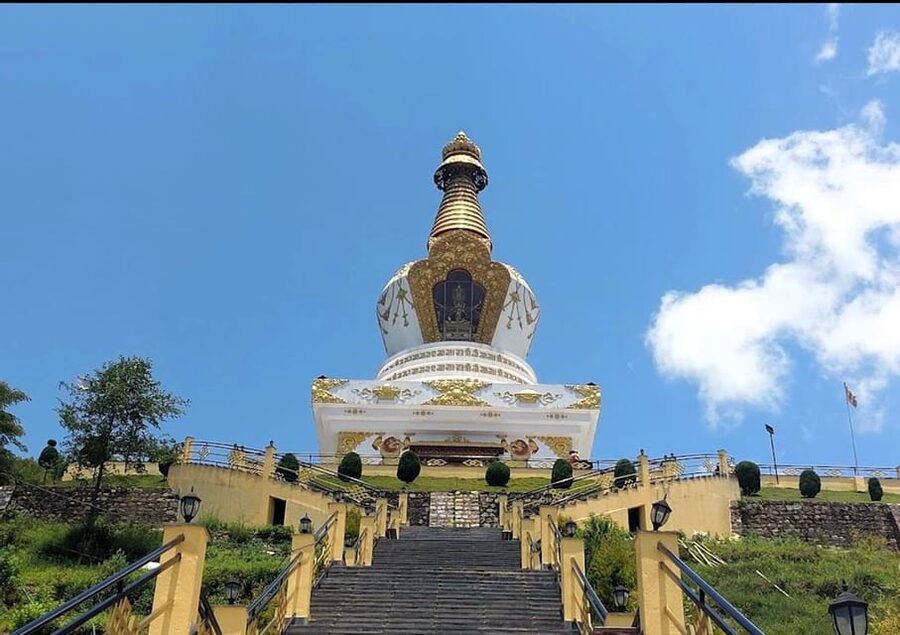
I like this tour because it gives Kathmandu’s Buddhist sights a sensible order. Jamchen Vijaya offers quiet, Kopan adds time for reflection, and Boudhanath shows Buddhism as a living part of the city.
The strongest reason to book is the guide. Pooja, Karma, Aneel, Pranav, and the wider team have been praised for warmth, clear English, cultural insight, and an ability to make the sites feel meaningful. The car, pickup, and private format make the day easy, especially when you have limited time.
Book it if you want more than photographs and are open to meditation, questions, and a slower look at religious places. Skip it if you need step-free access, want guaranteed monastery entry, or prefer to explore Boudhanath independently. For most curious visitors with one free half-day in Kathmandu, the combination of price, personal guiding, and three distinct Buddhist sites makes this a smart choice.
FAQ
How long does the spiritual tour last?
The tour lasts five hours, including hotel pickup and drop-off in Kathmandu, transport, and visits to the three sites.
Which places does the tour visit?
The tour visits Jamchen Vijaya Stupa, Kopan Monastery, and Boudhanath Stupa in Kathmandu.
Is hotel pickup included?
Yes. Pickup and drop-off by car are included from accommodations in Kathmandu.
Is the tour private?
Yes. It is offered as a private group experience.
What language does the guide speak?
The live guide speaks English.
Can I meditate at Kopan Monastery?
Meditation may be available at Kopan Monastery, and some visits have included close to an hour of meditation. Availability can vary, and the monastery may occasionally be closed.
Is the tour suitable for wheelchair users?
No. The experience is not suitable for wheelchair users or people with mobility impairments because it includes walking at the religious sites.
Recently added around Kathmandu
- Kathmandu Airport Pickup and Drop-off Services★ 5.0 · 3 reviews
- Kathmandu Paragliding★ 5.0 · 3 reviews
- Explore The Beauty Of Langtang Valley In 8-Days Trek★ 5.0 · 3 reviews
- Kathmandu Chandragiri Cable Car and Swayambhunath Private Tour★ 5.0 · 3 reviews
- Kathmandu: Nightlife and Pub Crawl Tour★ 5.0 · 3 reviews
- Kathmandu: Momo Making Class with a Local Chef★ 5.0 · 3 reviews
- Mountain Flight Experience in Nepal★ 4.5 · 3 reviews
- Everest Base Camp Trek★ 5.0 · 3 reviews
Other Kathmandu Tours worth a look
Private Kathmandu Sightseeing Tour | UNESCO World Heritage sites
Read our review →
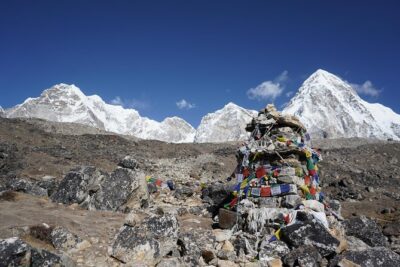
Everest Base Camp Helicopter Tour landing at Everest View Hotel
Read our review →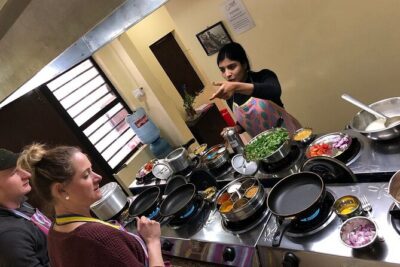
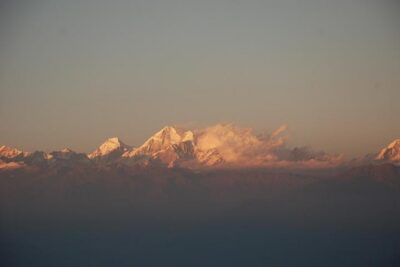
Nagarkot Sunrise View and Day Hiking from Kathmandu
Read our review →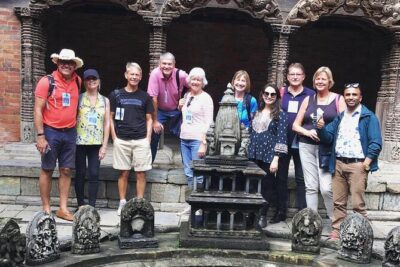
Full Day 7 UNESCO Tour with Lunch – Private/Group
Read our review →